There is little to no difference between the reality we see with our naked eyes and the one presented to us through smart glasses. Qualcomm continues to impress, especially when it comes to pushing boundaries in mixed reality, virtual reality, and augmented reality. And now, AI is adding a whole new layer by making these experiences feel even more intuitive and real. It’s almost like the tech is observing and listening just to make everything feel personalised.
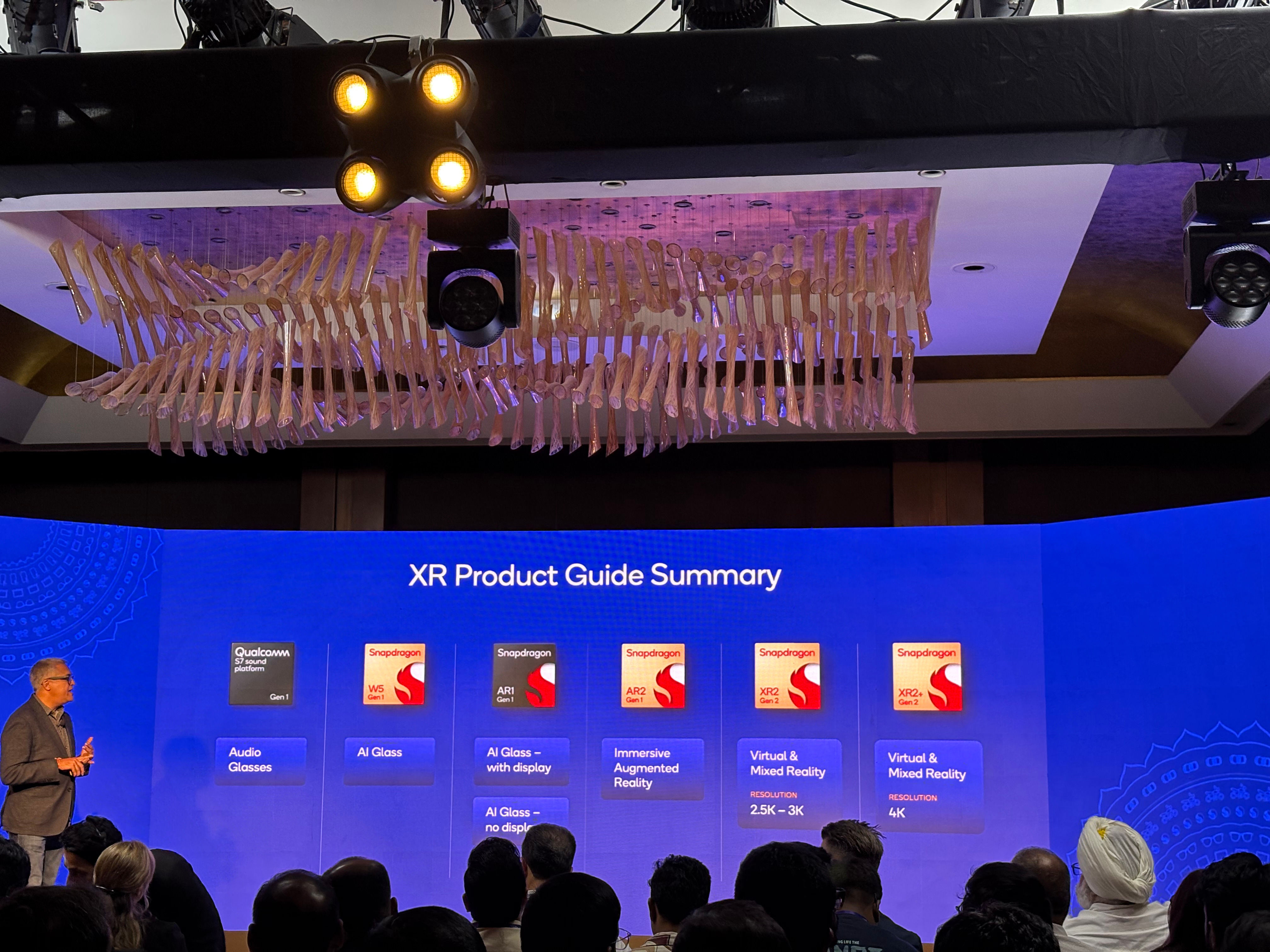
But here’s the part that really caught my attention. I watched Alex Katouzian, Group GM of Mobile, Compute & XR at Qualcomm Technologies, casually run a small language model directly on a pair of smart glasses. That moment really drove home just how powerful Snapdragon platforms have become, with AI running across cloud, local, and on-device environments. If you’re curious, check out our post below to see it in action.
AI glasses in motion? pic.twitter.com/6qT42yTZ7N
— mysmartprice (@mysmartprice) July 21, 2025
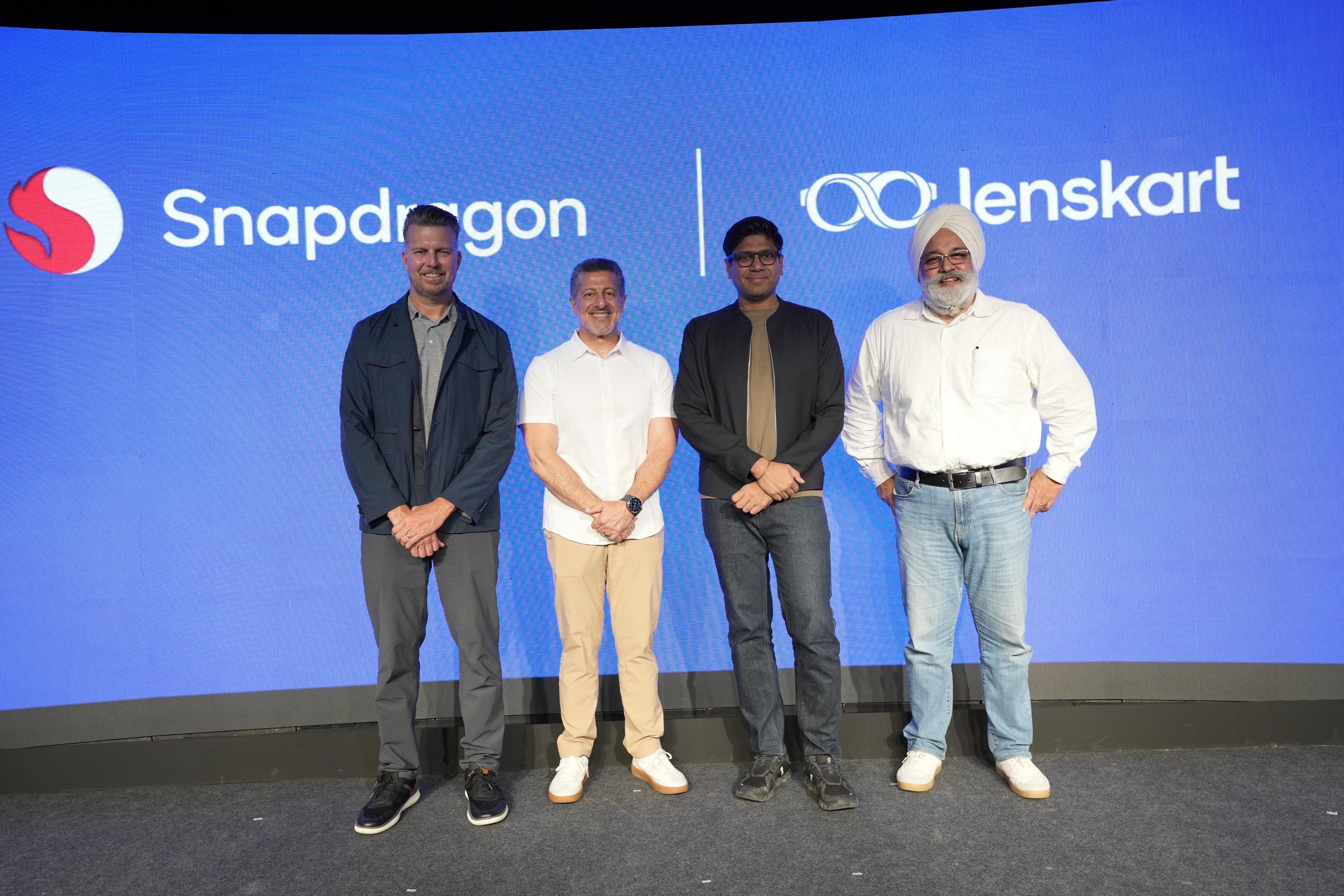
What’s exciting is that Qualcomm has teamed up with Lenskart to bring AI-powered smart glasses to life, all built on Snapdragon chipsets. This collaboration feels like a well-timed move for India’s fast-evolving tech landscape, where demand for smart wearables is growing stronger than ever.
Hands-On with Snapdragon-Powered Smart Glasses
I didn’t expect to be this impressed, but here we are. I got to try out five different smart glasses at the event, and to say I was blown away would be an understatement. Most of them are built on Qualcomm’s Snapdragon AR1 Gen 1 platform, and are redefining what wearable tech looks and feels like.
Lecoo Fighter G1
The first pair I reached for was surprisingly light at just 38 grams. At first glance, they appear to be any other pair of glasses. But the tech inside is far from ordinary. There’s support for multimodal AI interaction, including voice, image recognition, and translation. You also get a 12MP IMX681 camera and a 5-microphone array, making them super capable for hands-free audio and visuals. Plus, it also sports Bluetooth 5.3 and Wi-Fi 6.
In my opinion, the design of these glasses really depends on your face shape. The slightly unconventional frame might not work well for everyone, so they may not be the most universally flattering option.
Xiaomi AI Glasses
Honestly, these glasses look almost identical to the ones I wear every day. They offer up to eight hours of usage, charge quickly, and have an IP54 rating to handle a bit of rough use. The 12MP ultra-wide camera supports 2K video recording at 30fps, and the electrochromic lenses adjust to lighting conditions. These glasses also handle real-time object recognition, translation, meeting transcriptions, and even food calorie estimation. Yep, your eyewear now knows what you’re eating.
LAWK View
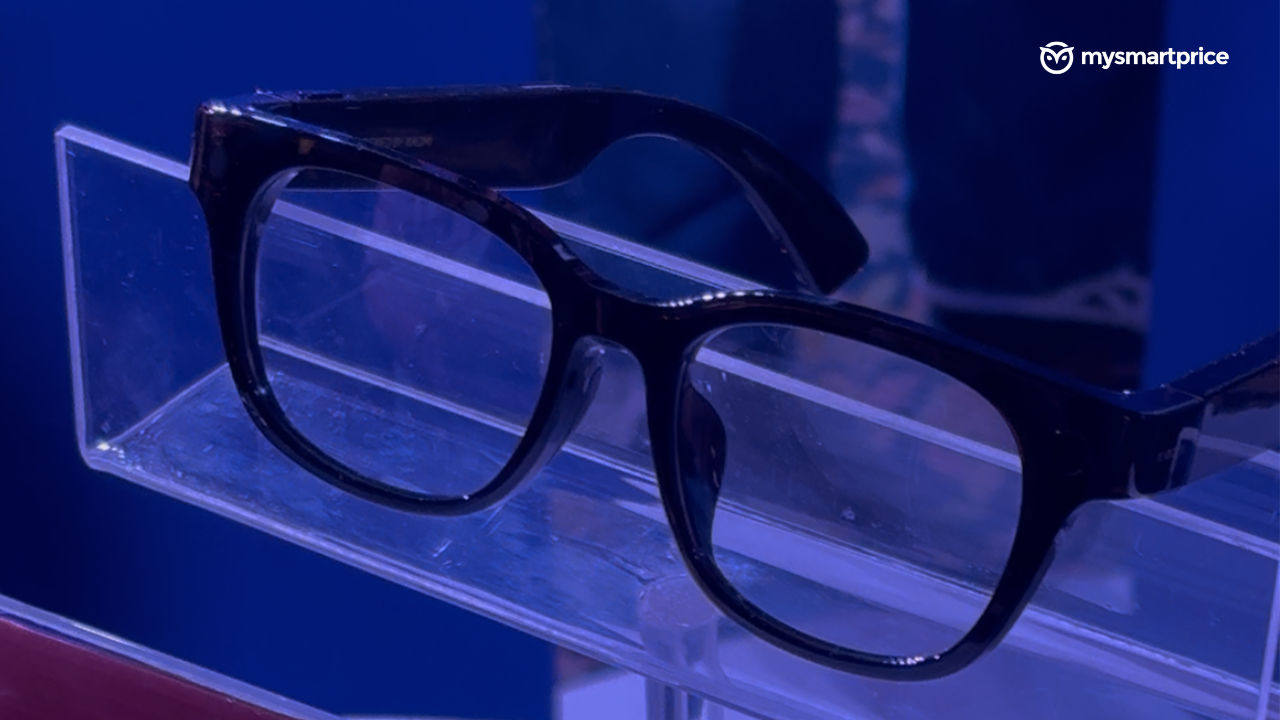
They have the classic Ray-Ban look, but with some serious brains packed inside. You can record videos, stream directly to social media, translate in real time, and give voice commands on the go. The design is clean enough to hide the camera within the black frame, and thanks to the open-ear audio, you can listen privately without blocking out the world around you.
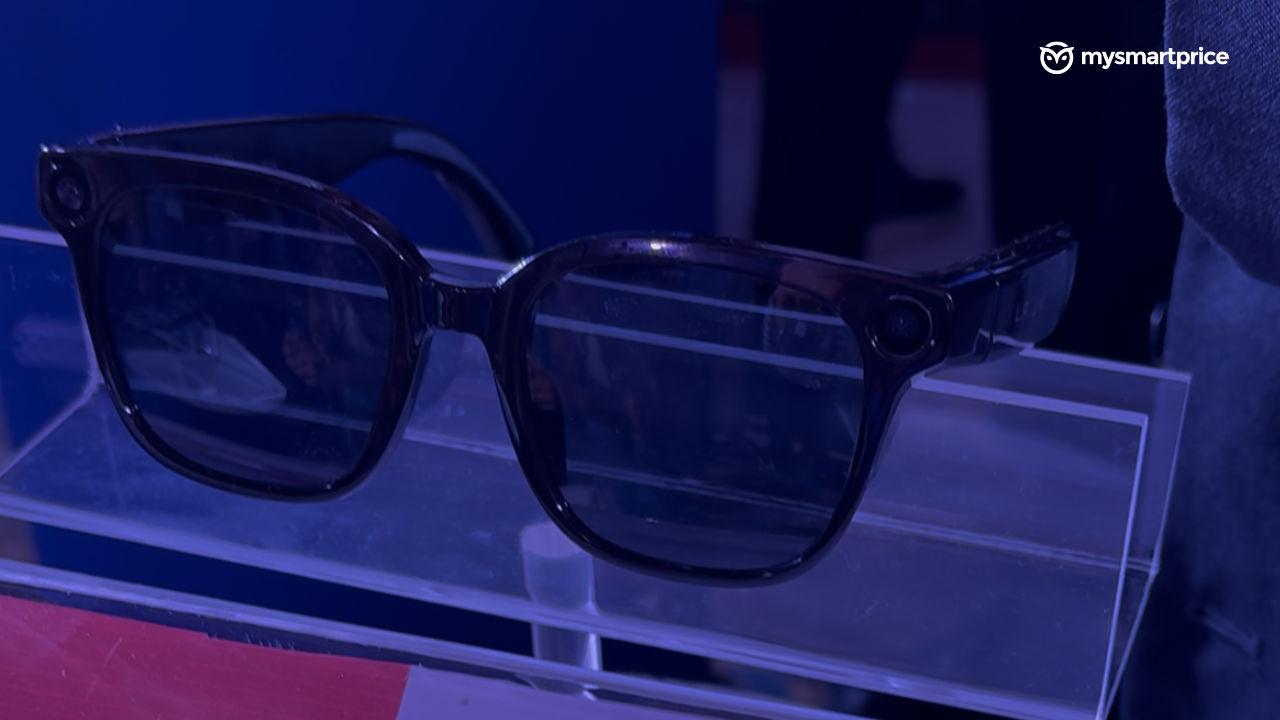
RayNeo V3 Slim
These are built for all-day comfort. It’s lightweight and minimal, perfect for those who don’t want tech screaming from their face. What I loved was how effortlessly it delivered hands-free access to information and media. Whether it was navigation, translation during conversations, or just recording a quick video, everything worked seamlessly.
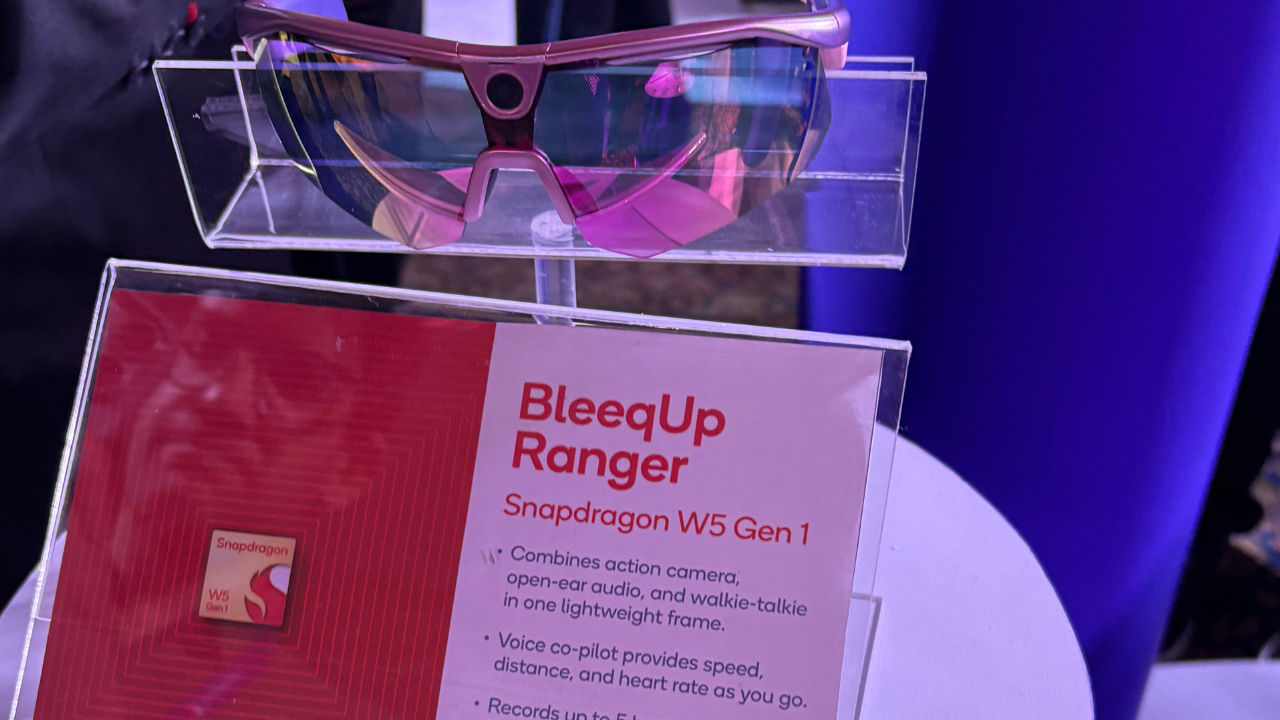
BleeqUp Ranger
This one’s a little chunkier and is powered by the Snapdragon W5 Gen 1 chipset. It’s like an action camera, walkie-talkie, and smart assistant rolled into one wearable. You get up to five hours of stabilised 1080p video recording, and it even comes with a helmet battery pack. It reminded me of the specs cricketers wear on the field. The voice co-pilot gives real-time updates on speed, distance, and heart rate, which could be a game-changer for outdoor sports.
Smart glasses are no longer just a futuristic concept. They’re here, they work, and they’re slowly changing how we interact with the world. After trying these out, I can confidently say the future is not just wearable; it’s looking right at us.
Is XR ready to turn a page?
What really stands out to me after this experience is how quickly smart glasses are moving from being a niche gadget to becoming a serious tech category. Extended reality is no longer limited to experimental headsets or enterprise demos; it is quietly finding its way into consumer products that look and feel familiar. What really makes these devices promising is that they are built to slide easily into your existing tech ecosystem, replace your regular eyewear, and synchronise with your lifestyle without any drama or unnecessary burden on your wallet (yes, I am looking at you, Apple Vision Pro). With companies like Qualcomm pushing the limits of on-device AI and collaborating with lifestyle brands such as Lenskart, this segment is shaping up to be one of the most exciting spaces in personal tech over the next few years. If early products like these are anything to go by, XR is poised to be the next big platform shift after smartphones, blending digital, augmented, and virtual layers in a way that feels seamless rather than forced. And after trying these glasses, I can see why everyone from big tech to eyewear companies wants to be part of it.