The Indian smartphone market is entering a phase where design, AI integration, and long-term value are becoming as important as raw specifications. For Xiaomi, 2025 is not just about new launches, it's about recalibrating brand positioning across the premium Xiaomi and value-focused Redmi lines. In an exclusive conversation, Sudhin Mathur, Chief Operating Officer of Xiaomi India, discusses the company's dual-brand strategy, the upcoming Redmi Note 14 series, the role of AI in its devices, and how a stronger community focus will help shape its next phase of growth.
-
Dual brand positioning as a strategic anchor: Xiaomi is drawing a clear line between its two brands. The Xiaomi lineup will focus on premium products that highlight design, innovation, and long-term software support. Redmi will serve the "smart value" segment, targeting buyers who want advanced features, good cameras, and AI capabilities at a more accessible price. This approach allows the company to address both aspirational urban buyers and price-conscious consumers without diluting either brand's identity.
-
AI integration as a long-term differentiator: AI is being embedded across the product ecosystem, from smartphones to tablets and wearables. In photography, it will help users capture better images through scene optimization and real-time adjustments. In performance, AI will fine-tune battery management and personalize user experiences. By making AI a core part of its ecosystem strategy, Xiaomi is aiming to provide tangible improvements in daily use rather than treating AI as a headline feature.
-
Festive season strategy: Xiaomi is preparing a broad-based plan. The portfolio will target first-time buyers, mid-range upgraders, and consumers looking for near-flagship experiences at competitive prices. The aim is to be visible across all price bands and channels, ensuring Xiaomi is part of purchase decisions during the busiest shopping period of the year.
Here is our complete interview:
MSP: Xiaomi recently hit several major milestones in India. What do these achievements signify for the brand's maturity and long-term commitment to the Indian market?
SM: Xiaomi’s recent milestones reflect a deeper maturity and a strong long-term commitment to India. Whether it’s scaling up local manufacturing across categories like tablets and wearables or unveiling our long-term vision to ship 700 million additional smart devices India, these steps signal our focus on sustained value creation. India continues to play a central role in our global roadmap, not just as a market but as a key innovation and growth hub. This includes renewed energy across both Xiaomi and Redmi, with each product line playing a distinct yet complementary role in driving our future here.
MSP: The first half of 2025 saw notable activity across smartphones, wearables, and AIoT. What would you highlight as key moments that defined Xiaomi's H1 performance in India?
SM: H1 2025 was a high-activity period for us, with meaningful launches across both the Xiaomi and Redmi portfolios. The Xiaomi 15 Series set new benchmarks in performance and premium experience. Meanwhile, the Redmi Watch Move marked our foray into locally manufactured smartwatches, delivering innovation at scale. We also ramped up tablet manufacturing in India to support the growing demand for multi-device productivity. Meanwhile, AIoT remained a key growth engine, complemented by strong momentum in connected devices like the Xiaomi Pad 7 and X Pro QLED TVs. These foundational moves have set the stage for a stronger H2.
MSP: As we enter the second half of the year, what are Xiaomi's top priorities, in terms of product pipeline, channel strategy, or ecosystem expansion?
SM: In H2, our focus is to strengthen the relevance and reach of both Xiaomi and Redmi across all user segments. For Redmi, this means leaning into the idea of "smart value," where consumers get cutting-edge features, camera innovation, and AI integration at accessible price points. The Redmi Note 14 Series will be at the center of this strategy. For Xiaomi, we are deepening our premium credentials with a wider product pipeline and continued investment in long-term software support. Our channel priorities include expanding regional retail presence, optimizing inventory and affordability programs for the festive season, and ensuring a consistent experience across online and offline.
MSP: While Xiaomi has made strides in many categories, there's been a noticeable absence of compelling options in some key premium and performance-focused segments recently. How does the brand view this gap, and what's the roadmap to address these expectations going forward?
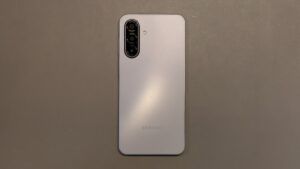
SM: We understand that the Indian consumer today is more aspirational and demanding than ever before. There is a clear opportunity in the Rs 20,000 to Rs 35,000 segment where design, software quality, and long-term value are becoming non-negotiable. The Xiaomi 15 Series is a step in that direction, offering flagship-grade experiences backed by extended software support. On the Redmi side, we are evolving our positioning from just value-for-money to smart, high-functioning products that appeal to tech-savvy upgraders. The upcoming Redmi Note 14 SE, for example, is designed to deliver flagship-level AI experiences and premium design at a more accessible price. We are also investing in retail experience upgrades, community engagement, and better storytelling to support this shift.
MSP: With the festive season being a critical period for device upgrades and ecosystem purchases, how is Xiaomi positioning itself across price bands and retail channels to tap into this surge in demand?
The festive season is one of the most important sales windows for the industry, and we are preparing with a layered, strategic approach. Our smartphone portfolio will cater to multiple consumer cohorts: first-time buyers, upgraders, and those seeking flagship-like experiences without the flagship price. The Redmi Note 14 SE 5G will lead the charge with aggressive pricing and nostalgic appeal, while the broader Note 14 Series will target aspirational users looking for balanced performance and design. Our channel readiness plan includes region-specific promotions, retail staff training, and end-to-end in-store branding. We are also enhancing the availability of finance schemes, bundling offers with AIoT products, and launching campaigns that drive gifting and family upgrades. Whether it's Mi.com, Amazon.in Flipkart, or our retail partners, the Redmi and Xiaomi portfolios together ensure that we are present across all consumer segments.
MSP: From AI-led features to value-focused innovation, the Indian smartphone industry is evolving fast. How is Xiaomi responding to broader consumer trends, and what are the shifts you’re anticipating through the rest of 2025?
SM: Consumer expectations are shifting from specs alone to holistic, longer-term value. AI capabilities are becoming central to user experience, from photography and personalization to battery optimization and device interoperability. We are responding to these shifts in several ways. First, we are embedding AI across devices. Second, we are extending software support cycles to ensure product longevity. Third, we are improving cross-device experiences with deeper integration across smartphones, tablets, and wearables. We also expect more demand for premium design language in the mid-range and a growing emphasis on trust, transparency, and post-sales service. Redmi is uniquely positioned to meet these expectations by offering "flagship feels without flagship pricing.
MSP: India continues to be a high-stakes, high-potential market. How is Xiaomi recalibrating its India strategy to grow market share—not just in core categories like smartphones, but also in wearables, smart TVs, and connected devices?
SM: Our strategy in India is now built around long-term brand building, product diversification, and ecosystem growth. In smartphones, we are strengthening two clear positions: Xiaomi as a premium innovation leader and Redmi as the smart value choice for aspirational buyers. We are deepening our presence in smart TVs, tablets, and wearables, many of which are now locally manufactured. In appliances, we are building operational and market readiness. Our offline expansion, enhanced service infrastructure, and strong community programs are designed to build trust and relevance across categories. The Redmi brand in particular is being repositioned for a broader reach, shifting from an online-only disruptor to an omnipresent, intelligent choice for everyday users.
MSP: At MWC 2025, Xiaomi showcased its growing ambitions in the connected ecosystem space, including key large appliance launches. Is there a plan to bring these products to the Indian market, and how do they fit into your larger ecosystem expansion strategy in this region?
SM: Yes, large ecosystem categories are an important part of our roadmap for India. Our "Human × Car × Home" strategy is about enabling smarter living through connected experiences. India is already seeing early investments in this direction, including smart TVs, tablets, and wearables. We are evaluating the timing and market readiness for introducing large appliances and other global innovations locally. The goal is to make Xiaomi a central part of the connected home experience in India over the long term.
MSP: The new Xiaomi Fan Club initiative marks a renewed focus on community. What's the larger idea behind it, and how does it deepen your relationship with users in a competitive, experience-driven market?
SM: The Xiaomi Fan Club is a modern evolution of how we connect with our community. Launched on Telegram, it's designed to give fans and power users a front-row seat to everything we are building. Members get early access to product news, participate in feature polls, share feedback, and even join offline meetups and retail activations.
With the Redmi brand undergoing a strategic refresh, the role of the community becomes even more critical. Over the past year, we have spent time listening closely to what our users want, not just from their devices, but from the brand itself. We heard stories of ambition that comes with self-awareness, of the need for both performance and purpose, of a desire for products that reflect evolving identities. The new Redmi identity reflects this shift. It is bold yet grounded, youthful yet mature, and designed for a generation that is growing through complexity but still believes in possibilities.
In this context, the Fan Club becomes more than just a platform for updates. It allows us to co-create features, test new innovations, and shape marketing narratives based on real user inputs. In an industry where trust, relatability, and responsiveness matter, this kind of community-led feedback loop gives us an edge that goes far beyond traditional marketing.