Whether it’s Maya Sarabhai or a New-Age Monisha, most Indians share a desire to own an iPhone. This phenomenon is unsurprising, given their legacy as a status symbol in the society we live in. With the introduction of wallet-friendly EMI plans, everyone flocks to get a piece of this delicious pie.
Witnessing a rising demand for its handsets, Apple was finally motivated to take a bold step and launch something experimental earlier than its usual schedule. The iPhone Air is what the Cupertino-based tech giant conceived after months of research and development. The headlining feature of this smartphone is that it packs a system similar to that of the iPhone 17 in a 5.64mm-thick body.
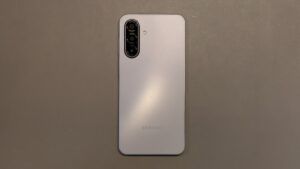
I want to preface that Samsung and Tecno pulled ahead of Apple by a few months in unveiling their own ultra-slim smartphones. Still, the iPhone Air remains an exciting product, considering how Apple toyed with the idea of making a blade-like edition of its coveted smartphone.

Under the hood, Apple has opted for the A19 Pro processor to manage the entire operation inside the super-sleek smartphone. This means that it will hit the ground running in handling whatever intensive tasks you throw at it. Furthermore, it is prepared to keep pace with the growing interest in AI-enabled features.
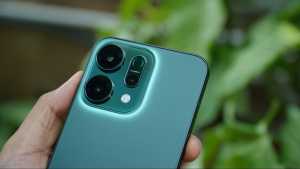
Turning the phone on its rear profile, you will be greeted with the hump-like structure, which Apple defines as “Plateau”.

It houses almost every integral part of its system, including the rear camera, chipset, and more, except for the battery. Speaking of the camera, the brand has embellished the “Plateau” with a single 48-megapixel fusion sensor. It features an aperture of f/1.6 and is equipped with OIS.
On the front, the iPhone Air rocks a 6.5-inch Retina XDR display with support for a 120Hz refresh rate. The last part is a massive win for diehard iPhone stans who have often been clowned by their Android peers for missing out on smooth scrolling on their standard iPhones. Anyway, the screen can reach up to 3000 nits of peak brightness.
However, what truly makes the iPhone Air special is the fact that Apple managed to enclose everything I have mentioned above in a body that is slimmer than a pencil. Yes, this smartphone is 5.64 mm thick and weighs just 165 grams.

To ensure it remains rigid in all circumstances, the brand has utilised grade 5 titanium material for its framework and subsequently strengthened it with Ceramic Shield 2 protection on both the front and back.
Till now, the iPhone Air feels like an impressive overall package. However, if you haven’t realised it yet, I haven’t talked about the battery that keeps the phone running for hours. As usual, Apple slyly glossed over the exact battery capacity in its marketing material about the iPhone 17 series. But if the rumour is to be believed, the iPhone Air is speculated to feature a 3,000mAh battery. If true, this number is considerably less compared to the 3,900mAh battery inside its closest competitor, the Samsung Galaxy S25 Edge.
When the Samsung Galaxy S25 Edge hit the market, it instantly became the talk of the town for not being able to deliver a day’s worth of battery life on moderate usage. Seeing this, I don’t have high hopes for the iPhone Air to turn this around in its favour. I believe Apple captured this sentiment during the development of this device. That’s why it has unveiled a unique MagSafe Battery accessory, which snaps onto the back of the smartphone and charges it. I said unique because it is thin and features a design that matches the overall curvature of the iPhone Air.

However, the biggest kryptonite to the iPhone Air’s success in India is undeniably its pricing. It starts for Rs 1,19,999. Although it is a distinctive product in the current smartphone market landscape, the average Indian uncle or aunt will have a tough time accepting its price tag. There is a common mindset among Indian consumers, where they want everything they can get their hands on in the items they purchase, including smartphones. Considering this widespread ideology, the standard iPhone 17 appears to be a better choice for aspirational iPhone devotees, as it offers dual cameras and a larger battery at a significantly lower price. These individuals require more than design to convince themselves to purchase a new smartphone priced above Rs 55,000. Also, let’s not forget that they now have the iPhone 16e in the mix, which might be worth considering for a true value purchase.
It will be interesting to see how Apple responds to this enduring mindset and moves the iPhone Air stock in the coming days. I hope this groundbreaking handset stands the test of time and becomes a starting point for more advanced innovations in the smartphone landscape.