The AI-fication of smartphones has started getting more serious. While Google has been at the forefront of this, other companies have also started catching pace. That said, I think Google has come up with the most practical set of AI features with their Pixel 9 series (as of yet). While the Pixel line-up is filled with galacticos, the vanilla Pixel 9 is still your quickest entry into the world of Google’s AI wizardry within this series. However, it’s far from being the cheapest at an asking price of Rs 79,999. So, is it worth spending this much? I’ve been using the phone for a month, let’s find out in this review.
Google Pixel 9
Rs 79,999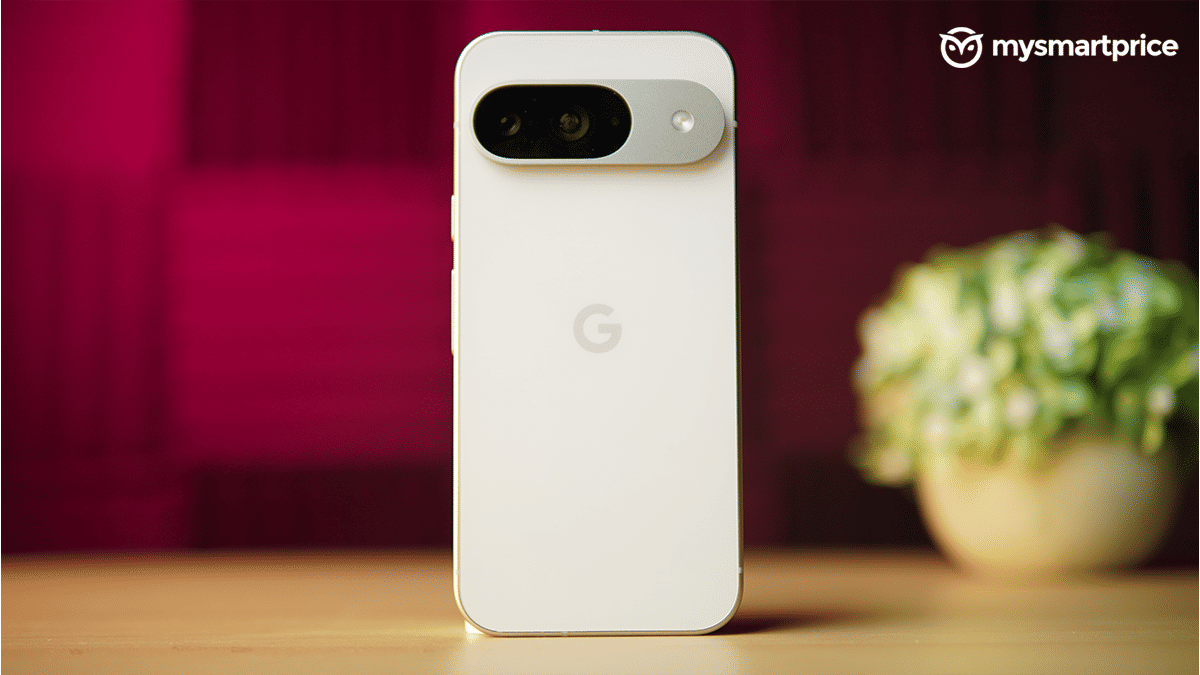
What Is Good?
- Excellent design, build quality
- Actually useful AI features
- Crisp, vivid, and fast display
- Good camera performance
- Clean UI, 7 years of Android support
- Reliable battery life
- Amazing haptic feedback
What Is Bad?
- Costly
- Missing telephoto camera
- Warms up under heavy load
- Archaic charging speeds
- Better options for raw performance
Google Pixel 9 Review: Design and Build Quality
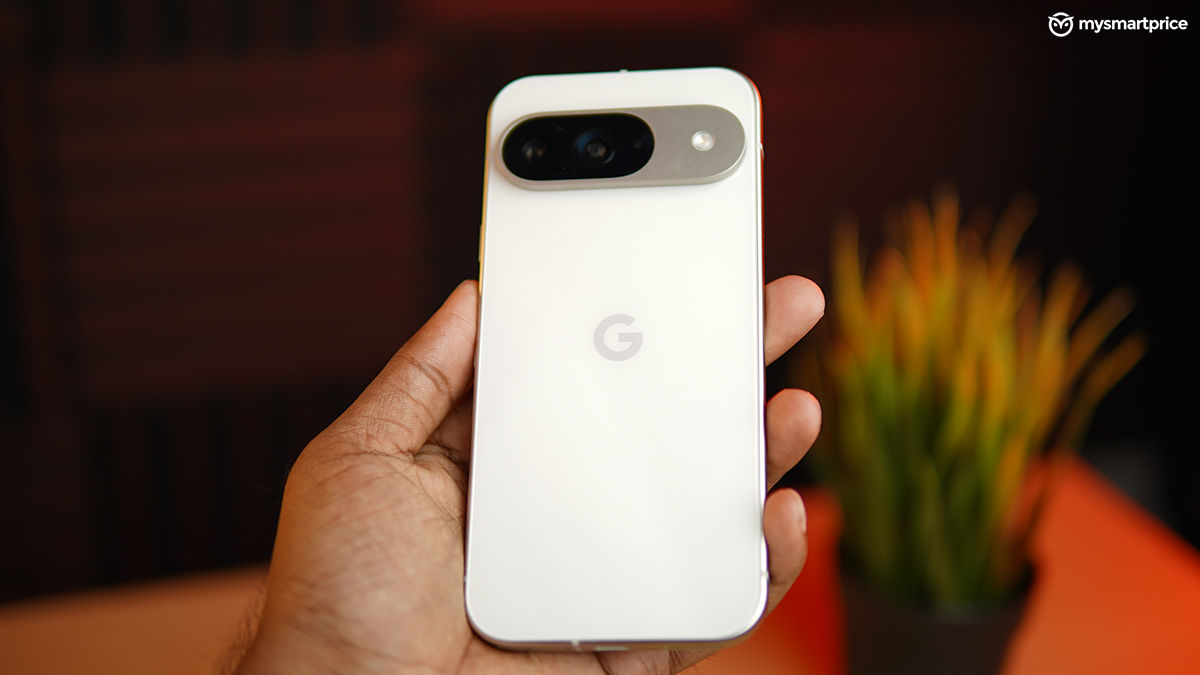
I’ve gone over this portion in much more detail in the first impressions of the Google Pixel 9 — can’t blame me, it was just that stunning to look at. And, after using it for over a month, my statement remains pretty much the same. It’s one of the prettiest smartphones, with a good focus on ergonomics.
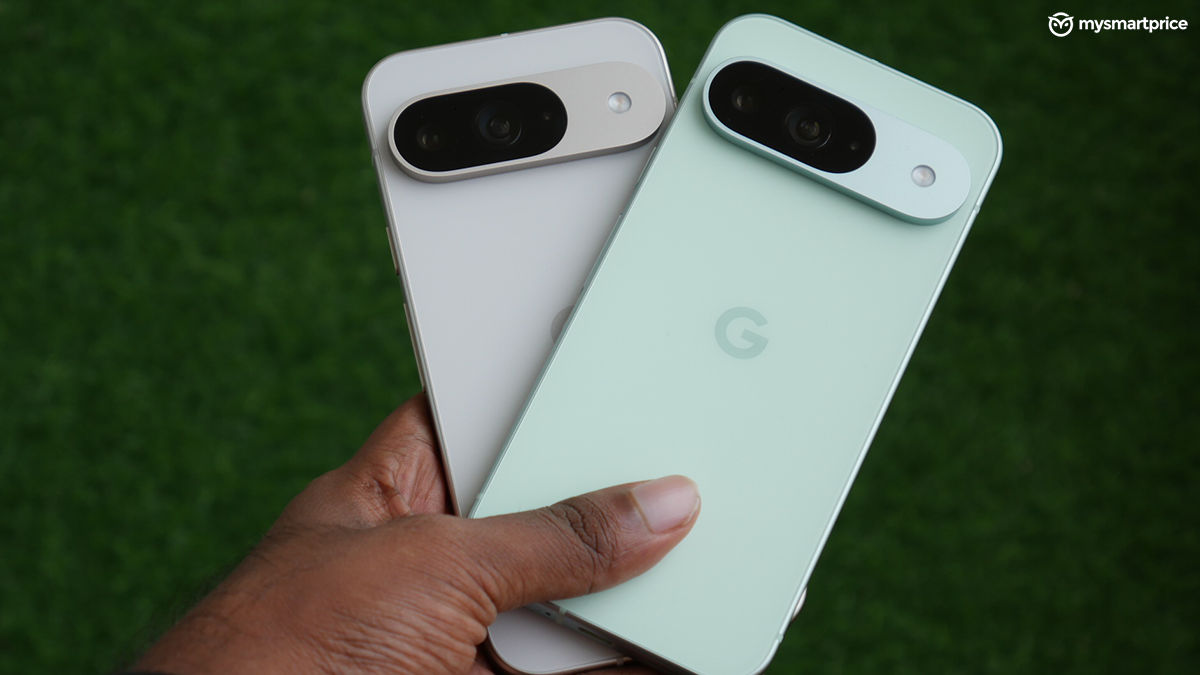
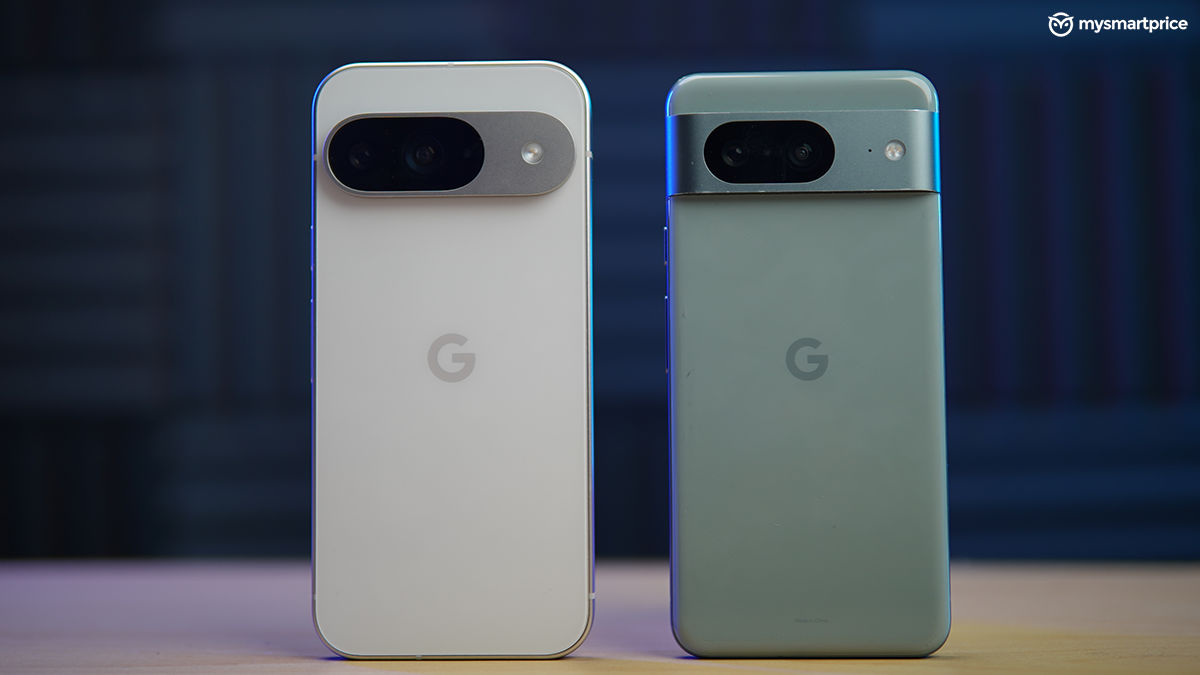
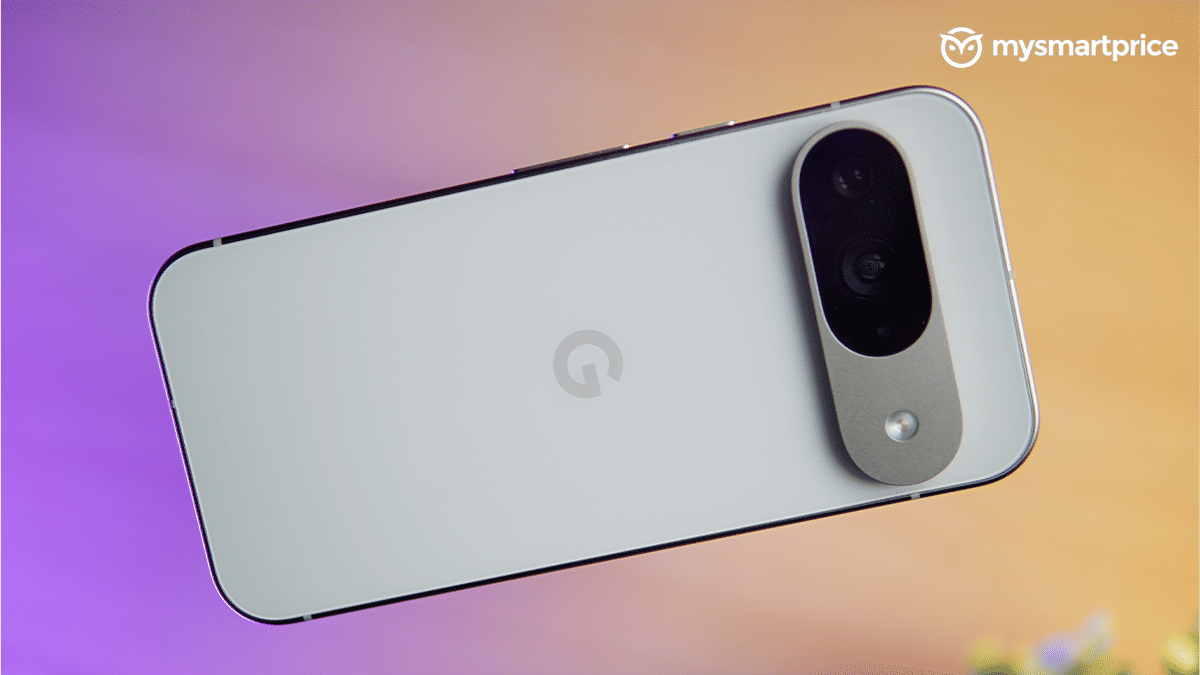
It’s a massive upgrade over the outgoing models, in terms of materials and design. The Pixel’s camera visor is a distinctive design that adds a touch of personality to the device, and I am a fan. The back is made of glass, which has sustained scratches and a few unfortunate drops during my usage. I advise slapping a case on it for good measure.
| Design | Specifications |
| Weight | 198g |
| Thickness | 8.5mm |
| IP rating | IP68 |
| Colours | Peony, Wintergreen, Porcelain (Reviewed), Obsidian |
| Port and button placements | Bottom: SIM tray, primary microphone, USB port, speaker grille
Top: Secondary speaker Right Side: Power button and volume buttons |
The Pixel 9’s flat frames are a double-edged sword. They make the phone more comfortable to hold but also make it harder to distinguish from my colleague’s iPhone 12. I’m not complaining, though, because these frames help with the ergonomics. The Pixel 9 is IP68 rated for dust and water resistance.
What’s also worth mentioning about the Pixel 9 is its haptic feedback. This is unmatched. At times I would just pull the notification bar downwards just to experience the haptics again.
Google Pixel 9 Review: Display and Audio
The flat display on the Pixel 9 is great for daily use as well as content consumption. It’s not a QHD+ panel like some other phones in this price range, the full HD+ resolution also gets the job done. While the Pro variants of the series get a Super Actua display, the Pixel 9 gets an Actua display.
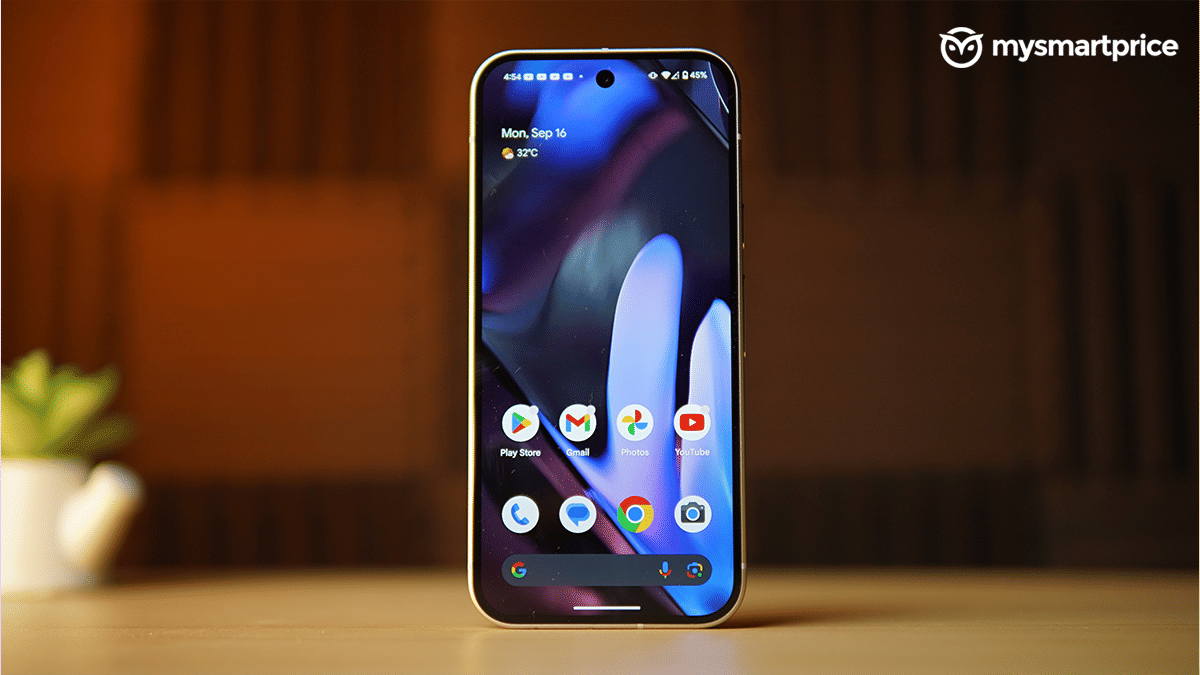
That essentially translates to a missing LTPO panel, which does not allow the Pixel 9 to adjust its refresh rate below 60Hz, hence affecting battery life slightly. The 120Hz refresh rate is always good to have, giving a great sense of smoothness.
| Display | Specifications |
|---|---|
| Size | 6.3-inch Actua display |
| Type | OLED |
| Resolution | 1080 x 2424 pixels |
| Aspect ratio | 20:9 |
| Refresh rate | 120Hz |
| Peak brightness | Claimed: 2700 nits, Tested: 1751 nits |
| Minimum brightness | 10 nits |
| Display protection | Corning Gorilla Glass Victus 2 |
| Other features | HDR support, 24-bit depth for 16 million colours |
The Pixel 9 gets HDR 10 support on Netflix out of the box, but there’s no Dolby Vision. Widevine L1 certification is of course there, so watching movies and TV shows at full HD resolution should not be an issue. Better Call Saul on the Pixel 9 was a great experience, as it can portray the darker scenes brilliantly.

While the display couldn’t reach the claimed numbers in our HDR testing using a lux metre, the panel is more than bright for outdoor usage. The fingerprint sensor on the Pixel 9 is now ultrasonic, so it’s quite fast and flawless almost every single time.

The stereo speaker setup works splendidly. It has the right amount of everything, and they get loud enough for your infinite Instagram Reels scrolling session.
Google Pixel 9 Review: Hardware
Google’s Tensor chips don’t really carry the performance tag like most of the other competitor processors. That said, the Tensor G4 performed better than the G3 in our AnTuTu and Geekbench 6 tests. We also believe this has something to do with higher RAM capacities than the previous generation.
Despite this, the scores were still lower than the OnePlus 12 and iQOO 12, both of which are priced considerably less. The Pixel 9 also uses UFS 3.1 storage instead of the UFS 4.0 standard, which is what you will find in most flagships. This considerably reduces the read and write speeds.
| Hardware | Specifications |
| Processor | Google Tensor G4 with Titan M2 security chip |
| RAM | Up to 12GB LPDDR5X |
| Storage | Up to 256GB UFS 3.1 |
| Storage Test | 72737 |
| CPU Throttling Test | 53 per cent of its max performance |
| Geekbench 6 | Multi-core – 3697, Single core – 1709 |
| Software version | Android 14, 7 years of updates |
| Connectivity details | Dual-band WiFi, Wi-Fi 7, Bluetooth 5.3, GPS, NFC |
Daily use is a cakewalk for the Pixel 9, which is always the case. Unlike the Pixel 8, the Pixel 9 did not need a bunch of updates to offer smooth and stable performance. The phone does not stutter when switching between multiple apps, or even when multitasking between Google Sheets and Instagram.
While all this is extremely comfortable for the Pixel 9 — gaming is where it starts to sweat.
The phone allows you to play BGMI on HDR and Extreme graphics settings. This combo gives you 60fps gameplay, however, I did notice a bunch of frame drops to 56fps and 49fps. There were no major lags or stutters, but these frame drops were easy to catch even by the naked eye.

The frame of the phone, along with the screen and back panel, started warming up after 25 minutes of gameplay. It also throttled to 53 per cent of its max performance in the CPU throttling test. Pixels still need to figure out how to keep things cool under high loads.
Google Pixel 9 Review: AI and Software
Where it excels is with AI — more importantly, practical AI. I keep saying this because features such as Pixel Screenshots and Google Keep Magic Lists actually make things easier. There are more features on the phone, which I have talked about in my first impressions — the below ones are the standout features for me.
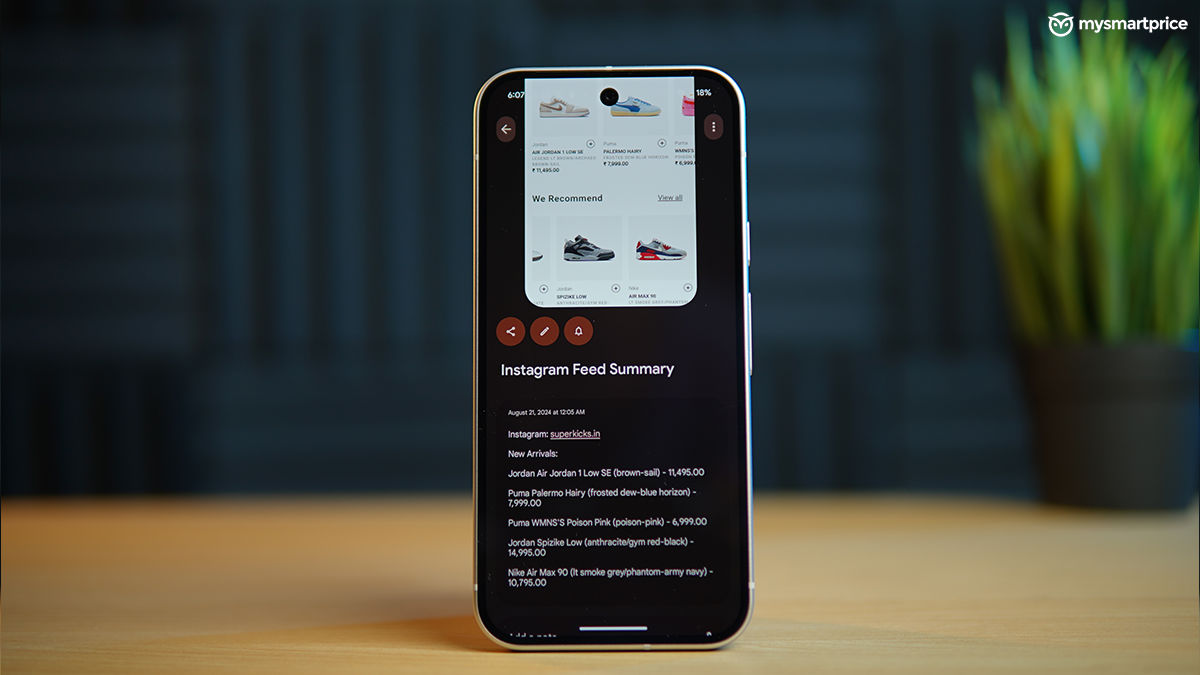
Pixel Screenshots: This is essentially a gallery of screenshots. The Pixel 9 takes the help of AI to jot down necessary pointers from a screenshot, so you can refer to it directly later on. The ideology is along the same lines of Microsoft’s controversial Recall — but better and safer, because it happens on-device. I’ve used this almost every day in my month’s usage to find one screenshot or the other. This also extracts a website or a YouTube video link purely from the screenshot, which is just bonkers if you think about it.
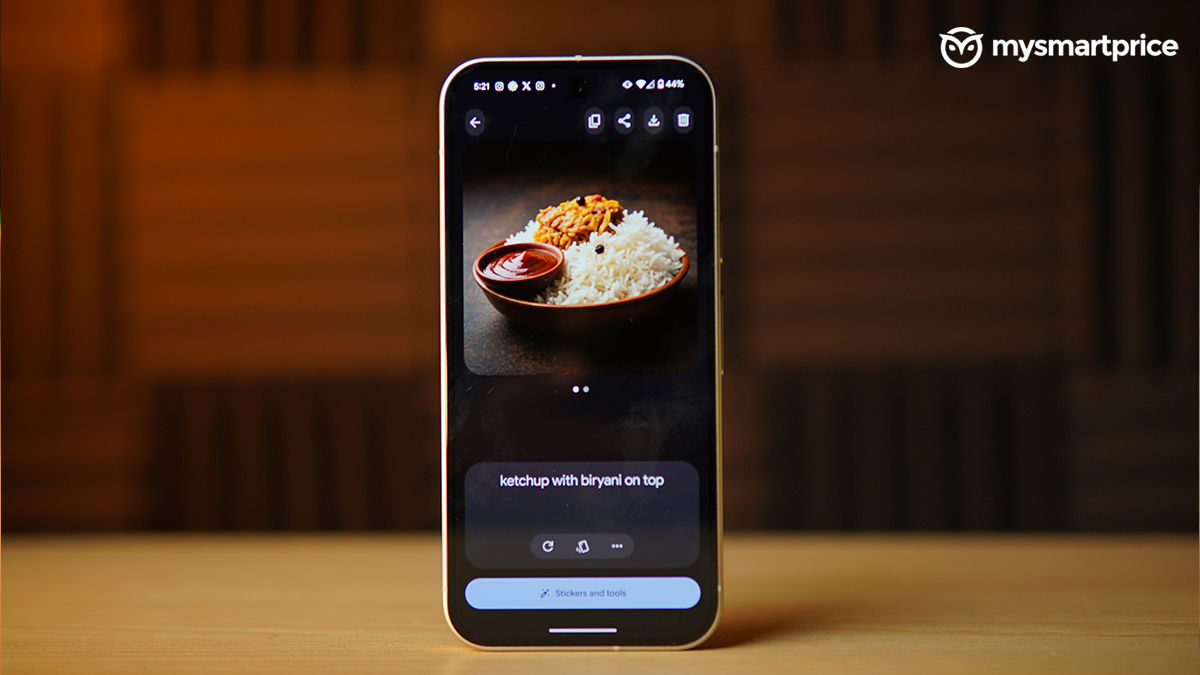
Pixel Studio: Pixel Studio is an image-generation tool that can help you transform your creative ideas into reality. While it may not replace the spark of human creativity, it can offer valuable inspiration and assistance.

For instance, you could use Pixel Studio to generate a logo concept for a fast-food joint or design a visually appealing thumbnail for your YouTube channel.
Not just that, it can also make photos of Biryani with ketchup on top of it, so you can understand the creative lengths it can go to.
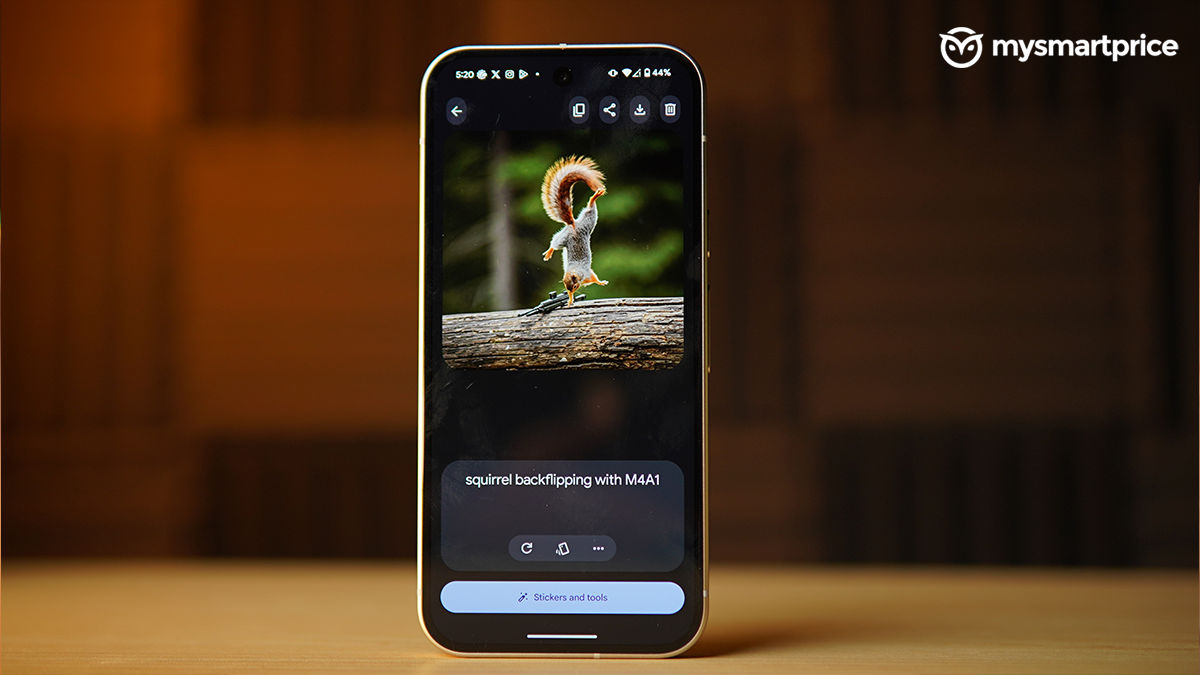
That said, things can get out of hand just as easily. While some prompts with the word “gun” were being generated initially, these just returned “an unknown error has occurred” pop-ups after a few updates. So, clearly, Google is trying to be mindful of triggering words such as this.
However, if you can smartly work around some prompts without using inappropriate words, Pixel Studio will still generate the photo. Hopefully, these are also things that get cleared up in future patches. Any prompt around human subjects is not allowed on the app as of now, and while I had hoped it remained the same — Google does send a pop-up showing that this ability will come in the future.
Magic Lists on Google Keep: This one’s definitely a sleeper hit, but something that still needs some polishing around the edges. Instead of creating a to-do list or a shopping list from scratch and adding every single thing manually, you can just ask AI to do all the grunt work.

It barely takes the AI five seconds to come up with a packing list for a trip to Barcelona. I have used most suggestions from Magic Lists, but it does seem to lack proper knowledge at times. For example, I asked it to give me a list of “best phones under Rs 80,000” and it included phones from years ago along with the iPhone SE.
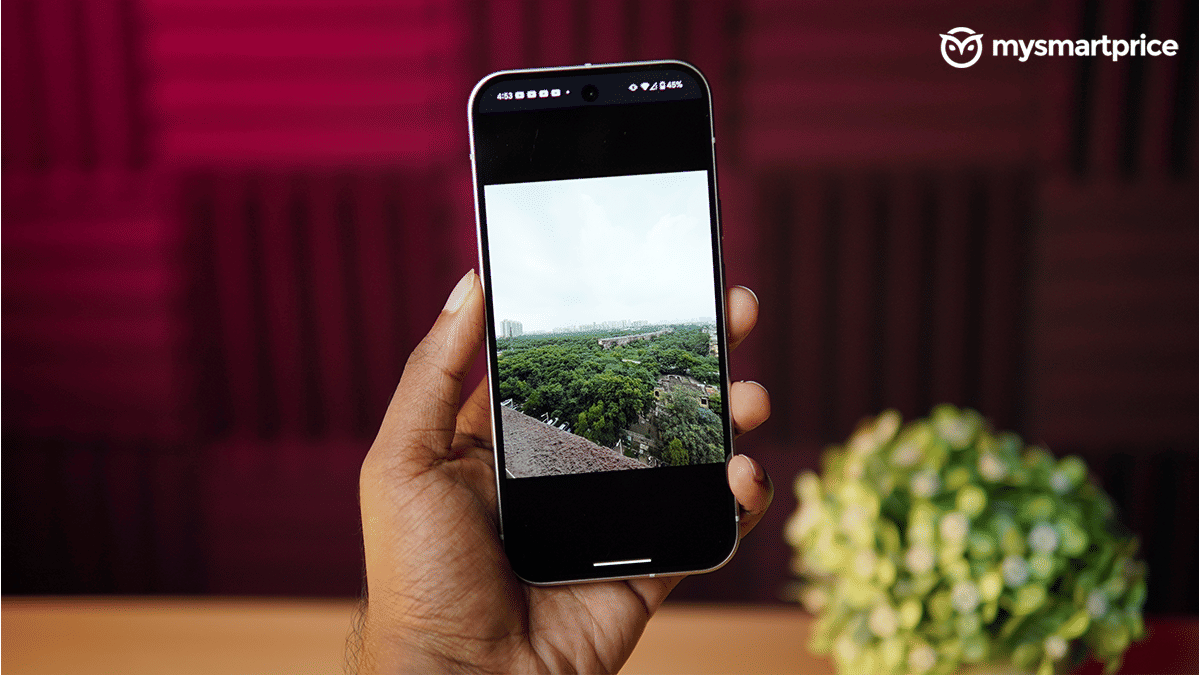
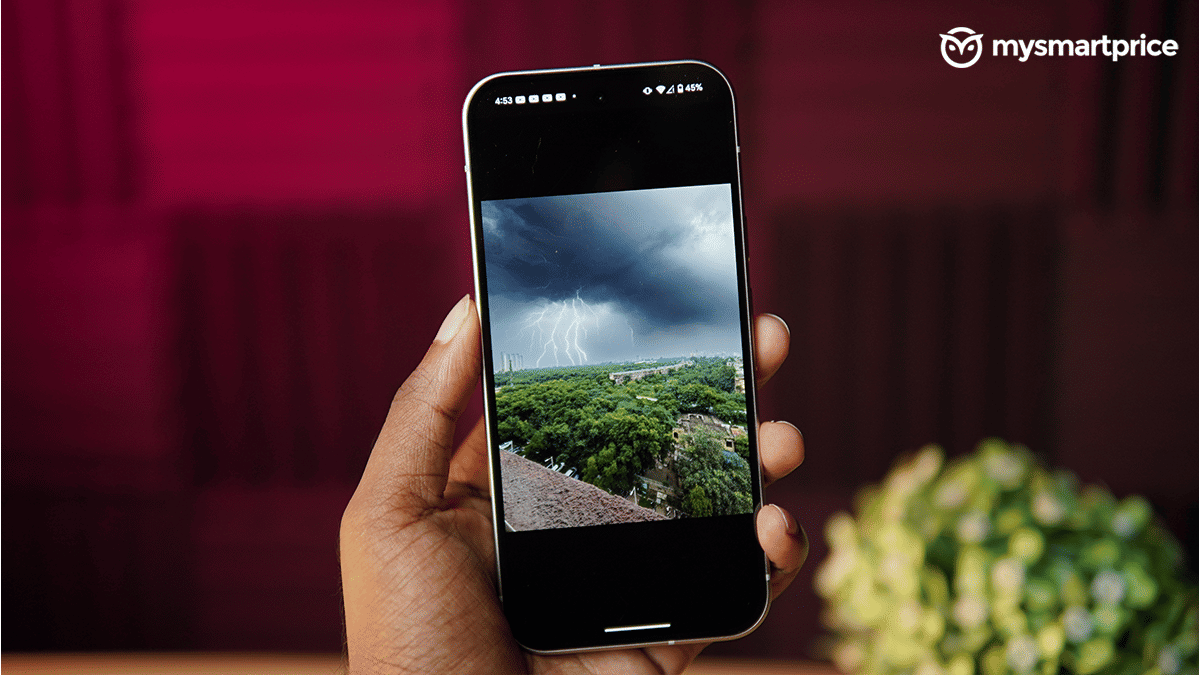
Reimagine: This lets you literally reimagine photos that you have already taken. You can mask out a particular portion of the image and add an appropriate prompt, and the AI will do its best to produce an image. The above image was made using simple prompt mentioning “rain and thunder”. It’s not always great, and sometimes the images are beyond believable.
AI stuff aside, the Pixel 9 comes with a very smooth and clean UI experience. It’s usual for Pixels to come with the latest Android update (which would have been Android 15), but because of the earlier launch, we are still on Android 14. That’s completely fine because the Pixel 9 will still get seven years of OS updates and security patches.
Google Pixel 9 Review: Cameras
While the primary and selfie cameras are carried over from the Pixel 8, the ultra-wide angle camera gets an upgrade to a 48-megapixel shooter. The Pixel 9 skips out on a telephoto camera yet again, which is a huge bummer considering you can find it in phones under Rs 35,000.
| Cameras | Specifications |
| Primary camera | 50-megapixel, f/1.68 aperture, 1/1.31” image sensor size |
| Secondary camera | 48-megapixel ultra-wide angle camera, 123-degree, f/1.7 aperture, 1/2.55” image sensor size |
| Selfie camera | 10.5-megapixel, f/2.2 |
| Video recording capabilities | Up to 4K at 60fps for both front and rear camera |
In daylight, the Pixel 9 captures 12.5-megapixel using the pixel binning technology. The images have amazing details and the dynamic range is also well-balanced. So, you’ll find balance in the overly-lit and dark areas. The Pixel 9’s image processing also does not go overboard with the warm colours and chooses a rather natural tone.
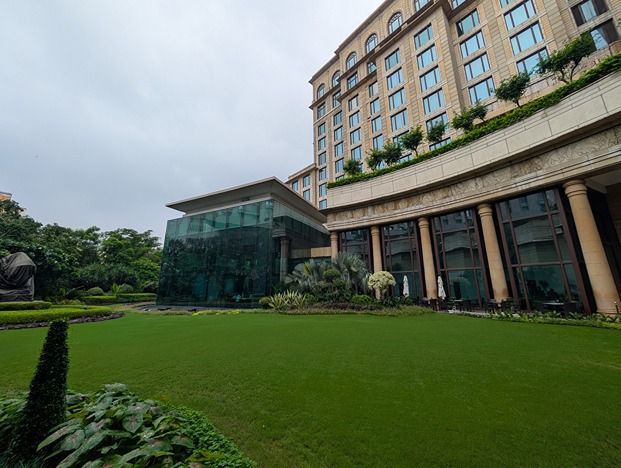
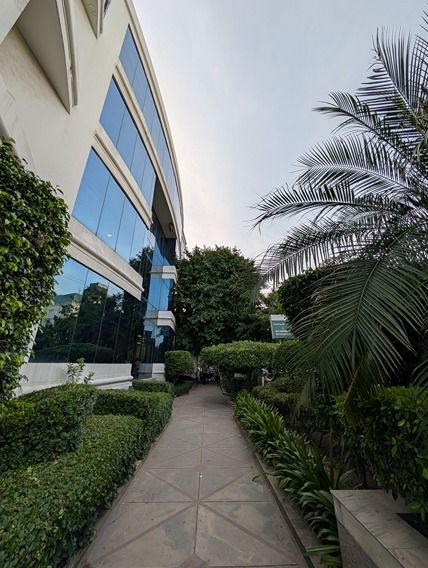
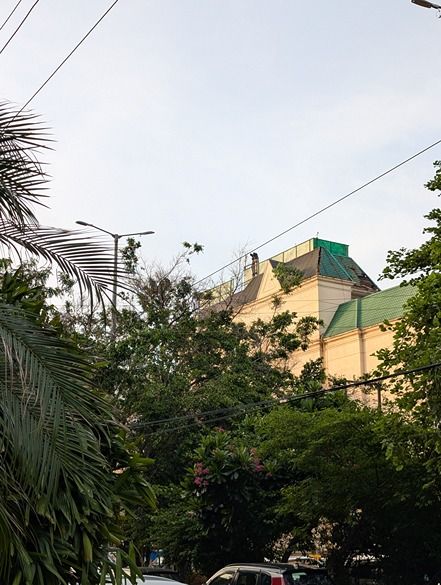
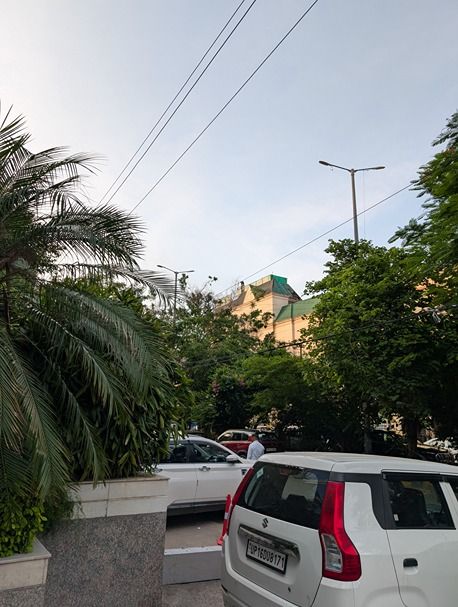
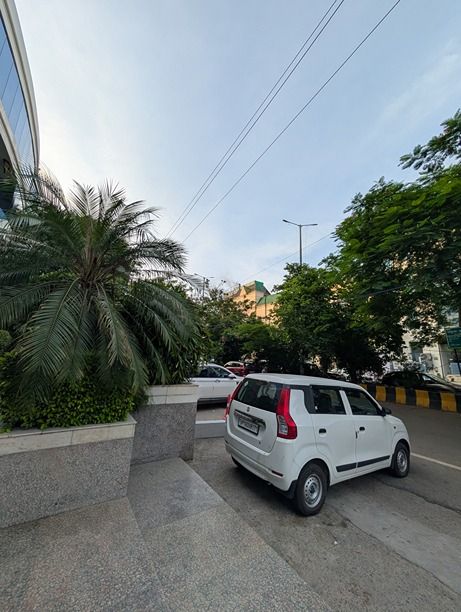
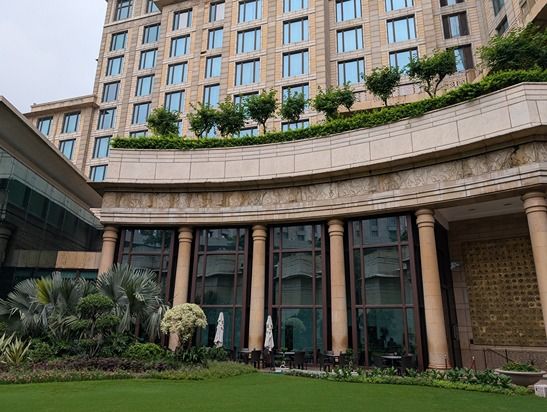
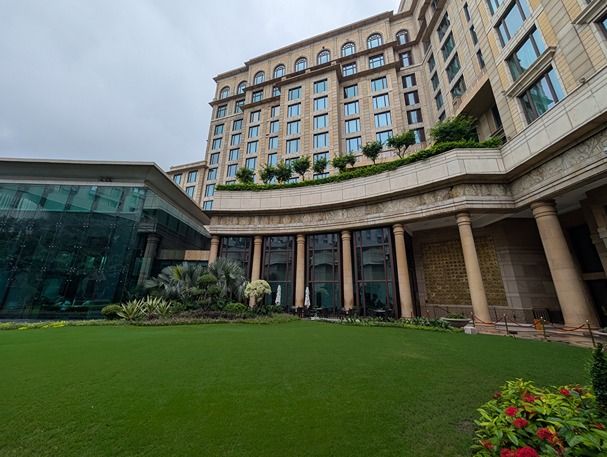
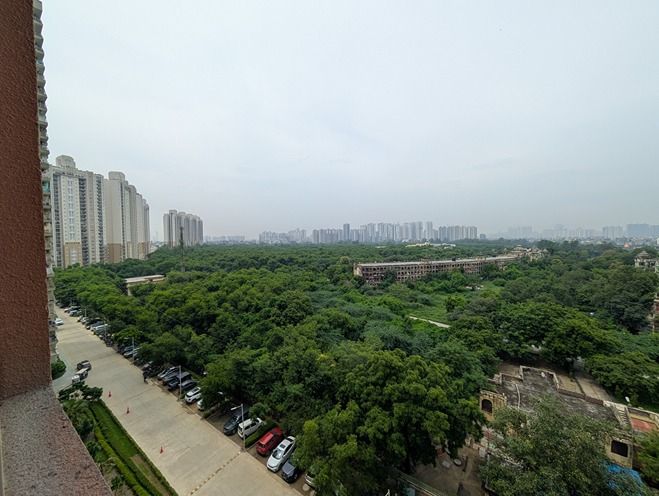







The shutter speed is also quite quick, so you won’t really be missing out on crucial moments. While it lacks a telephoto lens, you can still digitally zoom up to 2x with fairly decent details. Anything beyond that, and you are looking at washed-out details. The upgraded ultra-wide angle camera does its job well and doubles as a macro shooter. It keeps most of the details and matches the colour science of the primary shooter. The shutter speed is fast here as well, but the distortion at the edges is evident in some photos.
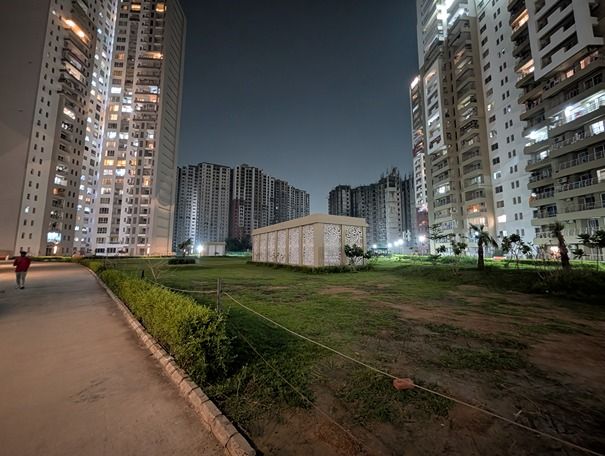

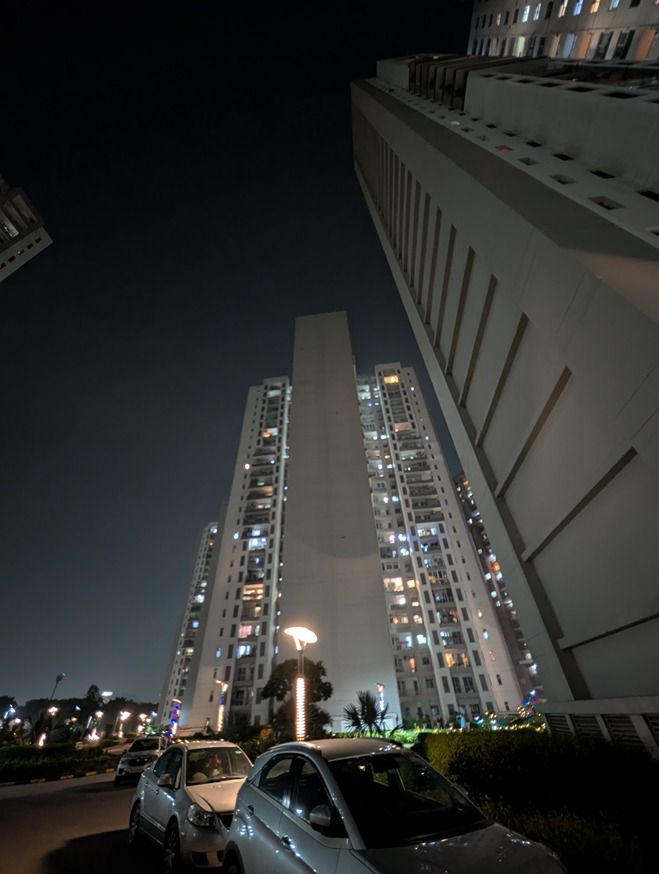
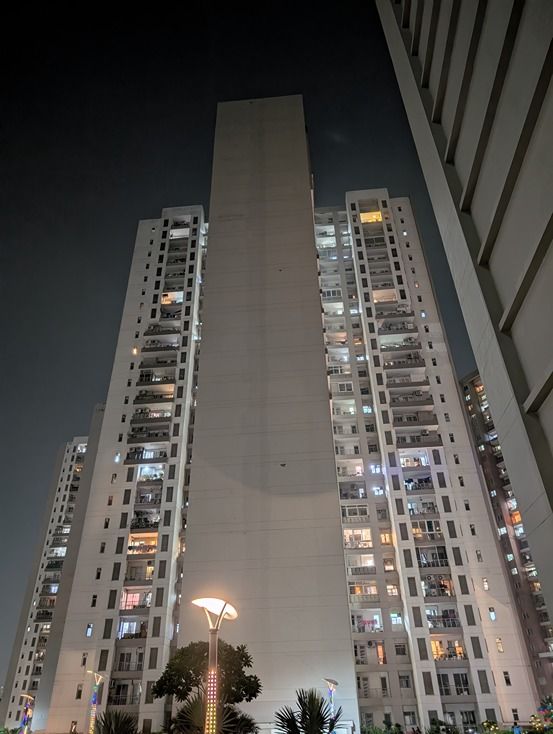




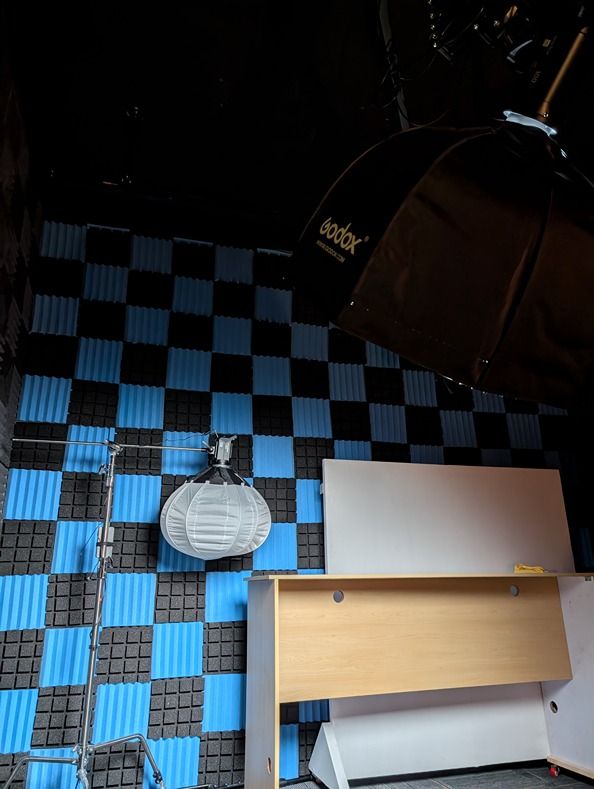
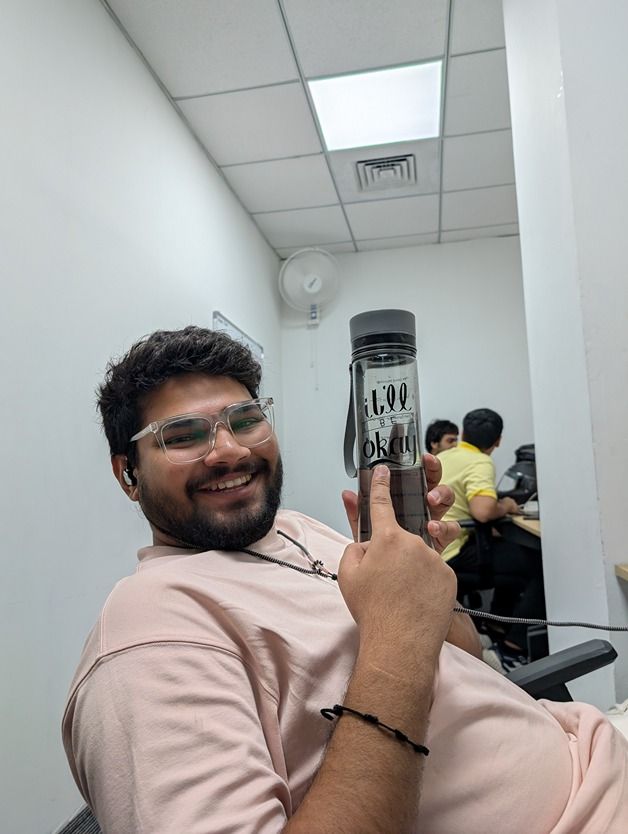
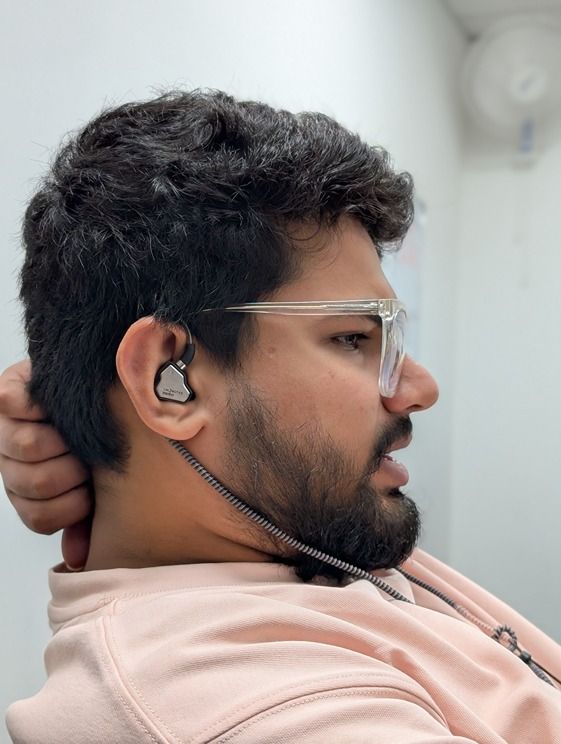

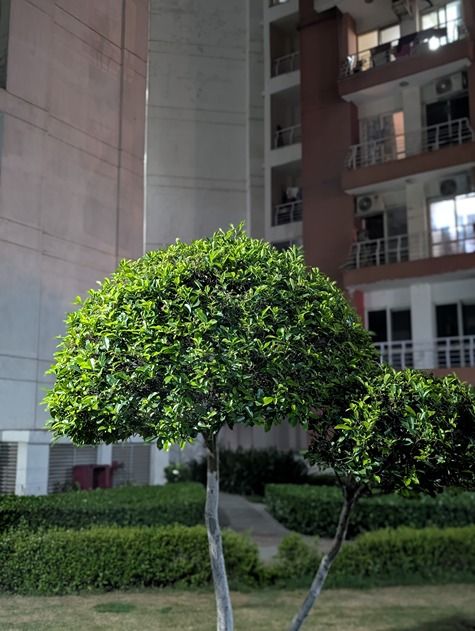
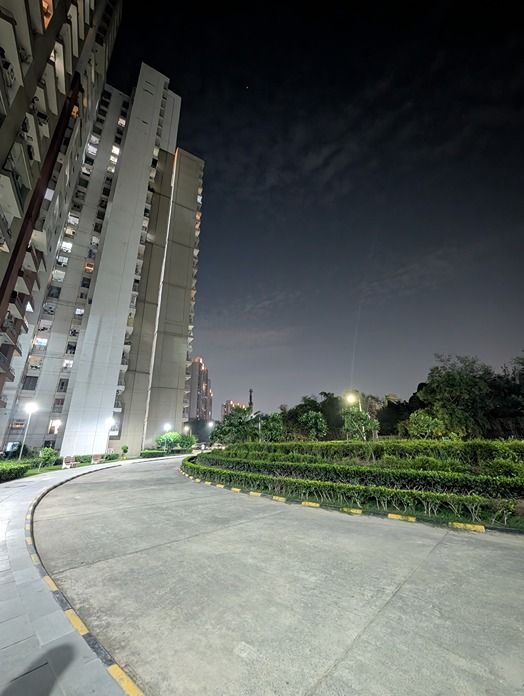
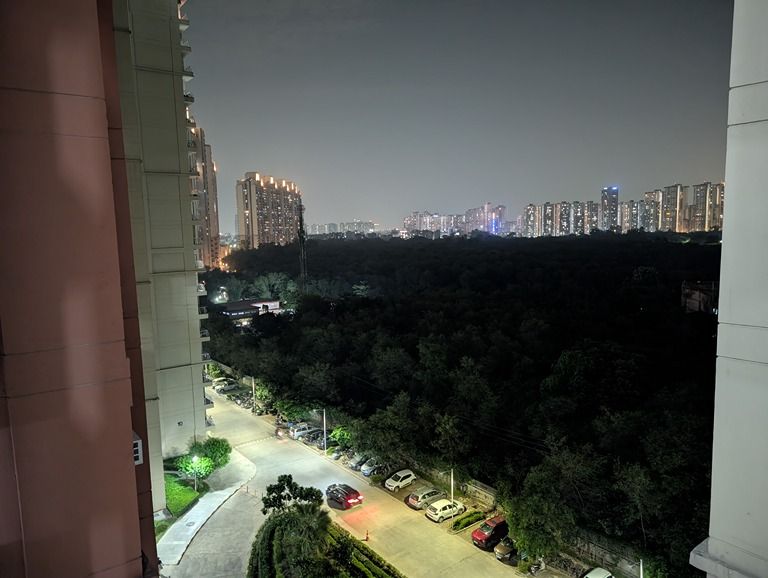
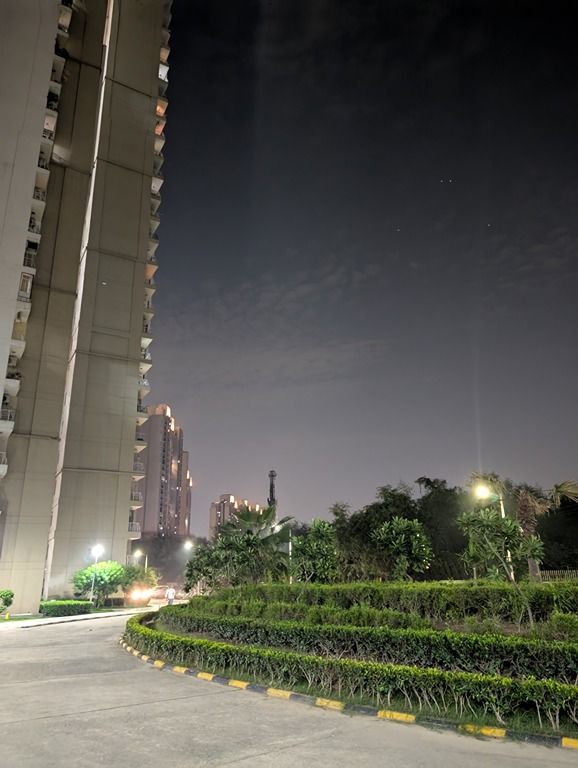


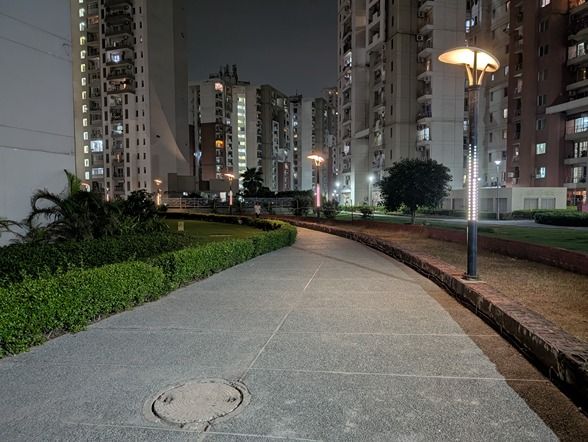
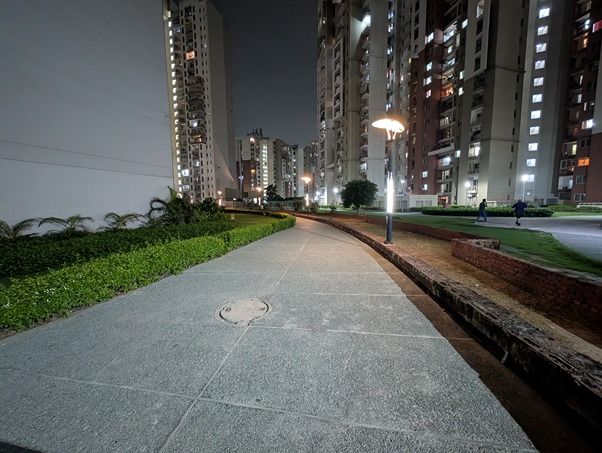
With decent lighting, the Pixel 9 can produce good low-light photos. Images have details and it does its best to keep grains away. The portrait mode, as of now, is a mixed bag. It’s quite inconsistent with its results, missing out on correct skin tones and sometimes going haywire with the edge detection. Features like Action Pan are fun to have and can unlock your creative side. That said, a missing pro mode on a phone that costs 80k is highly disappointing.



The selfie camera now gets autofocus, producing photos with better details and on-point skin tones. This trickles down to low-light selfies, which surprisingly came out well. Portrait mode works well here, unlike the rear shooter.
Google Pixel 9 Review: Battery and Charging
The Pixel 9 has actually surprised me in this regard. It’s a considerable improvement over the Pixel 8 and our internal testing reflects the same. It packs a 4,700mAh battery inside, an upgrade from 4,575mAh.
Normal usage returns about 6 hours of screen time, sometimes more if you are a moderate user. It managed to last more than the Xiaomi 14, Realme GT6, and the Moto Edge 50 Pro in the PCMark Battery Life test.
| Battery | Specifications |
| Battery Capacity | 4,700mAh |
| Charging Adapter | No |
| Charging Time | 1 hour and 38 minutes |
| PCMark Battery Test | 15 hours and 52 minutes |
Charging speeds are still Pixel’s Achilles heel with the phone supporting a maximum of 27W. It can take the phone up to an hour and 38 minutes to fully charge from the dead.
Google Pixel 9 Review: Verdict
The Pixel 9 is a considerable upgrade from the Pixel 8 and is a brilliant device in the latest series. But, in the grand scheme of things, it just feels a little bland at this price. Now, it’s almost traditional to wait for the Pixel phones to slash prices during sales, so if you are looking to grab this, I would recommend waiting a bit.
But, who should actually buy this phone? It’s very simple.

For starters, you will need Rs 79,999. If you have that kind of money to splurge on a phone, you are also probably looking at the Samsung Galaxy S24 and Apple iPhone 15. Both are excellent options. But, if you want to stick to Android, you are left in a one-on-one situation. In this case, you can opt for the S24 if you want a bit more focus on performance, a telephoto camera, and more storage. But yes, you’ll compromise on the RAM and some new AI features. And, let’s not forget the aesthetics.
For everything else, the Pixel 9 is an excellent choice. Especially, if AI features such as Magic Lists, Pixel Screenshots, and Reimagine is something that fit into your use case. These are probably some of the most practical uses of AI I have witnessed since its inception.
If all these things don’t matter to you and you would rather save up money and play games with consistent performance and insanely fast charging, go for the OnePlus 12, Xiaomi 14 or the iQOO 12 and then thank me.