Infinix has been zeroing in on capturing the mid-range segment. To succeed in this endeavour, they have launched the Infinix Zero 40. What’s so captivating about this phone, you may wonder? It is a smartphone in the Zero series that claims to possess features similar to the flagship and an impressive camera setup wrapped in an aesthetic design. Their secret sauce to make this series even more compelling is the affordable price tag.
Infinix Zero 40 5G
Rs 27,999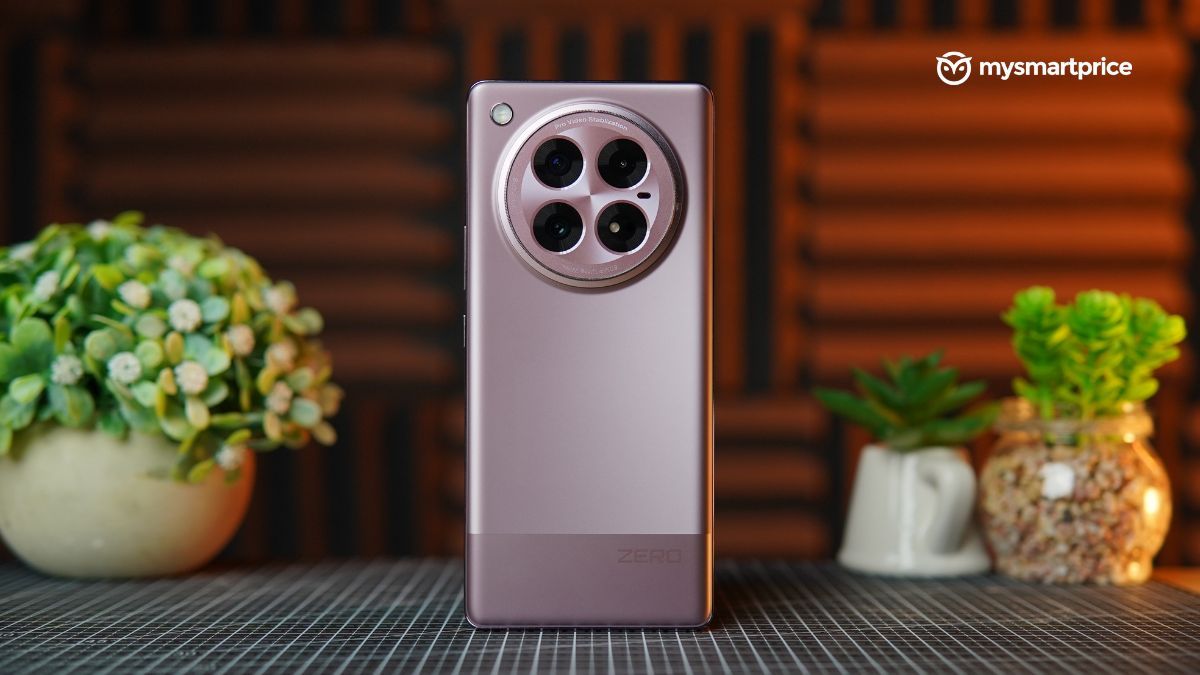
What Is Good?
- Attractive design
- Consistently great performance
- Smooth display
- Well-optimised and almost clean UI
- Competent primary camera paired with superb macro photography
What Is Bad?
- Lacks punchy bass and semi-decent haptic feedback
- Underwhelming battery life
But has Infinix stumbled upon the strategy that would allow it to outshine its fierce contemporaries? Let’s dive in and find out in this review.
Pricing and Availability in India
The Infinix Zero 40 5G is available via Flipkart. You can get the Zero 40 in three colours: Violet Garden, Moving Titanium and Rock Black. Here’s a look at the pricing:
| Variants | Price |
| 12GB + 256GB | Rs 27,999 |
| 12GB + 256GB | Rs 30,999 |
Design and Build Quality
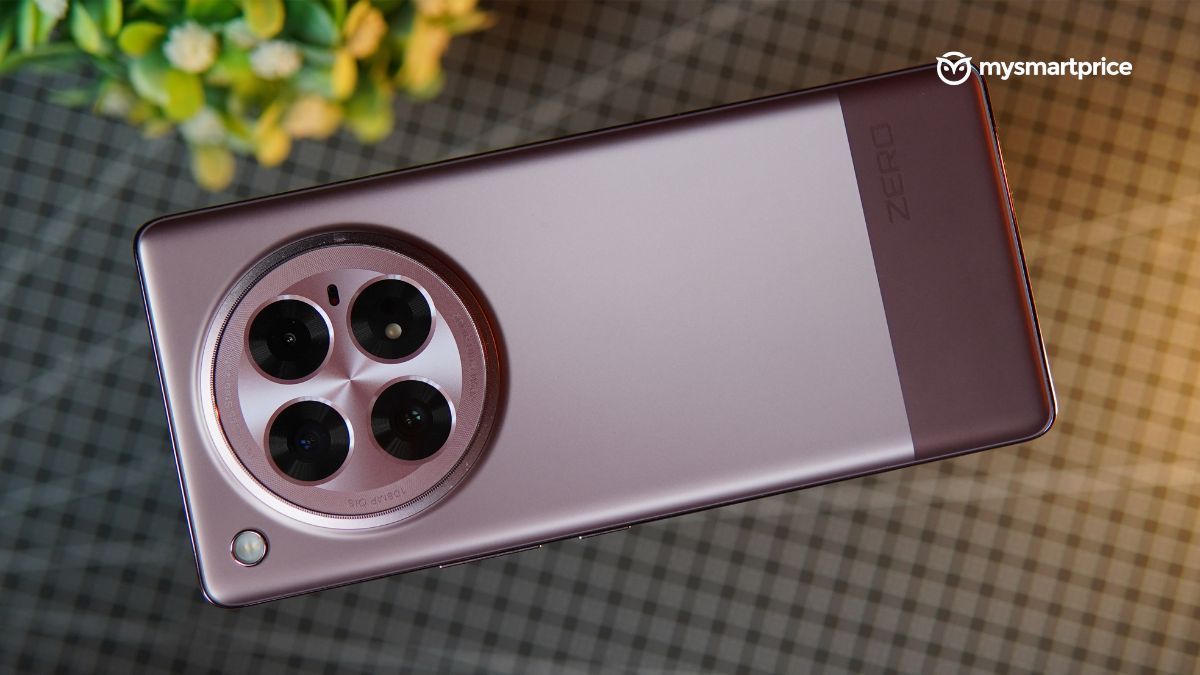
Understanding the whole design of the Infinix Zero 40 5G is a walk in the park, as all you need to do is picture this: When the Samsung Galaxy S9 Lilac Purple variant marries the OnePlus 12, you get its Violet Garden version. Honestly, Infinix has aced in designing this smartphone since you get to experience the best premium aspects of both phones at a price, placing it within the reach of several value-oriented customers.
| Design | Specifications |
| Weight | 195g |
| Thickness | 7.9 mm |
| IP rating | IP54 |
| Port and Button placements | Bottom: Primary microphone, USB port, and speaker grille
Right Side: Power button and volume buttons Top: Secondary speaker, IR blaster and microphone |
Another trait that establishes its premium attribute even more is its in-hand feel. Even if the phone has a polycarbonate back, the texture feels cool to the touch, resembling the familiar property of a glass. What else works in favour of this phone is its lean layout, which comfortably fits hands of almost any size.
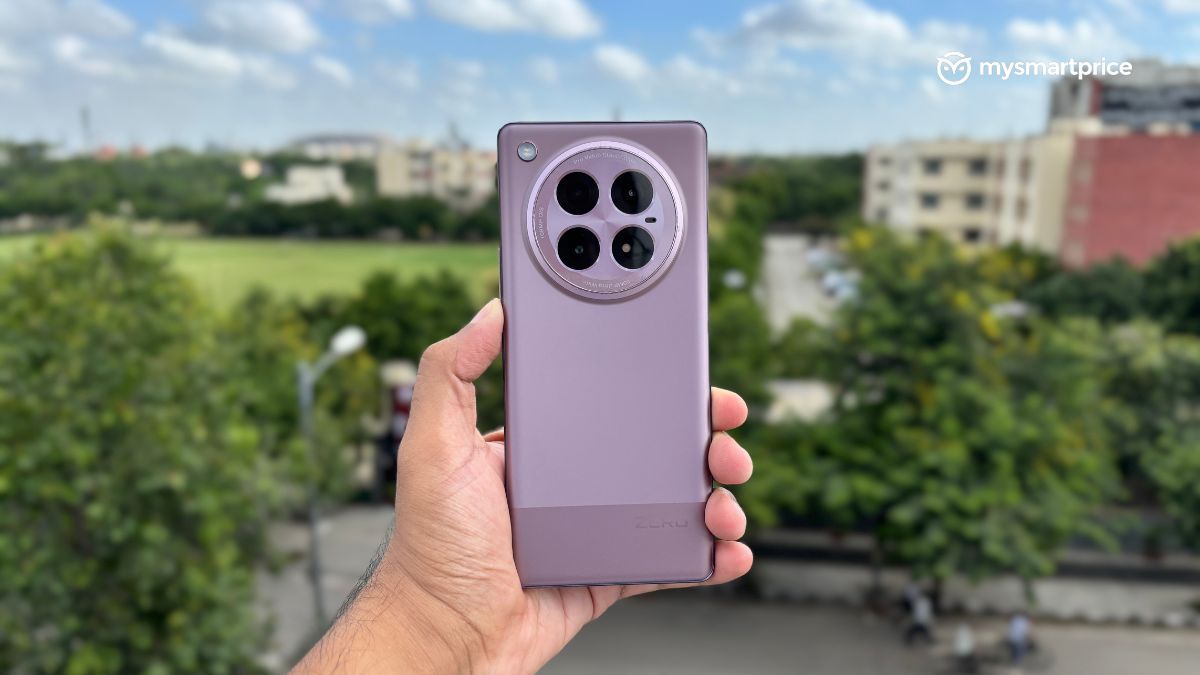
Besides all these aspects, carrying the Zero 40 around will seldom strain your hand. Its terrific weight distribution distracts your attention from realising that it packs a huge battery and tricks you into believing it is a lightweight device.
The phone is IP54-rated for dust and water resistance, subpar to what the Motorola Edge 50 Fusion offers, with an IP-68 rating at a relatively lower price.
Display and Audio
The Infinix Zero 40 rocks a curved display just like others in the pack of mid-range smartphones.
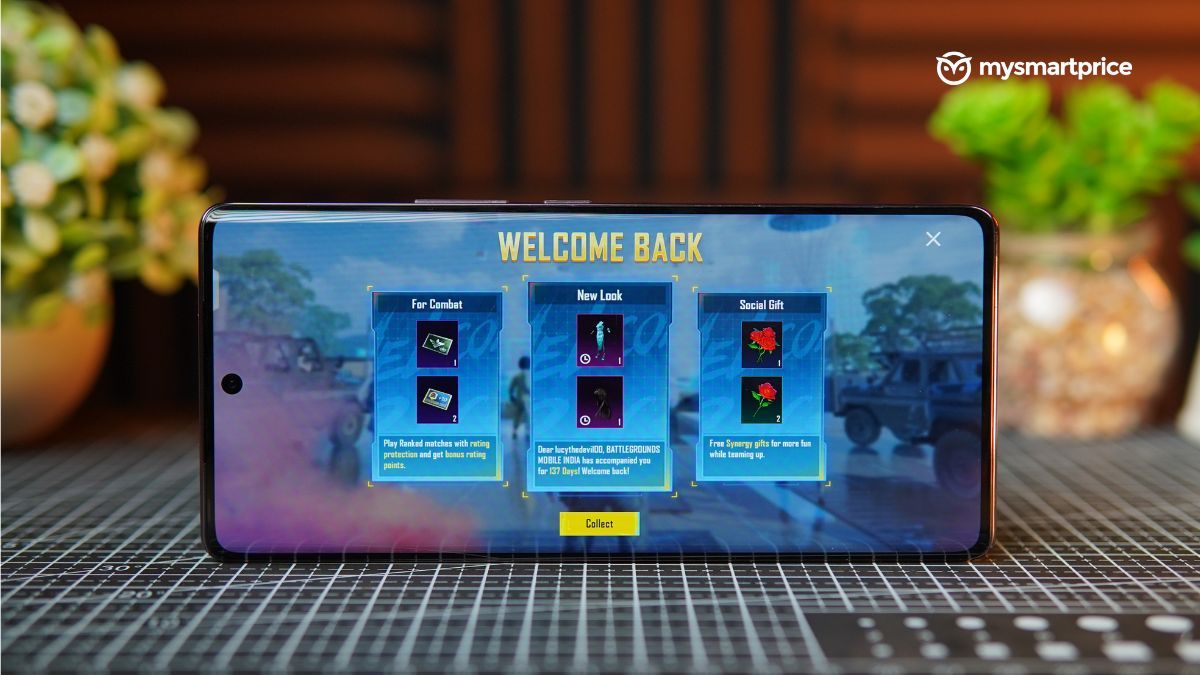
Talking about the viewing experience, I watched One Piece on Crunchyroll and the episode looked crisp with vibrant colours. For this reason, the screen becomes a compelling match for those who enjoy consuming loads of content. The phone supports Widevine L1 certification, meaning you can watch series or movies at their best quality on streaming services like Netflix. But it lacks HDR support on Netflix, which may be a dealbreaker for some folks.
| Display | Specifications |
| Size | 6.78-inch |
| Type | AMOLED |
| Resolution | FHD+ (1080 x 2436) |
| Refresh rate | 144Hz |
| Peak brightness | Claimed: 1300 nits, Tested: 679 nits |
| Minimum brightness | 03 nits |
| Display protection | Corning Gorilla Glass 5 |
| Other features | DCI-P3 wide colour gamut |
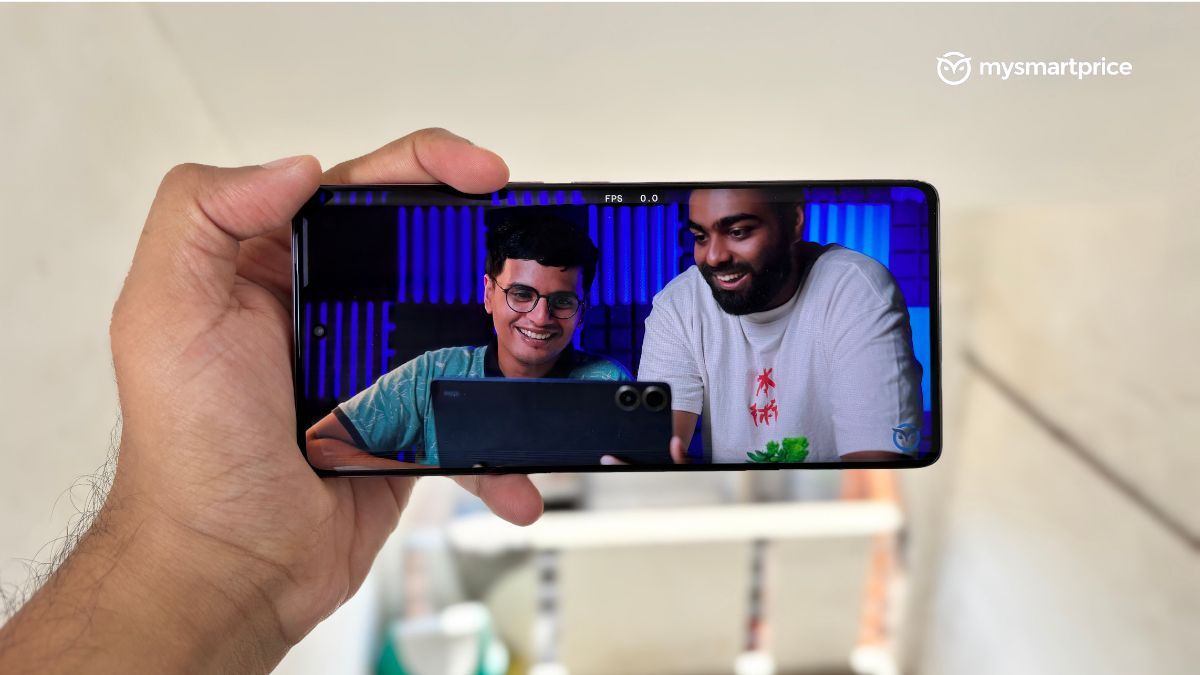
Indoors, watching YouTube videos would hardly require you to go beyond 50 per cent brightness; otherwise, your eyes may feel stinging due to bright light. When taken outdoors, the screen gets bright enough to watch shorts/reels without any major inconvenience.
An interesting quirk I discovered about the Zero 40’s display is that even though the phone is claimed to possess a 144hz refresh rate, I hardly noticed it appearing on the fps meter in my daily usage. The maximum I saw was 120 fps. The Minecraft game, which supports a 144 fps refresh rate, only ran at 120 fps.
The stereo speaker on this phone can emit loud music, but I didn’t get to listen to songs with the specific oomph that usually makes the audio-listening experience satisfying. Additionally, the haptic feedback you get here is lacklustre, coming off as a sharp feeling.
Performance and Software
After a trial run on the Infinix GT 20 Pro, Infinix decided to go with the Dimensity 8200 Ultimate as a processor of choice for the Zero 40, which turned out to be a spectacular move.
One reason I say this is its performance in synthetic benchmarks. In the sub-30k price segment, the phone managed to bag scores, placing itself a cut above the rest of the occupants. The sole smartphone that has effortlessly dunked on the Zero 40 in this category is the Poco F6.
| Hardware | Specifications |
| Processor | MediaTek Dimensity 8200 Ultimate |
| RAM | 12GB LPDDR5X |
| Storage | Up to 512GB UFS 3.1 |
| Storage test | 91244 |
| CPU Throttling test | 80% of its maximum performance |
| Geekbench 6 | Multi-core: 3450, Single-core: 1010 |
| Software version | XOS 14.5 based on Android 14 |
| Connectivity details | Dual SIM, dual-band Wi-Fi 6E, Bluetooth, GPS, NFC and FM |
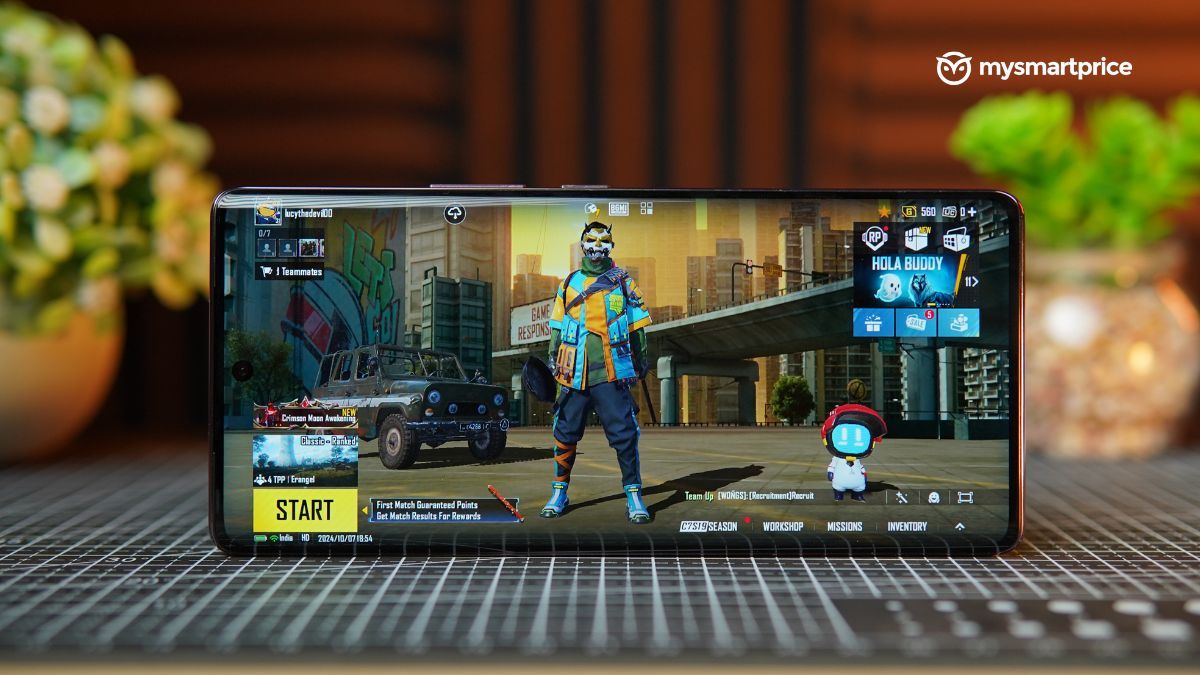
Still, synthetic benchmarks hint at how peak the phone may perform in daily life instead of giving a clearer picture. Hence, I played Call of Duty: Mobile and BGMI at the maximum graphical settings to check its real-life performance. I was genuinely impressed with the phone’s performance—it never seemed to drop its peak efficiency while running games, consistently maintaining a high frame rate.
Every gaming session left me grinning, thanks to the smooth experience. However, one minor gripe is that the Realme 13+, despite having a less powerful chipset and a lower price point, allows you to play BGMI at 90 fps. I hope Infinix addresses this limitation so that gamers can enjoy higher frame rates in BGMI on this device as well.
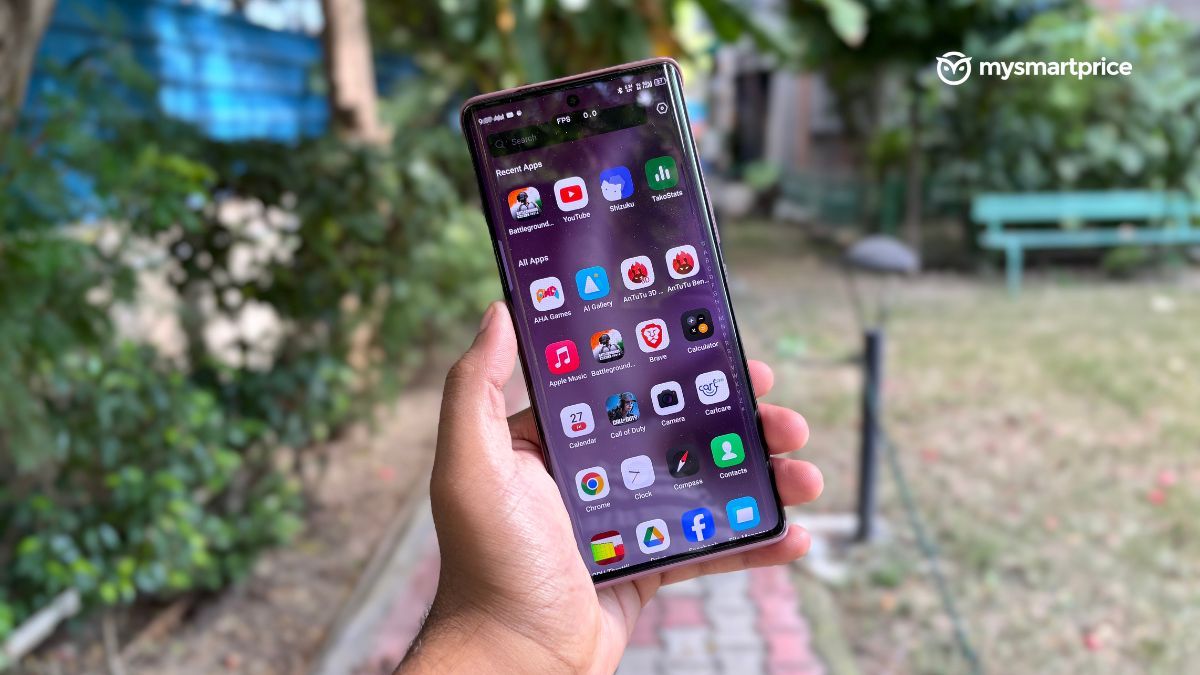
The Zero 40 runs on XOS 14.5, based on Android 14. The UI has been optimised such that each animation appears as smooth as a Toyota Supra cruising at 200 KMPH. Its other relishing hallmark is that it just has a couple of preloaded apps paired with a few of its apps. Additionally, it offers a fair share of customisations. You get two years of OS updates and three years of security updates with this phone.
Keeping in line with the booming trend of AI in smartphones, the phone gets some AI features too. You will find a basic AI eraser and smart search in the gallery; smart search was claimed to let you search any image with a keyword, yet it didn’t do as claimed.
The next you get is AskAI, which summarises articles at its current stage. The last AI feature the phone has is Folax, which is Infinix’s attempt at building its assistant. Since it is at a budding stage, it functions more like Bixby than Google Assistant, signifying that it can open apps, answer basic questions and tweak a few settings, such as changing brightness.
Camera
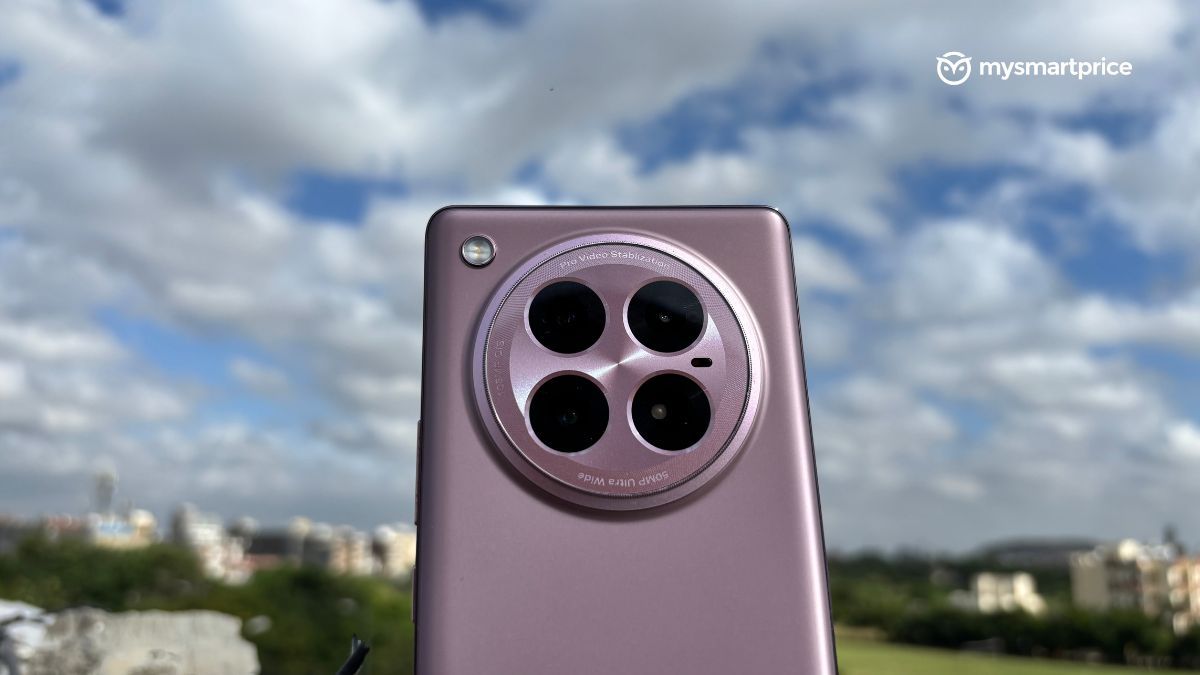
The Zero 40 technically features a triple-camera setup since the third camera is just a 2MP depth sensor.
| Camera | Specifications |
| Primary Camera | 108-megapixel with OIS, ƒ/1.75 |
| Secondary Camera | 50-megapixel ultra-wide, ƒ/2.0 |
| Tertiary Camera | 2-megapixel depth |
| Selfie Camera | 50-megapixel, ƒ/2.45 |
| Video recording capabilities | Up to 4K at 60 fps, video stabilisation: EIS/OIS |


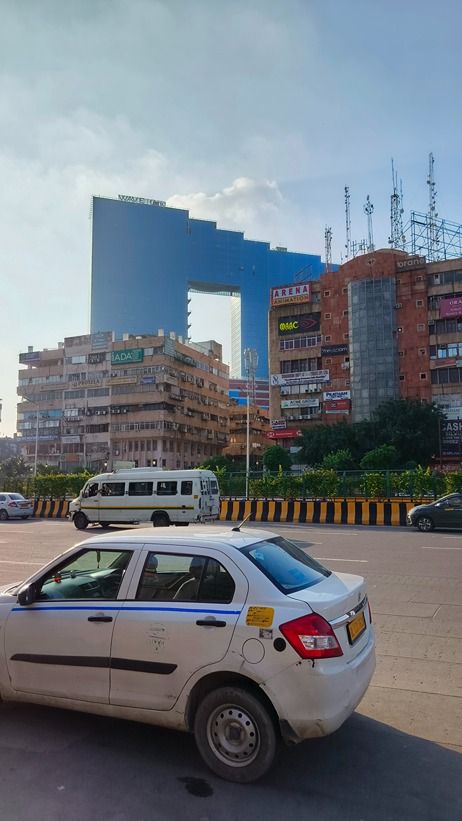





My birthday came up right around when I was reviewing the Zero 40, so I leveraged the occasion to test the camera’s performance by using the phone as the primary shooter. The daylight photos I clicked using the main camera were pleasant to the eyes as they were detailed and had close to accurate colours with good HDR processing.


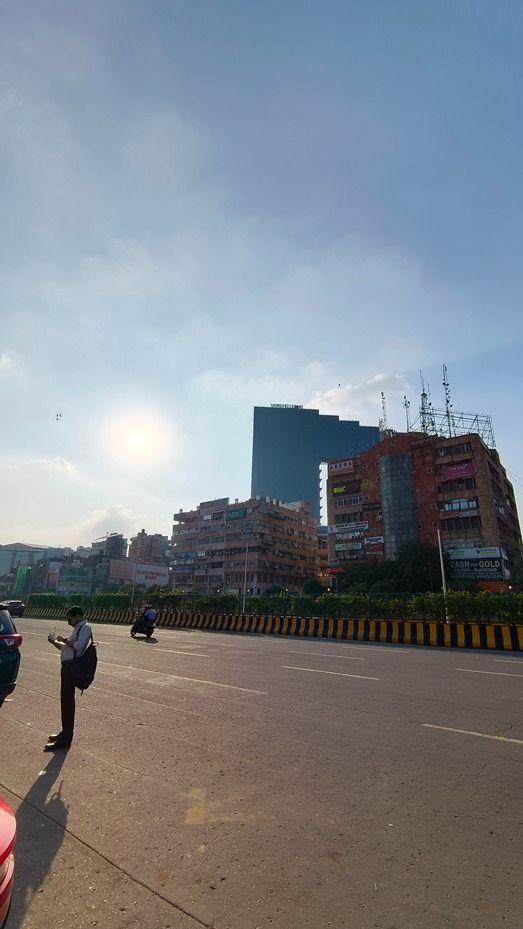






Even, the ultra-wide camera managed to capture similar photos. Some of the food photos taken with this camera look just as mouth-watering as they do in real life. The area where it lags behind a bit is that it struggles to capture more details. Going through my captured memories, I have observed that a few images captured using both cameras have that pinkish tint over them. A common factor between these pictures is that they were clicked against the sunlight.










In low-light scenarios, the primary camera gave me images with great details. Additionally, these images had close to accurate colours, just like daylight. What held them back was that it had a tussle with maintaining the exposure of the illuminated objects like lamps. As a result, some images had blooming light enveloping a certain portion.

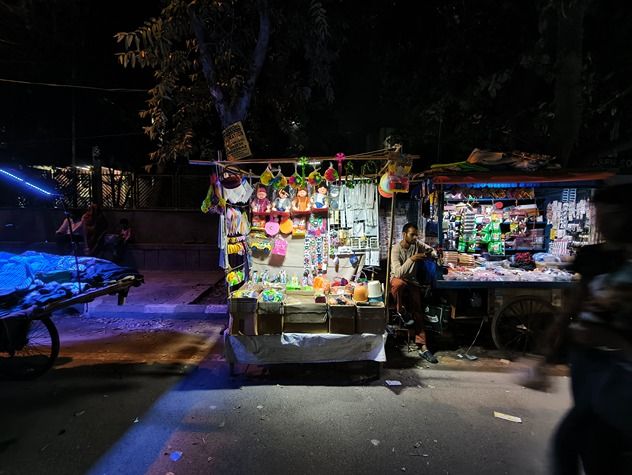









This is where the ultra-wide shooter takes the lead, as you would hardly find its images with this issue. Plus, it tends to give low-light pictures a contrasty look, which I have been going gaga over. However, it also has some room for improvement. Similar to the daylight scenario, it faces issues in capturing more detail. Occasionally, it adds lens flare, which sometimes makes the shot look artistic. Moreover, it slows down the shutter speed to capture more light, resulting in blurry images due to a slight movement. The latter issue is prevalent in the primary camera as well.
















The Zero 40 can capture satisfactory portrait shots with a great skin tone, but the edge detection needs polishing. The front camera lets you click detailed selfies in ample lighting, but it smoothens the face with a dip in lighting.
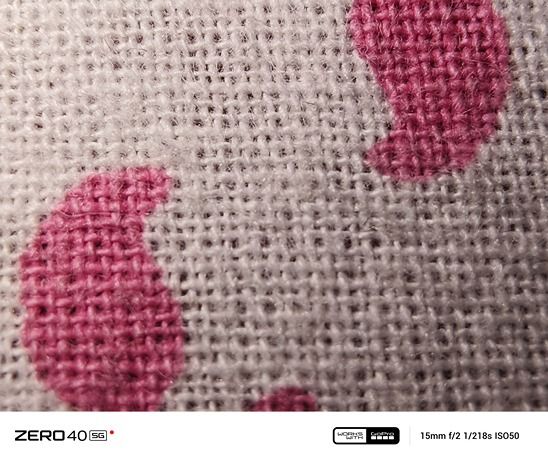


That being said, the feature which takes the cake is the macro photography since it captures some of the most detailed shots I have ever seen on smartphones using its 50MP ultra-wide camera.
Battery and Charging
The battery is a key aspect of a smartphone experience, and Infinix Zero 40 leaves a lot to be desired in this segment. While its 5,000 mAh capacity offers nearly a full day of use for activities like scrolling through reels, chatting, and casual gaming, it falls short of what you’d expect for more intensive tasks. Infinix could enhance battery performance to better meet the demands of heavy users.
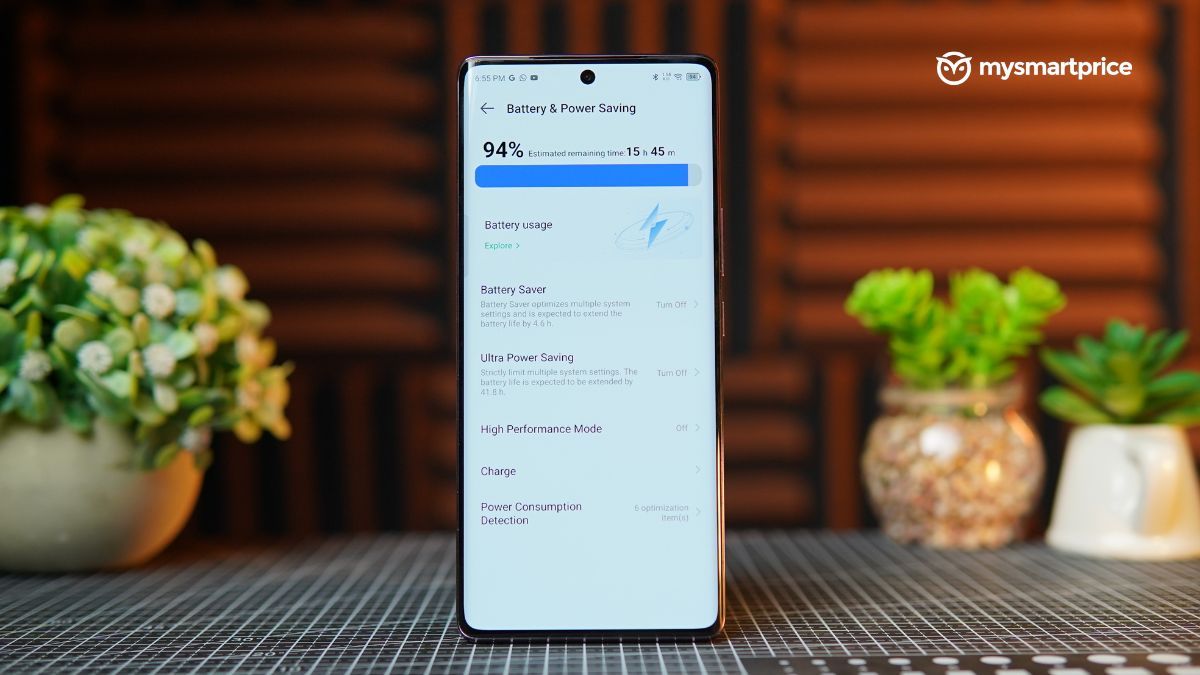
| Battery | Specifications |
| Battery | 5,000mAh |
| Charging Adapter | 45W fast charging, charger-in-the-box |
| Charging Time | 53 minutes |
| PCMark battery test | 6 hours and 36 minutes |
The phone lasted 6 hours and 36 minutes in the PCMark battery test, which is not even on par with the budget smartphone, the POCO M6 Plus. The M6 Plus had clocked 7 hours and 18 minutes on the PCMark battery test,
The 44W charger takes 53 minutes to juice the phone completely.
Verdict
Priced at Rs 27,999, the Infinix Zero 40 offers a great display for content consumption, almost best-in-class performance, well-optimised UI and a competent primary camera, all wrapped in an attractive design. But, the Zero 40’s Kryptonite is its underwhelming battery life, which makes it an unsuitable option for power users.
If these pillars are your priorities, the Infinix Zero 40 is ideal.
For people who want a smartphone with terrific battery life and better audio quality, the Vivo T3 Pro becomes a smarter purchase option. And the POCO F6 is perfect for those seeking an absolute powerhouse.