Nothing has made a name for itself in the Indian smartphone market with its mid-range devices. Following the launch of the Nothing Phone (2a) in March, the company introduced the Plus version. Oddly enough, the manufacturer claims that the Nothing Phone (2a) Plus and the Phone (2a) are not branches of the same tree; they are different. Given their similar design and size, what truly sets the ‘Plus’ apart from the (2a)? Let’s find out in my review.
Nothing Phone (2a) Plus
Rs 27,999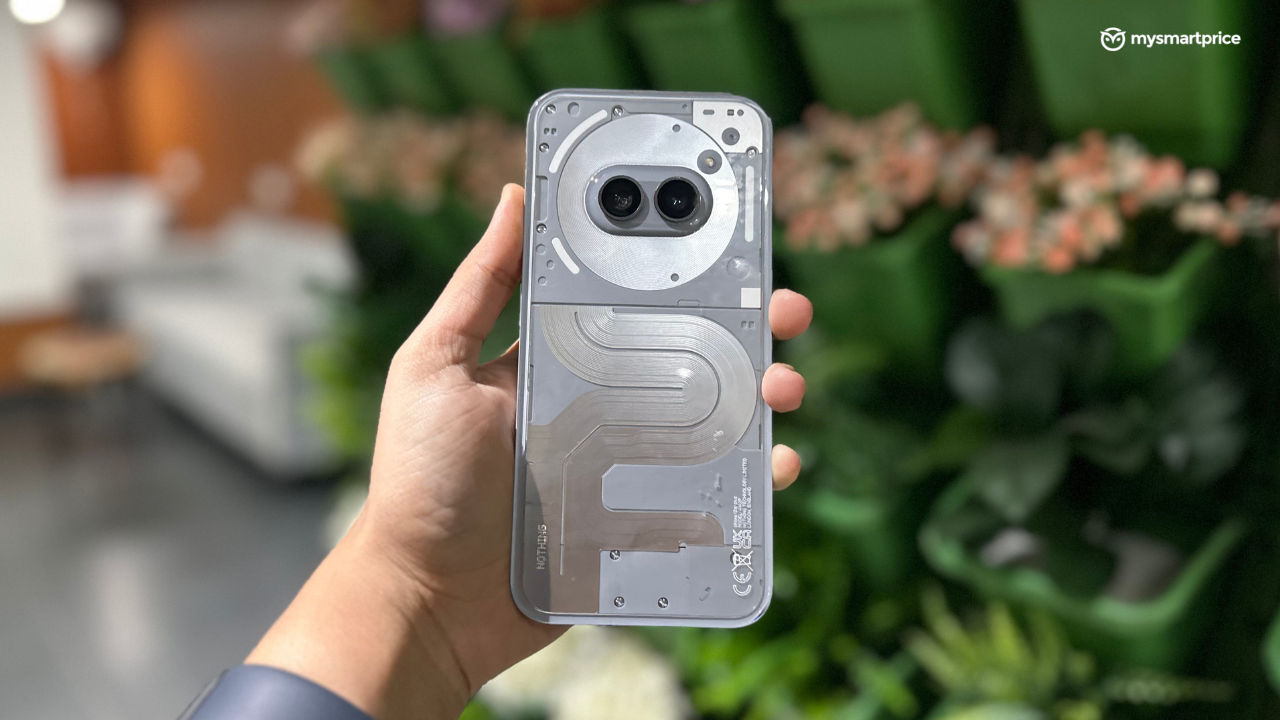
What Is Good?
- Glyph lights look cool
- Minimal design, comfortable to hold
- Clean and interactive software
- Smooth gaming
- Reliable battery life
- Good daylight photography performance
What Is Bad?
- Hardly any difference from the Phone (2a)
- No charging adapter in the box
- IP rating could have been better
Nothing Phone (2a) Plus Review: Pricing and Availability
The Nothing Phone (2a) Plus is available on Flipkart in two variants.
| Variant | Pricing |
| 8GB RAM + 256GB Storage | Rs 27,999 |
| 12GB RAM + 256GB Storage | Rs 29,999 |
Nothing Phone (2a) Plus Review: Design and Display
The Nothing Phone (2a) Plus features a minimalist design, much like the other models in the Nothing lineup. In fact, the Nothing Phone (2a) and the Phone (2a) Plus are nearly identical—there’s barely any noticeable difference between them.
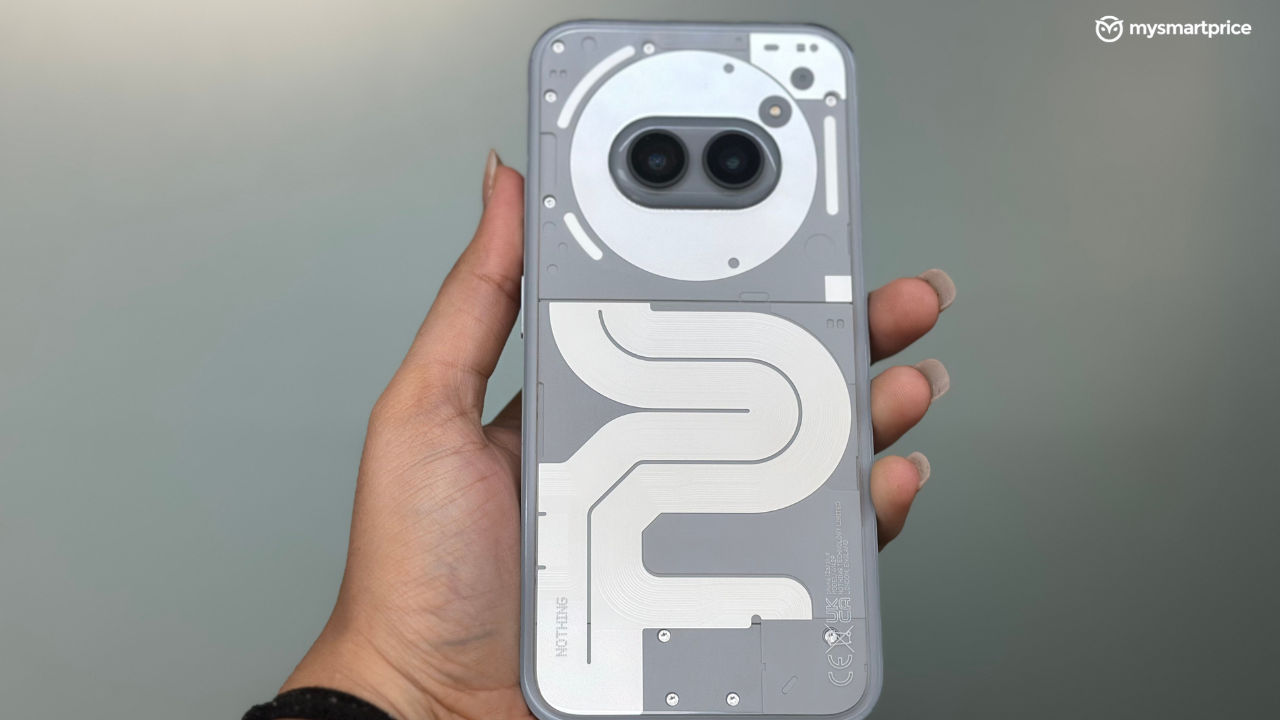
I got the Grey colour variant, which complements the minimal aesthetic. The camera module on the back resembles a pair of owl eyes, and there are nine visible screws on the back panel. The design on the back is reminiscent of a maze—I often find myself absentmindedly tracing it. It’s quite a fun fidget.
The camera module is encircled by Glyph lights that activate during calls, notifications, alarms, and other alerts. However, unlike the Nothing Phone (1) and Phone (2), which featured numerous lights on the back, the Phone (2a) Plus has fewer. While the Glyph lights add a unique element, they can be bothersome, particularly when they flash in your eyes during a morning alarm.
Regarding the overall design, the back panel has a slight curve, making it appear fully curved without actually being so. The frames are reminiscent of Apple’s silicone covers—soft, high-quality, and very comfortable to hold.
| Design | Specifications |
| Weight | 190 grams |
| Thickness | 8.5mm |
| Colours | Black and Grey |
| IP Rating | IP54 |
| Port and Button Placements | Bottom: SIM tray, Primary microphone, USB port, Speaker grille
Top: Secondary speaker Left Side: Volume buttons Right Side: Power button |
While the phone has a balanced weight distribution, it’s not as slim as the Vivo V30e or the Honor 200. The haptic feedback is particularly impressive, adding a great touch to the overall experience.
However, the IP rating on the Phone (2a) Plus could be improved. Other smartphones in the sub-Rs 30,000 price range, such as the Poco F6 with an IP64 rating, the Motorola Edge 50 Pro with an IP68 rating, and the Realme GT 6T with an IP65 rating, offer better dust and water resistance.
| Display | Specifications |
|---|---|
| Size | 6.7-inch |
| Type | AMOLED |
| Resolution | 1080×2412 pixels |
| Refresh Rate | 120Hz |
| Peak Brightness | Claimed: 1300 nits, Tested: 1129 nits |
| Minimum Brightness | 09 nits |
The phone comes with an AMOLED screen featuring a 120Hz refresh rate. The display performance is generally smooth, although I did experience occasional stutters while scrolling, which didn’t majorly affect my overall usage.
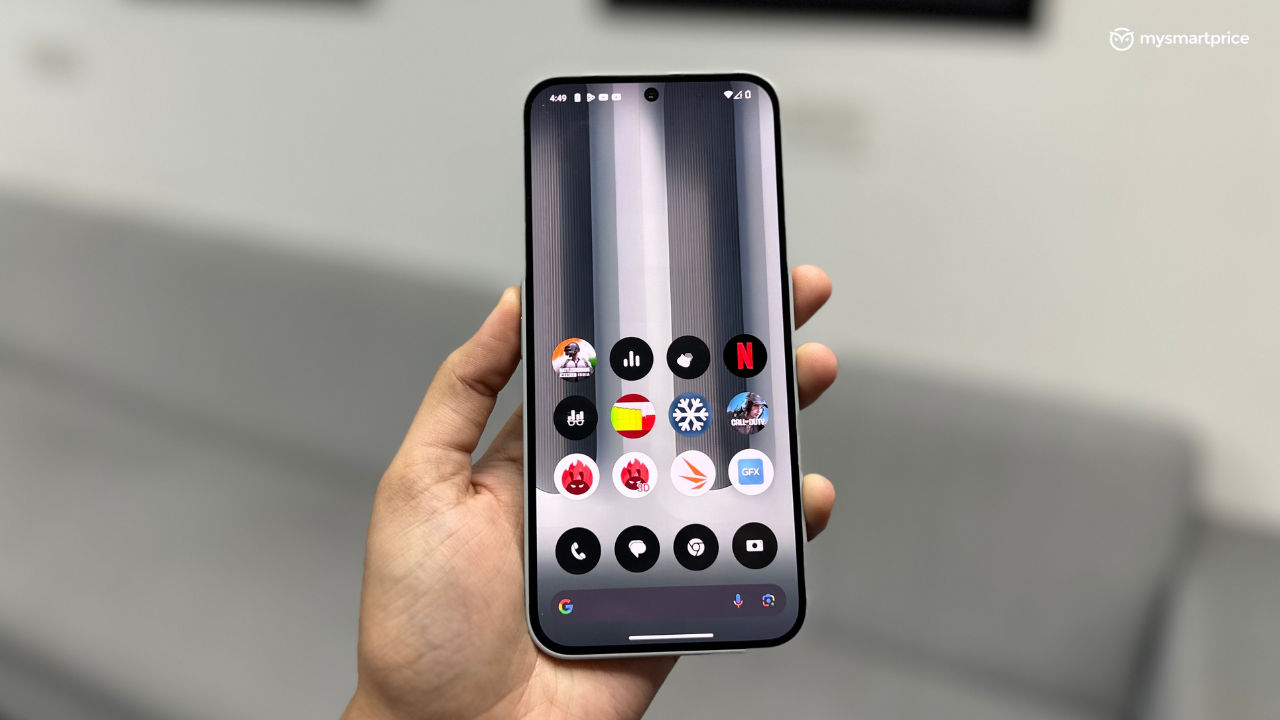
The bezels up front are quite noticeable, which is disappointing considering that many modern smartphones are almost bezel-less. I also prefer curved displays, as they tend to provide a more premium feel, which this phone lacks with its flat screen. On the other hand, the flat display avoids any kind of unintentional touches on the display.
The phone supports Widevine L1 certification but Netflix does not offer HDR capabilities out of the box. I also observed that the faces in The Office appeared slightly shinier than usual. However, other TV shows such as A Good Girl’s Guide to Murder were able to showcase the eerie moments well.
In the audio department, the phone is equipped with a stereo speaker setup. The primary speaker grille produces clear and high-quality sound, with about 80 per cent of the audio coming from it. However, the sound from the secondary speaker is quite distorted, particularly when dealing with higher tones.
Nothing Phone (2a) Plus Review: Performance and Software
The MediaTek Dimensity 7350 Pro SoC is currently exclusive to the Nothing Phone (2a) Plus. So, there aren’t any phones to compare it with directly at this time.
| Hardware | Specifications |
| Processor | MediaTek Dimensity 7350 Pro |
| RAM | Up to 12GB |
| Storage | Up to 256GB |
| Storage Test | 780748 |
| CPU Throttling Test | 92 per cent of its max performance |
| Software Version | Nothing OS 2.6, based on Android 14
Three years of OS updates and four years of security patches |
| Connectivity Details | Dual-band Wi-Fi, Bluetooth 5.3 |
In the CPU throttling test, it maintained over 90 per cent of its maximum performance, which is outstanding. Additionally, it didn’t experience any overheating after the test.
The AnTuTu benchmark scores have only a minor difference between the Phone (2a) and the Phone (2a) Plus, with the Plus version showing a slight improvement. Compared to other phones in this price range, the Motorola Edge 50 Pro ranks just below the Phone (2a) Plus, while both the Realme GT 6T and the POCO F6 surpass the 1 million score.
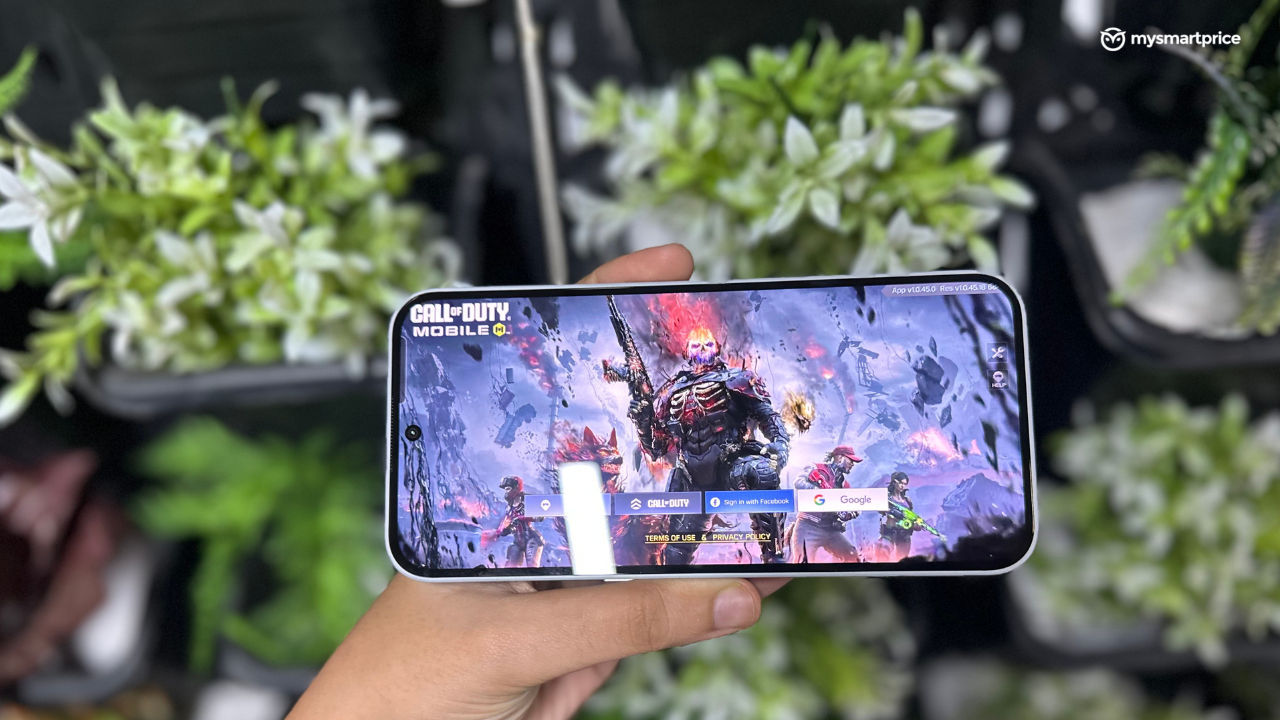
For everyday tasks like calling, messaging, and scrolling, it performs well. I did notice occasional stutters during scrolling, but these were rare and didn’t affect overall usability. In terms of gaming, I played BGMI and Call of Duty: Mobile on this phone. You can refer to the table below to see how it performed.
| Game | Settings | FPS | Result |
| BGMI | HDR Quality + Ultra Fps | Maximum: 40fps
Minimum: 39fps |
I didn’t notice any major lags or stutters during the gameplay. The session was quite smooth. |
| BGMI | Smooth Quality + Ultra Fps | Maximum: 59fps Minimum: 55fps |
The maximum I got in this setting was 59fps. No major drops or lags were noticed. |
| Call of Duty: Mobile | Very High Quality + Very High Fps | Maximum: 59fps
Minimum: 57fps |
The gameplay was consistent at 59fps with it dropping to 57fps occasionally. |
| Call of Duty: Mobile | Low Quality + Ultra Fps | Maximum: 89fps
Minimum: 83fps |
The gameplay at 89fps was excellent without any noticeable frame drops. |
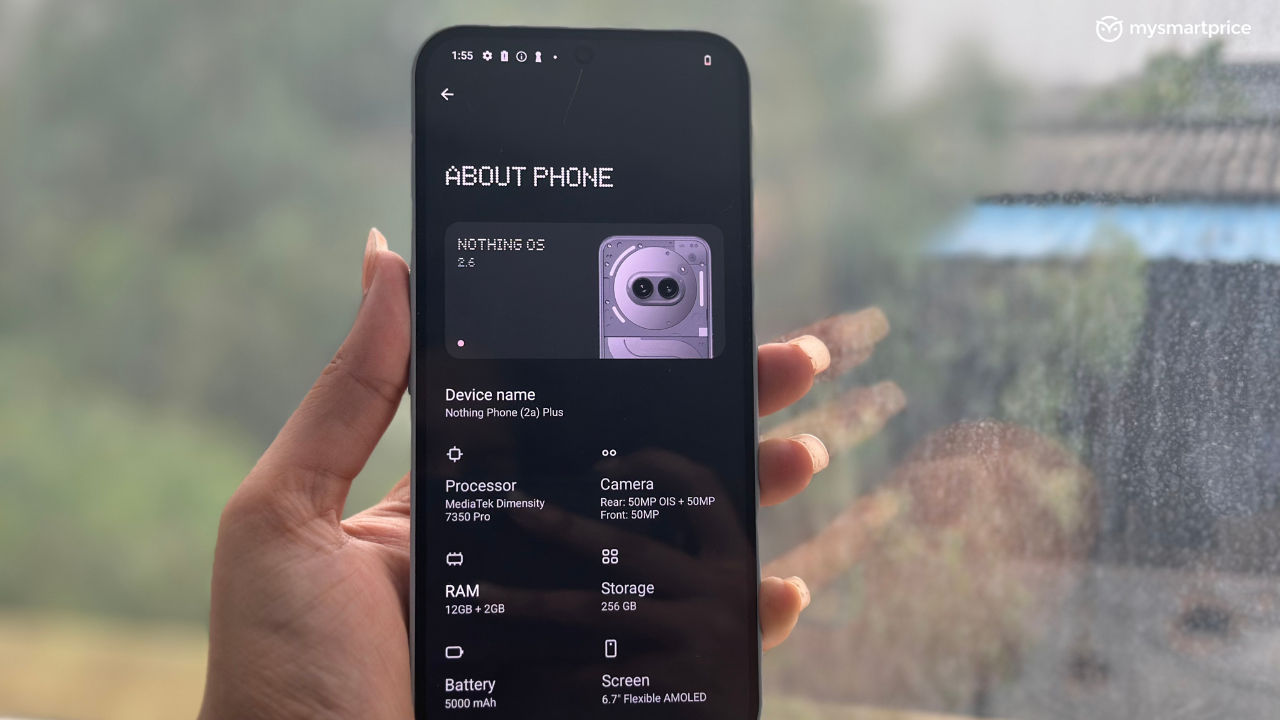
The phone runs on Nothing OS 2.6 and is guaranteed to receive three years of OS updates and four years of security patches. The software is very clean and user-friendly, with no bloatware or unnecessary pre-installed apps. The app widgets have a cool, minimalistic design—something that I love and I am sure everyone else will too. Overall, if a clean user interface is important to you, the Nothing Phone (2a) Plus should be your choice.
Nothing Phone (2a) Plus Review: Cameras
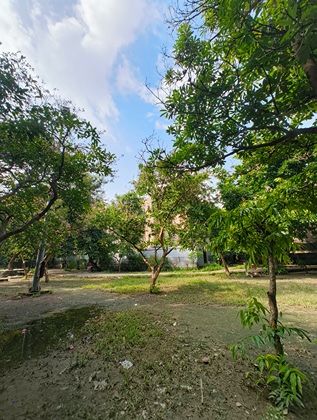
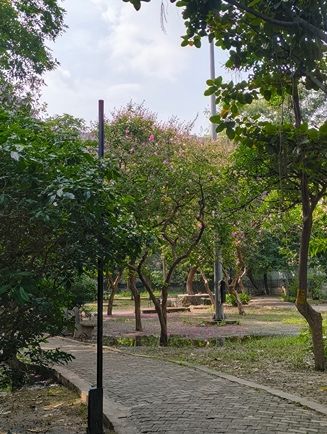
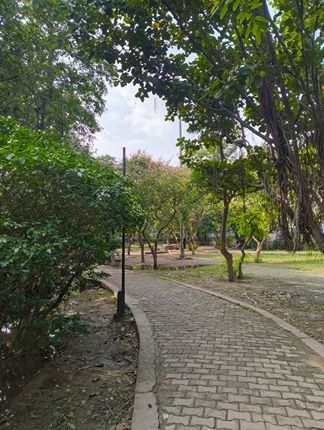
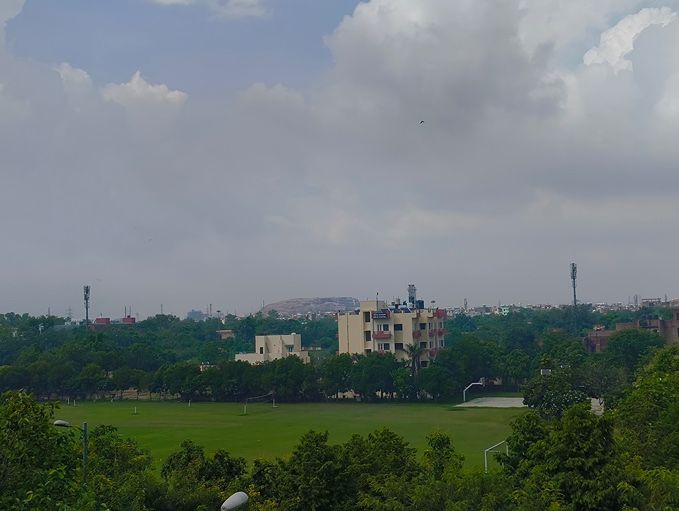
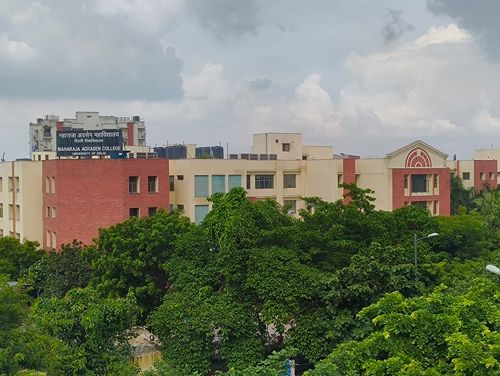
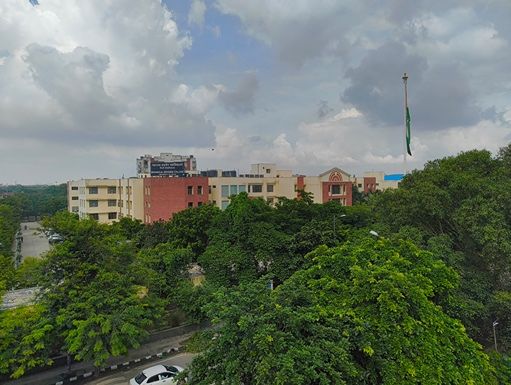
This smartphone features a dual-camera setup on the back, along with a 50-megapixel front camera for selfies. In daylight conditions, the Nothing Phone (2a) Plus produces bright and vibrant photos with both the primary and ultra-wide cameras. I particularly enjoy the camera shutter sound—it’s quite distinctive. The white balance in well-lit environments is excellent. Moreover, the daylight shots are rich in detail and display accurate colours. However, the quality degrades when using 2x zoom, resulting in slightly grainy images.














| Camera | Specifications |
| Primary Camera | 50-megapixel primary camera with OIS, 24mm f/1.9 aperture |
| Secondary Camera | 50-megapixel ultra-wide camera, 114-degree
f/2.2 aperture |
| Selfie Camera | 50-megapixel selfie camera, f/2.2 aperture |
| Video Recording Capabilities | Up to 4K at 30fps |
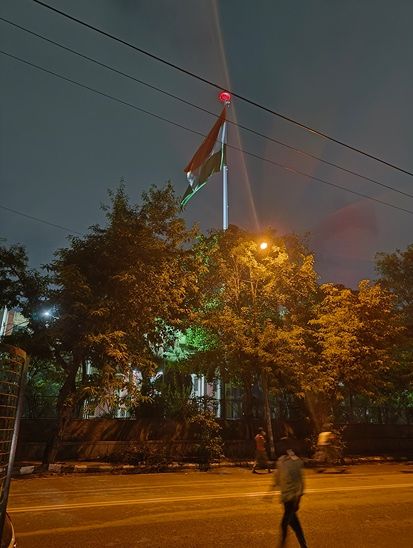
The low-light pictures are impressive, with minimal noise—it’s as if the phone enhances the light, similar to Vivo devices, to improve image quality. Unfortunately, the ultra-wide camera doesn’t perform as well, producing average photos. The bright colours appear over-saturated, leading to noticeable graininess.






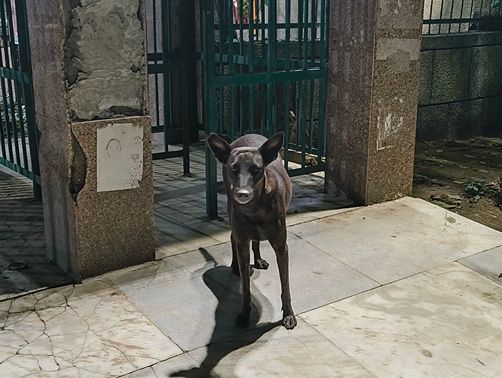




Edge detection is generally reliable for portrait shots, but not consistently. Occasionally, the camera distorts hair strands or the outline of clothing when capturing human subjects.


For selfies, the skin tones are somewhat inaccurate, with most pores and blemishes smoothed out, resulting in an overly artificial appearance.
Nothing Phone (2a) Plus Review: Battery and Charging
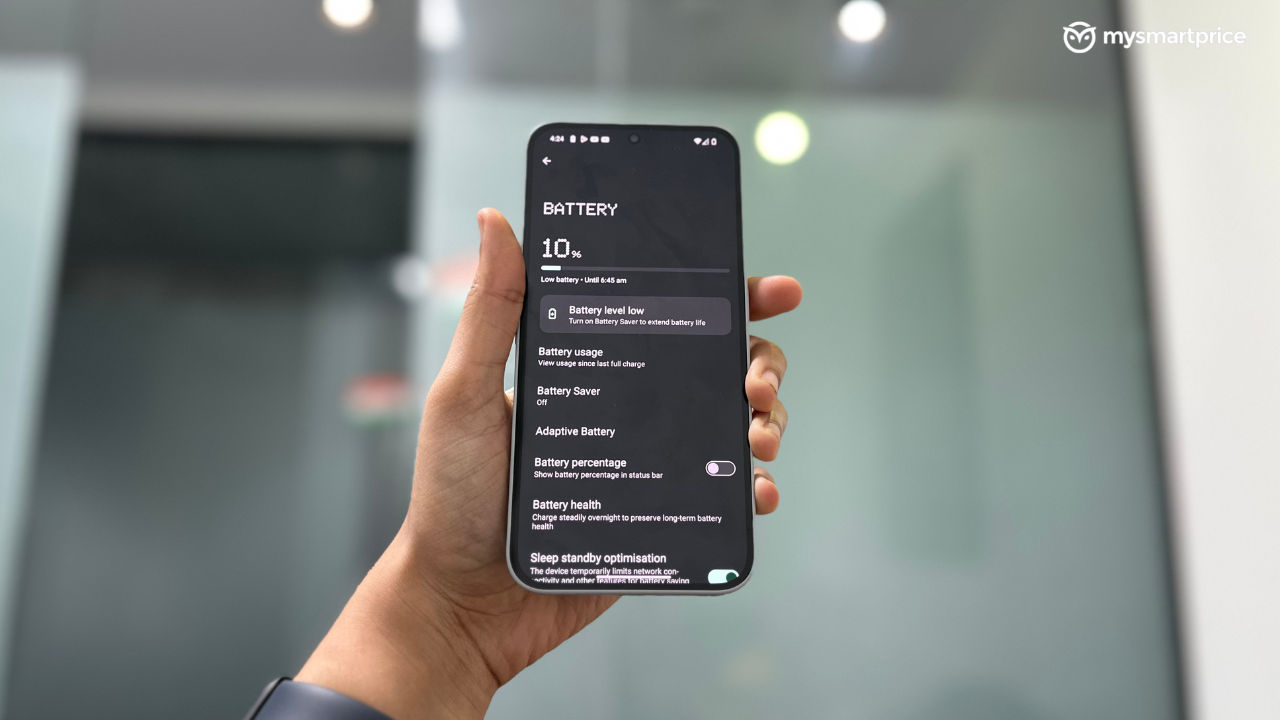
Nothing doesn’t include a charger in the box. I used a 65W PD charger, and it took exactly 56 minutes to go from dead to 100 per cent. While this charging speed is good, a charger in the box would have been appreciated.
| Battery | Specifications |
| Battery | 5000mAh |
| Charging Adapter | No charger in the box |
| Charging Time | 56 minutes |
| PCMark Battery Test | 15 hours 25 minutes |
In the PCMark battery test, the phone lasted nearly 15 and a half hours, just two and a half hours less than the iQOO 12—a smartphone priced in the sub-Rs 50,000 range. Compared to other devices such as the Realme GT 6T, Poco F6, and Motorola Edge 50 Pro, the Phone (2a) Plus performs significantly better. The battery life on this phone is awesome. With light to moderate usage, it easily lasts more than a day, which is excellent.