Nothing continues to expand its mid-range ‘a’ lineup with the Nothing Phone (3a), which succeeds the Phone (2a) while retaining the brand’s signature transparent design. However, this time, Nothing has launched not just one but two phones—the Phone (3a) and the Phone (3a) Pro.
Nothing Phone (3a)
Rs 24,999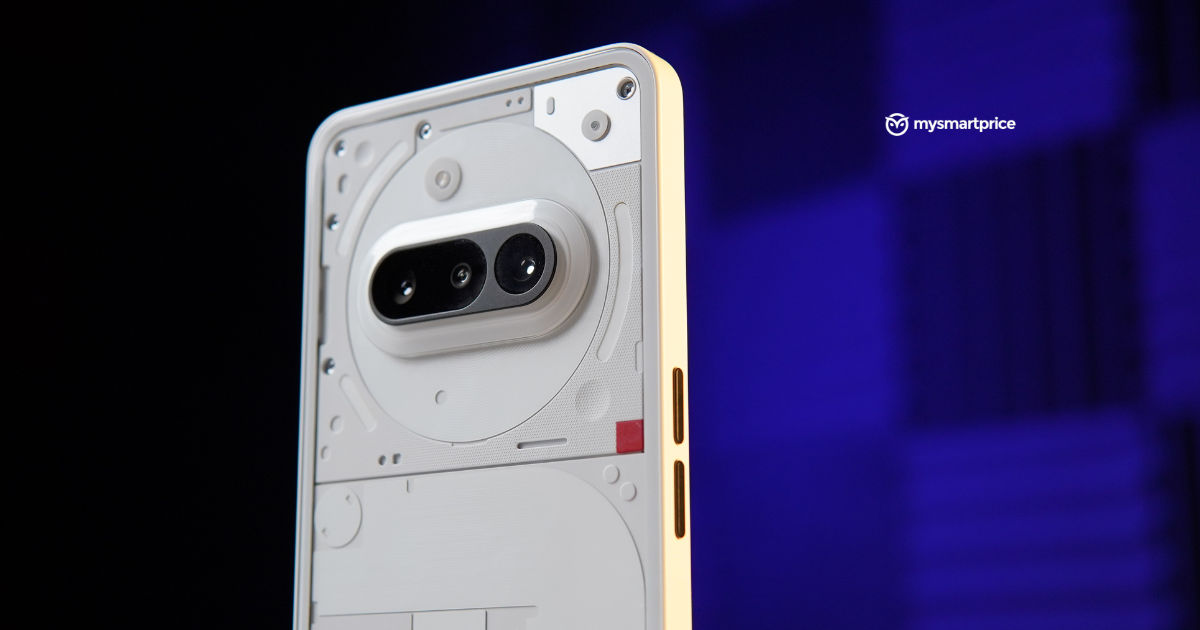
What Is Good?
- Neat and engaging UI
- Long-lasting battery
- Gorgeous design
- Great Pricing
What Is Bad?
- No in-box charger
- Camera app can be buggy
While the overall design language remains familiar, the Phone (3a) brings a few key changes, most notably the Snapdragon chipset and the Essential Key. But how much of a difference do these upgrades make? And more importantly, is the Nothing Phone (3a) the best sub-Rs 25,000 smartphone right now? I spent some time with it and have the answer.
Pricing and Availability
The Nothing Phone (3a) is available in two variants and will be up for grabs starting
| Device | Storage | Price |
| Nothing Phone (3a) | 8GB RAM + 128GB Storage | Rs 24,999 |
| 8GB RAM + 256GB Storage | Rs 26,999 |
Design and Display
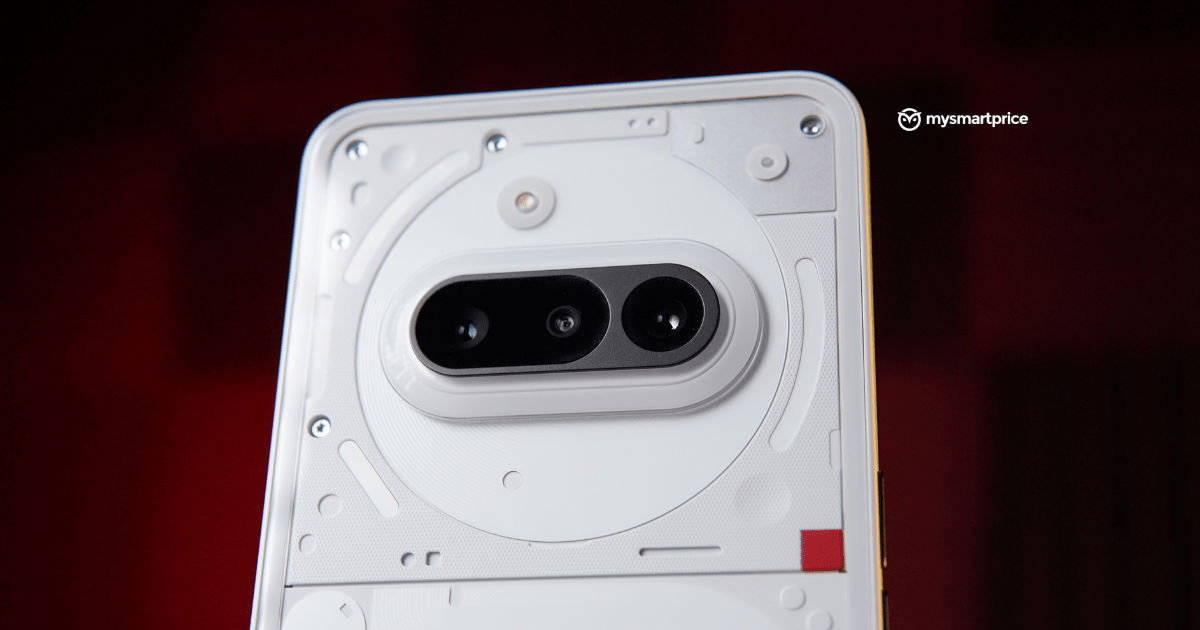
The Nothing Phone (3a) follows the same design guidelines as the previous-gen phones. The device also features minimal Glyph lights, but to change the narrative, it has three cameras instead of two. With an extra camera in the mix, the design feels less like a ‘pair of eyes’ and more like a refined evolution.
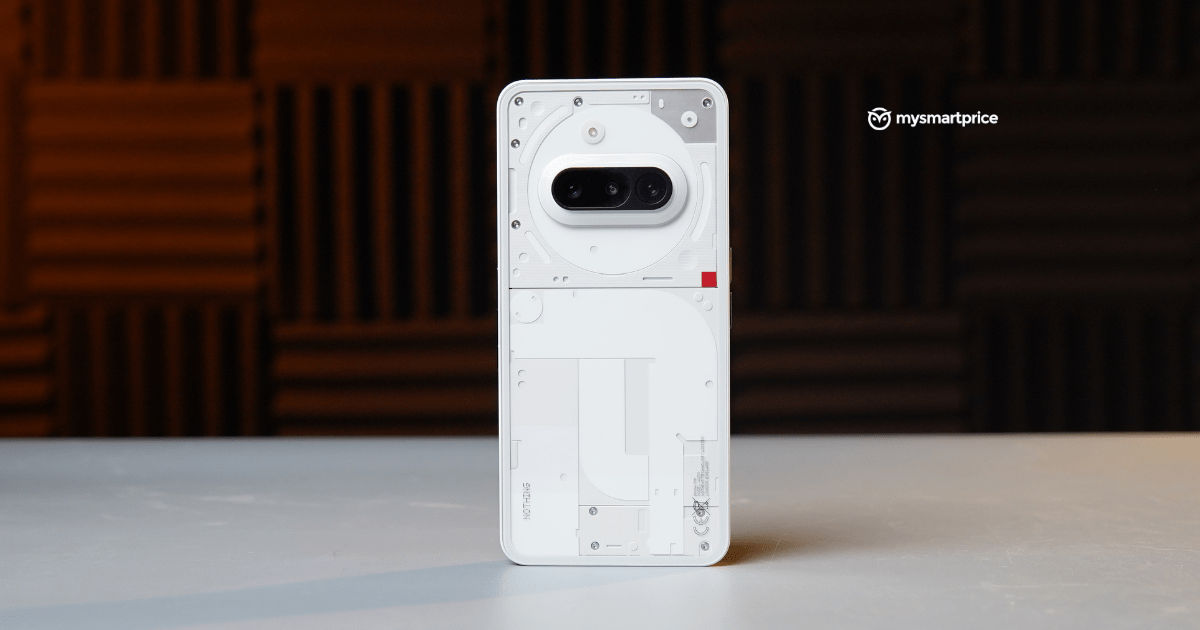
The company has also added an Essential Key this time around. This key looks like a clone of Apple’s Action Button but has different functionality (more on this later). I found its position to be slightly off, as I mostly confused it with the power button, which led to me entering the ‘Essential Space’ more often than I wanted to.
| Design | Specifications |
| Weight | 201 grams |
| Thickness | 8.35mm |
| Colours | White, Black, Blue |
| IP Rating | IP64 dust and water resistance |
| Port and Button Placements | Bottom: Primary microphone, USB-C port, Speaker grille, SIM tray Top: Secondary microphone Right Side: Volume buttons Left Side: Power button and Essential Key |
This design language of Phone 3(a) is polarising, and I fall in the group that finds it appealing and neat. I feel the phone has an unusual look, but it is hard to overlook. The phone weighs slightly more than the Phone (2a); however, Nothing has done a good job with the weight distribution, making it feel balanced and comfortable to hold, with no noticeable heft. The best part is that it hardly collects dust and fingerprints, so there’s no need for constant wiping. I tossed it into my bag with various items while traveling, and to my surprise, it remained intact.
The Phone (3a) also has the same display as its predecessor but with increased peak brightness, which has resulted in better sunlight legibility. However, this doesn’t translate to exceptional performance in everyday life, and you can understand more about this here.

| Display | Specifications |
|---|---|
| Size | 6.77-inch |
| Type | Flexible AMOLED display |
| Resolution | 1080 x 2392 pixels |
| Refresh Rate | 120Hz |
| Peak Brightness | Claimed: 3000 nits, Tested: 1794 nits |
| Minimum Brightness | 26 nits |
The corners are less curved, creating the illusion of a larger screen. The picture quality remains sharp, with vivid colour reproduction and well-enhanced blacks. Streaming YouTube videos for hours and diving into Netflix’s Dark was a delightful experience. However, the lack of HDR support is a drawback—something that could have further elevated the viewing experience.
The phone supports a 120Hz adaptive refresh rate, which makes it snappy. However, The Nothing Phone (2a) offers the same experience, so there’s not much change in this aspect. However, it remains prone to accidental touches when unlocked, making it advisable to keep a password or fingerprint scanner enabled for better security.
Performance and Software
With the Phone (3a) and even the (3a) Pro, Nothing has gone back to the Snapdragon pavilion. The device gets the Snapdragon 7s Gen 3, which also powers the Redmi Note 14 Pro+ and the recently launched Realme P3 Pro. Let’s see how their benchmark scores compare:
| Hardware | Specifications |
| Processor | Qualcomm Snapdragon 7s Gen 3 |
| RAM | Up to 8GB |
| Storage | Up to 256GB |
| AnTuTu | 815514 |
| Storage Test | 82082 |
| Software Version | NothingOS 3.1, based on Android 15 |
| Connectivity Details | Bluetooth 5.4, Wi-Fi 6 |
This translates into everyday usage as well. Watching numerous videos and clicking loads of photos during my trip to Rishikesh was a breeze – the phone hardly warmed up or stuttered. The experience was the same with gaming; the gameplay was smooth without any noticeable frame drops or lags with BGMI’s extreme settings enabled. After over half an hour of gaming, the battery drain was minimal. The best part is that the heat management is excellent.
As for the software, there’s a lot to like. The UI is clean, the customisations are well thought out, and of course, the Glyph LEDs add both aesthetic appeal and functional value, something Nothing deserves credit for. The bespoke icons and fonts feel refined, making the interface a pleasure to use. This was my first experience with Nothing OS, and its customisation options are impressive. The bloat-free experience instantly reminded me of my time with Pixel phones, but with Nothing’s unique design flair, which takes Android’s minimalism up a notch. Safe to say that I’ve grown fond of Nothing OS.

Speaking of the Essential Key, it is a way to record your thoughts and take screenshots to keep things in the Essential Space safely. While not something too prominent, it is helpful for those who can’t sort their thoughts, just like Valeria from Netflix’s Valeria (IYKYK). And it makes perfect sense, too, except it takes time to get used to.

Cameras
The camera setup is similar to the Phone (2a), but we have an extra 8-megapixel ultra-wide lens. The main snapper delivers crisp photos with vivid colours in broad daylight.
| Camera | Specifications |
| Primary Camera | 50-megapixel Samsung OIS main camera, f/1.88 aperture |
| Secondary Camera | 50-megapixel Samsung telephoto camera f/2.0 aperture |
| Third Camera | 8-megapixel Samsung ultra-wide lens, f/2.2 aperture |
| Selfie Camera | 32-megapixel Samsung camera, f/2.2 aperture |
| Video Recording Capabilities | Up to 4K at 30fps |
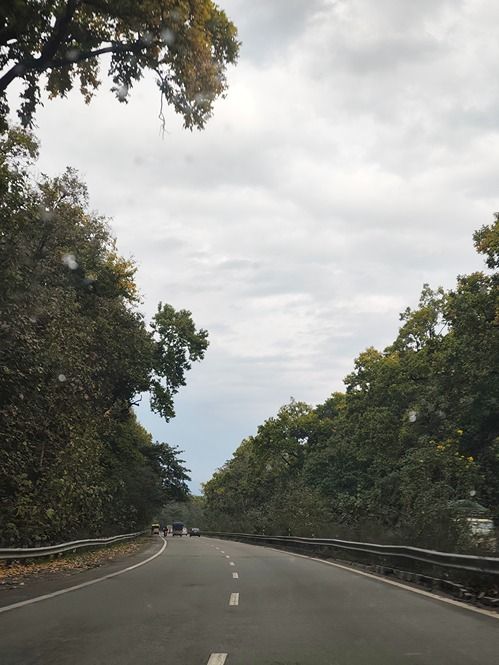
I got the opportunity to click the life of Rishikesh, and everything felt straight out of a painting. Poppy colours like yellow and orange popped up well and were eye-pleasing. The telephoto lens did a great job of capturing distant objects; its 4x in-sensor zoom kept the colours intact as the main sensor. The clarity gets slightly affected, however, it doesn’t look too significant.















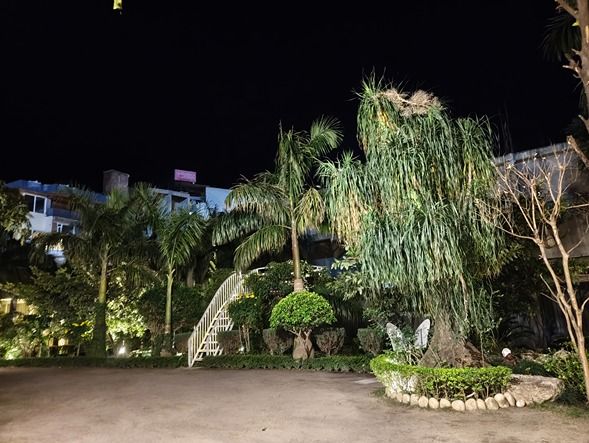
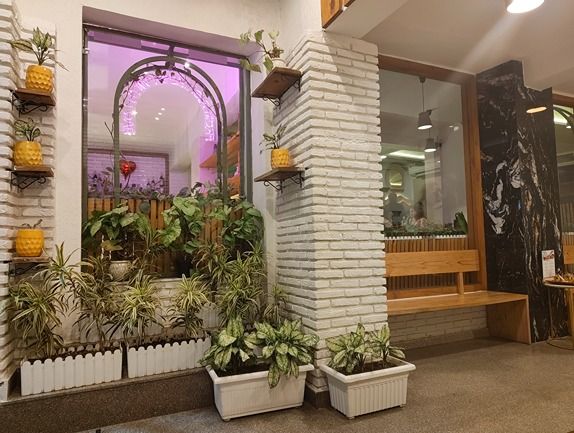


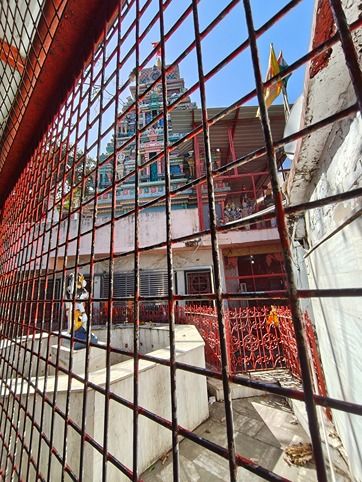


The ultra-wide lens has a good field of view and ensured it took a wider view of a scene without causing grainy edges. The portrait images came out looking good, and both the edge detection and the background blur are great. The Phone (3a)’s cameras handled low-light photography quite well and didn’t cause a lot of grain. The performance was equally good when there were multiple light sources, which caused no glare issue.
The selfie camera configuration is also similar to that of the Phone (2a) and produced equally good shots that reproduced natural colours. My face appeared as it is, and there wasn’t any unnatural beautification. The only problem I faced was with the inconsistent shutter button and the buggy camera app, which I feel can get fixed with a future update.
Battery and Charging
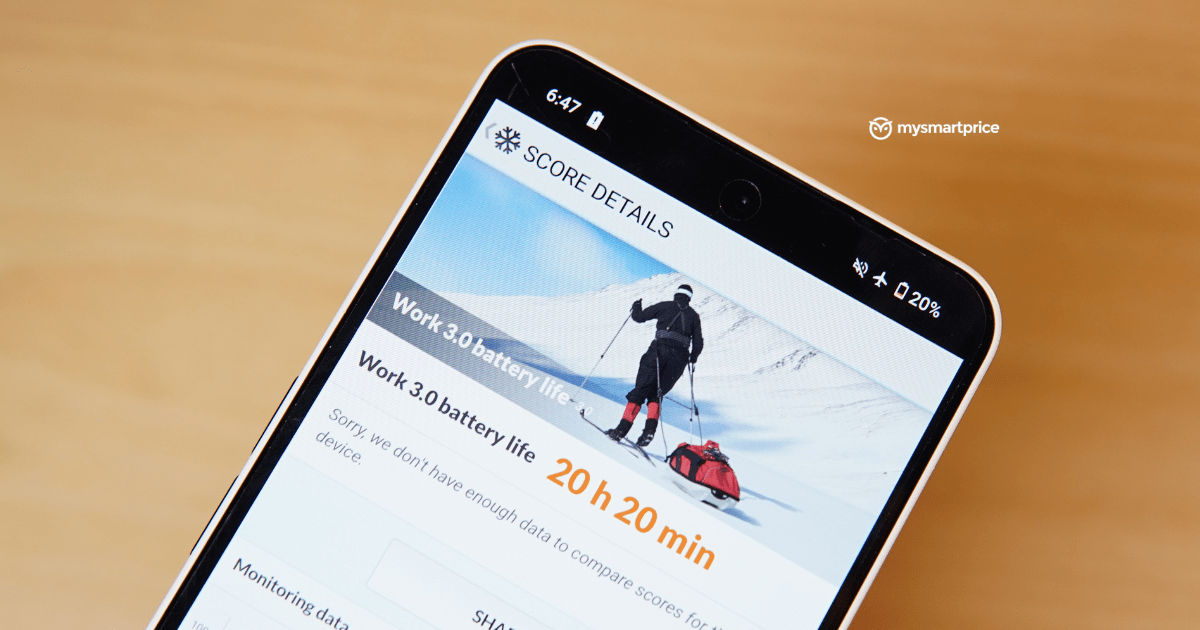
The Nothing Phone (3a) has the same battery capacity as the Nothing Phone (2a) and the even (3a) Pro but does an impressive job in the PCMark test. It could last more than 20 hours in the PCMark test, which is way more than the Phone (3a) Pro.
| Battery | Specifications |
| Battery | 5,000mAh |
| Charging Adapter | 50W fast charging |
| Charging Time | 1 hour |
| PCMark Battery Test | 22 hours and 20 minutes |
In daily usage, the phone lasted for more than a day with constant camera use, some mild social media usage, and gaming. It took about an hour to get fully charged, which matches the claim. However, the lack of a charger adapter in the box is disappointing, and you will have to buy one to attain better charging speeds.
Verdict
The Nothing Phone (3a) is a good midrange phone. It has an appealing design, and the display experience is impressive.
The performance is butter-ly smooth, and the cameras leave a good mark, if not the best. More importantly, the battery life is amazing, and it lasts a complete day. I managed to get through a day or even two without any worries. As a standalone device, this is a perfect successor to the Phone (2a) and with the added bank offers, the deal can’t be missed. But with its Pro sibling in the mix (with almost the same specs), it becomes a tough choice. So, let me break it down:
If you’re looking for a reliable phone with long-lasting battery life, the Nothing Phone (3a) is a solid choice. On the other hand, if you care about a periscope lens and a uniquely different design, the Phone (3a) Pro is worth considering—especially at a sub-Rs 40,000 price. However, if you’re already using a Phone (2a), it might be best to skip this upgrade.