Realme sticks to its schedule like a well-oiled machine, dropping a new number series phone every six months. And, surprise, it’s that time again—the Realme 14 series has arrived. The Realme 14 Pro packs a MediaTek Dimensity 7300 Energy, a 6000mAh battery, and a dual-camera setup on the back. With a starting price of Rs 24,999, what does it bring to the highly competitive market? I’ve been using the phone for a few days now, and here’s my review.
Realme 14 Pro
Rs 24,999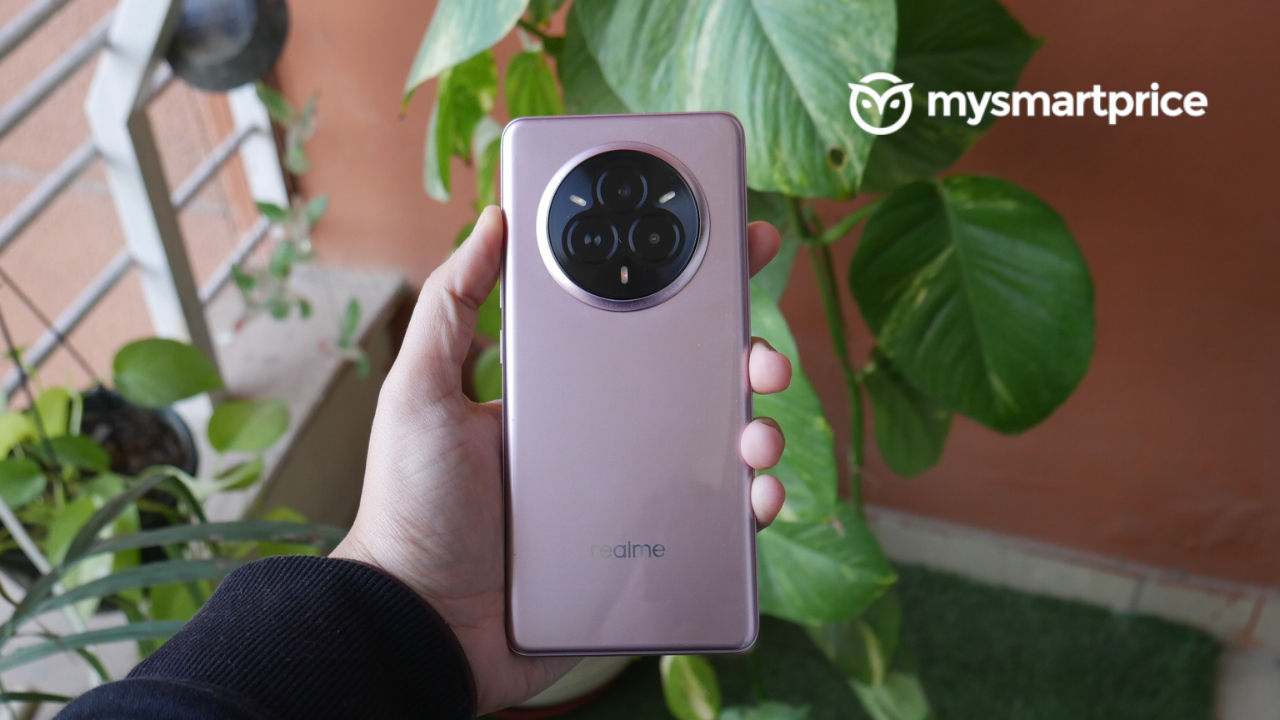
What Is Good?
- The curved display looks premium
- Everyday performance is good
- Software features are interactive
- Solid battery life
- Good daylight camera performance
- Value for money
What Is Bad?
- No extraordinary changes in design
- Edge detection in portraits should be improved
- Thermal management is slightly poor
- Bloatware apps
Pricing and Availability
The Realme 14 Pro is available in two variants on Realme’s official website and Flipkart.
| Variant | Price |
| 8GB RAM + 128GB Storage | Rs 24,999 |
| 8GB RAM + 256GB Storage | Rs 26,999 |
Design and Display
I got my hands on the Jaipur Pink variant of the Realme 14 Pro that’s exclusively available for India, and it looks good. But design-wise, there’s nothing groundbreaking; if you’ve seen a Realme phone before, you’ve basically seen this one too. That said, the curved edges give it a premium touch, and the in-hand feel is quite comfortable.

Despite the glossy back, I didn’t have any accidental slips, which is great. The only downside is that it’s a fingerprint magnet. I spent more time wiping it down than actually using it. So, make sure you slap on a case. In terms of weight, this phone is nicely balanced. It’s slim, lightweight, and comfortable to use.
| Design | Specifications |
| Weight | 179 grams |
| Thickness | 7.5mm |
| Colours | Pearl White, Suede Grey, Jaipur Pink |
| IP Rating | NA |
| Port and Button Placements | Bottom: Primary microphone, USB port, Speaker grille, SIM tray Top: Secondary microphone, speakers Right Side: Power and volume buttons |
Now, about that camera module—it looks like a smartwatch dial, specifically the Google Pixel Watch 3. The camera lenses are arranged in a way that reminds me of a fidget spinner, and honestly, the temptation to spin it is real. Then there’s the triple-flash setup, which feels a bit excessive—who needs that much light? I barely used it, except when I actually needed a flashlight. But I do like that you can tweak the light tones to be warmer or cooler, which is impressive.

The display of this phone has a familiar look. As for the bezels, they’re evenly balanced on all sides and are very thin. On Netflix, the phone supports Widevine L1, but HDR is non-existent. I watched Behind Her Eyes, and while the colours looked decent, HDR would have added that extra punch.
| Display | Specifications |
|---|---|
| Size | 6.77-inch |
| Type | AMOLED display |
| Resolution | 1080 x 2392 pixels |
| Refresh Rate | 120Hz |
| Peak Brightness | Claimed: 4500 nits Tested: 812 nits |
| Minimum Brightness | 03 nits |
Audio is a bit of a mixed bag. The bottom speaker is crisp and clear, but the top one? Not so much—it introduces a bit of distortion, which slightly throws off the experience. I usually kept the volume at 80 per cent, and it was good. But if I pushed it higher, that’s when things started to get shaky.
Now, for brightness, Realme claimed 4,500-nit brightness. However, in our testing, it didn’t even reach 1,000 nits, which is kind of a bummer. In direct sunlight, you’ll need to find the right angle, or else the screen just turns into a fancy reflector. On the flip side, the minimum brightness at night is excellent making it perfect for scrolling through Instagram without feeling like you’re staring into the sun.
Hardware and Software
The Realme 14 Pro draws power from the MediaTek Dimensity 7300 Energy SoC. A chipset that also makes an appearance in the OPPO Reno12 Pro, which is priced a bit higher. In the AnTuTu v10 benchmark, the Realme 14 Pro scored nearly seven lakh points—not a jaw-dropping number, but still pretty solid. Take a look at our AnTuTu score graph below to see how it compares with other phones in the same price range, especially its predecessor, the Realme 13 Pro.
Now, during the CPU throttling test, things got a little steamy. The phone heated up noticeably, and when I held it, it felt a bit like holding a small heater. So, thermal management is something that could have been better.

In terms of day-to-day use, the phone did its job flawlessly. The 120Hz refresh rate really made everything feel snappy. Switching between apps, multitasking and scrolling through social media wasn’t a problem at all. So, if you’re looking for a phone that just gets the basics right, this one will do the trick.
| Hardware | Specifications |
| Processor | MediaTek Dimensity 7300 Energy SoC |
| RAM | Up to 8GB |
| Storage | Up to 256GB |
| Storage Test | 695659 |
| CPU Throttling Test | 72 per cent of its max performance |
| Software Version | realme UI 6.0, based on Android 15 |
| Connectivity Details | Wi-Fi 6, Bluetooth 5.2 |
On the flip side, I spent some time playing Call of Duty: Mobile, and it was pretty smooth. With low graphics and ultra frame rates, everything ran without a hitch—no lags, no stutters. But once I cranked up the settings to very high graphics and frame rates, things started getting a bit warm around the top panel. So overall, the performance is fantastic until you start pushing it with extremely high-end tasks.

The phone runs on Realme UI 6.0, based on Android 15. My first impression was that the UI is packed with pre-installed apps, hot apps, and hot games. Unfortunately, some of these apps also bombard you with spammy notifications, which really puts a damper on things. But hey, not all is lost. The features are actually pretty solid, with cool stuff like Share with iPhone, AI screen recognition, Live Alerts that resemble the iPhone’s Dynamic Island, and flexible windows.
Cameras
This phone has a dual-camera setup on the back. However, a 2-megapixel secondary camera in 2025 is just a hard pass. Oh, and no ultra-wide camera either.
In daylight, the photos turn out nice and natural, which I actually appreciate. The colours are spot-on, natural, and the overall quality of the image is solid.


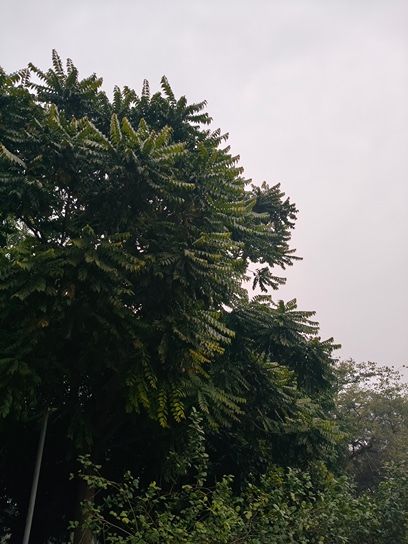

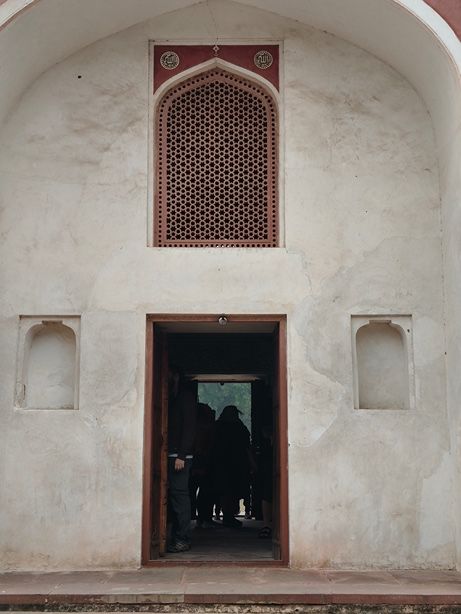

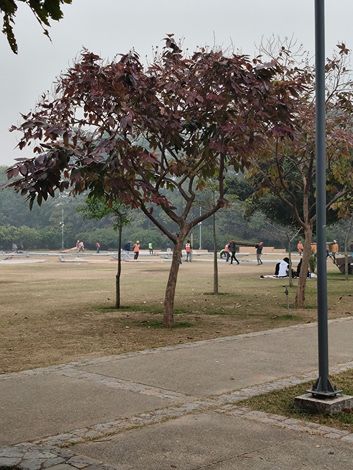




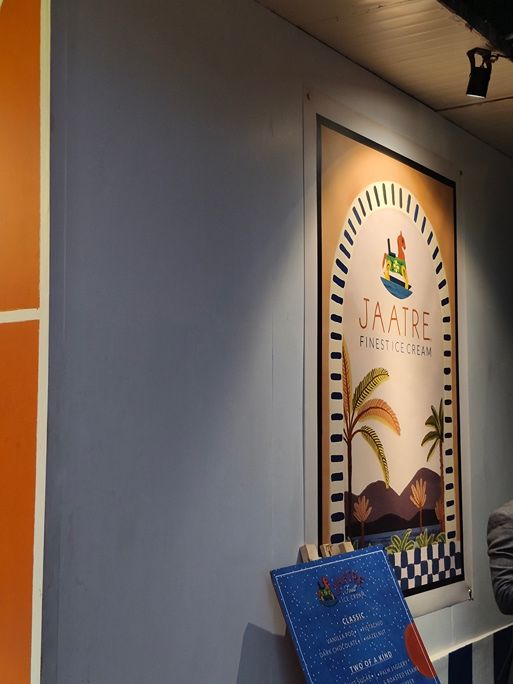

The processing speed is a little slower than expected, and that was a bit of a mood killer. I had a mini freak-out moment wondering if I’d snapped a blurry picture, but it was just taking its time.
Even on gloomy days, this phone tries its best to capture every bit of colour, which is pretty impressive.
However, zoom in too much and things start to fall apart. The details go poof, and the image quality takes a hit. So, sticking to up to 2x zoom is probably your safest bet.
| Camera | Specifications |
| Primary Camera | 50-megapixel Sony IMX882 OIS, f/1.8 aperture |
| Secondary Camera | 2-megapixel |
| Selfie Camera | 16-megapixel selfie, f/2.4 aperture |
| Video Recording Capabilities | Up to 4K at 30fps |
In portraits, the background blur looks nice, but the edge detection could use a little more work. Some hair strands and plant leaves are mistakenly blended into the blur. That said, the skin tones and colours are well-balanced even in this mode. Low-light photos with decent lighting come out okay, but in really dark situations, you’ll notice distortion and a lack of fine details.
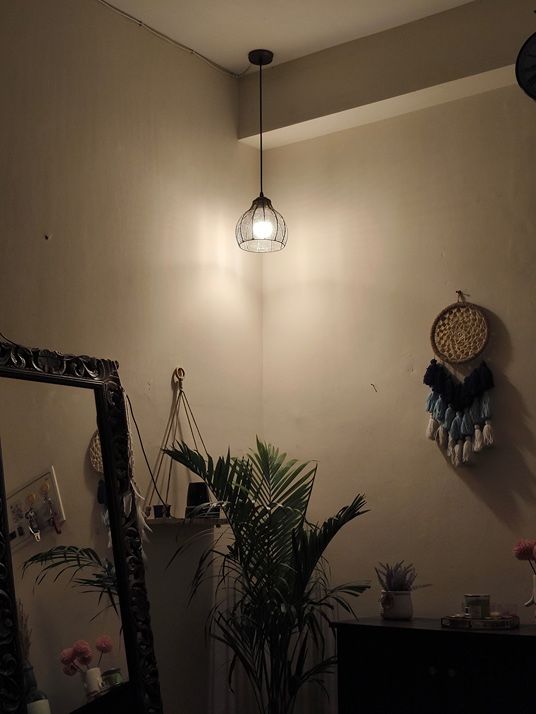
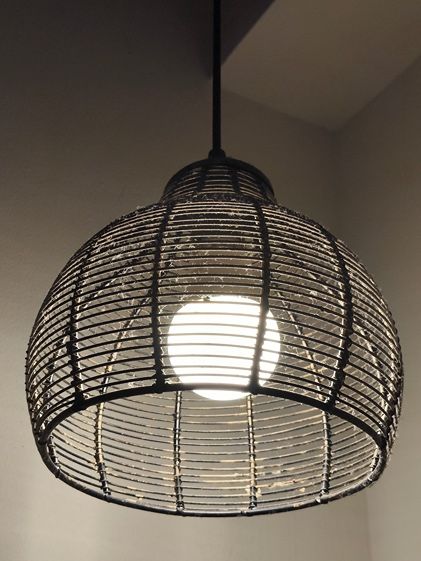
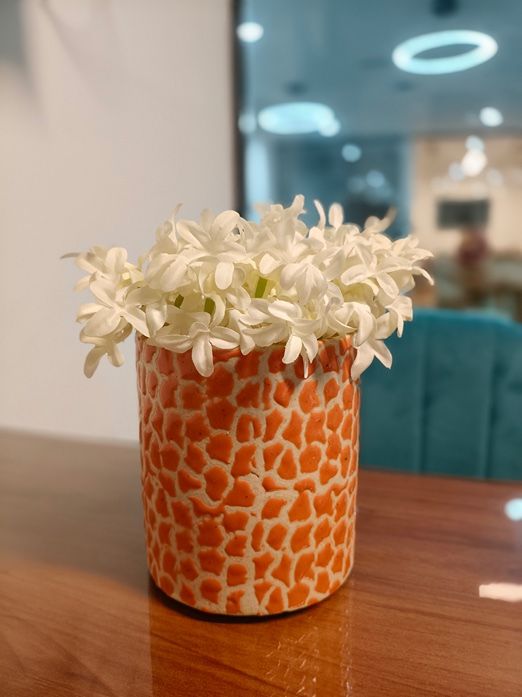
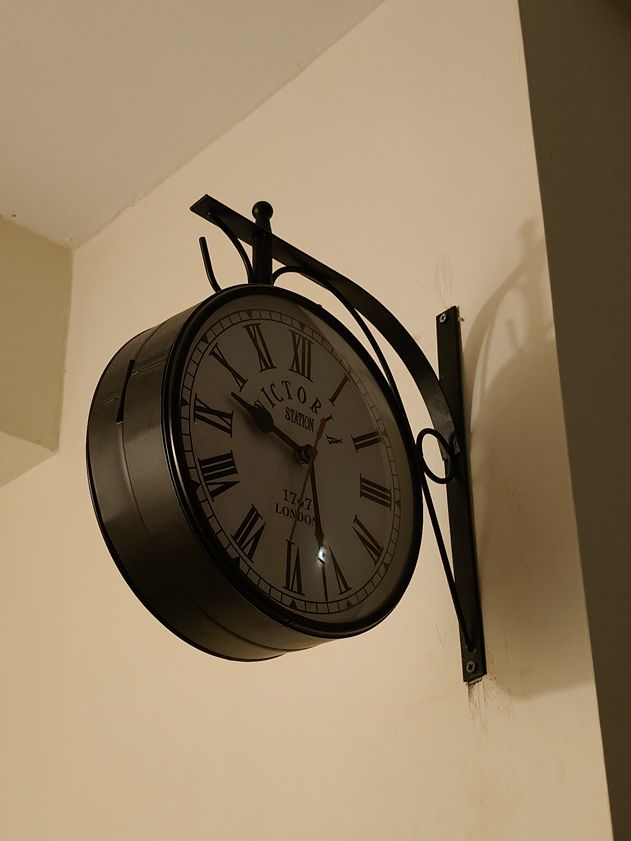
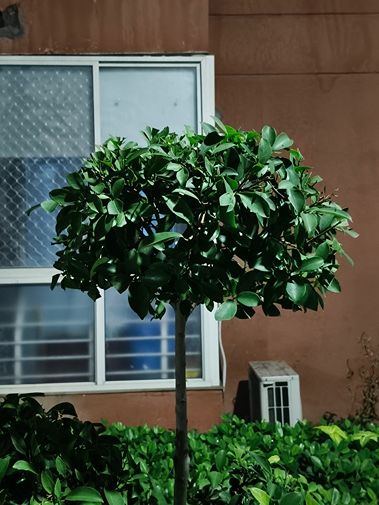
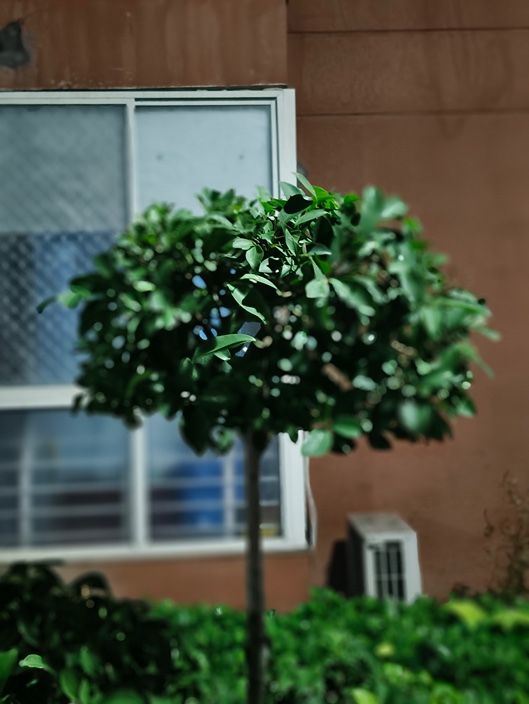
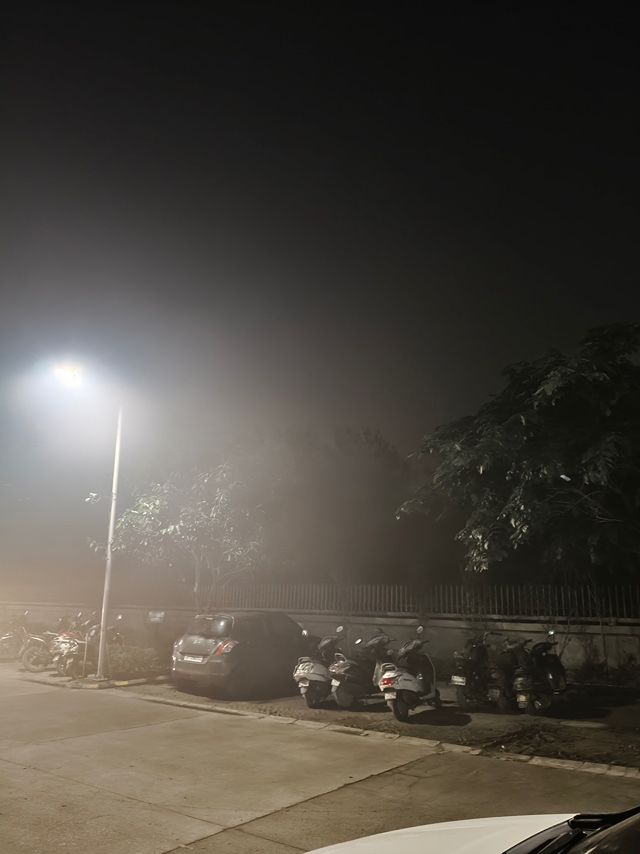
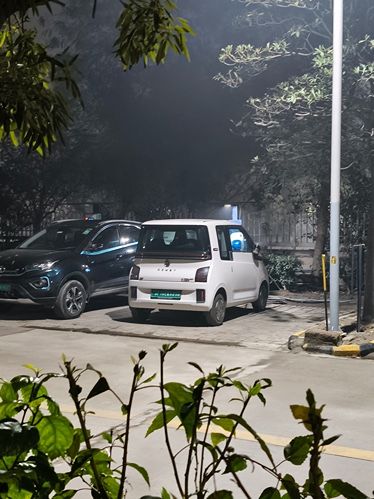
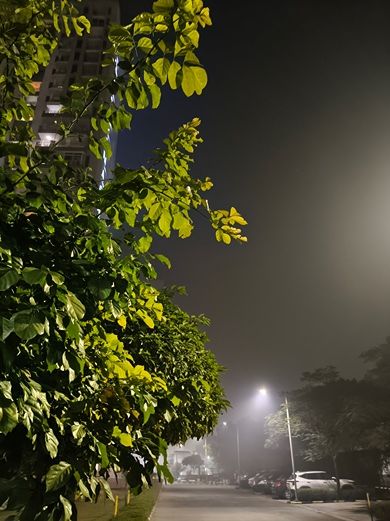


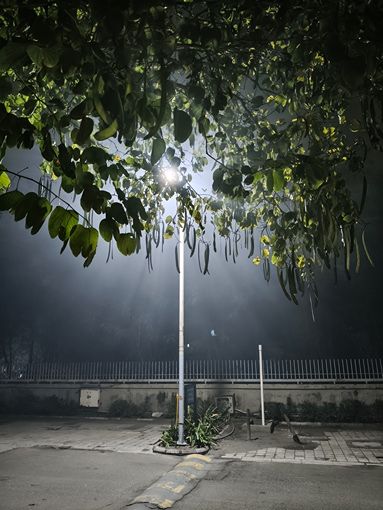







As for selfies, the skin tones are a tad washed out, but it’s not so bad that you wouldn’t recognise yourself. Pores and blemishes still make an appearance, so at least you know it’s real.


Battery and Charging
Despite packing a hefty 6,000mAh battery, this phone doesn’t look the part—it’s surprisingly slim and lightweight.

Battery life holds up quite well, even after running a few heavy benchmarks. With light to moderate use, it easily lasts over a day, which is pretty solid. But if you’re the type who’s always snapping photos, gaming, or pushing the phone to its limits, expect to plug it in by the end of the day.
| Battery | Specifications |
| Battery | 6,000mAh |
| Charging Adapter | 45W SUPERVOOC, charger in the box |
| Charging Time | 1 hour 16 minutes |
| PCMark Battery Test | NA |
On the charging front, Realme includes a 45W SUPERVOOC charger in the box, which takes a little over an hour to bring the phone back to life. Given the battery size, a faster charger would’ve been nice, but hey—1 hour and 16 minutes isn’t exactly a very slow crawl either.
Verdict
The Realme 14 Pro starts at Rs 24,999, and honestly, it does everything a phone should. Design-wise, it’s not reinventing the wheel, but the Jaipur Pink colour looks sleek, and the camera module gives it a premium touch.
The display is solid, with colours that really pop. Audio is great at 80 per cent volume, but above that, it starts to lose a bit of its charm.
Performance is spot-on for casual gaming and regular tasks, and the software feels snappy, but be prepared to be welcomed by a couple of bloatware apps.
When it comes to camera performance, the Realme 14 Pro excels in good lighting. Low-light shots and selfies could still use some work, though. And the lack of an ultra-wide camera? Well, it’s a bit of a miss, especially since I know plenty of people who rely on it.
But, for the price? It does the job. Sure, it gets a bit warm now and then, but nothing that’ll make you drop it in a panic. However, if you’re all about raw performance and ultra-wide cameras, then you might want to check out the POCO X7 Pro, or the Redmi Note 14 Pro+.