The Realme P3 Pro has been unveiled with the tagline “Born to Slay.” Since it primarily caters to the lively young demographic and bears a bold motto, anyone can question whether it possesses the qualities that back each aspect. On the surface level, the phone seems packed with goodies like a glow-in-the-dark rear panel, triple IP rating, and quad-curved display on the front. Moreover, it is powered by the Snapdragon 7s Gen 3 chipset.
Realme P3 Pro
Rs 23,999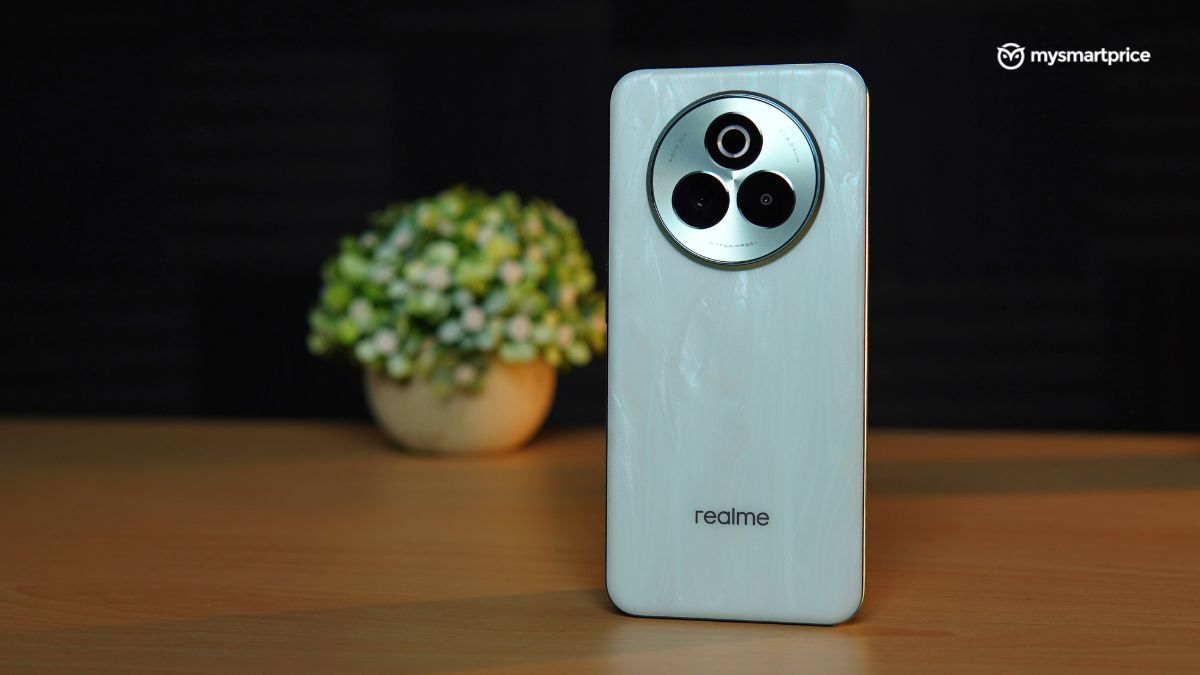
What Is Good?
- Attractive rear
- Sturdy frame
- Consistent performance
- Immersive multimedia experience
- Long battery life
- Smooth software experience
What Is Bad?
- Bloatware apps
- Cameras struggle to handle harsh lighting
While all these attributes make it a compelling product, the question emerges: Has Realme cracked a perfect formula to win the segment ruled by giants like the Motorola Edge 50 Fusion and OnePlus Nord CE 4 due to their appealing package? Or is the P3 Pro all sing, no dance? Read my review to find out.
Pricing and Availability in India
You can grab the Realme P3 Pro from Realme.com, Flipkart and offline retailers. It is available in three variants, which are listed below:
| Variant | Price |
| 8GB+128GB | Rs 23,999 |
| 8GB+256GB | Rs 24,999 |
| 12GB+256GB | Rs 26,999 |
Design and Build Quality
I am not a design connoisseur, but my eyes can recognise a stunning design when I see one. The P3 Pro was no exception. I received its Nebula Green edition for the review. The second I glanced at it, it distracted me from other matters.

| Design | Specifications |
| Colour Options | Saturn Brown, Galaxy Purple, and Nebula Green (reviewed) |
| Weight | 190g |
| Thickness | 7.99 mm |
| IP Rating | IP66 + IP68 + IP69 |
| Port and Button Placements | Bottom: Primary microphone, USB port, speaker grille, and SIM card tray
Top: Secondary microphone, IR blaster, and speaker grille Right Side: Power button and volume button |
I don’t fancy green colour; however, I genuinely commend Realme for finding its best shade from 1,000 options that I would flaunt any day. It is not just the colour; the texture is the story’s other protagonist.
The rippled texture elevates the colour’s beauty, and its smooth finish is pleasing to the touch. Its glow-in-the-dark feature, reminiscent of old radium watches, adds a unique touch to its appearance. However, after a few hours of admiring it in the dark, its novelty quickly wore off, and I haven’t thought about it much since.

The P3 Pro’s build quality impressed me more. Its chamfered edges enhanced its style and made it comfortable to hold. Its slender form was the other contributing factor.
In a week of testing the phone, my wrist never felt fatigued after carrying the phone for hours. Also, using the phone for a week has convinced me that it can survive accidental drops with flying colours.
Plus, the triple combination of IP66, IP68, and IP69 ratings means you can leverage the P3 Pro to take your Instagram fans through the depths of a swimming pool without worry. But read the paperwork before jumping into action.
Display and Audio
The Realme P3 Pro features a 6.83-inch quad-curved display with lean, uniform bezels on all four sides.
| Display | Specifications |
| Size | 6.83-inch |
| Type | AMOLED |
| Resolution | 1.5K resolution (1472 x 2800) |
| Refresh Rate | 120Hz |
| Peak Brightness | Claimed: 1500 nits, Tested: 743 nits |
| Minimum brightness | 03 nits |
| Pixel Density | 450ppi |
| Display Protection | Corning Gorilla Glass 7i |
Watching Spider-Man shape his new identity in the Your Friendly Neighborhood Spider-Man series engrossed me. There were two reasons at play: The colours on the P3 Pro’s display were adequately vibrant with crisp picture quality, while the series’s plot was quite engaging.

It comes with a Widevine L1 certification, which signifies that anyone can watch movies in Full HD resolution on streaming services like Netflix. The inability to watch HDR content on Netflix is the only demerit you can pinpoint in this exceptional aspect.
It is a nitpick, but not every app can function at a 120Hz refresh rate. A handful of apps run at 90Hz, so you do get a smooth experience. However, apps like YouTube and Spotify only run at a 60Hz refresh rate, making them appear relatively choppier than other apps.
Indoors, I could comfortably use Instagram at 40 per cent brightness without stunning myself. On the other hand, photographing a mischievous kitten outdoors never proved challenging in bright sunlight.
The audio quality was satisfactory, as the stereo speakers produced a balanced output. Furthermore, it became quite loud when I needed it most, particularly while scouting enemies in BGMI.
Performance and Software
The Snapdragon 7s Gen 3 heads the entire operation of the P3 Pro, and it has lived up to my expectations. Whether I scrolled through Instagram’s entire feed or dabbled in casual gaming, the phone never appeared to break a sweat.
| Hardware | Specifications |
| Processor | Qualcomm Snapdragon 7s Gen 3 |
| RAM | Up to 12GB LPDDR4X |
| Storage | Up to 256GB UFS 3.1 |
| Storage Test | 99,286 |
| CPU Throttling Test | 94 per cent of its max performance |
| Software Version | Realme UI 6 based on Android 15 |
| Connectivity Details | Wi-Fi 6, Bluetooth 5.2 |
| Number of Software Updates | 2 years of OS updates and 3 years of security updates |
Unlike other brands, Realme has succeeded in harnessing the actual power of this chipset, which is evident in the benchmark. The same chipset powers the Redmi Note 14 Pro Plus but falls behind the P3 Pro. Moreover, this brilliant optimisation has catapulted the phone into the league of heavy hitters like the Vivo T3 Pro and the OnePlus Nord CE4.
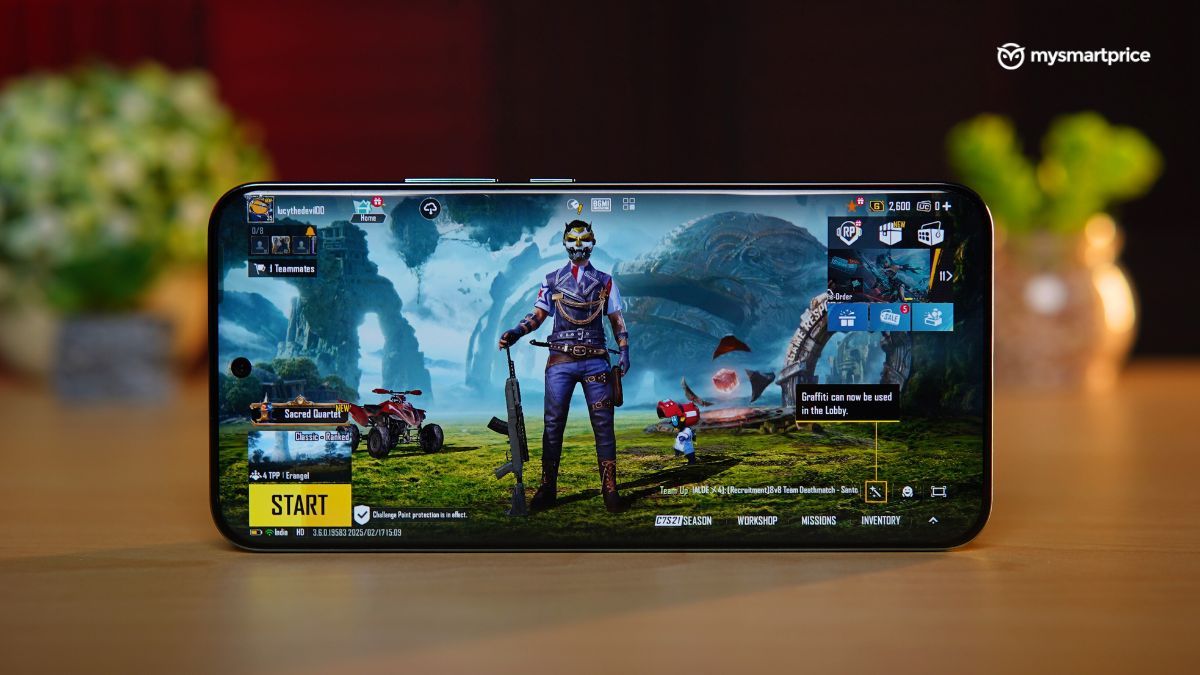
While testing the P3 Pro’s performance, I played some rounds of BGMI. The frame-per-second meter didn’t regularly touch the 90fps mark at the lowest graphical preset, despite its ability to push this sweet frame rate at all times. Yet, the game appeared stable to my naked eyes, and I didn’t encounter any lags or stutters.
At the highest graphical preset, it produced a stable frame rate of 40fps with no lags or stutters in sight.

The P3 Pro runs on Realme UI 6, which is based on Android 15. The operating system regularly displays smooth animation throughout, making my interaction with any UI element joyful. However, the sheer number of pre-installed apps overshadows this. Moreover, if you accidentally tap on any of these apps, they will spam you to the point of no return. In this aspect, the Nothing Phone (2a) leads the race thanks to its clean UI.
Camera
Any gullible person might believe that the P3 Pro boasts three cameras. But, in reality, only one camera functions, while the other two consist of a flashlight and a monochrome sensor.

| Cameras | Specifications |
| Primary camera | 50-megapixel, Sony IMX896, f/1.8 (OIS) |
| Monochrome camera | 2-megapixel, f/2.4 |
| Selfie camera | 16-megapixel, Sony IMX480 |
| Video capabilities | 4k at 30fps for front and 1080p at 30fps for rear |
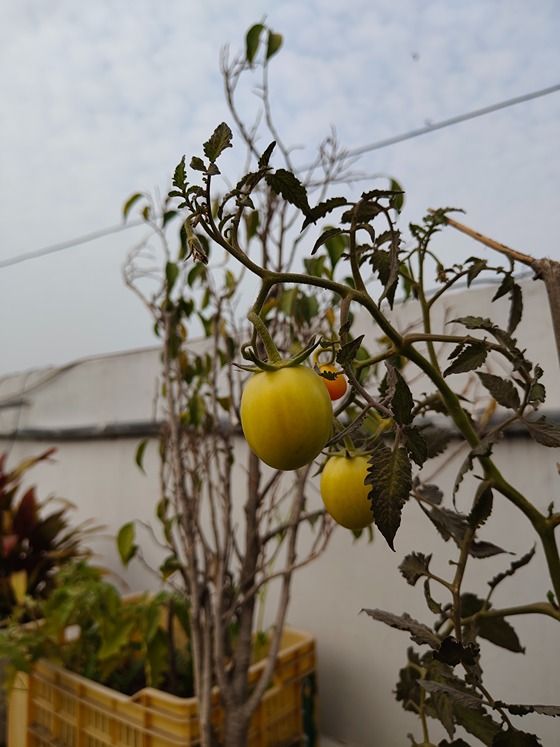
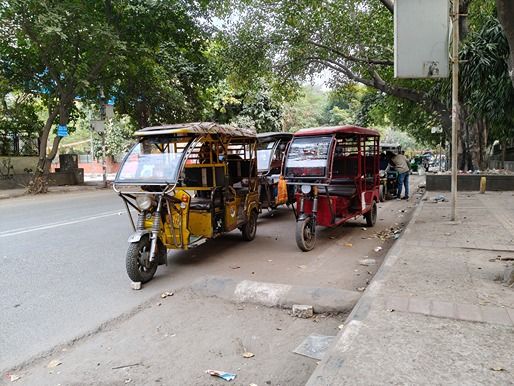
The primary camera served me well in bright sunlight. It captured nearly accurate colours and retained almost all the details it could see.

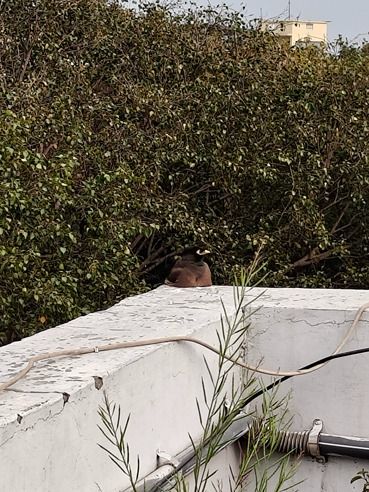
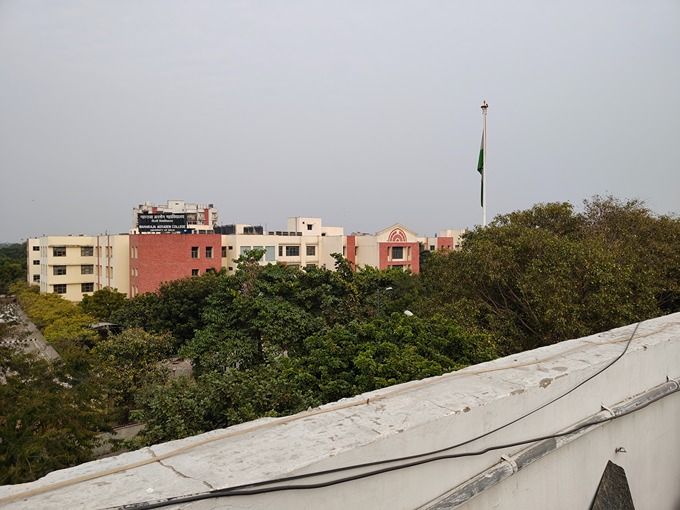
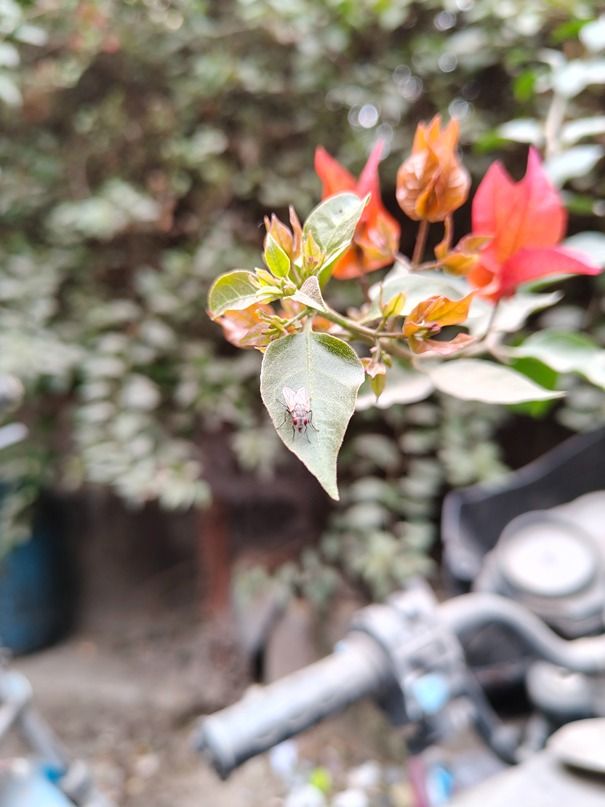

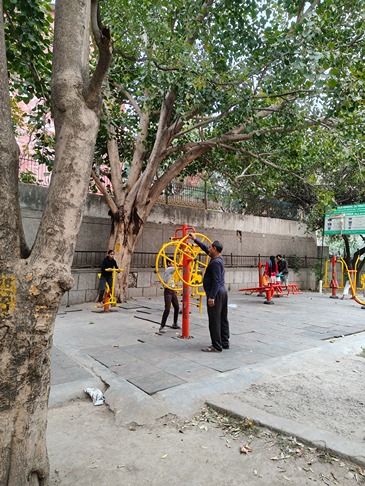


However, as I clicked images with multiple leaves dangling on tree branches as the background, I noticed the distinction between individual leaves wasn’t clear. This could be because of digital artefacts or contrast that wasn’t tweaked appropriately for the condition. This quirk is only noticeable when you capture scenes with complex backgrounds.
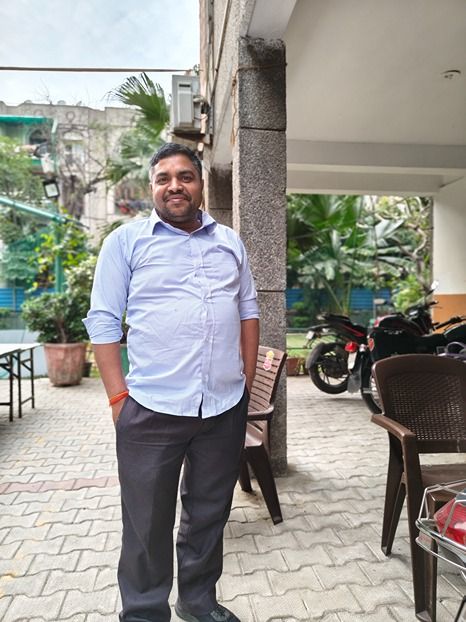



Portrait shots were decent. While the edge detection was mostly on point, the phone handled the blur weirdly. Either some parts of the images were over-blurred, or they weren’t. There was a sense of mystery clouding your judgement.



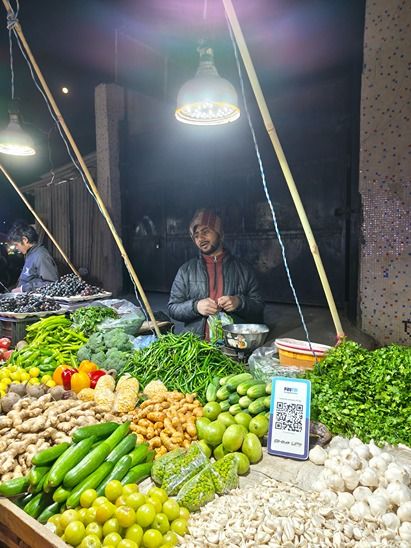

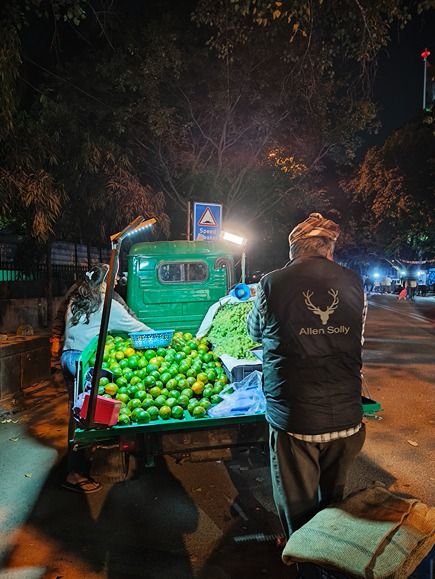
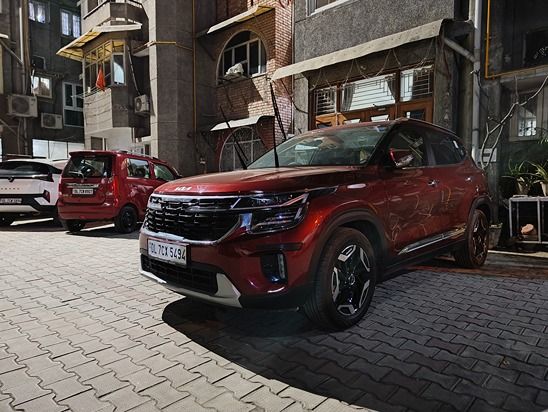
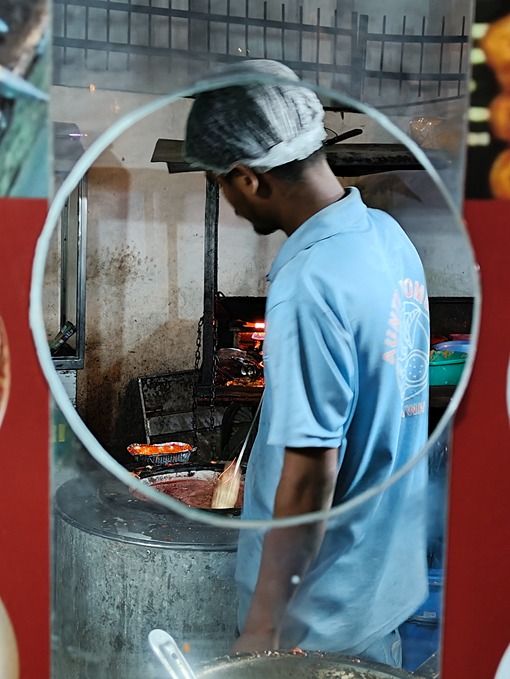
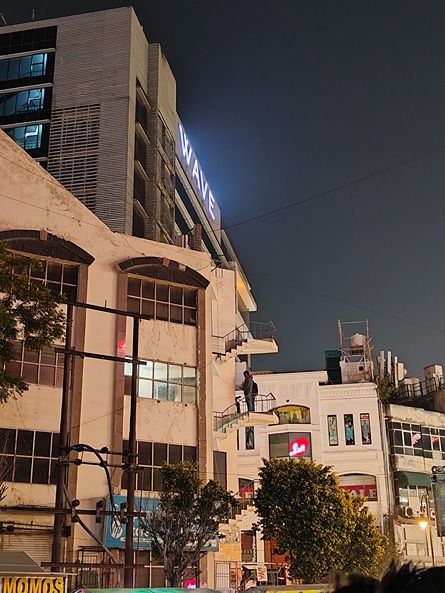

Low-light photography was average. It still carried its calibre to capture close to natural colours and ample details from its daylight performance in low-light conditions. However, it struggled to subdue the light’s intensity in photographs taken in harsh lighting conditions. The lighting would bloom, with lens flare encroaching some space. Moreover, the camera operated at a lower shutter speed, resulting in blurry images due to rapid movements.


In ample lighting, the front camera is sufficient to capture the appealing features of your face, such as skin tone or detail, allowing you to flaunt it later on Instagram stories. Even its portrait shots exhibit this trait with good edge detection. However, in dim lighting, it instantly smoothens details from your skin.
Battery
The P3 Pro’s 6,000mAh battery lasted 15 hours and 11 minutes in our PCMark Battery test. On the contrary, despite being priced similarly, the Vivo T3 Pro outperformed it by an additional 6 hours and 25 minutes.

| Battery | Specifications |
| Capacity | 6,000mAh |
| PCMark Battery Test | 15 hours and 11 minutes |
| Charger Support | 80W SuperVOOC (in the box) |
| Charging Speed | 57 minutes |
While this result may seem unimpressive, it is, in fact, above average and quite adequate. I never felt deprived in this respect, as this phone managed my moderate usage well, with some capacity remaining for the next day.
To give you a context, I spend my day surfing Instagram and X (formerly known as Twitter), watching some episodes of a new hyped show, and ending my day with casual games.
The 80W charger takes almost an hour to charge the phone from zero to 100 per cent.
Verdict
The Realme P3 Pro offers a well-rounded package with certain compromises. It meets almost every essential parameter for any value-oriented customer. Its quad-curved display produces vibrant colours, and when combined with its powerful stereo speakers, you get a holistic multimedia experience.
Its giant 6,000mAh battery and fast charging protect you from crippling battery anxiety. It provides adequate performance, ensuring you do not fall behind in this fast-paced lifestyle. Besides, the phone is a stunner in design, thanks to its glow-in-the-dark rear. However, its novelty may not last very long.
The primary camera will serve you reliably in most cases. However, it struggles to perform well in complex situations. While Realme UI 6 is generally smooth, it will spam you nonstop because of some notorious apps.
The Vivo T3 Pro suits those desiring a battery champ with great photography skills. On the other hand, the Nothing Phone (2a) should be considered for its clean user interface.