Redmi’s endeavours to tap the budget segment with its ever-so-compelling offerings continue with the latest Redmi 14C. The phone builds on the popularity of its predecessor, the Redmi 13C, which offered 5G at an entry-level price point. But, this time, several upgrades make up a good case for the phone; a 120Hz display, the goody Snapdragon 4 Gen 2 chipset, and a big 5,160mAh battery.
Redmi 14C
Rs 9,999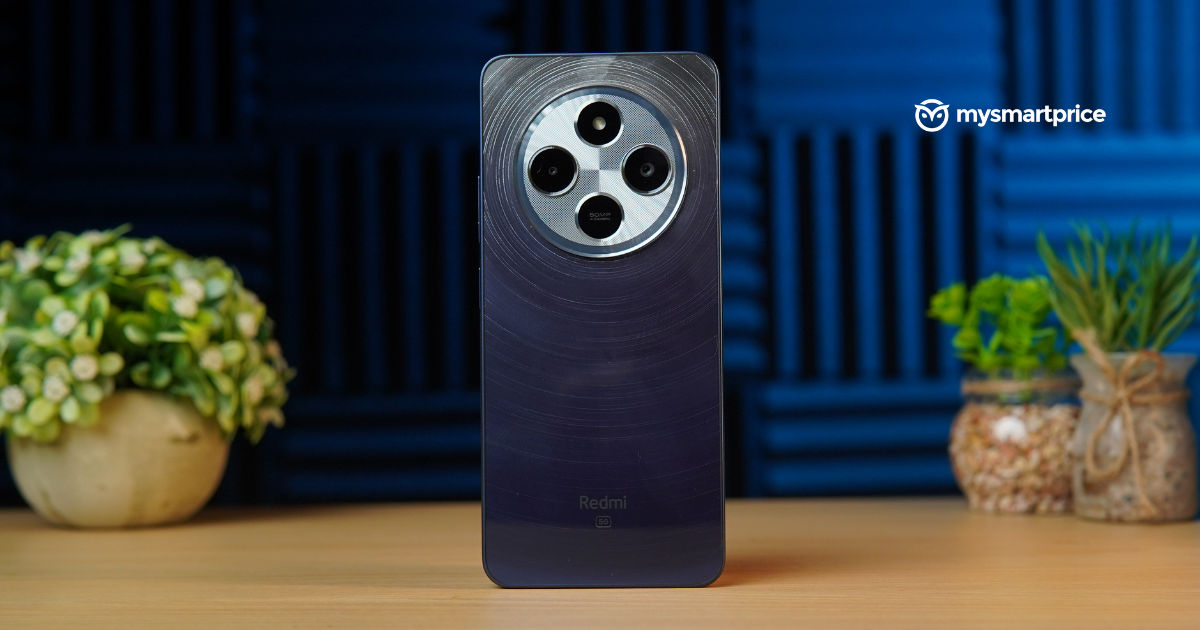
What Is Good?
- Amazing battery life
- Good, 120Hz display
- Dependent performer
What Is Bad?
- Bloatware apps
- Hefty build
- 2 year update cycle
So, does all of this make the Redmi 14C a good budget-friendly option? Let’s find out in my review.
Pricing and Availability in India
The Redmi 14C comes in three RAM and storage configurations and can be bought via the Mi Store. Here’s the pricing:
| Variant | Price |
| 4GB RAM + 64GB Storage | Rs 9,999 |
| 4GB RAM + 128GB Storage | Rs 10,999 |
| 6GB RAM + 128GB Storage | Rs 11,999 |
Design and Display
The Redmi 14C is different from the Redmi 13C in terms of design. The phone opts for a commonly-used design template; the massive circular camera setup at the back. The back panel imitates the look of a glass and you will believe it much like I did, but it’s just plastic. I received the Starlight Blue colour, which has an ombre effect and concentric circles to give the star trail vibe.

From the first look, it looks amusing but I eventually got bored of the design and yearned for something more subtle. So, if you like something that always attracts attention, the Starlight Blue and Stardust Purple colours should be your pick but those inclined towards subtlety might find solace with the Stargaze Black.
| Design | Specifications |
| Weight | 205 grams (Stargaze Black: 212 grams) |
| Thickness | 8.22mm |
| Colours | Stargaze Black, Starlight Blue, Stardust Purple |
| IP Rating | IP52 |
| Port and Button Placements | Bottom: Primary microphone, USB-C port, Speaker grille
Top: 3.5mm audio jack Right Side: Power and volume buttons Left Side: SIM tray |
The phone is significantly large and has heft to it, which is offputting. A case would further escalate this and it wasn’t to my liking. But the good part about the design is that there’s hardly any room for smudges and dust. It also has an IP52 rating, which will shield it from minor water splashes and dust. There’s the 3.5mm audio jack to help you keep those favourite pair of earphones you refuse to give up for the more trending TWS. While I am not a fan of the bulky and over-the-top design, others may find it attractive. So, it boils down to personal taste.
Coming to the display, it brings about a huge upgrade in the form of a 120Hz display, which makes it an attractive choice. However, it needs to be manually enabled via the Settings. The display is also big enough for content consumption, which is mostly pleasant with good colour reproduction and close to natural skin tones.

| Display | Specifications |
| Size | 6.88-inch |
| Type | LCD |
| Resolution | HD+ |
| Refresh Rate | 120Hz |
| Peak Brightness | Claimed: 600 nits, Tested: 400 nits |
| Minimum Brightness | 02 nits |
From watching the APT. video on repeat (yes, it’s my current favourite!) on YouTube to Reels to revisiting Schitt’s Creek, the experience was good. The brightness levels are apt for indoors and outdoors (even though the sun is barely visible in Delhi these days). But I would grumble because of the old-school waterdrop notch, which in no way brought the nostalgic element but felt dated. The phone supports a single-speaker setup, which is sufficiently loud.
Hardware and Software
The Redmi 13C comes with the Snapdragon 4 Gen 2 chipset, also found on its sibling, the Redmi A4 and the more expensive Vivo Y300 and the POCO M6 Pro.
| Hardware | Specifications |
| Processor | Qualcomm Snapdragon 4 Gen 2 SoC |
| RAM | Up to 6GB |
| Storage | 128GB |
| Storage Test | 65350 |
| CPU Throttling Test | 84 per cent of its max performance |
| Software Version | HyperOS based on Android 14 |
| Connectivity Details | Wi-Fi 5, Bluetooth 5.4 |
For daily usage, the phone is more than decent. It can hold its ground in multitasking. Usual tasks are completed smoothly, making it a “Paisa Wasool” (Value-for-money) option for the price. Casual gaming won’t be a problem at all and it can also keep up with intensive games like BGMI too. While the phone couldn’t reach 60 fps (its maximum was 40 fps), the gameplay was smooth in Smooth and Ultra settings. Although, it wasn’t buttery smooth in the HD+ High settings. That said, it maintained good gameplay.

The software part entails the merger of HyperOS but with Android 14. Yes, it’s disappointing and what may kindle this further is support for just two years of software updates. The UI provides a good number of customisation options and navigating around is quite easy. But, a big letdown for me is the number of bloatware apps that send annoying spammy notifications.
Gemini integration is great and now that the Gemini Flash 2.0 update is here, you can enjoy Gemini Live too. While the feature is interesting, it doesn’t always understand the input and mostly gives generic answers.
Cameras
The Redmi 14C’s camera capabilities rely on a 50-megapixel primary camera, which doesn’t disappoint. Daylight photos come out clear and nice with details being highlighted well. The colour science is closer to how the actual product/person looks. But, the output lacks vividness.

| Camera | Specifications |
| Primary Camera | 50-megapixel, f/1.8 aperture |
| Secondary Camera | Auxiliary lens |
| Selfie Camera | 8-megapixel |
| Video Recording Capabilities | 1080p at 30fps |
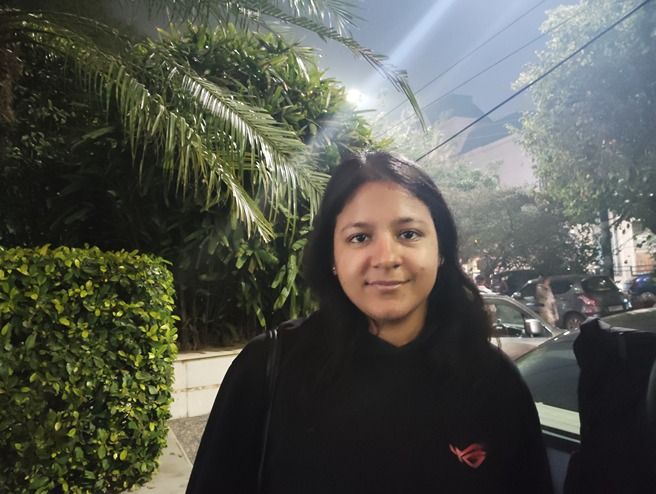
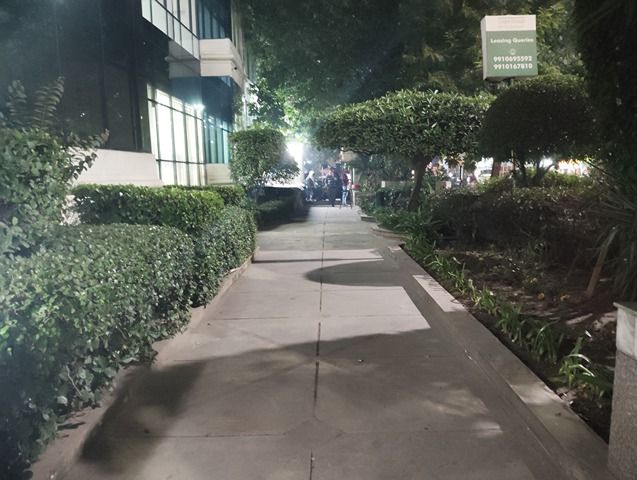
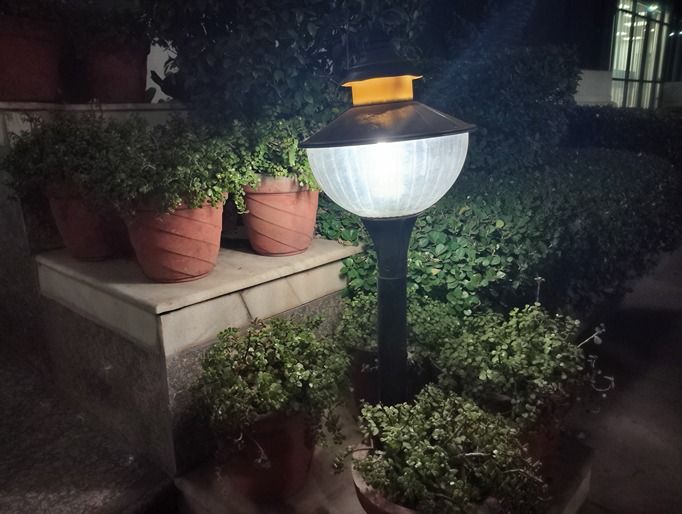
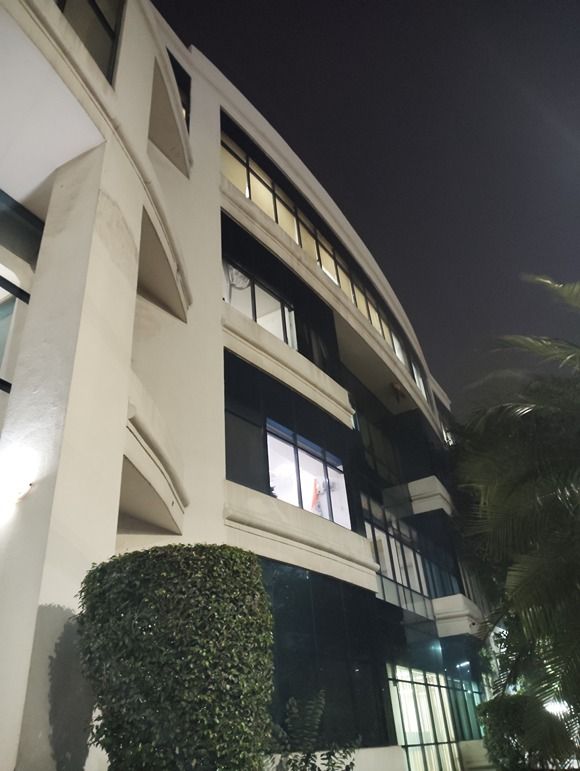



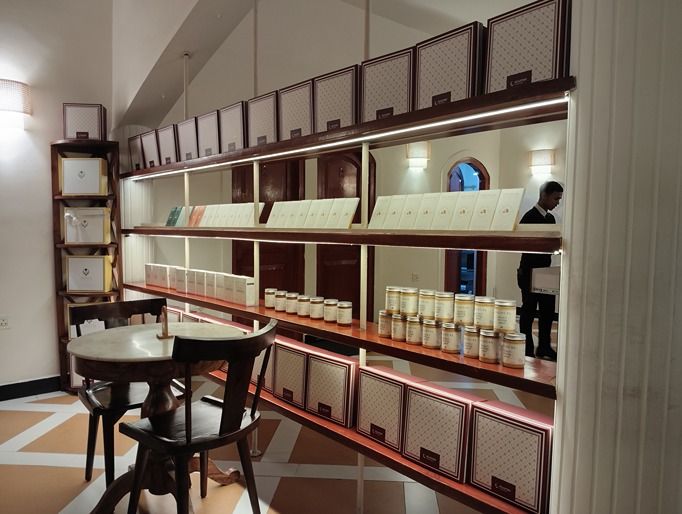

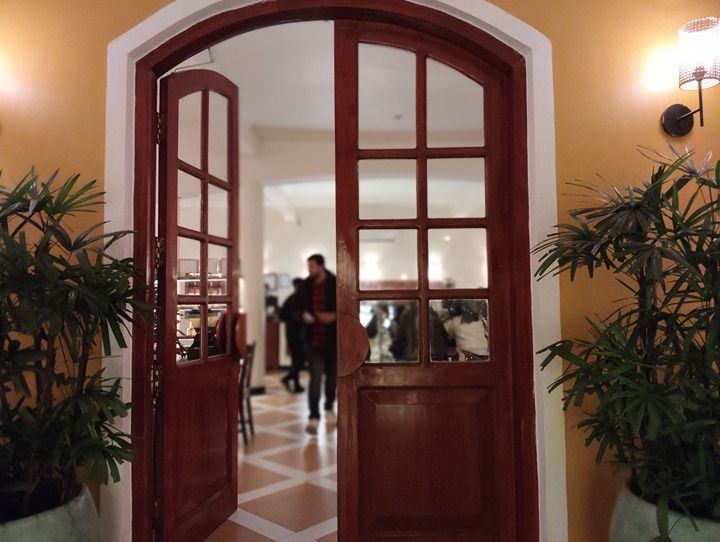

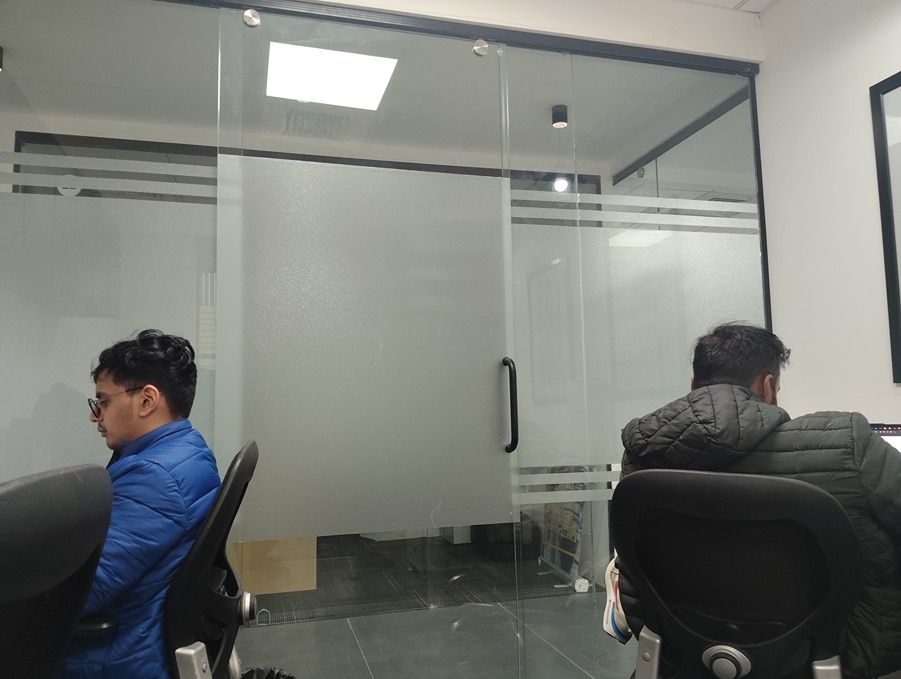
Indoor shots are good too but can eventually lead to some graininess and this further extends to the low-light shots. Although this feels less of a shock. Despite grainy pictures, the shots appear decent. The front camera performs well and highlights details like face pimples and won’t give you a filtered image (unless you go for the filters). However, the colours appeared slightly pale to me.
Battery and Charging
The battery capacity is bigger than the outgoing model. But, what’s even more impressive was the standby time in our PCMark Battery test. The Redmi 14C managed to outlast every phone in our datasheet, by staying alive for 27 hours. This is jaw-dropping for any phone and mind you, this one’s a budget offering.

| Battery | Specifications |
| Battery | 5,160mAh |
| Charging Adapter | 18W fast charging, 33W charger in the box |
| Charging Time | 1 hour |
| PCMark Battery Test | 27 hours and 12 minutes |
The battery has the strength to go on for more than a day with moderate usage and even if you make things intense, it won’t cause any trouble. However, charging time is still a letdown with the phone taking more than an hour.
Verdict
The Redmi 14C is quite refreshing at the tricky starting price of Rs 9,999. It moves away from the idea of just catering to the needs but wants to give what you want; a 120Hz high refresh rate and an impressive battery life.
It also offers a good viewing experience with no compromises and a standout design. But, let’s address the elephant in the room; the dated waterdrop notch and the two-year software update cycle. Moreover, it’s also filled with bloatware apps.
While the cameras aren’t too amazing, they get the job done and the performance will help you sail through easily. But, if you prefer a cleaner UI, the Moto G35 can be your pick. You can also go for the Realme NARZO 70x for its better display and faster charging.
But if we take an overview, the Redmi 14C is an impressive addition to the sub-Rs 10,000 bracket, which has become most brands’ focus lately.