One and a half decades. That’s how long Samsung has kept the pot boiling for its Galaxy S series. The series has seen a slew of innovations over the years, some cosmetic, some disruptive. Just like before, Samsung has launched three smartphones in its flagship series– the baby Galaxy S25, the middle-child S25 Plus and the eldest, the S25 Ultra. But the emphasis this time is not on wooing you with hardware level improvements such a gazillion megapixel camera, no-no. It’s about what that hardware can take advantage of. AI, to be precise.
Last year, with the S24 series, we only got a glimpse of what AI in smartphones could truly be capable of. Don’t have a partnership with a German lens maker? Sit at home and relax, just draw what you want to click. Found something interesting on Insta, but lazy to Amazon it? Just circle to search, silly. Got a long stinker from your boss in the email inbox? Just summarise it.
This year, though, instead of tickling the surface of AI, Samsung went in deep. In a way, they have entirely replaced an intern at your workplace. Here’s what I have inferred by spending just half an hour with the new Galaxy S25 series.
Note: Pricing for the new phones was not disclosed at the time of writing, therefore, I’ll withhold judgment on the series’ value proposition. Further, I also couldn’t extensively try out the AI features because the phones weren’t loaded up with the apps I typically use.
Galaxy AI
I’ll waste no time with the stuff that’s been mostly been carried over from the previous generation, and instead focus on what’s actually new.
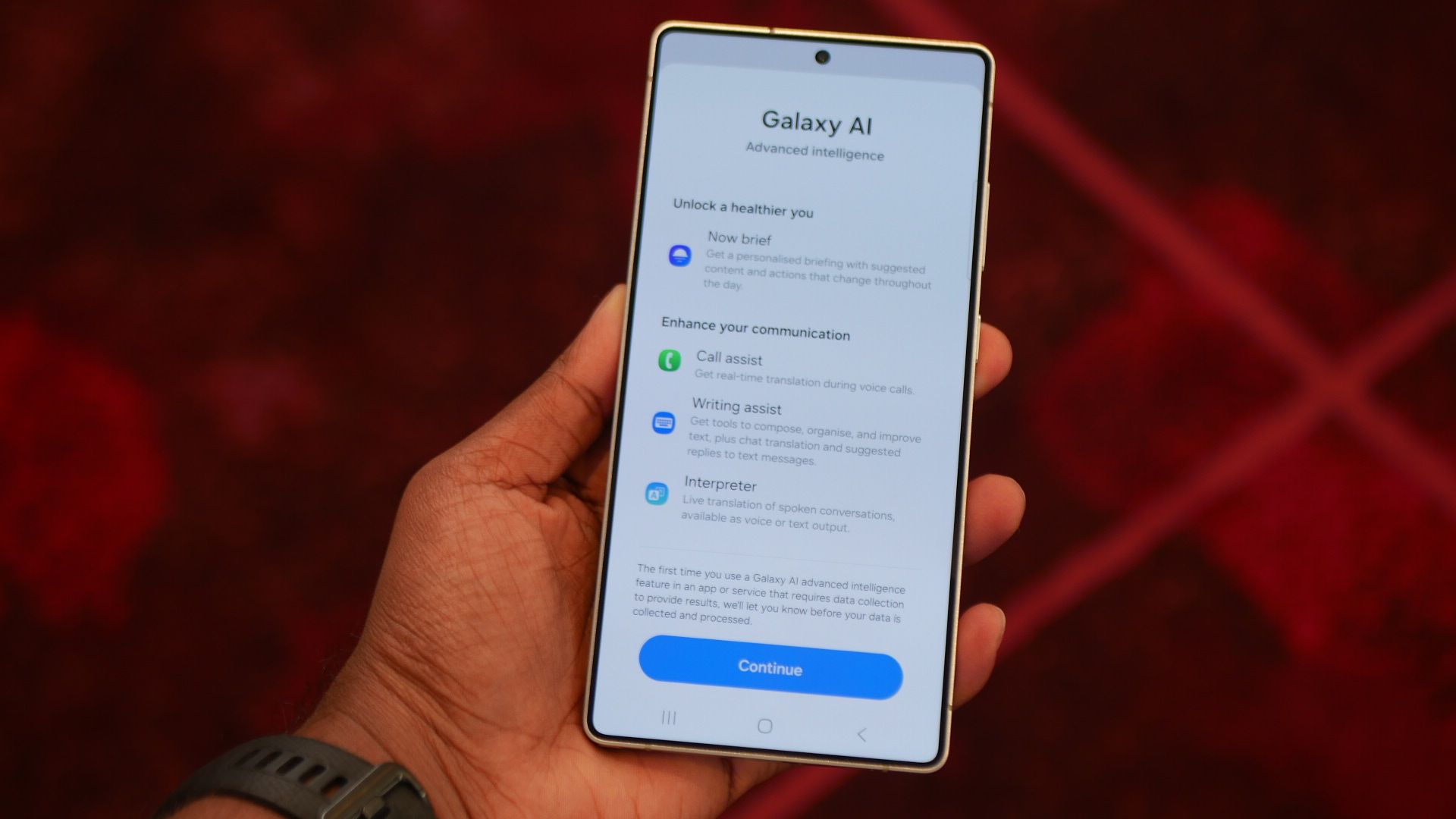
Personalized AI Concierge
Samsung has integrated multi-level AI capabilities in the Galaxy S25 series, which can take multiple complex commands and execute them within apps. For instance, you can simply say, “Hey Assistant, tell me about the Real Madrid schedule for 2025 and upload it on my calendar.” After a few seconds, it gives you a walkthrough of all the matches this season and then proceeds to ask if you want them to be included in your calendar app. So in a way, this specific command requires it to have an app to fetch data from, and the other to implement it.
In fact, I have already thought of an important use case after I start reviewing it. After loading up the phone with all the apps and logins required to get started, I’m going to make it collate my critical launch embargo dates from my email client and fetch them to my calendar. I might end up sparing myself the horror of going through it myself, because it’s a long, tedious process to skim through emails and then be precise with the information because there are multiple embargoes for products.
This is provided it works as intended, and doesn’t offer a ton of resistance. If it does, I see the potential for it to have a dedicated set of how-tos on YouTube.
Intelligent Gallery Search
Galaxy AI can now search through your entire photo library and identify specific instances within images and videos. During the briefing, we were shown a demo where the AI could fetch a video among a sea of media with the query “a girl doing a cartwheel”.
While this isn’t a feature something you’d intuitively find useful, content creators like me may just end up worshipping it. Editing videos is difficult, especially when you have to scour through footage manually.
Other OneUI 7 tweaks
The latest version of Samsung’s custom Android skin is visually stunning and packed with interesting features. We have already taken a deep dive into the new features here. In a nutshell, you have:
Now Bar: Reminiscent of Apple’s Dynamic Island, but offers greater accessibility because it’s placed right where your thumb sits.
Now Brief: This feature leverages data from your Galaxy Watch and Galaxy Ring to provide personalised fitness insights. It analyses your daily exertion levels and provides a concise summary before bedtime, helping you understand your overall activity and prepare for a good night’s sleep. Additionally, it also proactively alerts you to potential weather disruptions, suggesting you leave for your appointments a few minutes early.
Improved Knox Vault: Google and IBM are going big on quantum computing. It’s only a matter of time when quantum computing can make end-to-end encryption, as we use today, obsolete. This is because quantum computers could easily decipher commonly found AES 128 encryption. Samsung claims their Knox Vault is post-quantum resistant, meaning the files stored within the vault will remain safe even after the rise of quantum computers.
Design & Display
To my eyes, Galaxy S25 and S25 Plus are indiscernible from their predecessors. That’s not a bad thing per se, because the silhouette of the phones is unmistakably Samsung. The overall dimensions and weight, along with display sizes, of the two remain the same as well.
| Design and Display | Samsung Galaxy S25 | Samsung Galaxy S25 Plus | Samsung Galaxy S25 Ultra |
| Weight | 162g | 190g | 218g |
| Colours | Navy, Silver Shadow, Icyblue and Mint | Titanium Silverblue, Titanium Black, Titanium Whitesilver, and Titanium Gray | |
| Dimension | 70.5 x 146.9 x 7.2mm | 75.8 x 158.4 x 7.3mm | 77.6 X 162.8 X 8.2mm |
| IP Rating | IP68 | ||
| Screen Size | 6.2-inch | 6.7-inch | 6.9-inch |
| Screen Type | Dynamic AMOLED 2x | ||
| Refresh Rate | 120Hz | ||
| Screen Resolution | FHD+ | QHD+ | |
| Display Protection | Corning Gorilla Glass Victus | Corning Gorilla Armor 2 | |
The Galaxy S25 Ultra is where everything has changed. This is the first Ultra flagship from Samsung to have a non-edge display in over eight years (yep, we are including the Note series of the yesteryears as well)! The S24 Ultra had a really tiny edge, but it’s completely gone this time.
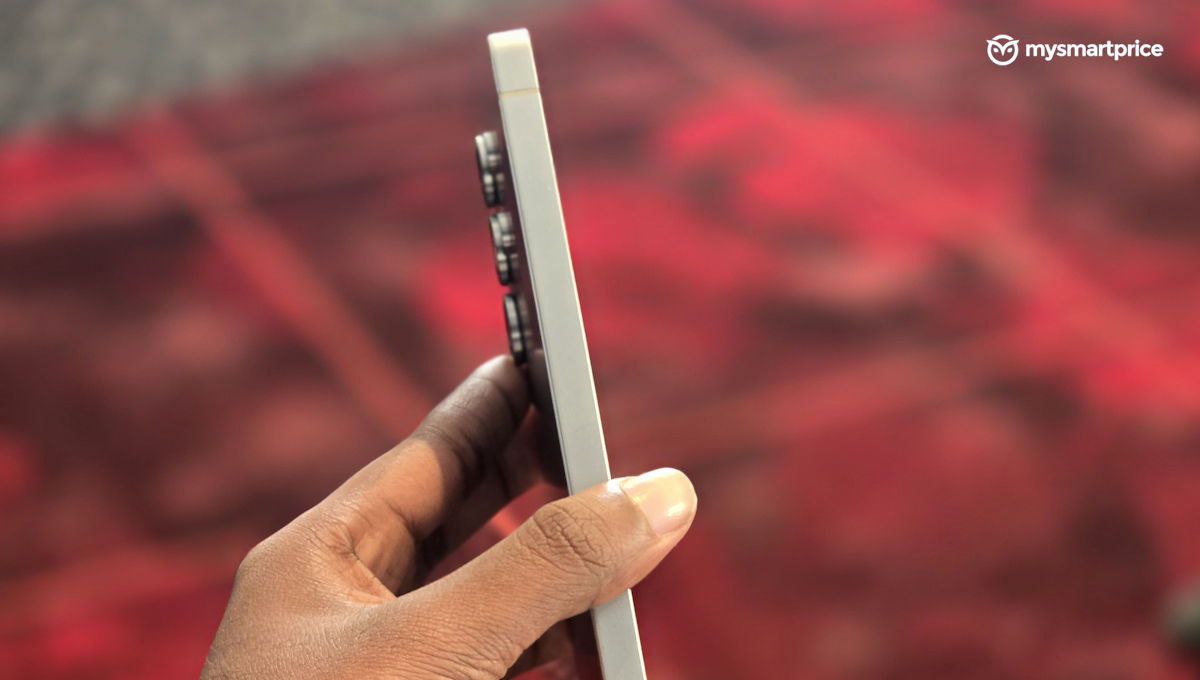
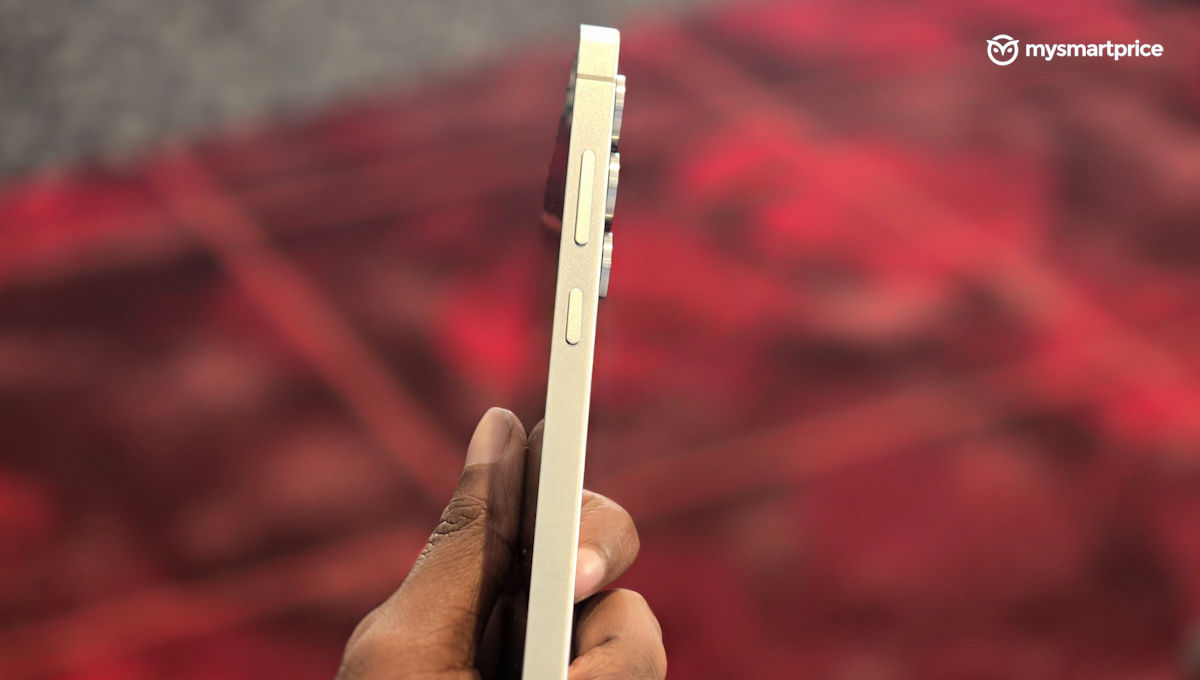
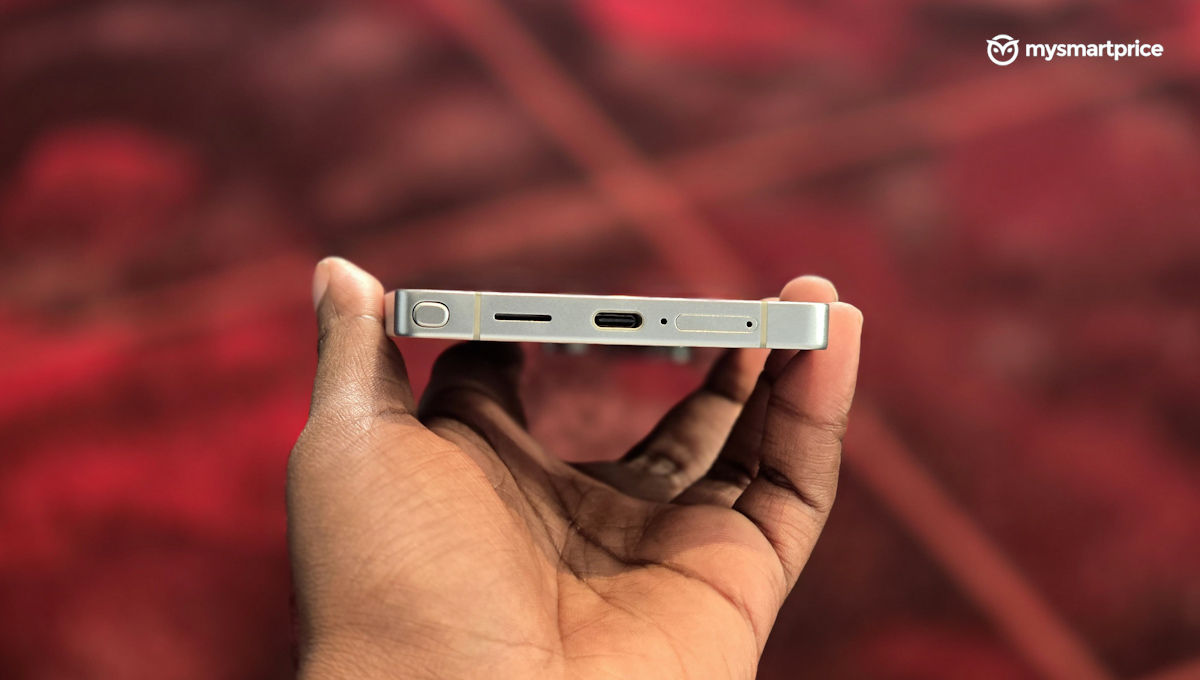
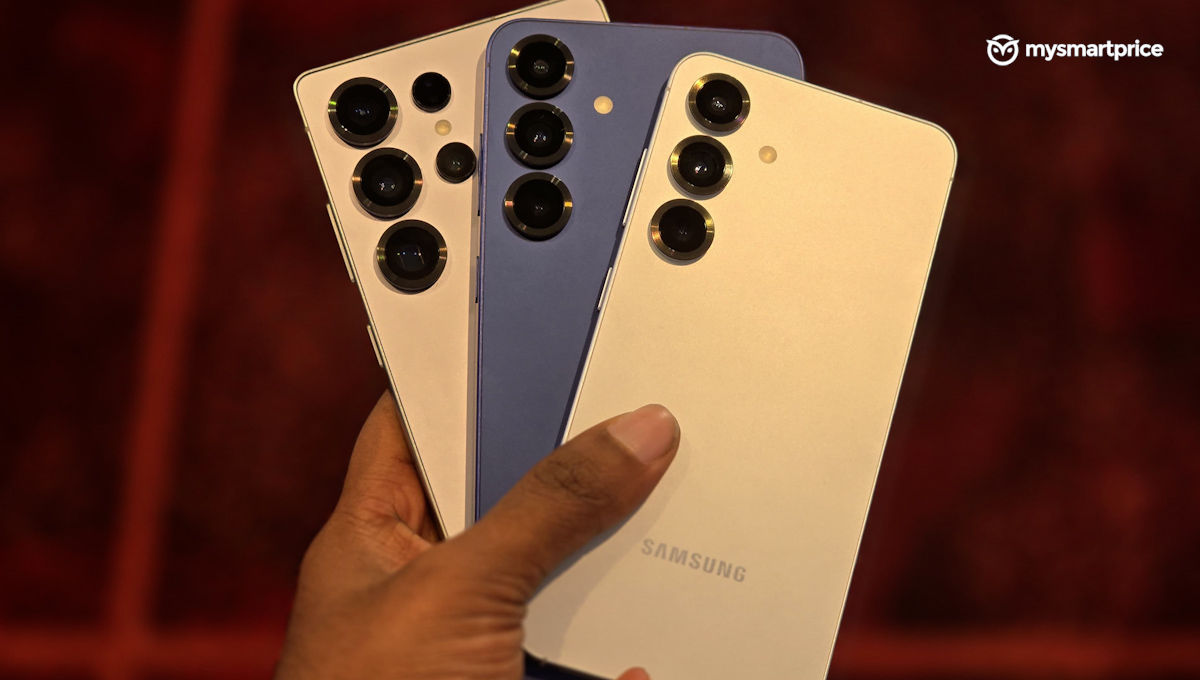
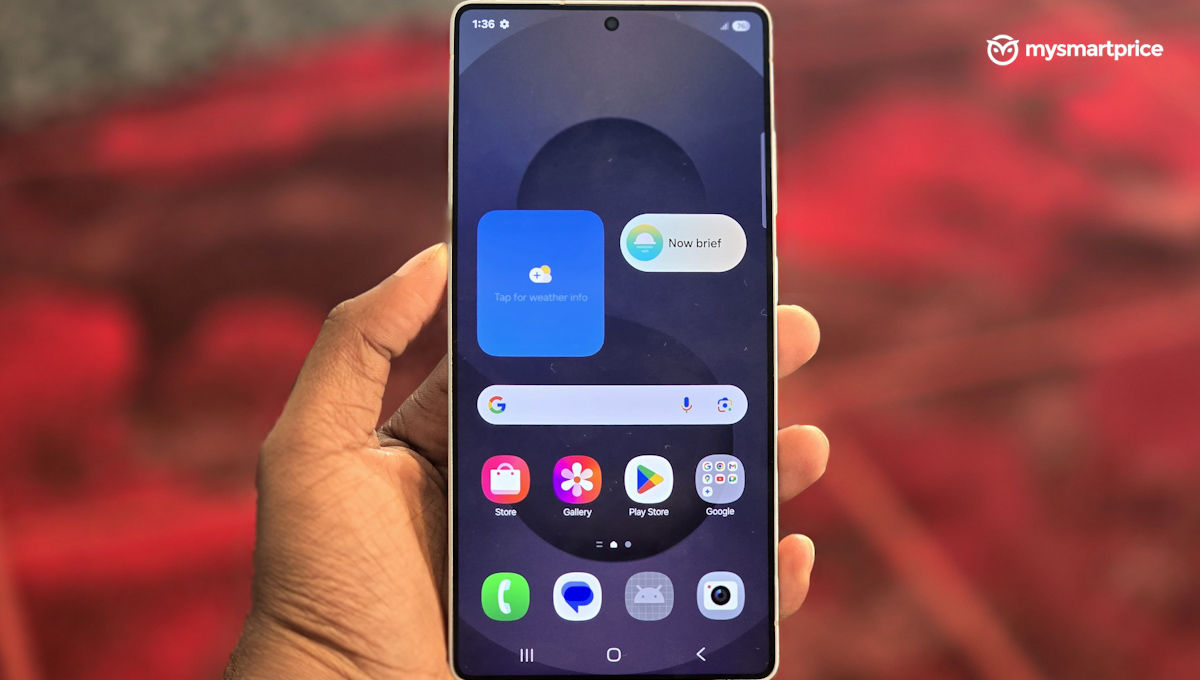
Still, it’s a stunning redesign. Gone are pointy corners that used to make your carpel tunnel act up – it’s now very much in sync with the S25 and S25 Plus. It’s still a massive phone, so reachability might still be a minor concern for some. The weight distribution also feels significantly improved over the S24 Ultra. The 6.9-inch display on the Ultra is slightly bigger than the last time, featuring Corning Gorilla Glass Armor 2 for enhanced durability. I found the display to be just as smooth as before, except that the animations have been tweaked, so the perceived speed seems a bit higher. I’m yet to check the brightness of the panel and watch some content on it.
Performance & Power
Powering the entire S25 series is the Qualcomm Snapdragon 8 Elite for Galaxy, delivering a significant performance leap. The NPU boasts a 40% improvement, while the CPU and GPU see gains of 37% and 30%, respectively. Further, all Galaxy S25 smartphones now start with 12GB of RAM as base. All this makes sense, given how big AI is for these phones. Here’s a quick look at the specs of the phones. You will have to wait for our full review of the phones to know more about their performance.
| Performance | Samsung Galaxy S25 | Samsung Galaxy S25 Plus | Samsung Galaxy S25 Ultra |
| Processor | Snapdragon 8 Elite for Galaxy | ||
| RAM | 12GB | ||
| Storage | 128GB / 256GB / 512GB | 256GB / 512GB | 256GB / 512GB / 1TB |
| Software Version | One UI 7 based on Android 15 | ||
| Network and Connectivity | 5G, LTE, Wi-Fi 7, Wi-Fi Direct Bluetooth v 5.4 | ||
Samsung also talked about ray tracing performance enhancements to the tune of 40%, but I’m yet to come across one good app or game to take advantage of that.
Camera
While our time with the S25 series was limited, a significant camera upgrade wasn’t immediately apparent. The Galaxy S25 and S25 Plus both seem to have the same cameras as their previous year’s counterparts, the Ultra’s ultrawide sensor now boasts a 50-megapixel resolution. Finally, all the sensors at the rear are truly high-resolution. The sensors sitting behind the primary and the telephoto cameras remain unchanged.
| Cameras | Samsung Galaxy S25 | Samsung Galaxy S25 Plus | Samsung Galaxy S25 Ultra |
| Primary Camera | 50MP, ƒ/1.8, FOV 85°, OIS | 200MP, ƒ/1.7, FOV 85°, OIS | |
| Ultra-wide Camera | 12MP, ƒ/2.2, FOV 120° | 50MP, ƒ/1.9, FOV 120° | |
| Telephoto Camera | 10MP, ƒ/2.4, FOV 36°, 3x Optical Zoom | 10MP, ƒ/2.4, FOV 36°, 3x Optical Zoom, OIS | |
| Secondary Telephoto Camera | – | – | 50MP, ƒ/3.4, 5x Optical Zoom, FOV 22°, OIS |
| Selfie Camera | 12MP, ƒ/2.2, FOV 80° | ||
I’m curious about the Galaxy S25 Ultra’s ultrawide camera will benefit from the new sensor, so do stay tuned for our full review.
Battery & Charging
The S25 Ultra retains the 5,000mAh battery, while the S25+ comes in slightly lower at 4,900mAh and S25 is the smallest with a 4,000mAh pack.
| Battery | Samsung Galaxy S25 | Samsung Galaxy S25 Plus | Samsung Galaxy S25 Ultra |
| Capacity | 4,000mAh | 4,900mAh | 5,000mAh |
| Charger Support | 25W | 45W | |
| Wireless Charger Support | Yes | ||
| Charging Compatibility | QC2.0 and AFCPD | ||
Charging speeds are still stuck at 45W for the Plus and Ultra variants, and 25W for the S25. None of it makes sense in 2025, but people are still going to buy it because it’s a Samsung. But hey, there’s a silver lining here – the batteries are made of 75% recycled cobalt.
Initial thoughts
The new flagships from Samsung may not have the most revolutionary spec bumps this year, they definitely go big on the software front. I’m excited to try out the phones and see how they fare in the real world.
My enthusiasm for the AI features is tempered by a healthy dose of pragmatism. I’m not questioning their potential usefulness, but rather their seamless integration into the user experience. That will be the true litmus test for consumers.
Furthermore, it remains to be seen whether these impressive AI capabilities will translate into a significant price increase. The question of how many of these AI features will come down to the S24 series also lingers. Think about it, if Samsung just all the new AI goodness away, what remains the real selling point for their latest series? This has to go down as one of the most interesting Samsung launches in the recent history.