Samsung has spent over six years building its foldable lineup, yet foldable phones still haven’t gone mainstream in India. Most people have seen one, maybe tried it in a store, but rarely consider buying one. That might change soon; at least, that’s what Samsung is hoping with the Galaxy Z Fold7.
Samsung Galaxy Z Fold 7
Rs 1,74,999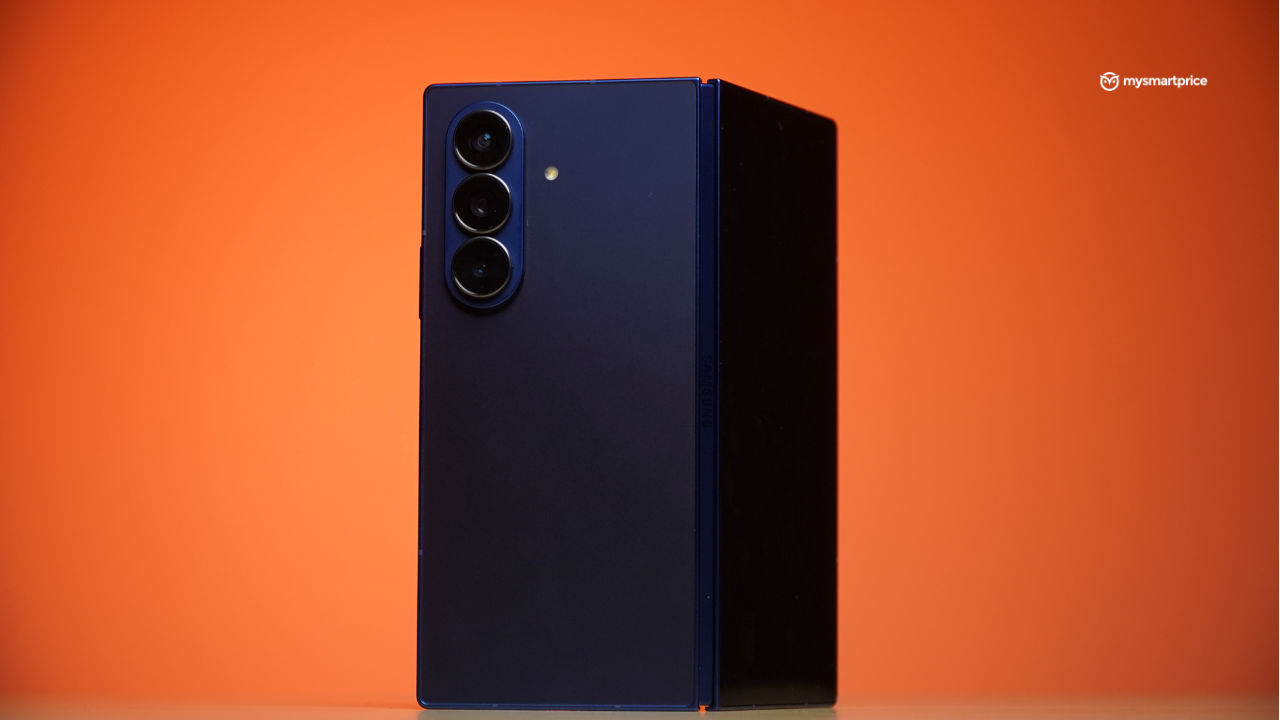
What Is Good?
- Slimmer, lighter and looks premium
- The camera setup is better than last year
- Daylight camera performance is extremely good
- Everyday performance is great
- Software is snappy, fluid
- Can multitask without a hitch
What Is Bad?
- Nighttime photography is a hit or miss
- No S-pen support
- Battery life can be improved
- Charging is too slow
I’ve always used regular slab phones. They’re familiar, practical, and easy. So switching to a foldable felt like a big leap. But the Fold7 made that transition surprisingly smooth. It’s light, the crease is barely noticeable, and it feels more refined and intelligent than any foldable Samsung has made so far.
Then there’s the price. At Rs 1,74,999, the Fold7 costs as much as a Classic Royal Enfield: a machine that actually takes you places. So the question is: are Indians ready to spend nearly 2 lakhs on a phone that folds? And more importantly, is this year’s Fold7 finally worth it? I’ve been using it for almost a month, and I have thoughts. A lot of them.
The Fold Just Went on a Diet
The Samsung Galaxy Z Fold7 is the lightest foldable Samsung has made, weighing just 215 grams. That’s actually lighter than the Galaxy S25 Ultra. It’s also the slimmest yet, measuring 4.2mm when unfolded, which makes it thinner than Samsung’s slimmest slab phone, the Galaxy S25 Edge.

What surprised me more is that it’s now wider than the Fold6. I got the chance to compare both side by side, and the difference is noticeable. The Fold7 feels refined, looks premium, and carries almost no bulk. When folded, it genuinely feels like a regular slab phone. It’s so thin that I often forget I’m holding a foldable. It fits into my pocket easily and feels light in the hand, just like a standard smartphone.
Over the past few weeks, I’ve taken it everywhere. To the office, the gym, and even my regular weekend café visits. It’s become part of my routine. That said, I still get a little nervous every time I unfold the screen. The chassis feels so slim that I worry it might slip from my hands. I haven’t dropped it yet, and I really hope it stays that way. Samsung has clearly worked on durability, but I’d rather not test it myself. I’m just trying to keep the phone and my sanity intact.
The Blue Shadow variant I picked up looks stunning in person. Sure, the back panel attracts fingerprints quickly, but I find myself wiping it down regularly to calm my inner clean freak. The camera module remains the same as last year’s. While the overall design might not look drastically different at first glance, the in-hand feel tells a different story. Everything feels more polished and thoughtfully put together.

Samsung has integrated the fingerprint sensor into the power button, and it’s been incredibly reliable in my use. I just tap the button, and the phone unlocks almost instantly. It’s especially handy when I’m rushing out the door or juggling too many things at once.
Two Ways to See the Same Phone
The Samsung Galaxy Z Fold7 comes with two AMOLED displays. The outer screen measures 6.5 inches, while the inner foldable screen stretches to 8 inches. Both offer a 120Hz refresh rate, which makes everything feel fluid and responsive.
Most of my daily tasks, like checking work chats, replying to WhatsApp messages, or scrolling through Instagram reels, are handled on the outer screen. It’s quick, responsive, and hasn’t lagged or stuttered once. It feels narrower than my old iPhone 16 Plus, but I’ve gotten used to it fast.

Whenever I want to watch a video or need more screen space, I flip open the device and switch to the foldable display. The transition is seamless and there’s no delay or glitch. The crease is barely noticeable. If I look from a certain angle, I can spot it. But I can’t feel it, and that alone makes a big difference. Compared to last year’s Fold6, this screen is wider and bigger, which makes everything feel more immersive.
Surprisingly, I found myself using the larger screen far more often than I thought I would. Whether I’m browsing through Myntra or Amazon, catching up on articles, or getting lost in Instagram, the unfolded display just feels more natural. I’ve even used it for video editing on VN, and that extra screen space really comes in handy. It’s versatile, comfortable, and makes everyday tasks feel a lot more seamless.
Multitasking is where the Fold7 really shines. I’ve replied to work emails on one half of the screen while researching something on the other. The split-screen setup is clean and genuinely useful when I’m juggling things on the move. However, the Vivo X Fold5’s Origin Workbench feature is far better than the standard split-screen setup. It lets me open four apps at once and switch between them effortlessly. A similar feature on the Fold7 would be really appreciated.

My only complaint is when I’m watching content on YouTube or Netflix. The black bars that appear are hard to ignore and break the viewing experience a little. Still, the display makes up for it. Colours are vibrant, blacks are rich, and the whole panel feels premium.
Something worth pointing out is that the Z Fold7’s display doesn’t support the S Pen, mainly because of how slim the chassis is. Personally, this didn’t bother me much since I’ve never really been into using the S Pen. But I can imagine it being a letdown for those who are picking this up for its large unfolded screen. For tasks like note-taking, sketching, or even quick annotations, S Pen support would’ve made a lot of difference.
Putting It Through Its Paces
The Samsung Galaxy Z Fold7 runs on the Snapdragon 8 Elite SoC, the same processor found in top-tier flagships like the Galaxy S25 Ultra, Xiaomi 15, OnePlus 13, iQOO 13, and Realme GT 7 Pro. Samsung clearly isn’t holding back on performance, even in a foldable.
In our AnTuTu benchmark test, the Fold7 scored 1,694,235 points. While Qualcomm claims the 8 Elite can cross 2 million, this device didn’t hit that mark in our testing. It even scored slightly lower than the Galaxy S25 Edge, which had been the lowest in our internal charts.

Benchmarks aside, real-world usage is where it counts. For daily tasks, the Fold7 felt quick and responsive. I didn’t run into issues while browsing, messaging, or switching between apps. Even while snapping a ton of pictures during a trip, the phone stayed cool and never lagged. There was some heating in Delhi’s heat, but that felt more like the sun than the phone. When pushed with benchmarking apps like Geekbench and 3DMark, the Fold7 handled the load well. It bounced back quickly, unlike some phones that need a moment to cool off after heavy use.
Gaming was enjoyable. I spent time on Subway Surfers and Call of Duty: Mobile, and it genuinely felt like a trip down memory lane. It brought back the joy of playing on my iPad, without hiccups or stutters.
One issue that kept bothering me was using UPI apps like Paytm. Every time I scanned a QR code, the camera would stay black for a few seconds. I had to switch screens and come back for it to work. It happened multiple times and got annoying, especially when I was in a hurry.
Overall, in terms of performance, it handled almost everything I threw at it with ease.
Feels Like the Fold Grew a Brain
The Fold7 boots into One UI 8, layered over Android 16, out of the box. Samsung has promised seven years of major Android updates for this device. As someone who holds on to phones for as long as possible, especially when they cost a fortune, this feels reassuring.

There’s a wide range of Galaxy AI features packed into this foldable. From Call Assist and Writing Assist to Note Assist, Browsing Assist, Photo Assist, and Audio Eraser, the phone is loaded with tools designed to make life easier. Honestly, if I listed everything, my editor might panic about the word count. Just kidding. (Or maybe not.)

Out of all these, I used Call Assist the most. It helped translate conversations in real time and convert calls into text when I was caught up at work. That said, it did confuse a few people when Bixby suddenly started talking to them.
I also appreciated Now Brief. It gave me a quick overview of my day with weather updates, activity goals, and even music suggestions based on time. It felt oddly personal, like the phone understood my routine. Samsung’s Photo Assist also continues to impress. Only Google comes close in terms of smart editing and suggestions.
While I didn’t use every feature daily, it was nice knowing they were there when I needed them.
Scenes Through Samsung’s Foldable Eye
Samsung has made noticeable improvements to the camera setup on its latest foldable. For the first time, the Fold series feels like it’s getting the kind of flagship camera treatment it deserves. The Galaxy Z Fold7 features a 200MP main camera with OIS, the same one used on the Galaxy S25 Ultra. It’s backed by a 10MP telephoto camera with 3x optical zoom and a 12MP ultra-wide camera. Compared to the Z Fold6, this setup feels more refined, and the difference is clear once you start clicking.

On a bright afternoon in Delhi, I put the primary camera to work. The results were stunning. Colours looked lively, the sharpness was right, and the images felt rich with detail. I found myself switching from 12MP to 200MP every time I wanted to preserve extra details and get more true-to-life colours. Samsung’s post-processing has improved this year. That said, the 12MP and 50MP outputs didn’t impress me. I usually skipped them in favour of full-resolution shots. I had a similar experience with the ultra-wide camera as well. Additionally, the camera handles dynamic range well. Even in high-contrast scenes, bright and dark tones stayed distinct without blending together.
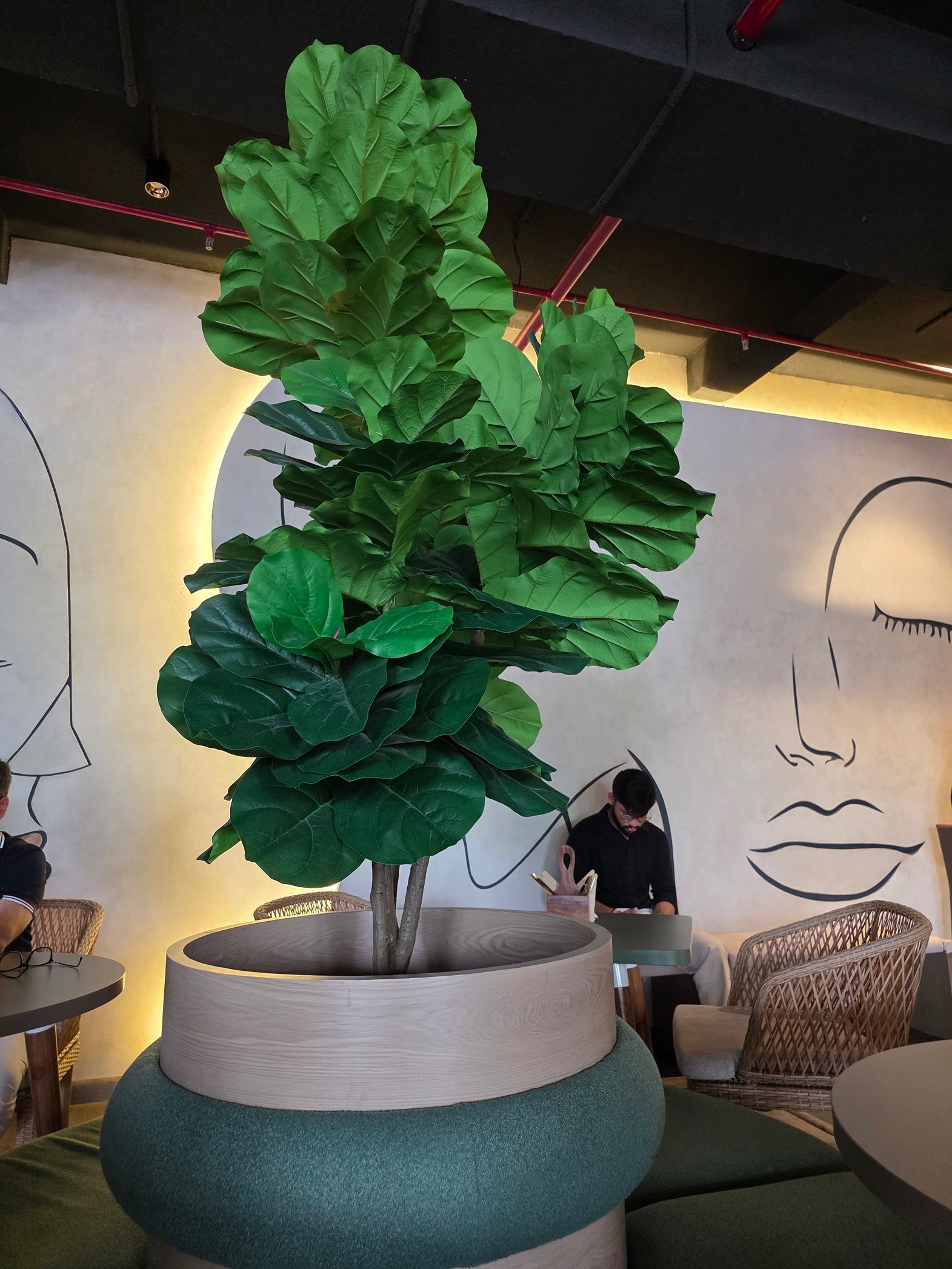

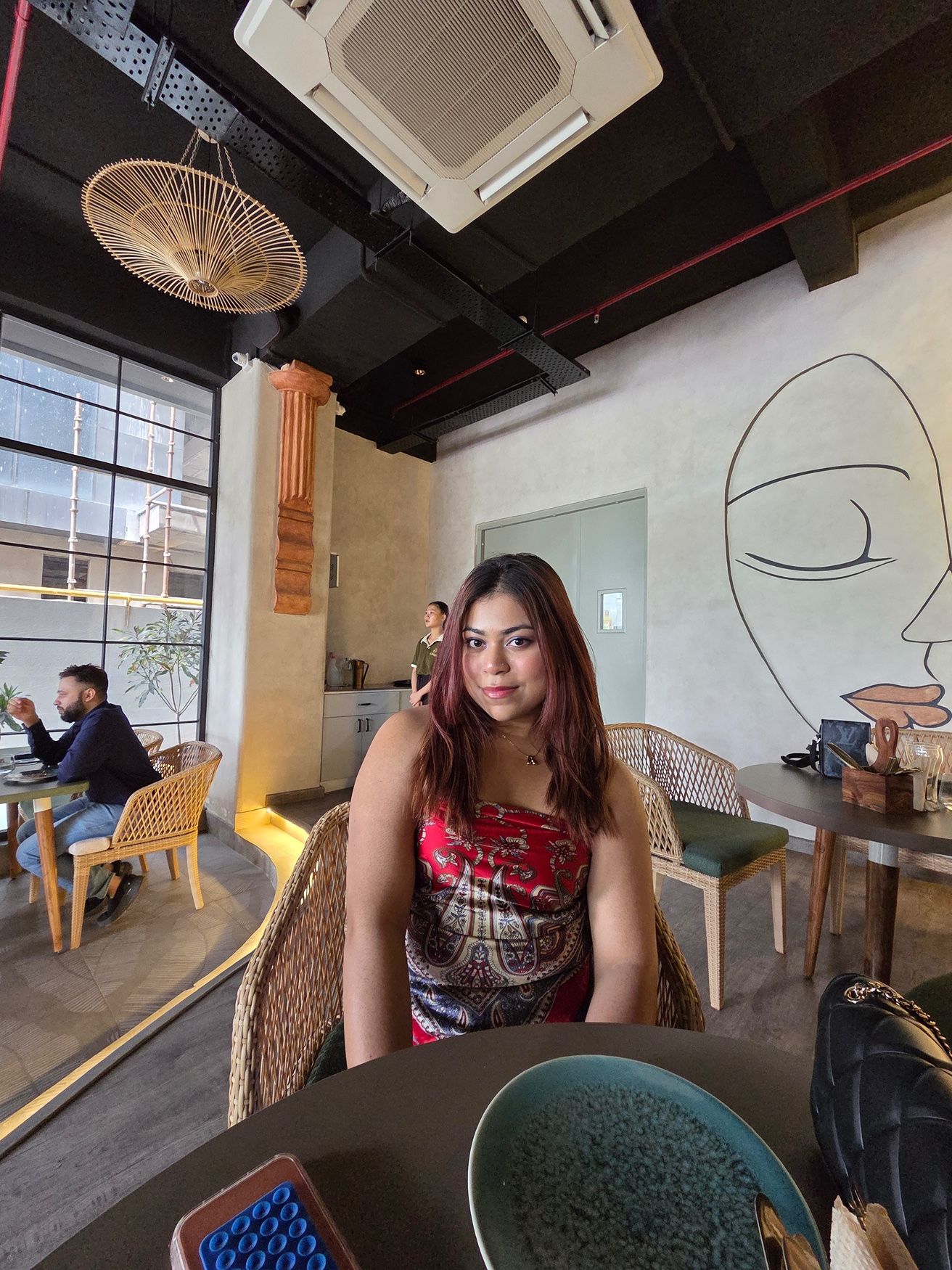
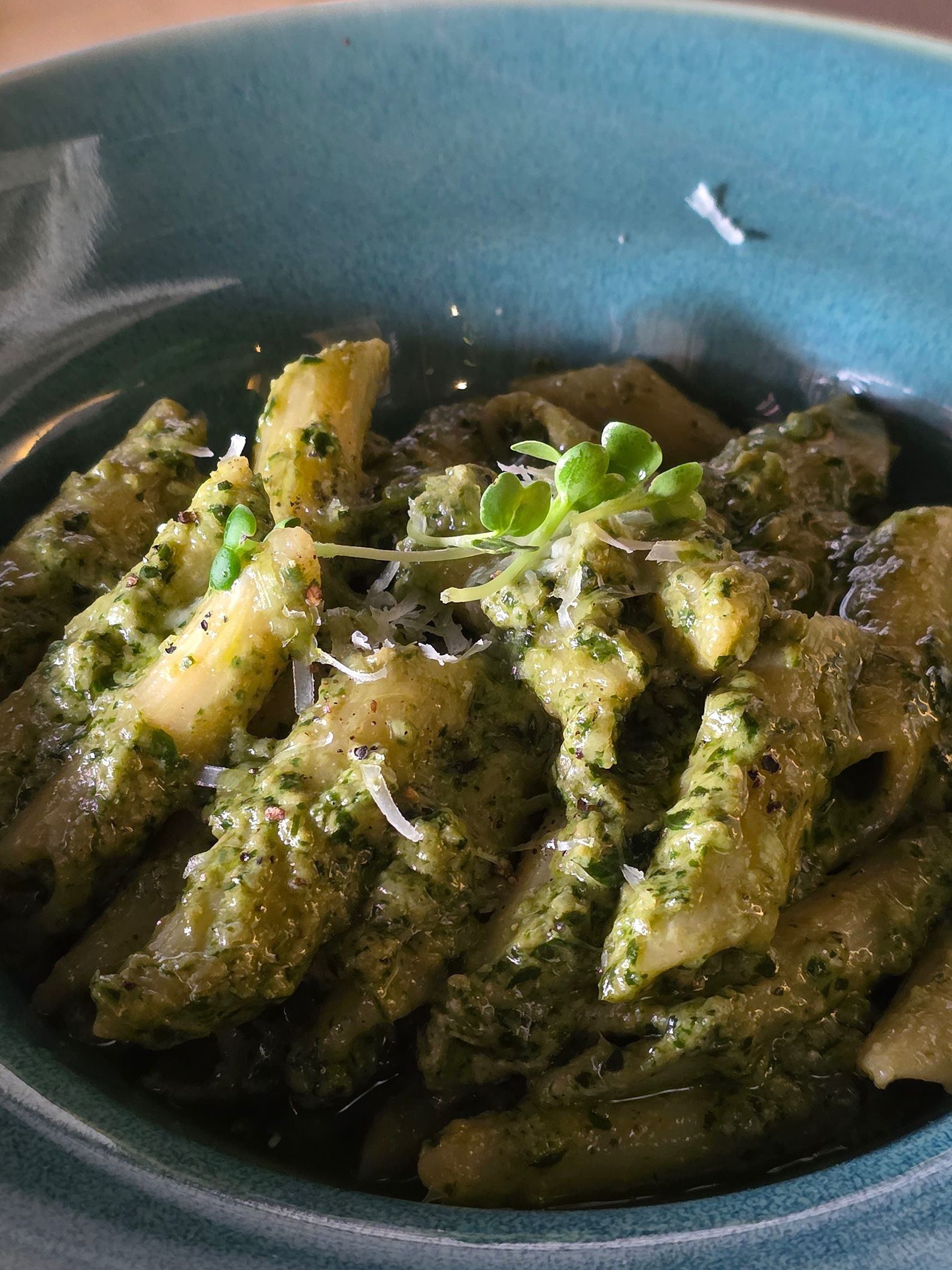

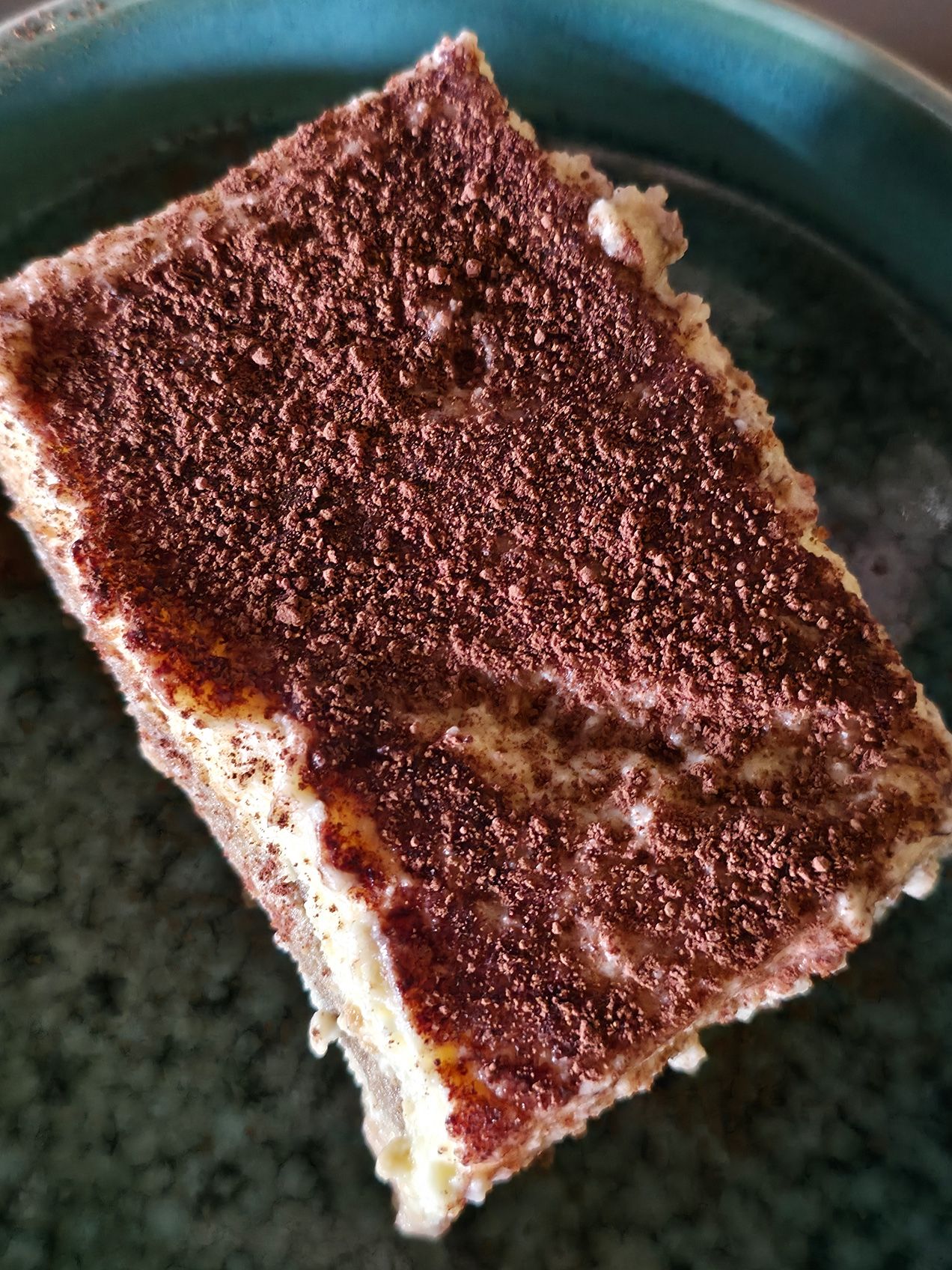

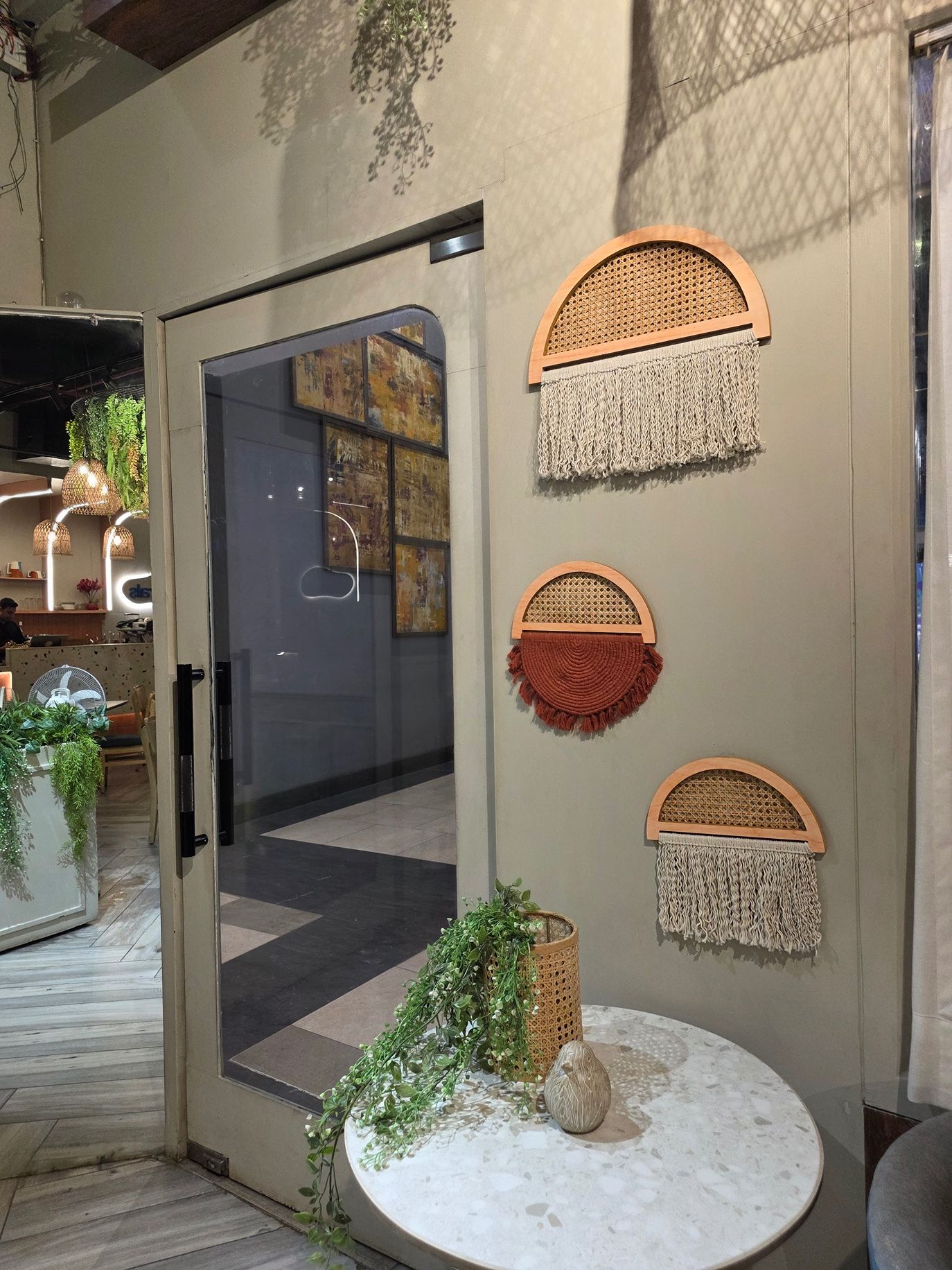

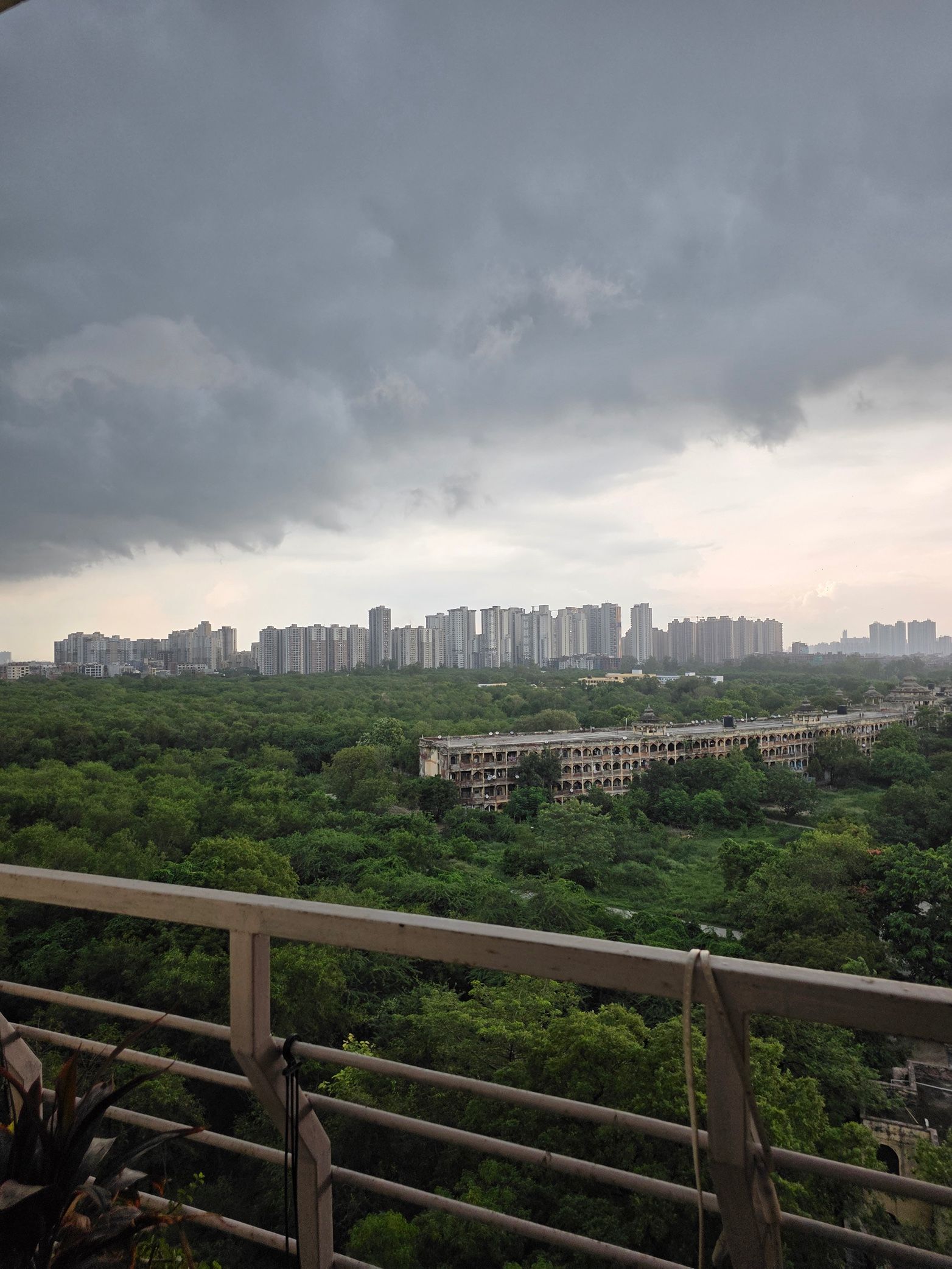
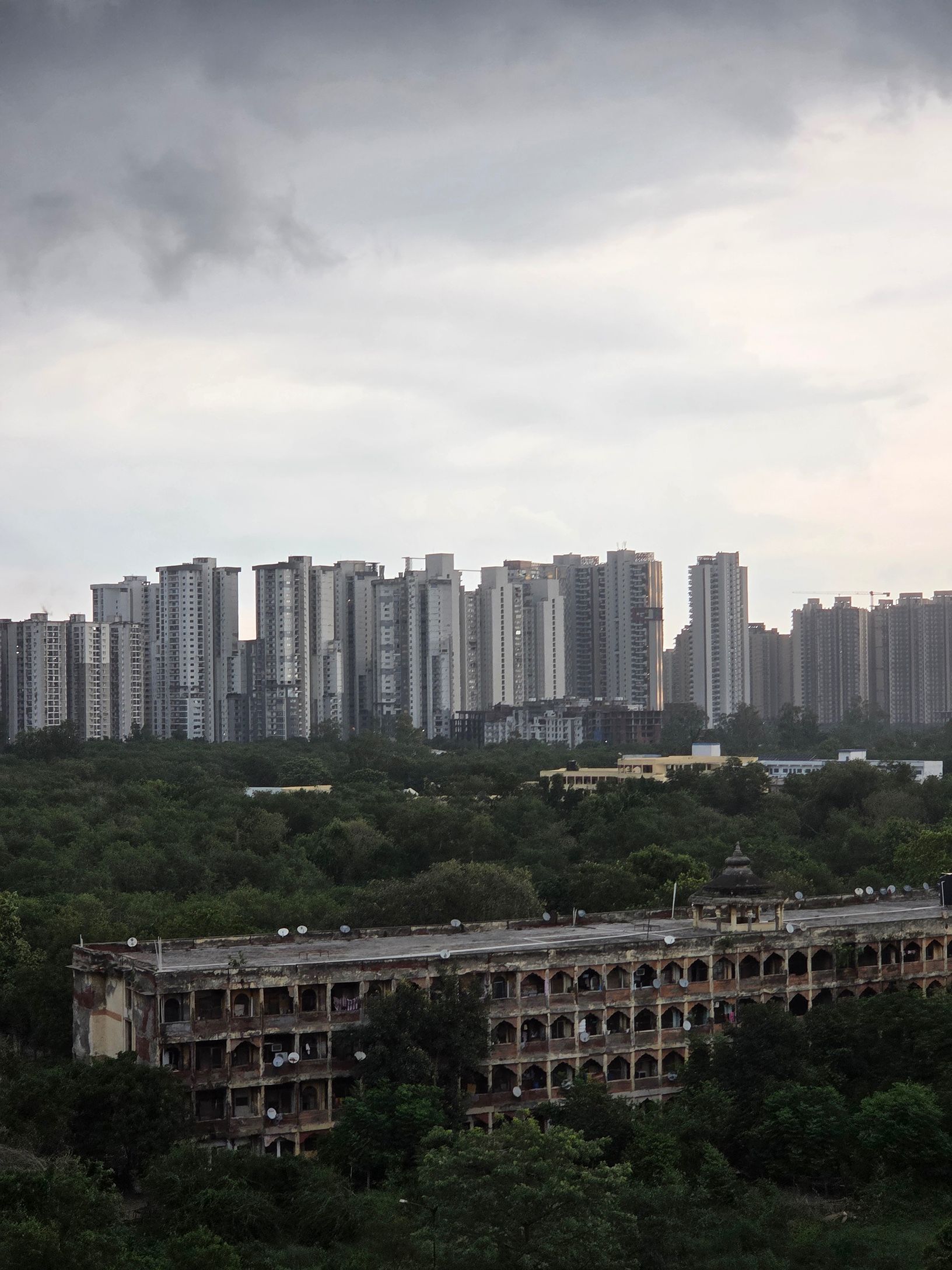
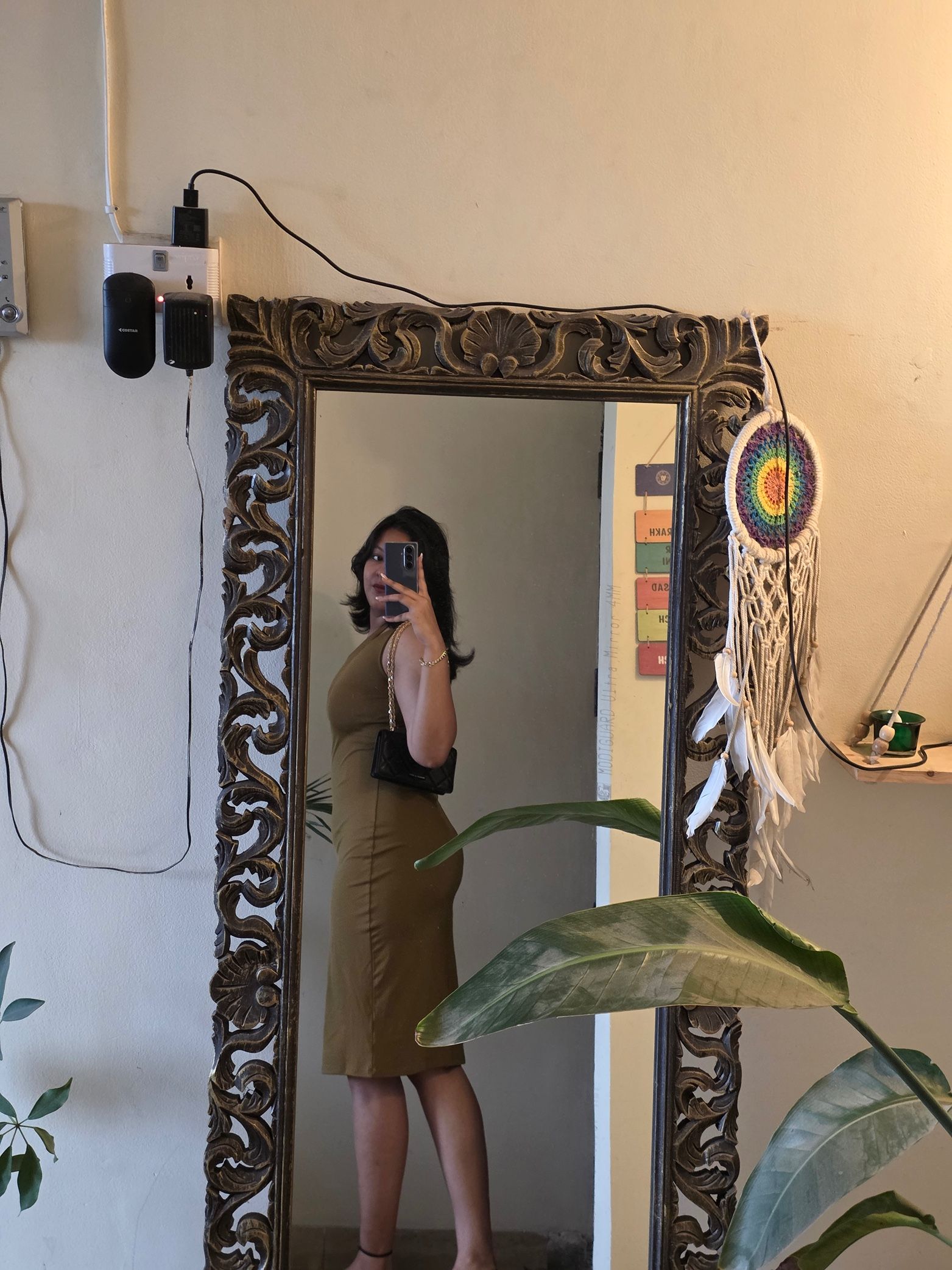

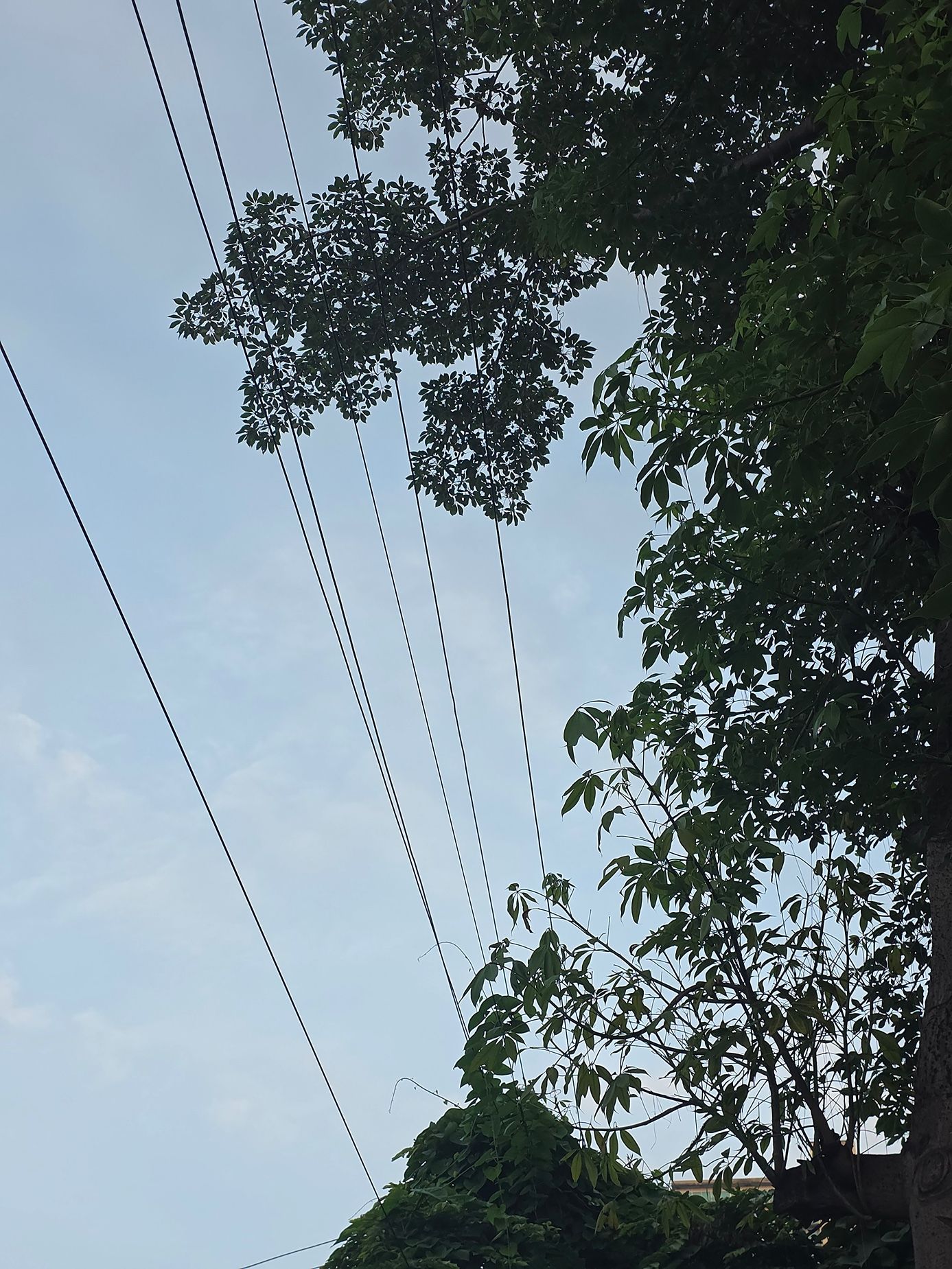
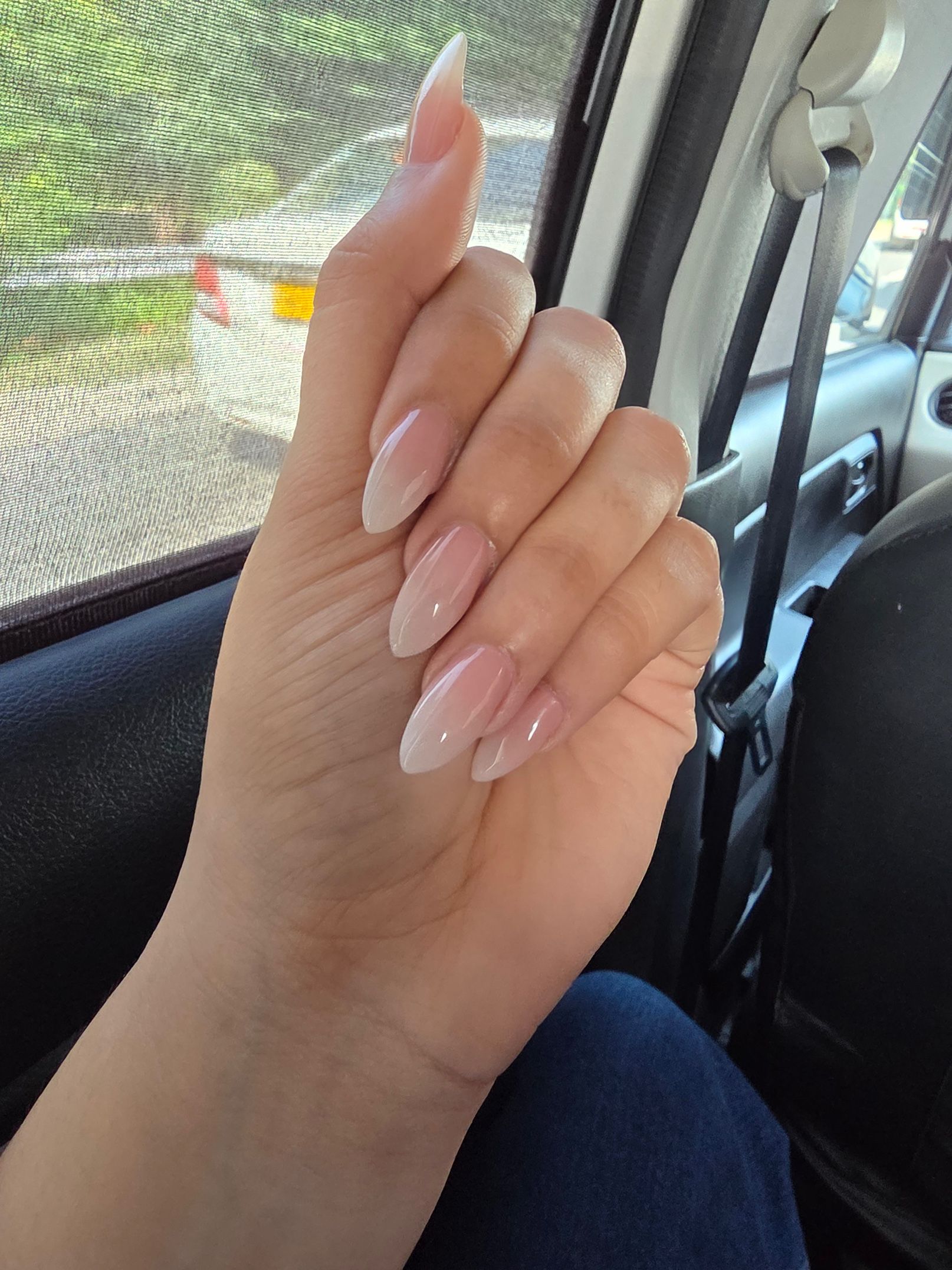



I really enjoyed using the cover screen as a preview for the subject. It makes portraits more interactive and helps the person in front of the camera pose better, knowing exactly how the shot is framed.
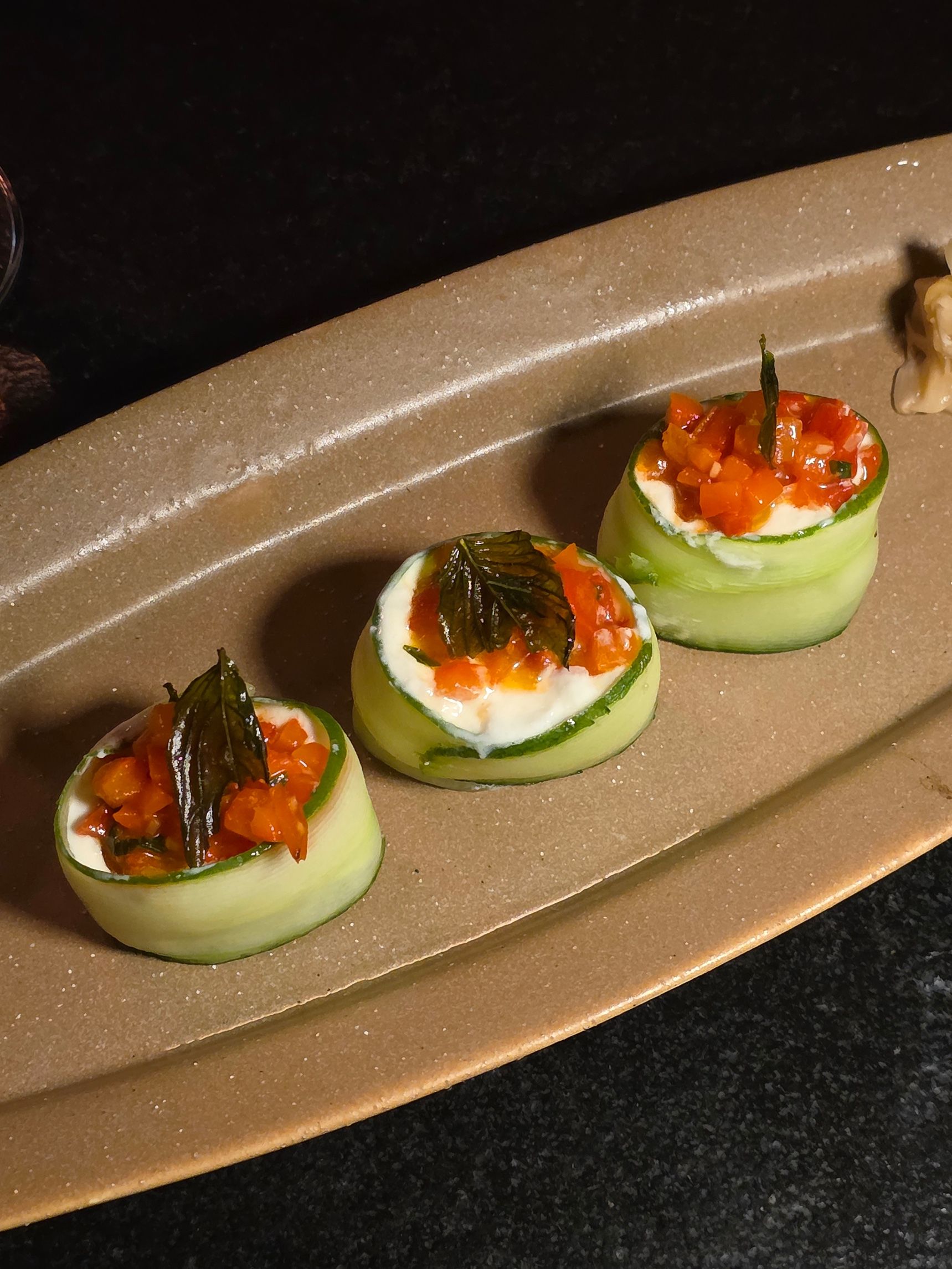
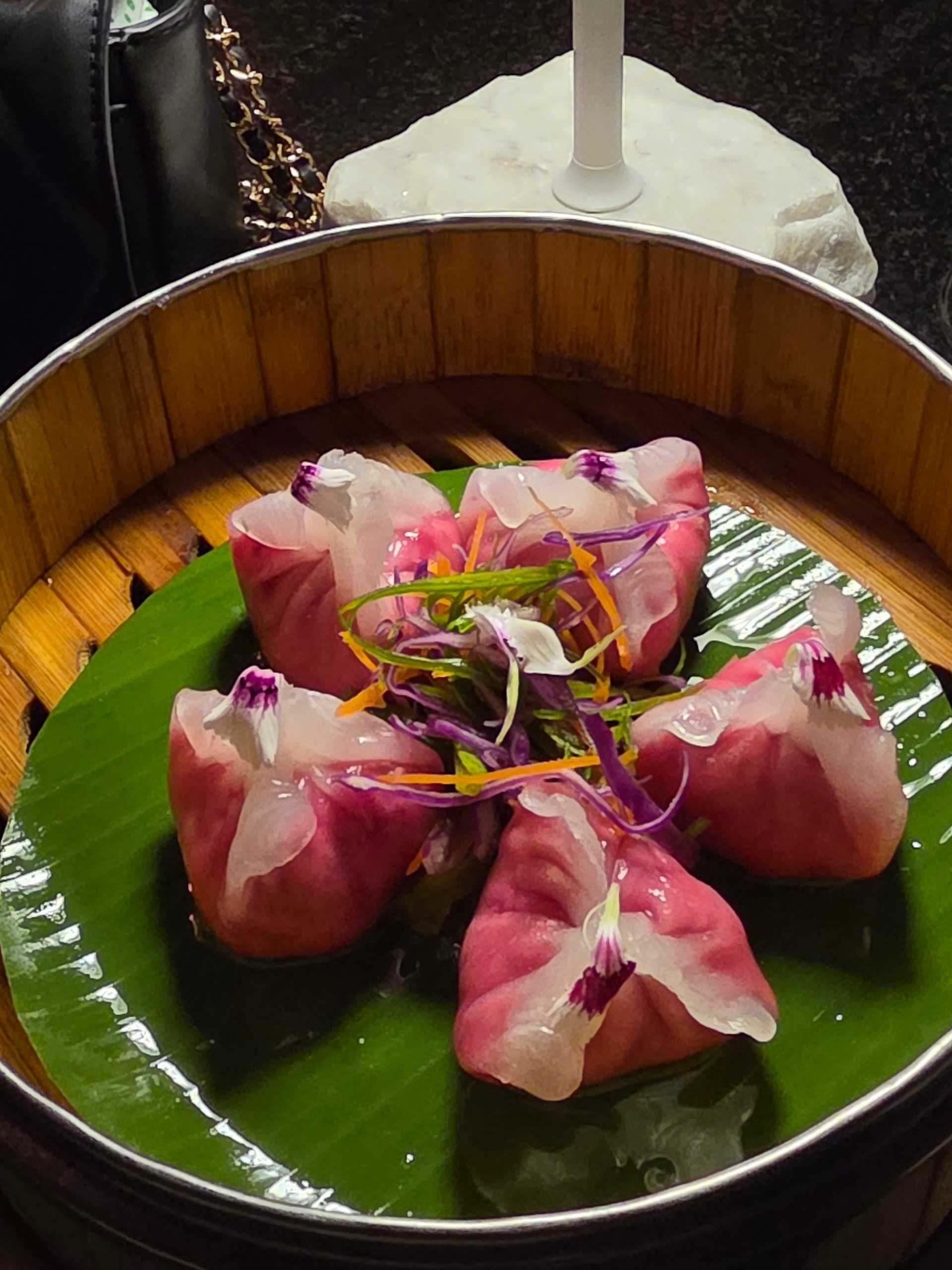
Nighttime photography is still a bit of a mixed bag. With enough artificial lighting, the photos turn out decent. I took several food shots in low light using 2x and 3x zoom. They looked okay, but the finer details were missing, and some shots were slightly grainy. With better lighting in the same conditions, the results were significantly improved.

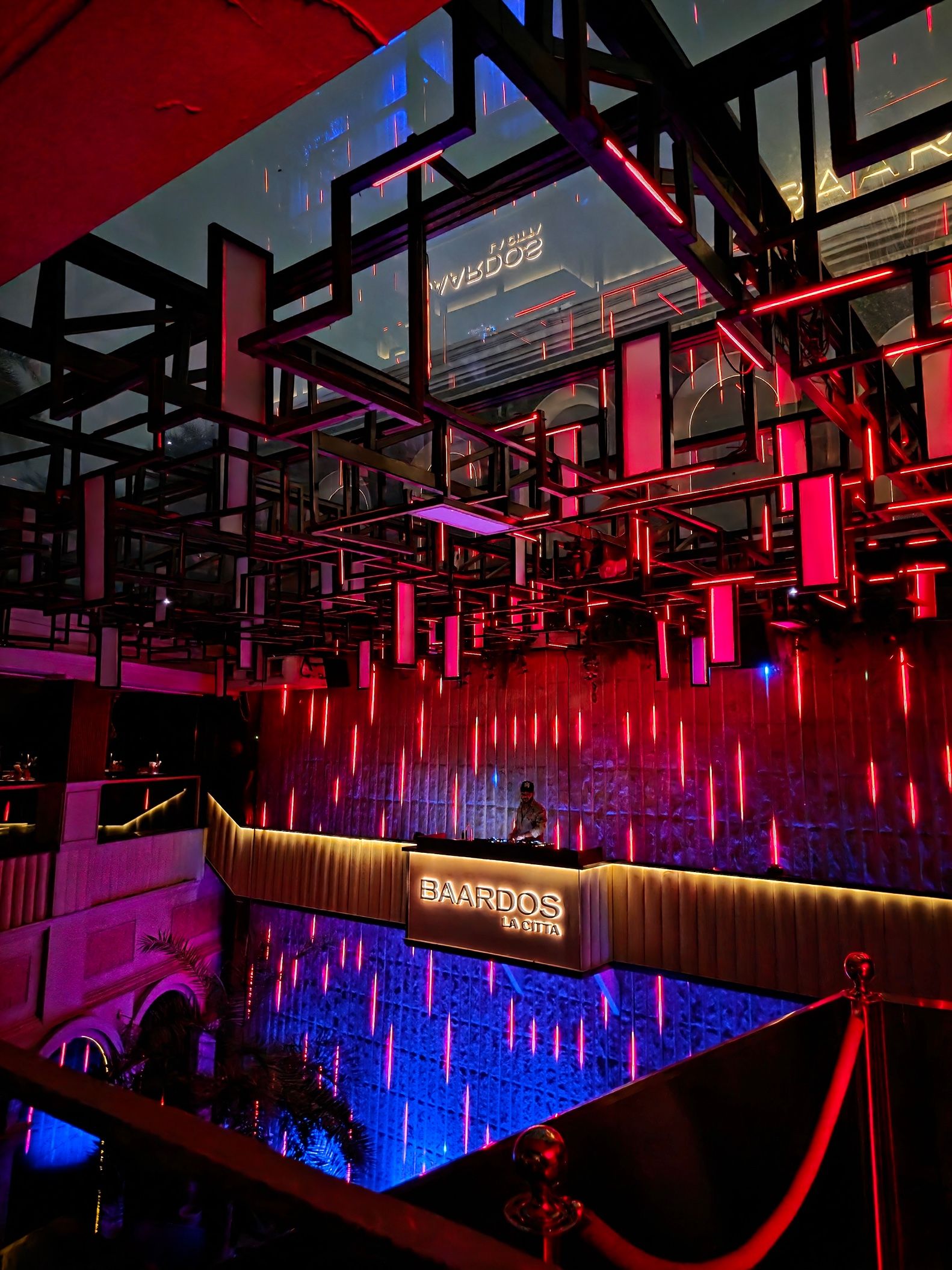
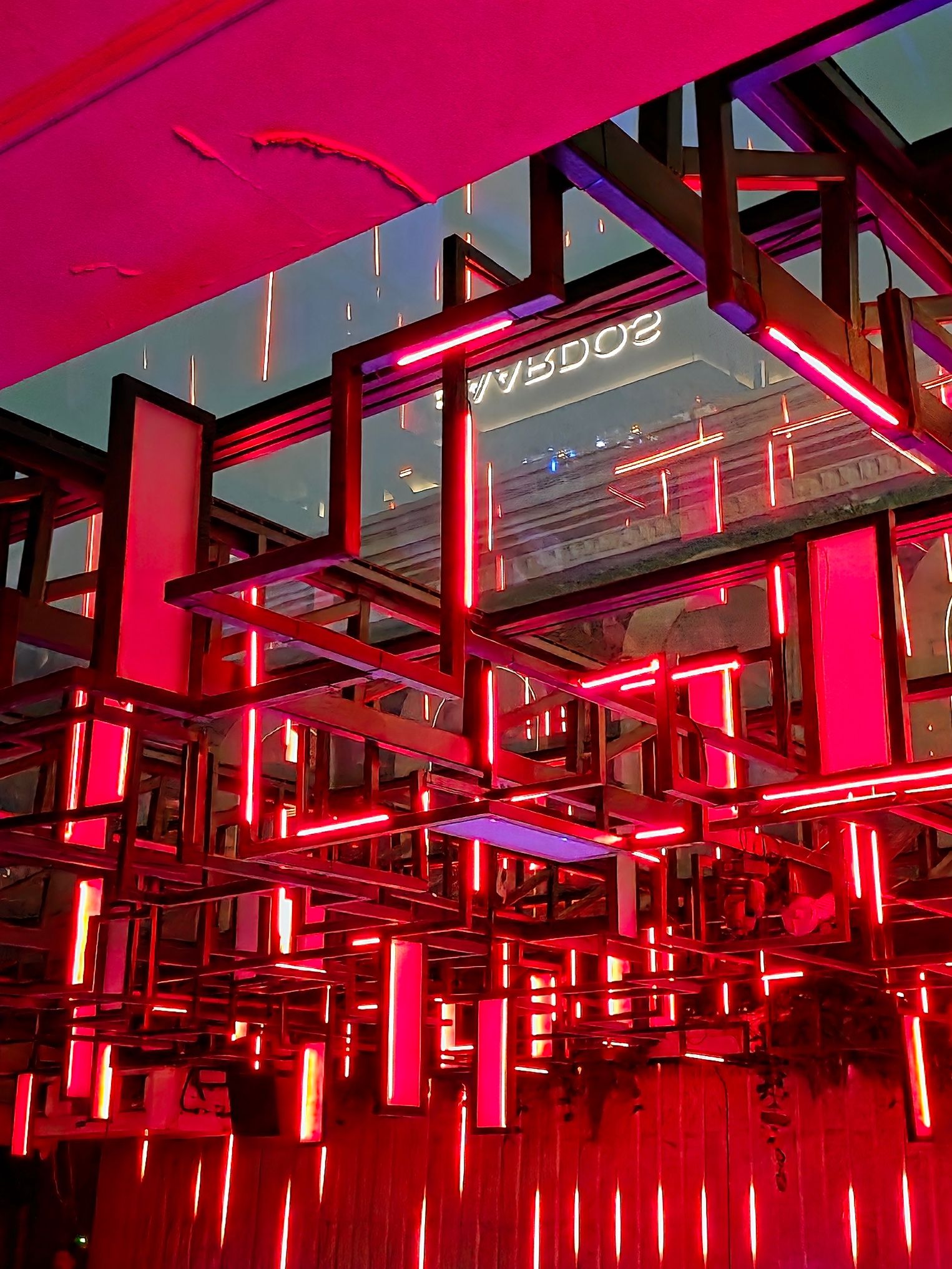
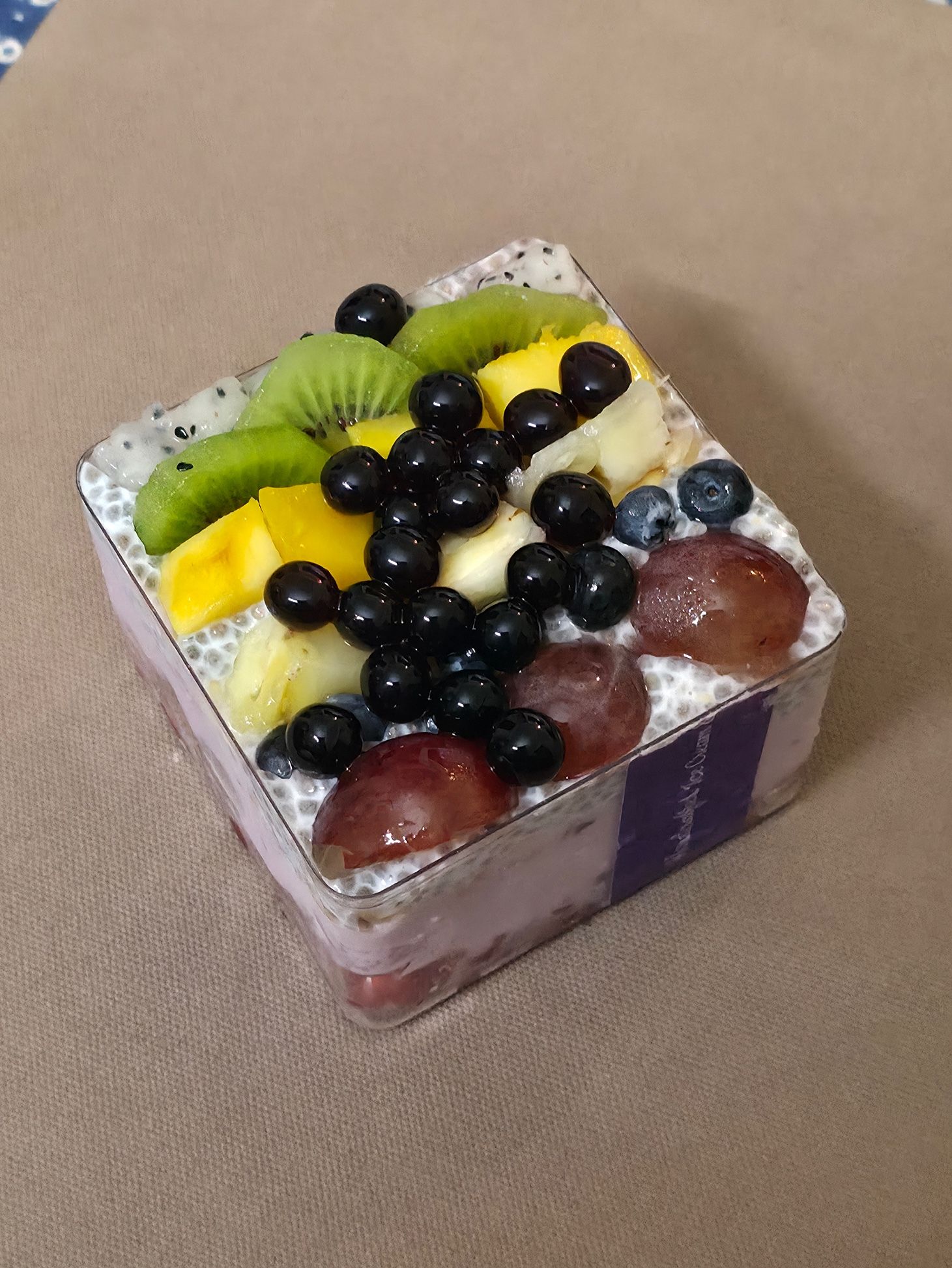
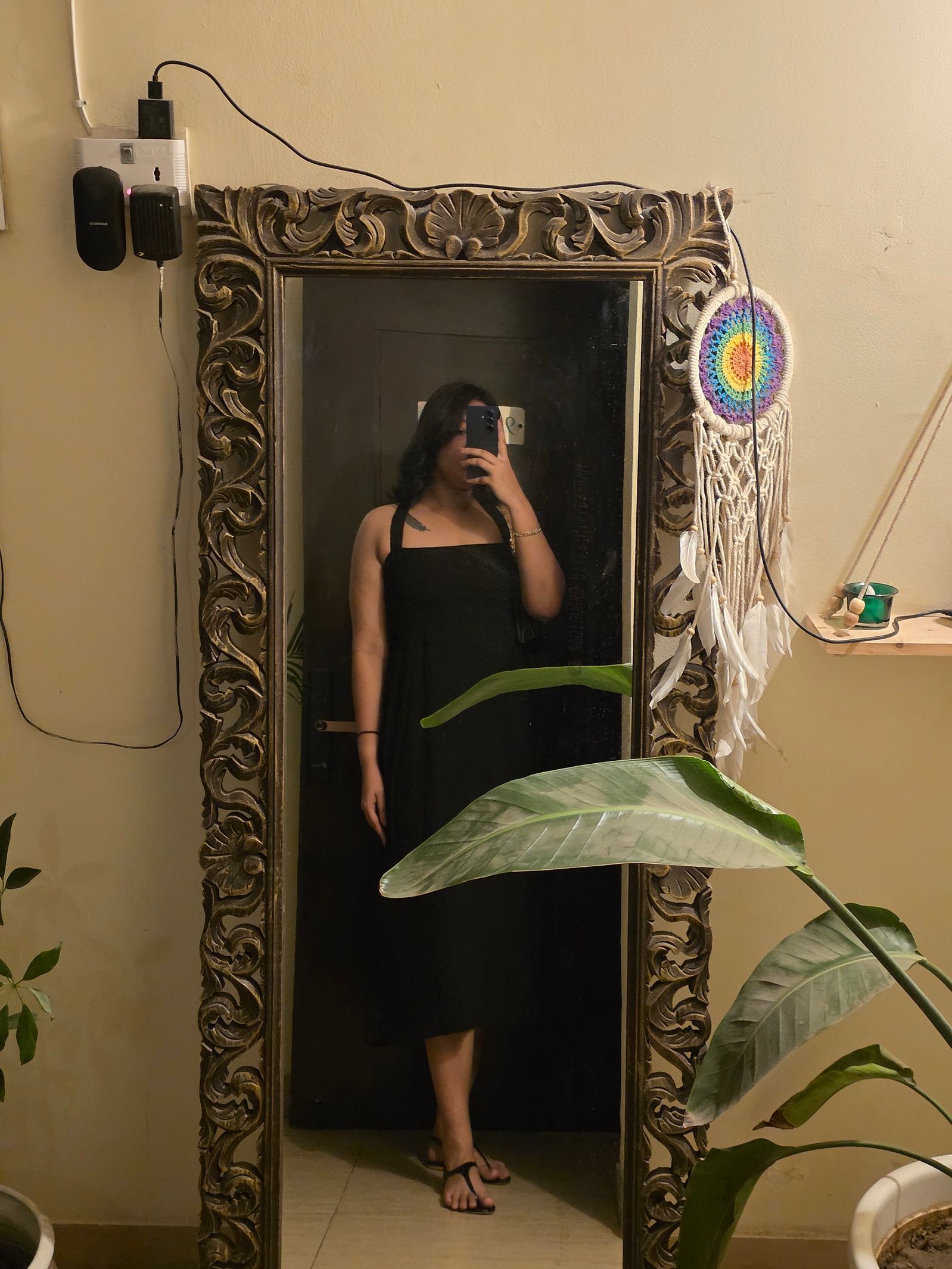

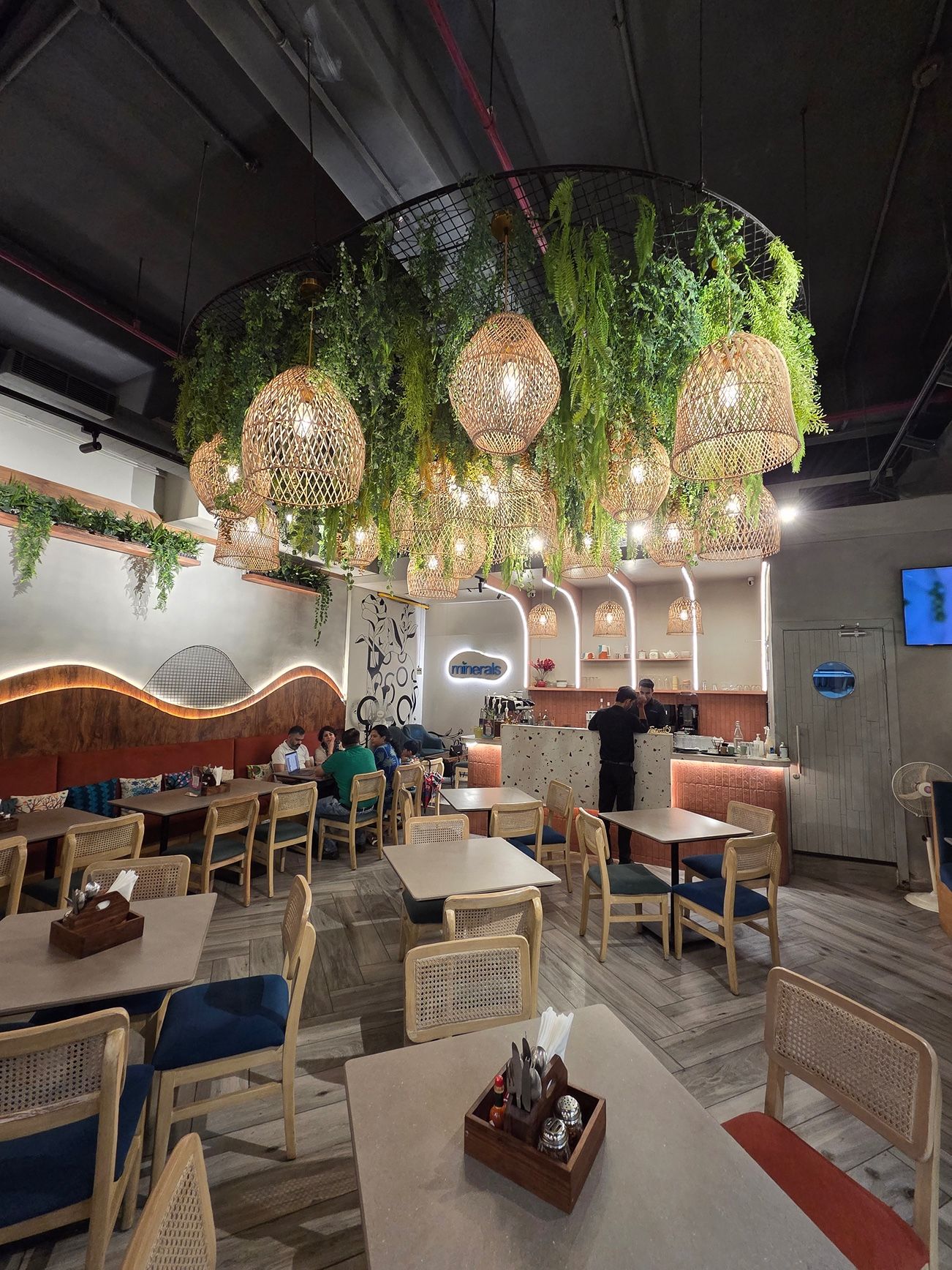
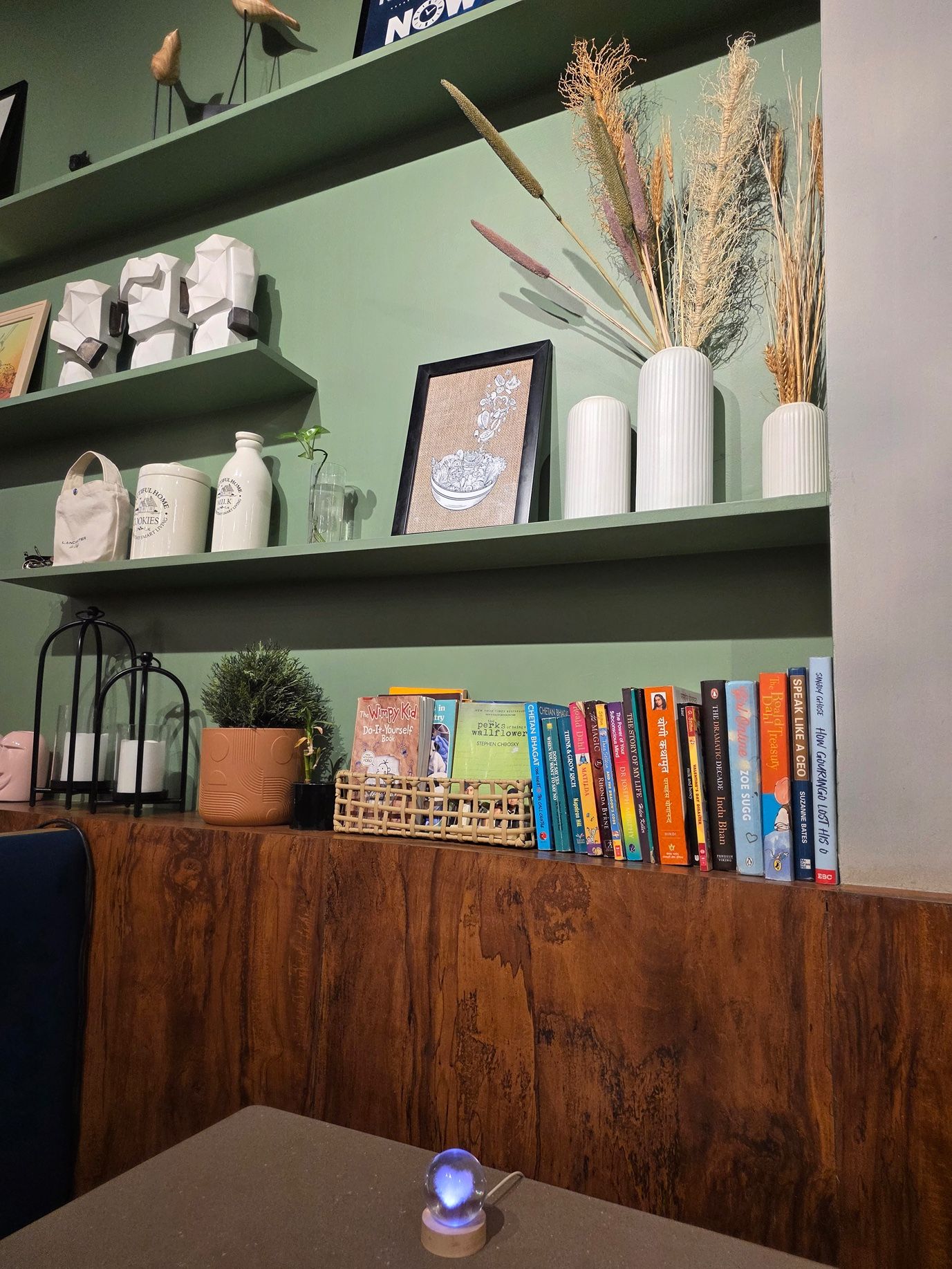

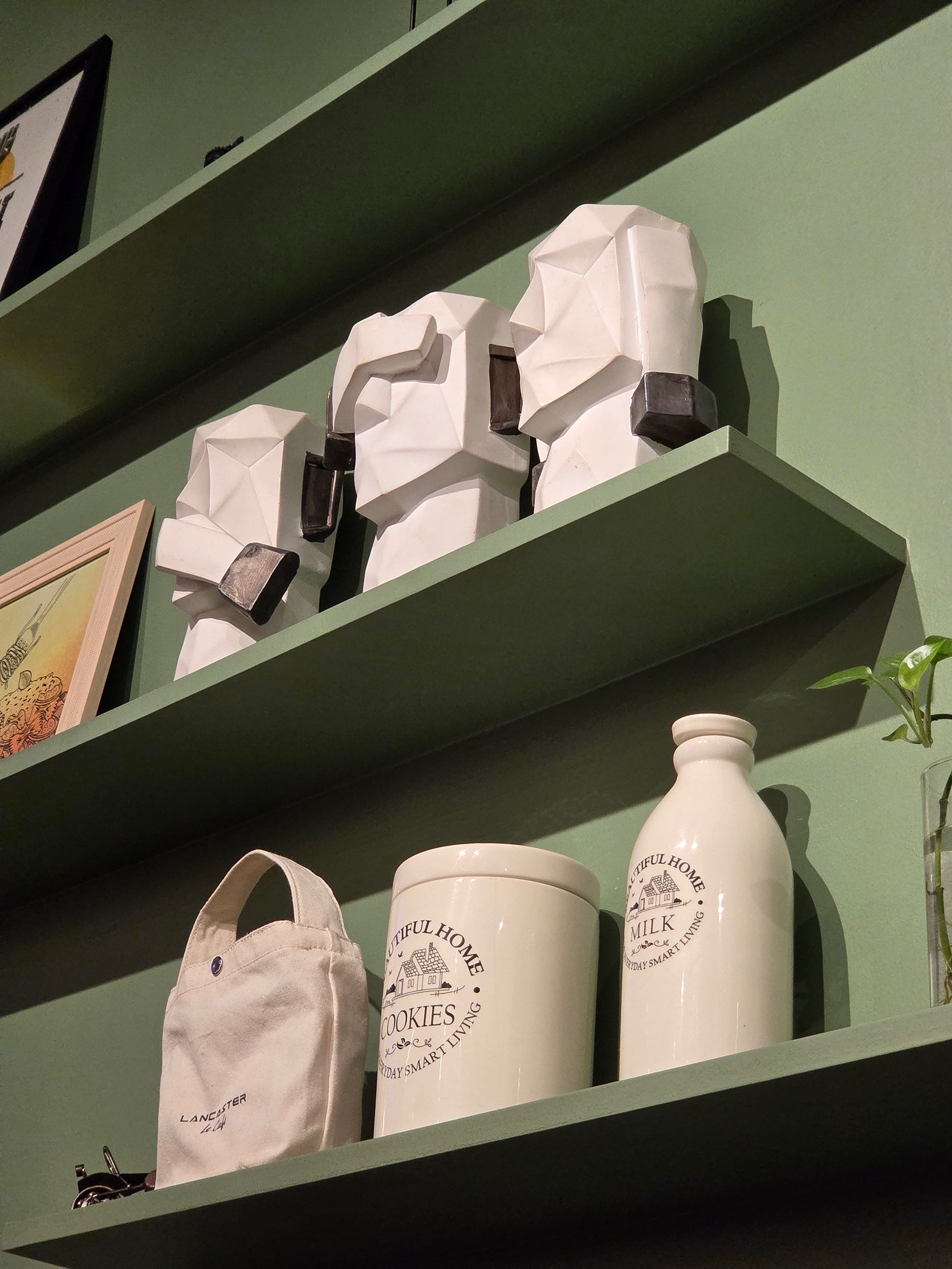
















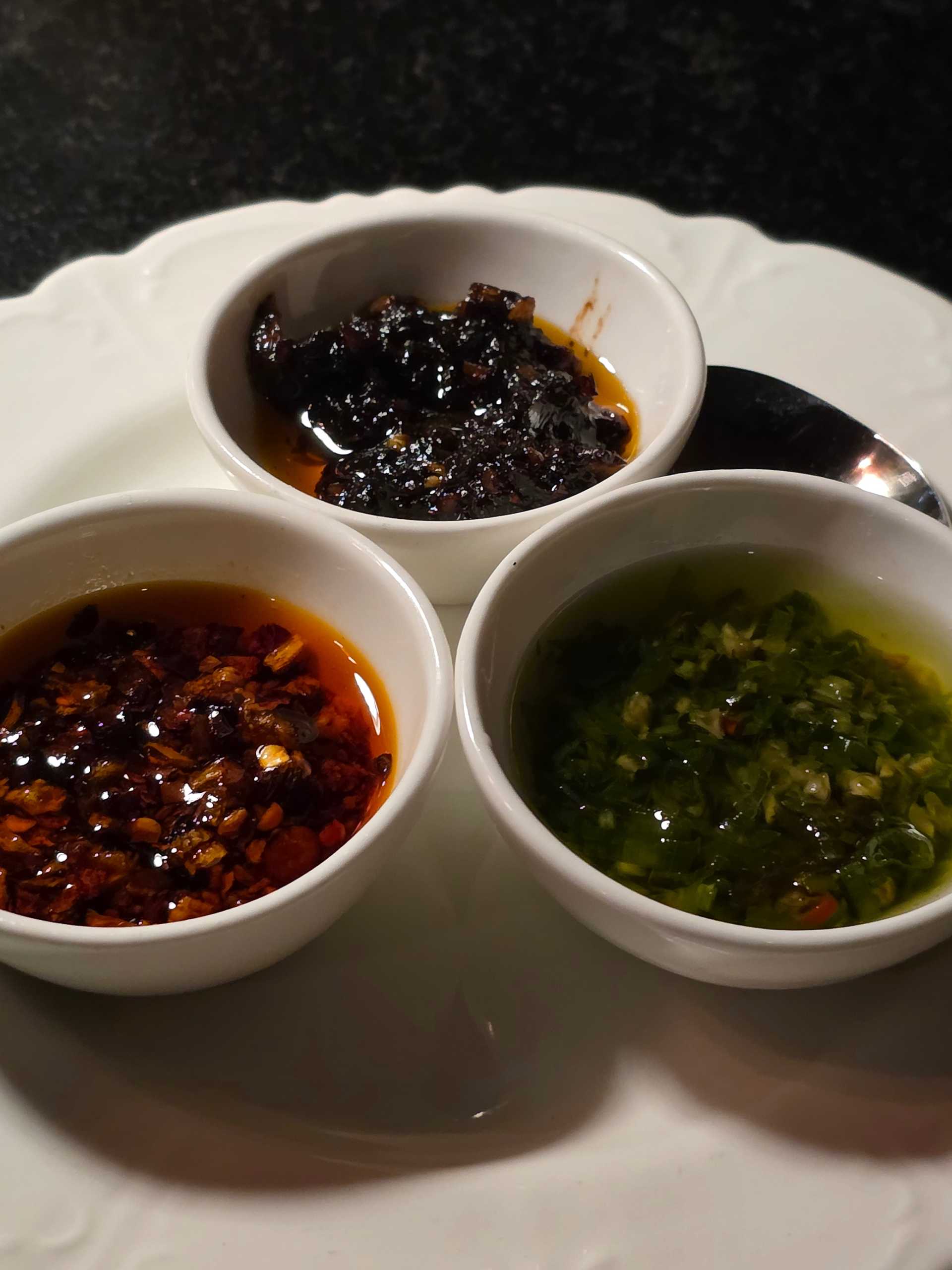
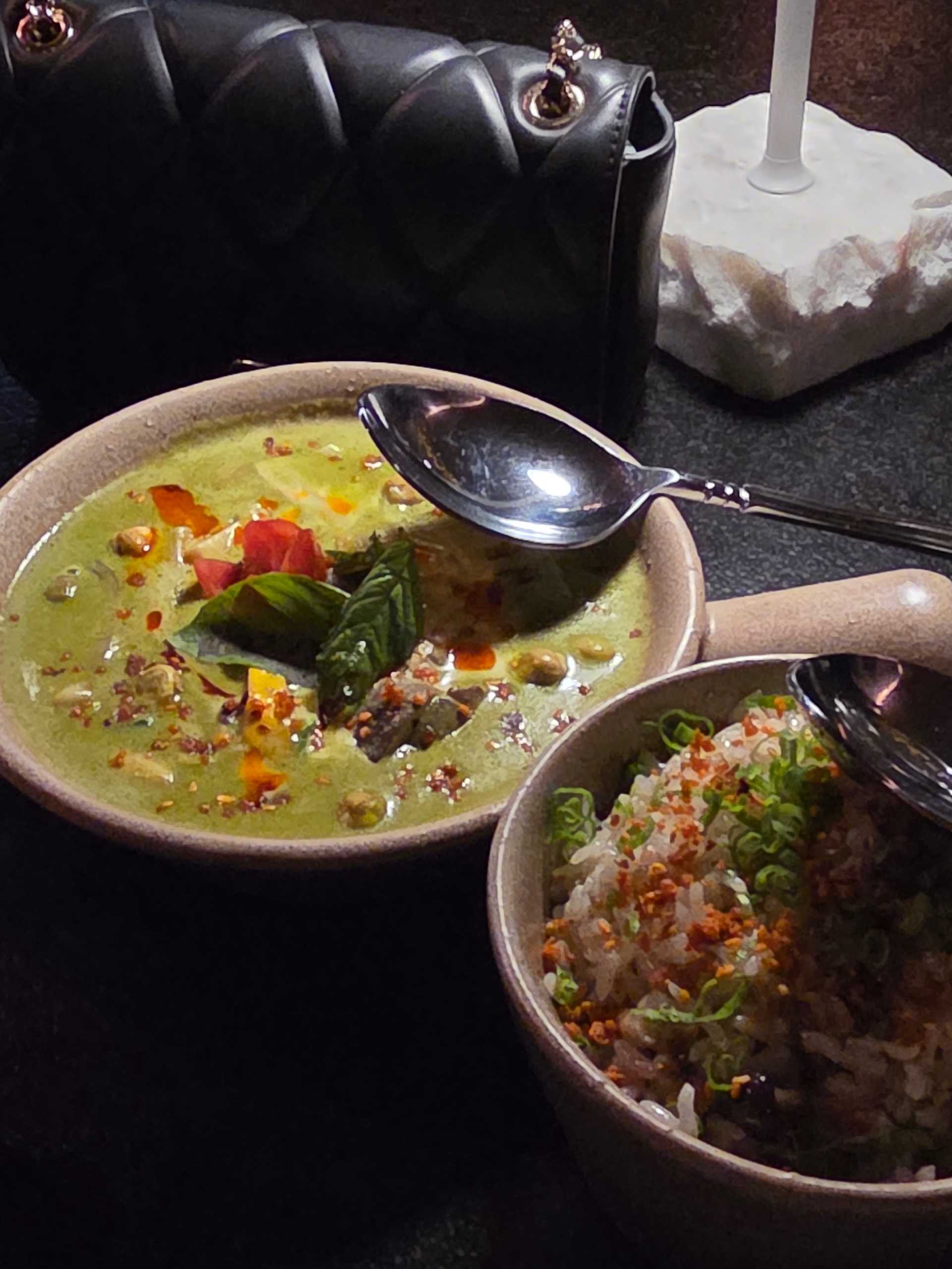

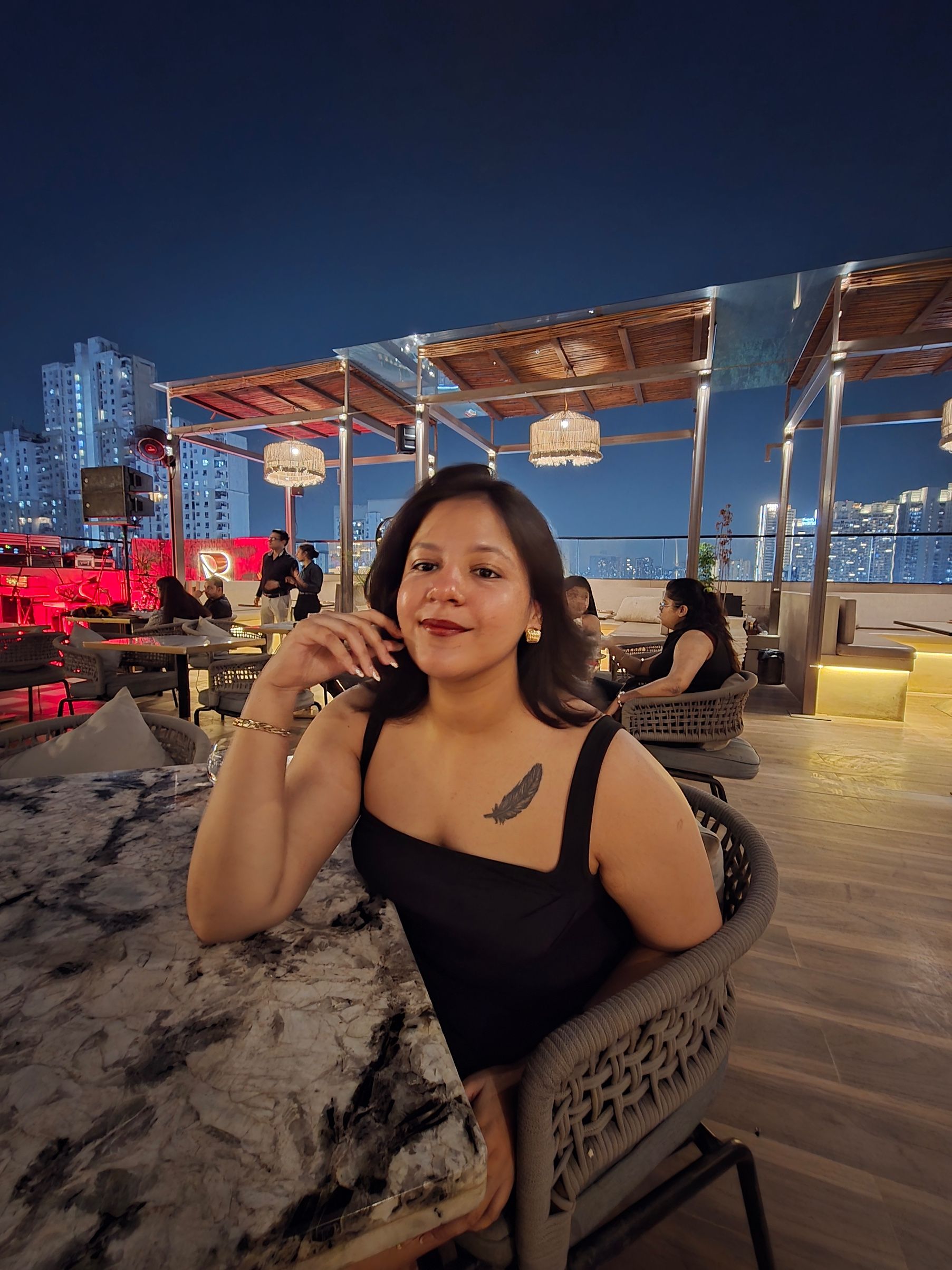

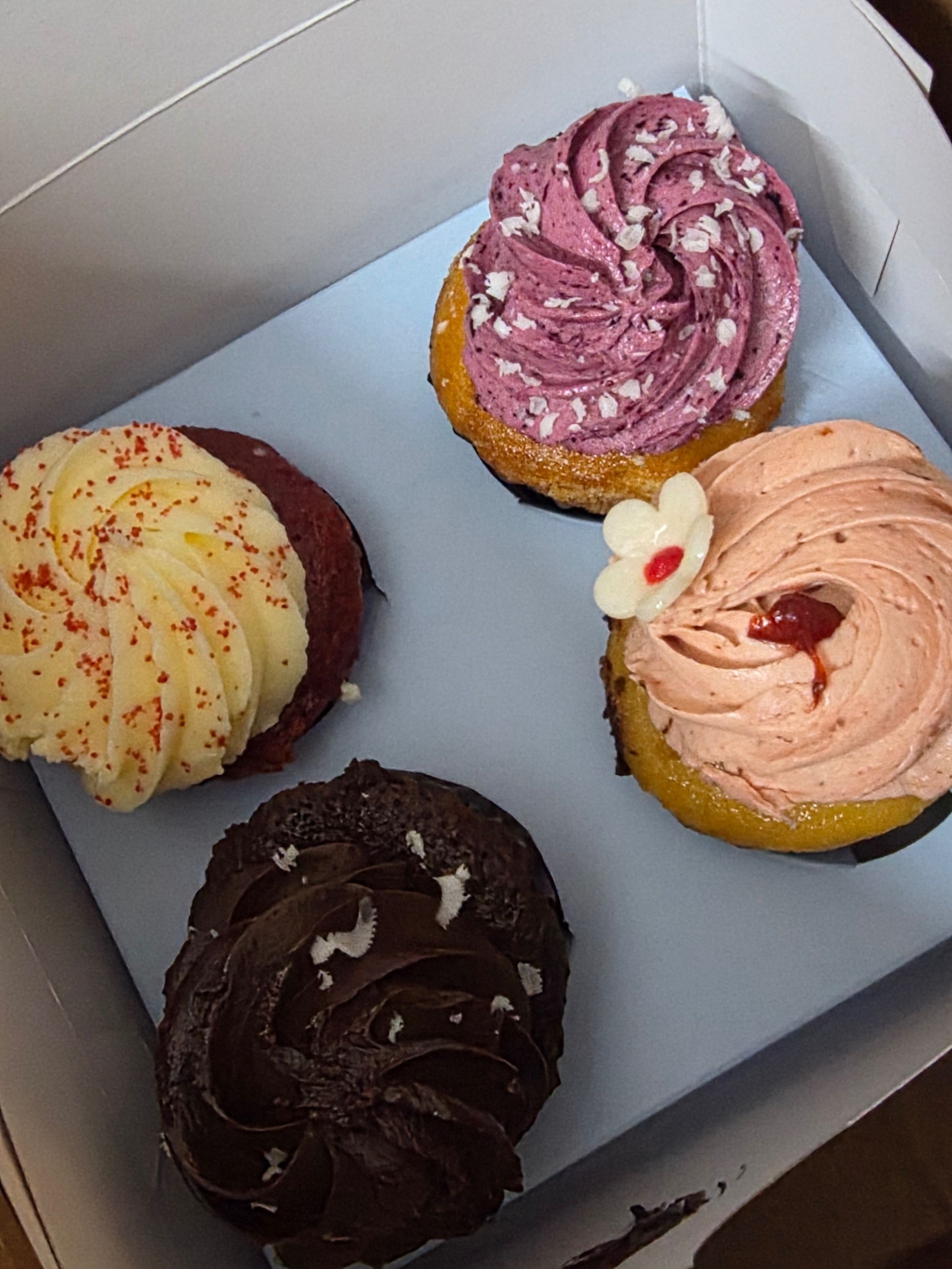
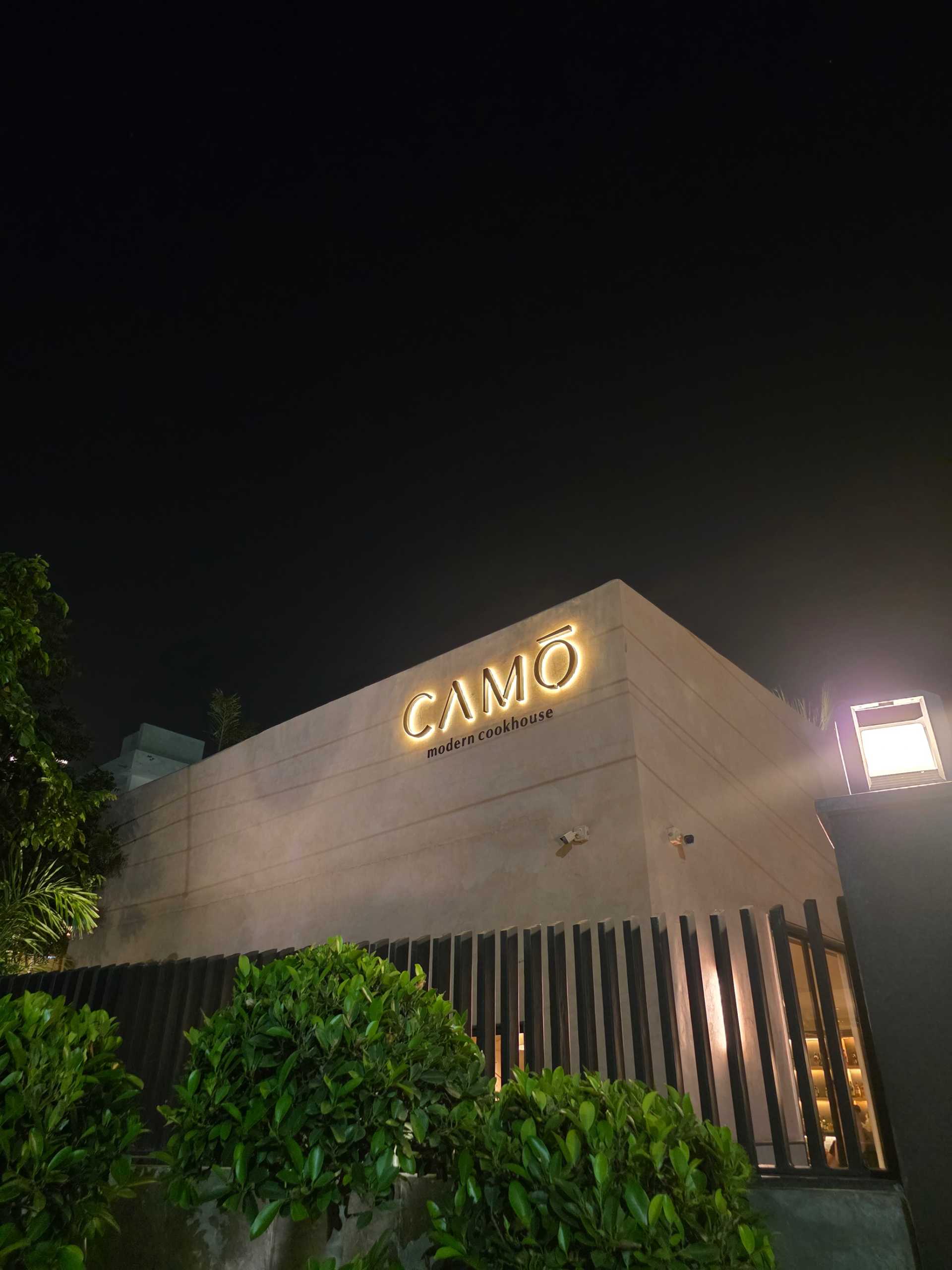
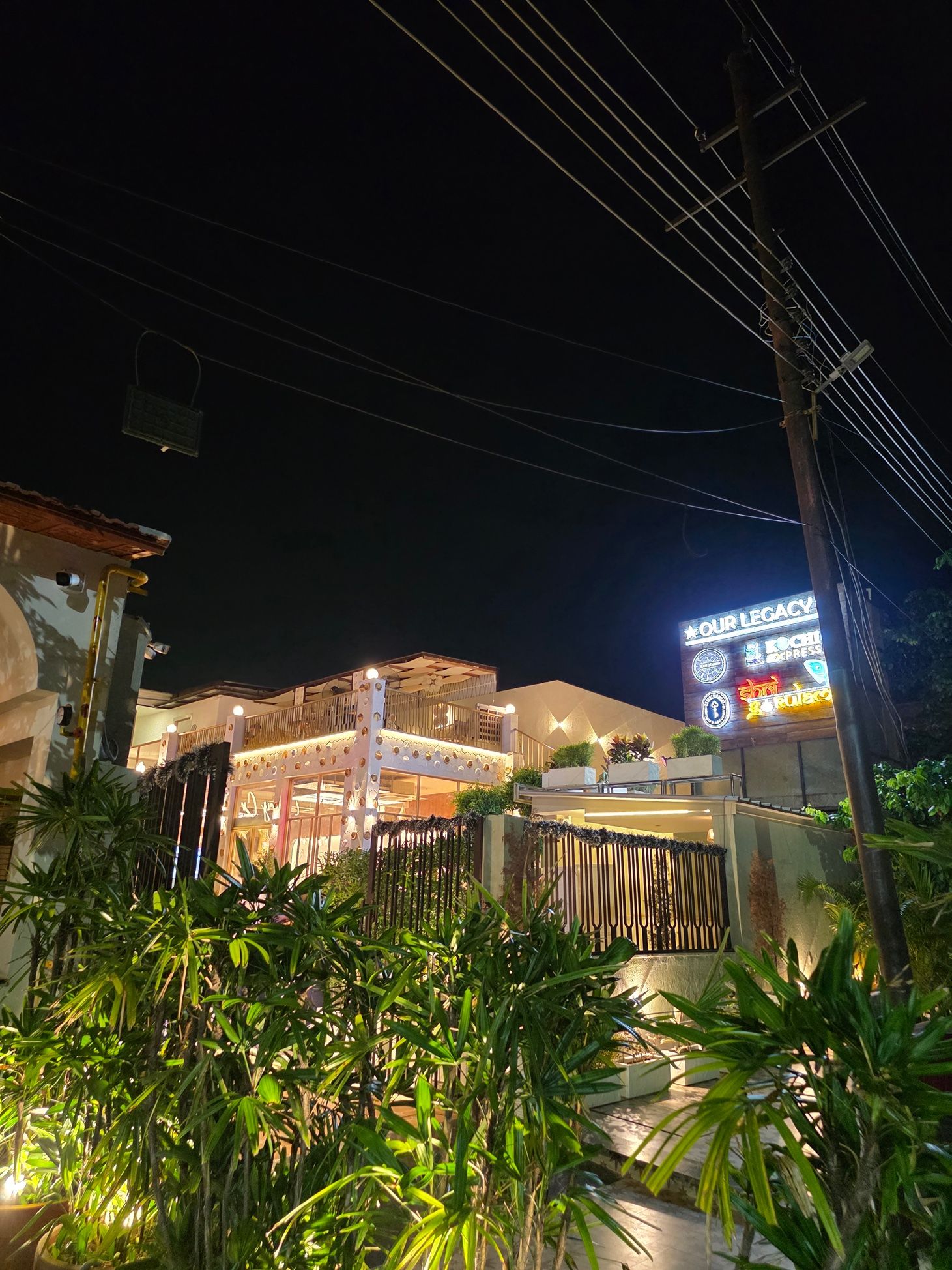
Portrait mode is where the Fold7 truly shines. Whether it’s day or night, the camera captures subjects beautifully. I clicked a photo of a lollipop in a dimly lit room, and the texture, colour, and fine bubbles on the lollipop were captured clearly. The background blur felt natural and made the subject stand out.
For selfies, the Fold7 captures skin tones, facial details, and textures accurately. Personally, I still prefer how the iPhone handles selfies, but that’s more of a personal taste than a knock on the Fold7. It performs really well on its own.

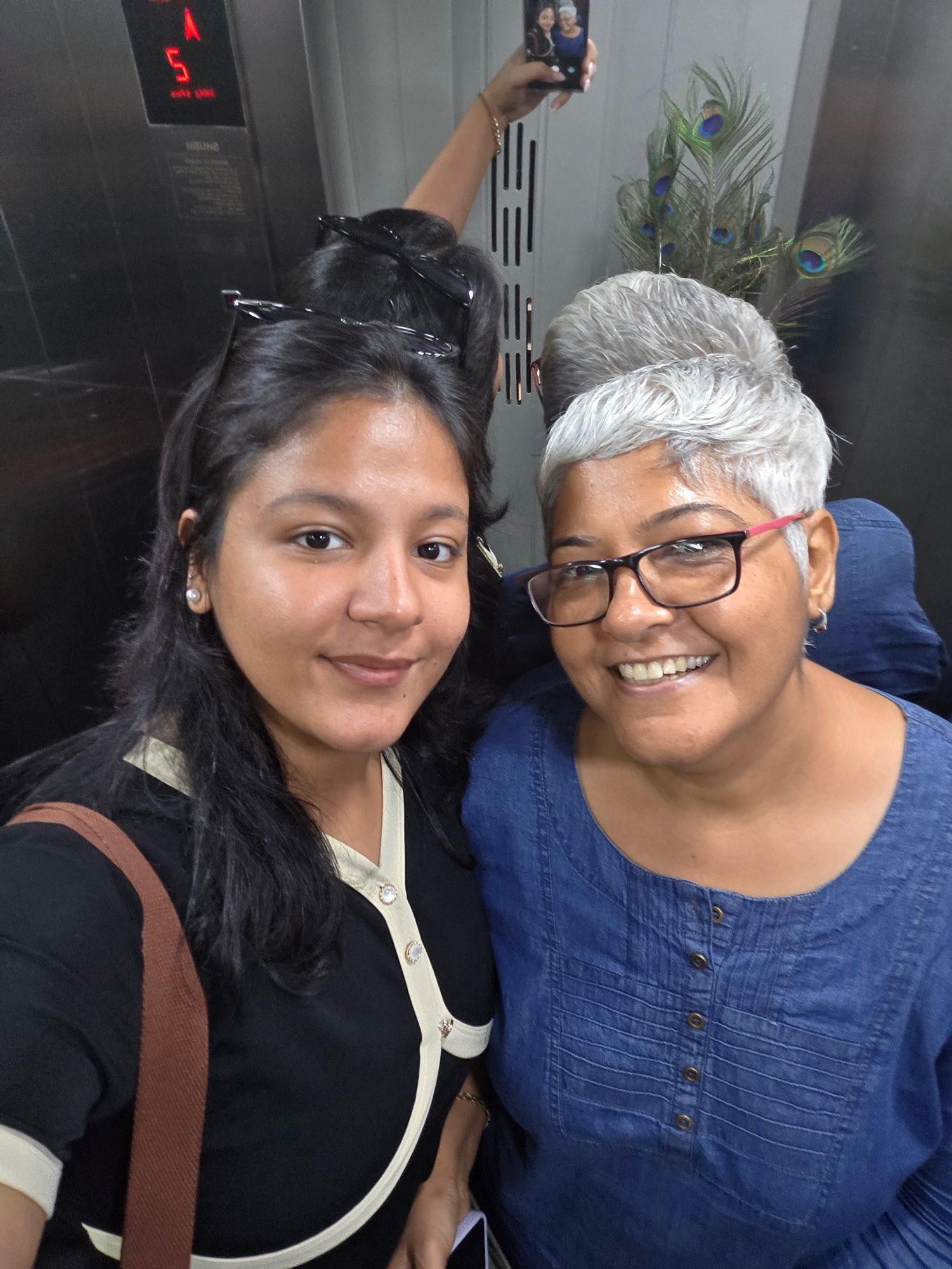


Overall, I enjoyed using the Fold7’s cameras in both daylight and low light. Whether it was landscapes, portraits, or casual shots, the results were consistently good. Night photography could still improve, and I hope a future software update addresses that.
Battery Déjà Vu
The Samsung Galaxy Z Fold7 comes with a 4,700mAh battery, which is the exact same capacity we’ve seen in the Galaxy Z Fold6, Fold5, and even the Fold4. So, for the fourth year in a row, there’s been no on-paper improvement in battery size. In my day-to-day use, I managed to get around seven hours of screen time while switching between both displays and juggling moderate to heavy tasks.

On days when I wasn’t using the phone as much, it usually lasted the full day. Still, by the end of the day, I almost always found myself reaching for the charger. I did try running the PCMark battery test twice, but both attempts threw up errors, which made it frustrating to get any meaningful insights from it. Just for context, the Galaxy Z Fold6, which has the same battery, clocked 10 hours and 20 minutes in the same test. So it’s reasonable to expect similar numbers here as well.
When it came to charging, the phone took 1 hour and 22 minutes to go from completely dead to fully charged. That’s fairly standard. But if you rely heavily on fast charging, this might leave you wanting more. And like always, Samsung doesn’t include a charging adapter in the box. You’ll either need to spend extra on one or just use any PD charger you already have.
Overall, I’d say the battery life on the Z Fold7 is good enough for most users. That said, it really feels like Samsung needs to start pushing the envelope in this area now.
Looking Back
To me, the Galaxy Z Fold7 feels like the closest Samsung has come to perfecting the foldable formula. It’s noticeably slimmer and lighter, and the overall experience feels much more natural compared to its predecessors. I’m especially curious to see how it holds up against the newly launched Vivo X Fold5, which also looks promising. I’m particularly interested in its cameras, since I’ve only heard good things about them. Stay tuned to MySmartPrice, where I’ll be comparing both foldables to see which one truly stands out.
Performance-wise, the Fold7 doesn’t miss a beat. The camera finally gets the kind of flagship treatment we’ve been waiting for, and the big inner display has grown into something I now genuinely depend on.
That said, there are still a few things I’d like Samsung to improve. The missing S Pen support feels like a missed opportunity. Night photography can be hit or miss. And both the battery life and charging speeds could use a serious boost.
At Rs 1,74,999, the Fold7 is priced Rs 10,000 more than last year’s model. But if you ask me, the upgrades feel worth the extra cost. If you’re someone who values multitasking, loves big screens, and wants something more exciting than a regular phone, this one is easy to recommend. It’s not perfect, but it’s the first Fold that truly feels like it can replace a regular smartphone without compromise.