The Vivo T4R is what you get when Vivo’s “Pay Less, Get Best” campaign takes an unexpected turn. For context, the brand’s T series was designed to deliver the best value across different price points, and the Vivo T4x has been the strongest example of that promise. With stereo speakers, class-leading performance, and an efficient battery setup, it ticked almost every box.
Vivo T4R
Rs 19,499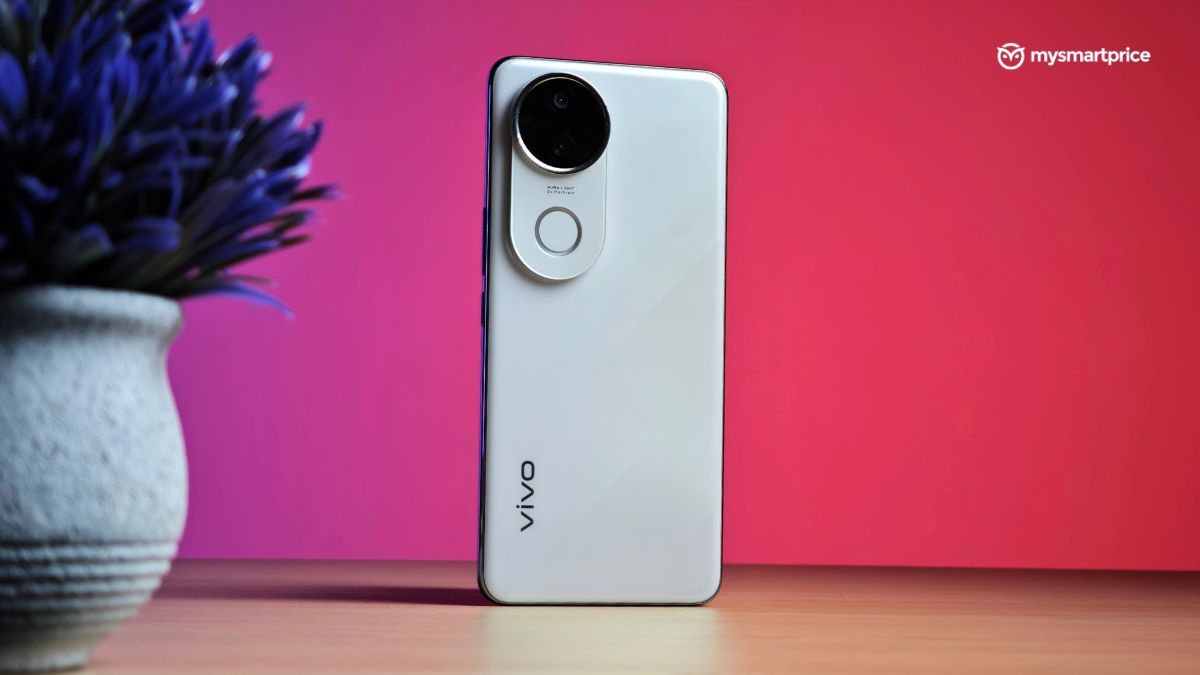
What Is Good?
- Looks stunning and comfortable to hold
- Adequate performance for everyday use
- Vivid display with amazing stereo speakers
- Surprisingly exceptional battery life
- Durable structure
What Is Bad?
- Pre-installed apps
- The camera’s quality deteriorates in low-light conditions
The T4R follows a similar blueprint but introduces a mix of upgrades and compromises. It switches to an AMOLED display from LCD, adds an OIS-enabled camera, and uses a slightly improved processor while retaining stereo speakers. The only trade-off is a slower memory speed. However, spending an additional ₹2,500 gets you the standard Vivo T4, which offers the same features as the T4R but delivers noticeably better performance and the largest battery in its category.
Within this somewhat confusing lineup, can the T4R justify its place, or does it risk being overshadowed by its better-equipped siblings? Read my full review to find out.
Performance and Software
The T4R is part of a growing minority, driven by the latest MediaTek Dimensity 7400 chipset. On paper, this processor sounds like an upgrade over the still-relevant Dimensity 7300 SoC in the T4x. However, its slightly overclocked cores offer marginal gains in performance, as visible in the benchmark. The T4R’s benchmark results further reveal that it has some catching up to do with its competitors, especially the Realme P3 5G.
| Hardware | Specifications |
| RAM | Up to 12GB LPDDR4X |
| Storage | Up to 256GB UFS 2.2 |
| Storage Test | 64125 |
| CPU Throttling Test | 94 per cent of its max performance |
| Software Version | FunTouch OS 15, based on Android 15 |
| Connectivity Details | Bluetooth 5.4 and Wi-Fi 6 |
| Number of Software Updates | 2 years of software updates and 3 years of security patch updates |
Setting the benchmark aside, my real experience with using this smartphone was peaceful. Whether browsing social media, binge-watching series, or having casual rounds of BGMI, whatever tasks I threw at it, it handled everything with barely any lag.

Speaking of BGMI, it is capable of running the game at 60fps on the lowest graphical setting, which it did without any significant frame drop in my testing.
The FunTouch OS 15 on the T4R still leans towards being archaic in aesthetics, but I found it to be dependable during my use.

The app-opening animations were fairly smooth. Moreover, apps rarely had to load from memory, allowing me to continue from the point where I left them.
The user interface lags slightly in the quantity of AI-powered features; however, these are meaningful inclusions. The AI Note Assist is a standout feature, as it helps modify articles in different layouts and even summarises them. The story isn’t all rainbows and sunshine. In my usage, I was constantly bombarded with spammy notifications, almost exceeding my tolerance level.
Design and Build Quality
Although the T4R doesn’t seem to offer significant performance improvement over the T4x, the design is what brings a major upgrade. This was evident the minute I held the device in my hand. Its lighter and slimmer profile gives off a premium feel, which is a rarity for its price category.

I can even say that it is evenly matched with the T4 Ultra in this factor, which, by the way, is almost twice its price. That’s how good it is. As a bonus, the T4R’s curved edges feel natural and comfortable in the palm.
- Colour Options: Twilight Blue and Arctic White (The unit we received)
- Weight: 183.5g
- Thickness: 7.39mm
- IP Rating: IP68+IP69
- Port and Button Placements
- Bottom: Primary microphone, USB port, SIM-card tray, and speaker grille
- Top: Secondary microphone
- Right side: Power button and volume button
On first glance, the Arctic White variant I received feels more muted compared to the other colour option, yet it carries a certain understated elegance. Surprisingly, it even managed to impress my younger cousin, who usually prefers bold and flashy colour options.

However, what takes the cake in the T4R’s build quality is its IP68+IP69 rating against dust and water, a first for the T-series smartphones. This makes it stand out in durability. It’s worth mentioning that this striking handset is also MIL-STD-810H certified, so it can ultimately survive any accidental drop without raising anyone’s heartbeat. Although I still advise all readers to handle the T4R with caution, because glass is glass, and it can betray you when you least expect it.
Display and Audio Quality
Not just in design, the T4R maintains its winning streak over the T4x in the multimedia department as well. Its AMOLED display primarily contributes to this success.

Watching the Kaiju No. 8 series was an exceptional experience compared to what I received on the T4x’s LCD screen. The colours were more vibrant, and each frame was rich in detail.
- Size: 6.77-inch
- Type: Quad-Curved AMOLED
- Resolution: 1080*2392 pixels
- Refresh Rate: 120Hz
- Display Protection: Diamond Shield
- Peak Brightness
- Claimed: 1800 nits
- Tested: 1523 nits
- Minimum: 06 nits
I also want to highlight that the T4R’s display gets way brighter than that of the T4x, making it more comfortable to use in direct sunlight.
The stereo speakers on this handset further enhance its multimedia appeal, delivering balanced audio quality and increasing in volume when required.
Camera
Vivo relies on a single primary camera to handle most of the shooting on the T4R, but it enhances versatility by equipping it with OIS and pairing it with a secondary depth sensor.

This setup aims to deliver sharp, stable shots and improved portrait capabilities without complicating the overall camera system.
| Cameras | Specifications |
| Primary camera | 50-megapixel, Sony IMX882, f/1.79 (OIS) |
| Secondary camera | 2-megapixel, depth, f/2.4 |
| Selfie camera | 32-megapixel, f/2.45 |
| Video capabilities | Up to 4K at 30fps for the rear and front cameras |
In daylight, the primary camera photographs subjects with nearly accurate colours and preserves almost every detail in these images. Thanks to well-optimised HDR, it manages contrast effectively, avoiding blown-out highlights or crushed shadows.
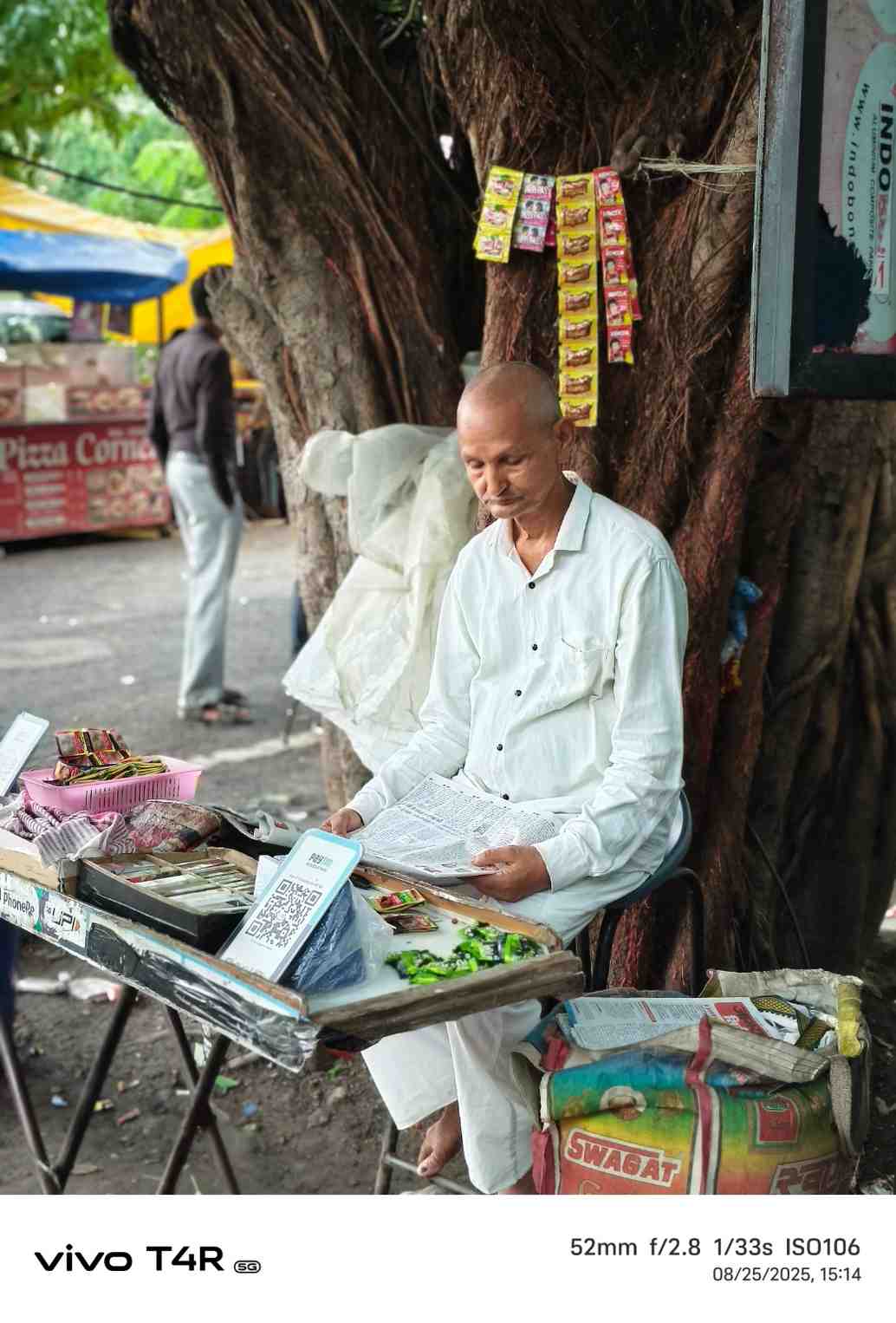
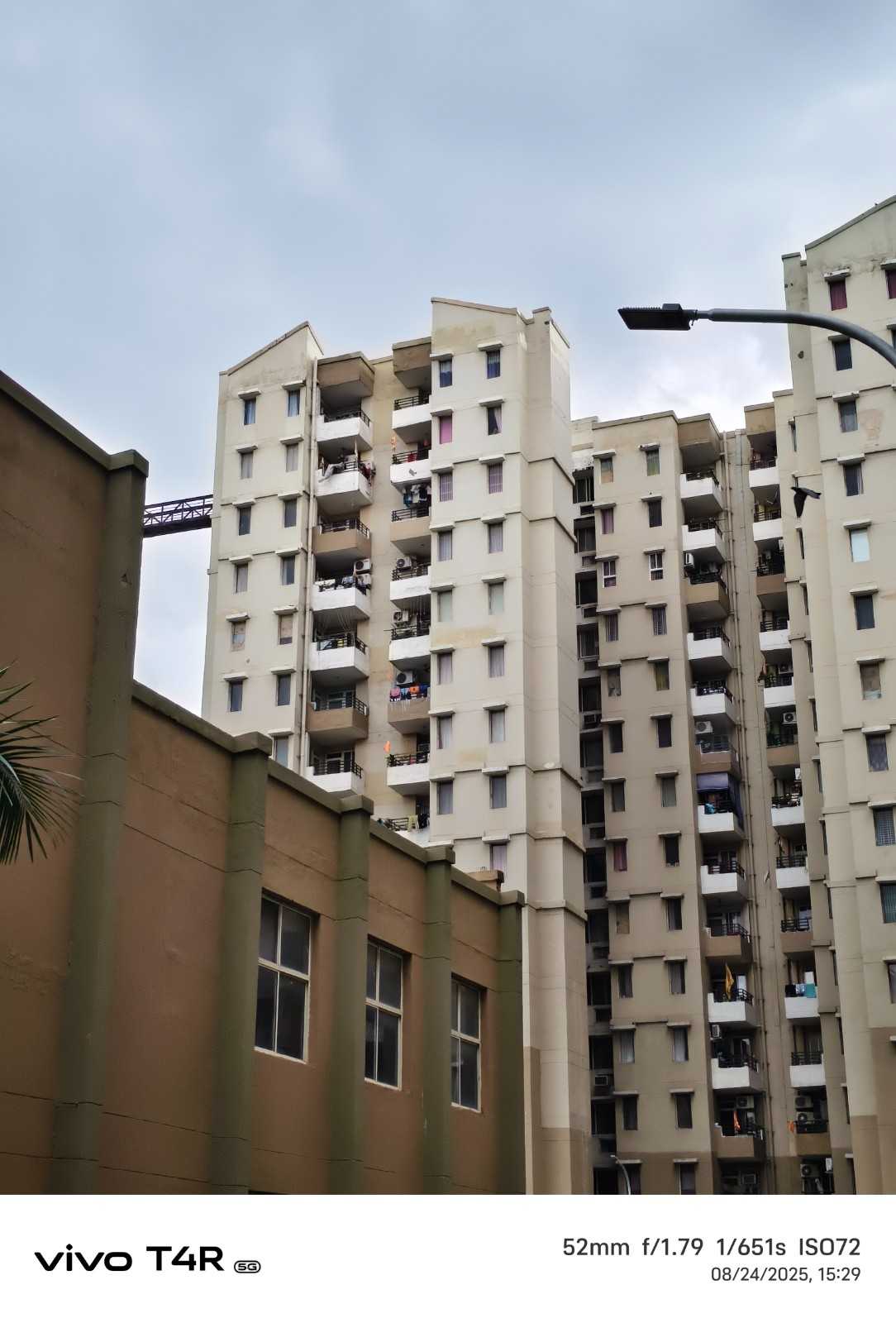
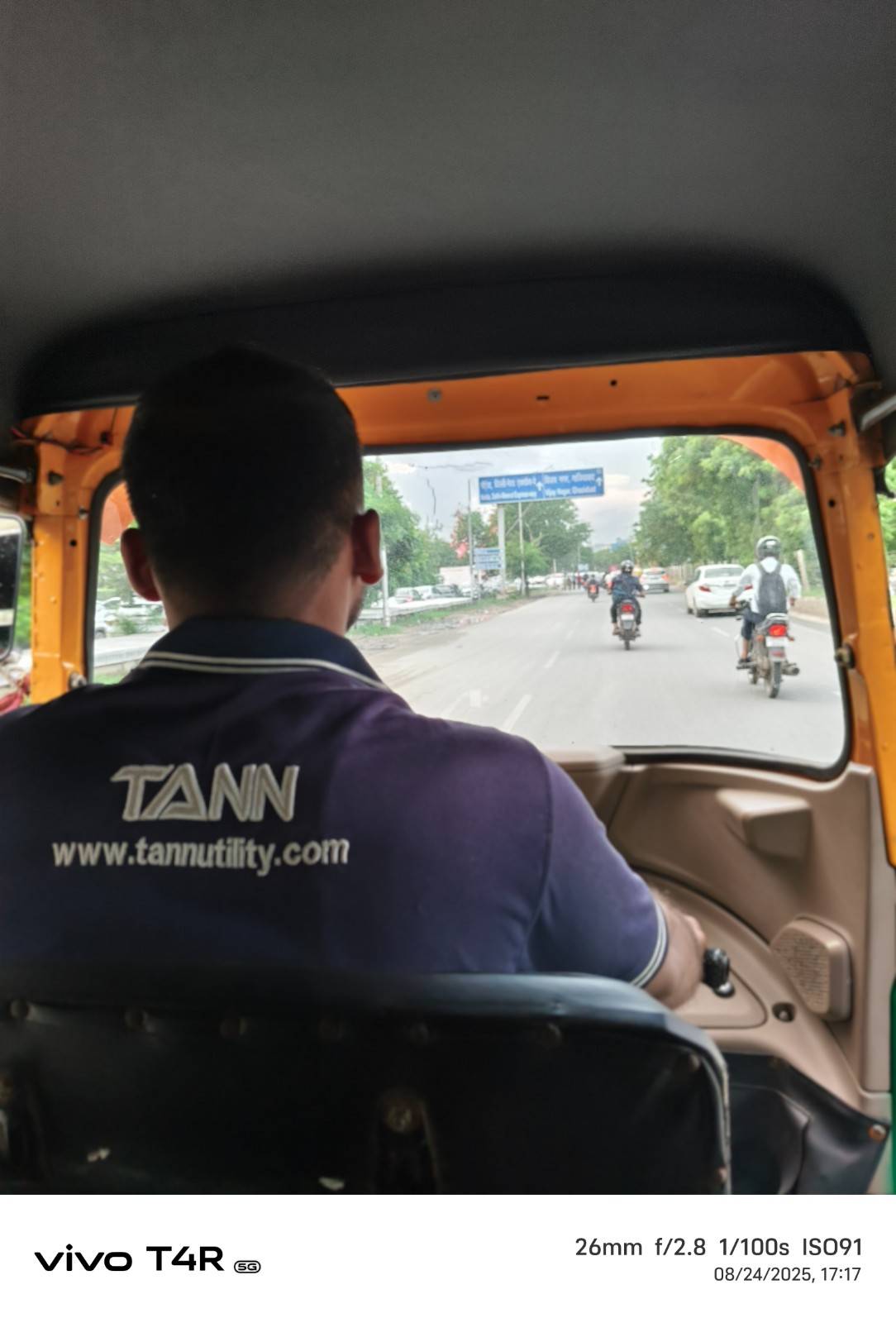
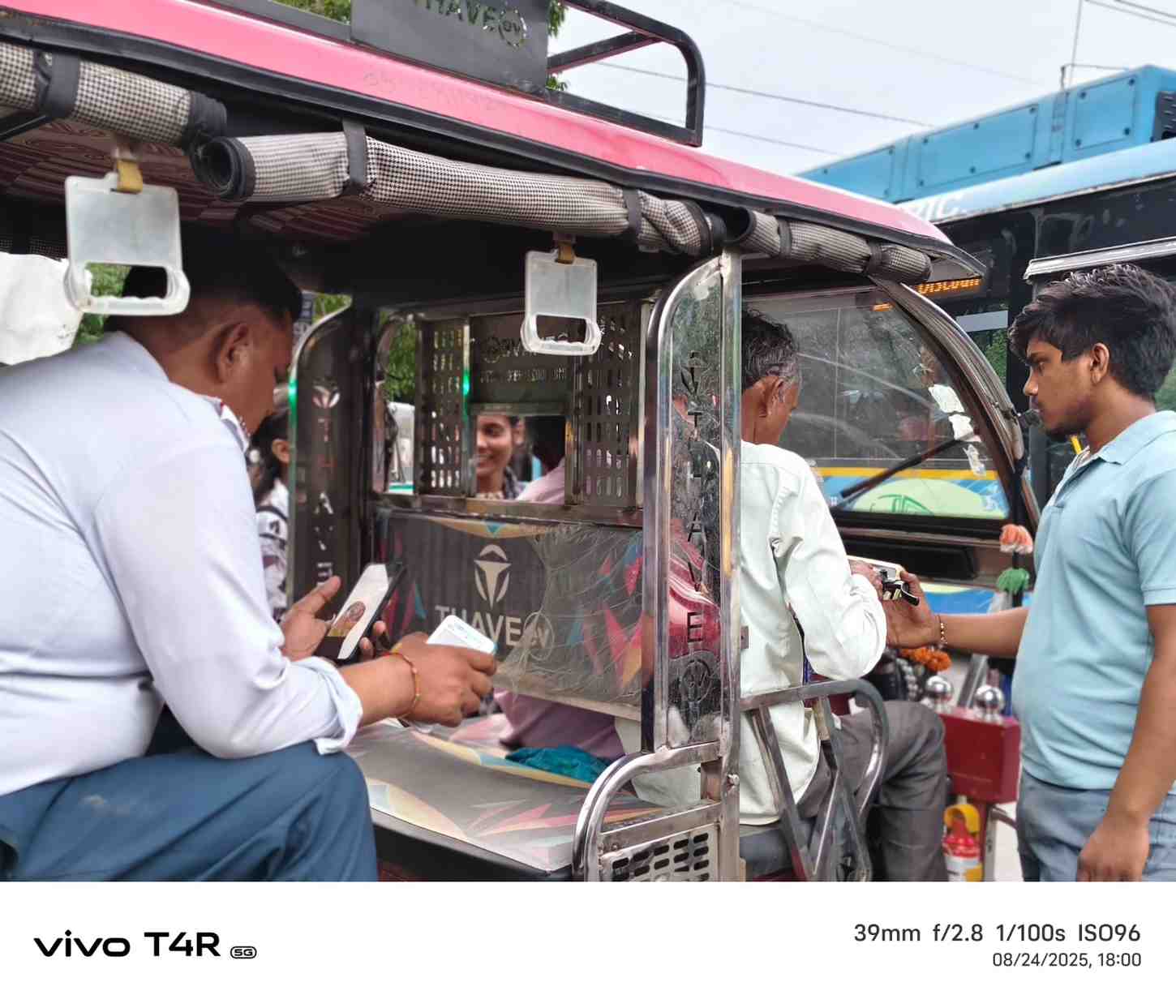

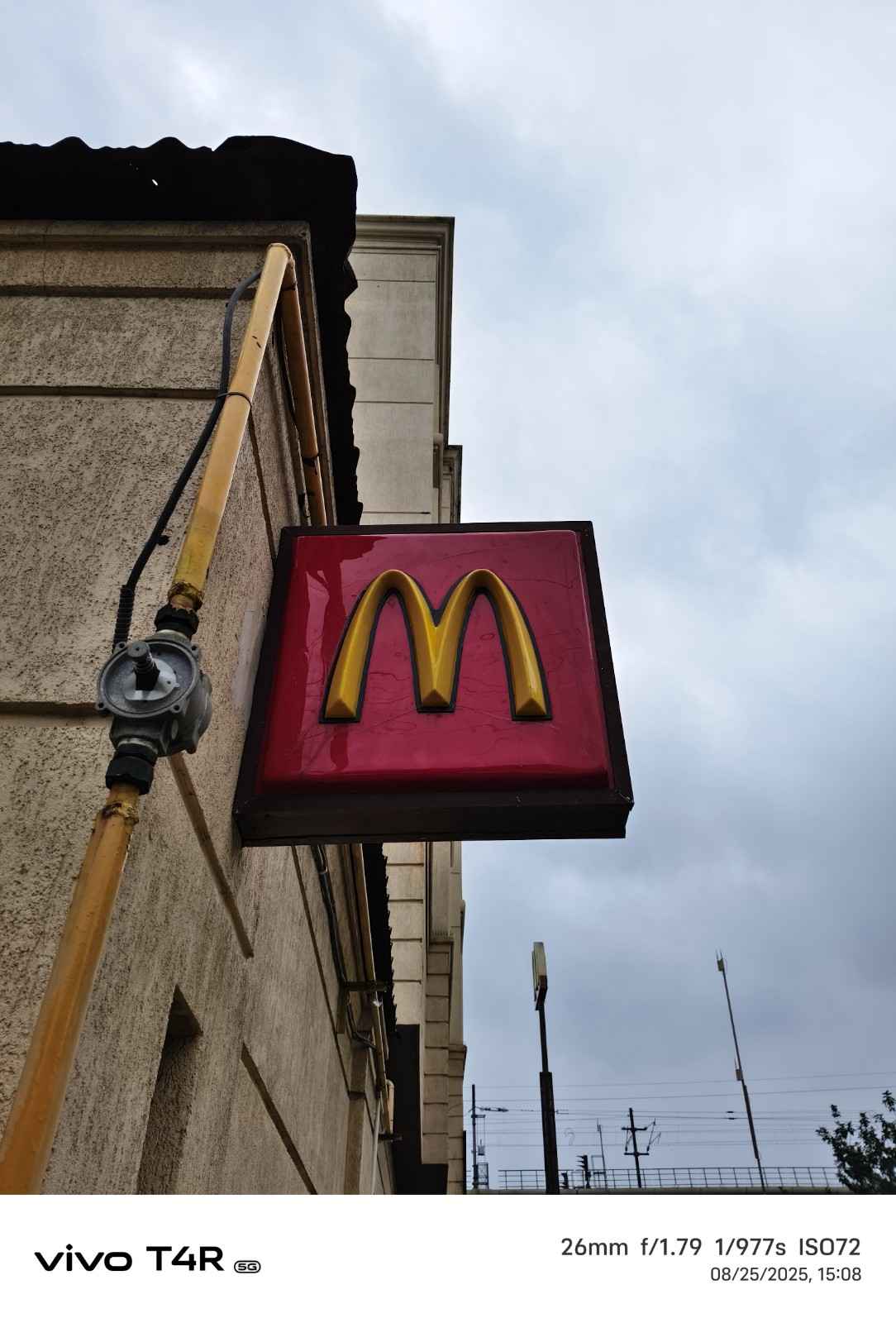

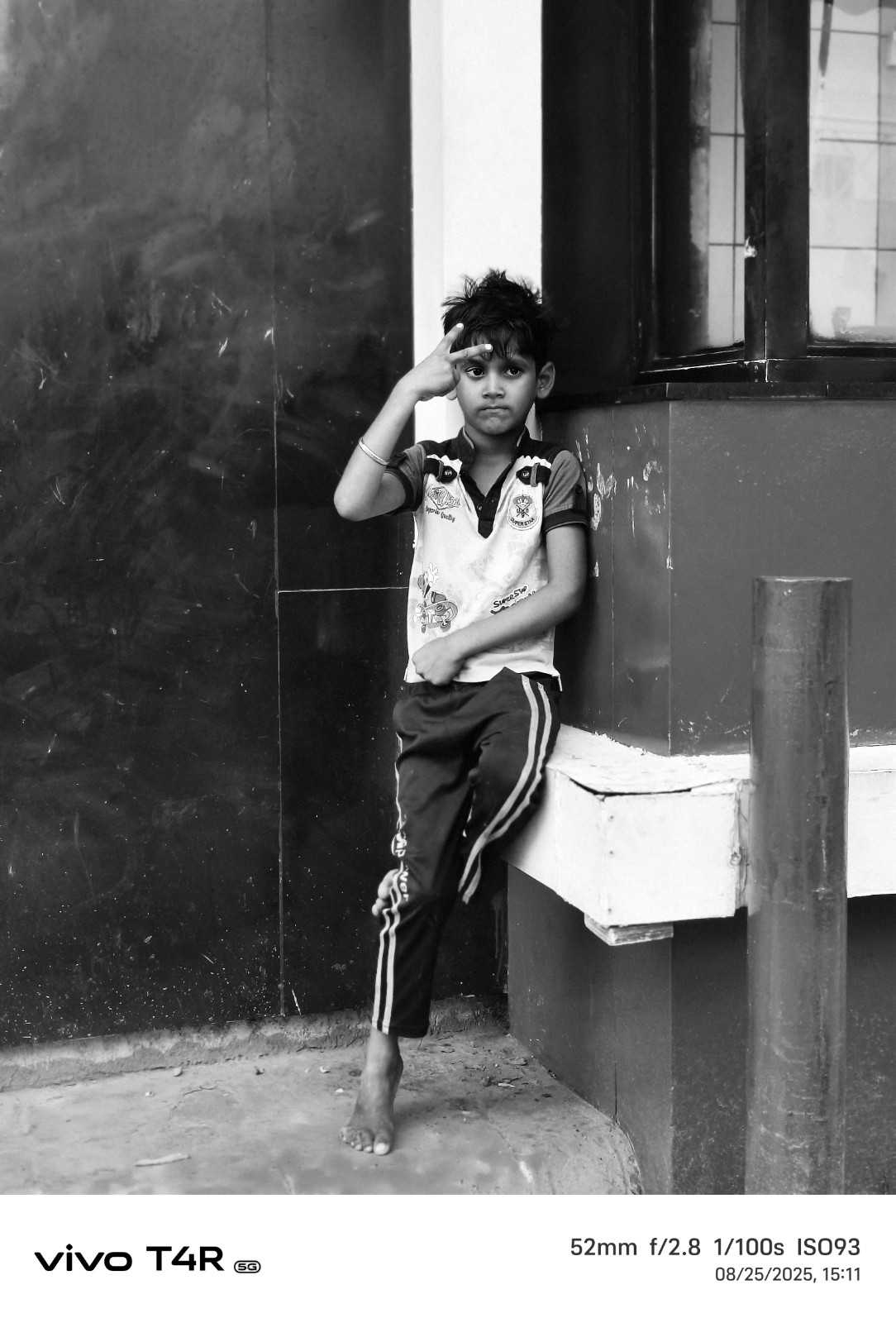


Given that its DNA traces back to Vivo, its portrait images come out stunning in bright sunlight. The subject detection and background separation work almost flawlessly. Furthermore, the human subject retains their original skin tone.
However, the main camera’s quality begins to deteriorate in low light. To start with, subtle facial details on the human subjects quickly get crushed, making them almost appear like dolls.
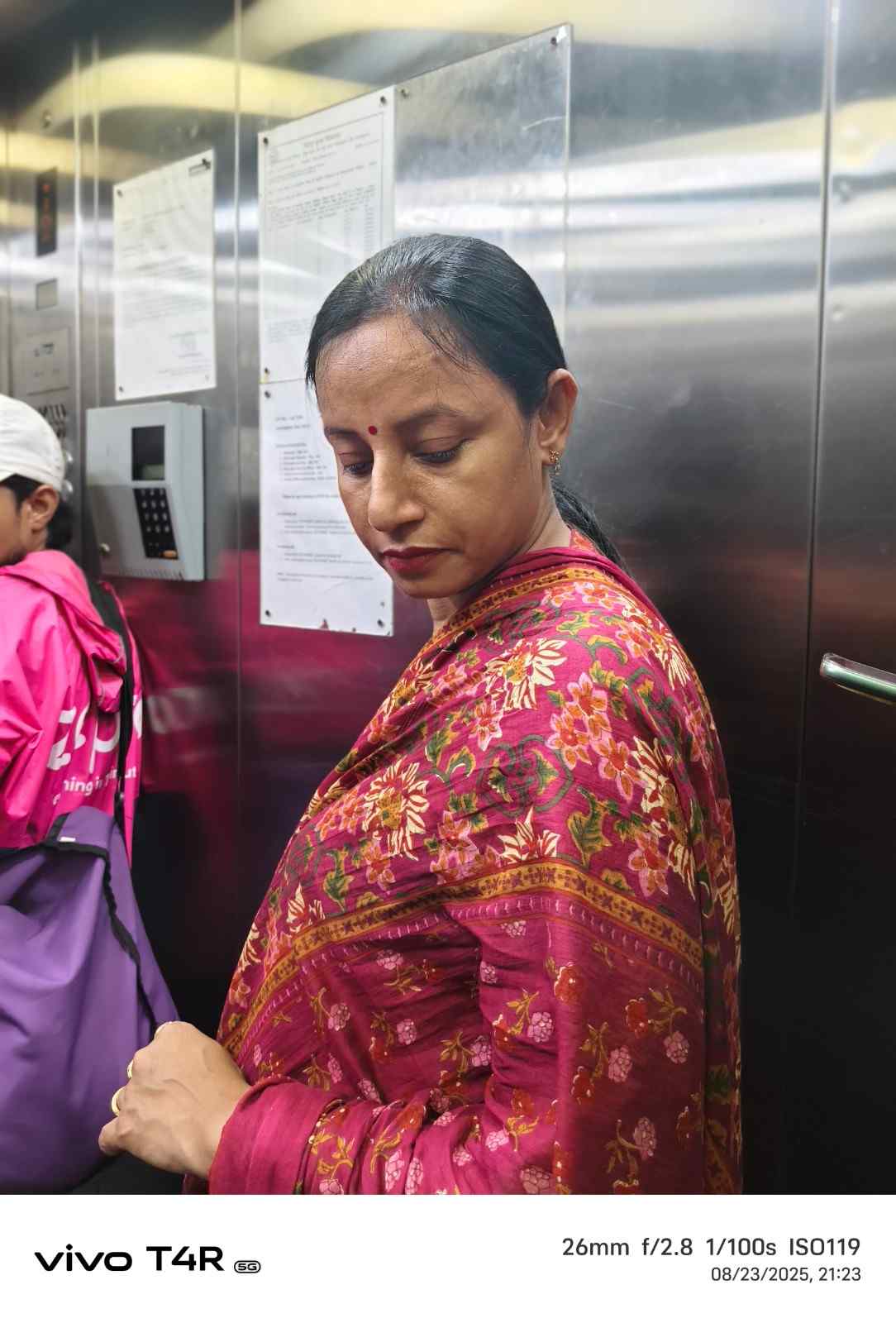


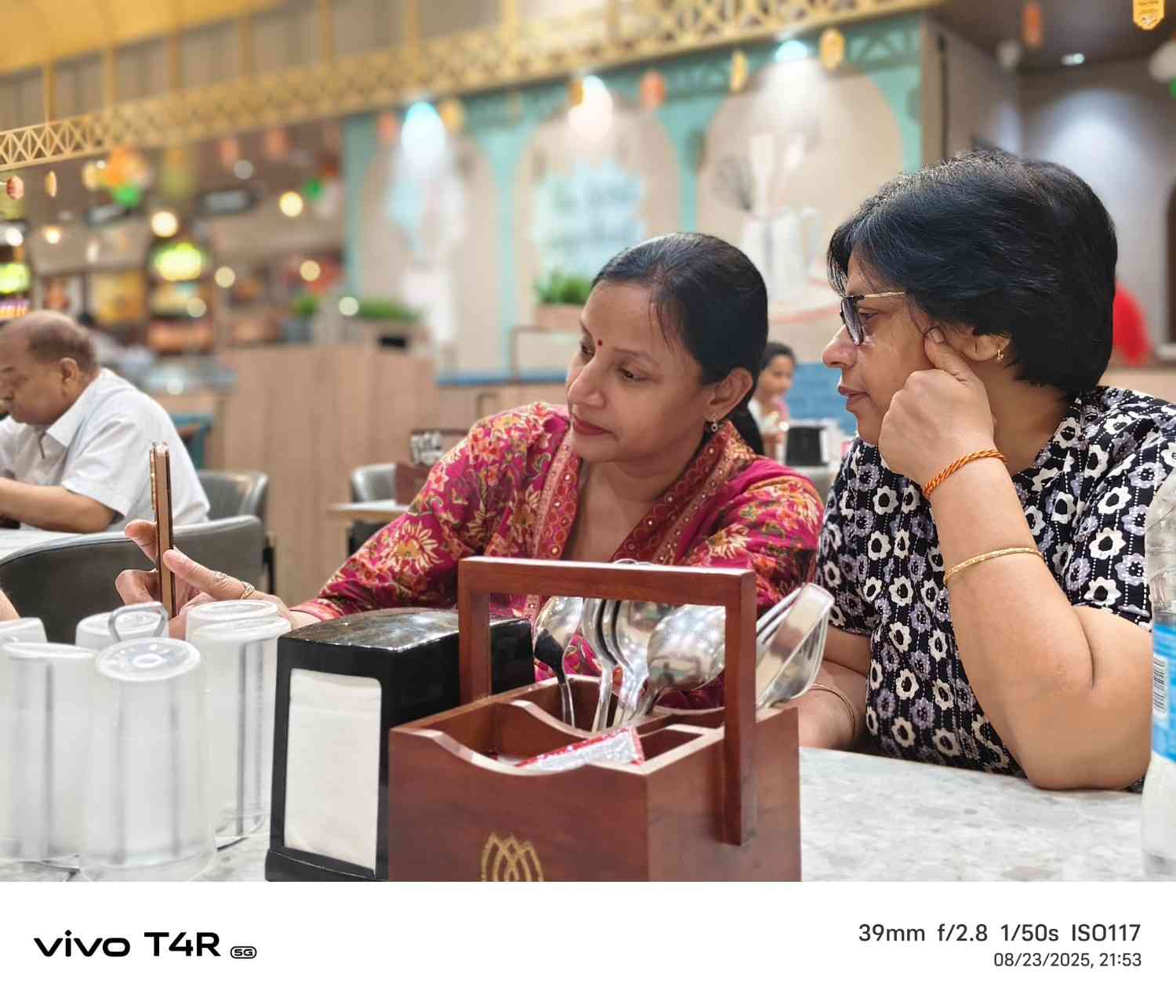

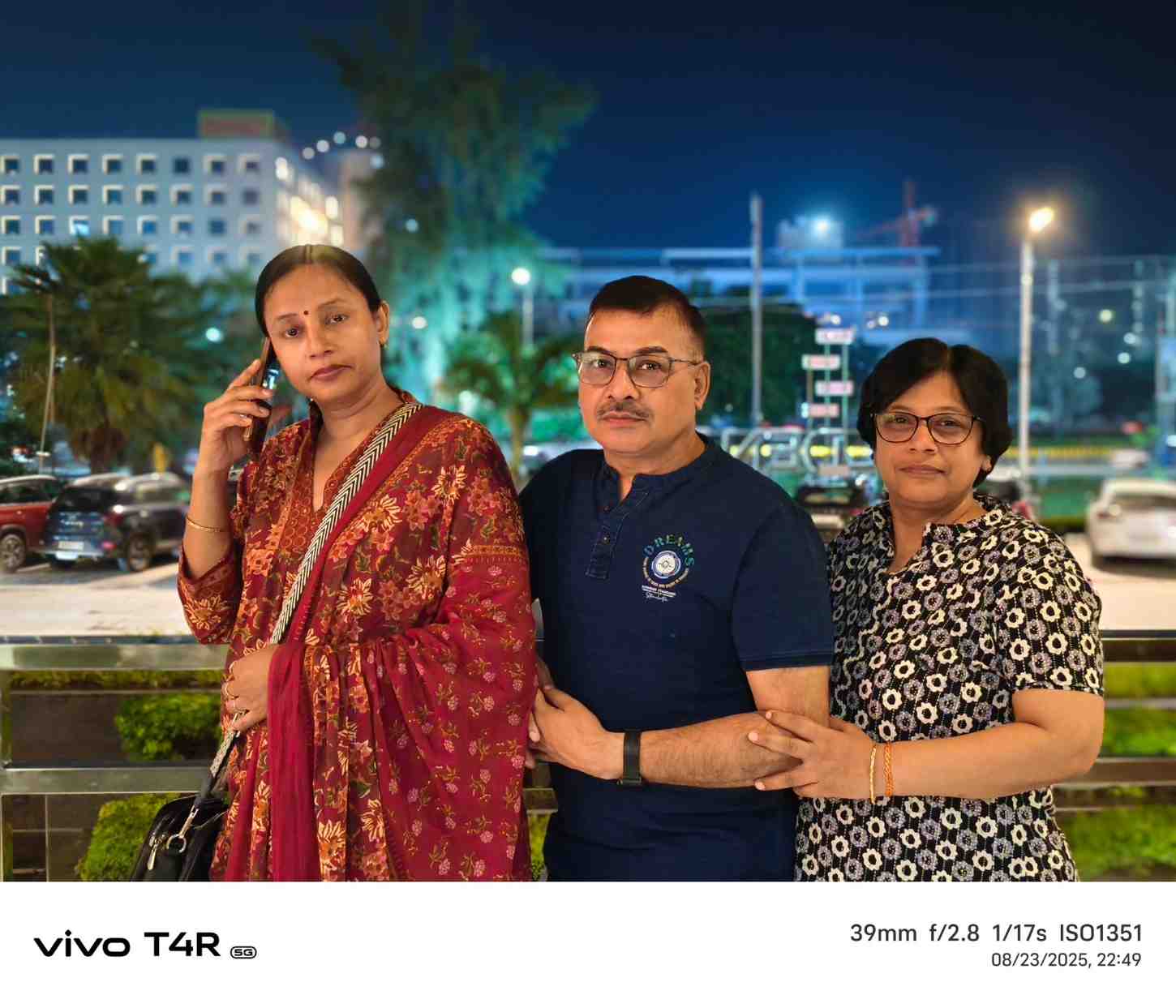
Additionally, it tends to blur the edges of subjects when trying to take portrait photography in dim lighting, which it is not intended to do. On the bright side, it continues delivering photographs with almost identical colours.

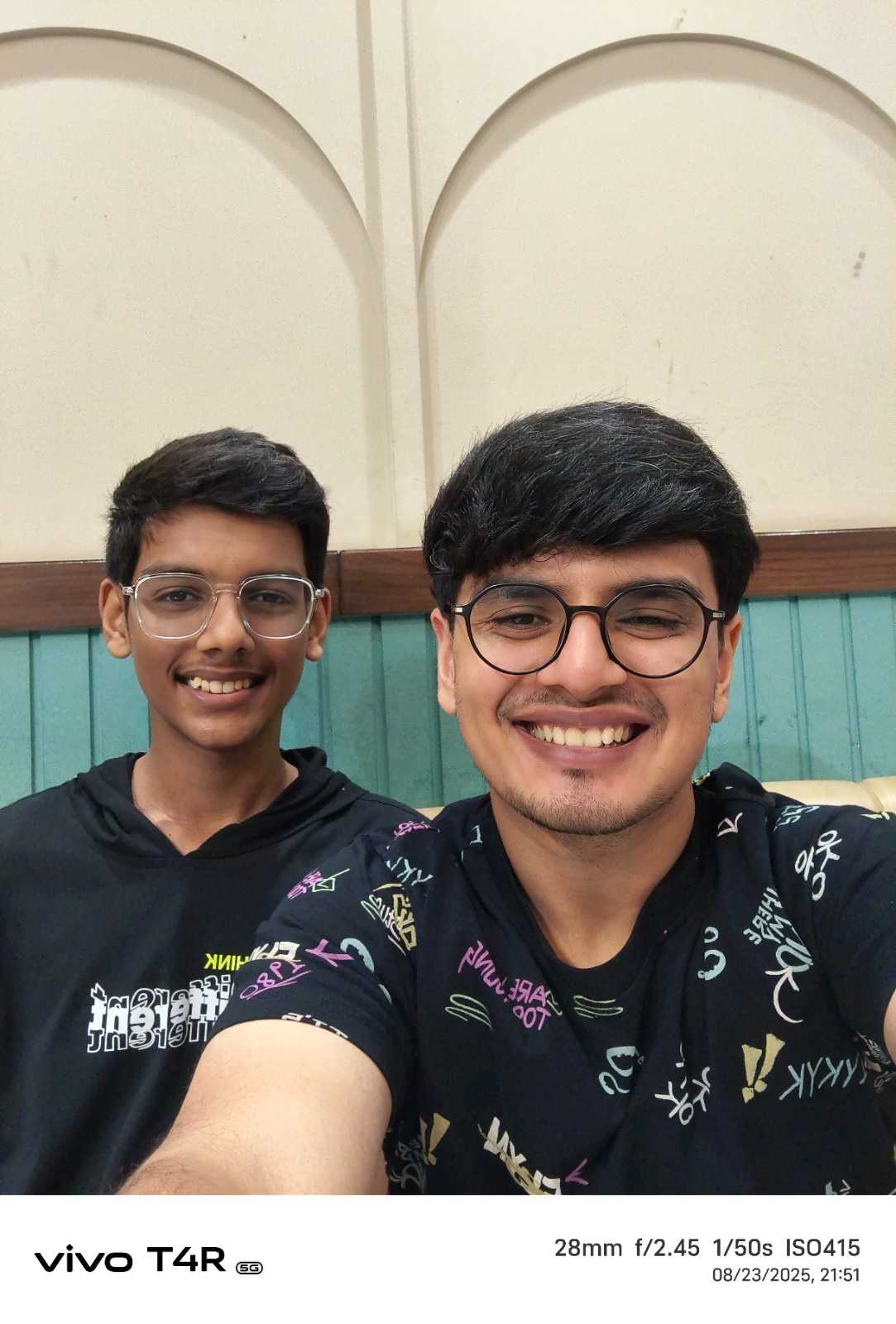
The front camera excels at capturing appealing selfies in nearly every condition; however, it struggles to preserve facial details, such as stubble, well in low light.
Battery
The T4R draws its energy from a 5,700mAh battery, which appears to be a significant downgrade compared to the large battery size of the T4x and T4. However, Vivo has still managed to excel in battery performance, achieving 21 hours on our PCMark battery test. This result surpasses that of the Realme P3 Pro and the Motorola G86 Power, both of which have larger batteries.
In real-world use, I achieved a respectable screen-on-time with the T4R on moderate usage, which included browsing social media, binge-watching series, and more. Once depleted, I used its 44W charger to refuel its battery in an hour and five minutes.
Verdict
The Vivo T4R strikes a fine balance between design, multimedia experience, and durability. It doesn’t offer a leap in performance over the T4x and features a smaller battery compared to the T4. Moreover, its operating system is likely to annoy anyone with spammy notifications. Although its camera captures pleasing photographs with nearly identical colours, it struggles to recreate the same result in low-light settings.
That said, it does offset these shortcomings by providing a vivid AMOLED screen, stereo speakers, and a rare combo of IP68+IP69 rating and MIL-STD-810H certification. For those who value durability and seek a premium feel over raw power, the T4R emerges as a winning choice for them.