Vivo’s E-series of smartphones have a reputation for delivering features that closely resemble those of their older siblings.
Vivo V40e Review
Rs 28,999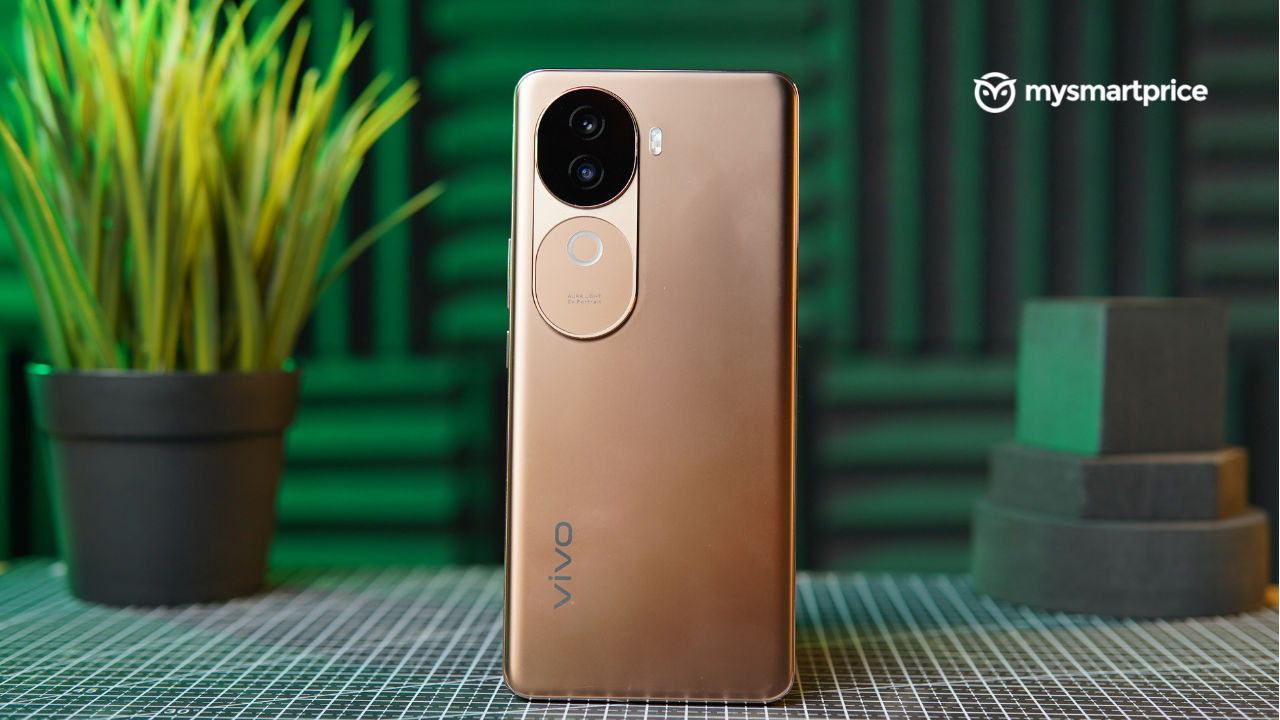
What Is Good?
- Excellent design, premium looks
- Great display, 120Hz
- Useful software features
- Reliable battery life
- Good daylight photography
- Selfie camera is so good
What Is Bad?
- Performance could have been better
- Room for improvement in portrait photography
- Bloatware, pre-installed Vivo apps
With the Vivo V40e, the company offers a sleek, premium design, cameras that do a good job, and battery life that seems to last longer than your last relationship. But is that all it brings to the table? With other smartphones in this price bracket flaunting impressive gaming experiences and tidy software, can the V40e keep up? Let’s find out in my review.
Pricing and Availability in India
The Vivo V40e is available in two variants on the vivo eStore and Flipkart.
| Variant | Pricing |
| 8GB RAM + 128GB Storage | Rs 28,999 |
| 8GB RAM + 256GB Storage | Rs 30,999 |
Design and Display
Vivo has always flaunted its premium aesthetics, and the Vivo V40e carries on the tradition flawlessly. It’s sleek, sophisticated, and undeniably gorgeous. The royal bronze colour reminds me of the Desert Titanium on the iPhone 16 Pro, but it looks even better on this smartphone. That said, the design does echo the Vivo V40 Pro and Vivo T3 Ultra, making it a bit of a challenge to tell them apart.

It’s like trying to differentiate between Pepsi, Thumbs Up, and Coke—same category, but each one has its own distinct flavour (or performance, in this case).
| Design | Specifications |
| Weight | 183 grams |
| Thickness | 7.49mm |
| Colours | Mint Green and Royal Bronze |
| IP Rating | IP64 |
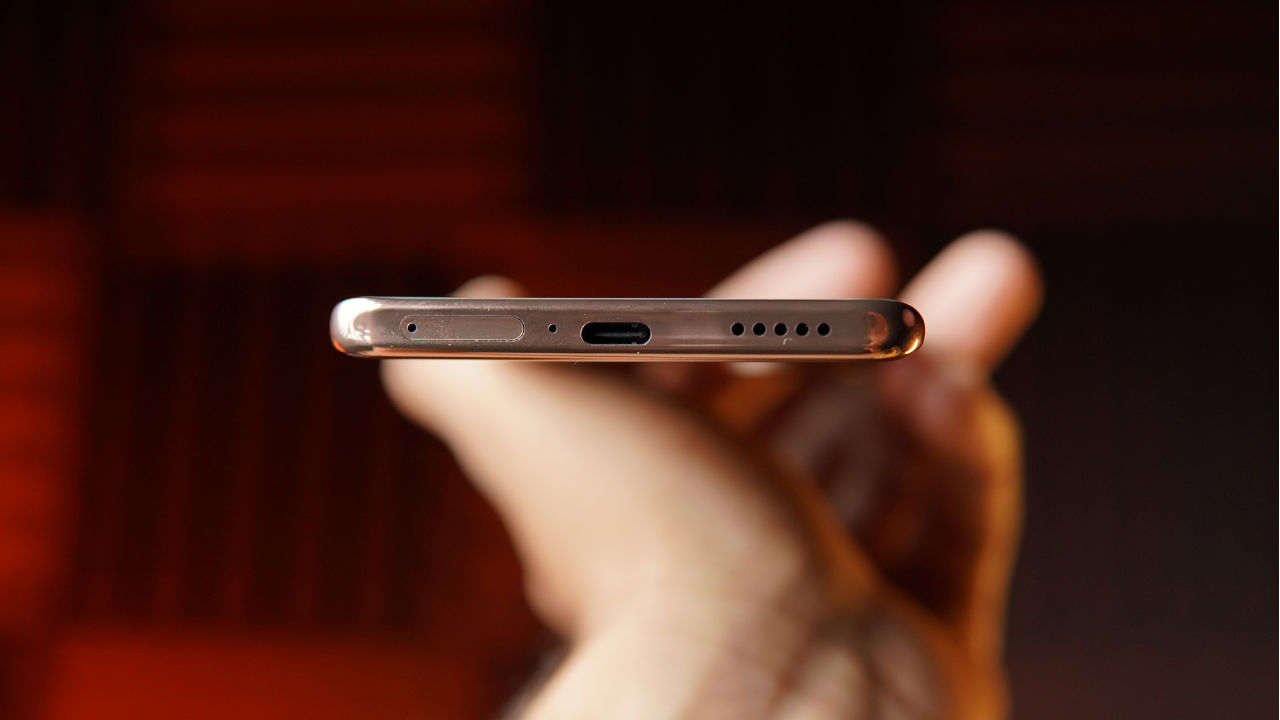
| Port and Button Placements | Bottom: SIM tray, Primary microphone, USB port, Speaker grille
Top: Secondary microphone Right Side: Power button and volume buttons |
As with most Vivo phones, it’s slim and super easy to handle. Sure, that glossy back is just begging for a drop, but a transparent case will solve that problem in no time. Now, when it comes to the IP rating, we’ve seen the Motorola Edge 50 Neo flaunt its IP68 status for under Rs 30,000, and the Edge 50 Fusion does the same for under Rs 25,000. So yes, Vivo could’ve stepped it up a bit in this department.
| Display | Specifications |
|---|---|
| Size | 6.77-inch |
| Type | AMOLED |
| Resolution | 1080 x 2392 pixels |
| Refresh Rate | 120Hz |
| Peak Brightness | Tested: 1642 nits |
| Minimum Brightness | 11 nits |
The display is generously sized with just a hint of curve around the edges. I did deal with a few accidental taps here and there because of those curved edges. Still, the whole experience screams premium.
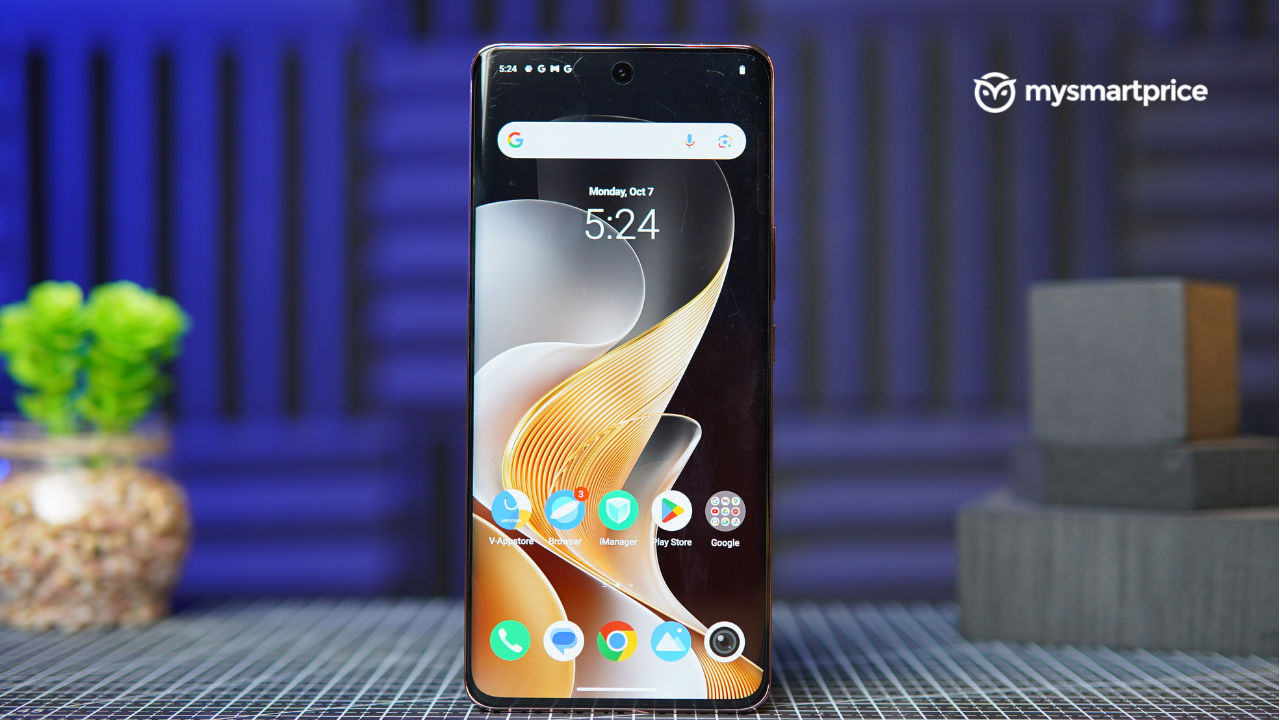
I watched The Intern on Netflix, and let me tell you, the display was impressive. With Widevine L1 and HDR10 in the mix, you can bet the colours and video quality are on point. However, when holding it in landscape mode, I noticed some audio vibrations sneaking up on the back.
At 100 per cent volume, the audio stays crisp and clear. But if you push it to 200 per cent or the ultra boost of 300 per cent, that’s when I noticed distortion and severe vibrations on the back panel.
Performance and Software
Just like the Vivo V40e, the iQOO Z9s, Motorola Edge 50 Neo, and even the CMF Phone 1 pack the MediaTek Dimensity 7300 SoC. When it comes to benchmarks, the Vivo V40e trumps its predecessor—the Vivo V30e—but the iQOO Z9s managed to sneak ahead, despite sitting in the sub-Rs 20,000 bracket.
| Hardware | Specifications |
| Processor | MediaTek Dimensity 7300 |
| RAM | Up to 8GB |
| Storage | Up to 256GB UFS 2.2 |
| Storage Test | 689964 |
| CPU Throttling Test | 92 per cent of its max performance |
| Software Version | Funtouch OS 14 |
| Connectivity Details | Dual-band Wi-Fi, Bluetooth 5.4 |
While the 120Hz refresh rate made the scrolling experience smooth, I still noticed a few random hiccups. Not a dealbreaker, but after a while, it got mildly irritating. This is something you would not expect from a phone that costs this much. I hope this is fixed with an update sooner rather than later.
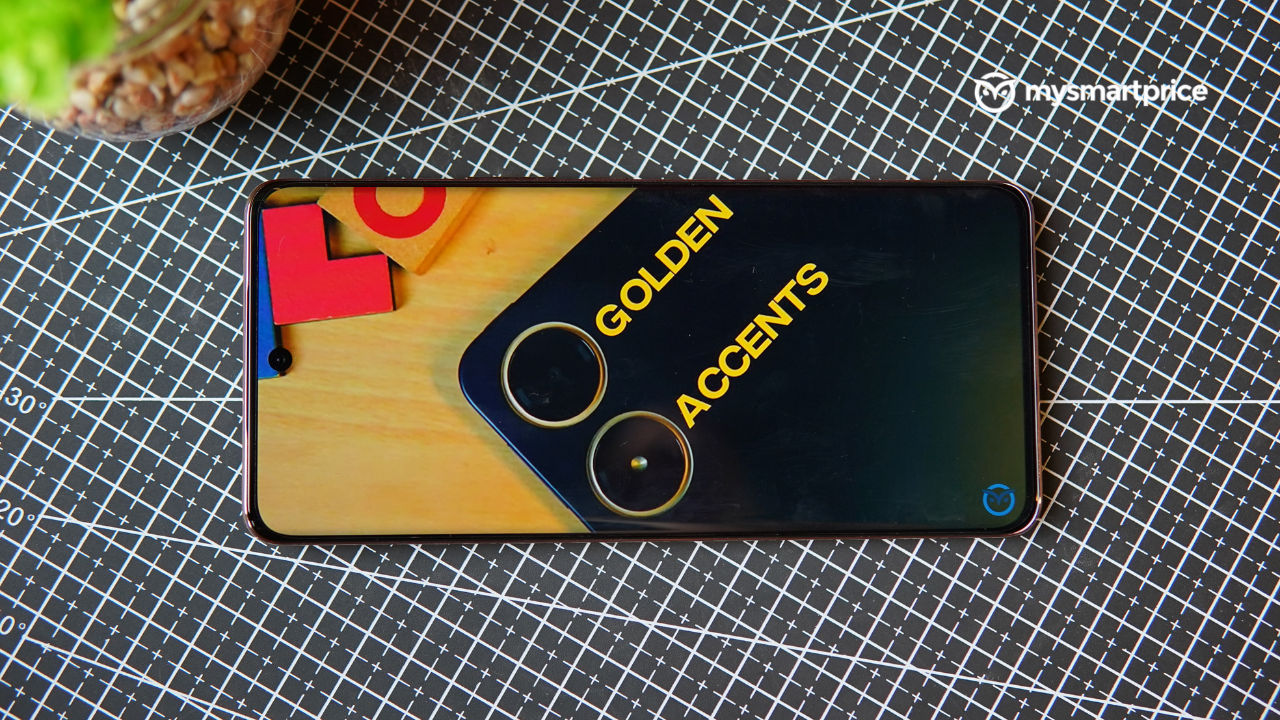
For gaming, I jumped into Call of Duty: Mobile. In High and Max settings, the game hit 60 fps, with occasional dips to 57 fps. Not exactly a disaster, but those lags? They definitely added some chaos to the experience. Overall, the gameplay was…just okay. In Low and Very High settings, the top of the phone got uncomfortably hot. So, if you’re chasing pure performance, you’ll want to check out the iQOO Z9s or Realme 13 Plus.
Now, on the software front, no spam notifications, which is a win. But of course, there are still some bloatware and pre-installed Vivo apps and sadly, some of them can’t even be deleted.

That said, I did appreciate the split-screen for multitasking, the handy shake-to-turn-on-the-flashlight feature, and face beauty for video calls. But the standout? Dynamic Light. The aura light on the back lights up when you get calls and notifications, which is actually pretty neat.
Cameras
The Vivo V40e has the same camera setup as the Vivo V30e—no changes on the rear or selfie front. A little upgrade would’ve gone a long way here.
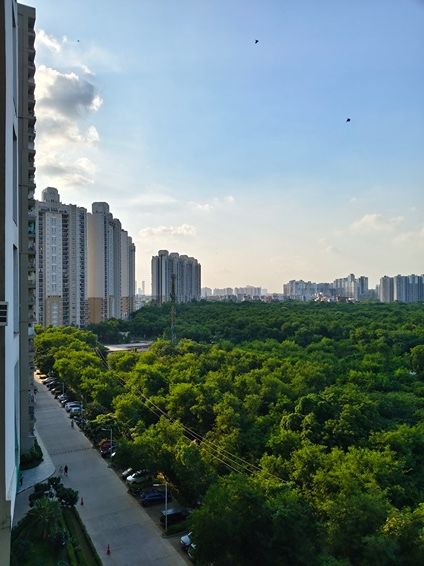

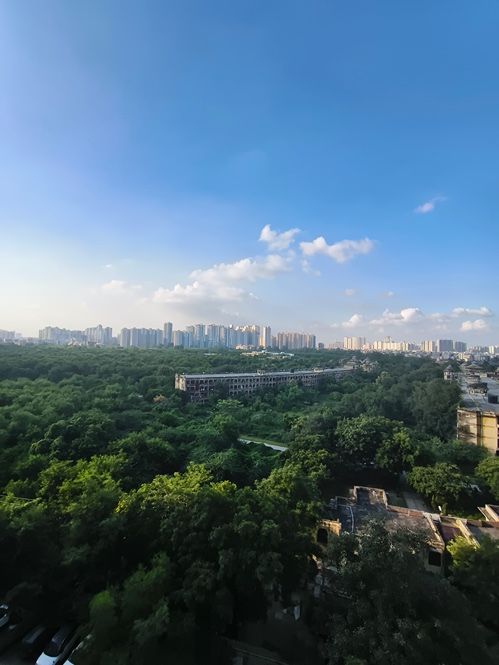
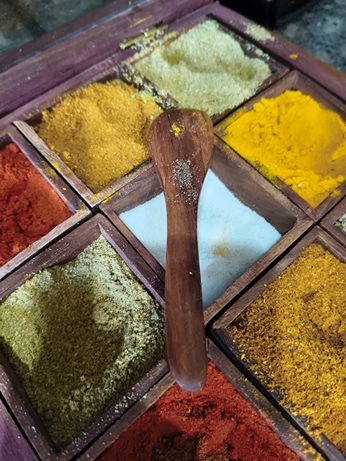
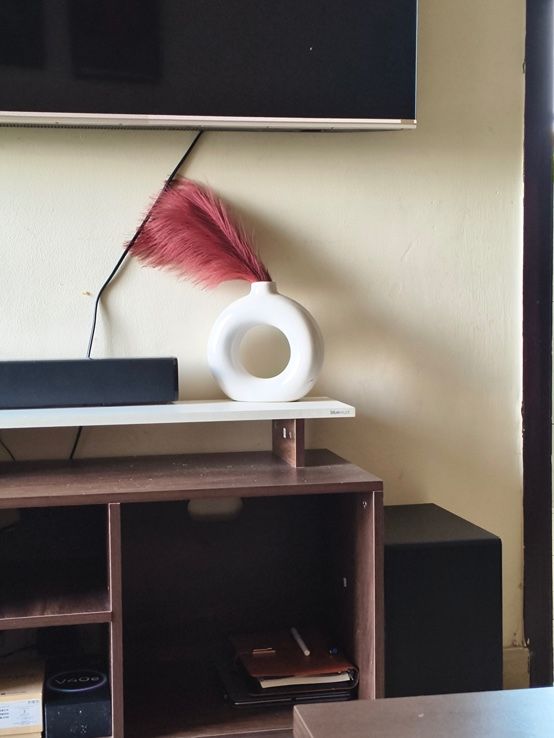
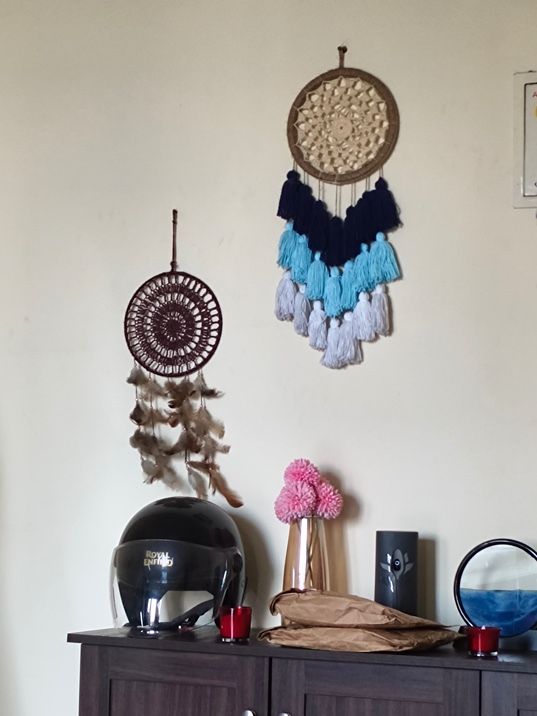
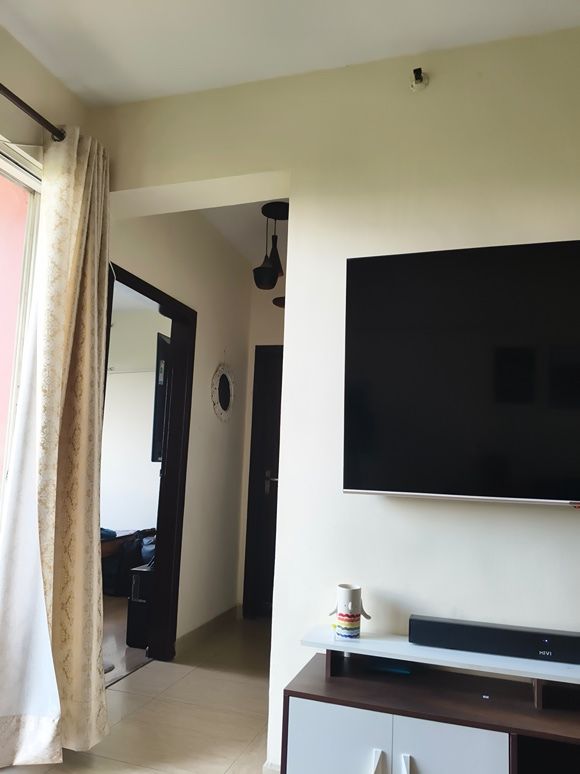

The camera performance has improved just enough to be noticeable. Daylight shots come through with more vibrant colours, but there’s still some grain creeping in—a familiar issue from the V30e. Sometimes, though, the colours can feel off due to aggressive image enhancement.
| Camera | Specifications |
| Primary Camera | 50-megapixel main camera with OIS Sony IMX882, f/1.79 aperture |
| Secondary Camera | 8-megapixel wide-angle camera, f/2.2 aperture |
| Selfie Camera | 50-megapixel JN1 AF selfie camera, f/2.0 aperture |
| Aura Light | Smart colour temperature adjustment |
| Video Recording Capabilities | Up to 4K at 60fps |
In portrait mode, lighting can completely mess with skin tones, leaving them altered in unexpected ways. And in some cases, the whites of the eyes look unusually bright, adding an almost artificial look. On the plus side, edge detection remains solid.


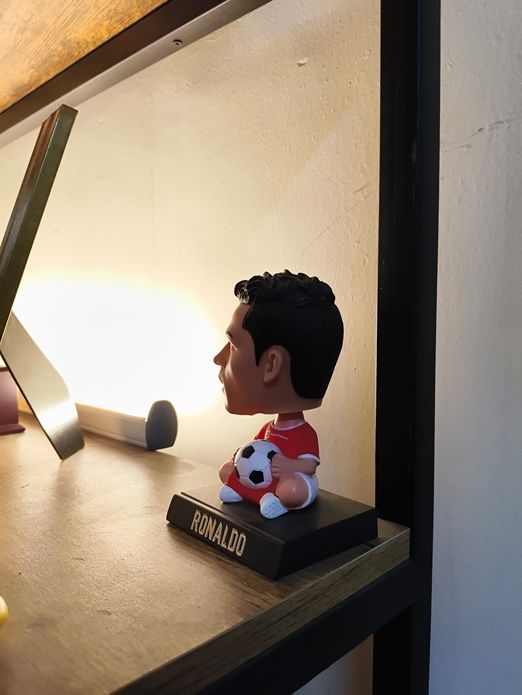

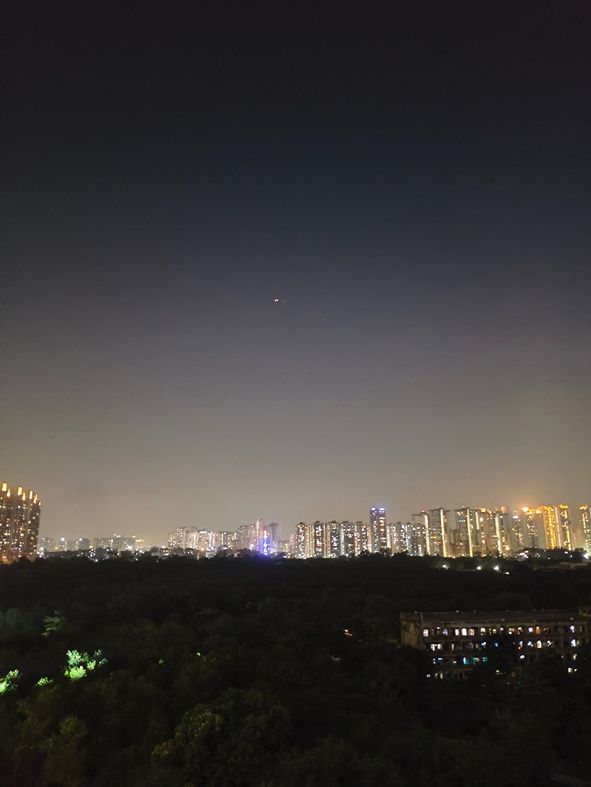
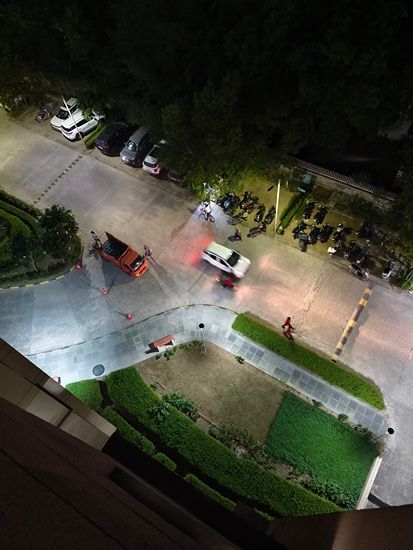
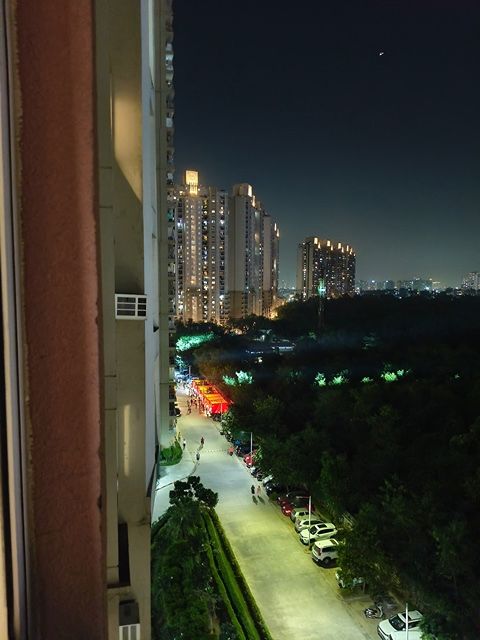
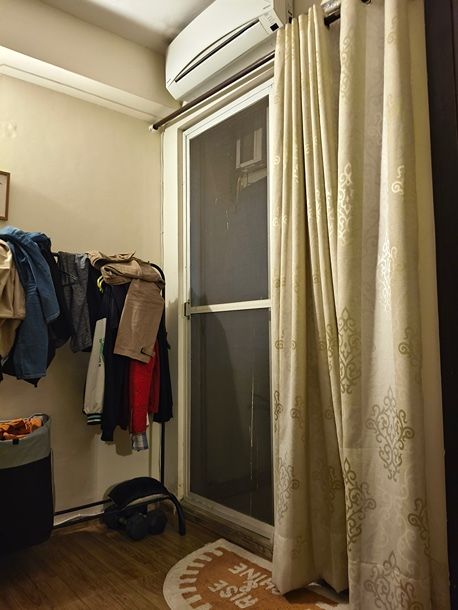
The ultra-wide camera brings a much broader field of view, and thankfully, it avoids the dreaded distortion effect that was a bit too common on the V30e.
As for low-light performance, while photos are sharper, they’re still not on par with what the Motorola Edge 50 Neo delivers. And yes, lens flare is a recurring issue on the Vivo V40e, often detracting from the overall shot.



The selfie camera on this phone is SO good. It nailed my skin tone and even caught those rebellious pores. Honestly, this might just be one of the best selfie cameras I’ve ever used.
Battery and Charging
The Vivo V40e is super slim, but it doesn’t skimp on battery power—think of it as being lean without losing the muscle. I think Vivo has pretty much mastered this area.
I charged it up with the 80W flash charger, and it took a little over an hour. While it’s not the fastest, it’s definitely not slow either.
| Battery | Specifications |
| Battery | 5500mAh |
| Charging Adapter | 80W FlashCharge, charger in the box |
| Charging Time | 1 hour 3 minutes |
| PCMark Battery Test | 18 hours 22 minutes |
The PCMark battery test results caught me off guard—it held up for quite a while. In this price range, the OnePlus Nord 4 was two minutes short of the V40e, and the Vivo V30e, well, it clocked out at 14 hours and 20 minutes.
On a full charge, this phone easily powers through almost two days with light to moderate use. If you’re a heavy user, it’ll hold up for just over 24 hours.
Vivo V40e Review: Verdict
The Vivo V40e boasts a sleek design that closely resembles the Vivo V40 Pro, featuring a stylish curved display bursting with bright colours, cameras that manage to perform decently, and battery life that hangs in there like a loyal friend. Plus, the performance is well-balanced, complemented by some pretty impressive software features.
However, if you’re on the hunt for a smartphone that can tackle gaming like a champ, you might want to check out the OnePlus Nord 4 and the Poco F6 in this price range. But if you’re all about the good looks—good looks and more good looks—this phone is the ideal Poo in K3G.