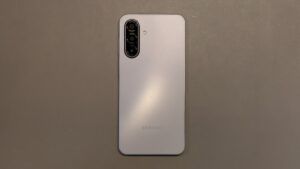
The Vivo X100 Pro was already a stellar performer in the camera department. It offered a stunning blend of hardware and software, delivering exceptional image quality. Yet, Vivo wasn’t content. They’ve pushed the boundaries further with the X200 Pro, introducing a series of improvements that make it an even more formidable camera phone. Even beyond its camera prowess, the X200 Pro offers a compelling package. Be it reforms in battery, performance or design, this is a meaningful upgrade in every regard, at least on paper. And it does it all without breaking the one lakh barrier. But does that mean you should get it? Find out in my review.
Vivo X200 Pro
Rs 94,999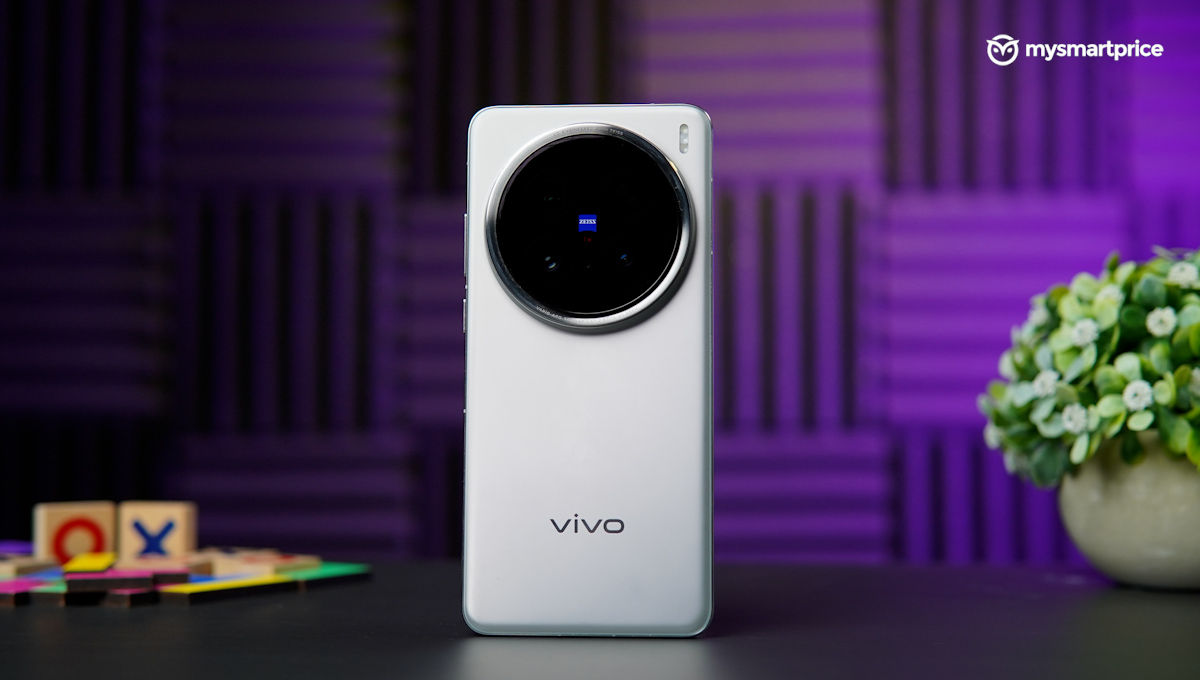
What Is Good?
- Remarkable improvements in telephoto and video
- Responsive, easier-to-use display
- Great in-hand feel
- Top-tier performance
- Great battery for a compact phone
What Is Bad?
- Ultrawide camera’s low-light video quality could be better
- CPU can throttle under high loads
What’s new?
Here’s a glance at all the new things the Vivo X200 Pro has to offer.
Camera
- There’s very little difference between what the viewfinder shows and what the final image looks like. The processing time has also been reduced drastically.
- The telephoto camera has been fitted with a whopping 200-megapixel sensor along with the existing ZEISS APO floating lens mechanism.
- Video capabilities have been enhanced, with better bitrate for 1080p footage and higher frame rates for 4K.
- New modes have been introduced (Landscape, Humanistic, etc).
Performance and software
- The new MediaTek Dimensity 9400 SoC only has big cores (for both, performance and efficiency tasks).
- Our tests reveal a 24% increase in AnTuTu benchmark scores.
- The new version of Funtouch OS running on Android 15 has improved considerably in terms of polish and smoothness.
Battery
- This is the first Vivo phone to feature a semi-solid state battery, which claims to survive extremely low temperatures.
- Our initial testing reveals a day and a half worth of regular use on a single charge.
Form Factor
- The X200 Pro is noticeably smaller in footprint compared to its predecessor.
- The boxy design (with minimal screen edges) is in sync with the current flagship trends.
- The new Titanium Gray variant looks stunning.
Let’s dive into each of these one by one.
Camera
To outshine its predecessor, the X100 Pro, Vivo honed in on three key areas: telephoto capabilities, video recording, and non-human subject photography. Here’s a look at the specifications before diving deep into the experience:
| Cameras | Vivo X200 Pro | Vivo X100 Pro |
| Primary camera | 50-megapixel (Sony LYT-818), 23mm, ƒ/1.57 aperture, OIS | 50-megapixel (Sony IMX 989), 23mm, f/1.8 aperture, OIS |
| Ultrawide angle camera | 50-megapixel, 15mm, f/2.0 aperture and 119° field-of-view | 50-megapixel, 15mm, f/2.0 aperture and 119° field-of-view |
| Telephoto camera | 200-megapixel (Samsung HP9), 85mm (3.7x optical zoom), ƒ/2.7 aperture | 50-megapixel, 100mm (4.3x optical zoom), f/2.5 aperture |
| Selfie camera | 32 MP, f/2.0 aperture, 20mm | 32-megapixel camera, f/2.0 aperture, 20mm |
| Other features | Vivo V3+ chip, CIPA 4.5 stabilisation rating, ZEISS optics, ZEISS T* lens coating on all lenses, floating lens mechanism (telephoto), | Vivo V3 chip, CIPA 4.5 stabilisation rating, ZEISS optics, ZEISS T* lens coating on all lenses, floating lens mechanism (telephoto) |
| Video capabilities | 8K, 4K, 1080p, gyro-EIS, Cinematic mode (4K), LOG video recording | 8K, 4K, 1080p, gyro-EIS, Cinematic mode (4K) |
 Telephoto performance
The crown jewel of the X200 Pro’s camera system is undoubtedly its 200-megapixel HP9 sensor. This departure from Vivo’s traditional reliance on Sony sensors proves to be a strategic move, offering superior in-sensor zoom, light sensitivity, and autofocus speed.
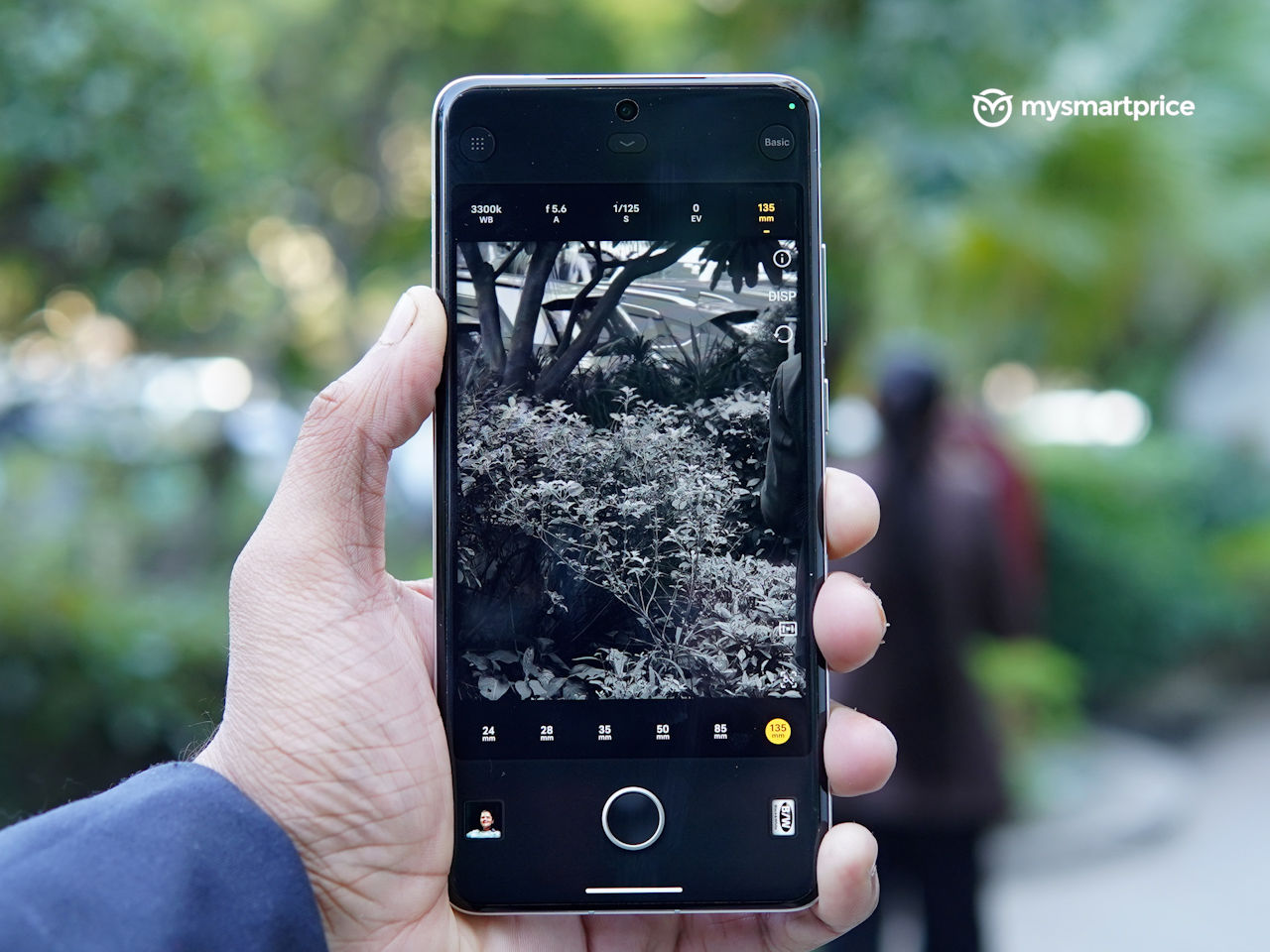
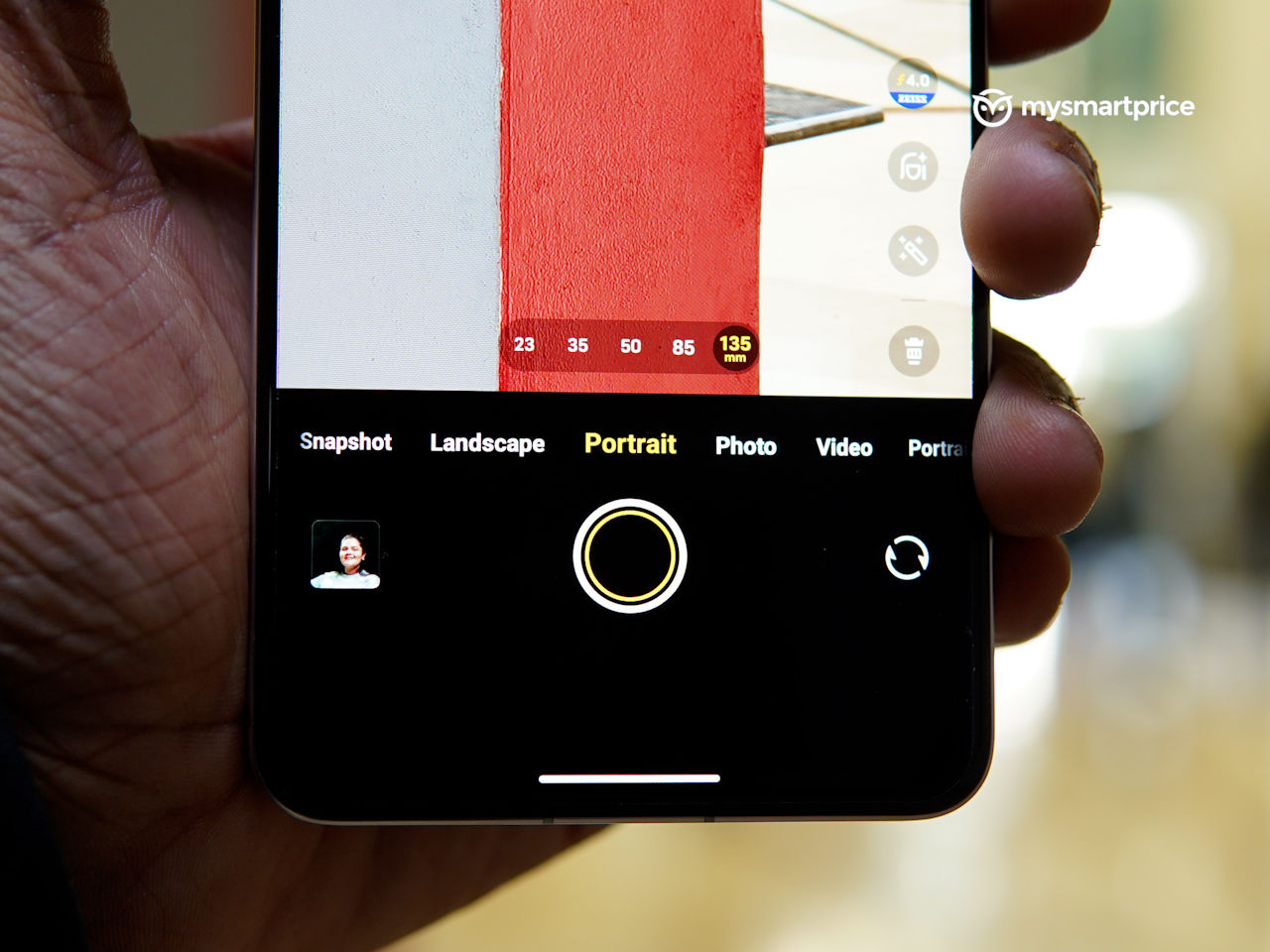
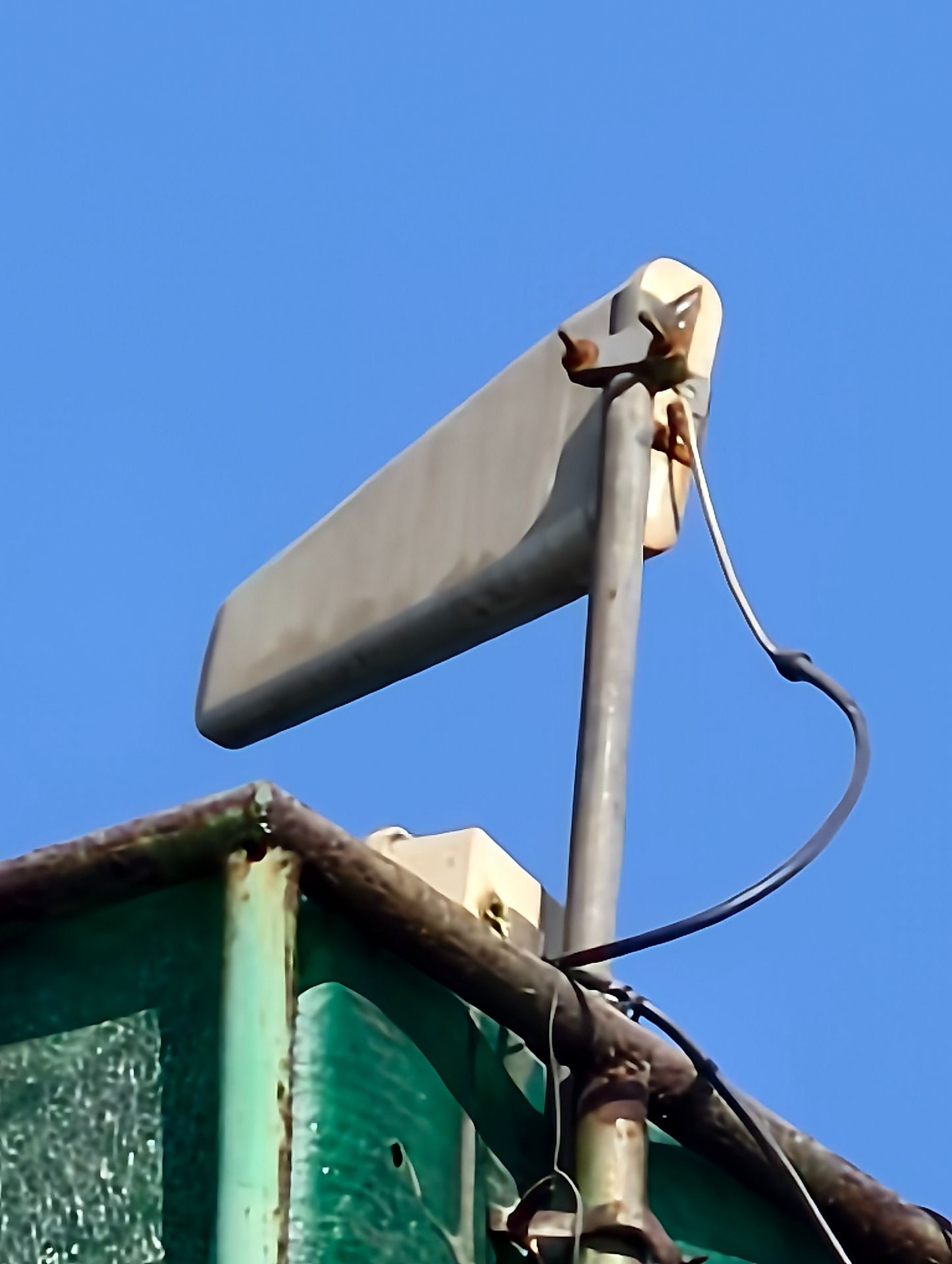
Coupled with Vivo’s advanced AI imaging algorithms, the X200 Pro delivers nearly lossless photos up to 10x zoom, a truly remarkable feat. Moreover, the 200MP mode empowers users to capture advertising-quality images.
While the X200 Pro’s telephoto prowess is impressive, optical physics often poses challenges, particularly in the form of chromatic aberration, which can degrade image quality at higher zoom levels. To mitigate this issue, Vivo has incorporated a unique fluorite-grade glass lens into the telephoto camera. This innovative solution effectively reduces chromatic aberration, resulting in significantly improved low-light image quality.

I have uploaded the images in a Drive link for your reference. Do check them out.
Video recording capabilities
The X200 Pro allows you to shoot 4K video at up to 120 fps and 8K at 30 fps. You also get to shoot in Vivo proprietary LOG at up to 4K 60 fps. It comes with a handy little preview LUT, which helps you adjust lighting and colours while shooting according to the scene.
The 1080p video output has been significantly enhanced, appearing notably clearer, especially in low-light conditions. A closer inspection of the video properties reveals a higher bitrate compared to its predecessor, contributing to the improved visual quality.
Non-human subject photography
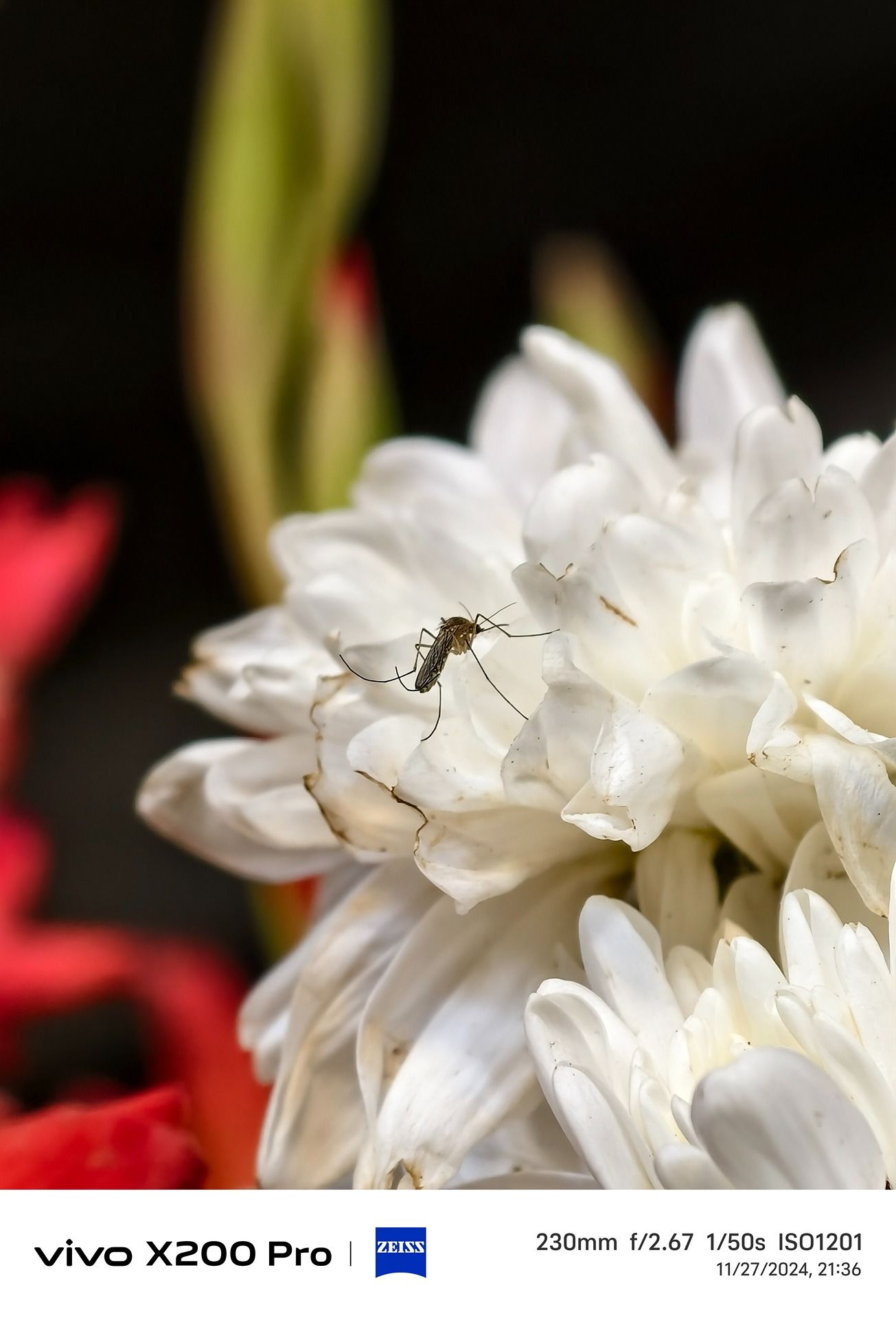
Previously, Vivo’s X series primarily focused on mastering human portraits. The X200 Pro takes a step in the right direction to make strides in landscape, super macro and astrophotography.
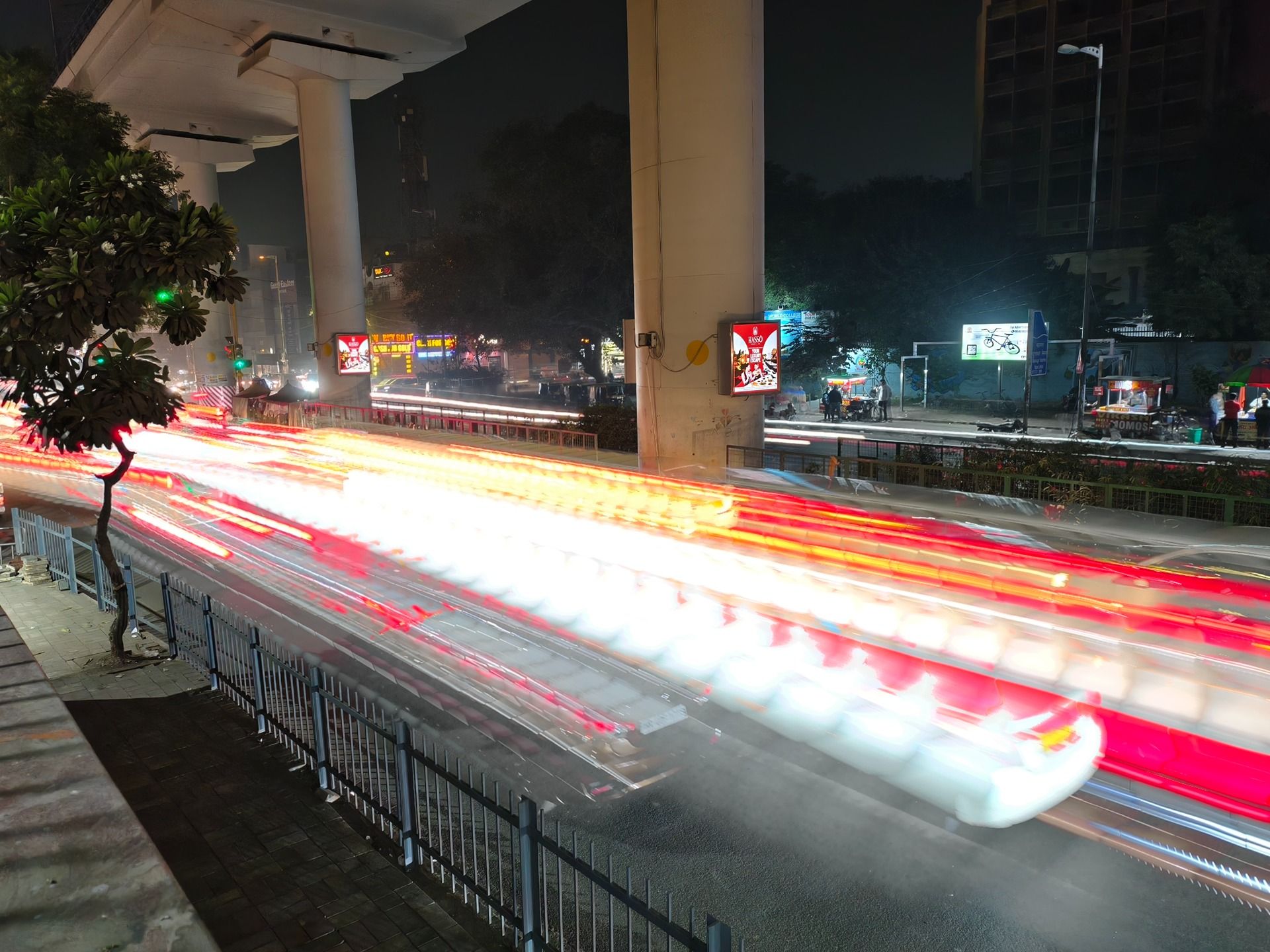


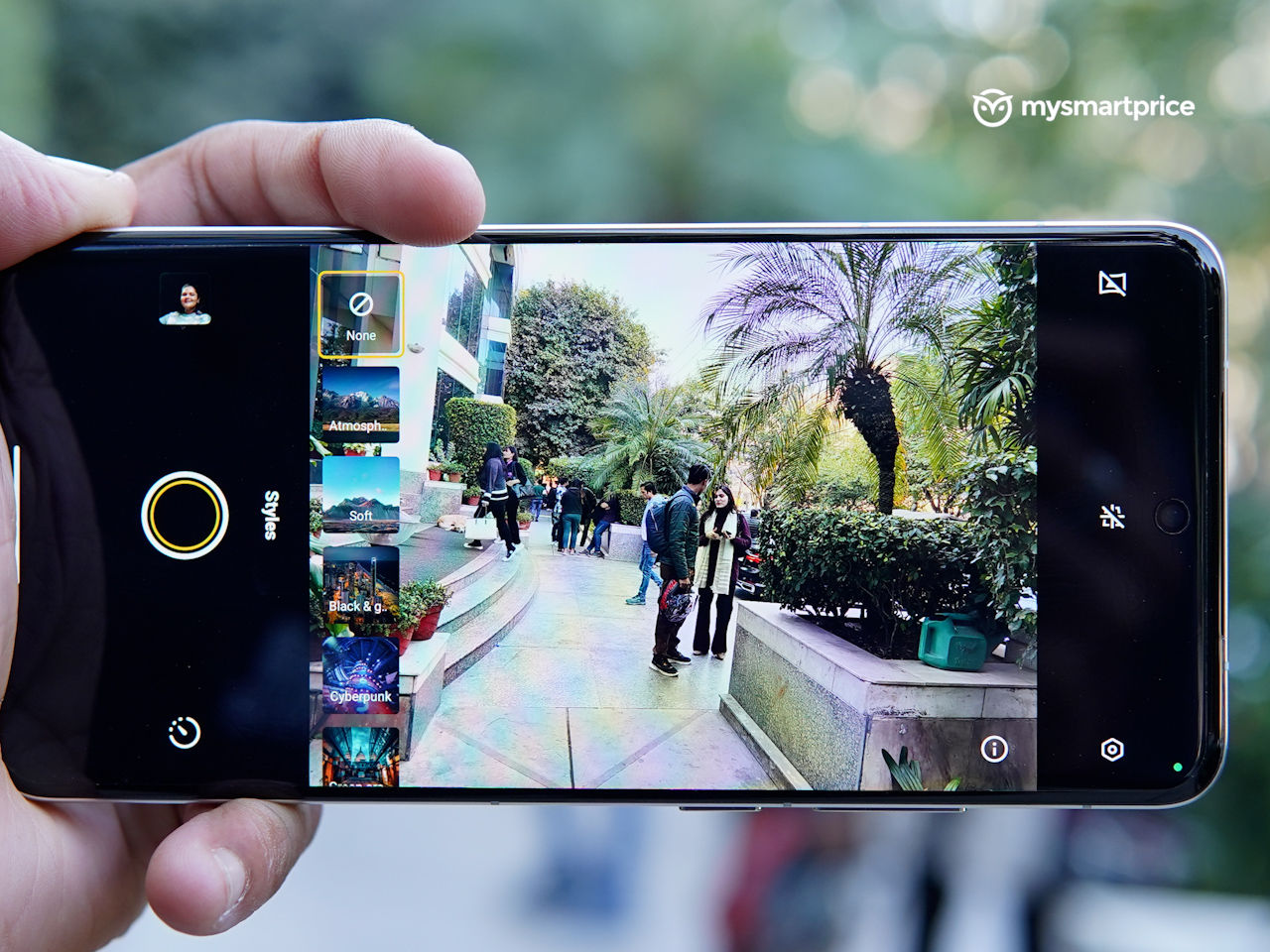
The new Landscape mode has presets to capture long exposure scenarios, such as floating clouds, flow of traffic, fireworks, star trails and night graffiti. All these use a mix of long exposure and AI algorithms to let you click seemingly complex shots without a tripod.
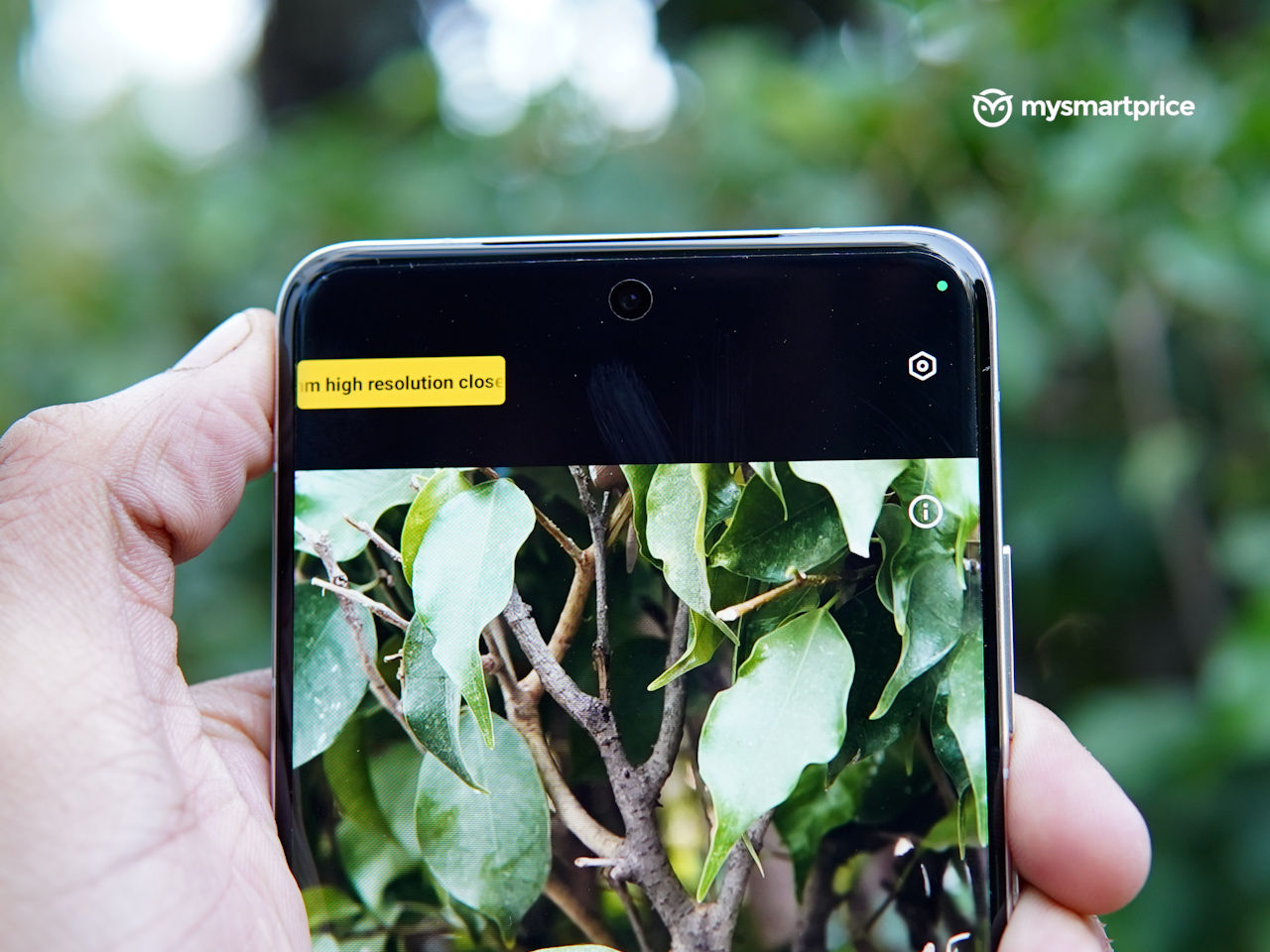
The super macro mode does a stellar job of helping you click photos of small subjects, such as insects on flowers, without getting too close and disturbing them. The OIS system in this mode goes into overdrive, cancelling out tiny jerks from your arms.










To accommodate that 200-megapixel sensor, Vivo had to swap out the 1-inch equivalent Sony IMX989 with a slightly smaller, 1/1.28-inch Sony LYT-818 sensor. To compensate for the light-capturing abilities of the larger outgoing sensor, Vivo has fitted a wider aperture of ƒ/1.57 instead.
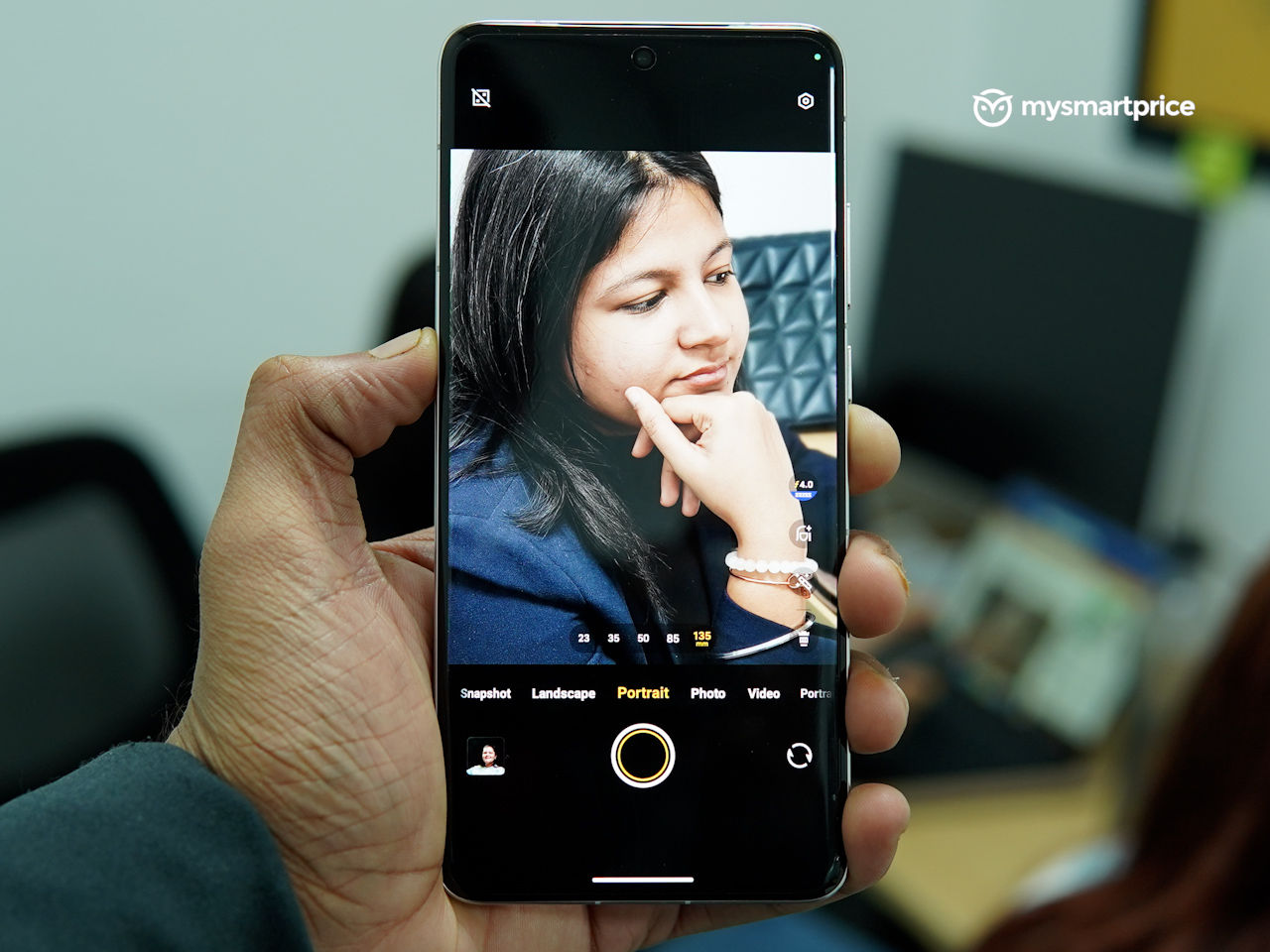
Do remember that all the new features build on top of the already awesome camera capabilities of the X100 Pro. So, you get the same ZEISS colour modes and portrait lens kits. So you can expect crisp, clear shots with a ton of character from the primary and ultrawide cameras, just like the previous iterations.
Performance and Software
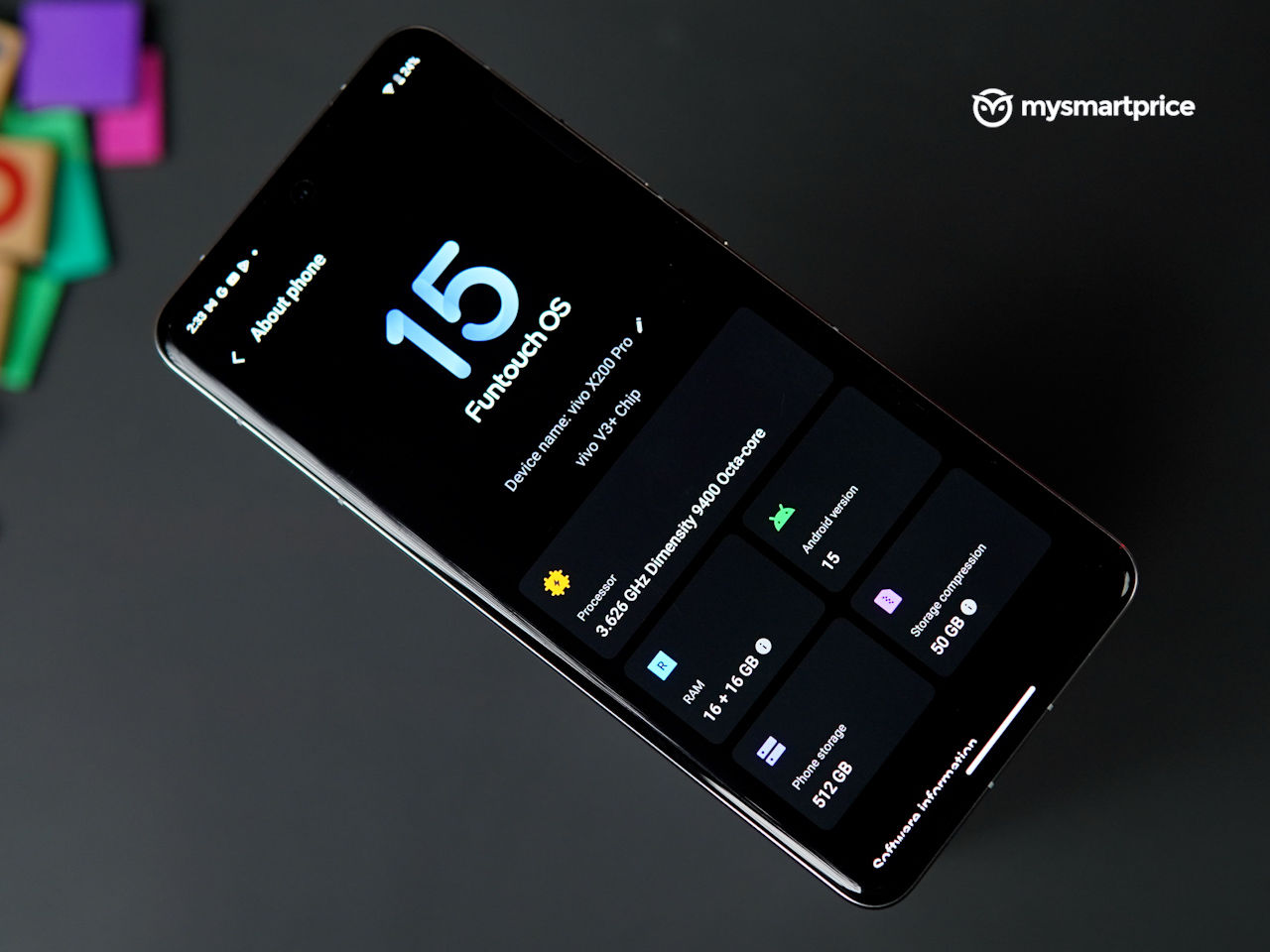
The MediaTek Dimensity 9400 SoC powering the X200 Pro features a unique architecture with all big core design. This is paired with Vivo’s proprietary V3+ chip, which aids in photography, videography, and frame interpolation.
| Hardware | Specifications |
| Processor | Mediatek Dimensity 9400 (3nm) |
| RAM/ROM variants | 16GB RAM (LPDDR5x), 512GB ROM (UFS 4.0) |
| Geekbench 6 Benchmark Scores | Single-core: 2693; Multi-core: 7595 |
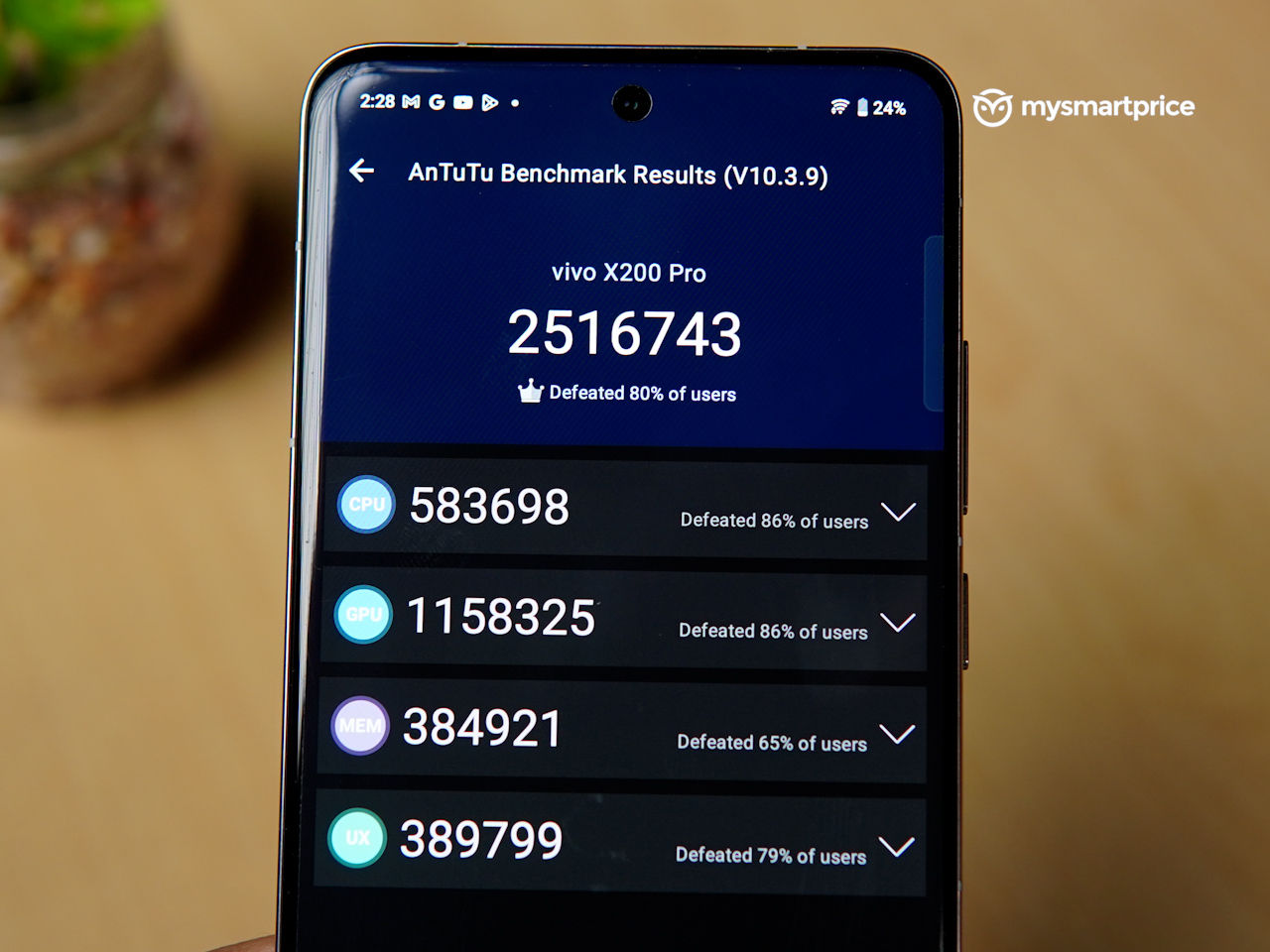
| AnTuTu v10 Benchmark Scores | 2516743 |
| Software version | Funtouch OS 15 based on Android 15 |
The X200 Pro is available in a single configuration with 16GB RAM and 512GB internal storage. While both, the RAM and storage, are top-of-the-shelf stuff, I wish there were lower tiers available to make the phone more accessible to the masses.
 In terms of software, the phone runs Android 15 out of the box. Vivo has refined the Funtouch OS 15 experience with new design elements and animations that make your experience more fun and cohesive. My gripes with the notification delivery system with the previous iterations of FuntouchOS 14 have also been fixed.
The underpinnings of the app handling engine have also been reworked, and I could see noticeable improvements in the way apps switch. Daily usage is a breeze for the X200 Pro, you can easily flick between apps. There are also some new home screen widgets that allow you to access apps within a folder with a single touch.
 While this phone is equipped with top-tier hardware, the phone tends to throttle under heavy loads. This also means while gaming at high settings is totally possible, sustaining it for longer durations is sometimes challenging. We are yet to perform a hardcore gaming test on it find out the granular details.
Vivo promises four years of Android updates with five years of security patches. This isn’t exactly industry-leading, with Samsung and Google setting new benchmarks.
But then, when you see bloatware after paying such a pretty penny, it stings. Yes, they cut down on it last year, but I was expecting it to be gone.
Display
Here’s a fun fact for you – the X200 Pro retains the same display size as its predecessor, despite being slightly shorter. Its 4D curved display creates the illusion of a smaller phone, making it more comfortable to hold.
| Display | Specifications |
| Type | 8T (8 transistor) LTPO AMOLED |
| Size | 6.78-inch |
| Resolution | 1260 x 2800 pixels |
| Refresh rate | 0.1-120Hz |
| Brightness | 4500 nits (peak, claimed); 1175 nits tested |
Moving on, the phone has one of the best displays in the business. It’s more responsive than before, thanks to the new chipset, and the new 8T LTPO display can dip down to 0.1Hz to conserve battery. Further, Vivo claims 4,500 nits of local brightness, which is a 50% increase over the X100 Pro. In our testing, our lux meter clocked a maximum reading of 1175 nits on a white HDR background, which is respectable. Not only does it make content viewing comfortable outdoors, but it also shows you a clear image on the viewfinder when clicking photos.
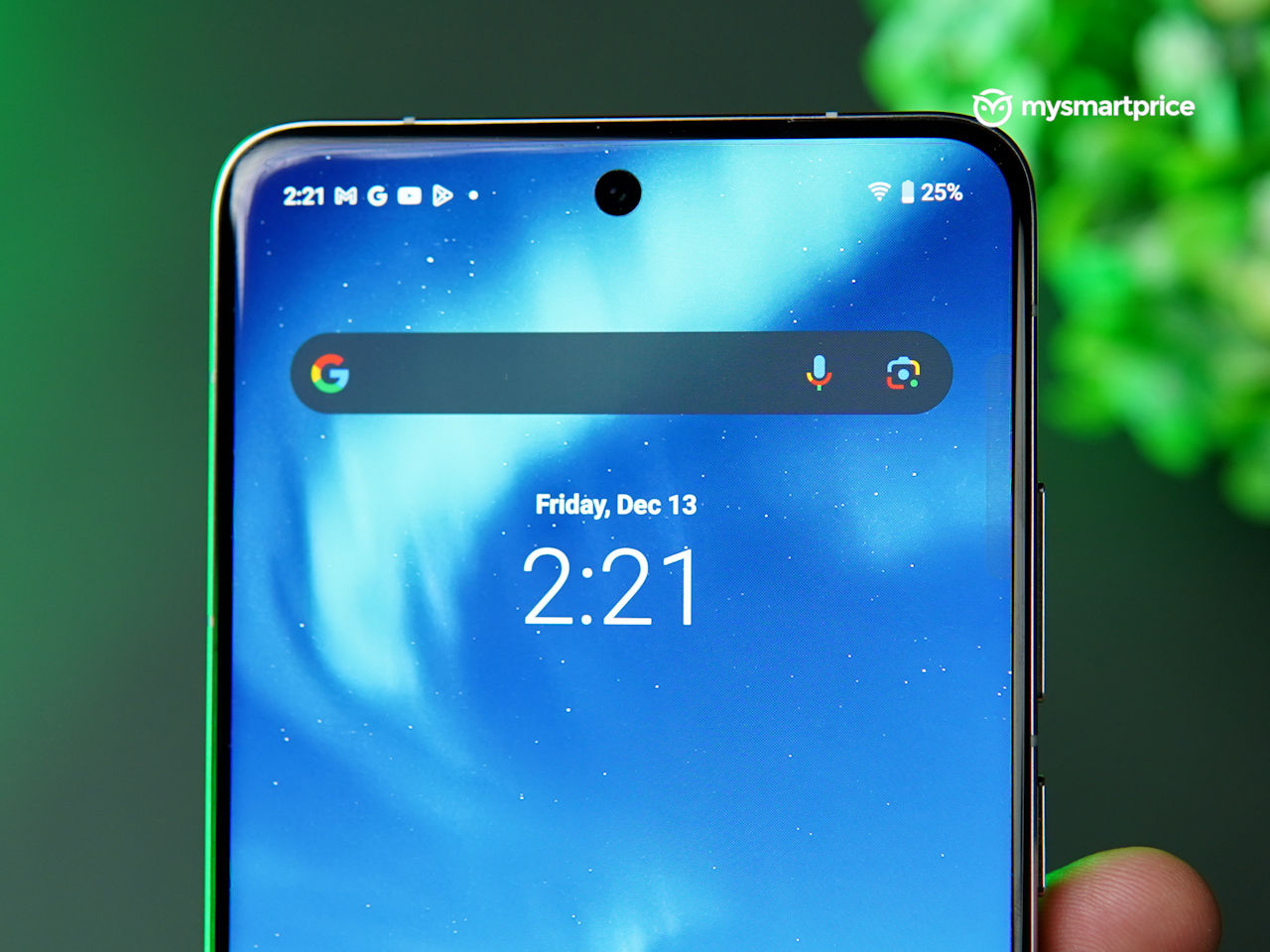 The display retains all the charm and credentials of its predecessors. It’s vibrant and contrasty when viewing high-quality content. It is Dolby Vision compliant and has Widevine L1 certification for viewing HDR content on streaming platforms such as Netflix.
Battery
The semi-solid-state battery is a standout feature here, promising normal performance even in freezing temperatures. The battery also has higher density, packing in more charge in a smaller size.
| Battery | Specifications |
| Capacity | 6,000mAh (semi-solid state battery) |
| Charging Time | 45 minutes |
| Charger in the box? | Yes, 90W |
| Other | 30W Qi wireless charging |
I have used the Vivo X200 Pro for a week and during my usage, I wasn’t able to put it through the paces of PCMark’s Battery Test. But, with a SIM inserted and all major apps loaded, it was able to outlast the X100 Pro’s battery life.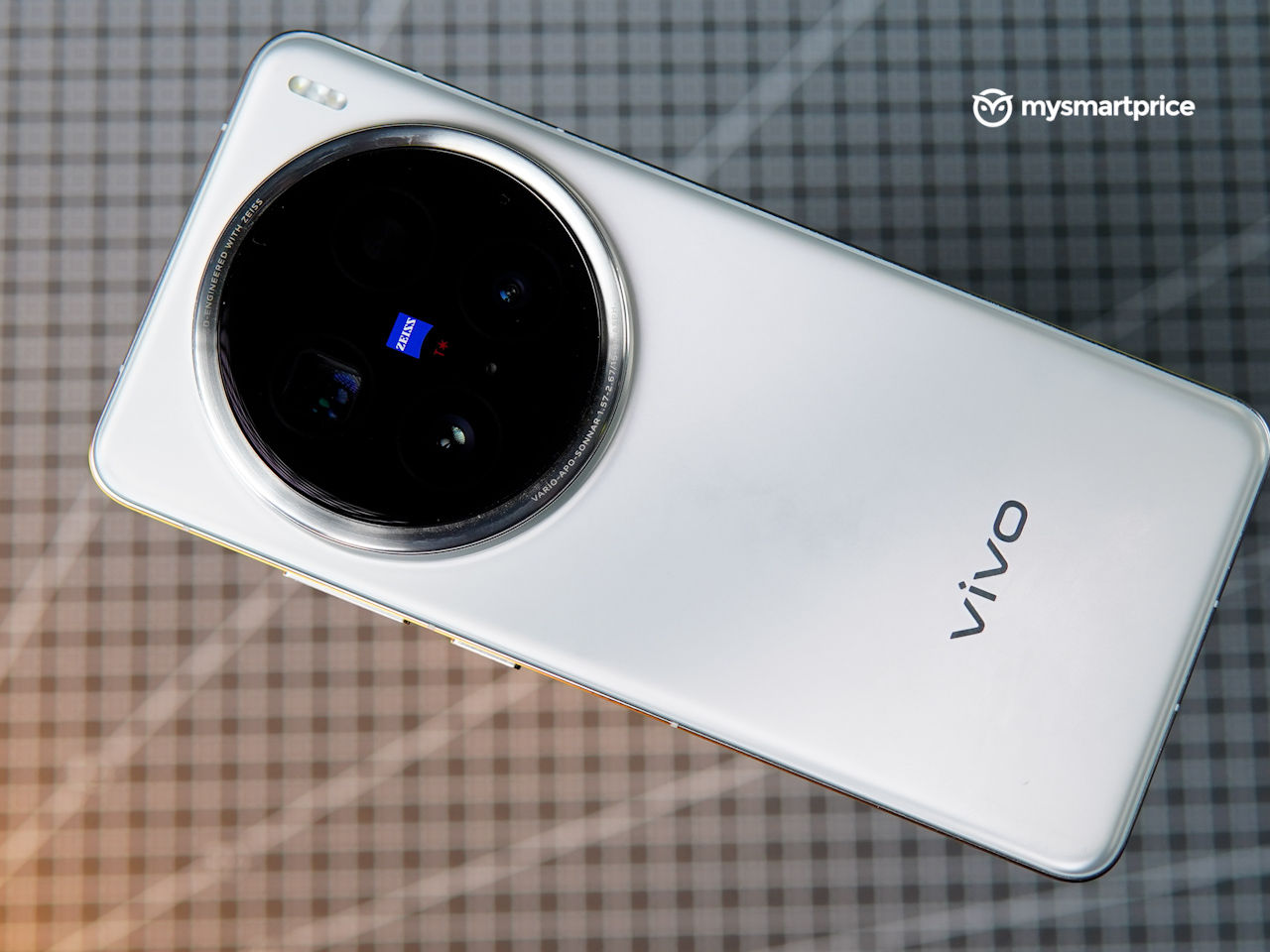 It takes about 43 minutes to charge its battery from a standstill to 100%, which is slightly slower than before. Nevertheless, you can still get a quick push to 40% within a mere 15 minutes, which is good enough for more than half a day. You can also use 30W wireless charging, which can be reversed to charge other devices.
Design
I think the X200 Pro is the biggest design overhaul for the X series in quite some time. Gone are the curved edges – this is a proper modern-looking phone with blocky frames. The slick brushed metal finish reminds you of the latest Pixel and iPhones. In fact, the new Titanium Gray colour is a direct nod to the iPhone’s marquee colour, except it’s slightly brighter.
| Design | Specifications |
| Dimensions | Height: 162.4mm x 76mm x 8.2mm |
| Weight | 223 grams |
| IP Rating | IP68, IP69 |
| Build Material | Armor Glass display, aluminium frame, glass back |
| Colour variants | Cosmos Black, Titanium Gray |
The overall dimensions make it one of the handiest, fully loaded pro phones in the market. Yes, it’s a little top-heavy, but you tend to get used to it.
 Vivo has also worked on making the X200 Pro durable. So, not only does it get the usual IP68 credentials, but an added IP69 rating against high-pressure water ingress. At the front, you get additional drop resistance because Armor Glass covers the display. While I didn’t go out trying all the durability features, the phone did slip from my hand a couple of times, falling face first, and it survived the mishap.
Verdict
The Vivo X200 Pro is a significant upgrade over its predecessor, particularly in telephoto photography and video capabilities. The 200MP sensor delivers impressive detail and low-light performance. The display is more responsive and easier to use, making the overall user experience smoother. The phone feels great in hand, and its performance is top-tier. The battery life is excellent for a compact phone.
However, the ultrawide camera struggles in low-light video, and the processor can throttle under heavy loads, which may impact performance in demanding tasks, like gaming. Despite these minor drawbacks, the X200 Pro remains a compelling choice for those seeking a powerful and versatile smartphone.
The price of Rs 94,999 may seem steep, but make sure you factor in the storage and RAM you are getting with it. I wish Vivo had also included more affordable configurations because that would draw eyeballs towards it.
If your budget doesn’t suit the X200 Pro and you still crave a similar smartphone, the Vivo X100 Pro is a great alternative.