OPPO’s Find X9 series lands in a very different flagship landscape from even a couple of years ago. You see, every premium phone now has sharp screens, big batteries, and multiple camera lenses, which makes it harder than ever to stand out. However, OPPO isn’t your average company, and they know exactly what needs to be done. The Find X9 and Find X9 Pro manage to stand out from the crowd by treating imaging as an end‑to‑end problem. Instead of going for a cut-and-paste solution, the Find X series treats hardware, software, and AI as a single system to deliver superior imaging. The new LUMO Image Engine then anchors this. Instead of chasing hyper-sharp outputs or heavy HDR effects, LUMO focuses on delivering accurate tonal balance, natural transitions, and spatial realism across faces, backgrounds, and objects for unmatched realism in images and videos. This is then backed by cutting-edge technologies like silicon‑carbon anode batteries, the
MediaTek Dimensity 9500, and a more intelligent ColorOS 16. Taken together, it makes a strong case for why this series deserves to be in any “best flagships of 2025” conversation for photographers, heavy users, and creators alike.
LUMO Image Engine and a triple 50MP camera stack
Both OPPO Find X9 models feature a triple camera setup with a sensor at each key focal length: wide, ultra wide, and telephoto. OPPO and Hasselblad have built what they call a new generation Hasselblad Master Camera System here, pairing Sony LYT sensors with Hasselblad-certified optics and tuning so you get that classic Hasselblad look with natural skin tones, pleasing contrast, and a more traditional portrait feel. On the standard Find X9, this comes as a Hasselblad-tuned 50MP main camera, a 50MP ultra wide, and a 50MP periscope telephoto, and all three are designed to capture at 50MP by default rather than dropping down to 12MP like most phones.
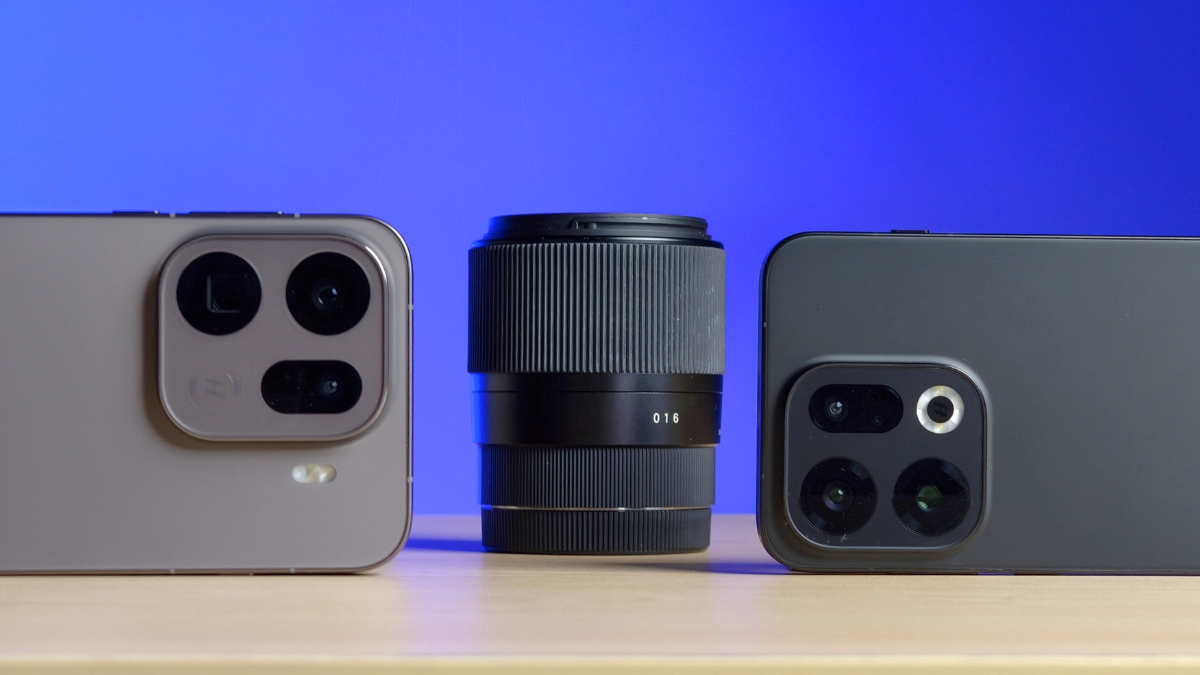
Meanwhile, the Pro adds a 200MP Hasselblad telephoto on top of that philosophy, which gives you more headroom for tight crops and cleaner long-range shots without everything turning into a noisy smear. The idea is simple. Whatever you shoot, you are always working with high-resolution sensors and serious glass.
The LUMO Image Engine anchors this camera hardware. Instead of chasing hyper-sharp output or aggressive HDR, it tries to make photos look the way your eyes remember the moment.








On the Pro, that sits on top of an Ultra XDR main sensor that is tuned for very high dynamic range, so highlight detail and shadow detail can coexist in the same frame in a way that feels closer to what you would expect from a larger camera sensor. This combination is what gives you true to skin colour, smooth tonal transitions, realistic depth, and natural separation between subject and background, even in mixed or difficult light.
A big part of that colour accuracy comes from the dedicated True Colour Camera. It does not simply apply one white balance setting to the whole frame. Instead, an 8 channel spectral sensor measures the scene in a grid, so different zones of the image can be interpreted separately before LUMO pulls everything together. This helps preserve subtle differences in skin tone, fabric, signage, and ambient light that would normally get flattened by a single global adjustment and a one size fits all processing pipeline.
This shows up most clearly when you shoot in challenging or unusual lighting. At night, in city streets or under stage lights, the phone’s optics and HyperTone processing work together to keep neon and bright signage from blowing out while still preserving detail in darker areas.









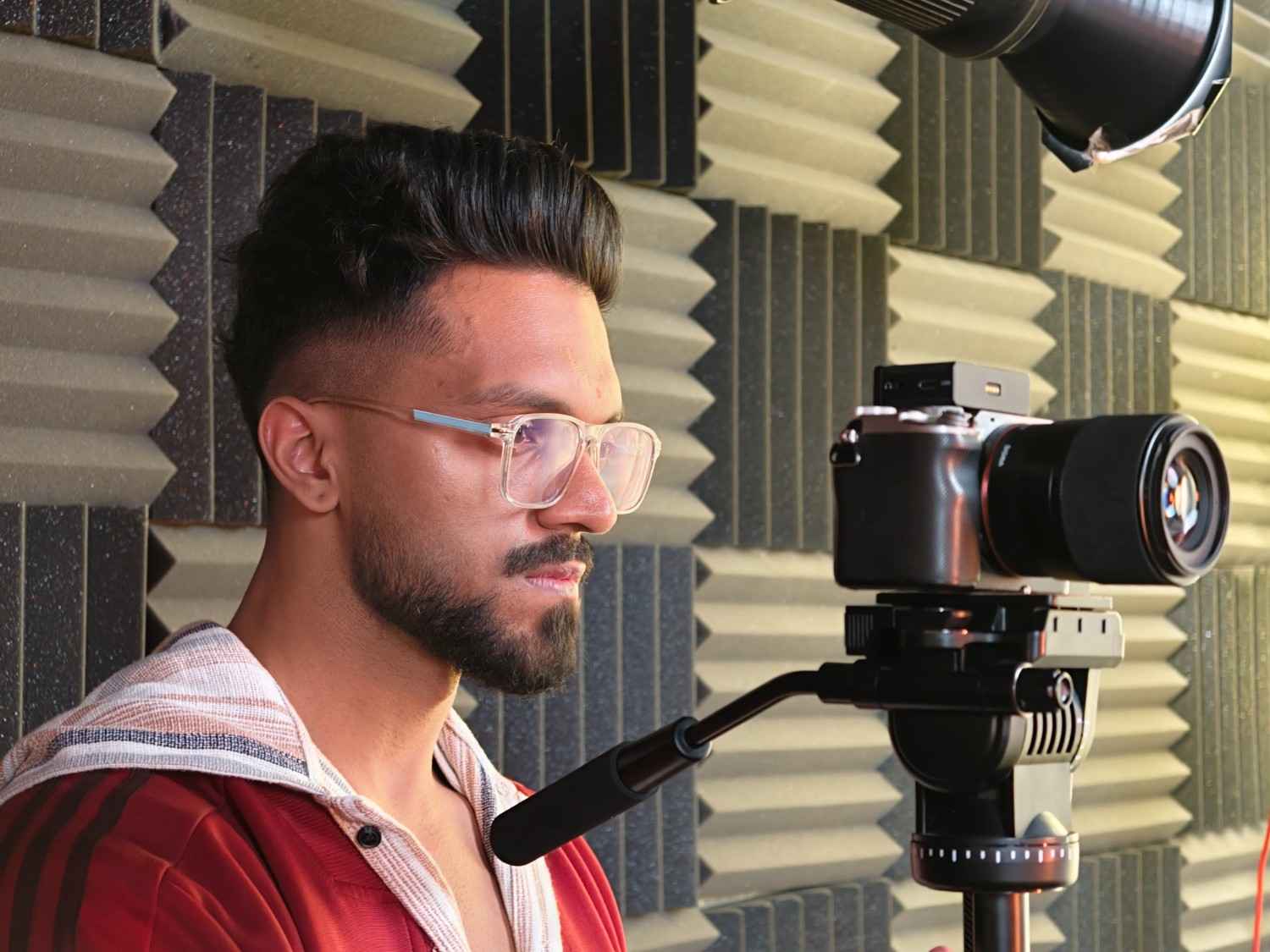


Faces remain recognisable instead of turning into noisy blobs or washed out smears. In portraits, the depth system and computational bokeh engine avoid harsh cutouts around hair, glasses, and shoulders, and you get a softer, more lens like falloff that feels closer to what you would see from a fast prime lens rather than a basic software blur. When you are shooting food or flat lays, micro contrast and tone handling preserve textures like crumbs, foam, fabric, and paper without oversharpening, which is exactly what creators and influencers want when they look at their grids at full size.
Crucially, the LUMO Image Engine is not a filter or a special mode that is added as an afterthought. It forms the base of the Find X9 series camera system, rebuilding the imaging pipeline with parallel computing so the ISP, NPU, GPU, and CPU all work on the same frame at once. That makes it possible to run 50MP default capture across the lenses, cut CPU load and power draw, and still deliver fast shot to shot times even in low light or long shooting sessions.
For creators, all of this translates into practical headroom. High resolution files with sensible tonality give you more freedom to crop, straighten, and edit without the image breaking down, and the system keeps highlight and shadow information intact enough that you can push your own look on top of OPPO’s colour science. In other words, the Find X9 series behaves less like a phone that bakes in a heavy signature and more like a camera platform that gives you clean, flexible base images you can actually work with.
Imaging tech vs dedicated cameras
The LUMO Image Engine plus these AI tools push the Find X9 series to a whole new level. It’s ideal for those looking for a camera-like experience with the convenience of a smartphone. The phone’s high-end optics and smart software offer believable colour, nuanced light and shadow, and subject separation that doesn’t fall apart the moment you zoom in. Exactly what you would expect from a dedicated camera. But then you add AI features that quietly clean up edge cases like shaky hands or background distractions, without the need to edit on a computer.
ProXDR of the Find X9 series is what makes things interesting. The RGB 3D Photon Matrix computation keeps rich, 16‑bit‑level colour and luminance information alive throughout the pipeline, rather than discarding it at each step. That means a high dynamic range from capture to preview to edit to share, whether you’re shooting stills or motion photos. The series also introduces 4K Motion Photos for incredible versatility when shooting. In tricky scenes like stage lighting, indoor tungsten with windows, or backlit silhouettes at sunset, ProXDR aims to keep skies, highlights, and faces all within a believable range.
For creators, the video story is just as strong. The Find X9 series supports 4K Dolby Vision HDR and high‑frame‑rate 4K (up to 4K 120 fps) with dual stabilisation (OIS + EIS). This is then further aided with options like 10‑bit Log profiles on some variants for more serious workflows. That gives you slow‑motion cinematic B‑roll, flexible HDR footage for grading, and more robust files overall. All this is closer to what you’d expect from a dedicated camera rig than a typical phone. When you pair ProXDR, Dolby Vision, and LUMO’s colour science, the result is a phone that doesn’t just capture memories, but generates material you can actually cut into more polished pieces. This makes it perfect for those looking for the ultimate point-and-shoot.
Battery that redefines power
Of course, none of this matters if the phone dies halfway through your day. After all, the last thing you want is to go out hunting for a charger in the middle of a shoot. Here, OPPO has gone all‑in with third‑generation silicon‑carbon batteries. The Find X9 carries around 7025mAh in a body just under 8mm thick, while the Find X9 Pro ups that to roughly 7500mAh, which is the largest battery ever in an OPPO flagship.
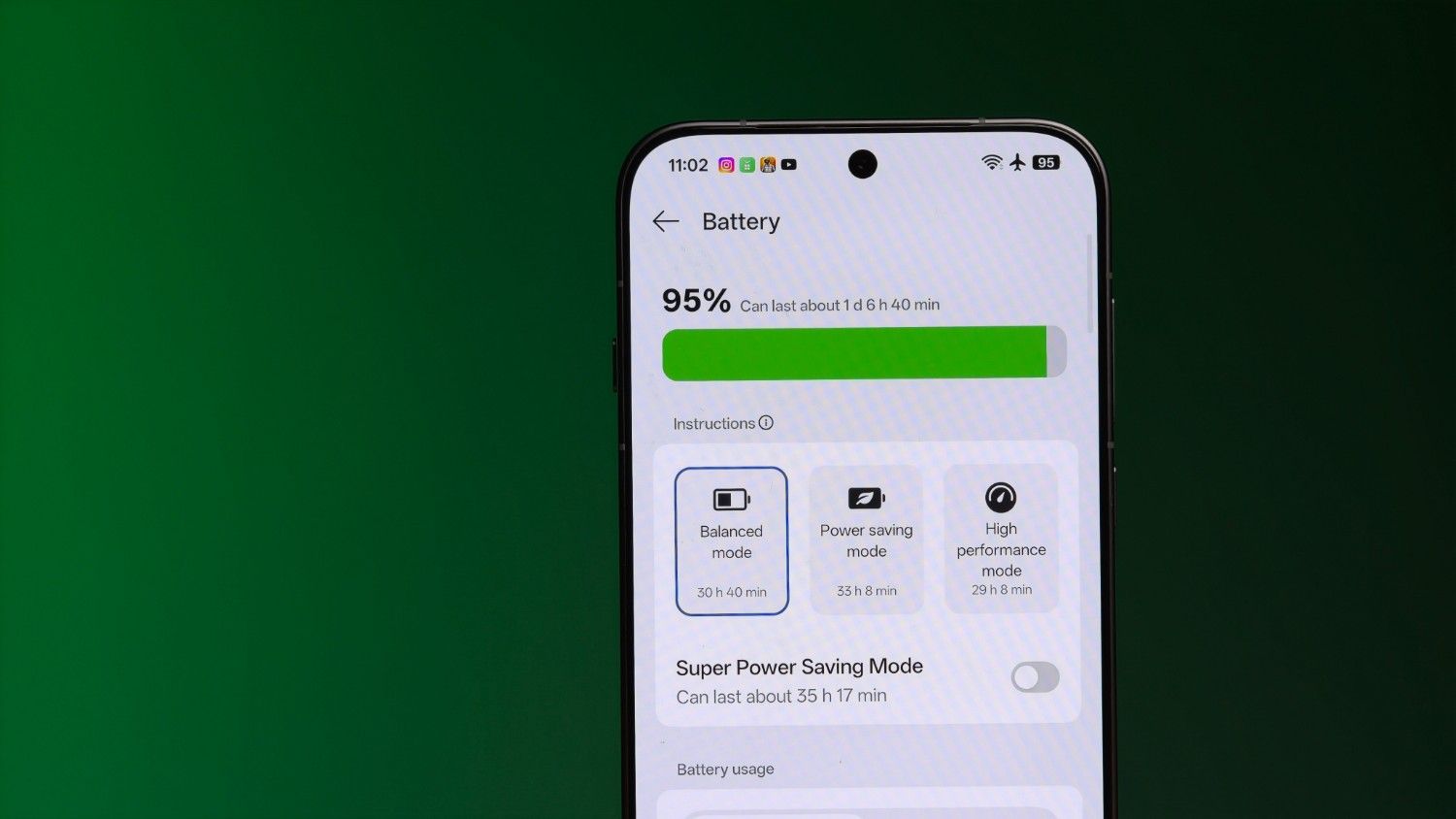
Silicon‑carbon chemistry, combined with custom spherical carbon materials, allows this extra capacity, while also targeting better long‑term health. OPPO quotes over 80% capacity retention after about five years of typical use, which is a big deal if you plan to hold onto your phone.
This means that the heavy users and creators can realistically do a full shoot day with navigation, camera, 4K recording, social uploads, and messaging without hovering near a charger. Meanwhile, those with lighter use cases can stretch into a second day without anxiety, even with bright ProXDR displays and 120Hz refresh rates enabled. Early testing and OPPO’s own battery deep‑dives show that the series is designed for extraordinary screen‑on time and more consistent behaviour as the battery ages. This extra headroom is especially useful if you spend a day shooting 4K video, time‑lapses, or stage footage.
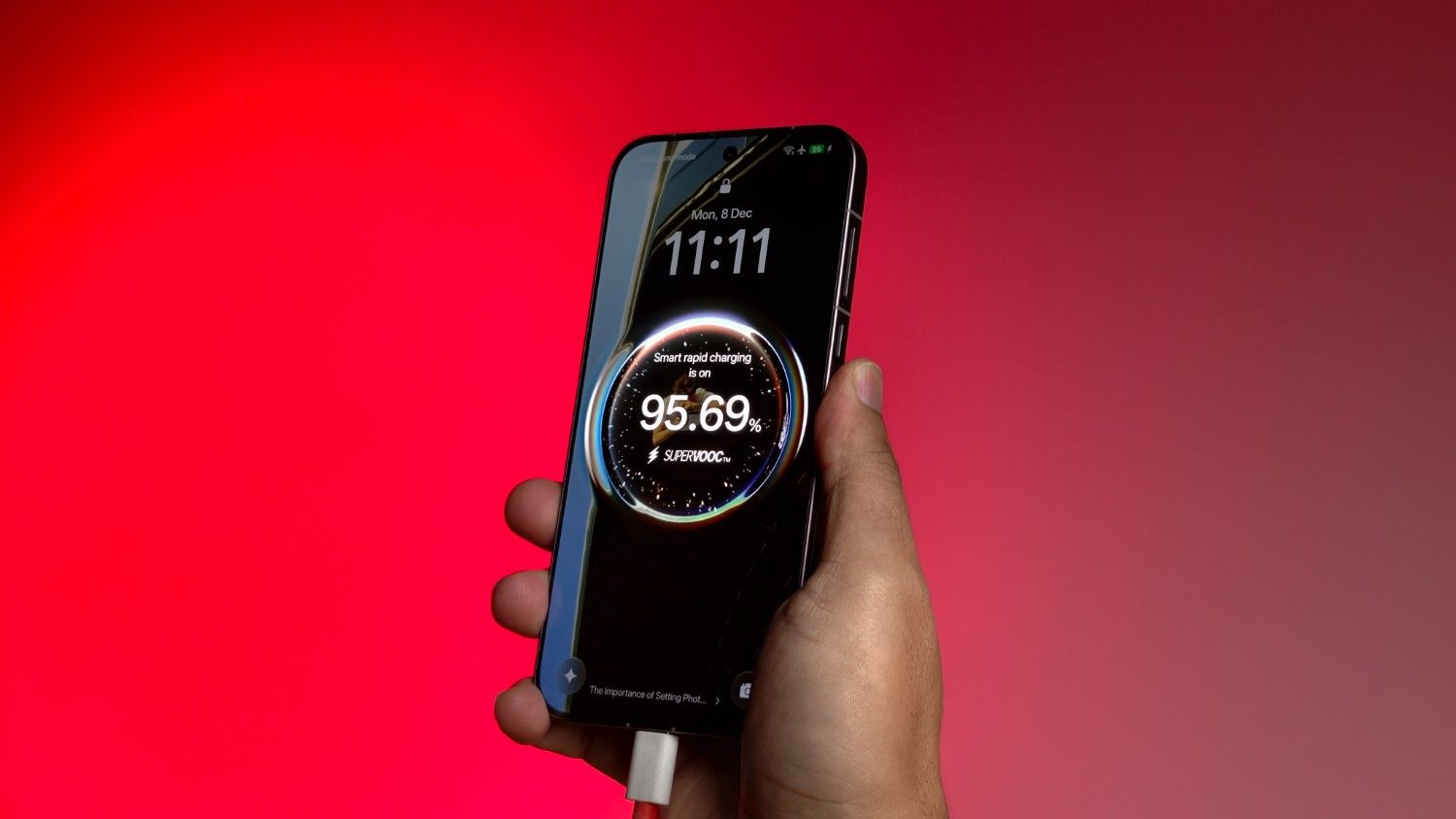
Charging performance matches the capacity story. Both phones offer 80W SUPERVOOC wired charging and 50W AIRVOOC wireless charging, with the Pro also supporting reverse wireless power for accessories. So when you inevitably have to charge your phone, you can rest assured that you won’t be waiting for long.
Premium design and durability
The Find X9 series features slim, flat‑edged designs with ultra‑thin bezels and matte finishes that look premium, while remaining practical in hand. The Find X9 uses Gorilla Glass 7i on the front, while the Find X9 Pro steps up to tougher Victus glass. This means that you won’t have to constantly worry about the phones. This durability goes beyond glass.
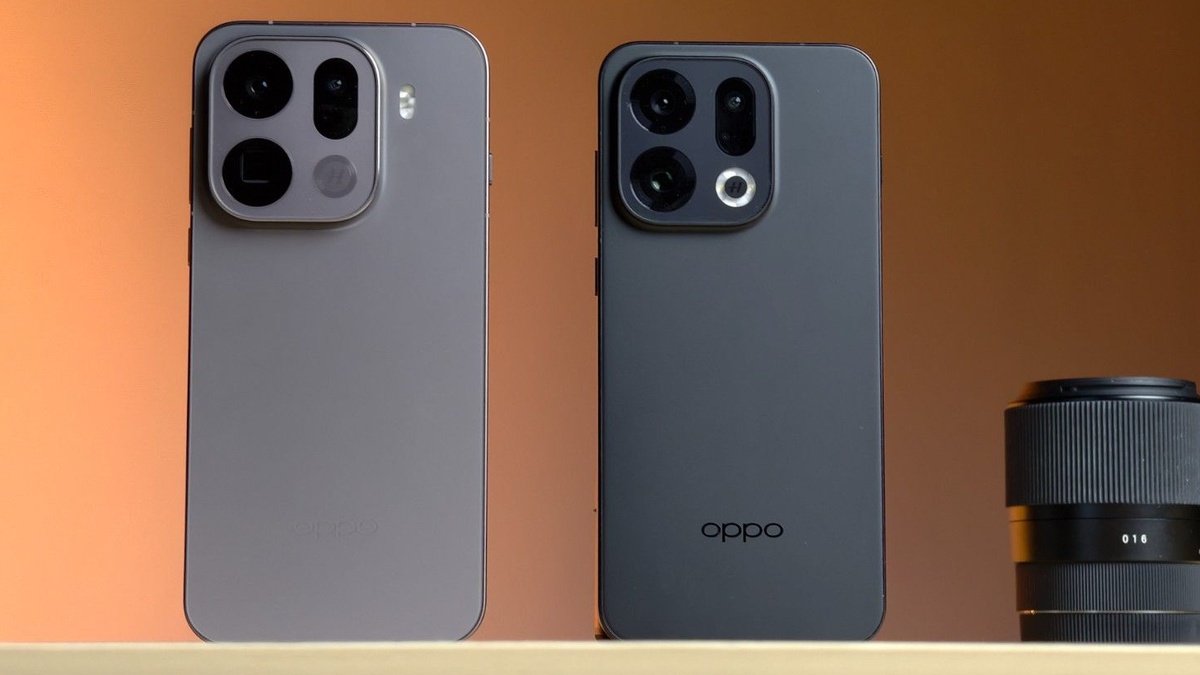
The Find X9 uses Gorilla Glass 7i on the front for protection, while the Find X9 Pro steps up to tougher Victus‑class glass, giving extra drop and scratch resistance. Combined with carefully balanced weight and flat ProXDR displays, the hardware feels modern and confident‑inspiring rather than delicate. The series is certified with IP66, IP68, and IP69 ratings for protection against dust, immersion, and even high‑pressure water jets, which is more than many competing flagships claim. In practice, you can shoot in the rain, on dusty trails, near waterfalls, at packed concerts, or around pools without worrying about every splash or speck of dirt.
Performance and Trinity Engine
Inside, both phones are powered by MediaTek’s Dimensity 9500, a 3nm flagship chipset that drives CPU, GPU, and imaging performance, while improving efficiency. The LUMO Image Engine runs on this platform, taking advantage of the Imagiq NPU and ISP to analyse colour, depth, and motion in real time across all focal lengths without lag. On top of that, OPPO’s Trinity Engine manages CPU, memory, and storage behaviour to keep performance stable, not just snappy in short bursts.

In everyday terms, that means a few crucial things for the people this phone targets. Long gaming sessions maintain smoother frame rates without sudden throttling. Meanwhile, timeline scrubbing and exporting in mobile editors feel more responsive. Finally, extended 4K or 4K 120fps recording is better supported thermally and computationally. Paired with UFS 4.1 storage and up to 16GB LPDDR5X RAM, the Find X9 series can juggle camera use, editing apps, and social platforms without constantly killing apps in the background. This is essential if you’re shooting, cutting, and posting from the same device.
ColorOS 16 and the AI layer
ColorOS 16 ties the Find X9 series hardware together by pairing visual refinement with a deep AI stack that elevates both imaging and everyday productivity. Built on Android 16, it introduces improved animations, cleaner layouts, and a set of smart tools that quietly solve the small friction points that typically slow people down.
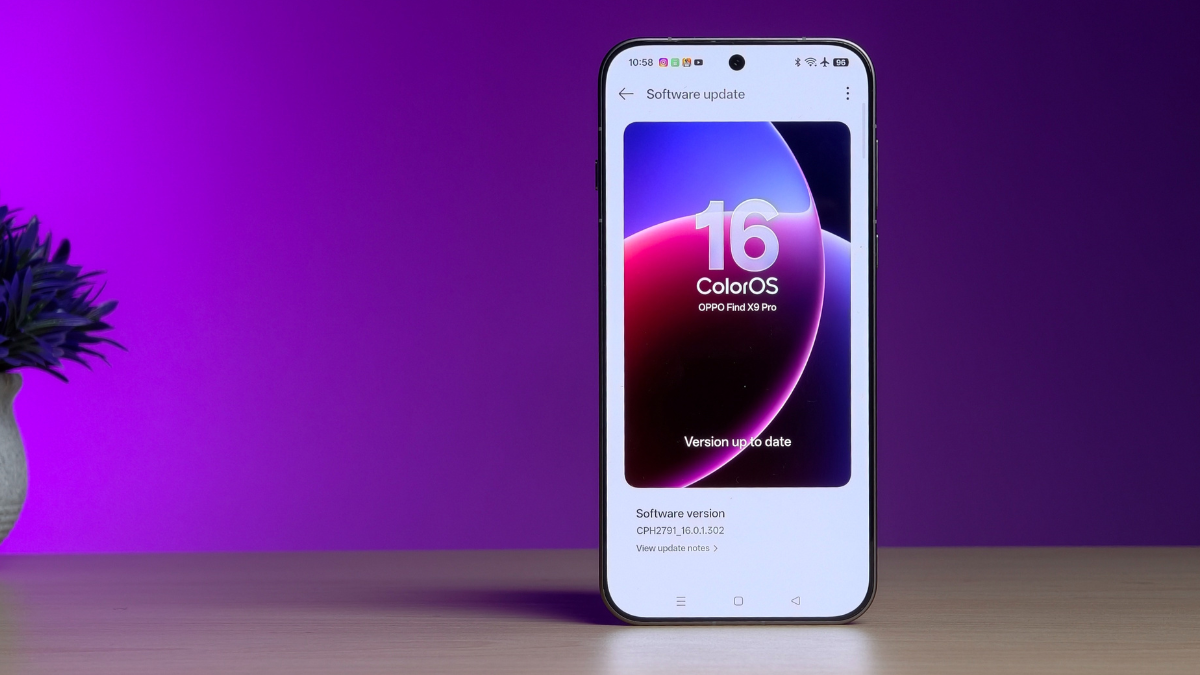
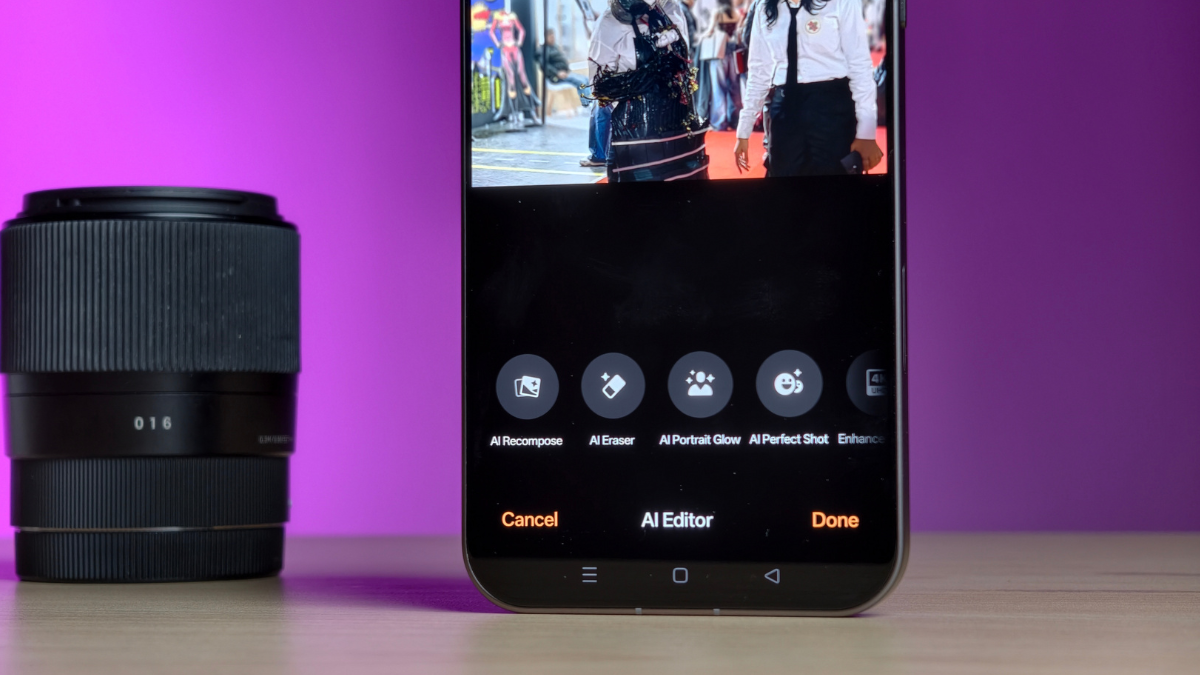
On the imaging side, features like AI Portrait Glow, AI Unblur, AI Reflection Remover, AI Eraser, and AI Clarity Enhancer act as subtle safety nets rather than heavy filters. They help recover blurred frames, clean up distractions, refine colour and contrast, and brighten faces in difficult light without altering the mood of the scene. These tools are particularly useful for creators who shoot fast and edit on the move, since they reduce the need for reshoots or desktop fixes.
Beyond imaging, ColorOS 16 adds practical tools like AI Mind Space for quick note capture, AI Mind Assistant for summarisation and answers, and O+ Connect for seamless links with a PC or Mac. You can move files, mirror apps, or control your computer directly from the phone without extra steps.
Taken together, the goal is simple: reduce the invisible effort between capturing something, improving it, and getting it where it needs to go.
How OPPO Aligns Imaging, Battery, and Performance for 2025
When you bring all of these threads back to the audiences OPPO is targeting, the Find X9 series has a clear, coherent story. Photography enthusiasts get LUMO Image Engine’s human‑centred imaging with its triple camera system with Hasselblad tuning. Meanwhile, ProXDR/HDR pipelines and Dolby Vision video that deliver more keeper shots and clips with less unusable, even in tricky light. Heavy users benefit from silicon‑carbon batteries sized at 7025mAh and 7500mAh, fast SUPERVOOC and AIRVOOC charging, and robust IP ratings that make these phones worry‑free, long‑term daily drivers.
Content creators and professionals get a platform built for their workflows. The MediaTek Dimensity 9500, along with the Trinity Engine, keeps performance stable. ColorOS 16’s AI imaging and editing tools compress the entire pipeline into one device. In a flagship market where many phones trade similar specs, the OPPO Find X9 series stands out by aligning its imaging, battery, performance, and software into a single, creator‑ready story, thereby making it one of the most convincing all-around flagships of 2025.
Disclaimer: This is a Promotional post. The content and opinions expressed are those of the sponsor and do not necessarily reflect the views of our editorial team.