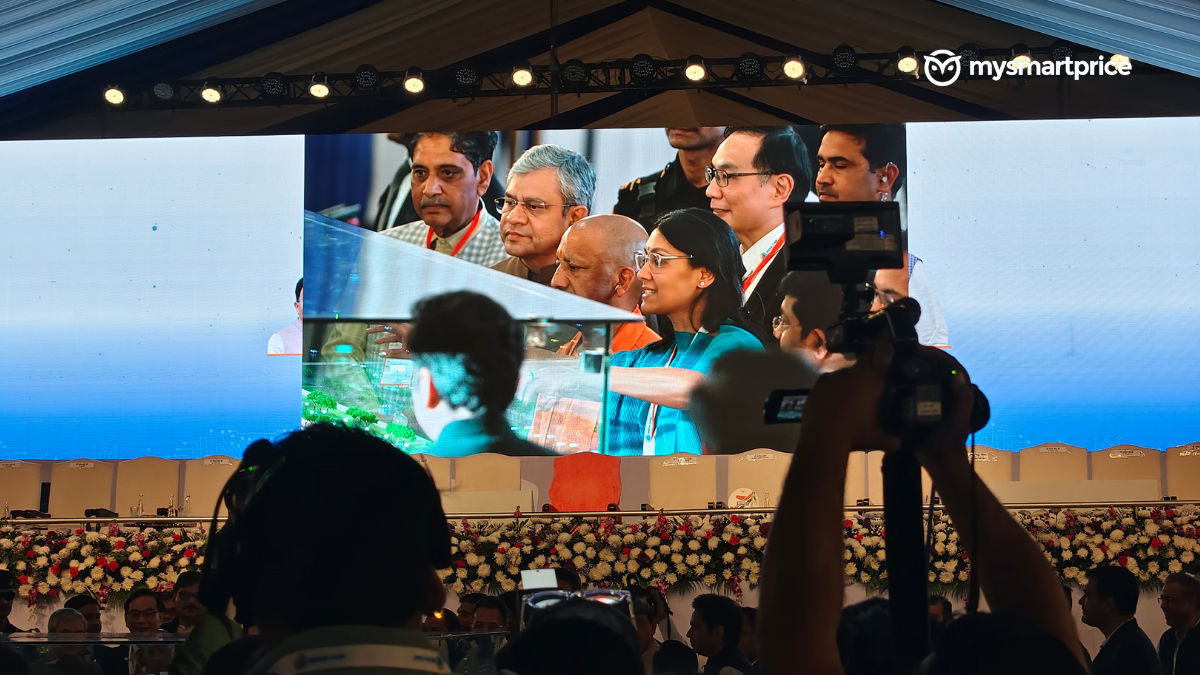
India's push for domestic semiconductor manufacturing took a major step forward today. Prime Minister Narendra Modi virtually laid the foundation stone for a new ₹3,700-crore Outsourced Semiconductor Assembly and Test (OSAT) facility in Jewar, Noida.
The 48-acre plant is being set up by India Chip Private Limited, a 60:40 joint venture between the HCL Group and Foxconn.
The Hardware and Output Specs
Rather than just assembling electronics, this facility targets the component level. Designed to process 20,000 wafers per month, the Jewar plant will focus on display driver chips. This output will directly feed into the manufacturing of smartphones, laptops, and automotive displays, helping to localise a critical part of the hardware supply chain.
Timeline and Industry Impact
Slated to be fully operational by 2028, the site is strategically positioned near the upcoming Noida International Airport. The project is expected to generate roughly 3,500 direct and indirect jobs while anchoring a broader semiconductor ecosystem in the region.

Why OSAT matters for India
While much of the global focus is often on chip fabrication, OSAT plays a critical role in the semiconductor value chain. Assembly and testing determine how finished chips perform in real-world devices, from smartphones and wearables to automotive electronics and industrial equipment.
For India, OSAT facilities are seen as a more immediate and achievable entry point into semiconductor manufacturing, requiring lower capital investment and shorter timelines compared to full-scale fabs.
The Big Picture
This development aligns with the government's Semiconductor Mission 2.0, announced in the Union Budget 2026. The updated initiative broadens the national focus from solely chip fabrication to include essential manufacturing equipment and materials.
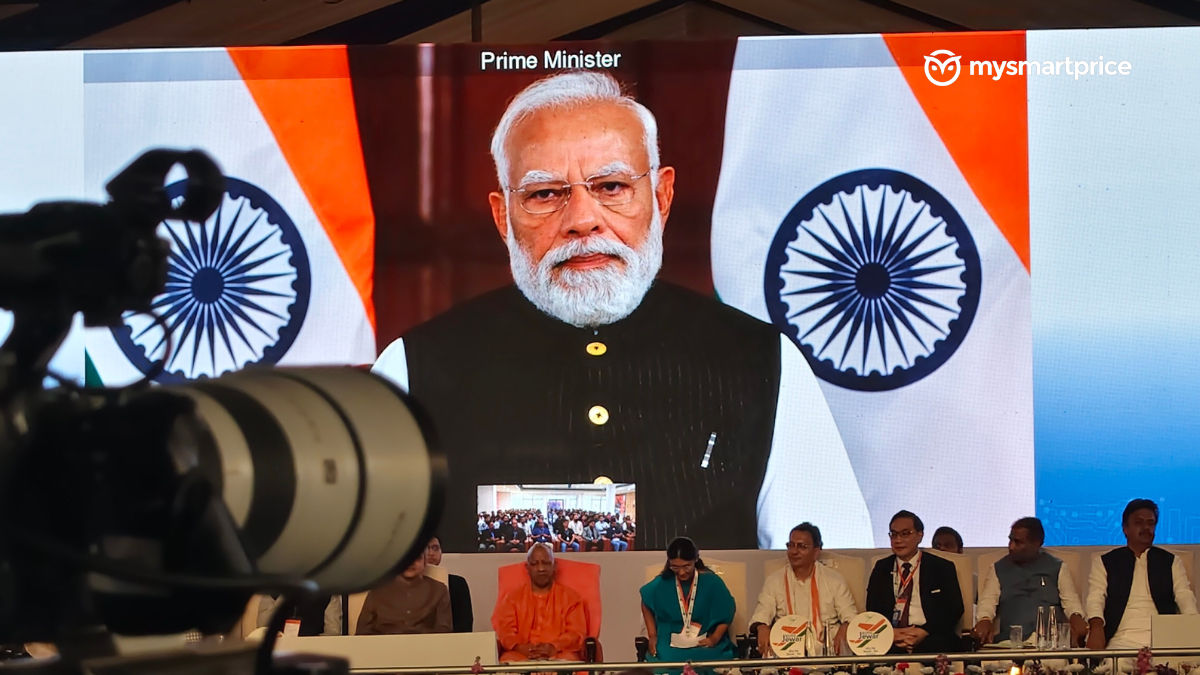
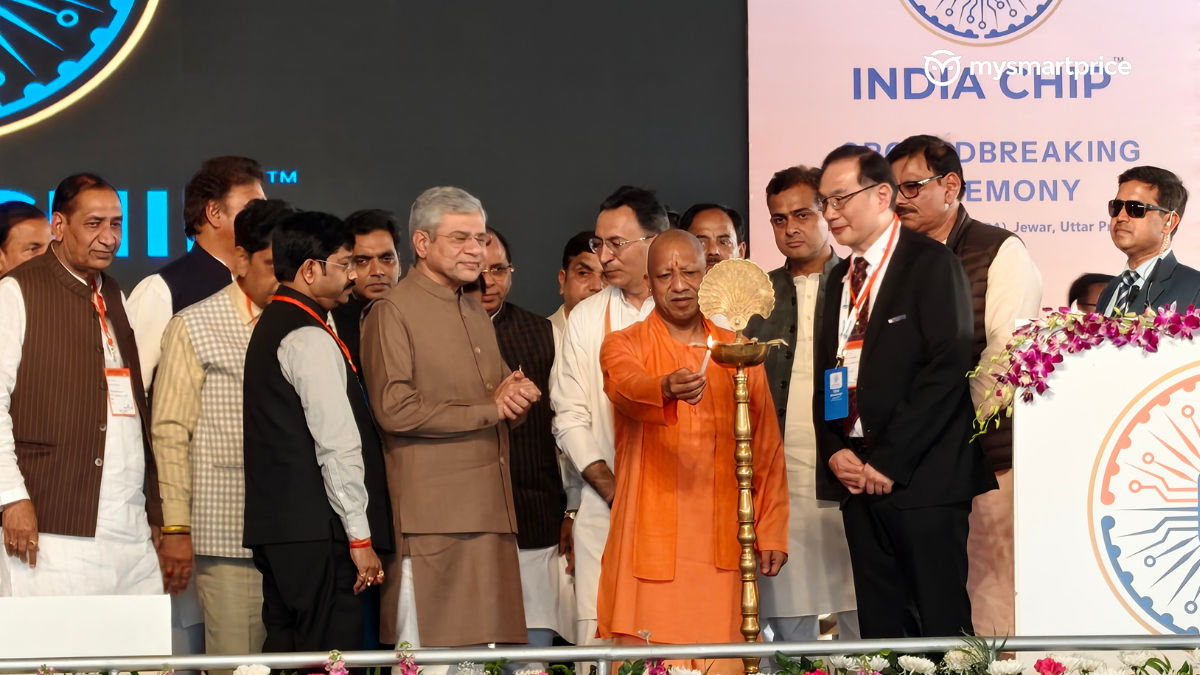
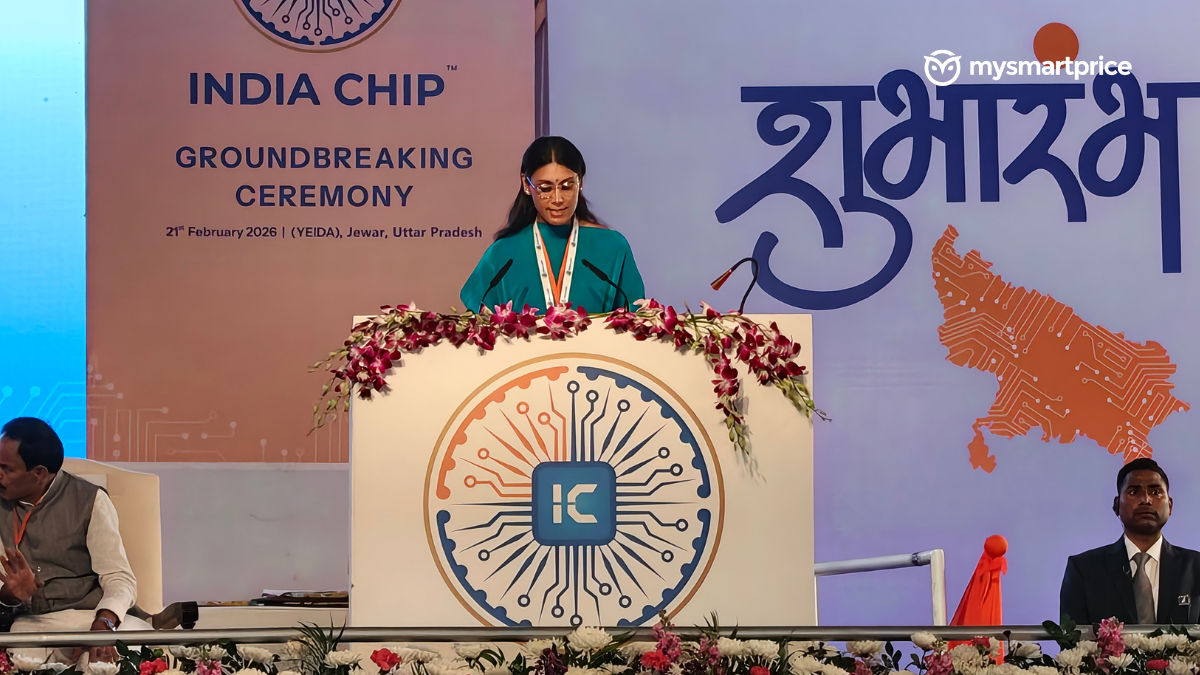
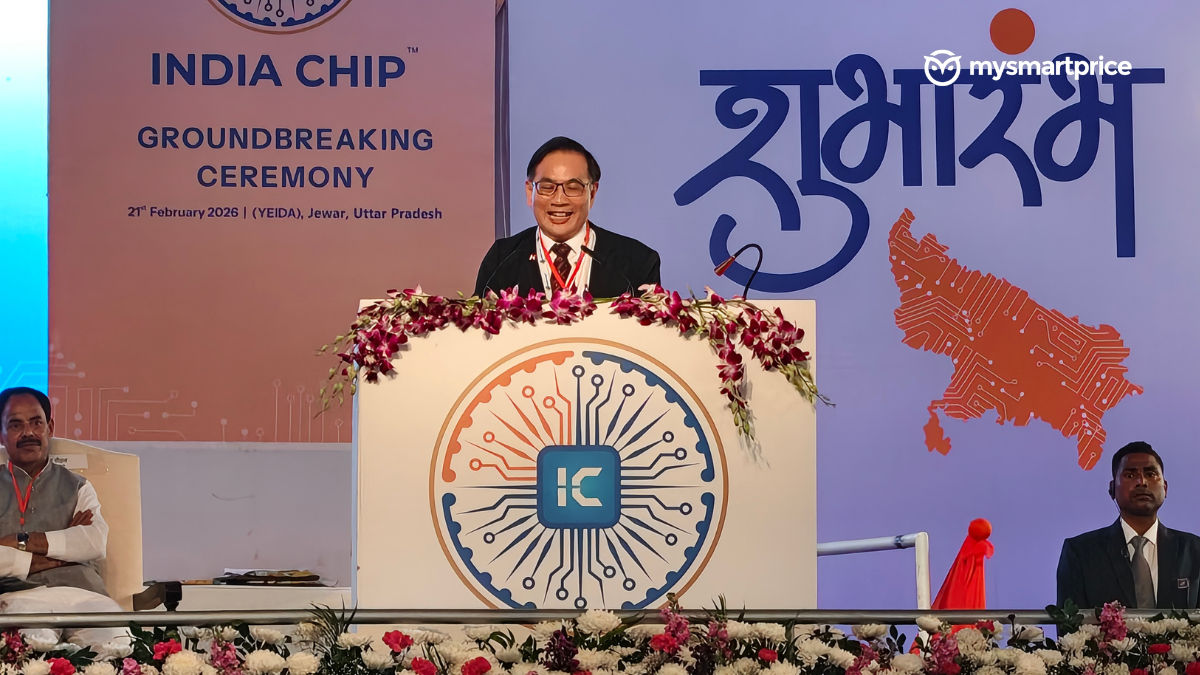
The on-ground event was attended by UP Chief Minister Yogi Adityanath and Union IT Minister Ashwini Vaishnaw, alongside HCL Chairperson Roshni Nadar Malhotra and Foxconn President Bob Chen.
For India's semiconductor ambitions, backend facilities like OSAT plants may not grab headlines like fabs, but they are often where capability, scale, and real-world execution are first proven.