Samsung is reframing how flagship smartphones are sold in India. With the introduction of its new Galaxy Forever programme, the company is moving beyond one-time purchases to position premium ownership as more flexible, upgrade-friendly, and financially accessible.
At a time when flagship smartphone prices are pushing further upwards, this move reflects growing confidence in both Samsung's premium portfolio and the Indian consumer's willingness to stay within an ecosystem, as long as the barriers to entry are lowered.
From One-Time Purchase to an Ongoing Upgrade Cycle
Galaxy Forever is not just a financing layer. It is structured as an ownership model that allows users to upgrade to newer Galaxy devices with greater ease, while reducing the upfront cost burden typically associated with flagship smartphones.
By combining assured buyback value with upgrade flexibility, Samsung is effectively turning a high one-time purchase into a more predictable, lifecycle-based expense. This aligns with a broader global shift where brands are trying to lock users into longer-term upgrade cycles instead of relying on single transactions.
For Samsung, this is also about reducing friction in premium adoption. Flagship devices are no longer just about specs or AI features. They are increasingly about how easily consumers can enter and stay within that ecosystem.
Why Samsung Is Doubling Down on Premium India
Samsung's timing is telling. The company has been strengthening its premium push in India, especially with its Galaxy S and foldable lineups, even as competition intensifies from Apple and aggressive upper mid-range offerings from Chinese brands.
By introducing a structured ownership programme, Samsung is signalling that demand for premium devices is not the constraint. Affordability and upgrade hesitation are.
This also highlights how Samsung views India. Not just as a volume-driven market, but as a long-term premium growth engine where customer lifetime value matters more than one-time sales.
Lowering the Barrier to the Latest Flagship Experience
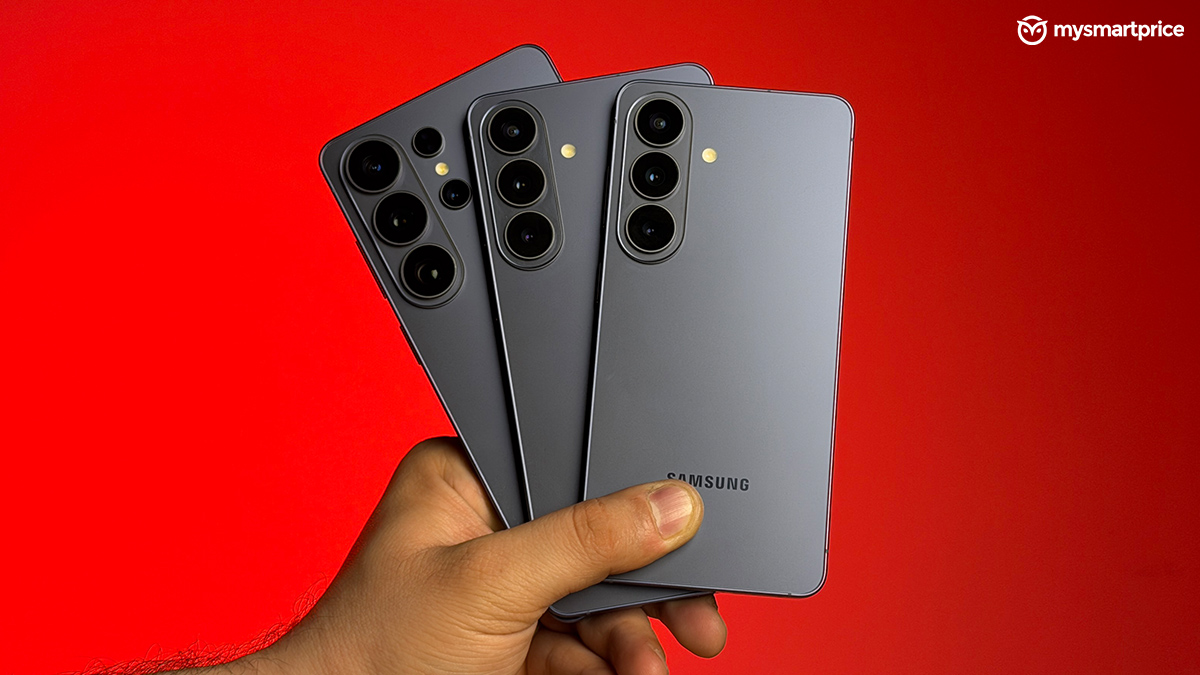
One of the biggest challenges in the flagship segment today is the pace of innovation. AI features, camera upgrades, and performance improvements are arriving faster than traditional upgrade cycles.
Galaxy Forever directly addresses this by making it easier for users to stay current. Instead of holding on to a device for three to four years, users are nudged towards more frequent upgrades without absorbing the full financial hit each time.
In effect, Samsung is introducing a subscription-like mindset to smartphone ownership, even if it is not formally positioned that way.
A Broader Shift Towards Ownership-Led Premiumisation
Samsung's move reflects a wider industry shift. As hardware innovation begins to plateau in certain areas, brands are increasingly relying on financial models, trade-in programmes, and upgrade plans to sustain growth.
Apple has already seen global traction with its upgrade programmes, while in India, aggressive EMI schemes and exchange offers have played a key role in driving premium adoption. Galaxy Forever builds on these ideas but packages them into a more structured and brand-led proposition.
This approach could push competitors to rethink their strategies, especially in a market like India, where price sensitivity still plays a role even in the premium segment.
A Long-Term Play to Deepen Ecosystem Loyalty
Galaxy Forever is less about making a single device more affordable and more about reshaping how premium smartphones are consumed in India.
It reflects Samsung's belief that the future of flagship growth lies not just in better devices, but in better ownership models. By lowering entry barriers while encouraging faster upgrade cycles, the company is positioning itself to build deeper, longer-term relationships with users.
If executed well, this could become a key lever for Samsung to defend and expand its premium position in India, as the market steadily moves towards ecosystem-driven loyalty rather than purely spec-driven decisions.