There is something slightly contradictory about the Pixel 11 Pro XL. You can spend an entire day with it and come away thinking, this is exactly how a flagship Android phone should feel. The display is beautiful, the animations are fluid, the haptics are exceptional, the speakers are genuinely good, the cameras remain among the best at turning an ordinary scene into a great photograph, and Google’s version of Android has a kind of polish that is difficult to appreciate until you use something else.
Google Pixel 11 Pro XL
Rs 1,34,999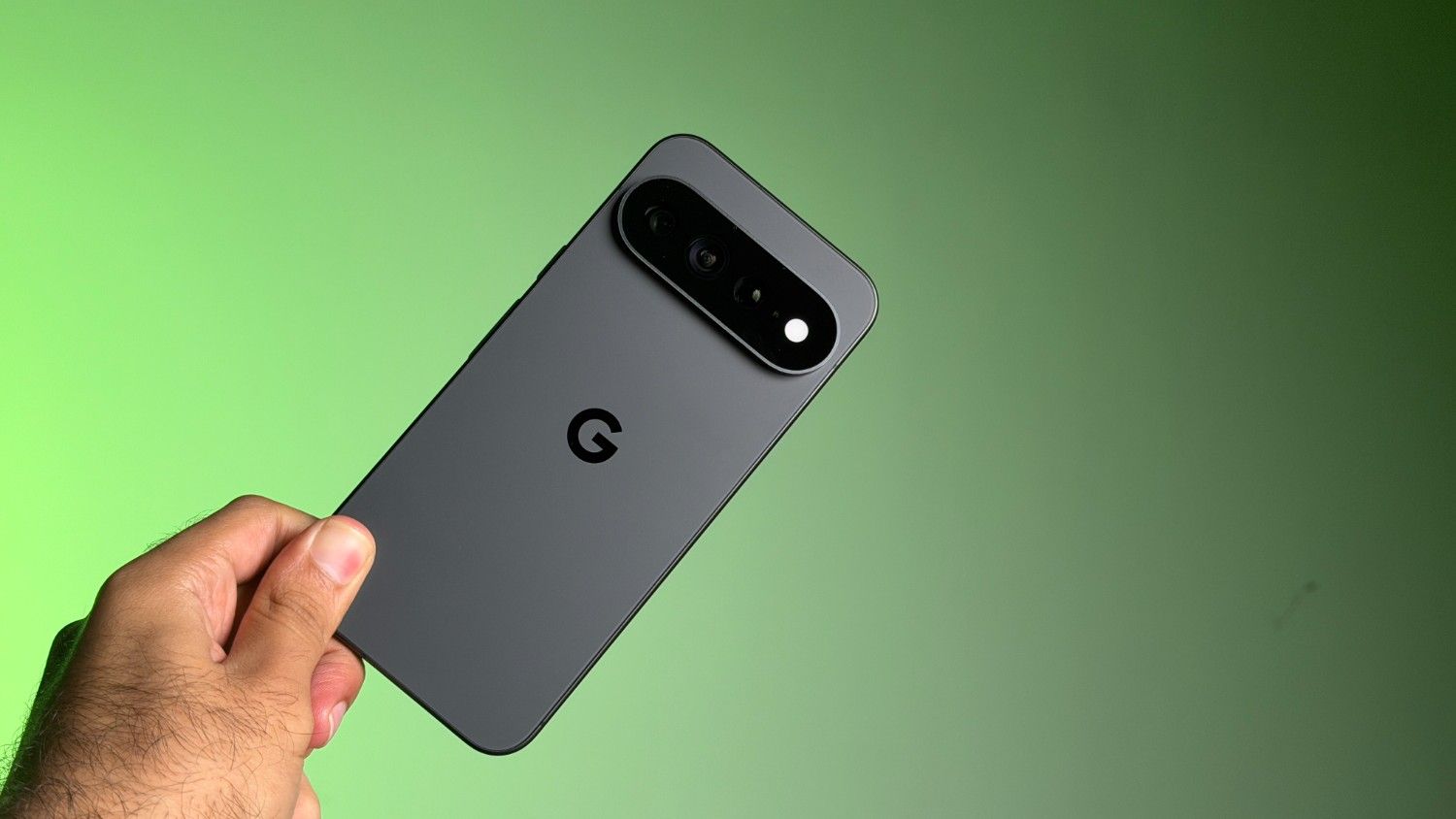
What Is Good?
- Premium and bold design
- Excellent, natural-looking camera results
- Highly polished display
- Clean and cohesive Android experience
- Much-improved battery life
What Is Bad?
- Software bugs, crashes and app quirks
- Slower than its competitors
- 60fps gaming ceiling
And then the phone does something that reminds you it still is not as finished as it should be.
An app crashes while you’re setting things up. Instagram behaves strangely while editing a post. A WhatsApp call drops. The phone takes longer than it should to load something. You lock the screen while watching a Reel, and the audio keeps playing for a few seconds after the display has already gone dark.
None of these problems individually makes the Pixel 11 Pro XL a bad phone. Together, they expose the uncomfortable part of Google’s flagship formula: Pixel can feel more delightful than almost any Android phone while still being less dependable than one at Rs 1,34,999 should be. The phone starts at Rs 1,34,999 in India, which puts it directly in competition with the iPhone 17 Pro Max, Galaxy S26 Ultra, and also the likes of popular Vivo X300 Ultra, Oppo Find X9 Ultra, and Xiaomi 17 Ultra.
The latter three are entirely different phones. I believe they are so hardware-loaded that there isn’t a comparison. But the iPhone, the Galaxy S Ultra, and the Pixel compete pretty closely. And that is what makes the Pixel 11 Pro XL such an interesting phone to review.
It Feels Expensive, Right Up Until You Have To Carry It
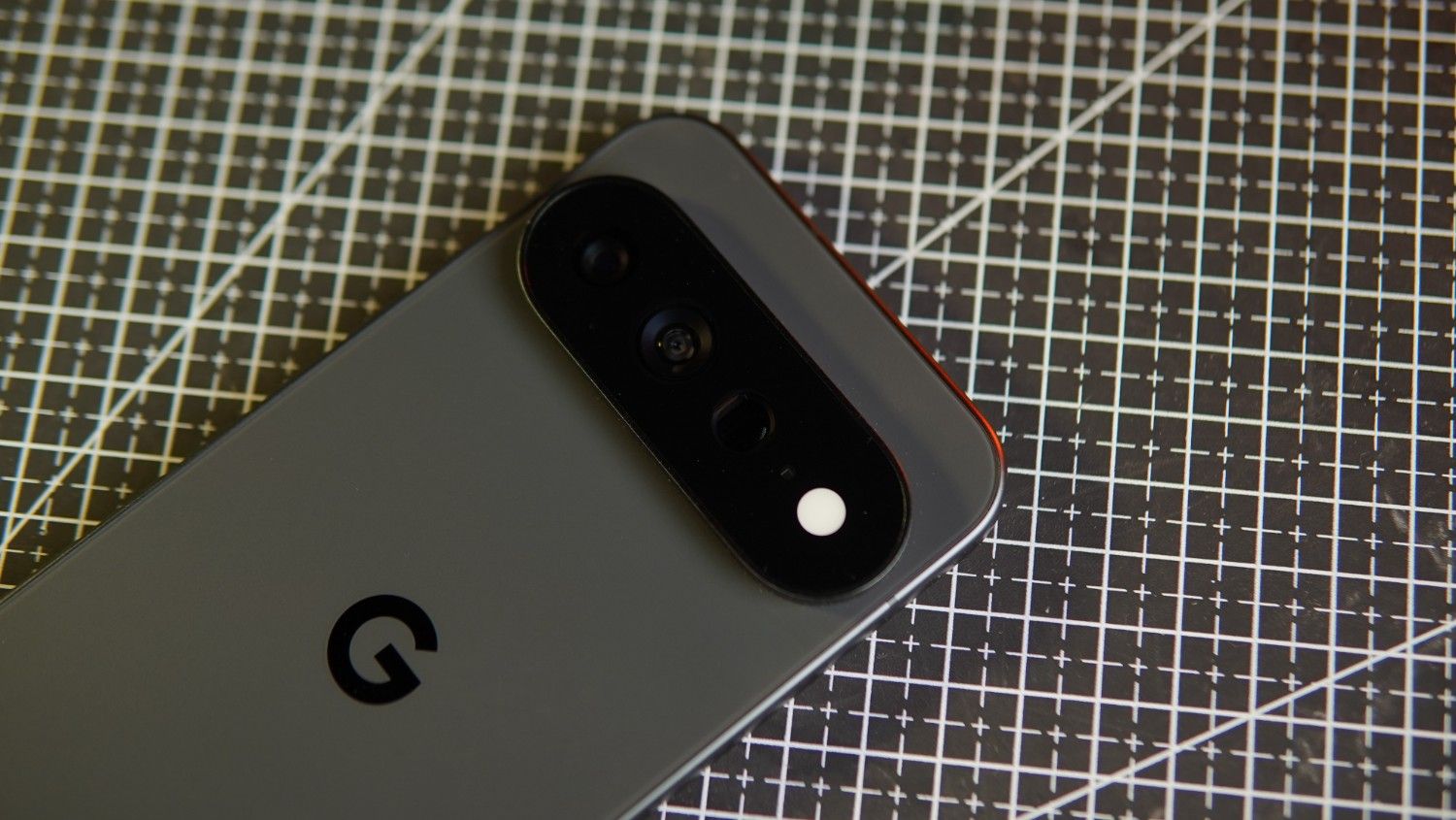
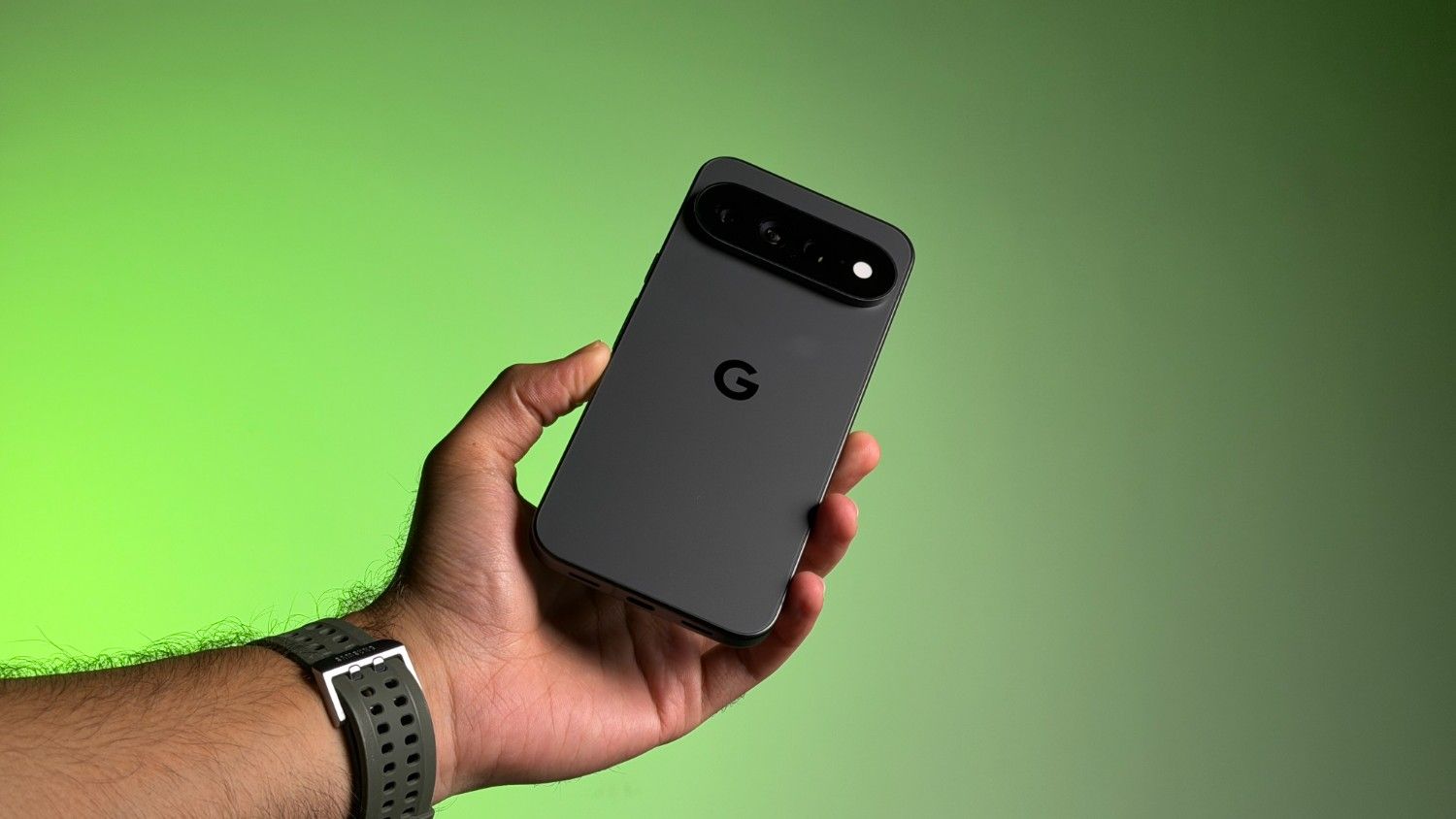
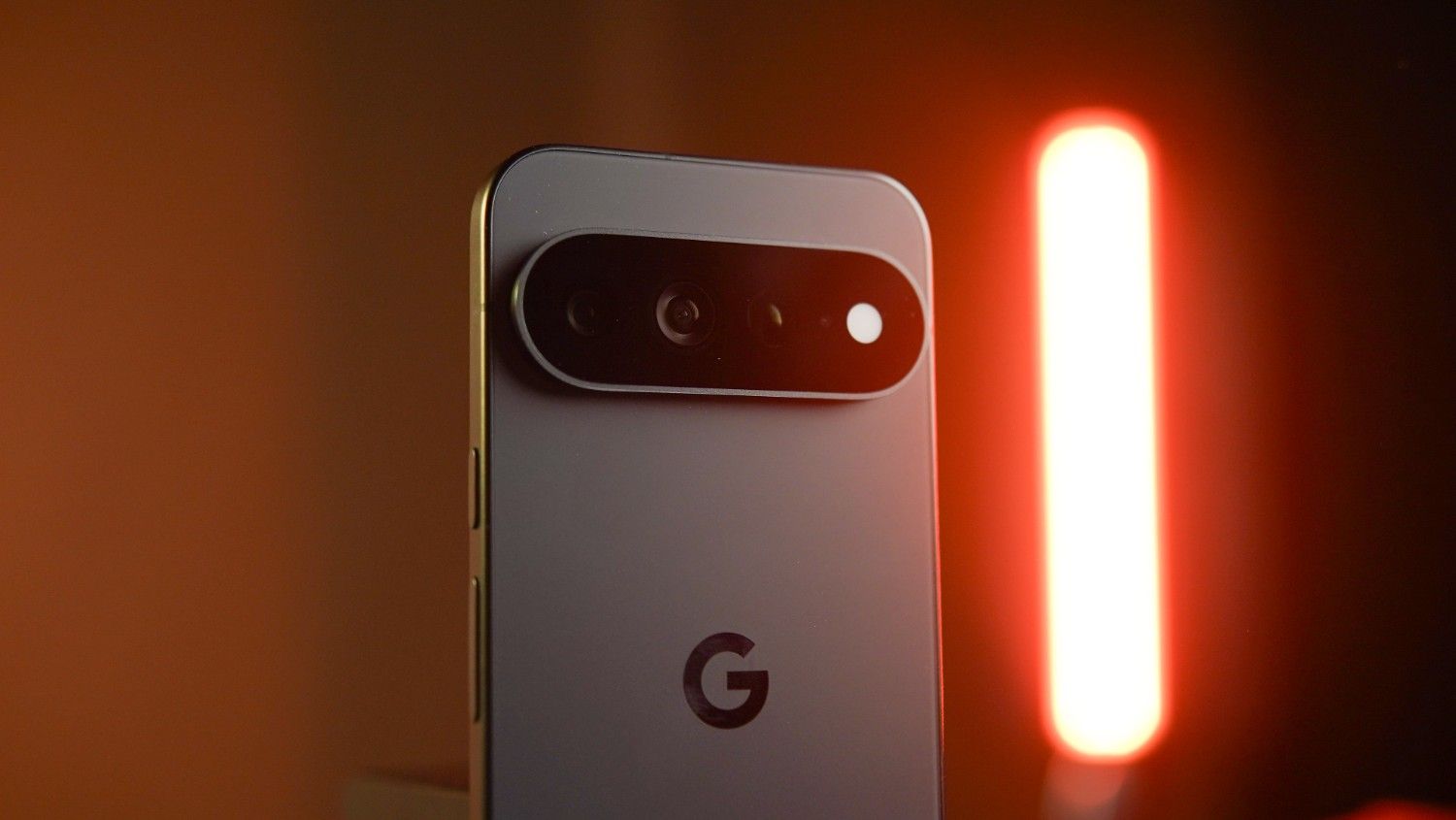
Google hasn’t radically changed the Pixel’s design this year, and I don’t think it needed to. The Pixel 11 Pro XL looks expensive: not flashy, not attention-seeking, just properly premium. The glass back has a softness to its finish that makes the phone feel more elegant in the hand than many of its aggressively engineered rivals. The camera bar remains a major part of the phone’s identity, and I still think it is one of the better-looking camera designs on a smartphone.
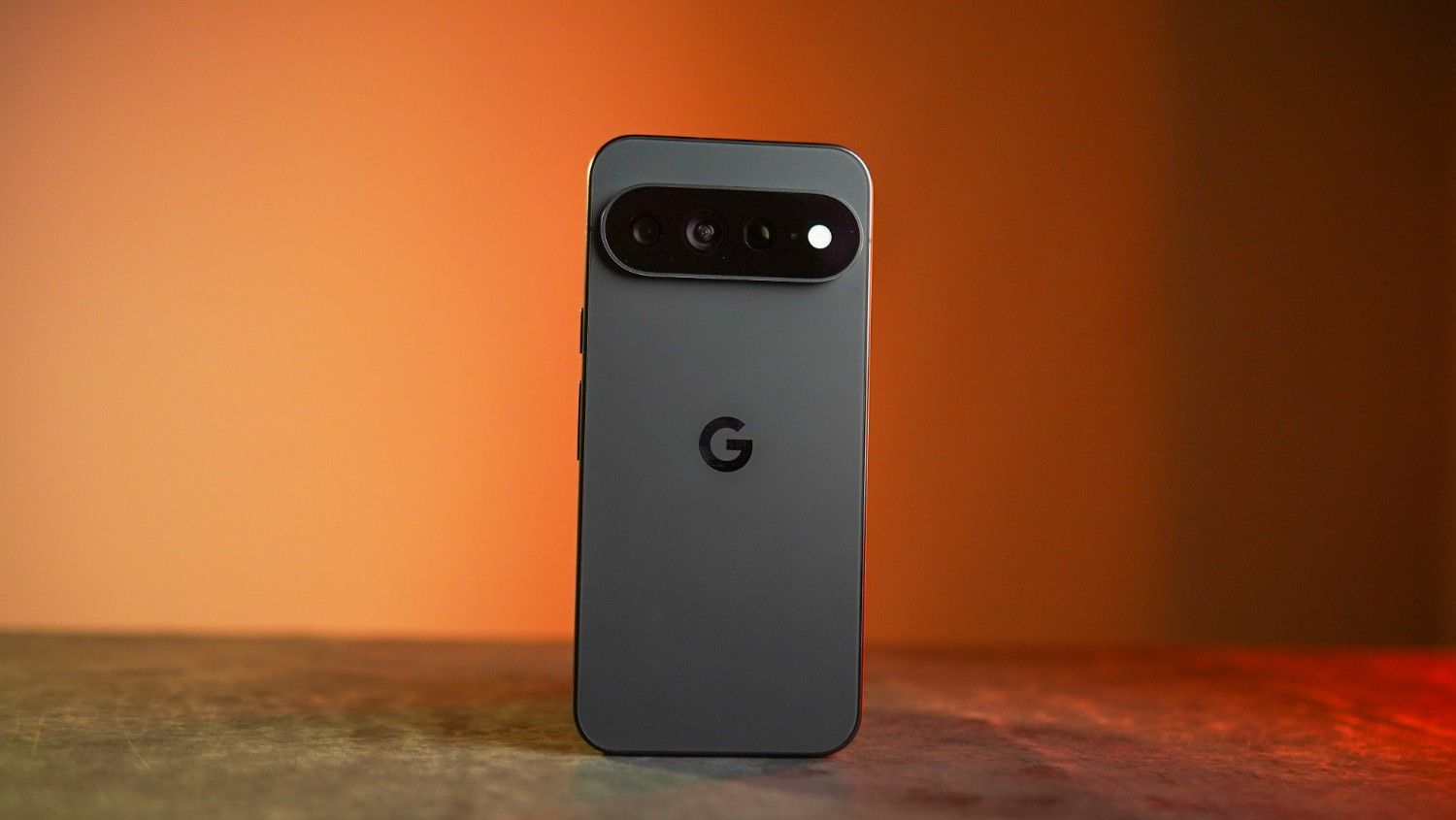
There is, however, a trade-off: this is a big, substantial phone like all the other phones in this segment. You feel its bulk. The Pixel 11 Pro XL weighs 226 grams and is 8.5mm thick, which is still better than the iPhone 17 Pro Max.
The camera module itself is also more than just a design statement. Put the phone down on an edge, and that protruding camera housing can actually act as a tiny stand, making it surprisingly useful when you’re trying to record yourself with the front camera. Find a ledge at roughly the right height, rest the phone against it, and it stays put.
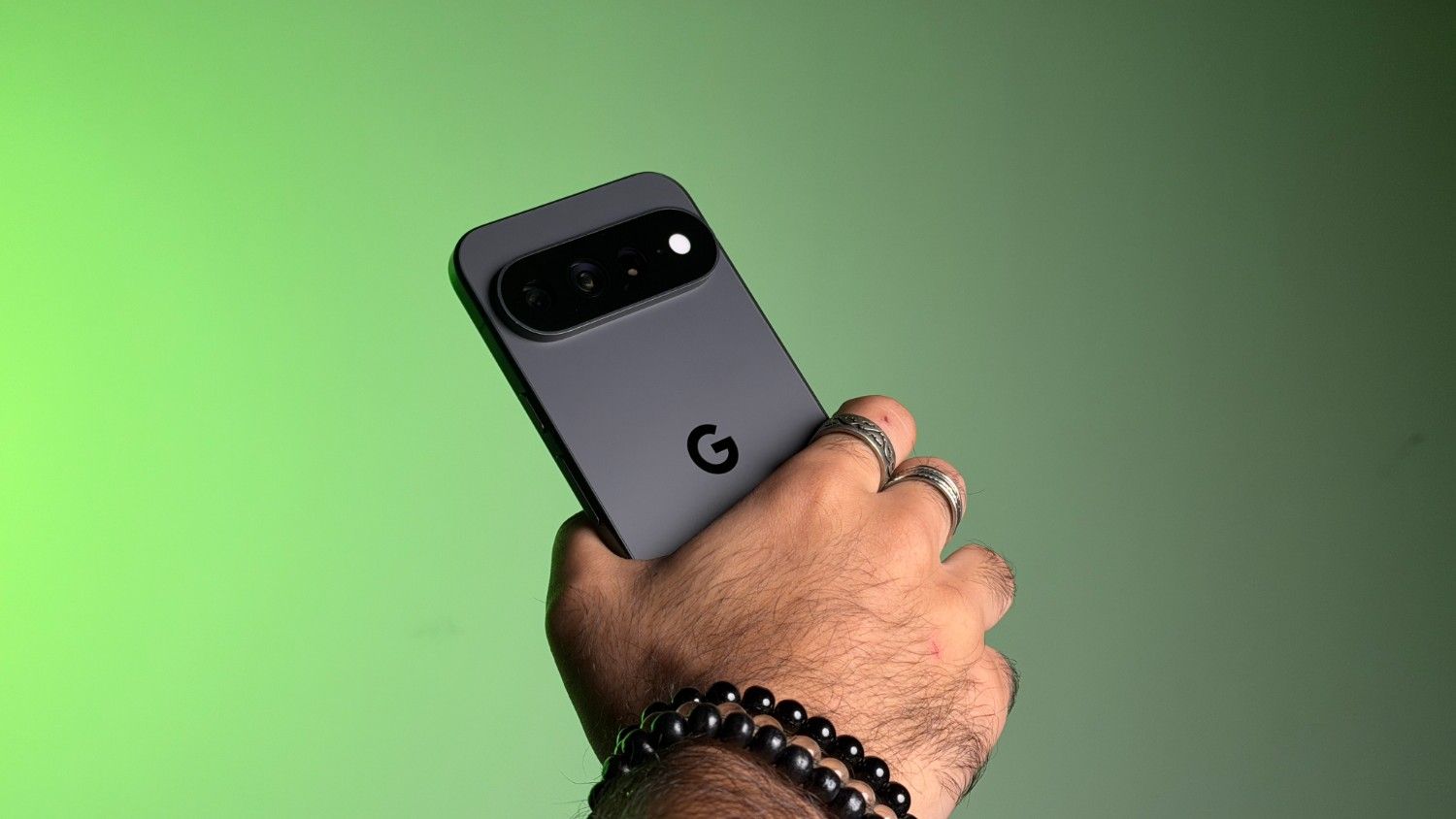
But live with the camera bar for a few days, and its compromises become obvious. The exposed surface is prone to picking up scratches, and dust has an irritating habit of settling right below it.
So yes, the Pixel 11 Pro XL looks like a Rs 1.35 lakh phone, it even behaves like one, but I believe we need more of the Slim, Edge, and Air sort of phone in this segment if lifestyle is the focus.
Google Still Hasn’t Figured Out How To Make Speed Feel Effortless
The Tensor G6 is an improvement. That’s clear. The phone heats up less than its predecessors, everyday interactions feel smoother, and there is less of the uncomfortable warmth that has become associated with previous generations of Tensor-powered Pixels. However, synthetic benchmarks still leave Tensor well behind Apple’s and Qualcomm’s flagship silicon, but the more interesting question is whether you notice that gap in ordinary use. Sometimes, you do.
The Pixel 11 Pro XL can still feel oddly slow at things smartphones are supposed to make instantaneous. Apps can take their time loading. Buffering and setup processes occasionally feel slower than they should. And while the phone is generally smooth once everything is on screen, getting there can be less graceful than you would expect from a flagship in 2026.
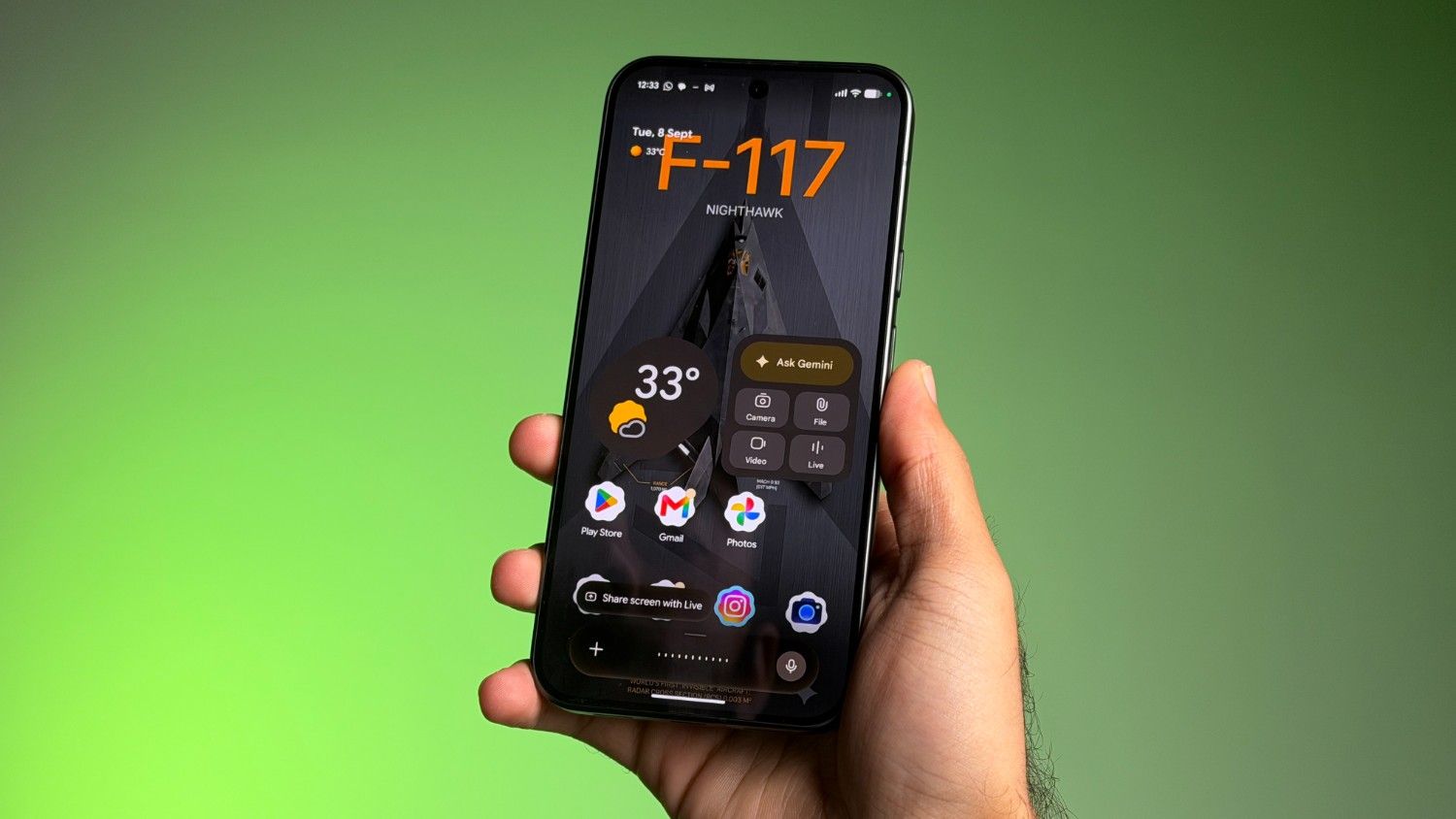
Now, understand this. The Pixel 11 Pro XL is not a phone that feels slow in the traditional sense. Scrolling is smooth. Animations are lovely. Touch response is excellent. What you notice is friction, those tiny waits between asking the phone to do something and the phone actually doing it.
And Google still has another problem to solve: gaming.
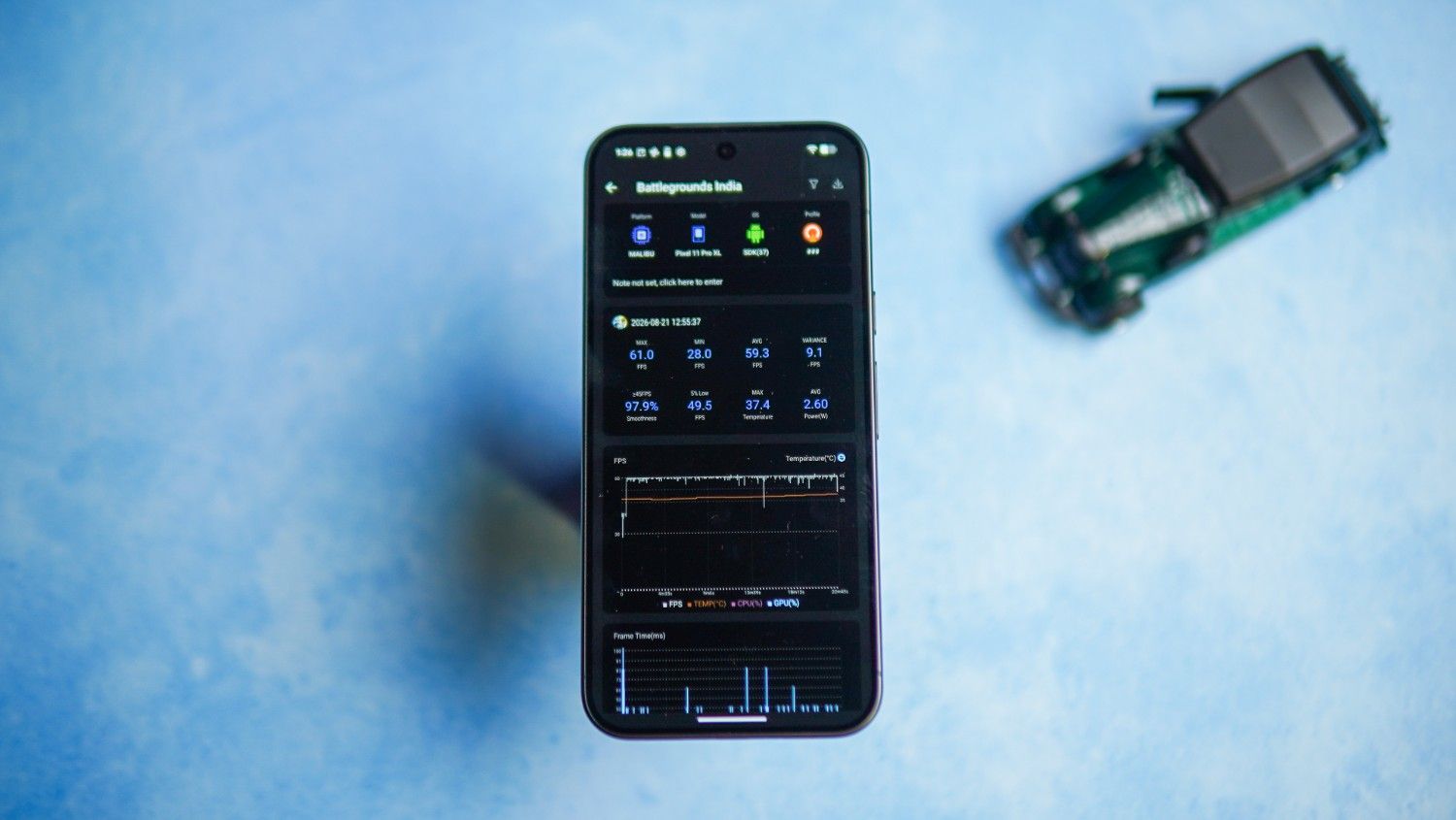
BGMI, one of the most demanding mainstream games in India, tops out at 60fps here. For someone who plays competitive mobile games, that is not a minor omission. It immediately places a ceiling on what the phone can do as a gaming machine, regardless of how premium the rest of the experience feels.
At this price, I believe that matters.
The Display And Haptics Are Why The Pixel Feels Special
This is where Google gets something wonderfully right. The Pixel 11 Pro XL’s display is excellent, as it should be. Colours look natural without appearing dull, detail is crisp, and the adaptive colour mode is the profile I recommend living with. There is also a slightly annoying setup choice: the phone ships with FHD+ resolution enabled by default, so I have changed it to the maximum resolution the moment I set it up.
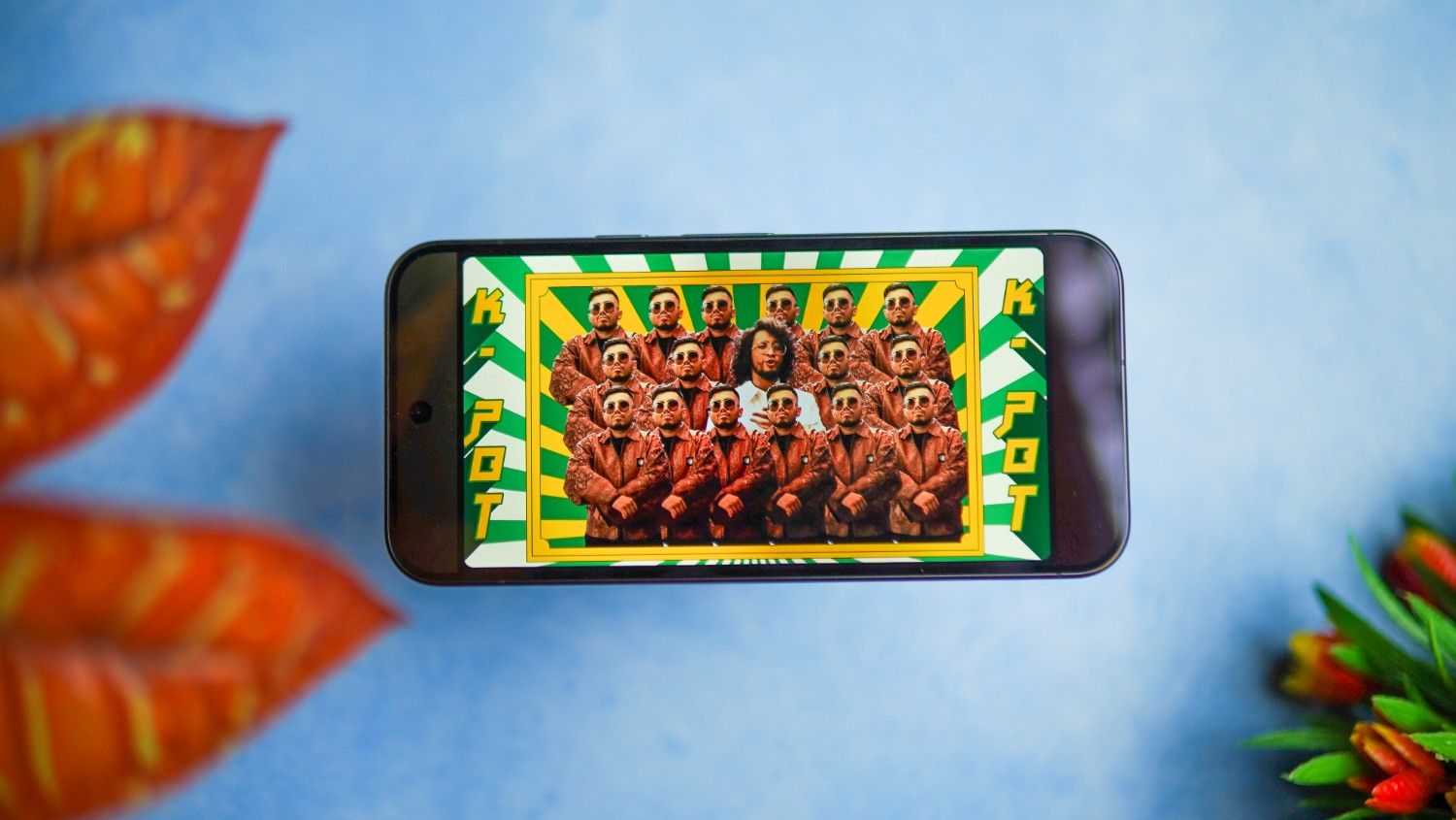
More than the panel itself, though, it’s the interaction with the panel that makes this phone feel premium. Touch response is superb, but the haptics are the real star.
Google has gone beyond simply making vibrations strong or precise. There are a few physical effects built into the interface. Use swipe-to-text, and the haptic response can feel almost spring-loaded, as though the interface has resistance and momentum of its own. It sounds like a tiny detail. It is not.
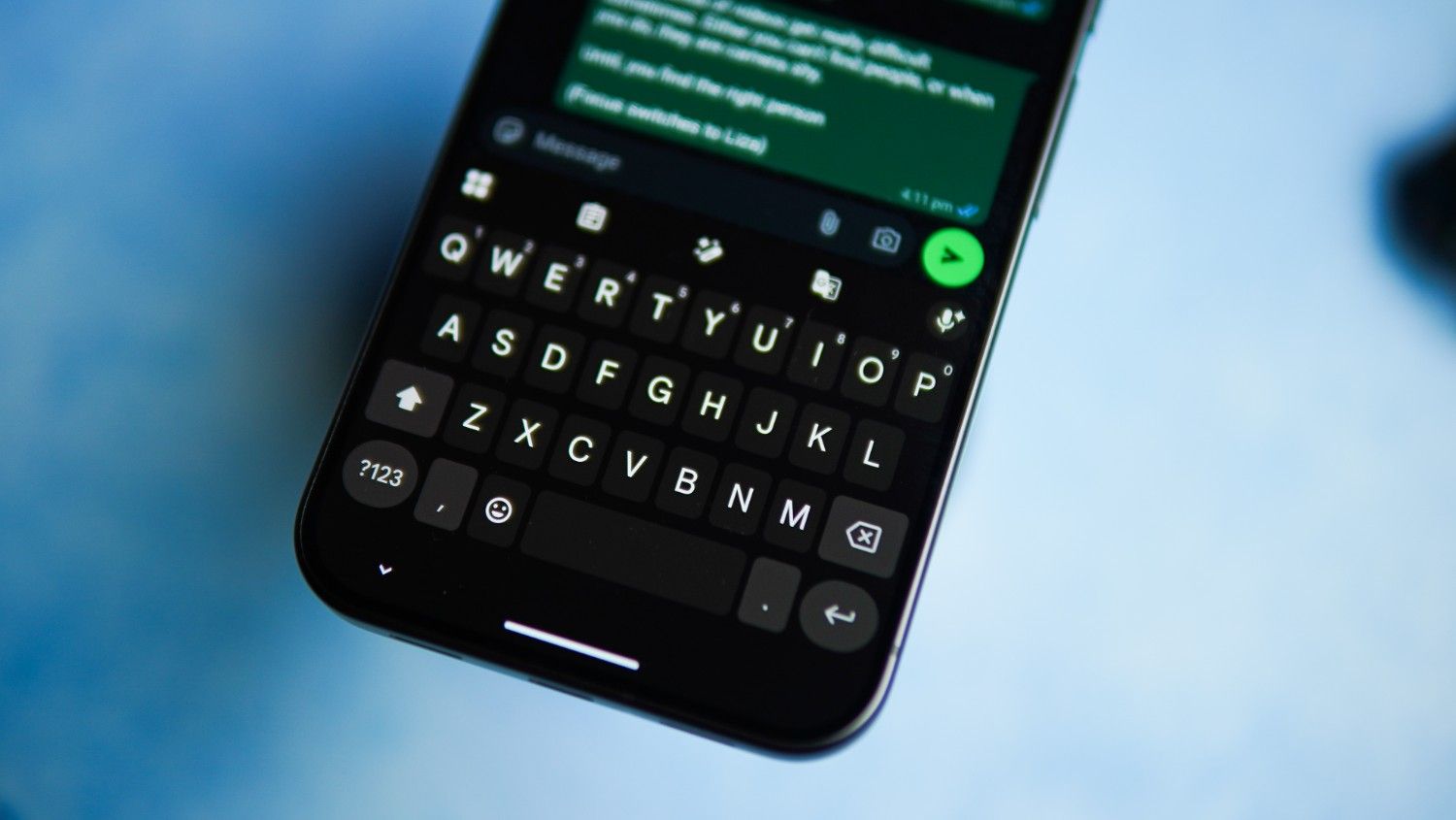
This is the sort of optimisation I won’t notice when someone reads it out to me in a specifications table. I noticed it because, after using the phone for a few days, everything else suddenly felt a little flatter. Apple has understood this for years. Google is getting much closer.
The speakers help too. They get properly loud, maintain good overall quality at higher volumes, and create a convincing sense of stereo separation.
HiLight Is The Sort of Google Idea That Sounds Better In A Keynote
Then there is HiLight. Google deserves credit for trying something different. The problem is that I don’t really know why I would want it.
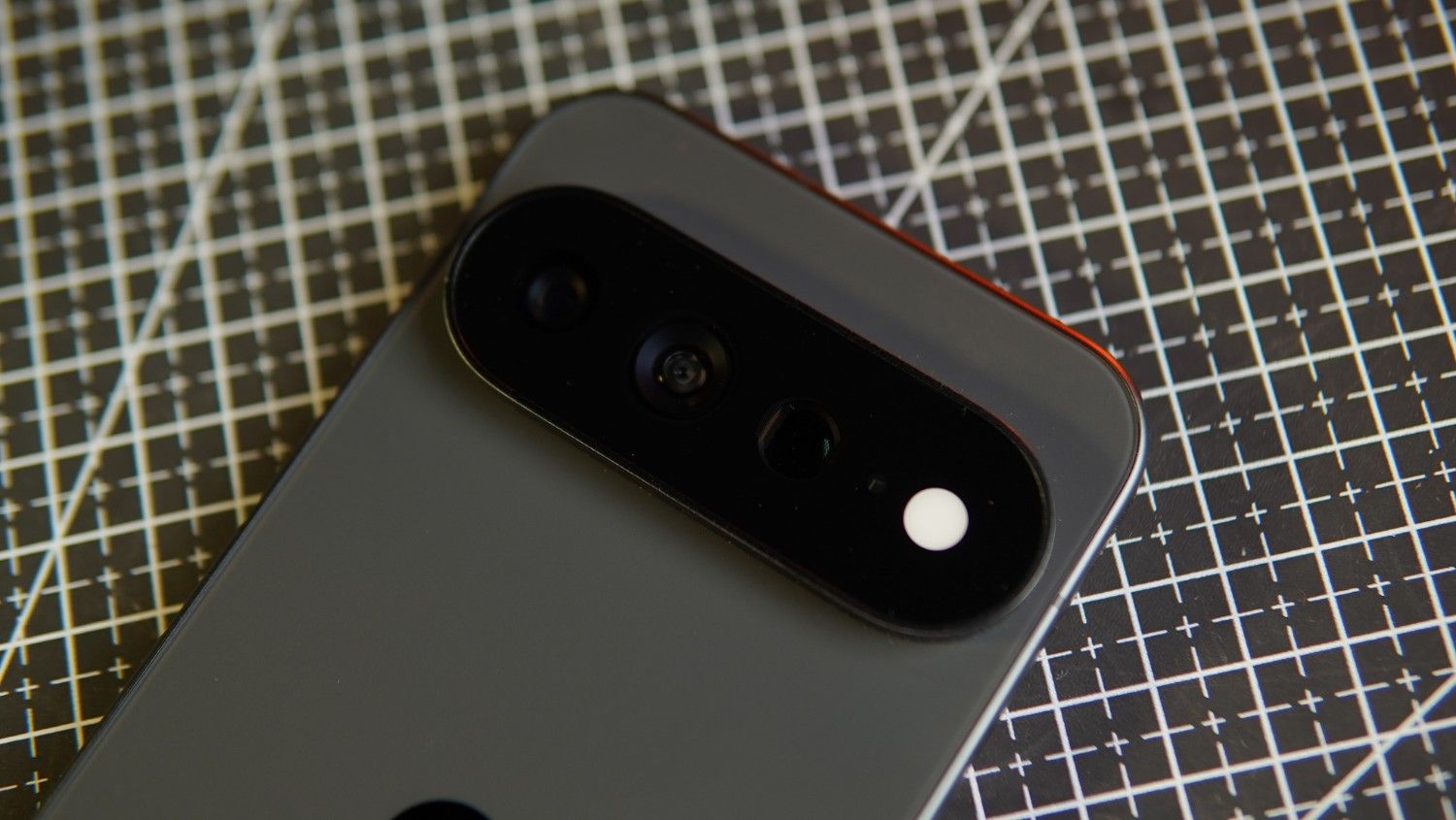
A light on the back of a phone that tells me something is happening while the phone is face-down sounds useful until you remember that phones already have notifications. The haptic motor is strong enough to get your attention. The notification sound can do the same job. And because HiLight doesn’t replace those systems so much as decorate them, it begins to feel like hardware built around a problem that didn’t really exist.
It’s a neat trick. It just doesn’t make the phone meaningfully better.
That’s the difference between a clever feature and a useful feature, and HiLight currently belongs firmly in the first category. Even the broader Pixel 11 review cycle has raised the same concern about its limited usefulness.
Android 17 Is Beautiful. It Also Needs Time.
There are very few Android phones where the software feels as intentionally designed around the hardware as it does on a Pixel. That is still the Pixel’s secret weapon.
The interface is clean without feeling sterile, animations have character, and the haptics make even mundane interactions feel considered. It is the closest Android gets to the feeling iPhone users often describe when they say that everything simply feels like it belongs together.
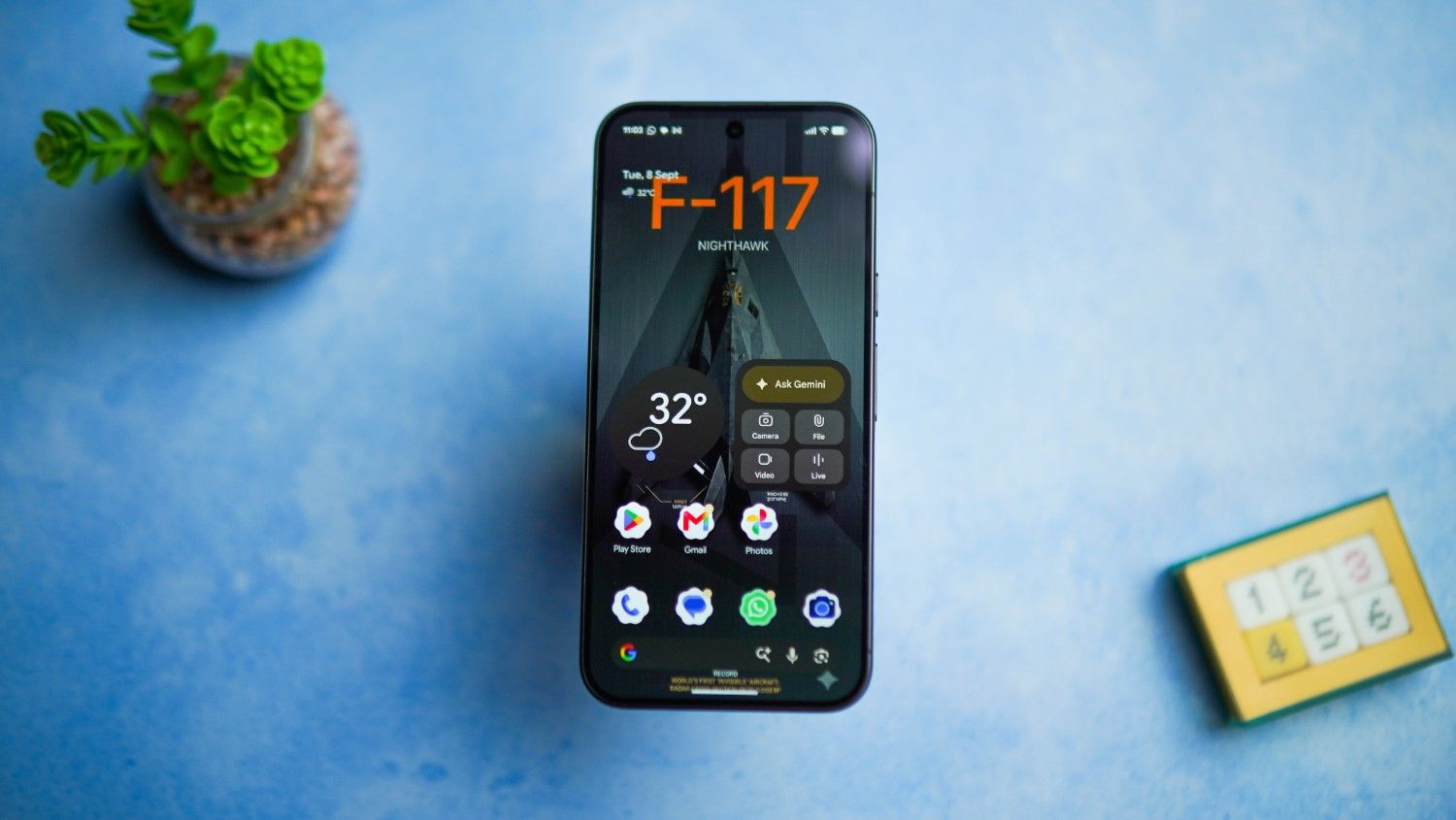
But there is an asterisk. Android 17, at least in this early Pixel 11 phase, needs more refinement.
I experienced crashes while setting up apps, occasional UI oddities and problems within apps such as Instagram and YouTube, particularly around editing and posting content. These are not catastrophic bugs, and anyone who has used Pixels for years will know the pattern: new Pixels tend to feel like they need a little time before the software settles.
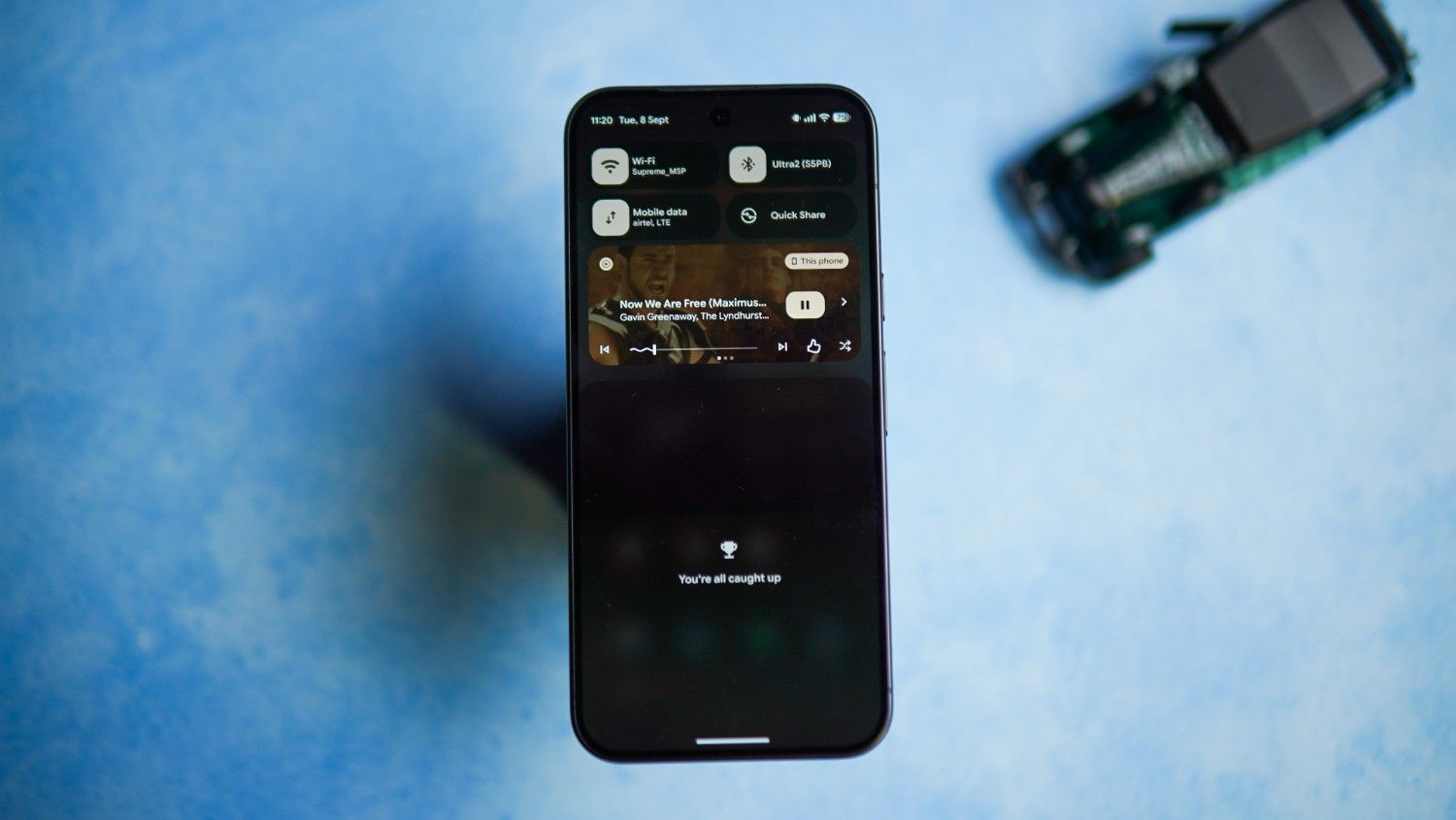
That doesn’t make the problem acceptable. If anything, it makes it more frustrating because Google has been making Pixels long enough that this cycle is no longer surprising. And this is where the iPhone comparison becomes difficult to avoid.
The Pixel software is arguably more interesting. It certainly feels more personal. But Apple’s advantage is that its software often feels finished in a way Google’s doesn’t yet.
That distinction matters more on a Rs 1.35-lakh phone than it does on a Rs 50,000 one.
Google’s Voice-To-Text Is The Kind Of AI I Actually Want
The Pixel 11 Pro series’ AI features are becoming easier to judge because we’re finally at the stage where some of them are genuinely useful and others are clearly there because Google can build them.
Its speech-to-text implementation is firmly in the first category.
It is remarkably good at understanding natural speech, cleaning it up and making dictated text feel less like dictated text. It can pick up on the way you’re speaking, and it can even recognise expressions strongly enough to insert the appropriate emoji. Say something with the right dramatic emphasis, and the phone can interpret it as an emoji rather than simply transcribing the words.
That feels futuristic in the way AI on a phone should feel futuristic. Not because it generates a poem in five seconds, but because it removes a tiny piece of friction from something you already do every day.
And these are exactly the AI features I want Google to keep building: the ones that disappear into the operating system instead of demanding to be used. I have also made a video on this feature, so if you want to see a live demo, tap here to watch it.
The Gemini Pro subscription bundled with the phone is another meaningful bonus, particularly because Gemini has become genuinely useful enough that I found myself using it rather than merely testing it.
The Pixel Camera Still Understands Photography Better Than Almost Anyone
Here’s the part that hasn’t changed: when I point the Pixel at something, I trust it. It boasts a triple camera setup, consisting of a 50-megapixel main camera, a 48-megapixel periscope telephoto sensor with 5x optical zoom, and a 48-megapixel ultrawide lens.
The video quality still doesn’t lead the field. Vivo and Oppo are doing more ambitious things with video, and the Pixel’s lack of 120fps recording is particularly difficult to defend at this price when phones such as the iPhone 17 Pro Max and Vivo X300 Ultra offer high-frame-rate recording capabilities. Vivo, for example, offers 4K 120fps recording across multiple focal lengths and even 10-bit Log recording.
But still photography remains a different story.










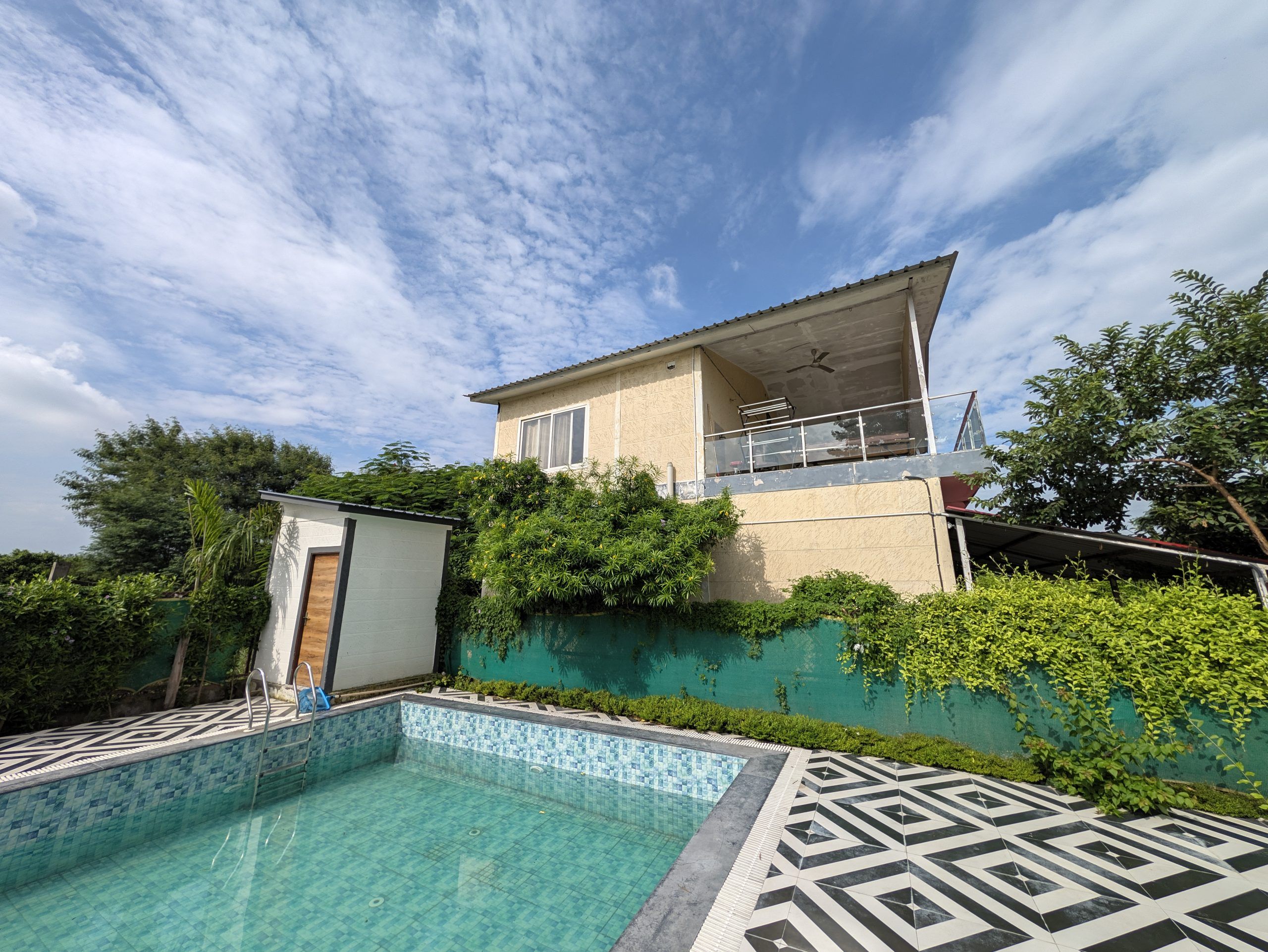
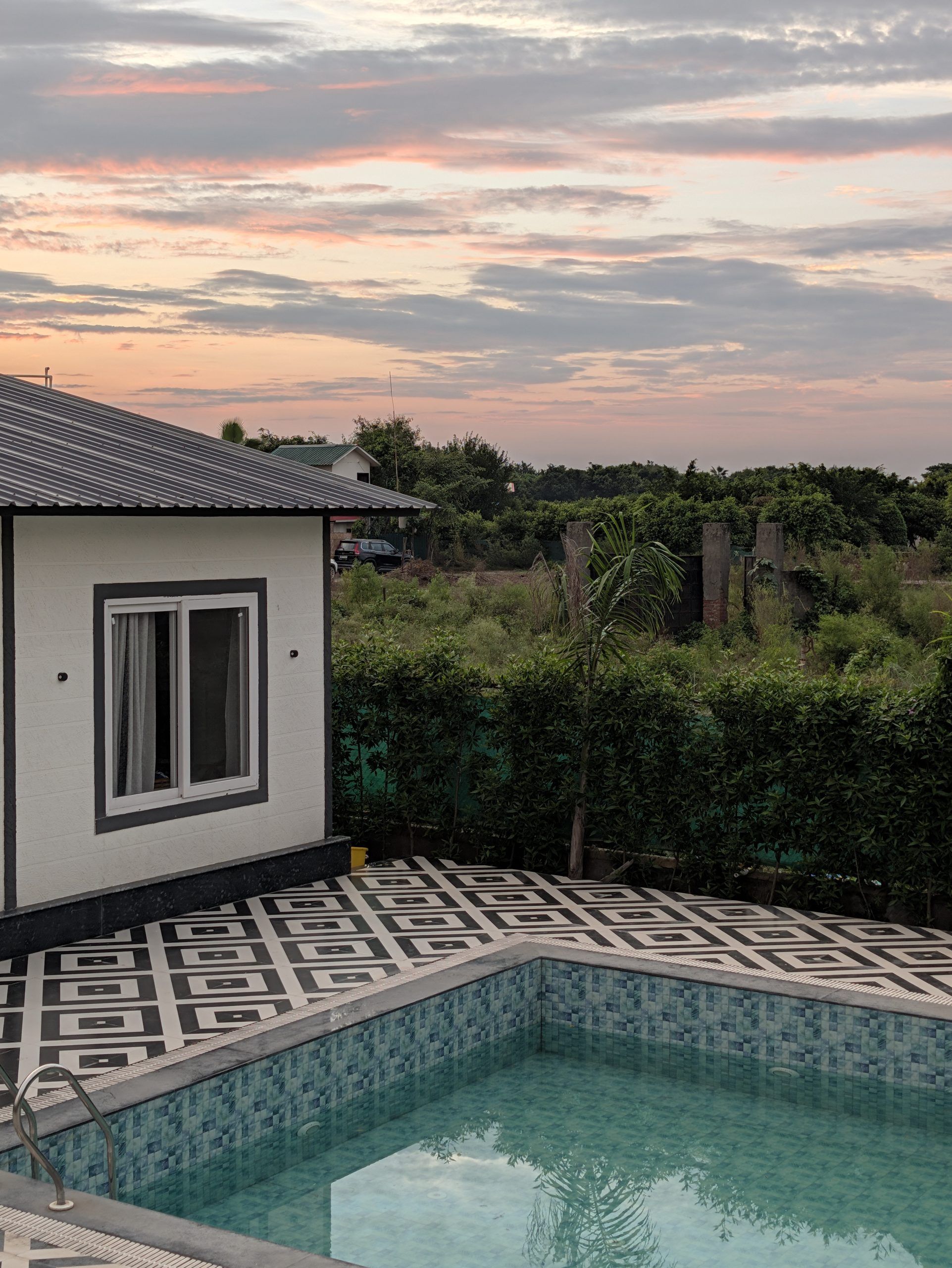


Google’s computational photography is doing an enormous amount of work behind the scenes, and it shows. Exposure, colour, skin tones, dynamic range and the handling of difficult light are consistently excellent. More importantly, the processing rarely feels like the phone is trying too hard to impress you. It simply processes pictures and gives you a very crisp and natural-looking output.
However, as I mentioned earlier, it still has to figure out the speed. After clicking a picture, the post-processing on the Google Pixel 11 Pro XL takes about 5 seconds, which I believe is a lot.
Optical zoom has improved over previous Pixels, too. Google’s long-distance digital zoom still doesn’t match what Vivo and Oppo are doing at the extreme end, but the more useful ranges are much more convincing this generation.





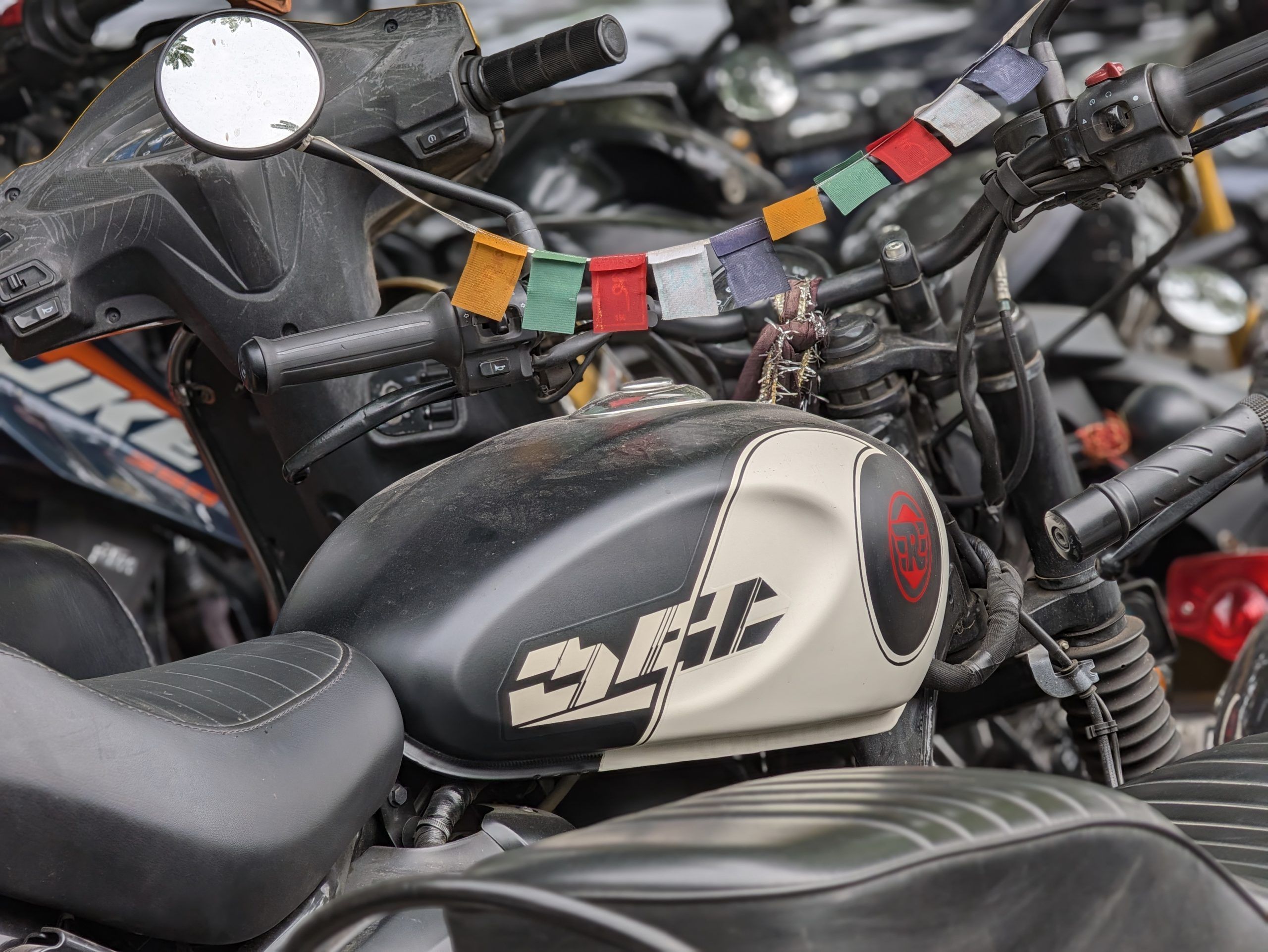


And that’s an important distinction. I would rather have a 10x photo I actually want to share than a 120x photograph that exists mainly to make for a good demo.
The Pixel is still one of the few phones where the camera can make you feel like you took a better photograph than you actually did. That is a compliment.
The Battery Finally Feels Like It Belongs Here
Battery life was one of my biggest complaints with previous Pixels, so the improvement this generation is meaningful.
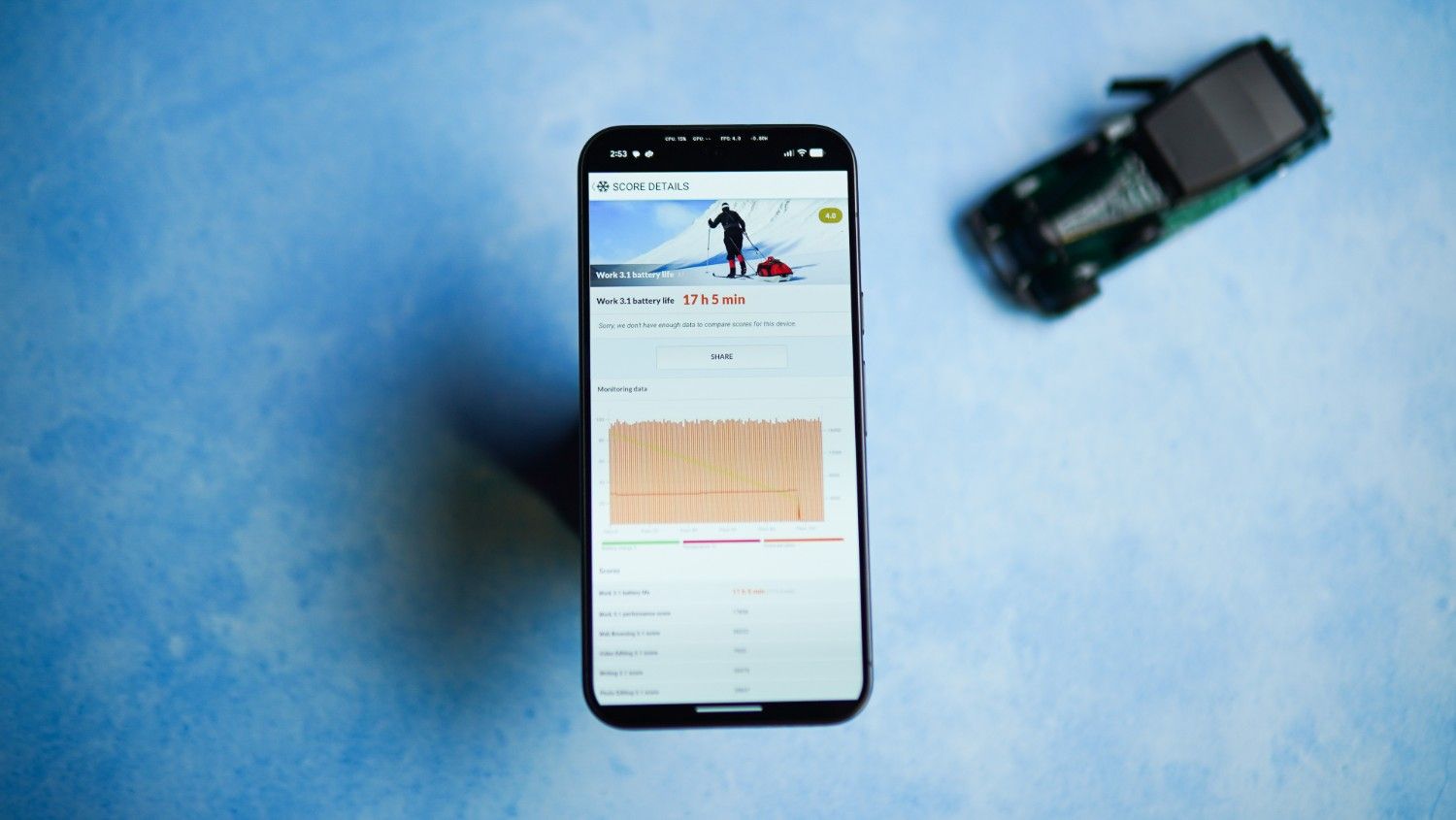
The Pixel 11 Pro XL comes with a 5115 mAh battery that comfortably made it through a full day and into the night for me. And this is also despite a fairly aggressive routine: maps, digital payments, music, lots of Instagram, video consumption and regular Gemini use.
That’s the first time in a while that I stopped thinking about the Pixel’s battery while using a Pixel.
Charging, however, is another matter. The phone still heats up noticeably while charging, and Google continues to lag behind some Chinese rivals on charging speeds. At this price, the charging experience feels increasingly conservative rather than premium, especially when you are using an ‘Android’.
Then There Are The Problems Google Really Needs To Fix
Some Pixel shortcomings have been around for too long to be dismissed as teething issues. Call reliability is one of them.
I still experienced calls dropping, including situations where my voice would stop going through to the other person, or vice versa. WhatsApp calling was even less reliable in my experience, and before you think that, no… my internet was completely fine.
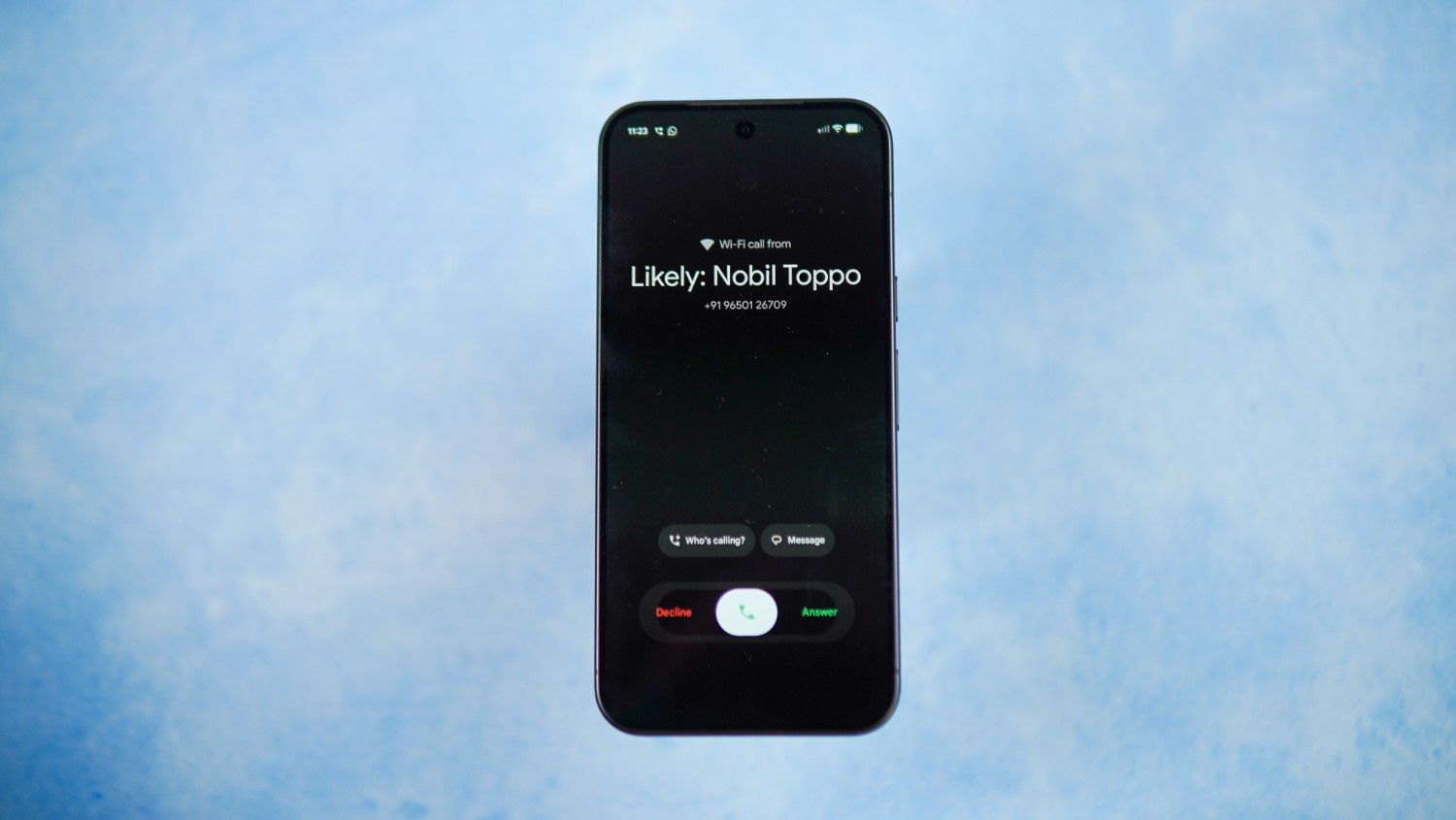
The microphones are another weak point. They are fine, but “fine” is not enough anymore when rival flagships have made serious improvements to microphone quality and recording.
And for someone who creates content, the limitations become more obvious.
Instagram and YouTube can still behave strangely when you’re editing or uploading. Video recording doesn’t offer the flexibility I’d expect from a phone competing at this level. Gaming performance remains behind the best in class.
These are not isolated complaints.
They’re all variations of the same problem: Google has built a phone that is extremely good at making you enjoy using it, but it hasn’t been equally good at making every part of it dependable.
The Pixel 11 Pro XL Is A Brilliant Daily Phone. That’s Also Its Problem.
After using the Pixel 11 Pro XL as my main phone, I came away with a conclusion I didn’t entirely expect. I would buy it.
And then I realised why that is not a simple recommendation. On an ordinary day, the Pixel 11 Pro XL is fantastic. You pay for something, check Maps, listen to music, scroll Instagram, answer messages, dictate a note, take photographs, use Gemini, watch YouTube and go through your day, and the phone just feels really nice..
But then, I don’t have an ordinary day every day.
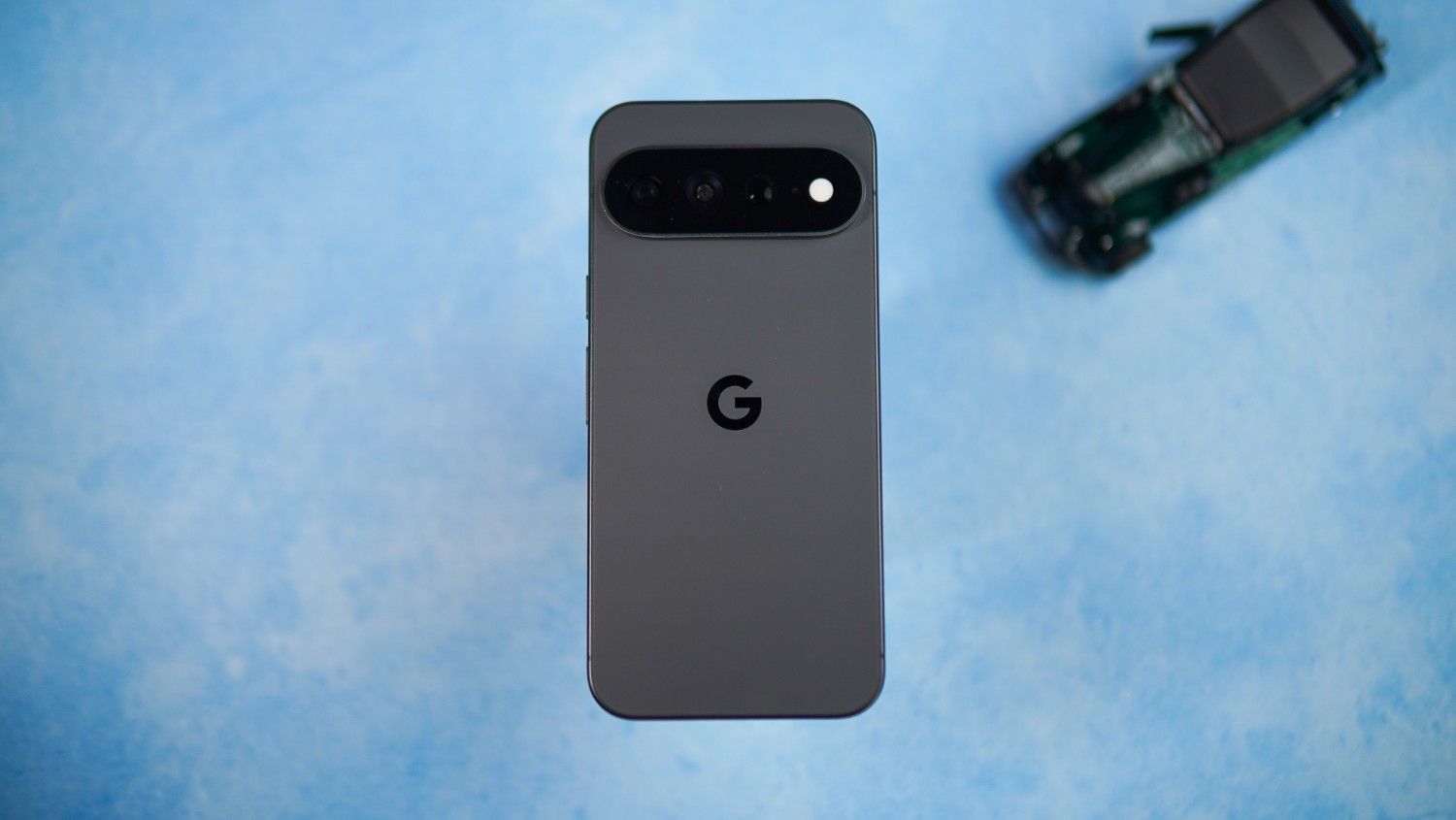
Some days I’m out on a photowalk with friends. Some days I’m shooting a reel. Some days I’m editing one. Some days I’m gaming. Some days I’m travelling and relying on calls and mobile data. Those are precisely the moments when the Pixel’s limitations stop being theoretical.
That’s the strange place the Pixel 11 Pro XL occupies.
It reminds you constantly that you’re holding a flagship. The design is handsome. The display is gorgeous. The haptics are among the best I’ve experienced in this segment. The software is beautifully animated. The cameras are exceptional at what Google cares about. The battery is finally good enough that I can stop worrying about it. And Google’s AI actually has moments where it feels useful rather than gimmicky.
Yet the phone can also make you wait, crash, drop a call, struggle with a social media app, heat up while charging or remind you that 60fps gaming is still its ceiling.
The Pixel 11 Pro XL doesn’t need a reinvention. It needs refinement. Google has already figured out what makes a Pixel feel special. Now it needs to make the rest of the phone just as dependable.
Because once you experience a Pixel at its best, you start expecting everything else to be just as good.
Verdict: The Pixel 11 Pro XL is one of the most enjoyable Android flagships I’ve used this year, but also one of the easiest to criticise, precisely because it gets so many important things right.