There is a peculiar problem with reviewing an iPhone every year. The more familiar you become with Apple’s idea of a smartphone, the harder it gets to distinguish a meaningful upgrade from a refinement that merely looks good on a keynote slide. And when you’re upgrading from a device as capable as the iPhone 17 Pro Max, the iPhone 18 Pro has an even harder job convincing you that it is worth your attention.
iPhone 18 Pro
Rs 1,64,900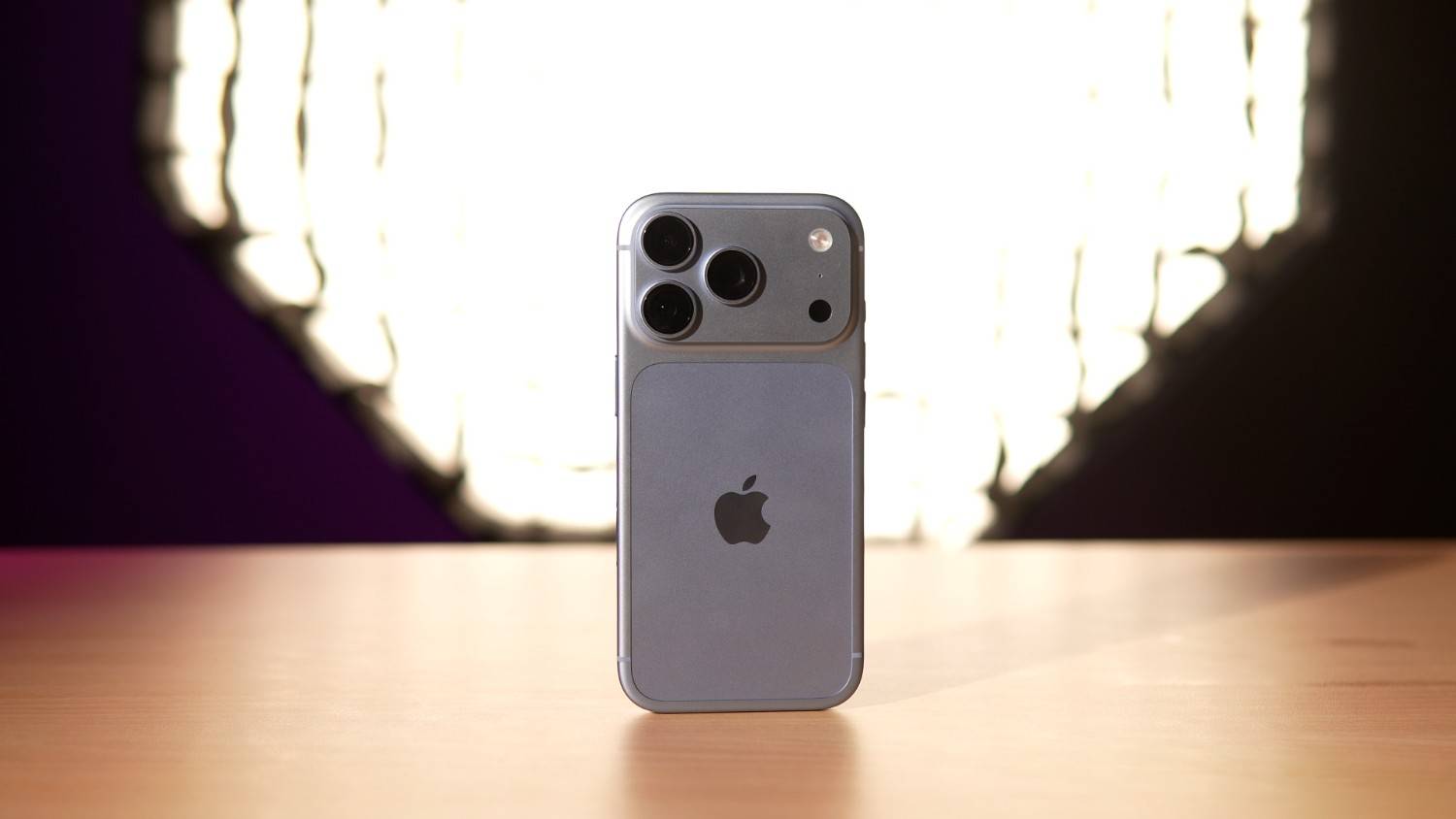
What Is Good?
- A20 Pro is Apple's biggest performance leap yet
- Excellent sustained performance
- Impressive cellular connectivity
- A consistently excellent display
What Is Bad?
- Variable aperture is more impressive on paper than in practice
- No 8K video recording
- The design feels too familiar.
I’ve spent the last couple of weeks using the iPhone 18 Pro as my primary smartphone, after spending a considerable time with the iPhone 17 Pro Max. The immediate impression? In everyday use, the two phones feel remarkably similar. Apps open quickly, the interface remains fluid, and neither phone struggles with the usual demands of a busy day.
But spend enough time testing the iPhone 18 Pro, and you will know the difference. This is the first iPhone to perform this aggressively in benchmarks, the camera app offers more granular controls, the cellular modem has proved surprisingly dependable in my experience, and the phone handles demanding workloads without becoming uncomfortably hot.
Then there are the familiar frustrations. Video stabilisation at longer focal lengths could be better, the new variable aperture does not transform everyday photography, and Apple’s latest camera controls still feel like a collection of promising ideas rather than a completely realised professional workflow.
The iPhone 18 Pro is a very capable smartphone. The more interesting question is whether its improvements make a real difference to the way you use it.
Aluminium Versus Titanium, Again
The iPhone 18 Pro does not make a big departure from the design language Apple has established over the past few generations, except, of course, the colour tone. Instead, the differences are largely in the finish and the way the phone feels in everyday use.
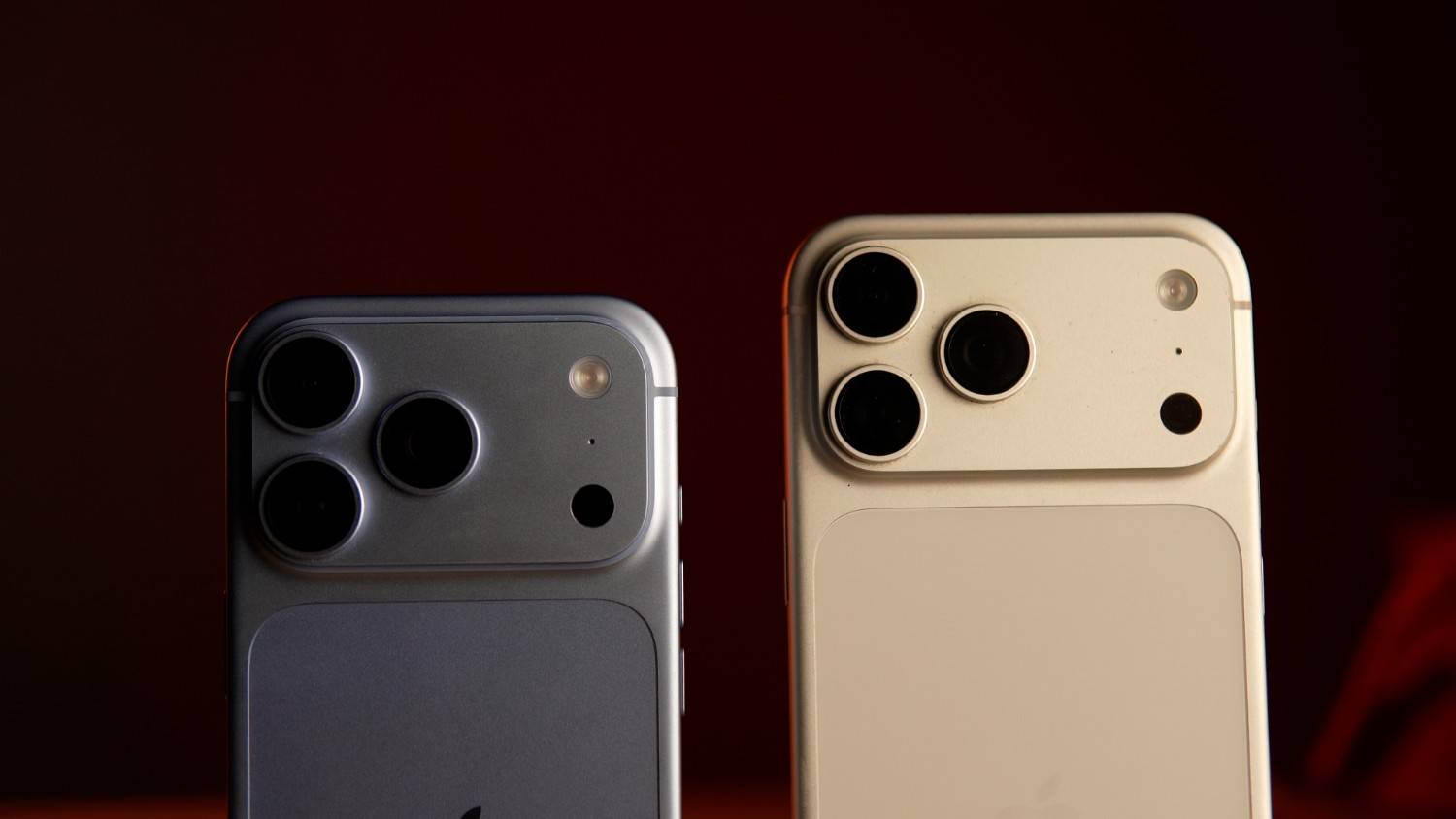
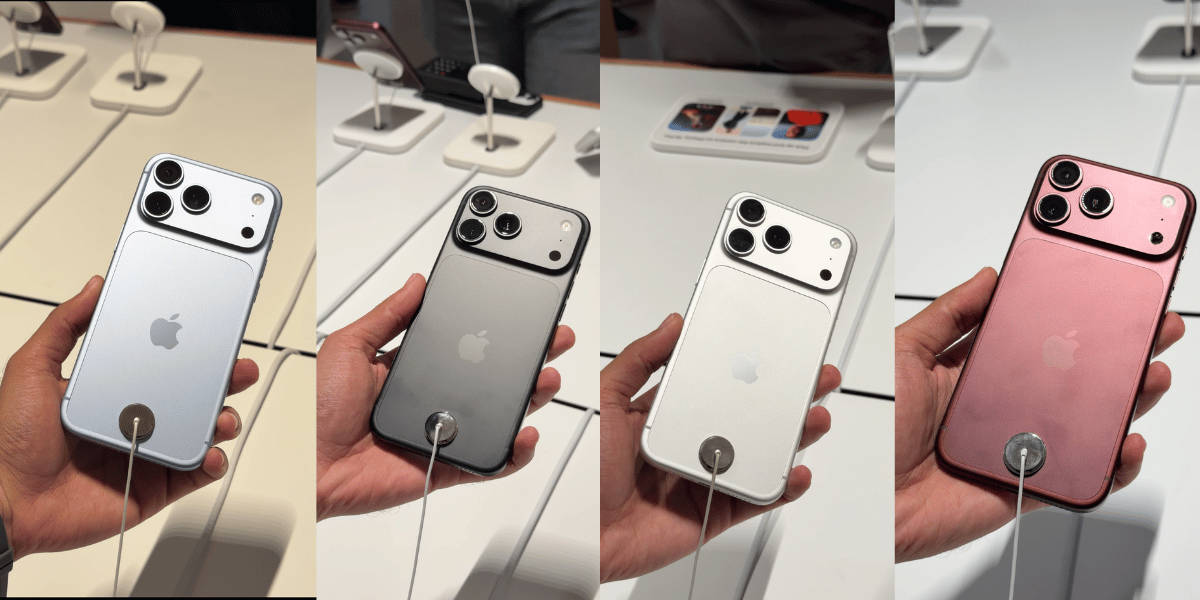
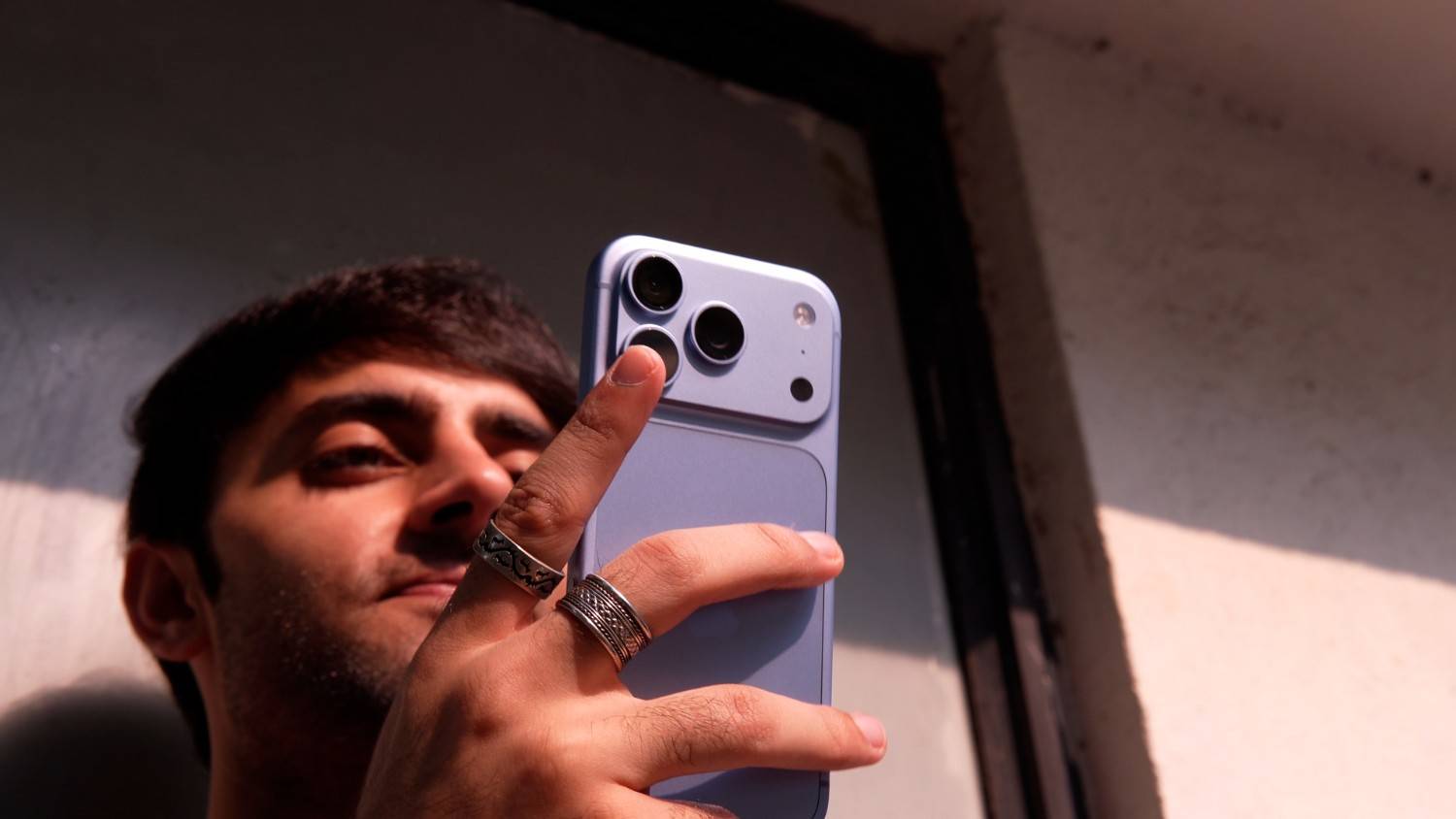
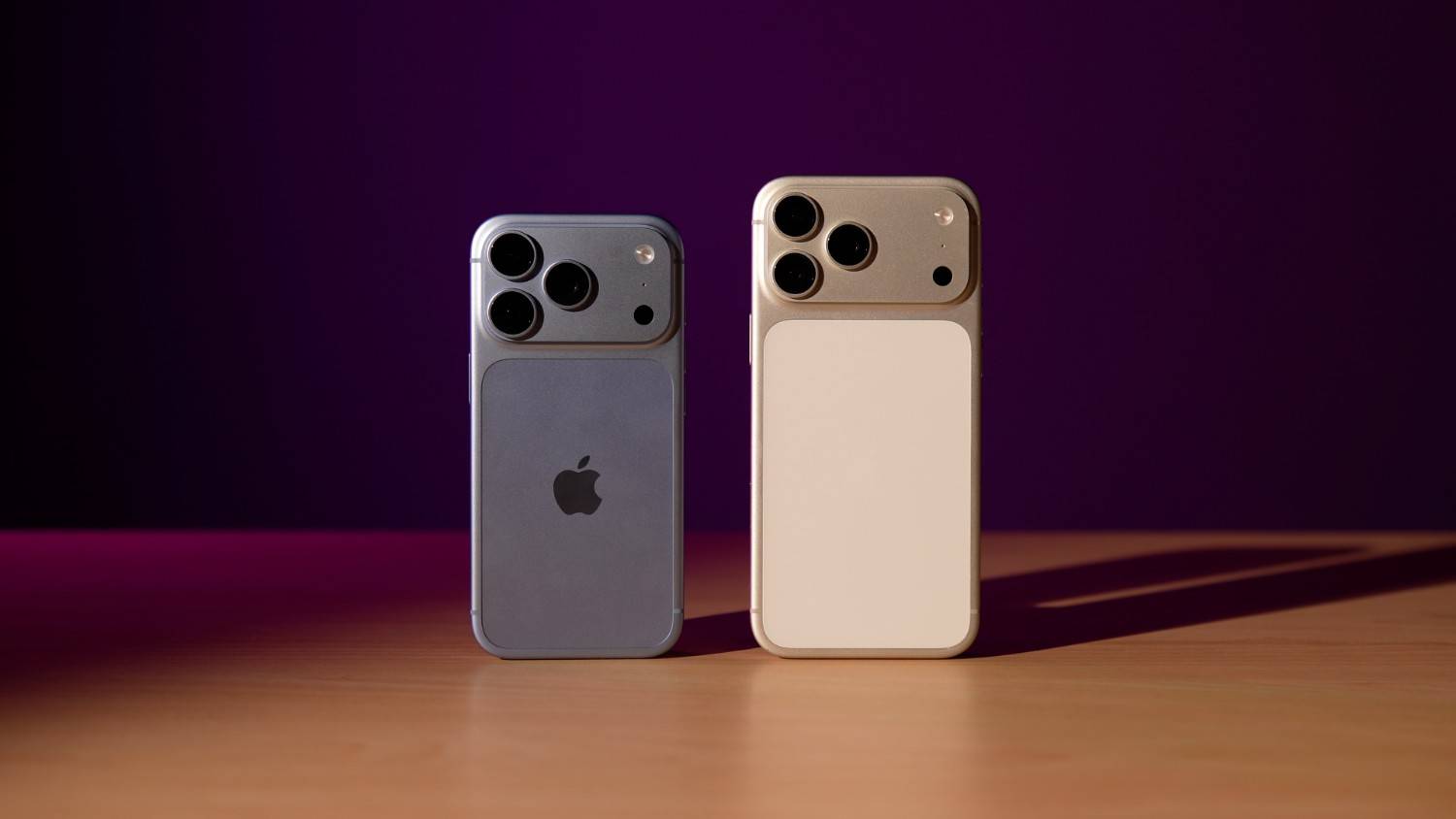
The colour options make an interesting distinction. The darker Burgundy and Black variants have a matte finish, while the lighter Glacier and Silver variants have a more metallic appearance. I’ve been using the Glacier variant, and one thing I particularly appreciate is how well it conceals fingerprints during everyday use.
A friend of mine uses the Burgundy variant and frequently complains about fingerprints on the finish. The Black variant appears to have a similar tendency. It is a small observation, but a phone that continues to look clean matters to me.
Personally, I still think the iPhone 15 Pro and iPhone 16 Pro looked better with their titanium chassis and even felt lighter in your hands. The aluminium construction on the iPhone 17 Pro and iPhone 18 Pro has its own advantages, particularly in thermal management, but I preferred the more premium-looking finish of the older models.
This is, of course, a matter of taste rather than an objective shortcoming. The iPhone 18 Pro feels well built, the weight distribution is still very good, and its design remains unmistakably Apple. But if you were expecting a dramatic visual departure this year, you won’t find one here.
The iPhone 18 Pro is Bright
The display continues to be one of the iPhone 18 Pro’s dependable strengths. During our testing, we measured approximately 1,570 nits using a lux meter with the display in auto brightness mode and a flashlight illuminating the light sensor. Now, this number is decent, the phone stays bright outdoors. However, it could be brighter, as other flagships have scored higher numbers in our brightness test. This is a measurement from our particular test setup, rather than a laboratory measurement of the panel’s maximum luminance.
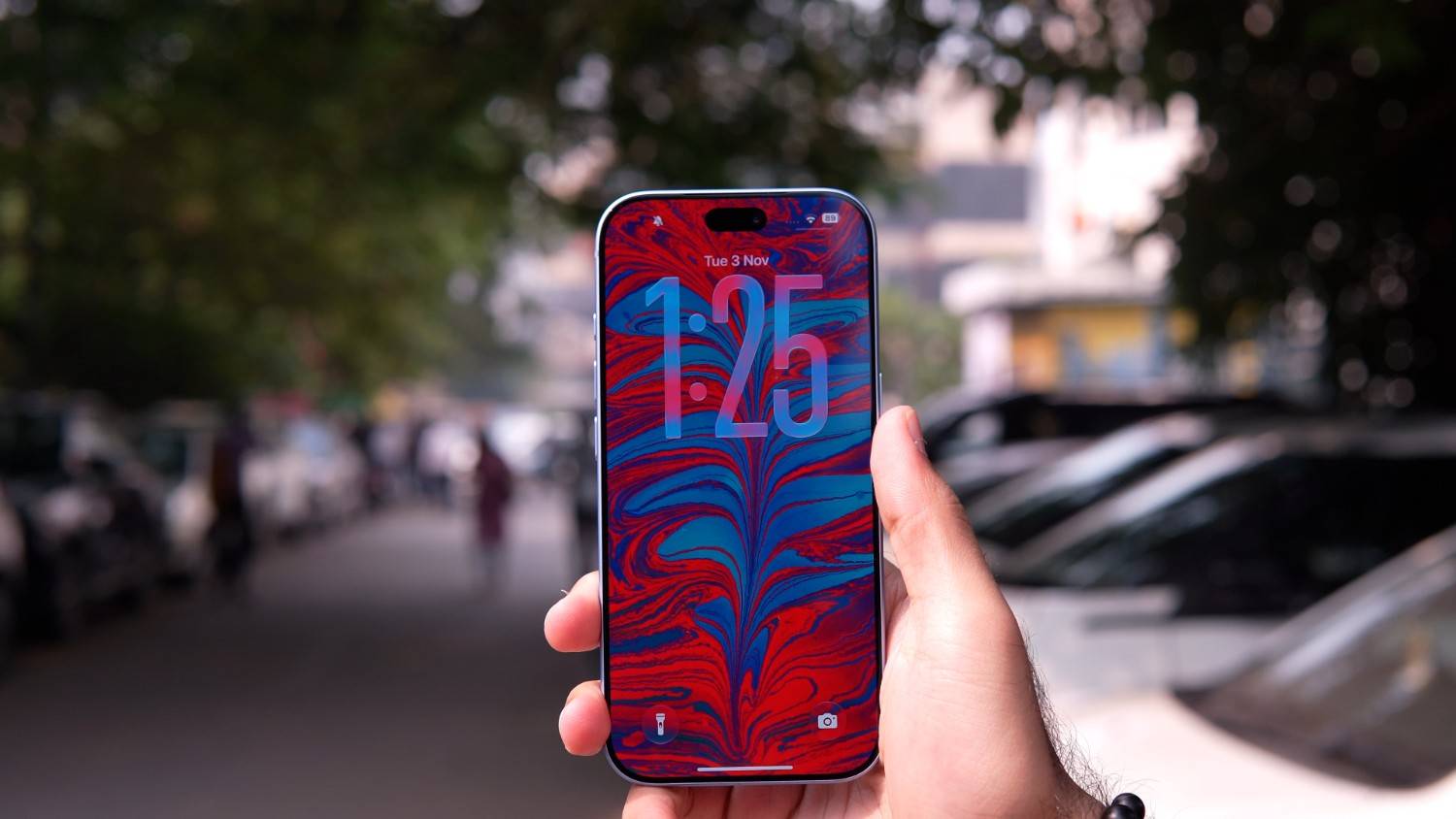
In practical terms, the display remained comfortably legible in bright conditions during my usage. Colours look vibrant, text is crisp, and the interface feels fluid. Whether I was browsing social media, editing photographs, or watching videos, the display rarely felt like a limitation. Talking about the smaller Dynamic Island on this phone, it definitely helped with more visibility while watching content. However, I didn’t mind the previous one too.
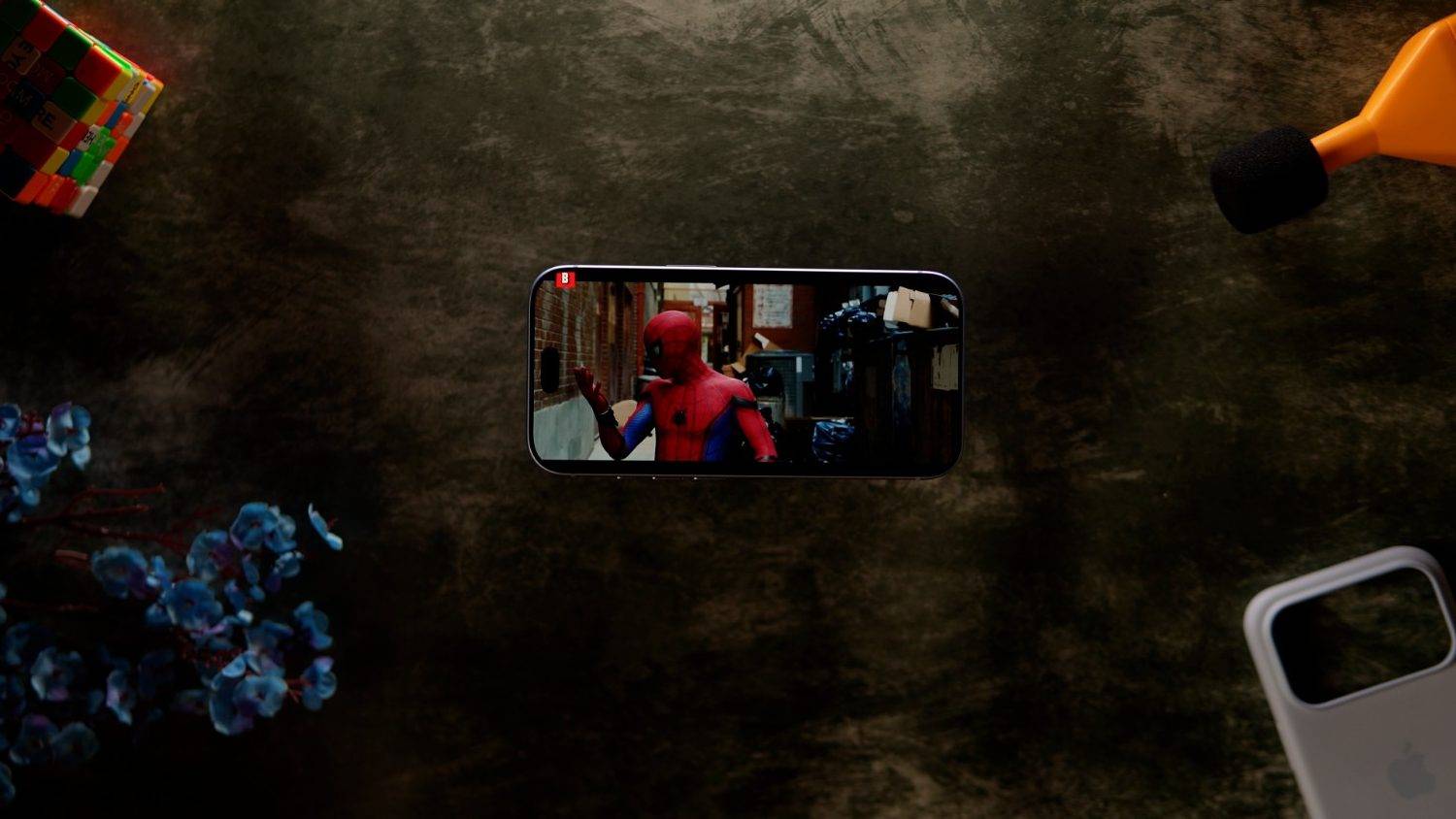
The larger point is that Apple has already established a high standard for its Pro displays. The iPhone 18 Pro doesn’t need to reinvent the experience, it needs to deliver consistency, and it does that well.
The A20 Pro Finally Has Something To Prove!
This is where the iPhone 18 Pro becomes particularly interesting. Apple’s new A20 Pro is built on a 2nm manufacturing process and features a six-core CPU, a seven-core GPU, and a dedicated Neural Engine configuration designed to accelerate on-device AI workloads. The CPU handles general-purpose computing, app execution, and multitasking, while the GPU is responsible for graphics rendering, visual effects, and demanding gaming workloads. The Neural Engine accelerates supported machine-learning tasks.
The move to a smaller manufacturing process can improve performance and energy efficiency, although the actual gains also depend on the chip’s architecture, operating conditions, and thermal design. In our testing, the A20 Pro has delivered some compelling numbers.
Benchmark results
These are the scores recorded by us on the devices tested. They should be treated as results from our test units, rather than universal scores every device will reproduce.
| Benchmark | iPhone 18 Pro
(A20 Pro) |
iPhone 17 Pro Max
(A19 Pro) |
Oppo Find X9 Ultra
(SD 8 Elite Gen 5) |
Vivo X300 Pro
(Dimensity 9500) |
| AnTuTu | 3,490,460 | 2,319,044 | 4,026,656 | 3,246,690 |
| Geekbench single-core | 4,017 | 3,784 | 3,559 | 3,308 |
| Geekbench multi-core | 11,348 | 9,956 | 10,541 | 9,873 |
| 3DMark Wild Life Extreme | 8,642 | 5,630 | 7,099 | 6,698 |
The comparison uses our recorded scores. Benchmark versions, software builds, temperatures, and performance modes can affect results, so scores across different devices should be compared only when the test conditions are consistent.
The AnTuTu result is particularly striking. At approximately 3.49 million points, the iPhone 18 Pro scores around 50% higher than the iPhone 17 Pro Max in our runs. It also moves ahead of the Vivo X300 Pro, powered by the MediaTek Dimensity 9500, although the Oppo Find X9 Ultra and its Snapdragon 8 Elite Gen 5 retain the lead in this particular test.
Geekbench tells a slightly different story. The A20 Pro leads this group in both single-core and multi-core performance in our results. This feels big because CPU performance influences everything from opening applications and processing complex tasks to exporting edited video. Single-core performance is especially relevant to many everyday operations, while multi-core performance becomes more important when software can distribute work across multiple CPU cores.
And of course, the graphics result does not disappoint. The iPhone 18 Pro recorded 8,642 points in 3DMark Wild Life Extreme, substantially ahead of the iPhone 17 Pro Max’s 5,630 points. It also leads the two Android phones in this particular test.
Taken together, these numbers suggest that Apple has delivered a meaningful increase in peak CPU and GPU capability. Before this, no iPhone was able to score this high, hence the headline ‘American Muscle’.
What the benchmarks mean in everyday use
Now, in routine use, I could barely tell the difference between the iPhone 18 Pro and the iPhone 17 Pro Max. Both felt equally responsive when opening applications, scrolling through feeds, switching between tasks, and navigating the interface, except for the size, of course.
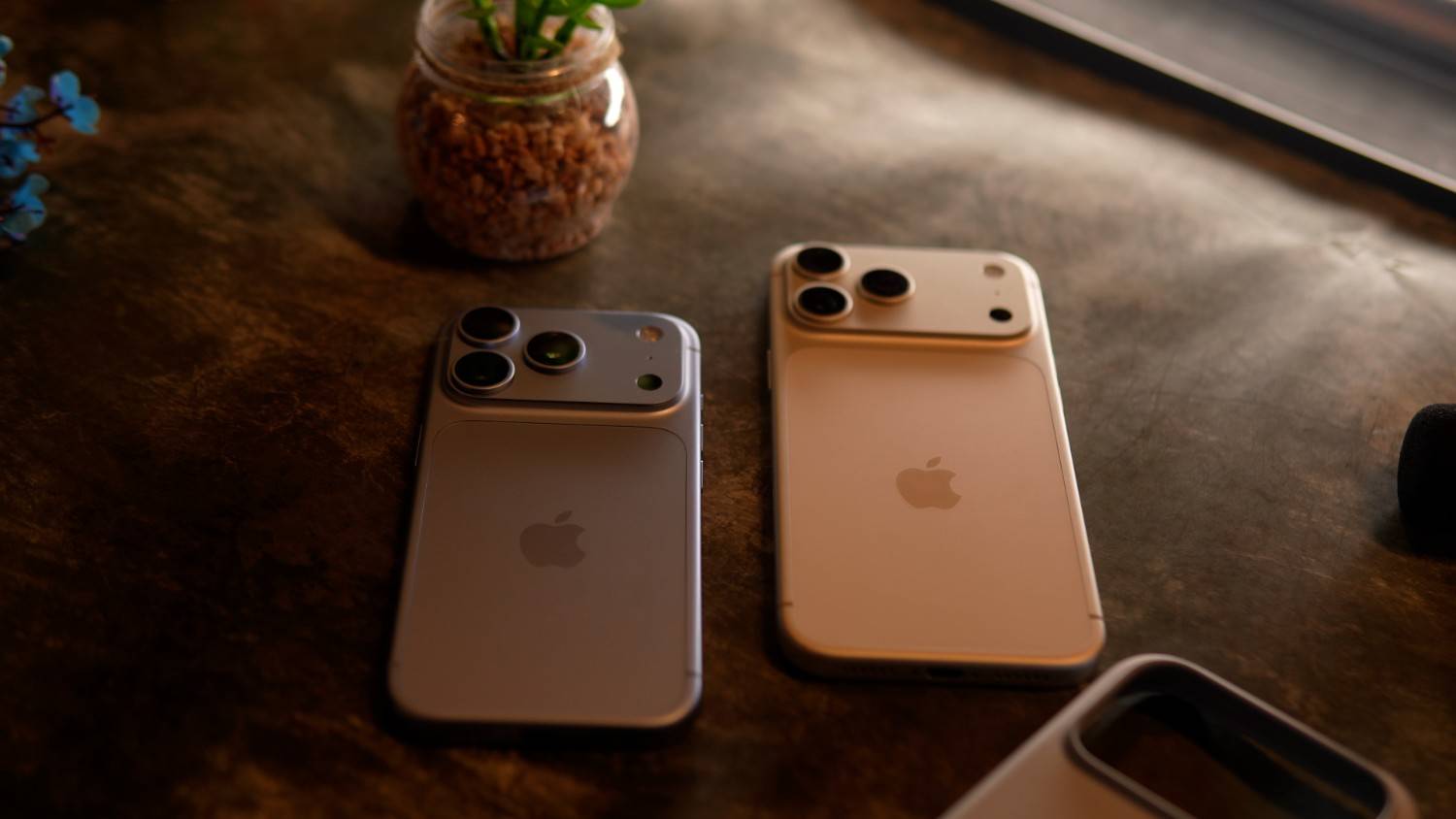
The difference became more apparent when I started pushing the hardware. The iPhone 18 Pro was slightly faster at exporting a 4K video after the edit. App loading was also quicker in our side-by-side testing, and I asked Siri AI a mathematical equation on both devices, which was processed faster on the iPhone 18 Pro.
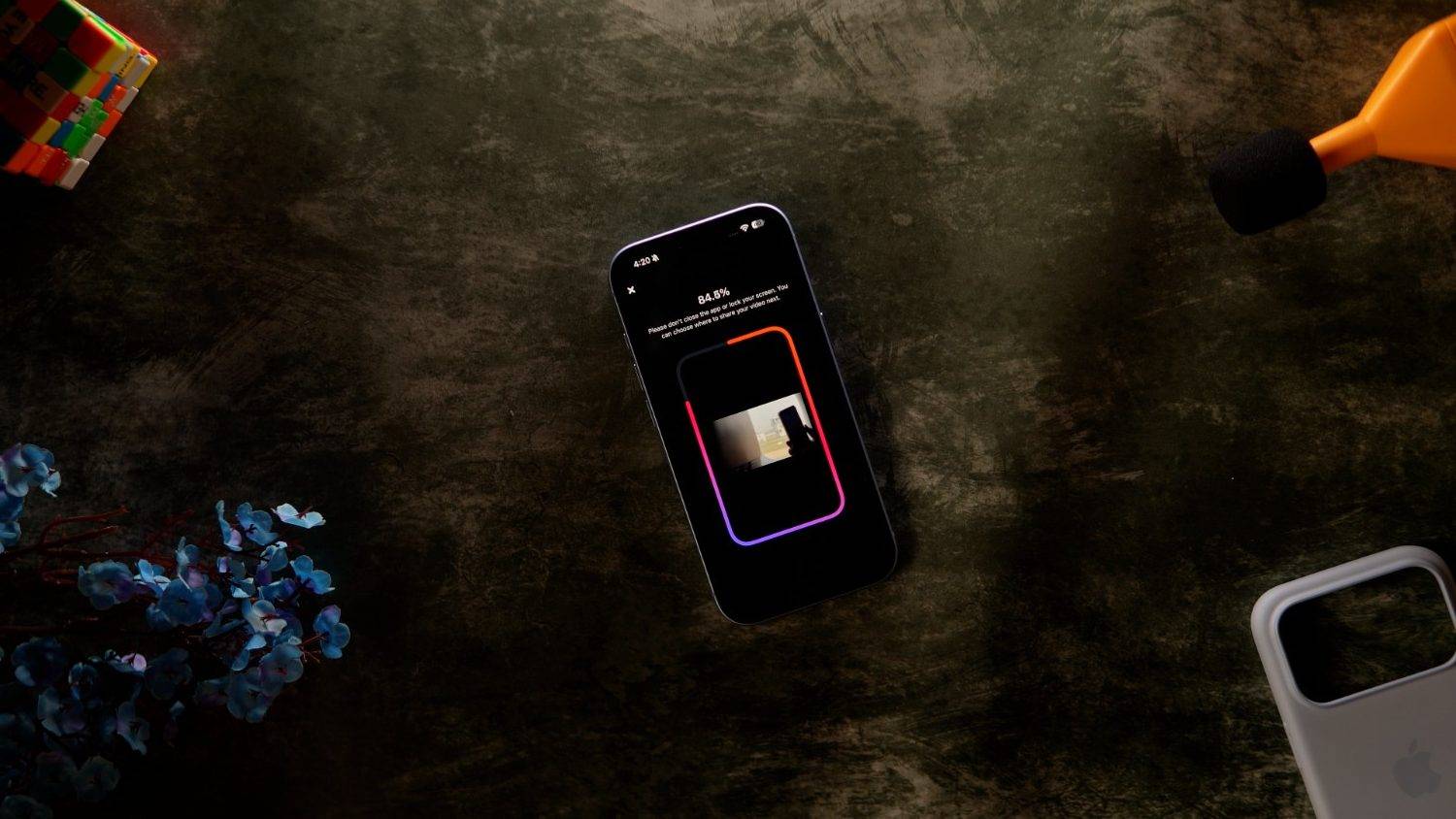
We also tested a volume-shader workload, which involves rendering and manipulating a three-dimensional volume. The rotation appeared smoother on the iPhone 18 Pro than on its predecessor. This is another indication that the GPU improvements extend beyond a synthetic benchmark.
None of these differences is likely to transform the experience for someone who mainly uses their phone for messaging, browsing, photography, and social media. But for people like me, who edit videos on their phones, use demanding applications, or want more graphics headroom for future games, the A20 Pro is a promising chipset.
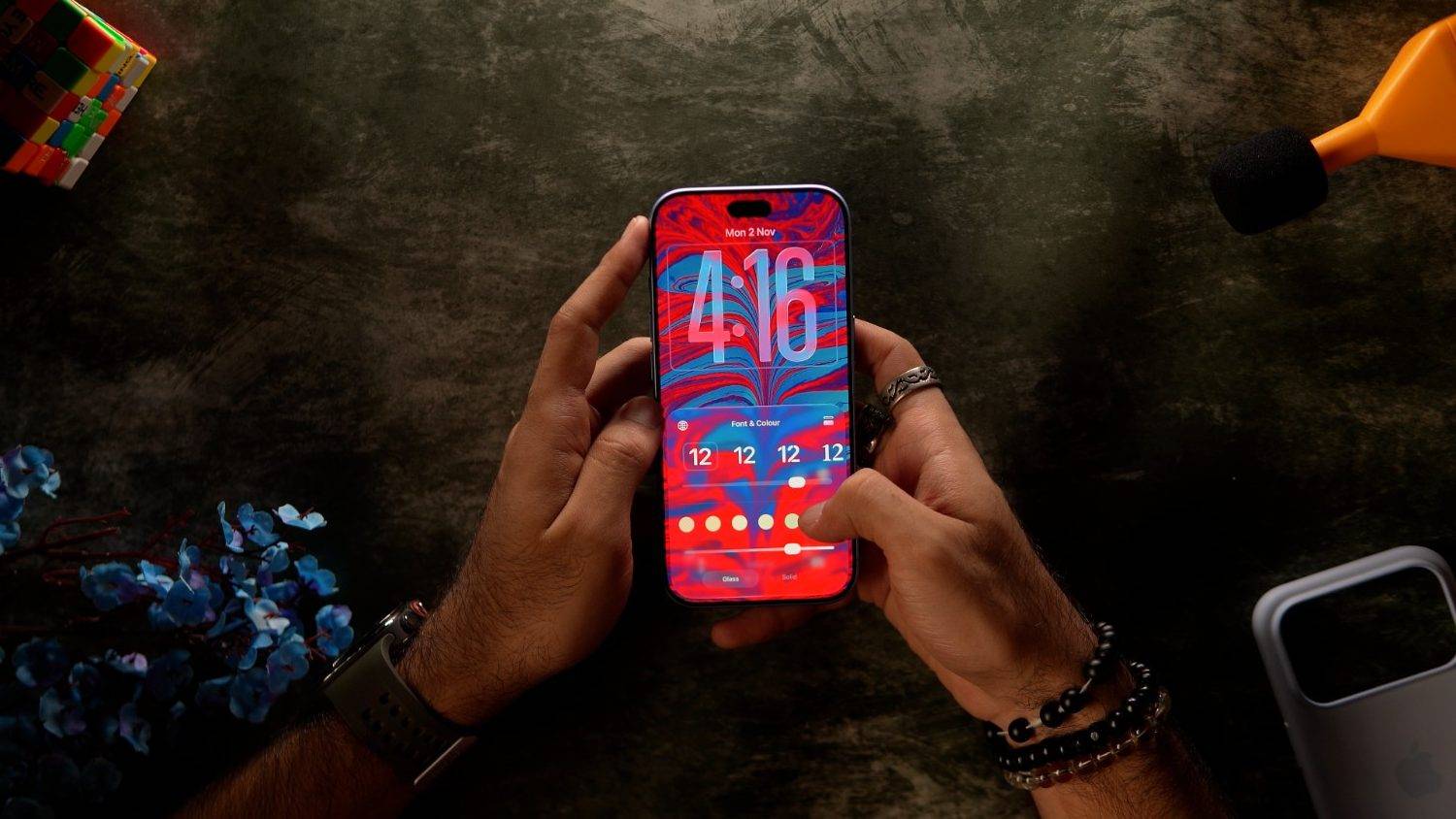
At this level, the chip almost feels overqualified for the phone. Its capabilities are impressive, and one can imagine the same class of silicon handling demanding workloads in a much larger computing device. But that is also the nature of flagship smartphone processors: their value is not limited to what you can make them do today but what they can continue to handle as applications become more demanding.
Gaming: Consistency Matters More Than a Big Score
In gaming performance, there was not much room for improvisation. The iPhone 17 Pro Max was already a very capable gaming smartphone in my experience. It delivers consistent frame rates and sustained performance without obvious lag during my sessions.
The iPhone 18 Pro continues that experience. I played a lot of BGMI on this phone, and gaming remains smooth during my testing. Thanks to improved thermal performance, despite being small in size, it does not heat up during longer sessions. A smartphone can deliver an impressive peak benchmark score and still struggle to sustain it as the processor heats up. Apple’s A20 Pro is paired with an improved and larger vapour chamber, which effectively helps spread heat away from concentrated hotspots.
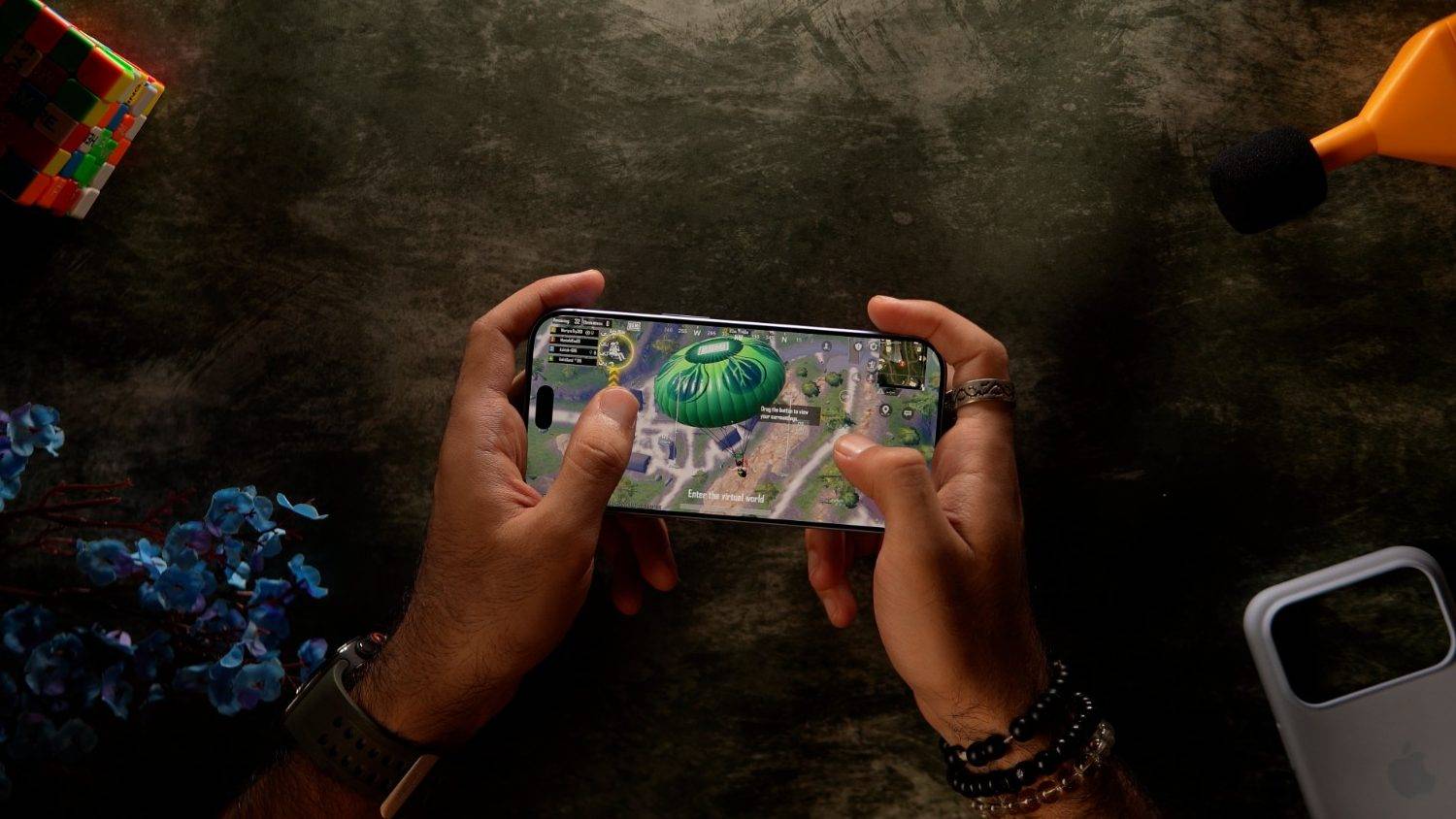
I observed the iPhone 18 Pro could become warm under aggressive workloads, but it took a considerable period of aggressive use before I noticed it.
For Apple, this is an important refinement. Performance is not simply about how quickly a phone can complete a benchmark, it is also about how consistently it can deliver that performance over time.
However, I would still prefer the Pro Max model for gaming. The larger display makes games more immersive and gives the controls more room, which is particularly useful during extended sessions. The smaller Pro is perfectly capable, but the Pro Max is the more compelling option if gaming is a priority.
iPhone 18 Pro Camera: More control, but Not a Radically Different Result
Apple has retained the familiar overall camera setup on the iPhone 18 Pro, but it has expanded the controls available to photographers. The headline feature, Variable Aperture, is accompanied by a more capable native camera interface.
For someone who regularly shoots with a smartphone, these changes are welcome. But there is a difference between adding more control and fundamentally changing the quality of the resulting photograph.
Variable Aperture
Variable aperture is the biggest hardware change in the camera on paper. By adjusting the opening through which light reaches the sensor, a camera can influence exposure and depth of field. A wider aperture can help create a shallower depth of field, while a narrower aperture increases depth of field and can produce more pronounced starburst effects around point light sources under suitable conditions.
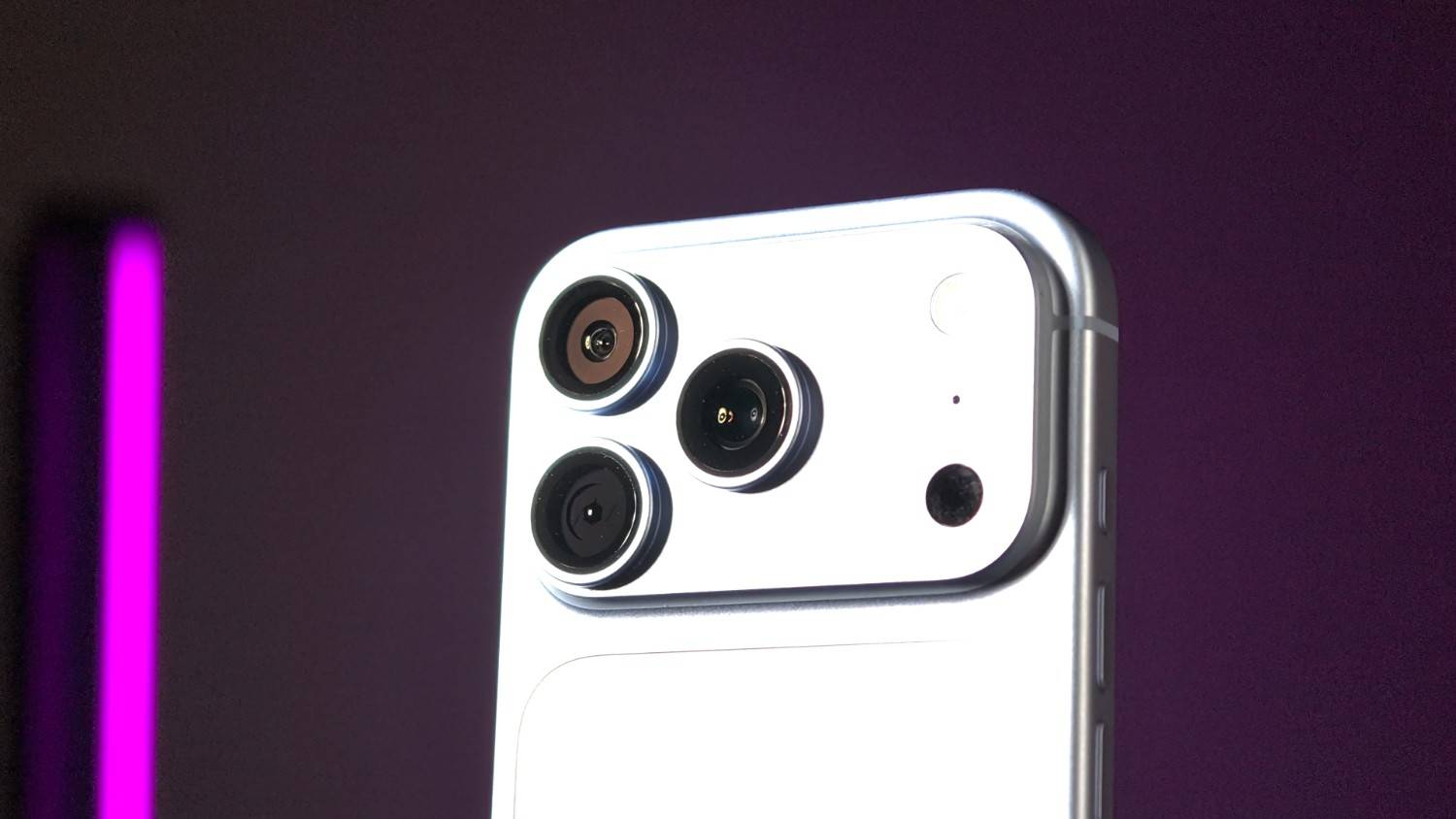
In practice, however, the impact on the iPhone 18 Pro’s photographs is relatively subtle in many everyday scenarios.
The most useful application I found was portrait photography, where aperture adjustments can change the separation between the subject and the background. Even then, the difference was not particularly dramatic when I compared images from the iPhone 18 Pro with those from the iPhone 17 Pro Max.




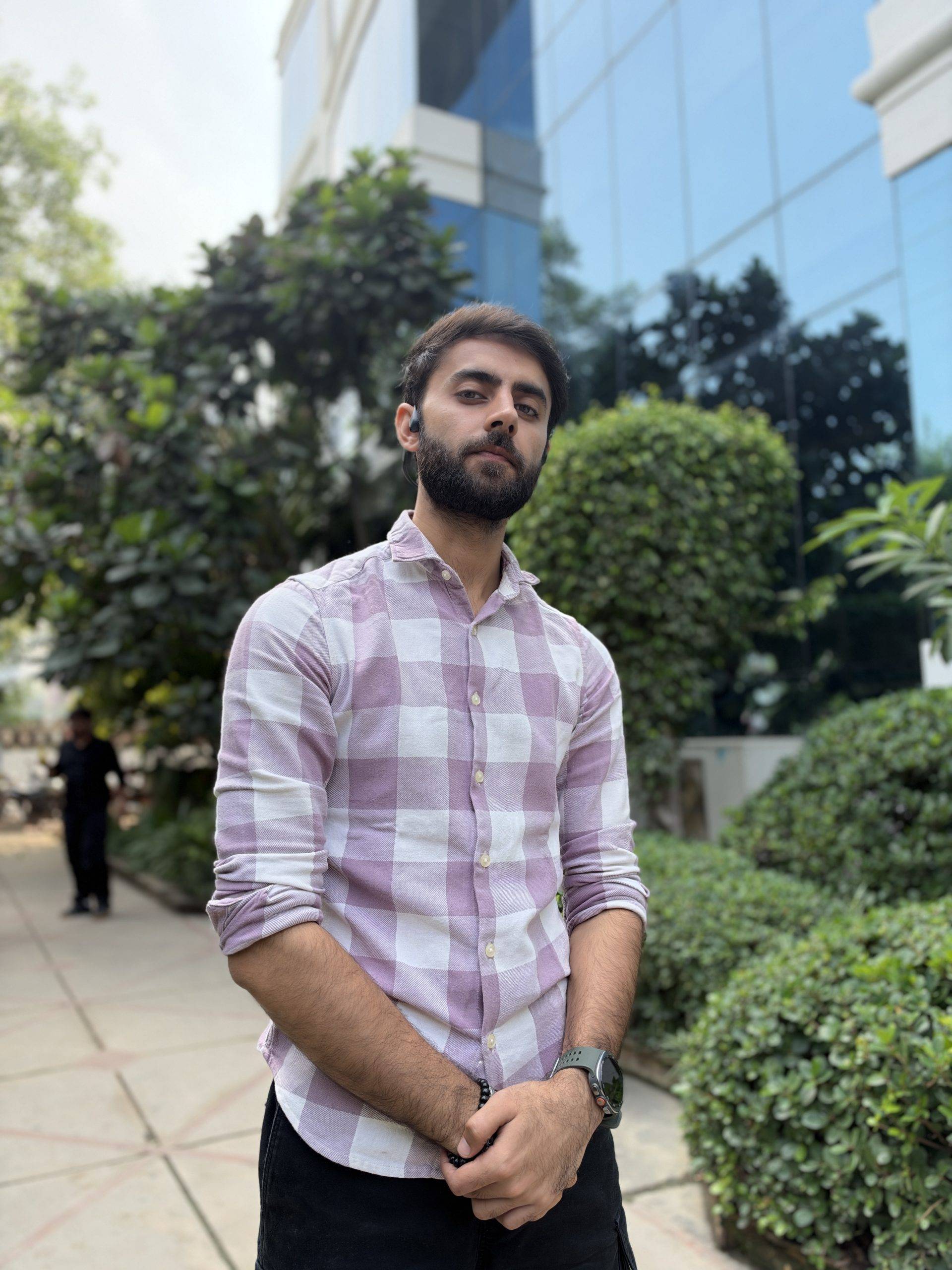
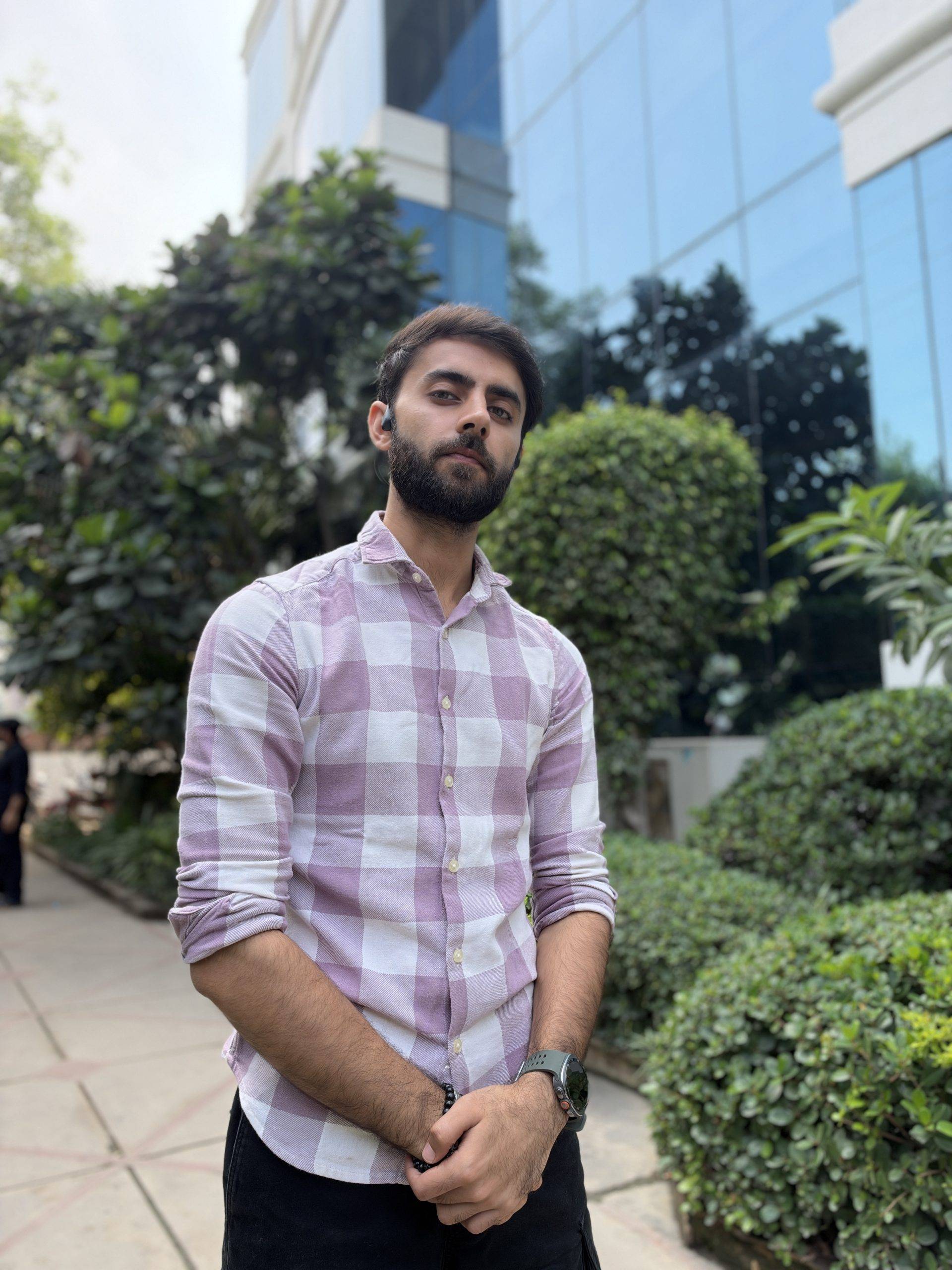
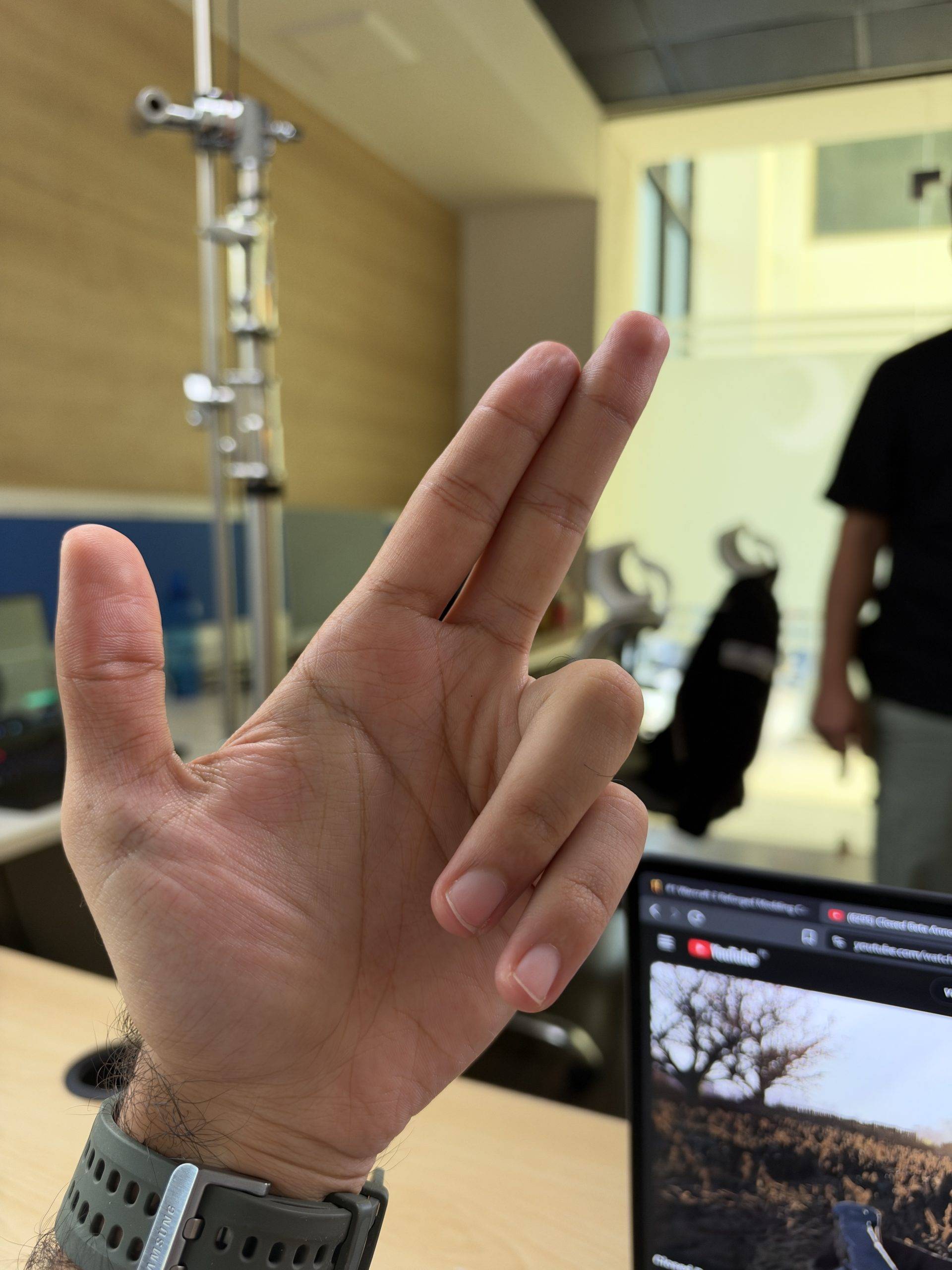
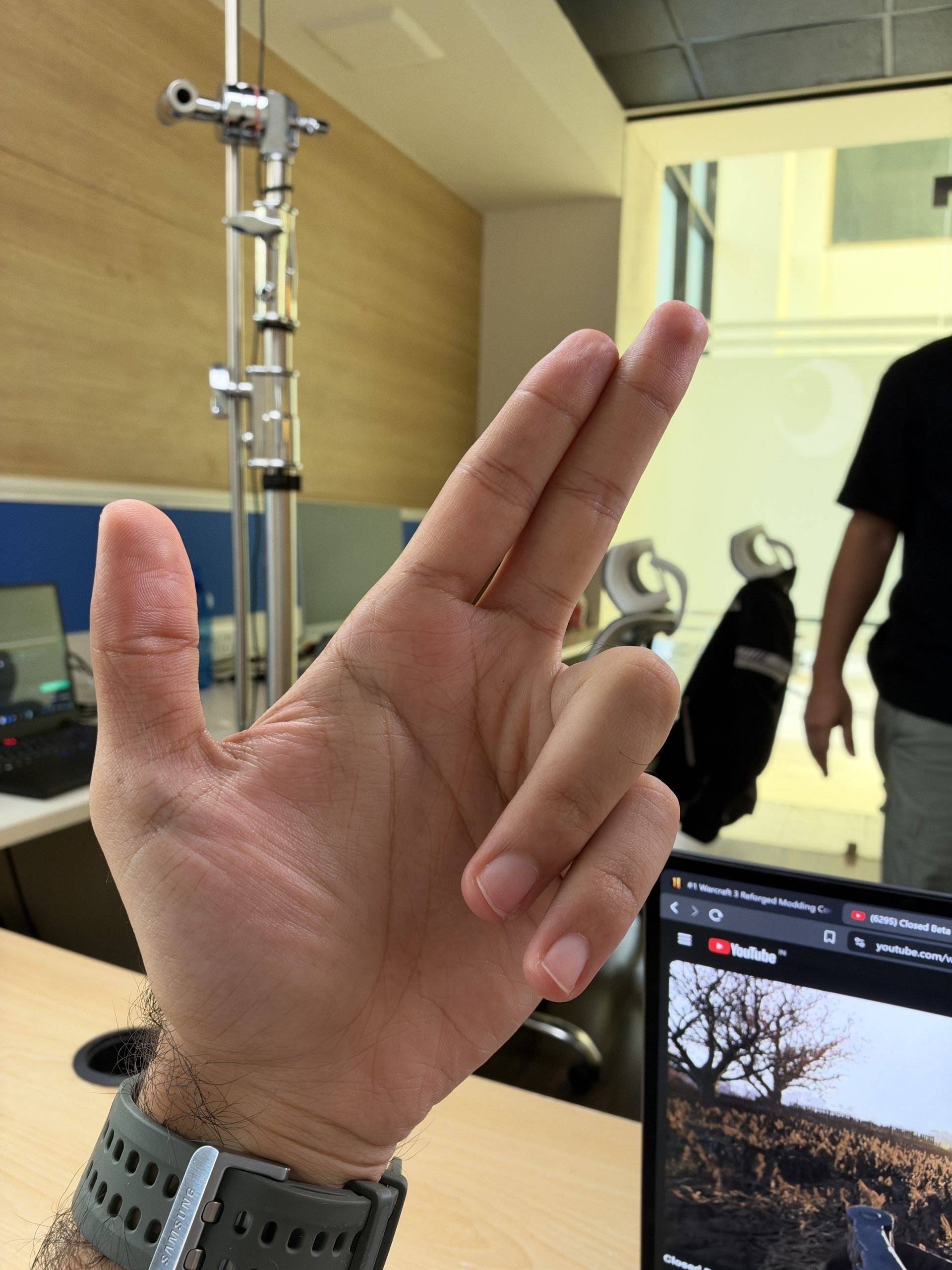
That doesn’t make the feature pointless. It gives enthusiasts another creative tool and offers greater control over how an image looks before computational processing is applied. But for someone who simply opens the camera and presses the shutter, the difference is negligible.
I would be particularly interested in seeing this technology paired with a larger, 1-inch-type sensor in a future iPhone. A larger sensor and a carefully designed optical system could make the effect more pronounced, although the result would still depend on the lens and the camera’s computational processing.
So, I would happily use variable aperture on my iPhone 18 Pro, but I won’t upgrade my phone just for that.
The camera app is becoming more serious
The camera interface is arguably a more practical improvement than the aperture hardware itself.
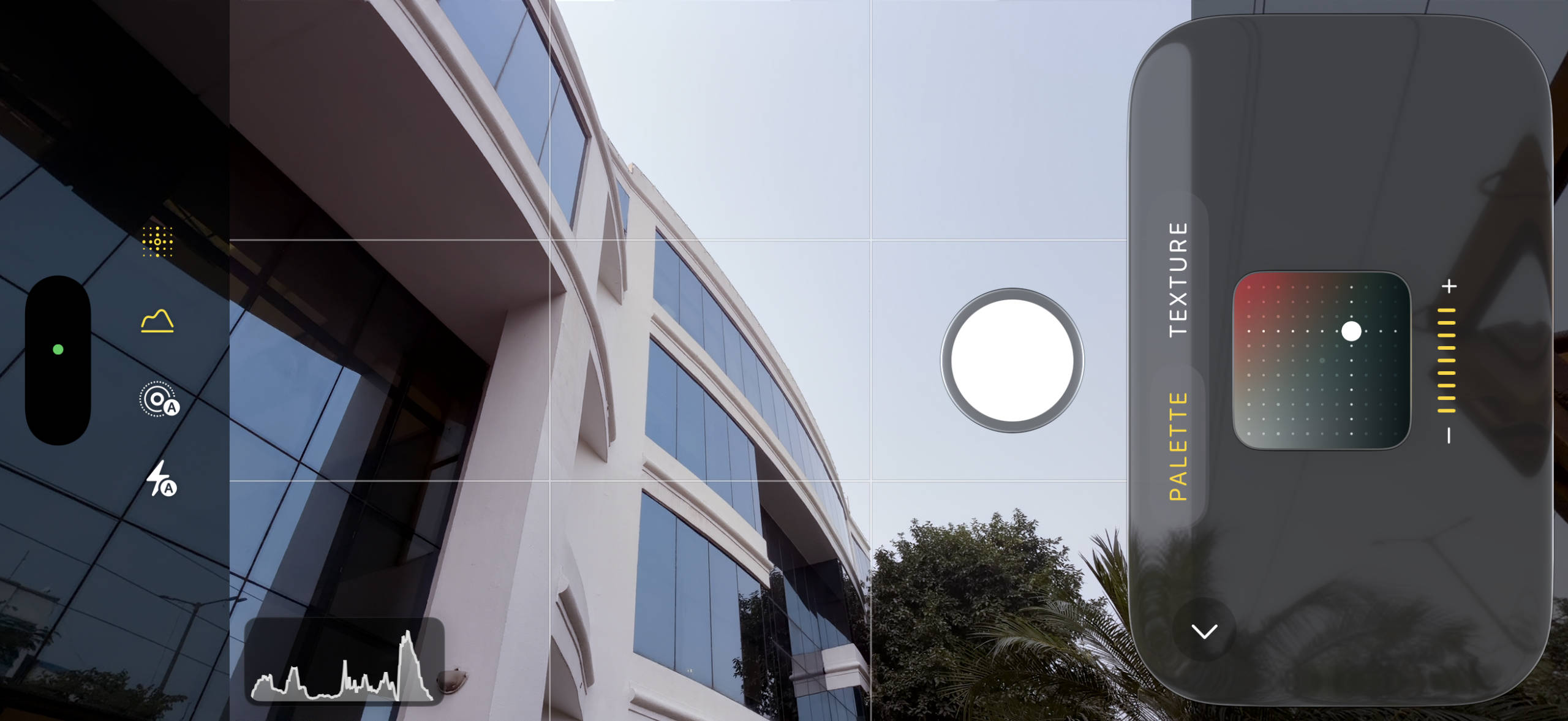
Apple has introduced more granular controls, including white balance, manual focus, focus peaking, depth adjustment, and a histogram. These features give photographers more control over exposure and focus, especially when you are shooting in low light.
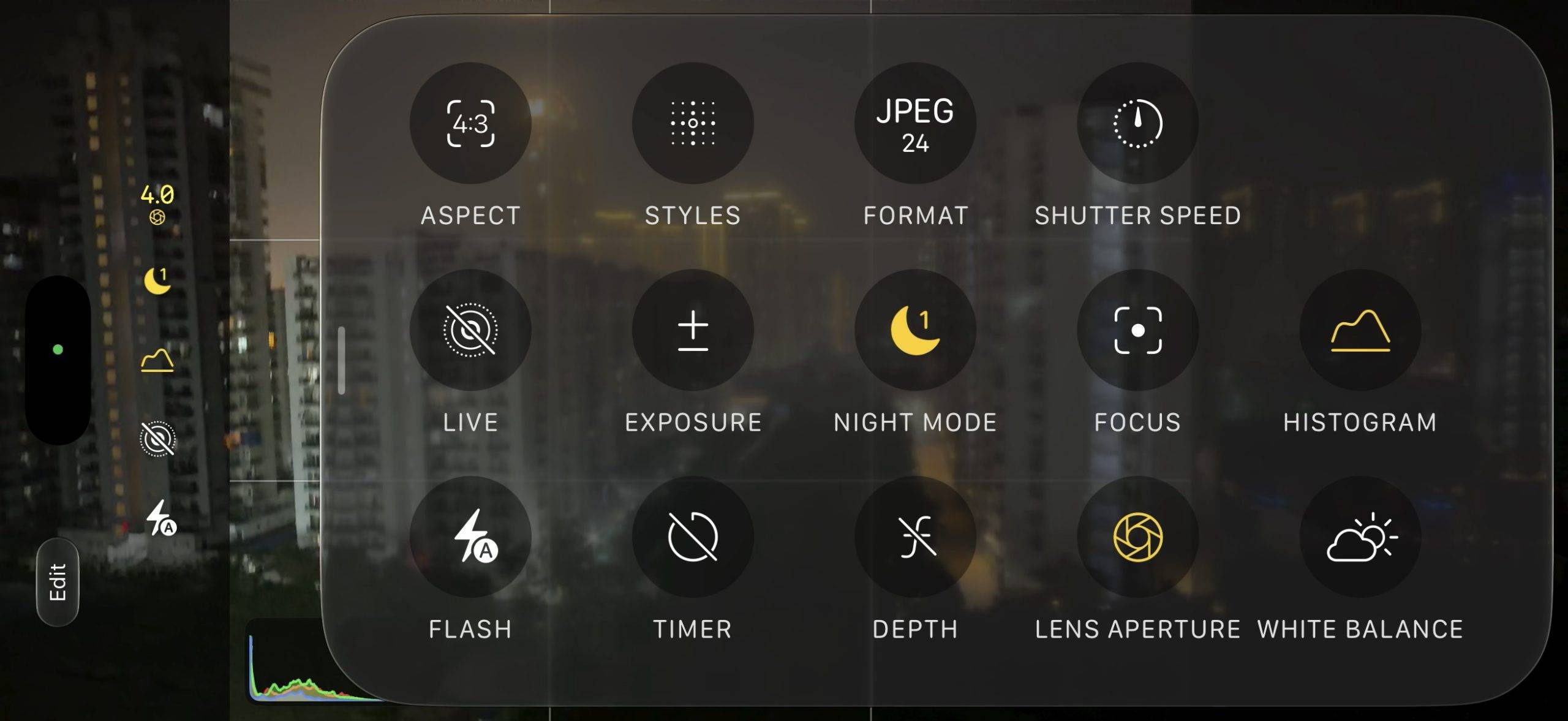
White balance is especially useful when you want consistent colour across a set of photographs. Manual focus and focus peaking can help when shooting in low light, where autofocus may struggle to lock onto a subject. The histogram offers a visual representation of tonal distribution.
That said, the implementation could have been better. The manual shutter speed tops out at only one second in the interface. This feels restrictive for a camera app that is increasingly courting enthusiasts. Most competing Android flagships offer up to 30 seconds of long exposure. Of course, that opens up more creative possibilities, but even one second can get you some interesting results like these if you know what you’re doing.




Depth adjustment is another useful addition, which allows you to influence the amount of background blur in supported shooting modes. But more blur doesn’t automatically mean a better portrait. Computational depth effects can sometimes look artificial, especially around hair and other intricate edges.
The removal of the old filters in favour of customisable photographic styles was not a bad move. This let me personalise the look of my camera samples and reuse those preferences across different situations. What makes this particularly interesting is that you can also explore and recreate creative photographic styles shared by professional photographers on social media.
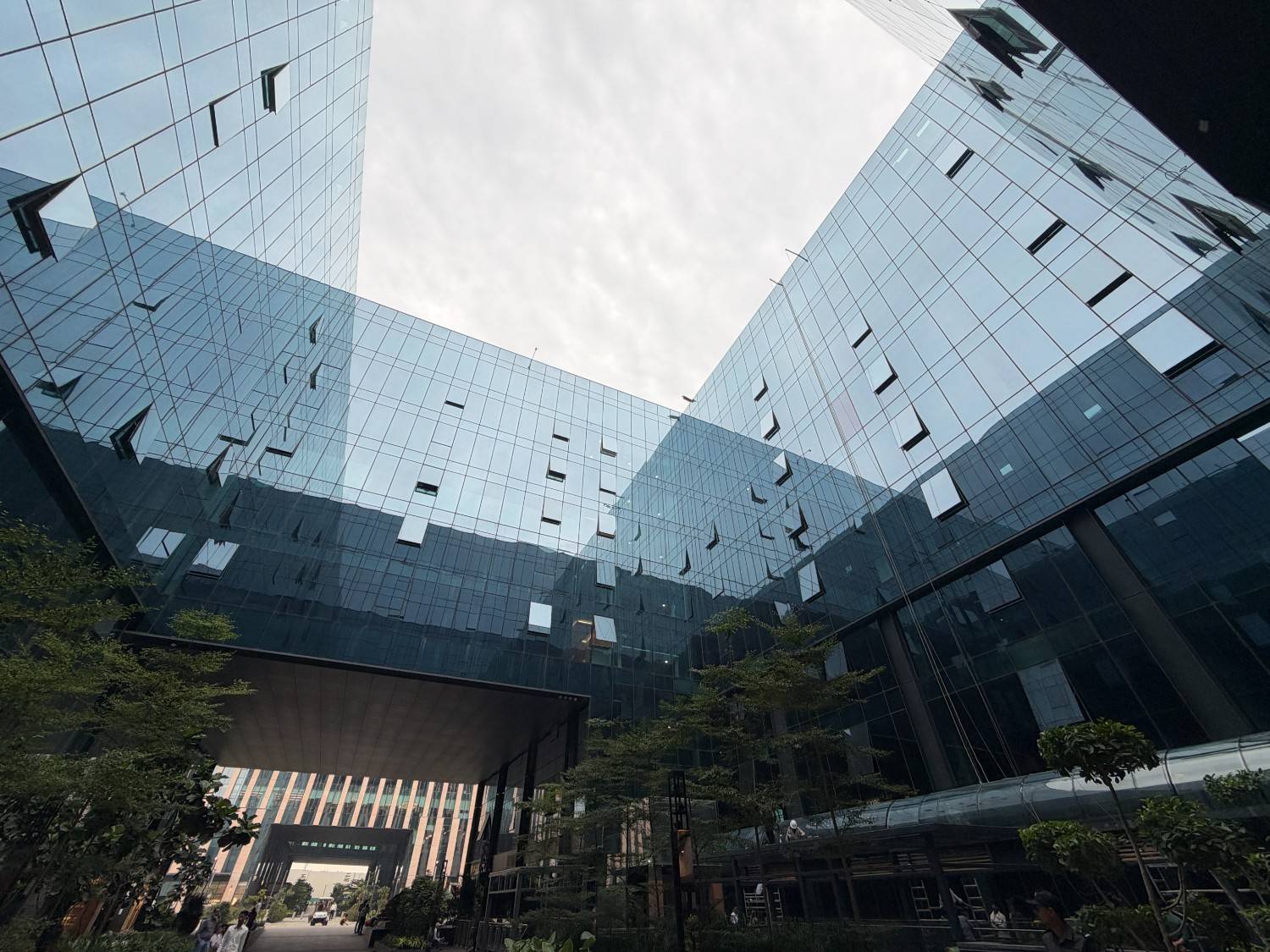
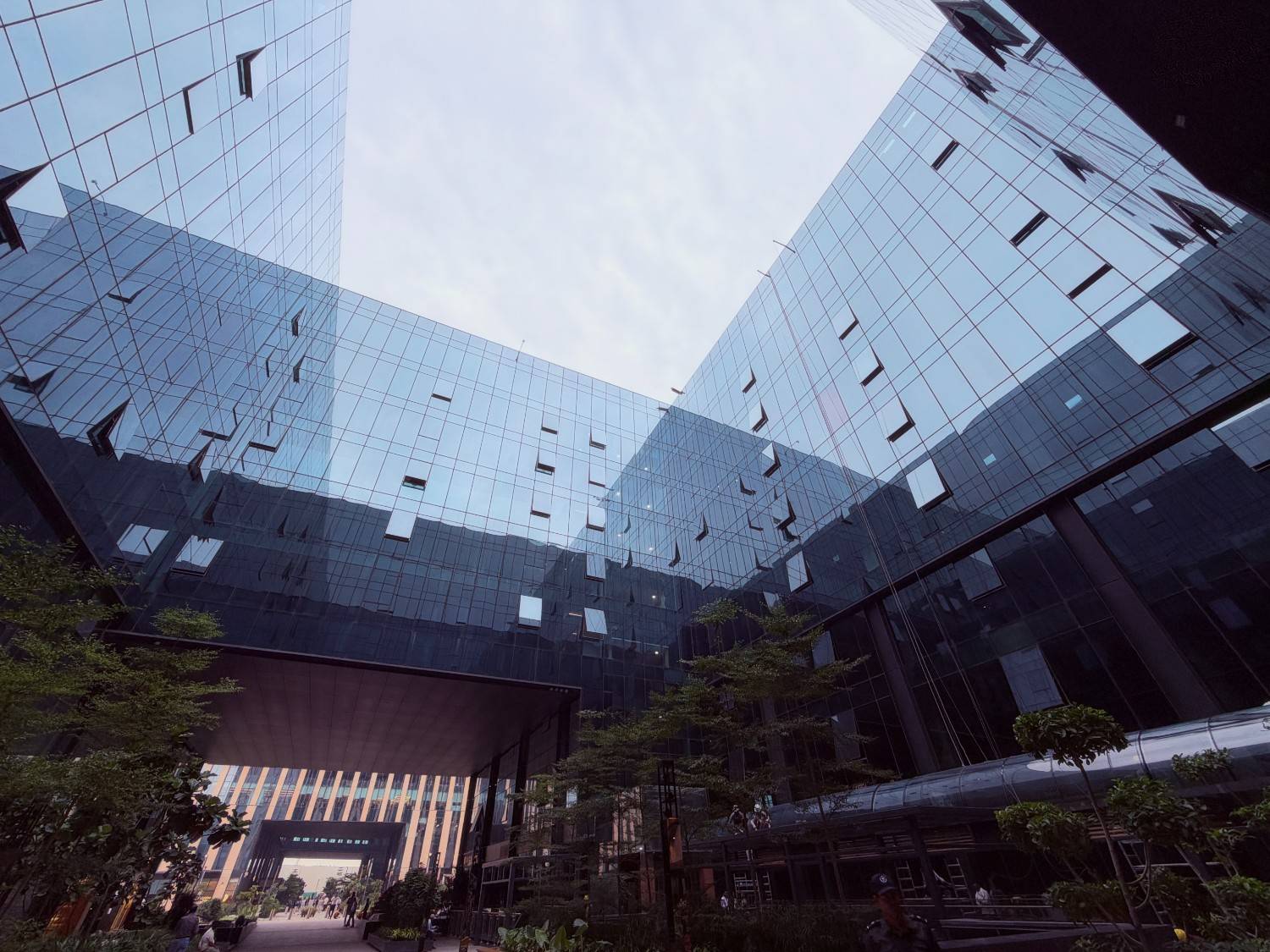
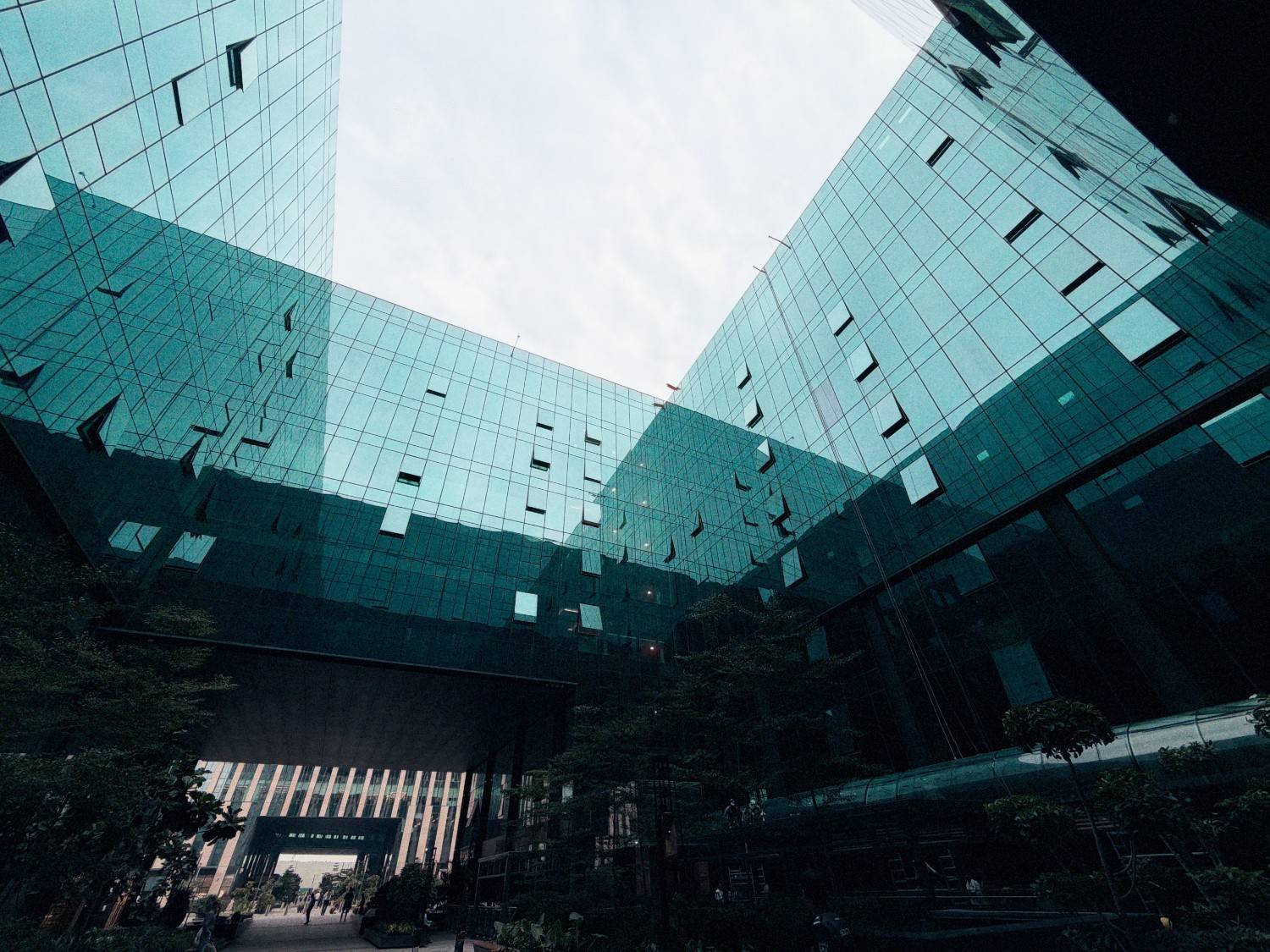
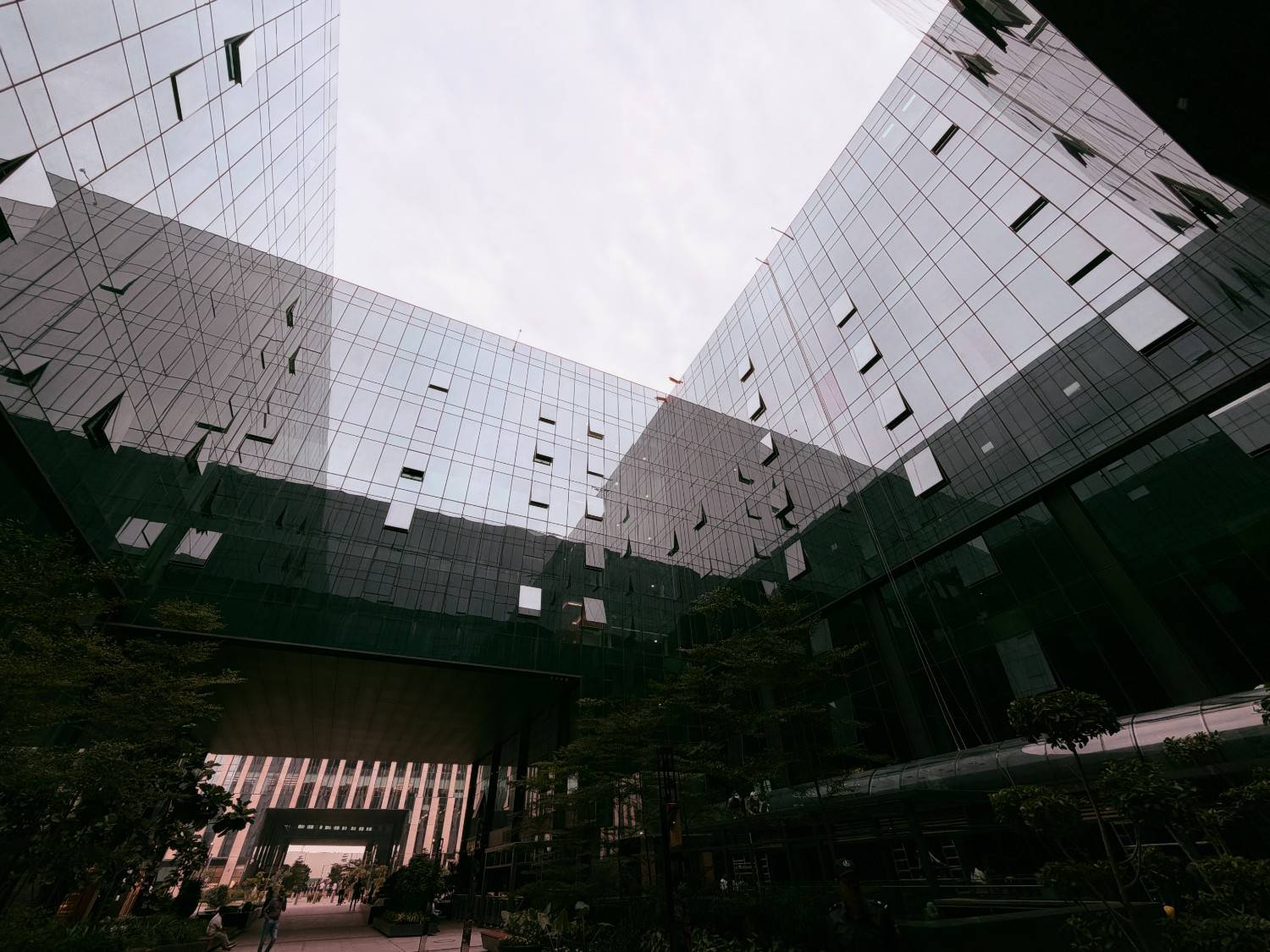

One feature I would still like to see is 8K video recording. We know the A20 Pro chip already has crazy processing capability, so the absence of 8K video recording feels increasingly conspicuous on a device positioned as a professional creative tool. And on top of that, almost all of its Android competitors offer 8K video recording.
Video remains a strength, with one important caveat
The iPhone 18 Pro continues to deliver excellent video quality. Different focal lengths offer distinct creative possibilities, and the phone remains a versatile tool for everything from quick social media clips to professional video work.
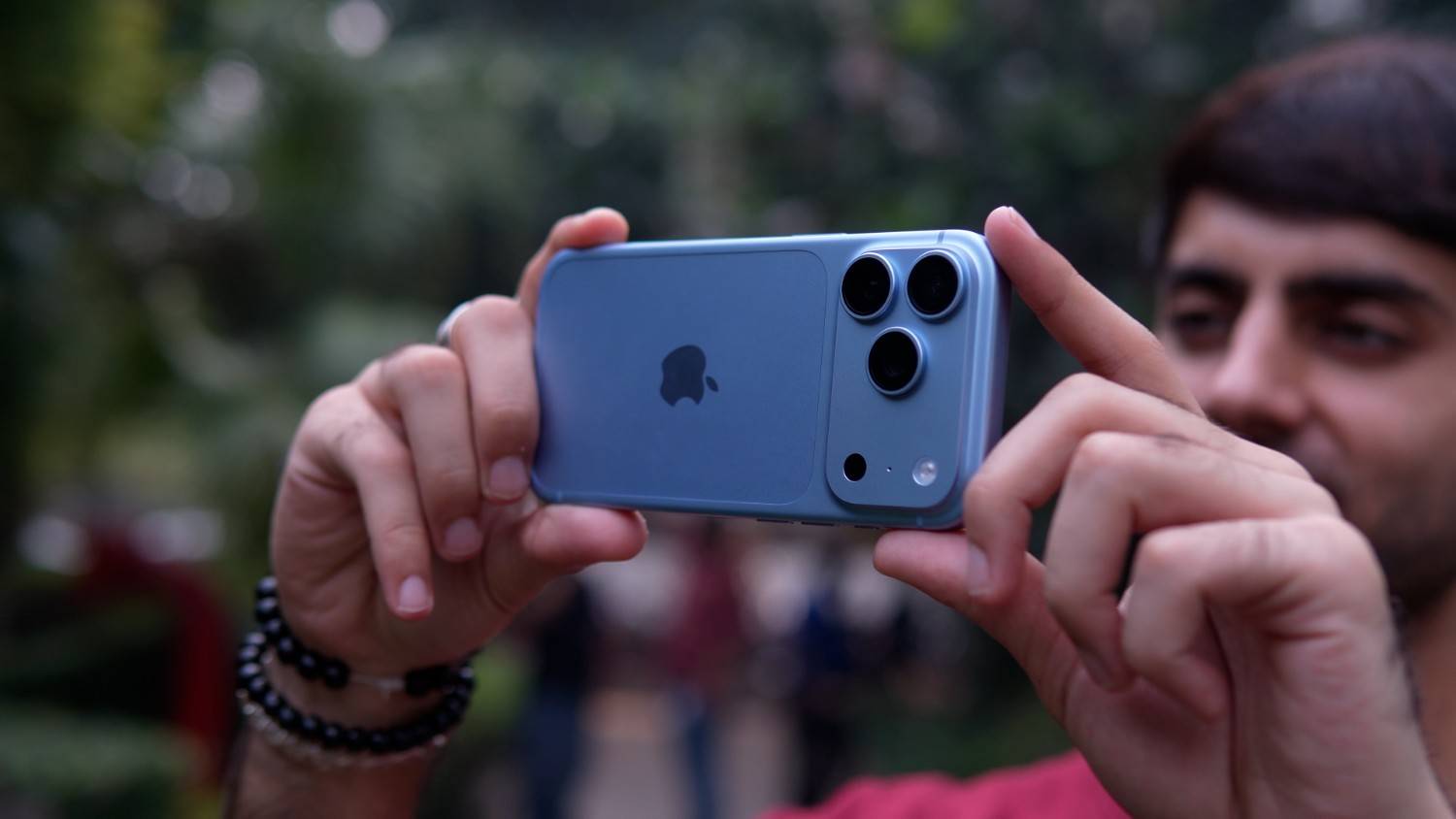
The 0.5x camera is particularly useful for point-of-view footage. It captures a broad perspective, and the stabilisation is decent enough for many handheld situations.
The 1x camera is my preferred option for evaluating dynamic range. In my testing, it came closest to reproducing a scene as I saw it.
At 4x, the level of detail in video footage is impressive. The problem is stability. Even with the phone’s stabilisation, I found that I needed particularly steady hands to produce clean footage at this focal length. At 2x, too, the results could be less stable than I would like.
This is an area where some Android flagships have done a remarkable job with optical image stabilisation on their telephoto cameras. A longer focal length magnifies small hand movements, so stabilisation becomes increasingly important as you zoom in. The iPhone 18 Pro produces detailed footage, but its telephoto video experience does not always inspire the same confidence when shooting handheld.
There is, however, one genuinely interesting addition for people who enjoy shooting the night sky: Adaptive speed for time-lapse recording. The feature can slow the time-lapse rate when motion is detected in the frame. For example, if a meteor passes through a night sky sequence, the footage can slow relative to the surrounding time-lapse. For astrophotography enthusiasts, this is the kind of thoughtful feature that can make a camera system more enjoyable to use.
A Dependable Day, Not a Multi-day Battery Life
If the iPhone 18 Pro has improved battery life, its well-planned hardware is the one to be credited. The phone loses around 2–3% battery overnight with the Always-On Display enabled, which is a respectable result for a device that remains ted and ready to respond.
During a typical day, I could comfortably get through a mix of editing, some photography and video recording, gaming, navigation, and plenty of social media scrolling on a single charge. I generally put the phone on charge before going to bed.
The important distinction is that battery consumption varies with how I use the phone. Gaming and extended video recording can drain the battery quickly, as both keep the display and high-performance components active for long periods. Navigation, meanwhile, consumed less battery in my experience than it did on the iPhone 17 Pro.
There are several possible contributors to the battery improvement. The A20 Pro’s manufacturing process can help reduce energy consumption, while the C2 modem is designed to improve cellular efficiency. Apple also says the C2 consumes 15% less energy than its predecessor, the C1X, under the relevant comparison conditions. The larger vapour chamber can help the phone manage heat, which results in good sustainability, and that results in longer battery life.
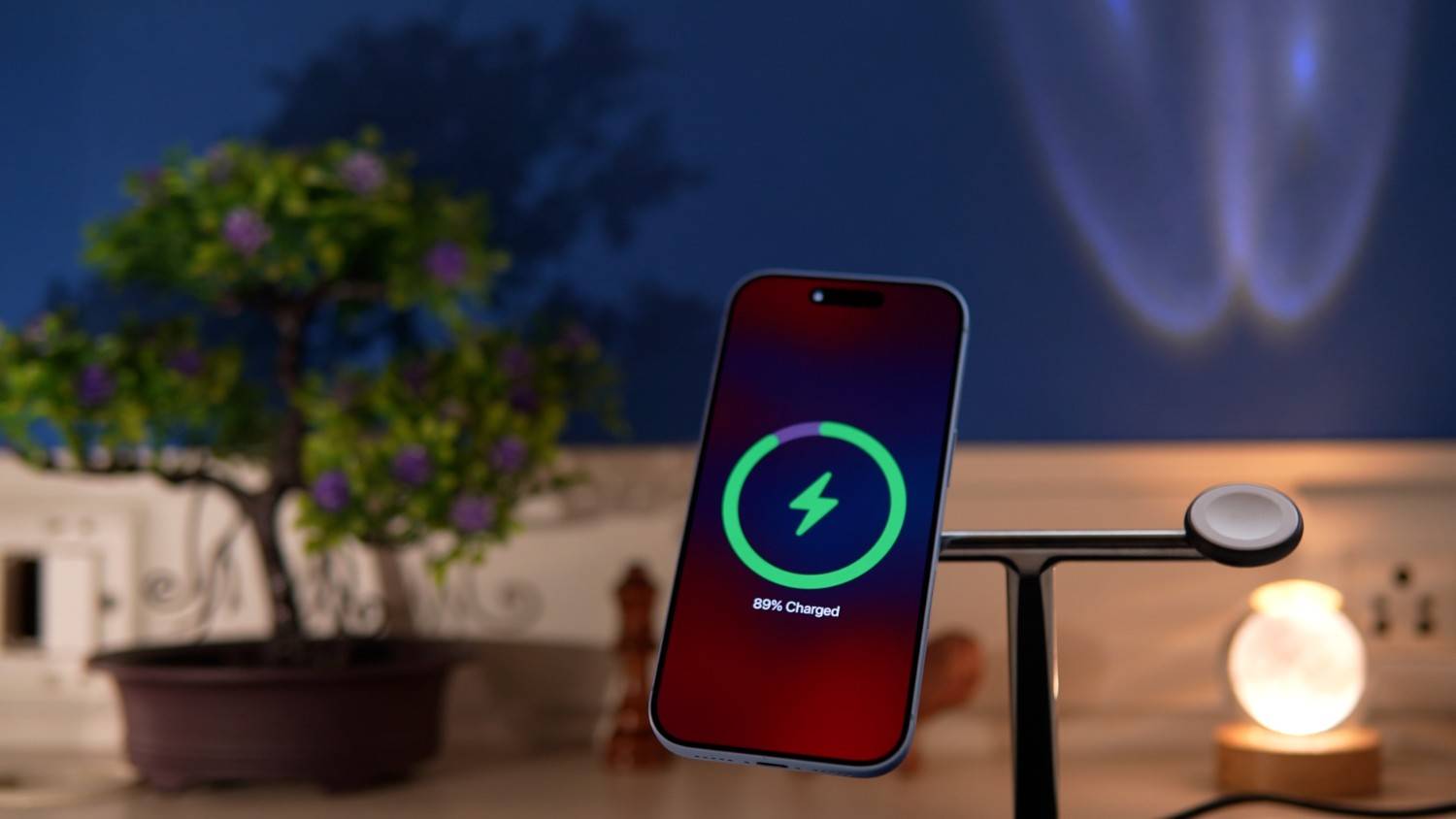
The charging upgrade is more straightforward. The iPhone 18 Pro supports wired charging at up to 60W under compatible conditions, and in my testing, the battery reached from 0% to around 50% in approximately 20 minutes. That is useful when you need a quick top-up before heading out.
Overall, the iPhone 18 Pro offers dependable all-day endurance. It is not a multi-day battery phone like other Android smartphones, and demanding camera use or gaming will still require you to be mindful of the remaining charge. But for a typical day of mixed use, I found it reliable.
The Upgrade You Might Not Notice Until You Need It
One of the most meaningful improvements in the iPhone 18 Pro is also one of the least glamorous: cellular connectivity.
Apple’s C2 modem is designed to improve cellular performance and reliability, and my experience with the phone has been really helpful. In the basement parking area of my building, where other phones always struggle to receive a signal, the iPhone 18 Pro manages to maintain connectivity.
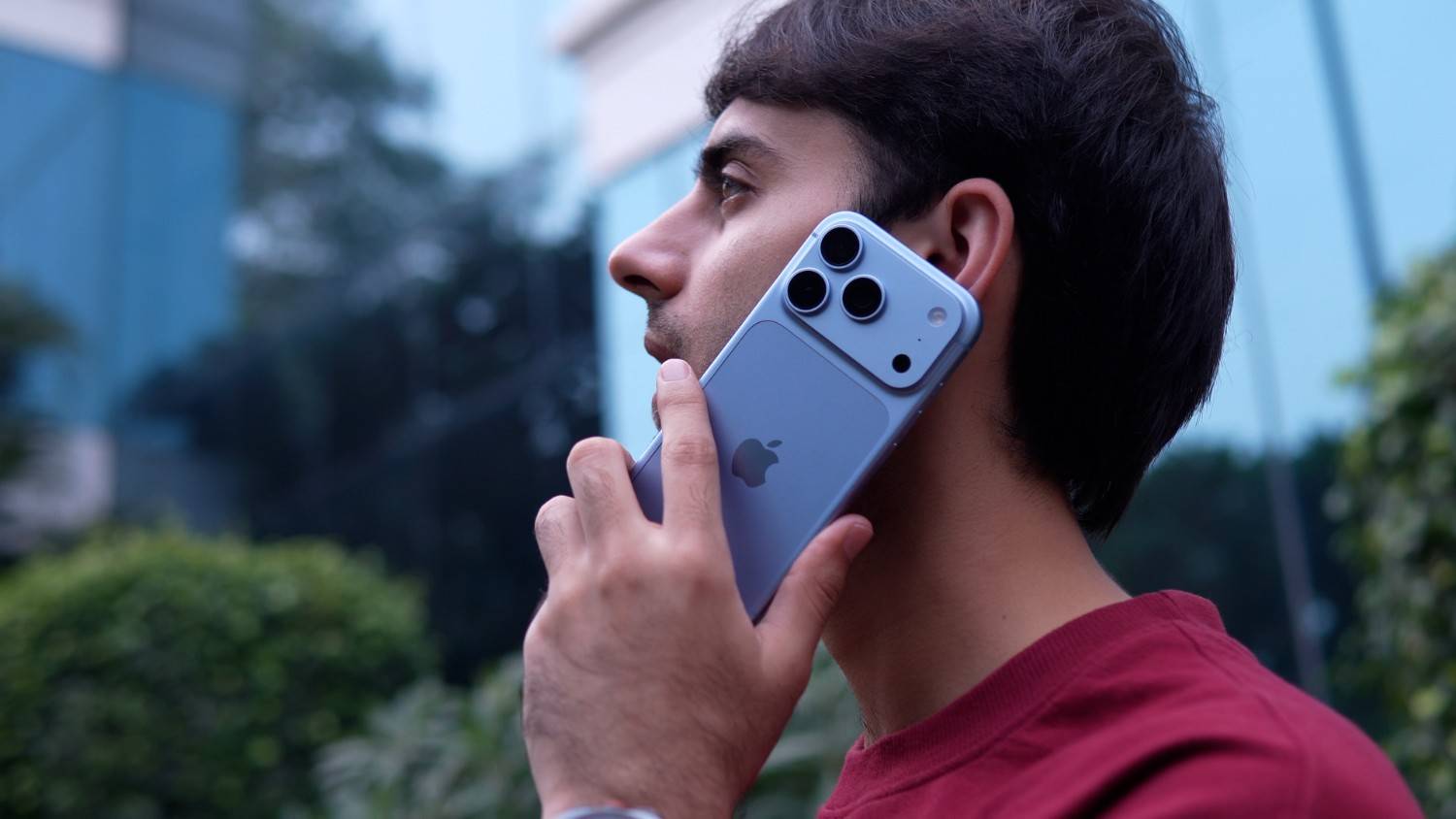
Why am I calling it the most meaningful improvement? Because you don’t necessarily notice a strong signal when you’re browsing at home or sitting in an office. You notice it when you need to make a call, load directions, or send a message and the network is not cooperating.
For people who travel frequently, navigate in unfamiliar places, or work on the move, a more dependable connection can be a more practical upgrade than another incremental increase in processing power.
iOS 27 and Siri AI: More useful, but not quite a companion
I’ve been using iOS 27 on the iPhone 17 Pro Max, so the software experience on the iPhone 18 Pro did not feel particularly different. The interface remains familiar, the animations are fluid, and most everyday interactions work as expected. Where I have noticed a more meaningful change is Siri AI. Yes, the iPhone 17 series does have Siri AI too, but on the iPhone 18 Pro, it is slightly faster.
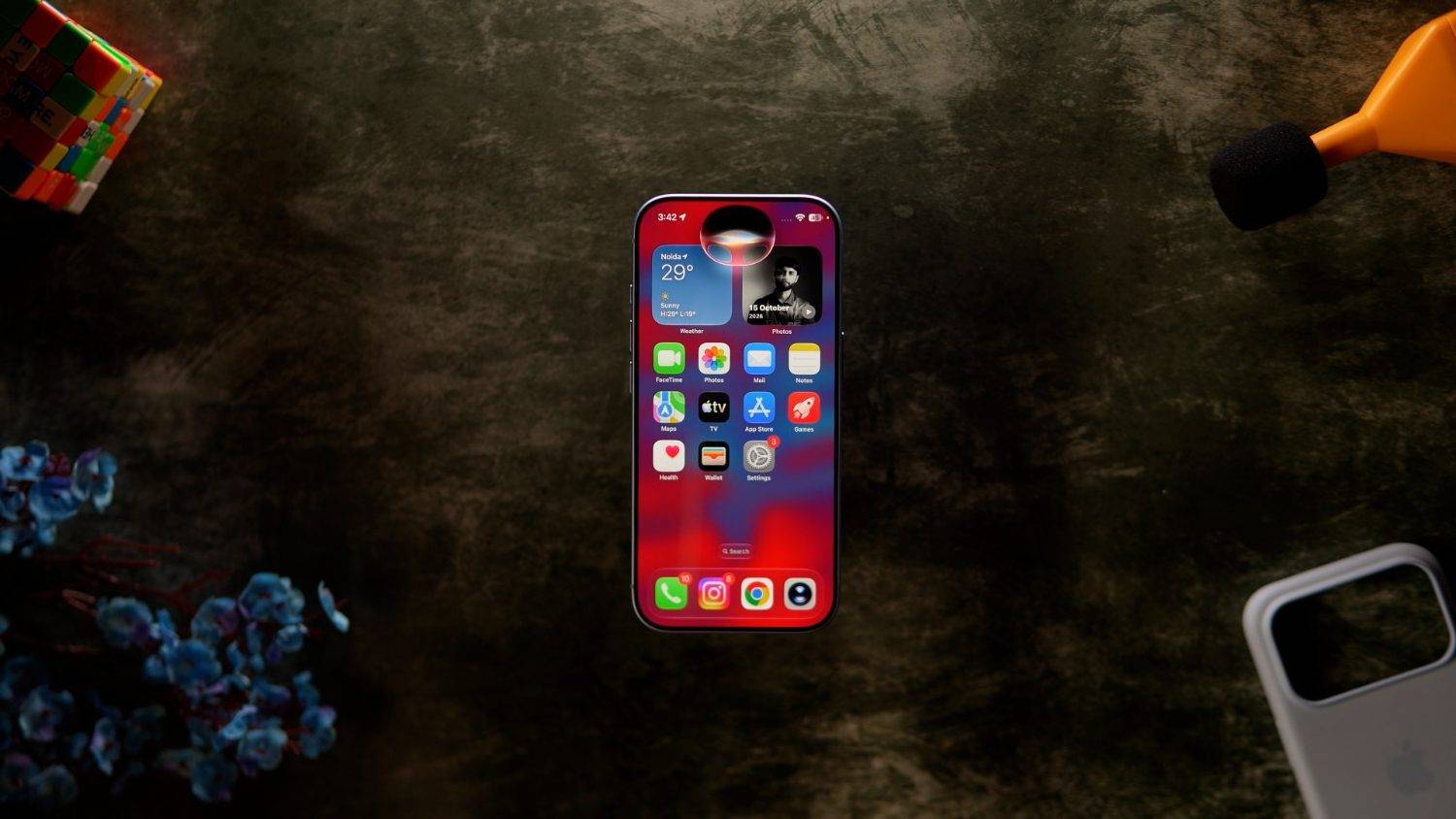
I use Siri frequently, particularly while driving. I rely on it to play music, make calls, and help with navigation. Those basic tasks were already handled reasonably well, but the newer Siri AI with iOS 27 makes it possible to have more contextual interactions.
For example, I asked Siri AI what I should eat in Khan Market, and specified that my nose is blocked, so I wanted something spicy and filling. It replied, ‘a hot bowl of chicken thukpa from Yeti’, which is exactly what I wanted.
Another useful capability is asking questions about content displayed on the screen. Previously, if I came across something I didn’t understand, I might take a screenshot, open ChatGPT, upload the image, and explain what I wanted to know. With on-screen understanding, I can ask Siri AI about the material directly. I’ve found this useful for understanding unfamiliar information.
But I still wouldn’t call Siri AI a proper digital companion. It can be contextual without having the persistent memory feature that would make it feel genuinely personalised. If I ask it to remember a preference, such as wanting unbiased and honest answers, it may save that instruction in Notes rather than reliably applying it as a standing preference in future interactions.
That is a meaningful distinction. A capable assistant should not only respond to what you ask, it should also understand how you prefer to work over time. With ChatGPT making the Memory feature a new normal, I think Siri AI with it would be even more useful.
Face ID was an Early Concern
The first thing I noticed while setting up the iPhone 18 Pro was the behaviour of Face ID. As you know, Face ID and the IR sensor have been moved under the display with the iPhone 18 Pro series. And that could be the reason why the iPhone 18 Pro buyers are complaining about it.
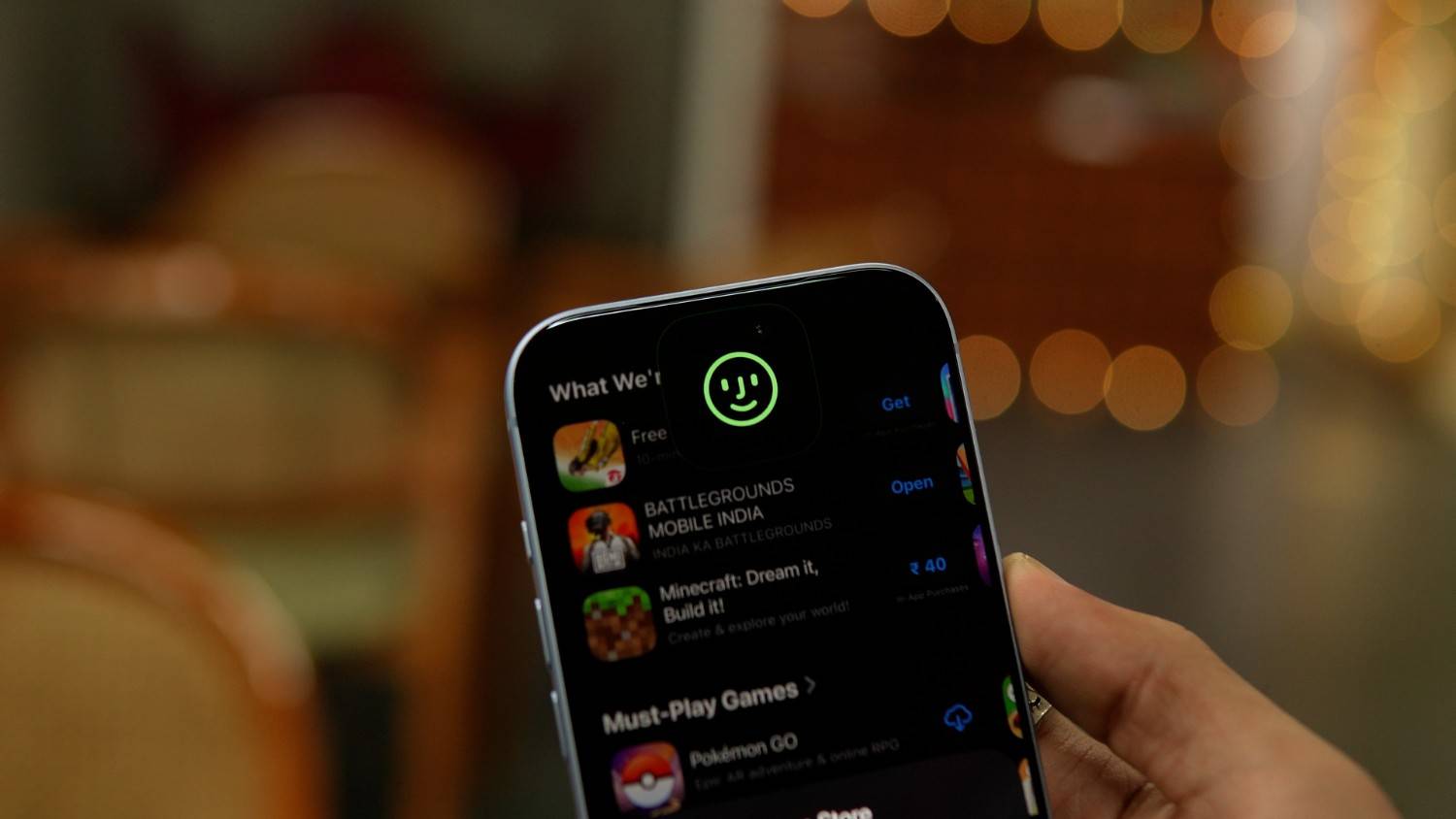
On my iPhone 17 Pro Max, authentication felt exceptionally quick, and it could recognise my face from different angles with little effort. However, on the iPhone 18 Pro, the experience initially felt less consistent. At certain angles, the phone sometimes failed to unlock, and the process didn’t feel as immediate as it had on the 17 Pro Max.
This could be related to software rather than the hardware itself. Apple released an iOS 27.0.1 update addressing early Face ID issues.
New smartphones can exhibit bugs during their initial days of use, particularly when software is still being refined. That doesn’t mean every problem should be excused as a settling-in period, but it does mean that early observations need to be interpreted in the context of the software version.
In my own usage, the display responded consistently, applications didn’t crash, and I encountered very few unusual glitches. Face ID was the exception that stood out, and it is something I would continue monitoring through subsequent updates.
A Feature I Barely Used Is Camera Control, Again
I think Apple has realised that the Camera Control button was not a big hit, and that is why it has removed Tactile Engine from it (those light presses to change settings) on the iPhone 18 Pro. It remains useful for opening the camera, taking a photograph, and adjusting zoom, but now it is limited to that only.
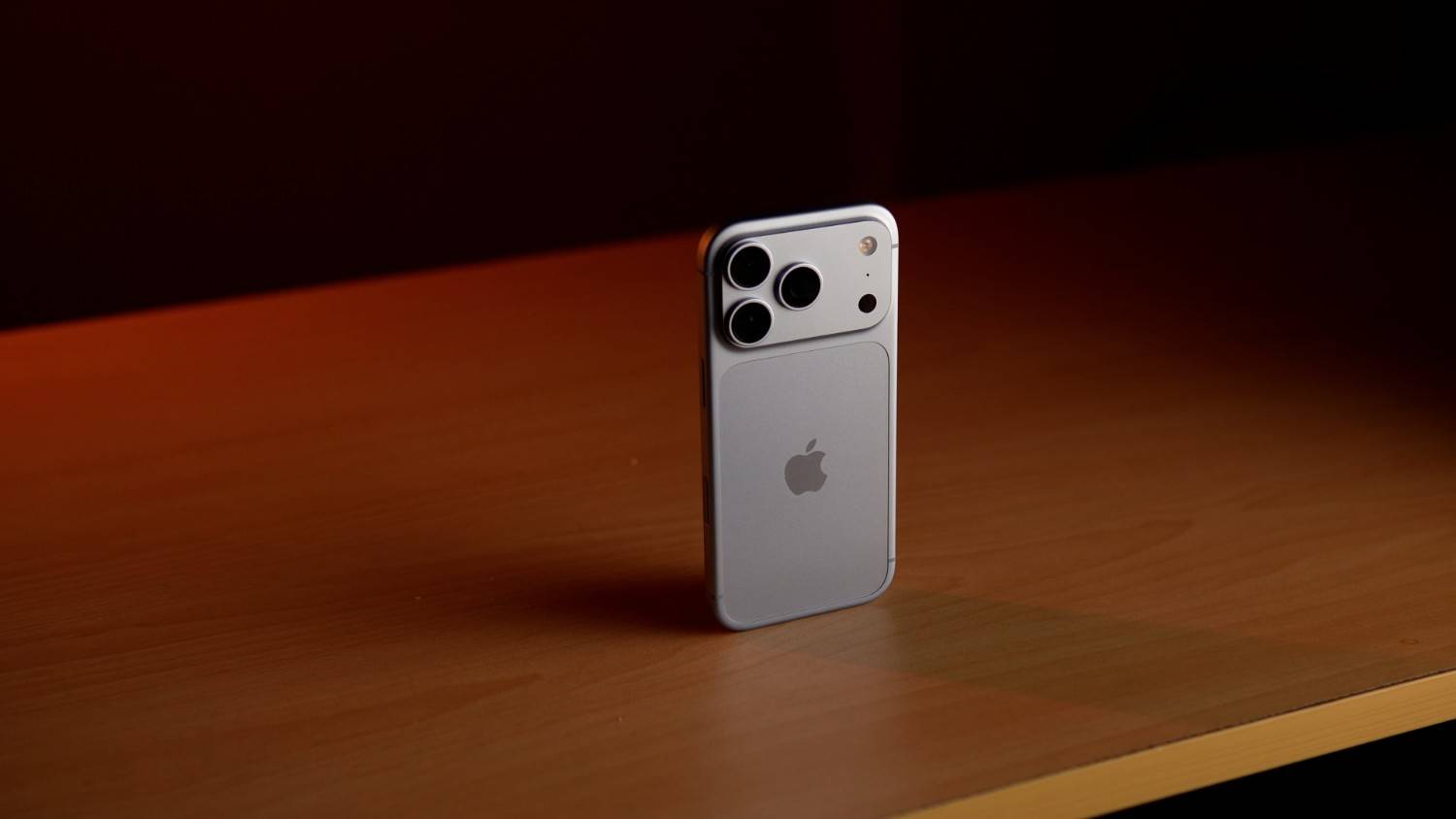
In my two weeks with the iPhone 18 Pro, I barely used the button. That is a subjective observation, but it says something about the difference between a feature that looks clever in a demonstration and one that naturally becomes part of your routine.
I wouldn’t call the button a failure for everyone. Some users may appreciate having a dedicated physical control for photography. But in my workflow, the on-screen controls were more intuitive, and I rarely felt the need to reach for the dedicated button.
Verdict
The iPhone 18 Pro is a fascinating device because it doesn’t let you know its biggest improvements at first.
In everyday use, it feels similar to the iPhone 17 Pro. Both are fast, fluid, and capable of handling demanding applications. If your smartphone usage consists primarily of messaging, browsing, taking photographs, and watching videos, the difference may not justify an upgrade on its own.
But the A20 Pro is a substantial step forward in our benchmark testing. Video exports are faster, graphics performance has improved, and the phone handles sustained workloads with reassuring thermal behaviour. The camera app has become more sophisticated, the variable aperture gives enthusiasts additional creative control, and the C2 modem has delivered a genuinely useful connectivity improvement in my experience.
There are still areas where Apple could do better. Variable aperture has a relatively subtle impact on many everyday photographs, telephoto video stabilisation needs improvement, and Siri’s contextual intelligence would be more useful with dependable long-term memory. Face ID also deserves continued observation as the software matures.
The iPhone 18 Pro is not a reinvention of the iPhone. It is a more refined, more powerful version of a formula Apple already understands exceptionally well. And perhaps that is the most honest way to look at it.