The iQOO 15R marks the debut of a new series in the company’s lineup. Until now, iQOO’s performance-centric offerings in the sub-₹50,000 segment have largely come from the Neo series, which has frequently gone head-to-head with OnePlus’s R-series devices. With the 15R, however, iQOO appears to be shifting toward a more premium formula, pairing performance-focused hardware with design choices that feel a step closer to flagship territory.
iQOO 15R
Rs 44,998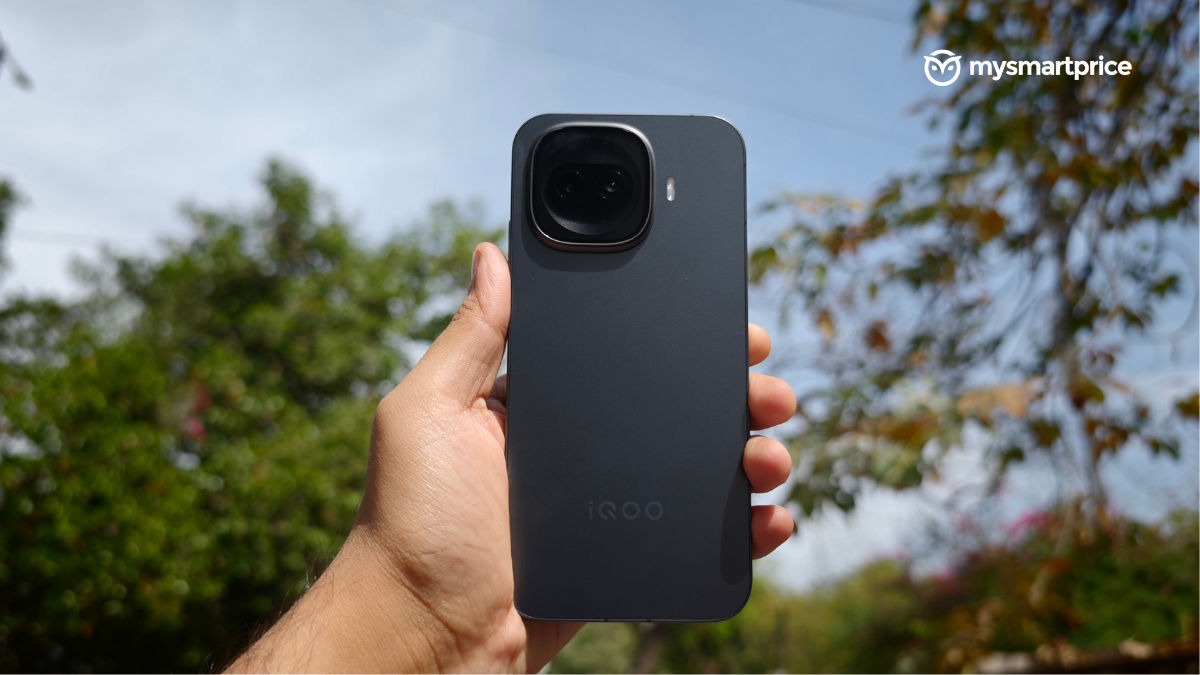
What Is Good?
- Strong performance for gaming and daily use
- Excellent battery endurance
- Bright AMOLED panel with smooth visuals
- Solid, premium build quality
What Is Bad?
- Display rarely runs at its advertised 144Hz
- Limited camera versatility
That positioning becomes clearer when you look at the hardware. Much like the OnePlus 15R, the iQOO 15R combines a performance-oriented chipset with an aluminium chassis, while also offering a high-refresh-rate display, a large battery, and a relatively streamlined dual-camera setup. But competition in this price bracket is already intense. The OPPO Reno 14 Pro leans heavily into camera capabilities and premium aesthetics, while the Realme GT 7 aims to strike a balance with powerful hardware and aggressive pricing.
To understand whether the iQOO 15R’s performance-first approach is enough to stand out in this crowded segment, I used the phone as my primary device for several days. Here is my detailed review.
Display and Audio Quality
The iQOO 15R comes with a 6.59-inch AMOLED display that stands out in its price segment. One of its biggest highlights is the 144Hz refresh rate, which makes everyday interactions such as scrolling through apps and navigating menus feel noticeably smoother.
In day-to-day use, however, the display typically operates at 120Hz. The full 144Hz mode appears only in select situations, despite the panel’s higher refresh rate capability. In supported games such as BGMI, the phone can push frame rates up to 144fps when frame interpolation is enabled.
That said, it would be good to see iQOO optimise this behaviour further so the phone consistently runs at the default 144Hz refresh rate when the option is enabled.
It can deliver up to 144 fps in supported games, such as BGMI, when frame interpolation is enabled. I hope iQOO works on this and ensures the phone operates at its default 144Hz refresh rate when enabled.
While refresh-rate behaviour is one part of the experience, the iQOO 15R’s screen also stands out for its overall viewing quality. In our testing, it reached a peak brightness of 2790 nits, which helps bring out finer details in darker scenes. For instance, while watching Monarch: Legacy of Monsters, subtle textures such as the intricate scales on Godzilla’s body appeared more defined.
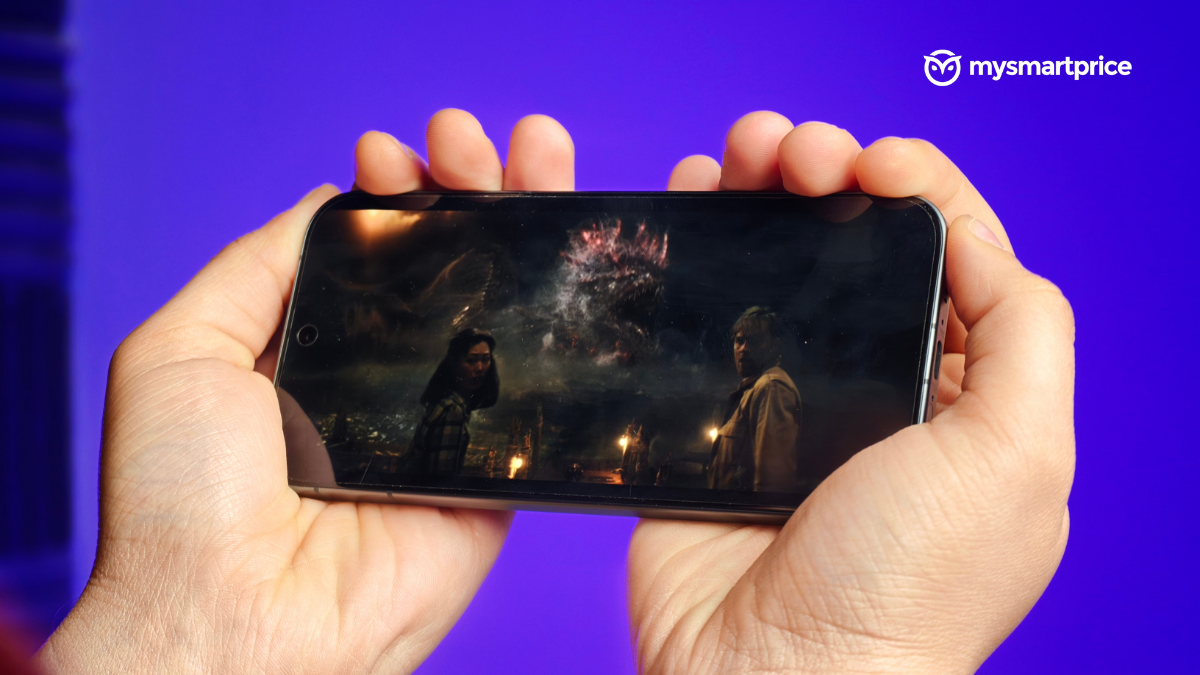
The higher brightness also improves outdoor usability. Even under direct sunlight, the screen remains comfortably legible, exceeding the typical ~700-nit brightness levels seen on many phones in this segment.
Brightness aside, the panel’s colour reproduction leans towards boosted vibrancy. I did not mind this tuning because it makes animated content, such as My Hero Academia: Vigilantes, pop and visually appealing.
| Display | Specifications |
| Size | 6.59-inch |
| Type | AMOLED |
| Resolution | 1.5K resolution (1260 x 2750) |
| Refresh Rate | 144Hz |
| Peak Brightness | Claimed: 5000 nits, Tested: 2760 nits |
| HDR | Netflix HDR, HDR 10+, and Amazon Prime Video HDR |
| Display Protection | Schott Xensation Alpha |
The stereo speakers complement the display nicely when watching content. Even at higher volumes, the speakers maintained good clarity. For example, while watching Monarch: Legacy of Monsters, subtle sounds such as footsteps, leaves crunching, and doors banging were easy to pick up. That said, our review unit lacked bass depth, and the mids lost a bit of clarity at higher volumes, which we have been told is not the case for the overall device. This is also reflected in other reviews, where users have praised the speaker tuning.
Performance and Software
The iQOO 15R is powered by the Snapdragon 8 Gen 5 SoC, making it the second phone in India, after the OnePlus 15R, to feature it. With this processor, Qualcomm claims to blend affordability with near-flagship performance, and the iQOO 15R largely lives up to that promise in day-to-day use and testing. For starters, the iQOO 15R outpaces almost every phone in its category, as well as those in the sub-Rs 60,000 segment, in our benchmark tests.
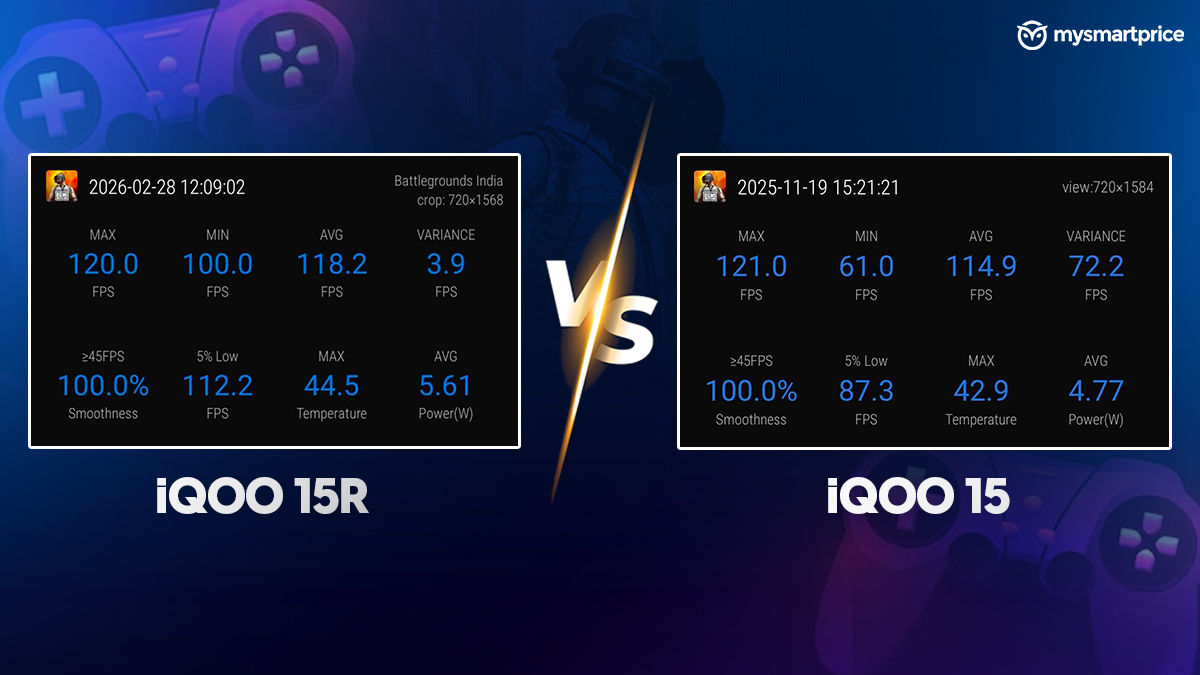
The iQOO 15R’s strong benchmark results carry over into real-world gaming. BGMI supports 120fps at the lowest settings on the iQOO 15R. During our testing, the phone maintained an average frame rate of 118.2fps throughout. The iQOO 15R also showed better frame stability than the iQOO 15, with a much narrower gap between its average frame rate and the 5% low figure. That’s noteworthy given the latter’s flagship positioning, especially as both phones were screen recording while we were gaming.
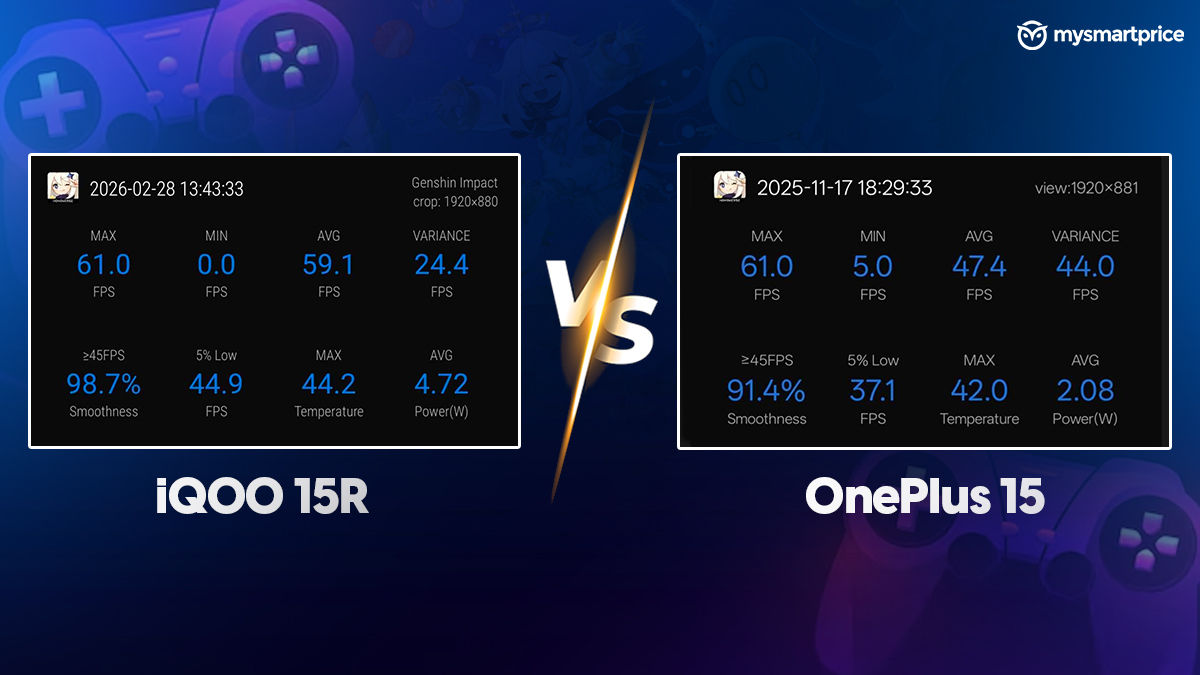
The same advantage extended to Genshin Impact, where the iQOO 15R averaged 60fps, comfortably ahead of the OnePlus 15’s 47.4fps. However, this performance edge came at the cost of increased heat output, with temperatures peaking at 42°C. Overall, the iQOO 15R remains a strong option for gamers who want high performance without paying flagship prices.
Besides gaming, the iQOO 15R also holds up well in everyday use. It handles every routine task, from scrolling through social media apps to browsing webpages, with steady performance throughout.
| Hardware | Specifications |
| RAM | Up to 12GB LPDDR5X |
| Storage | Up to 512GB UFS 4.1 |
| Storage Test | 213506 |
| CPU Throttling Test | 64% |
| Software Version | OriginOS 6, based on Android 16 |
| Connectivity Details | Bluetooth 6 and Wi-Fi 7 |
| Number of Software Updates | Four years of major OS upgrades and six years of security patches |
At the heart of the iQOO 15R’s software experience is OriginOS 6, based on Android 16. It complements the phone’s raw power with fluid animations and seamless transitions, delivering a smooth, responsive UI navigation experience. Visually, it adopts an elegant aesthetic that aligns with the premium identity iQOO aims to convey with the iQOO 15R.
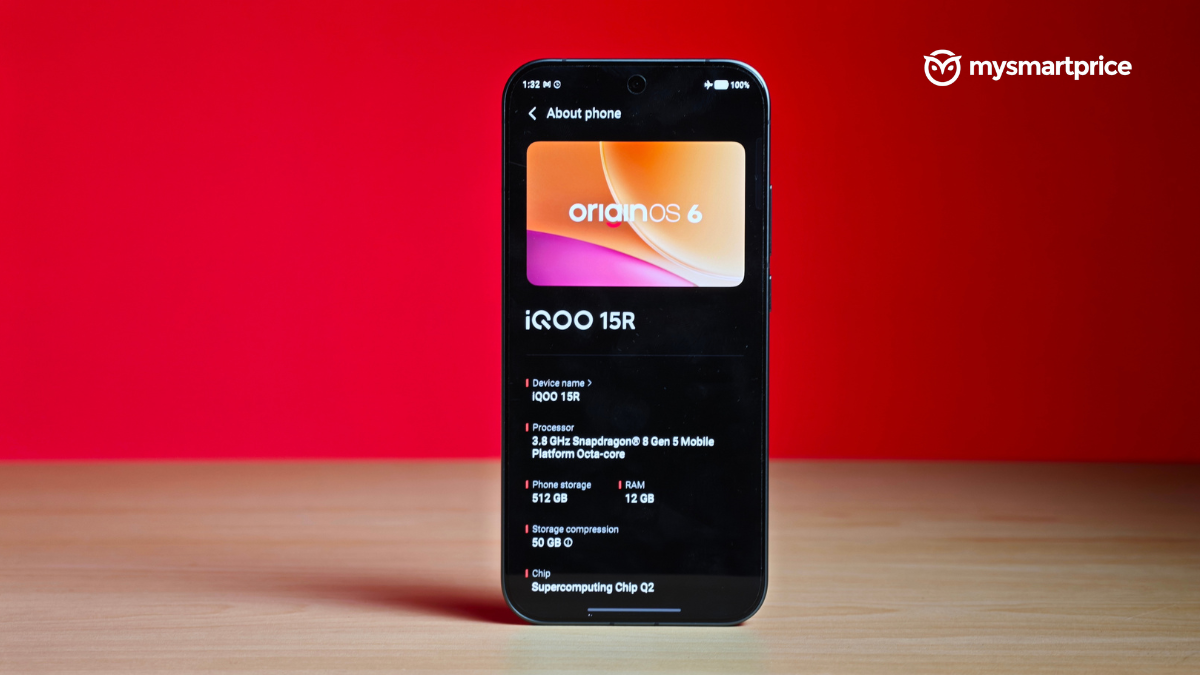
Apart from its appearance, OriginOS 6 is packed with features designed for convenience and efficiency. Office Kit, in particular, facilitates file sharing between the iQOO 15R, a device running Android, and the MacBook, using Apple’s proprietary software. This feature helps users avoid being locked into a single ecosystem, allowing users to experience and work across different platforms more freely.
Battery and Charging
The 7600mAh battery is one of the iQOO 15R’s many strengths. Backed by solid optimisation, the phone performs strongly in our battery benchmark tests, outlasting several rivals in its segment, including the Realme GT 7, the OnePlus 13s, and the OPPO Reno14 Pro.
However, the OnePlus 15R lasts longer than the iQOO 15R in our test, even though both feature a similar-sized battery and run on the same processor.
In everyday use, the iQOO 15R was a dependable battery performer. It delivered close to eight hours of screen-on time under moderate use, including taking camera samples, playing Wuthering Waves, streaming shows, and more. Once the battery ran out, the bundled 100W charger took an hour to recharge fully. Given the large 7600mAh battery capacity, the charging speed is reasonably quick.
Design and Build Quality
iQOO’s phones have long adhered to a design philosophy that seems drawn from Porsche’s playbook, pairing a sense of speed with elegant styling. The iQOO 15R carries this forward confidently. The well-crafted aluminium chassis masks its performance roots with subtle elegance, while contoured edges ensure the boxy frame remains comfortable to hold.
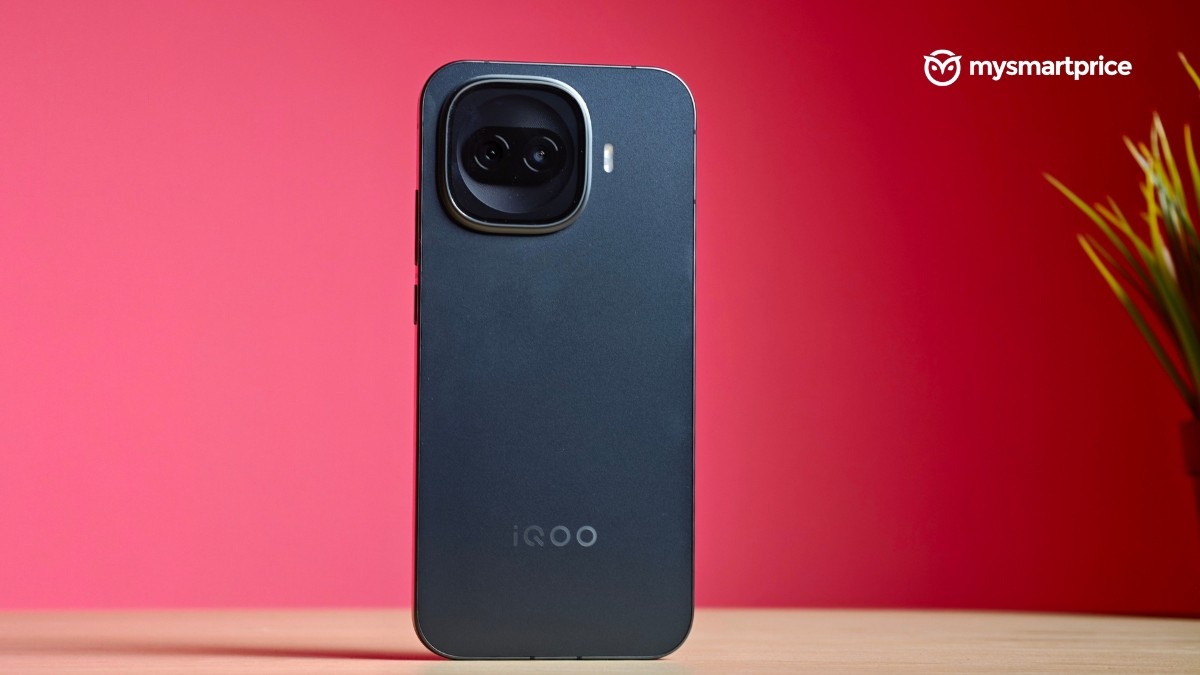
This attention to design also extends to the camera module. Housed within a squircle module, the dual cameras are arranged in a layout that faintly resembles Wall-E’s face. It seems unconventional at first glance, yet it integrates surprisingly well with the overall design
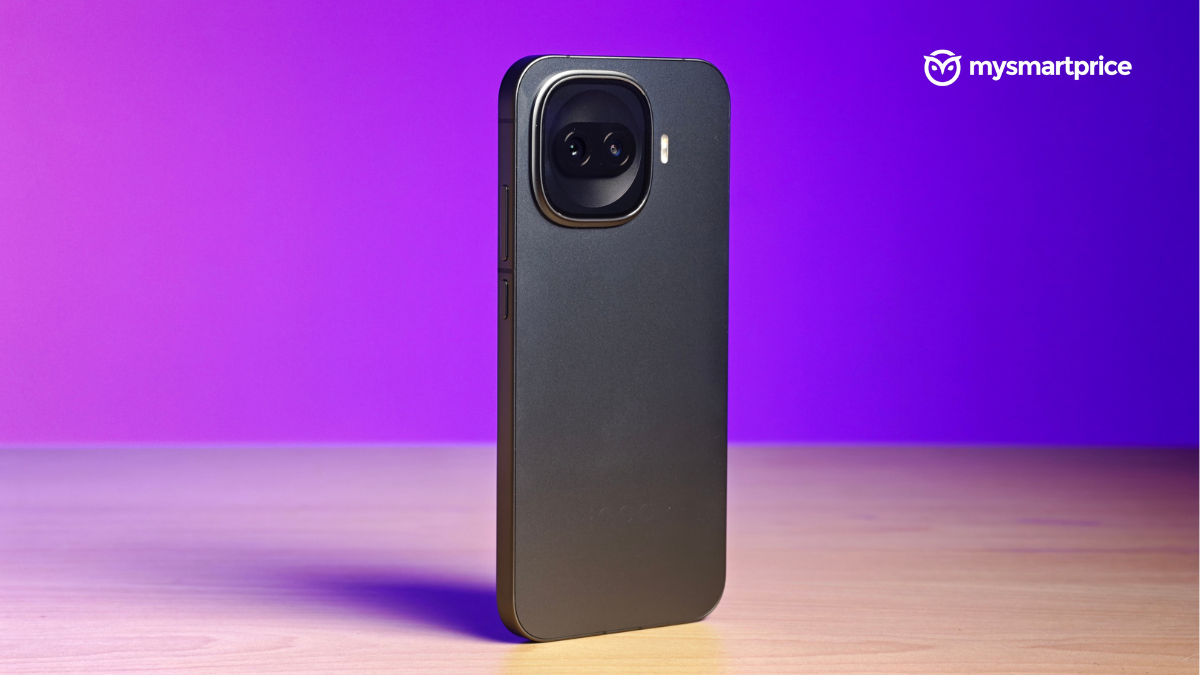
That said, the iQOO 15R feels noticeably heavy. While iQOO does so to add a premium touch to the build quality, this choice can make one-handed use a little tiring over extended periods.
| Design | Specifications |
| Colour Options | Triumph Silver, and Dark Knight (our review unit) |
| Weight | 202g |
| Thickness | 7.90 mm |
| IP Rating | IP68 + IP69 |
| Port and Button Placements | Bottom: Primary microphone, USB port, speaker grille, and SIM card tray
Top: Secondary microphone, IR blaster, and speaker grille Right Side: Power button and volume button |
Weight aside, the iQOO 15R leaves a strong impression with its build quality. It feels reassuringly solid when held. Moreover, the IP68 and IP69 ratings ensure protection against accidental water exposure.
Cameras
As iQOO places greater emphasis on performance with the 15R, the camera system adopts a relatively straightforward approach.
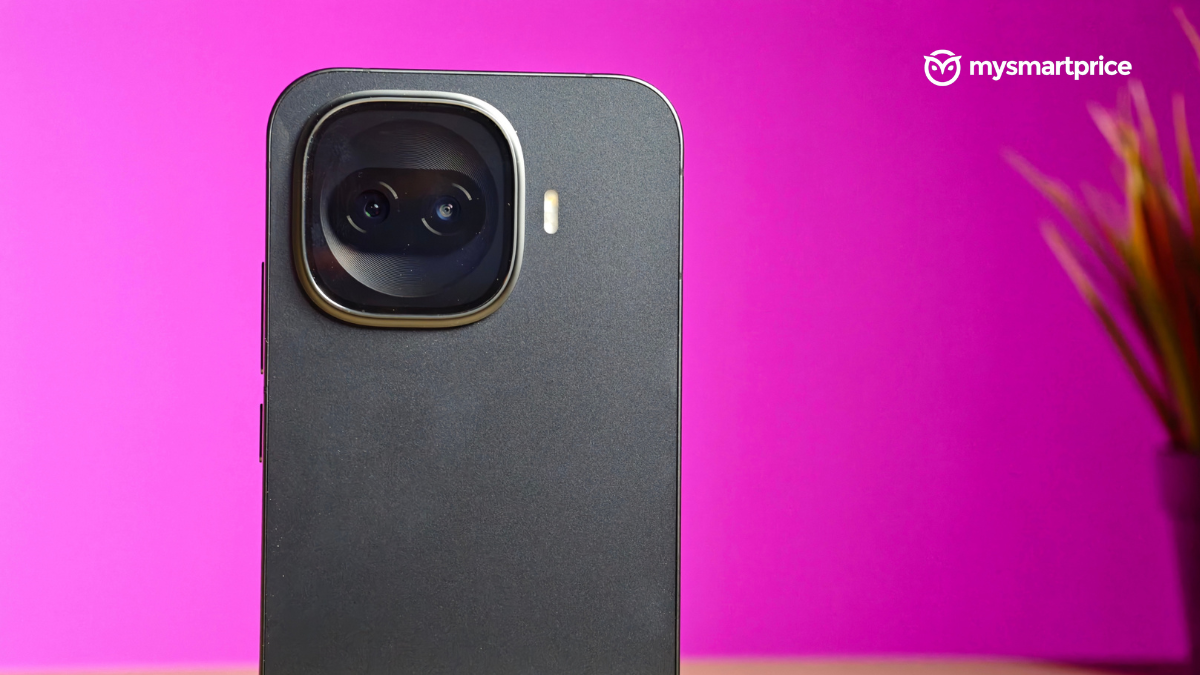
The telephoto lens is absent, leaving the primary camera to handle most shooting scenarios. Users who frequently rely on optical zoom may find this limiting. Despite this, the primary camera proves capable in everyday photography.
| Cameras | Specifications |
| Primary camera | 50-megapixel, Sony’s LYT-900V with OIS, f/1.8 |
| Secondary camera | 8-megapixel, OV08F10-GA5H-001B, ultra-wide, f/2.2 |
| Selfie camera | 32-megapixel, f/2.0 |
| Video capabilities | Up to 4K at 60fps for the primary and front cameras |
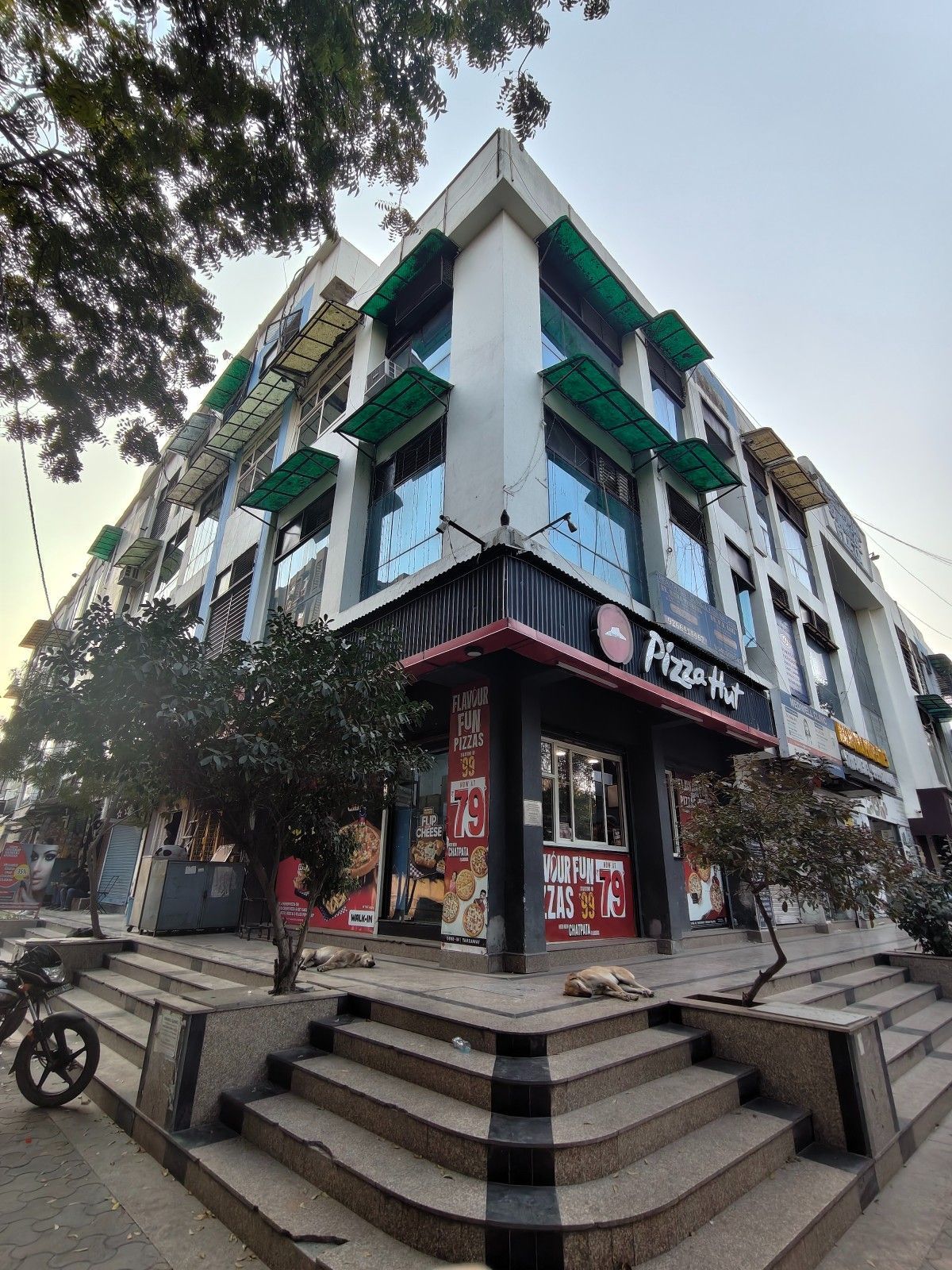
In well-lit conditions, the primary camera captures sharp, detailed images while keeping colours close to natural.
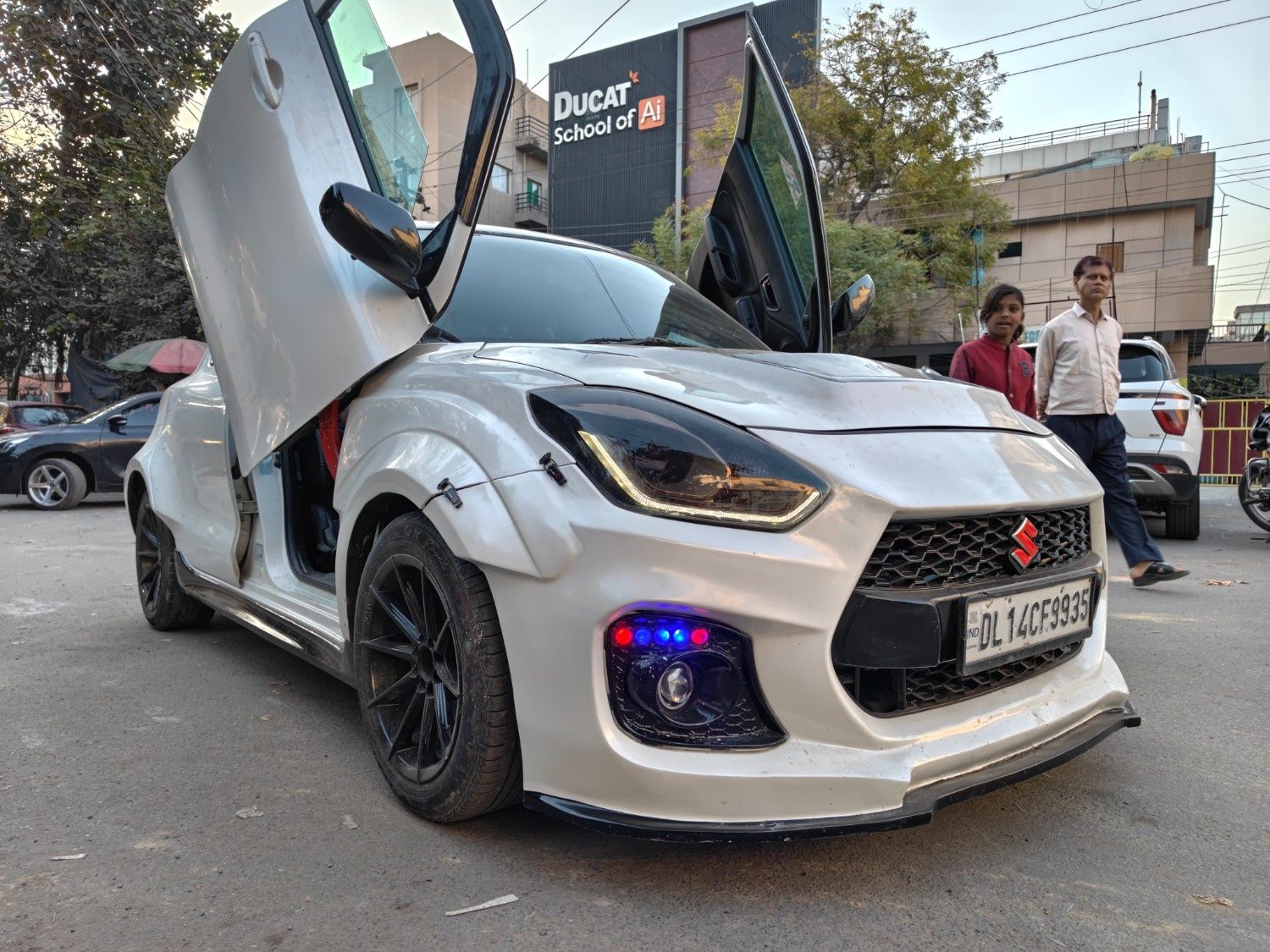

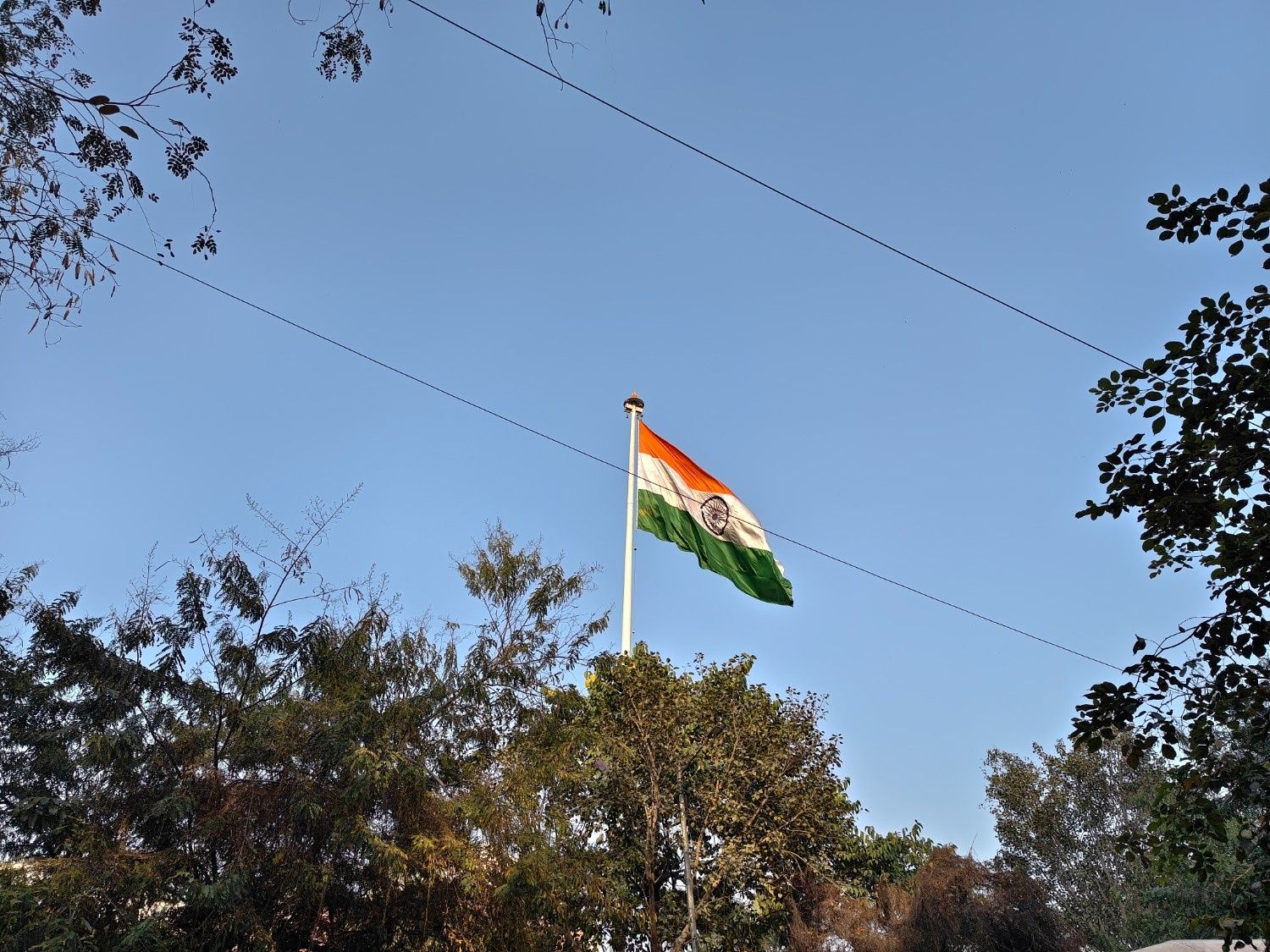


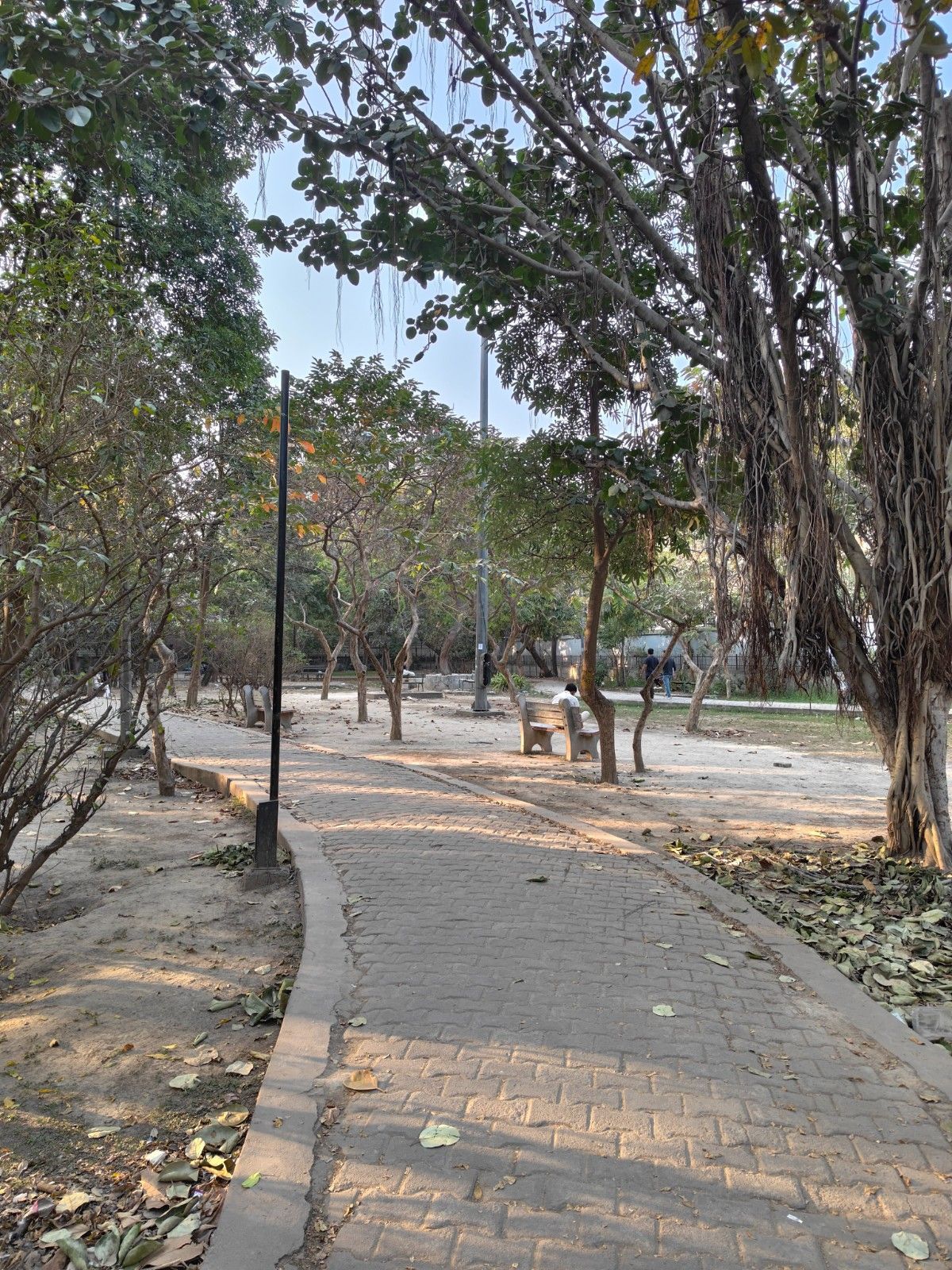
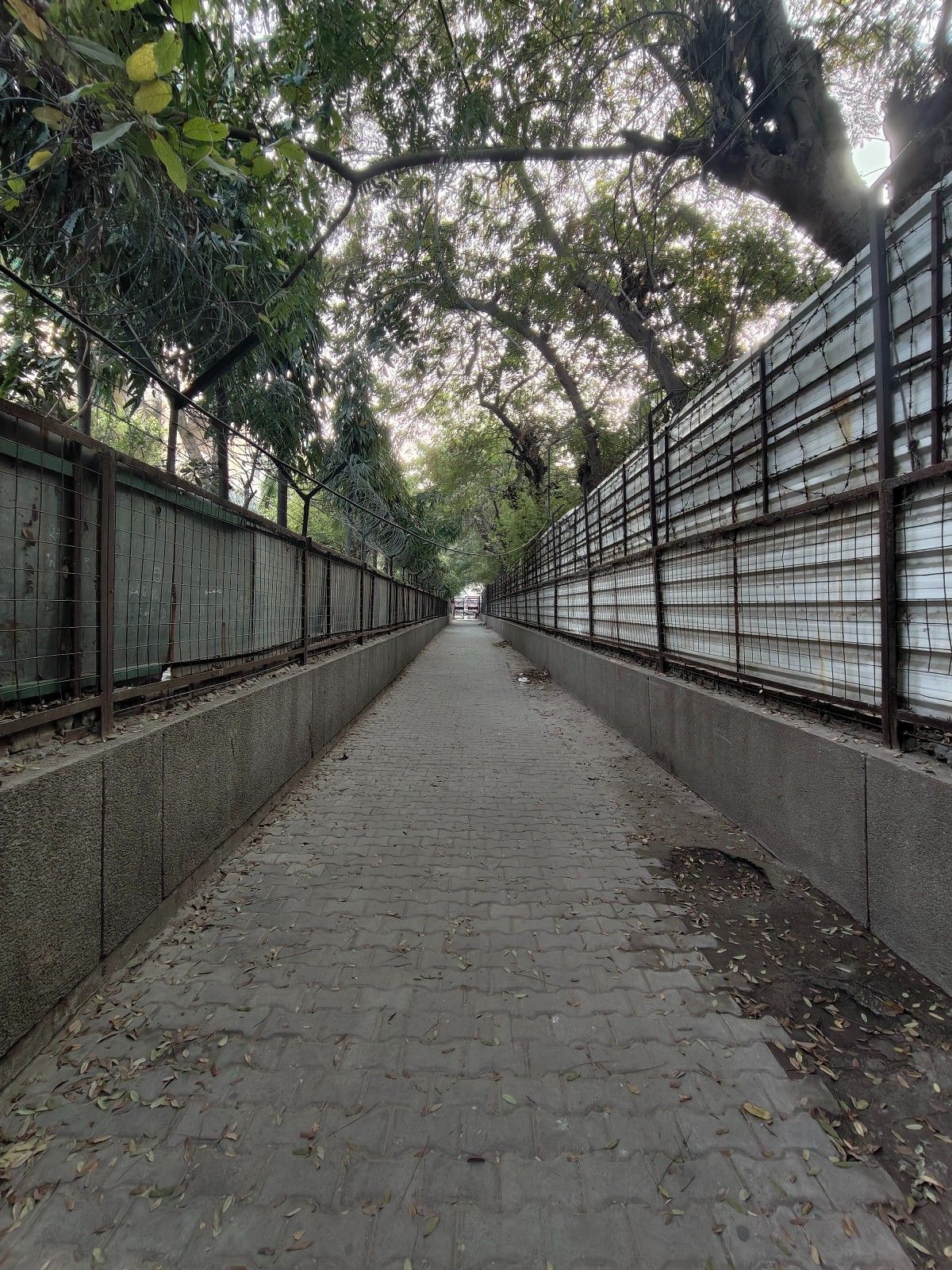







Portrait images also turn out well. In a portrait sample featuring an elderly subject, the camera preserves the texture of his skin while applying a consistent background blur. HDR processing also keeps highlights and shadows under control, so the overall exposure remains balanced.
The ultra-wide camera maintains colour consistency with the primary lens. However, its lower resolution means images appear softer and lack the same level of detail.
Low-light performance is generally satisfactory.

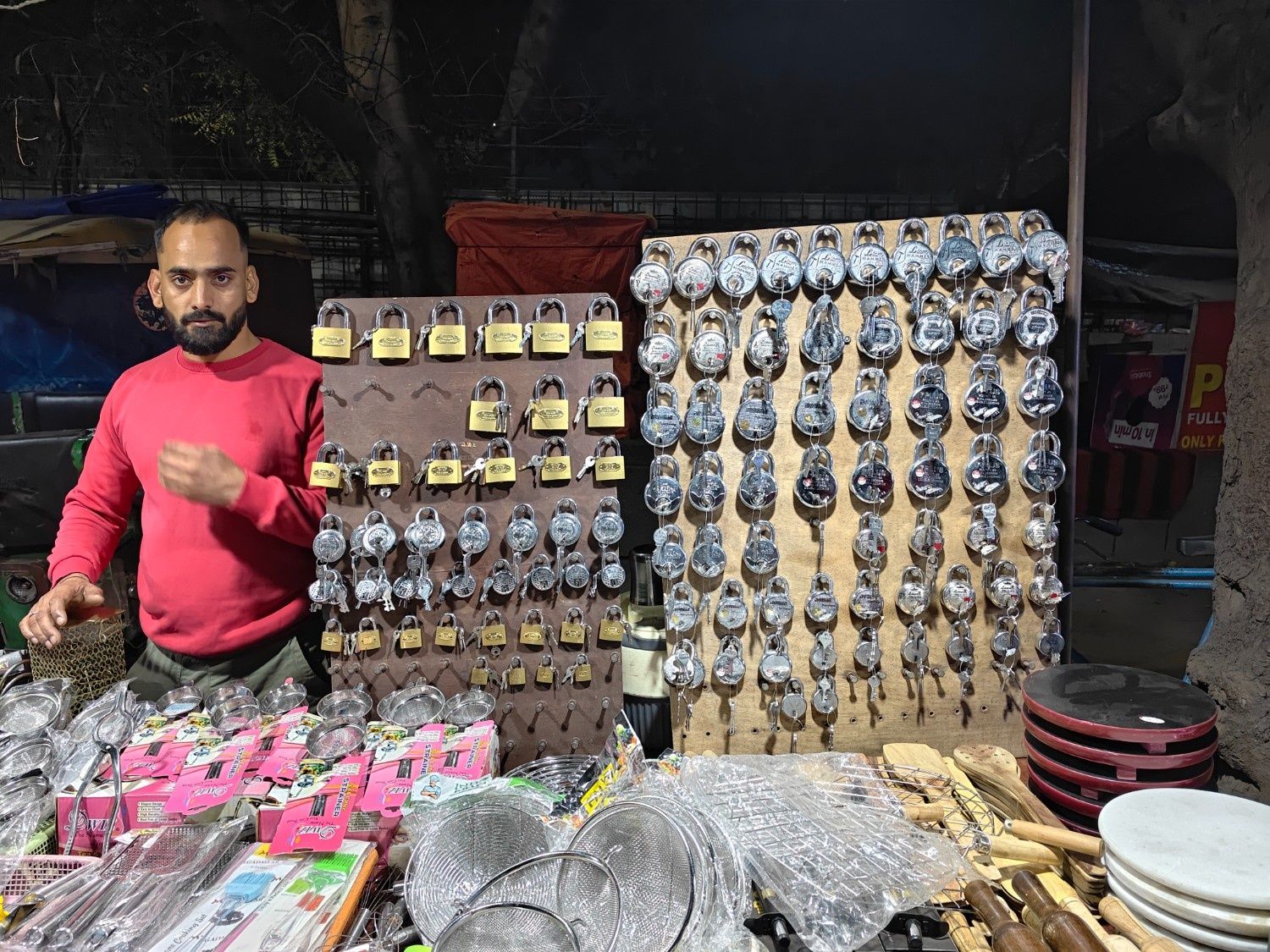









The primary camera lowers its shutter speed to brighten scenes, though sudden movement can sometimes cause slight smoothing of subject details. Still, images usually retain decent colours and remain usable in most situations.
The selfie camera performs impressively in good lighting conditions. It retains intricate facial details and keeps colours close to natural light. In low light, some detail smoothing becomes noticeable, but the camera still captures pleasant-looking selfies.
Verdict
The iQOO 15R focuses heavily on performance and battery life, and in those areas, it largely delivers. The Snapdragon 8 Gen 5 handles demanding games and everyday tasks with ease, although the phone can warm up during extended sessions. The AMOLED display is bright and fluid to use, even if it spends most of its time operating at 120Hz rather than its advertised 144Hz.
Battery life is another strong point, with the phone comfortably lasting through a full day of mixed usage. The cameras are adequate for casual photography, but the lack of a telephoto lens and the ultra-wide camera’s lower detail limit the system’s flexibility. Taken together, the iQOO 15R makes the most sense for users who prioritise performance and endurance over camera versatility.