In 2026, the sub-40k smartphone category is turning out to be the most competitive space. If someone is spending that kind of money, they expect their smartphone to come as close to a flagship one as possible in terms of design, cameras, or performance. To stand out in this competitive market, brands are trying different strategies to stand out.
One such move recently came from Vivo as it launched the Vivo S2 at Rs 39,999, a revival of the S-series smartphones after a long gap. It is positioning this device as a design-first, experience-driven smartphone. It has a curved AMOLED display, a large battery, and a good design amongst its selling points, but there are some noticeable compromises too, particularly in areas like raw performance.
Vivo S2
Rs 39,999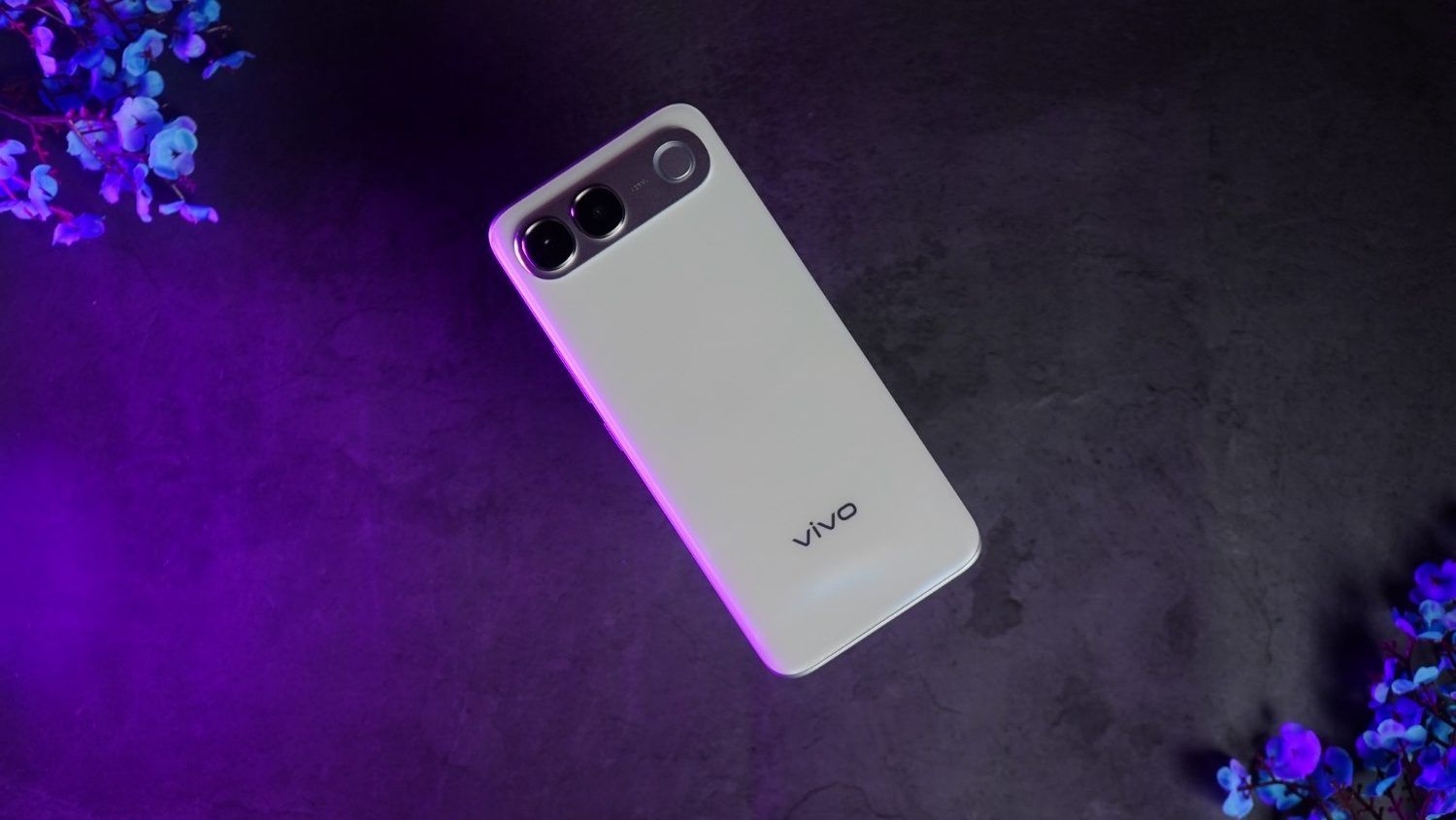
What Is Good?
- Premium and eye-catching design
- Excellent 6.83-inch 1.5K AMOLED display
- Strong battery life
- OriginOS 6 offers a fluid and feature-rich user experience
What Is Bad?
- Plastic build
- MediaTek Dimensity 7360 Turbo falls behind rivals
- 44W charging feels slow for this segment
So if you are here as a Vivo fan or an interested buyer, do read the full review because we have some thoughts to share on the Vivo S2.
Stylish Phone That Gets A Plastic Back
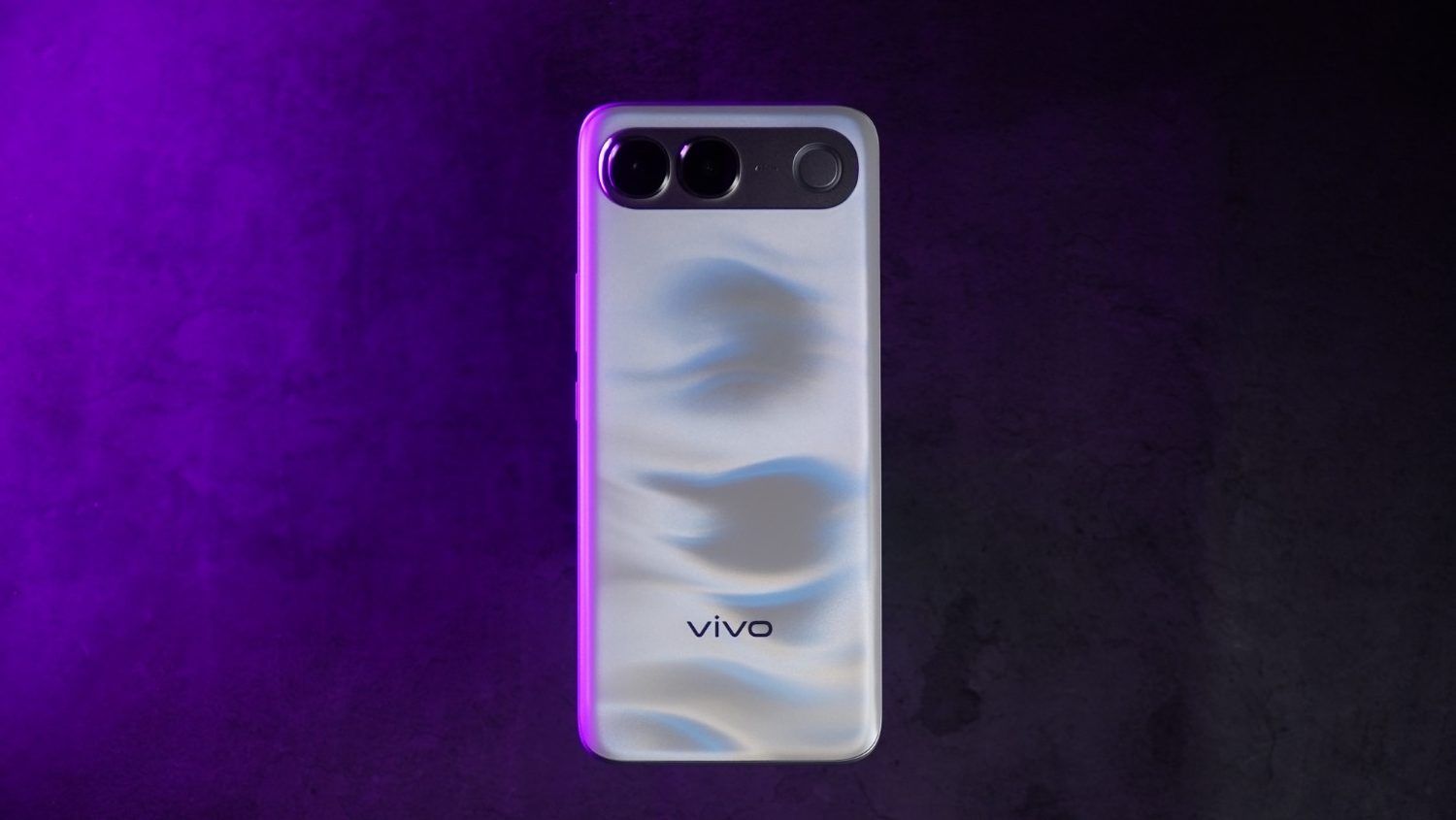
On the design front, the Vivo S2 makes a really good first impression. The rear panel, especially the Silk White variant, has a marble-like finish with subtle patterns that shift under light. It’s eye-catching without being too flashy, and in a market full of similar-looking phones, it does manage to stand out.
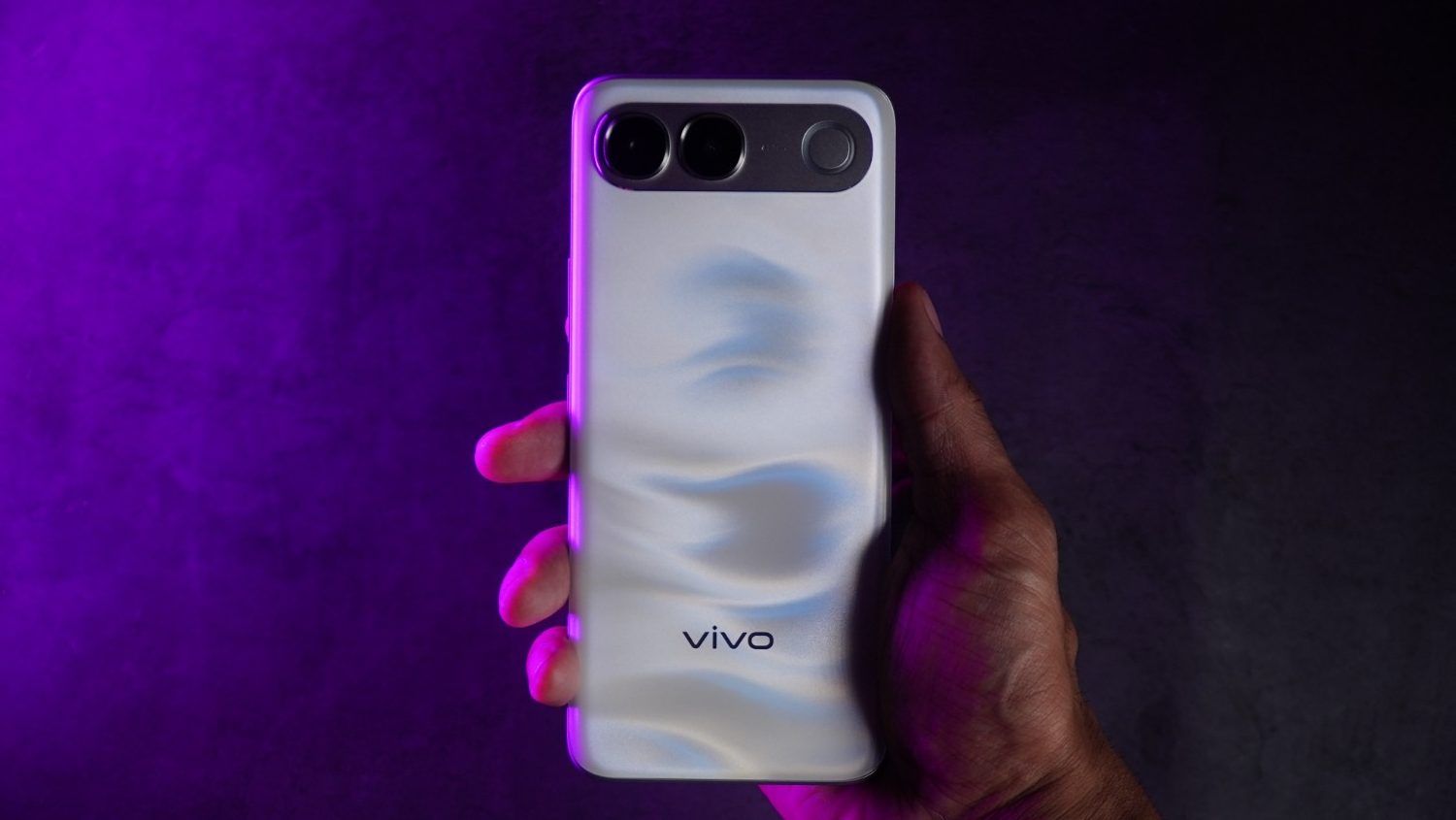
The curved glass design, both on the front and back, not only adds to the ergonomics of the device but also to the visual appeal. The Vivo S2 is a large smartphone, but despite that, thanks to the curved display, it feels comfortable to hold. However, while the phone looks premium, the in-hand feel…not so much. It has a plastic back, which takes away from that whole premium experience, especially at this price point.
One feature that sets this phone apart from its fellows is the horizontal camera module. Also, it’s practical because the phone doesn’t wobble on flat surfaces.
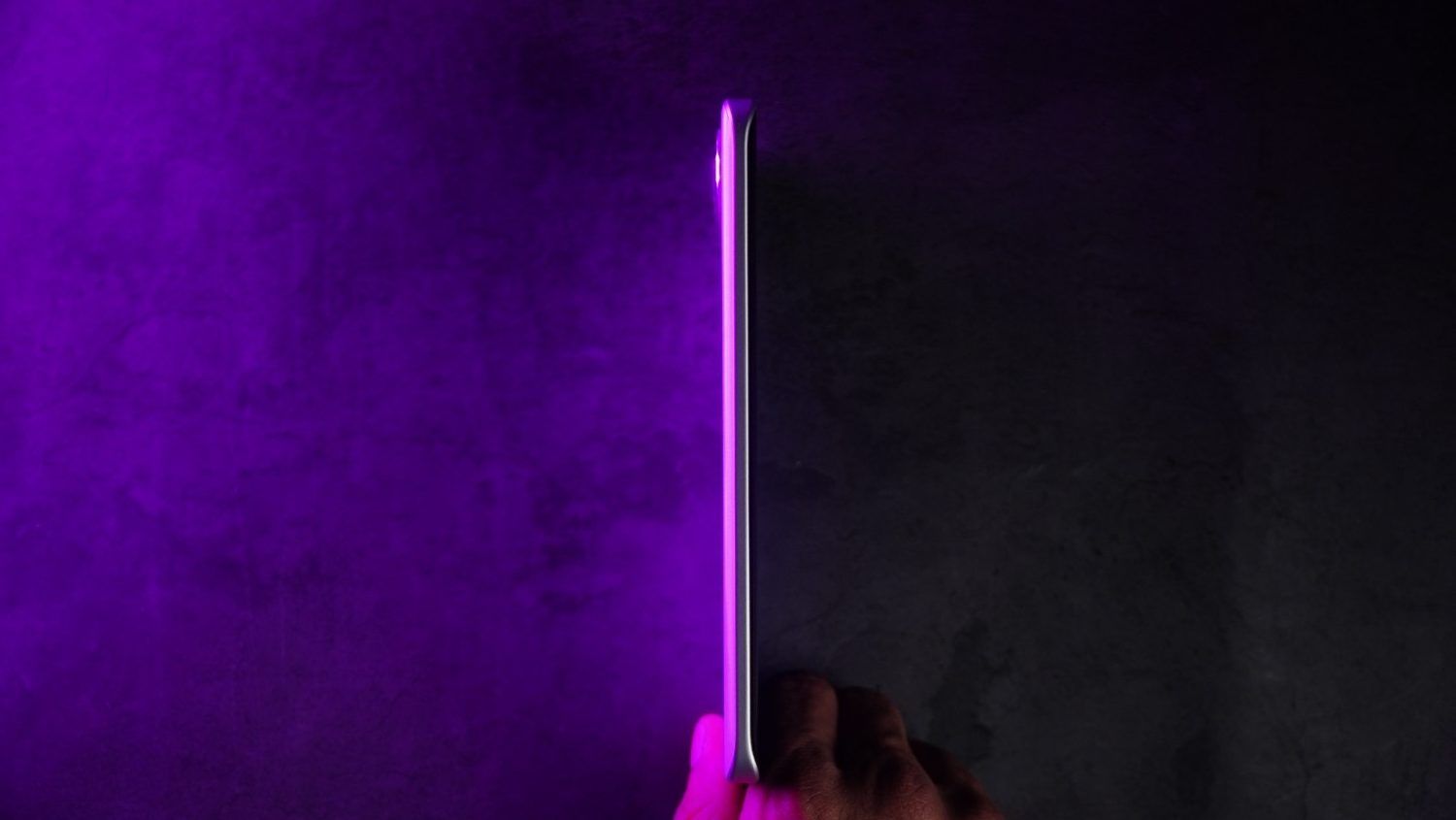
The Vivo S2 weighs 199 grams, and the weight management has been done pretty well. Since it is a big phone, a lot of people might not naturally be able to use it with a single hand, but for people like me, it wasn’t an issue.
On the protection front, you get IP68 and IP69 ratings. Had there been a glass back, this phone would have scored solid points on the design front.
The Brightest Display In The Segment!
Speaking of the display, it is one of the strongest aspects of the Vivo S2. You get a 6.83-inch AMOLED panel with a 1.5K resolution, 120Hz refresh rate, and up to 3,000 nits of claimed peak brightness.
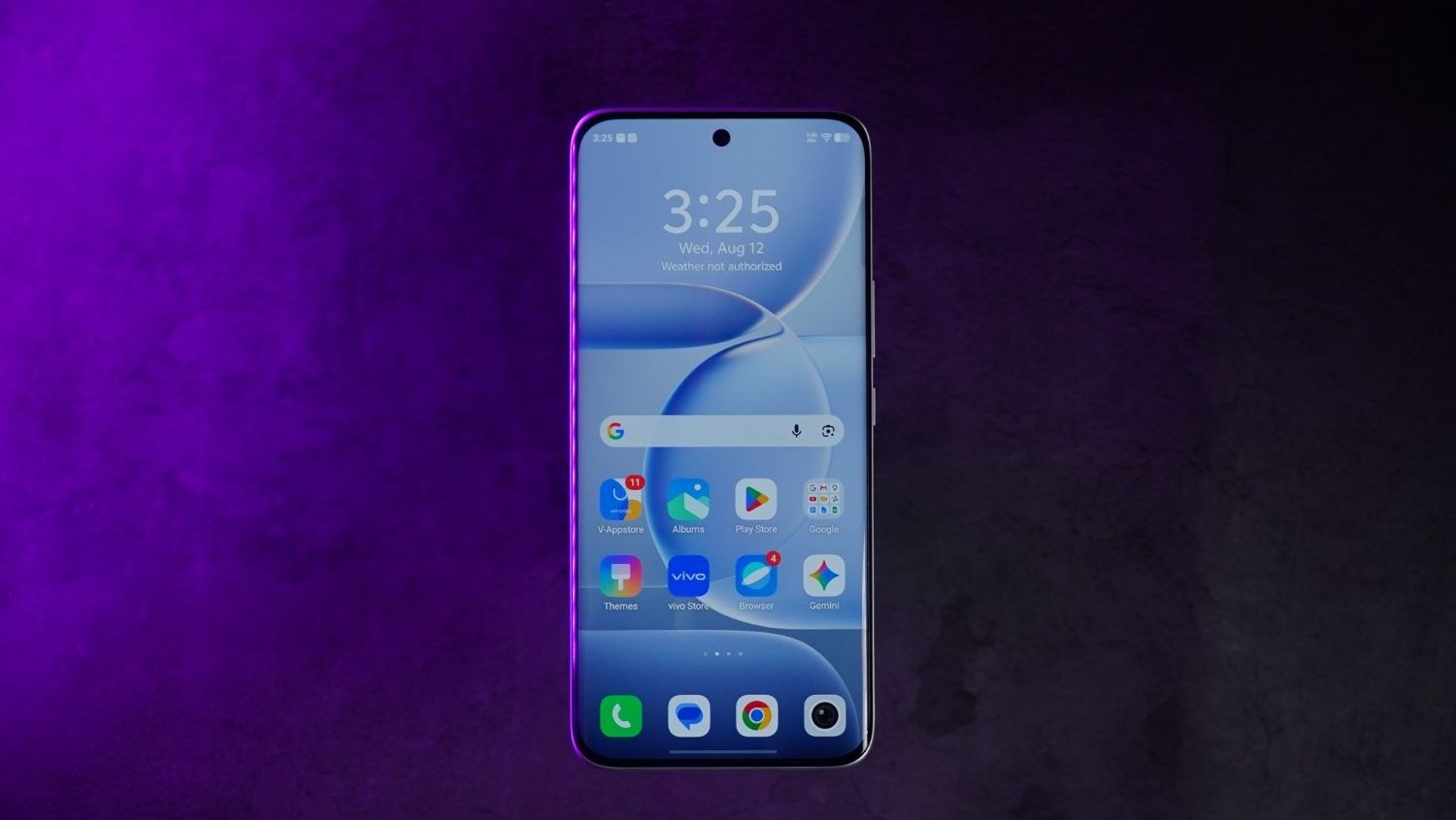
The panel gives you vibrant colours, deep blacks, and excellent contrast levels. Whether you are watching videos, doomscrolling, or reading, the display looks sharp and immersive consistently.
Viewing angles are also strong, and there’s only minimal colour shift even when the screen is tilted. Also, the curved edges add to the whole viewing and surfing experience as expected.
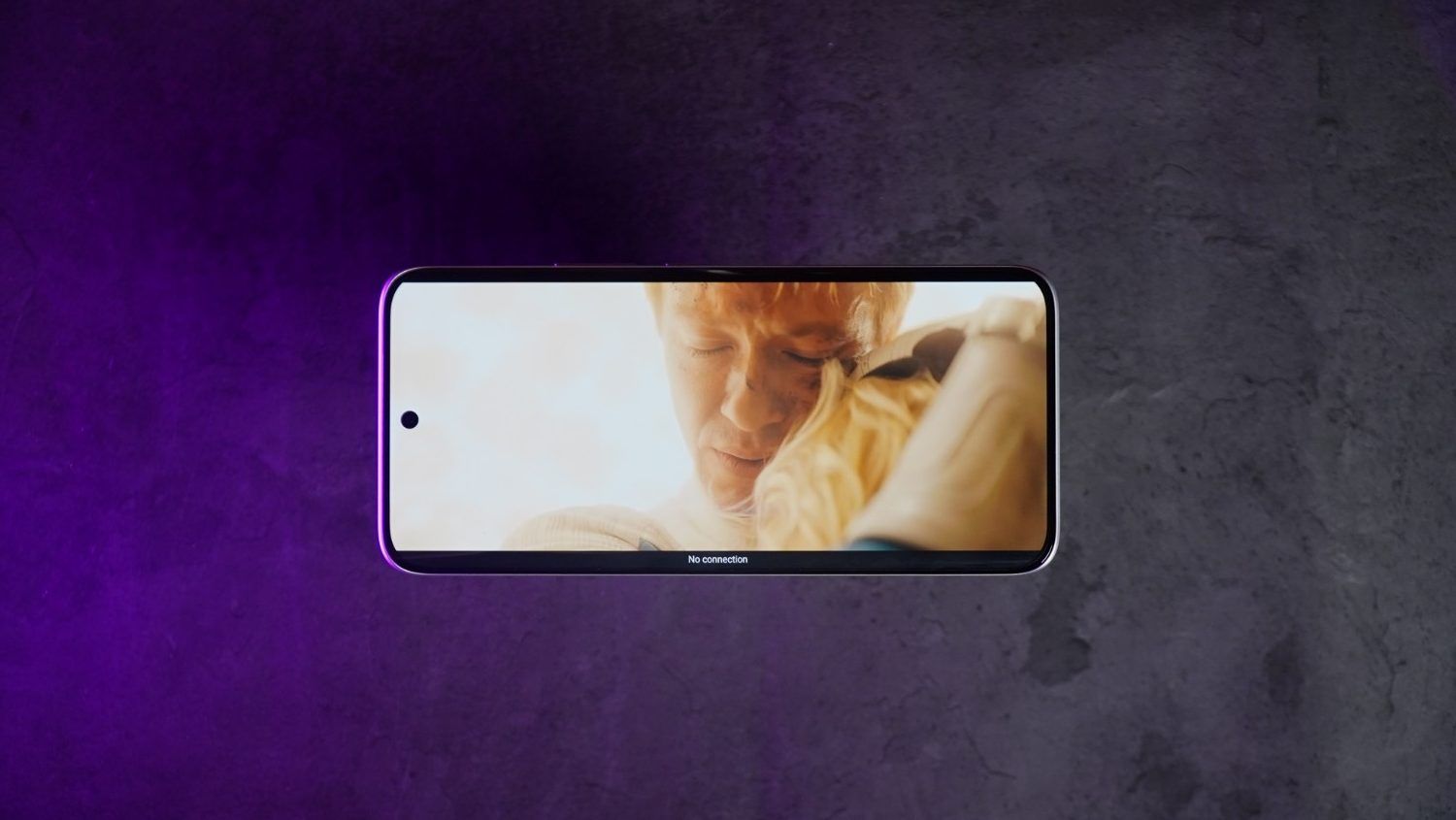
Vivo claims a peak brightness of 3,000 nits, and it’s quite rare to see a display come this close to its advertised figure in our testing. Using a lux meter, we recorded a peak brightness of 2,810 nits in auto mode, which is an impressive result. To put that into perspective, even the flagship Vivo X300 Ultra reached 2,240 nits in our tests.
Not A Power Phone
Under the hood, the Vivo S2 packs the MediaTek Dimensity 7360 Turbo chipset, which is paired with 8GB RAM and up to 256GB storage. Now, this is not the most powerful chipset in this segment, and that becomes pretty clear when you compare it with the competitors. In our benchmark tests, the Vivo S2 competes really well with its competitors, but it’s still not good enough to beat them. Moreover, once you push harder than this, especially with demanding games or workloads, you will start to feel the limitations.
You can get just decent gaming performance with this phone. You can still play lighter games smoothly, but with demanding games like BGMI, there are going to be frame drops at higher graphic settings. The only good part? The phone doesn’t heat up during long gaming sessions.
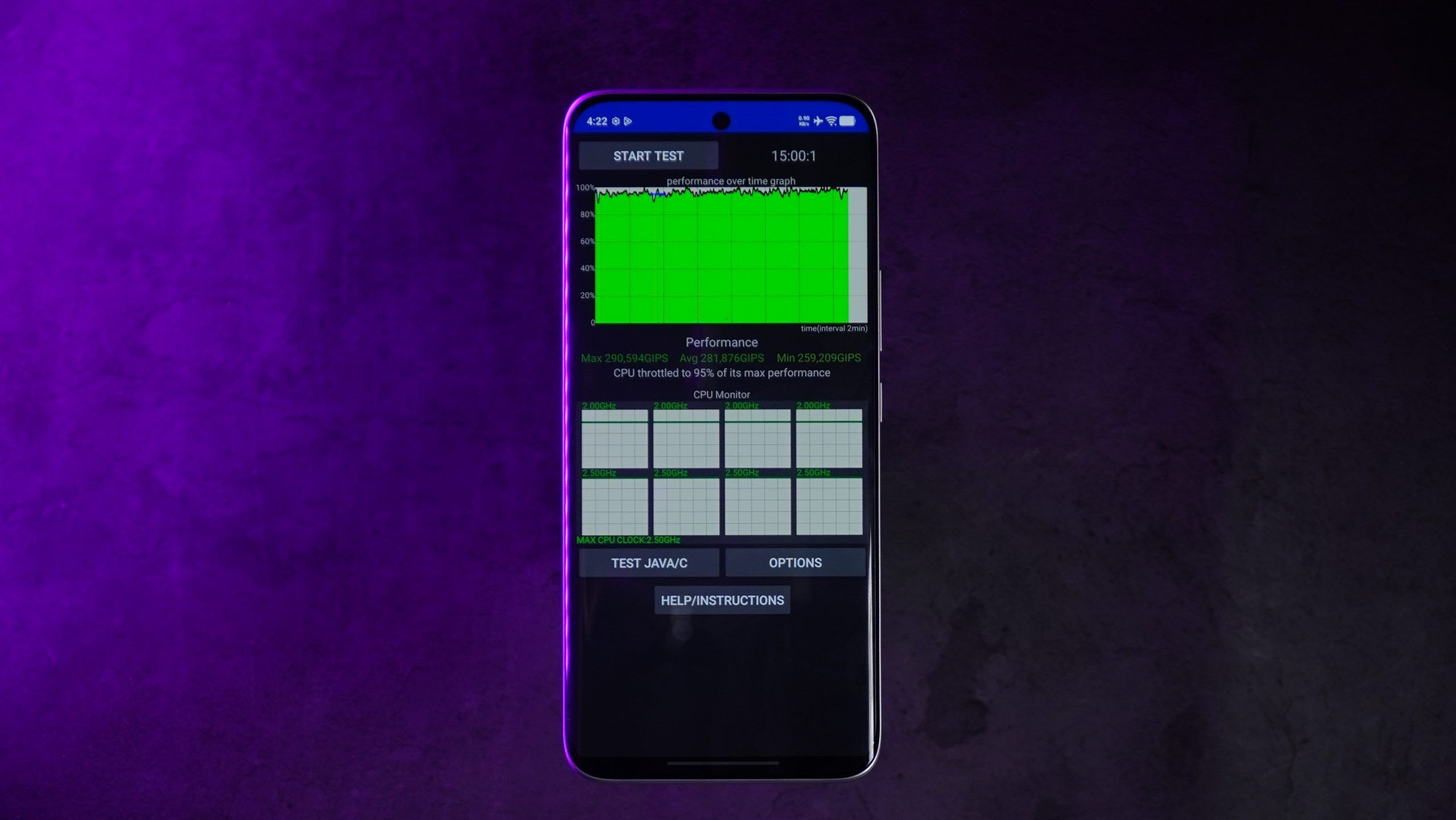
However, for everyday use, the phone is reliable. Basic tasks like browsing, messaging, streaming, and multitasking are handled smoothly. Apps open quickly, and switching between them feels seamless. Vivo’s RAM management also works well, so you can keep multiple apps active without aggressive reloads.
On the software side, the Vivo S2 runs OriginOS 6 based on Android 16. The experience is smooth, visually polished, and feature-rich. Animations feel fluid, and there’s a good level of customisation available for users who like tweaking their interface.
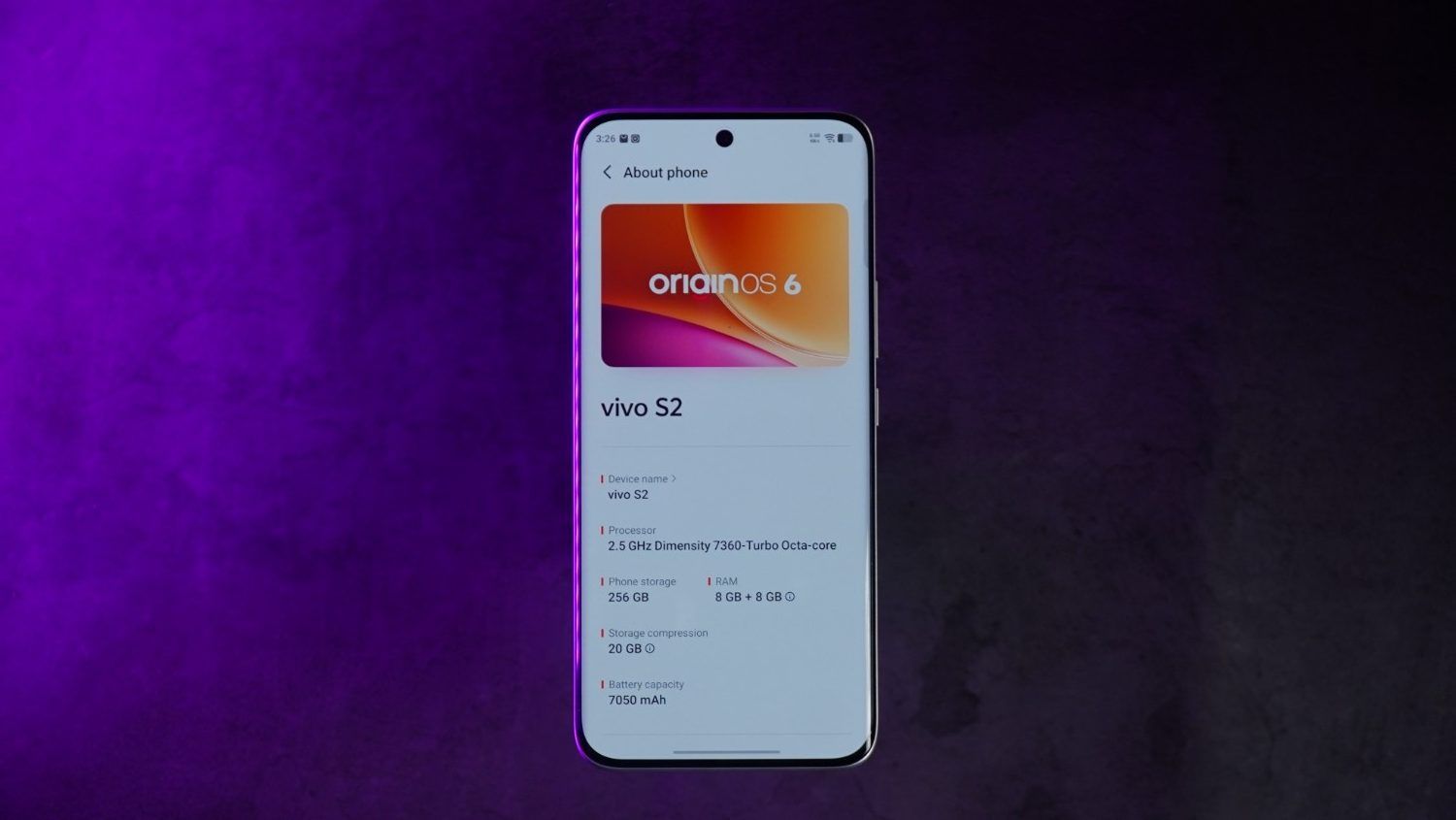
However, the phone comes with a large number of pre-installed apps. While you can uninstall most of them, the initial setup feels cluttered. Furthermore, Vivo has also promised three major Android updates and five years of security patches with the S2.
I Expected More From The Cameras, But It’s Fine
The cameras on the Vivo S2 fall behind the competitors. You get a 50-megapixel main camera along with an additional 2-megapixel sensor. While brands are fitting in telephoto sensors at this budget, the Vivo S2 misses out on an ultra-wide too. On the front, there’s a 32-megapixel selfie shooter.



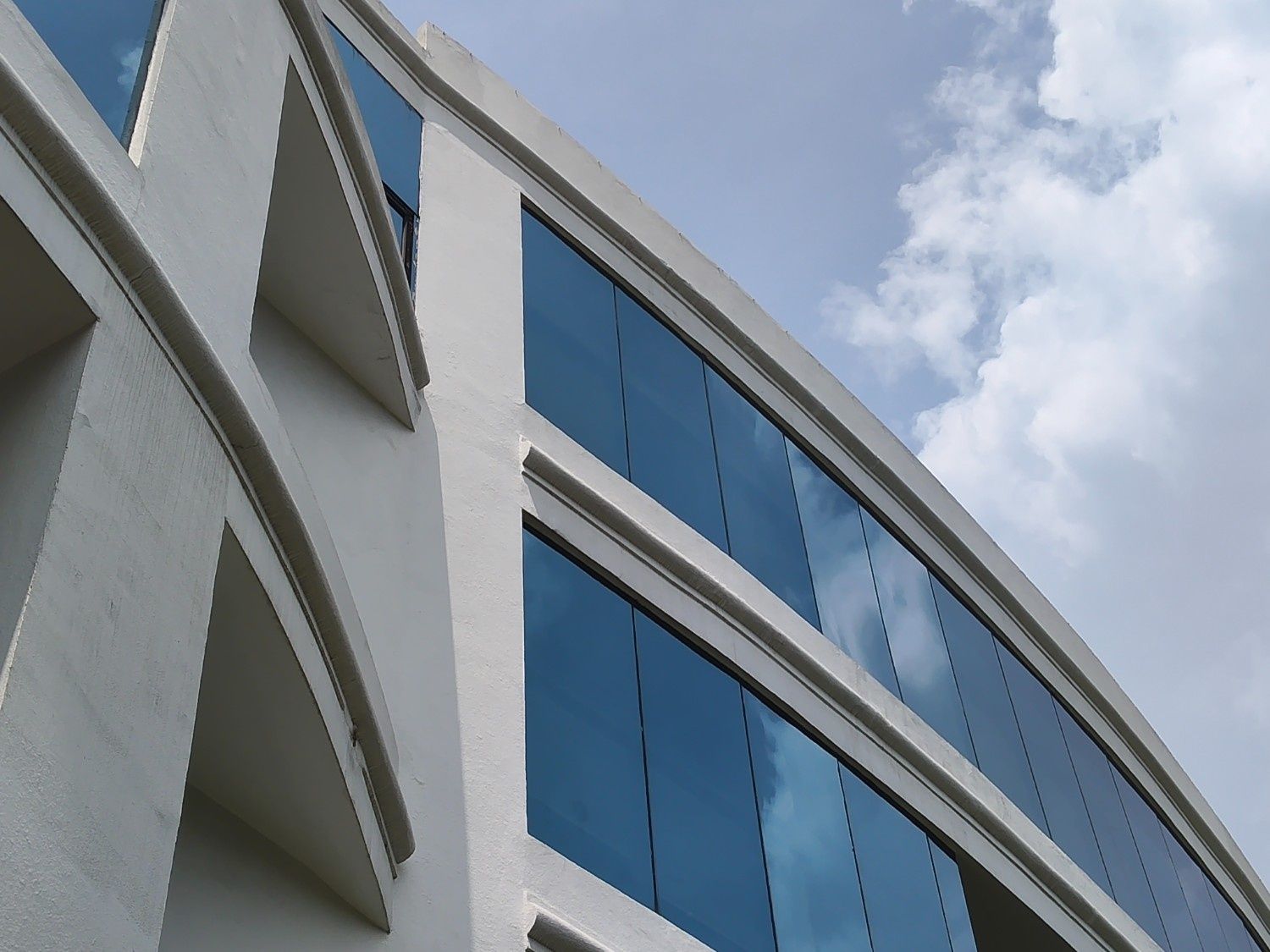



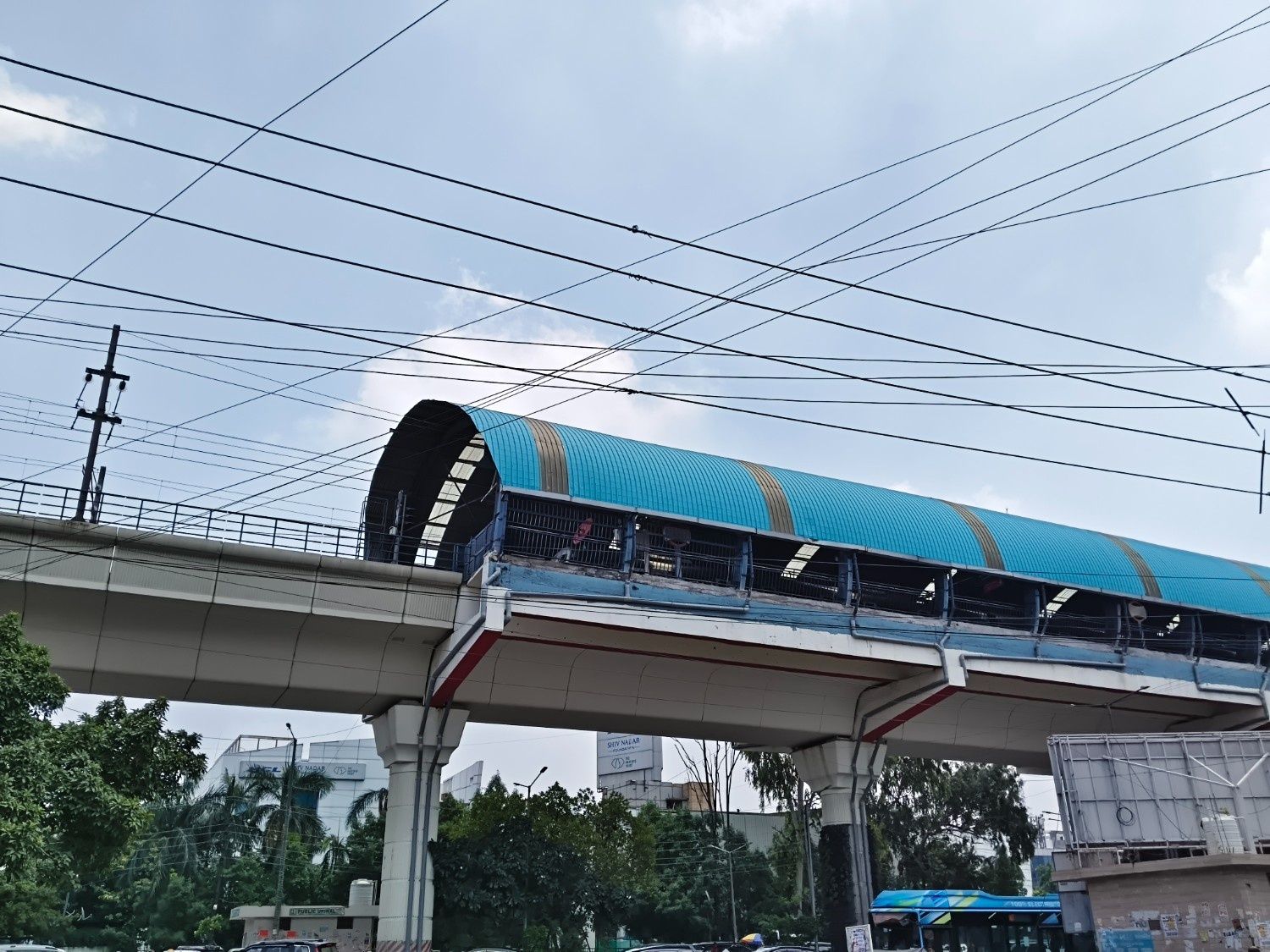

On a good, bright day, you can capture decent pictures, the details, however, aren’t the best, and the images appear a bit softer. You also get that processed look on pictures sometimes, and the colours can also feel off sometimes.
Indoors, the performance feels a bit more consistent as the camera is able to handle lights and shadows better in a more controlled environment. But you don’t always have a studio to take your pictures.





The subject-object separation is decent in the portrait mode, and some samples look sharp as well. But if you look closely, the 2nd portrait feels a bit soft because the subjects were sitting under the tree, meaning there was no direct light on them. So, the portrait mode works decently in a well-lit environment, but it could have been better.


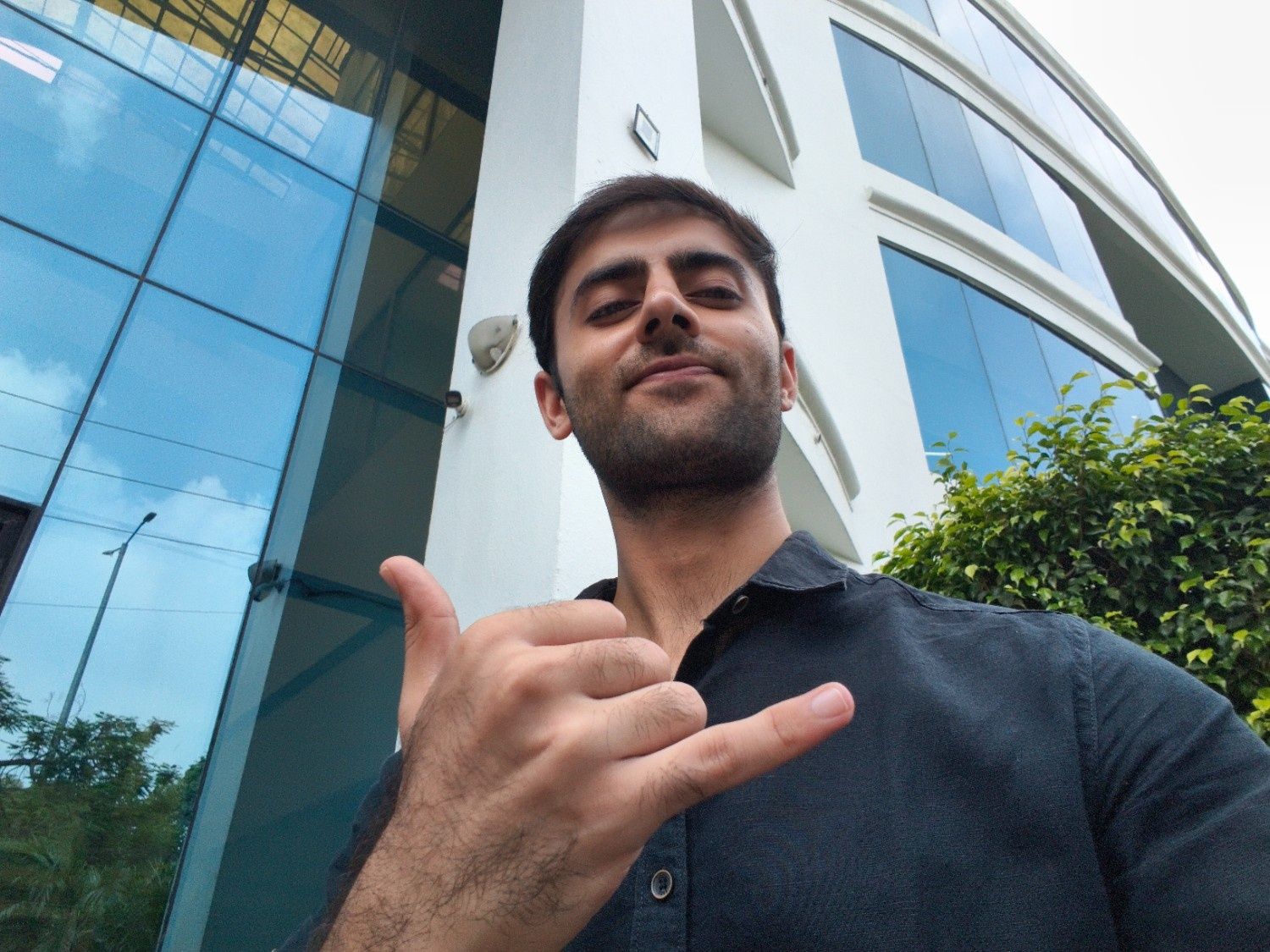
The selfie camera, I feel, performs better in most cases. You get good detail and natural skin tones despite some visible post-processing.
All-Day Endurance, But Takes Its Time to Refuel
The Vivo S2 is backed by a 7,050mAh battery along with 44-watt fast charging support. The battery is of a good size and dependable, especially if we look at the slim form factor of this device, but I feel the charging speeds should be higher for this segment.
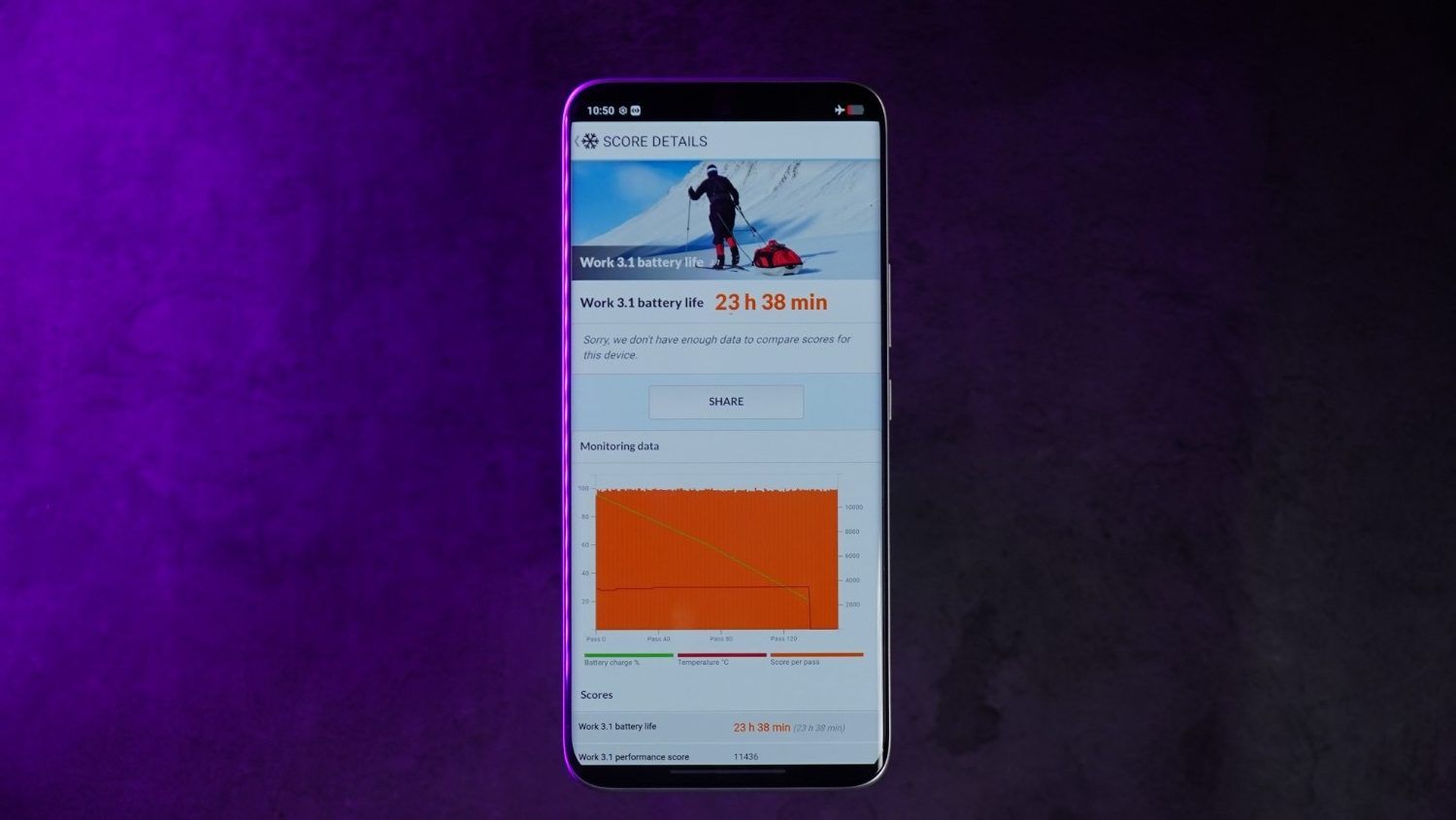
When using it as a daily driver, the phone comfortably lasted me a full day. The battery optimisation is also solid, and there isn’t too much standby drain either. In our PCMark Battery Life test, the smartphone lasted for over 23 hours. For context, the Samsung Galaxy A37 (its competitor) lasted less than 14 hours in this test.
The phone takes over an hour for a full charge, which, as I said, is not the fastest but still manageable.
Verdict
After using the Vivo S2 for a while, I can safely say it prioritises two Ds – design and display.
It looks great, it is comfortable to use, and the viewing experience is amazing. So if you are someone who is very particular about their aesthetics and consumes a lot of content, this phone does the job for you.
However, performance and cameras are not its strongest suits. The chipset is reliable but not the fastest. The camera system lacks versatility. And the overall package feels slightly conservative compared to more aggressive competitors.
While not a lot of people game so often, people these days do look for a good camera setup on their phone, especially at this budget. If that’s the case, then there are some stronger options out there.