There are smartphones that try to be practical, and then there are smartphones that want to give you absolutely everything. A massive display, flagship-grade performance, cameras that can practically replace your dedicated camera for everyday photography, and a battery that just refuses to die.
Oppo Find X10 Pro Max
Rs 1,99,999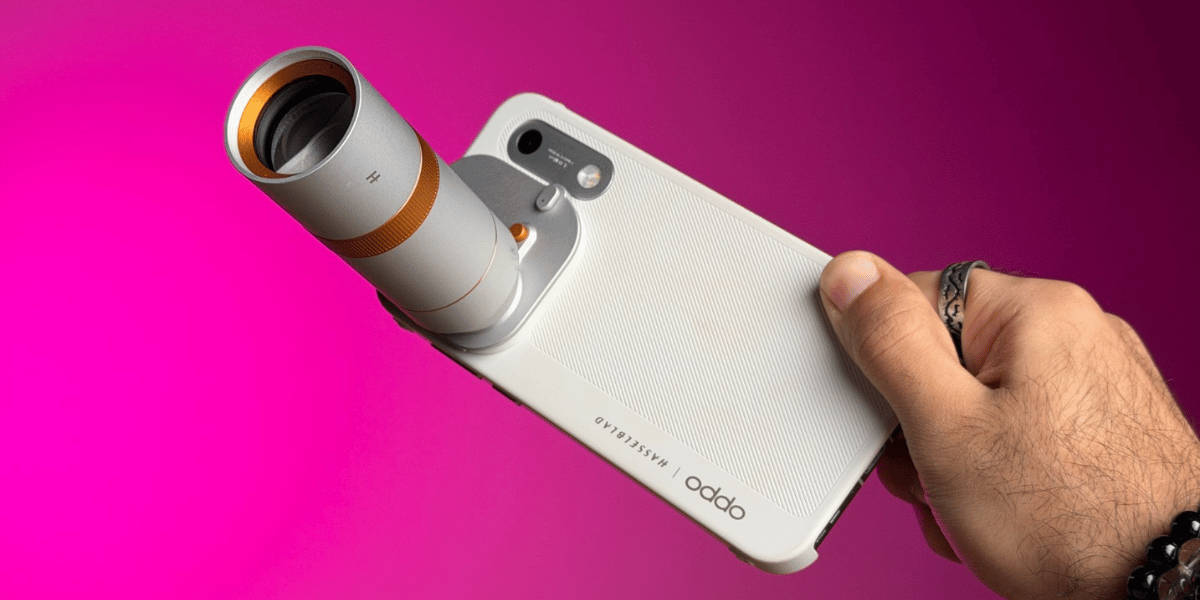
What Is Good?
- Versatile camera setup with good colour consistency across lenses
- Excellent video capabilities, including 8K 30fps and Open Gate recording
- Handles demanding tasks such as 4K video editing and more with ease.
- 8000mAh battery comfortably lasts two days
- Extremely bright display with excellent outdoor visibility
What Is Bad?
- Unbalanced weight distribution due to the large camera module
- A 5x telephoto option would have been preferable
- External teleconverter performance can suffer in cities with poor visibility and air pollution
- Five years of Android updates is shorter than the support offered by some competing flagships
The Oppo Find X10 Pro Max is very much the latter.
But here’s the thing. When you put this much hardware into a smartphone, there are bound to be a few compromises. It’s big, it’s heavy, and despite having one of the most interesting camera setups we’ve seen this year, there are still a few things I would like Oppo to get right.
So, after spending the last couple of weeks with this Rs 1,99,999 smartphone, let’s find out whether the Find X10 Pro Max is actually worth all that flagship money or not.
Oppo’s Most Ambitious Camera System Yet
First and foremost, let’s talk about the cameras, because this is exactly what you would want to read if you are interested in this smartphone.
Three 200-megapixel cameras on a smartphone for the first time. Oppo has gone all in on high-resolution sensors this year, and the setup includes a 200MP primary camera, a 200MP ultrawide, and a 200MP telephoto lens.
The primary camera uses Samsung’s 1/1.28-inch ISOCELL HPC sensor, with Oppo’s new DeepPix technology. The idea here is to capture more light information and improve dynamic range, with Oppo claiming up to 17 stops. Now, that’s a rather ambitious number, but what matters is how the photographs actually turn out.
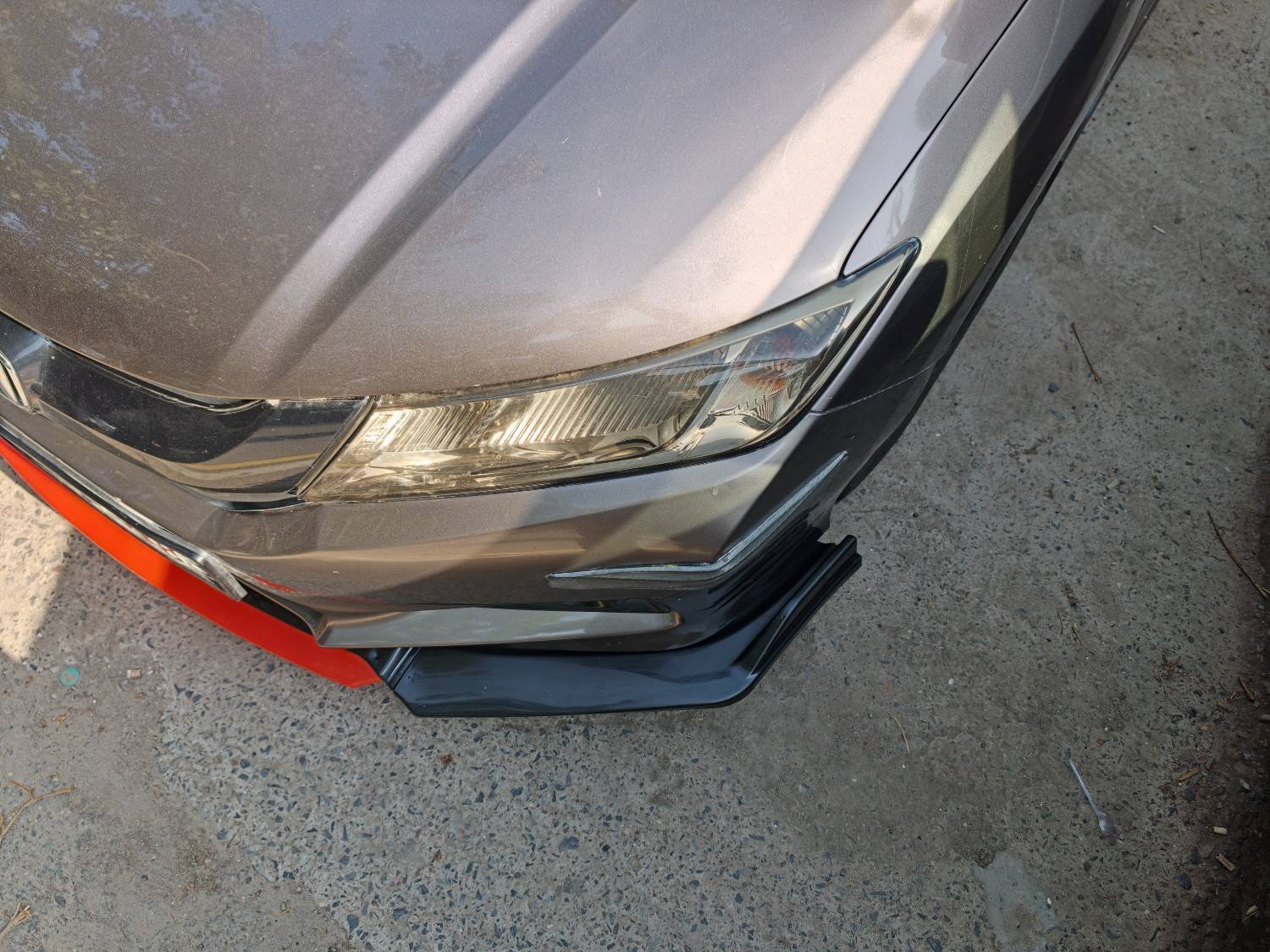

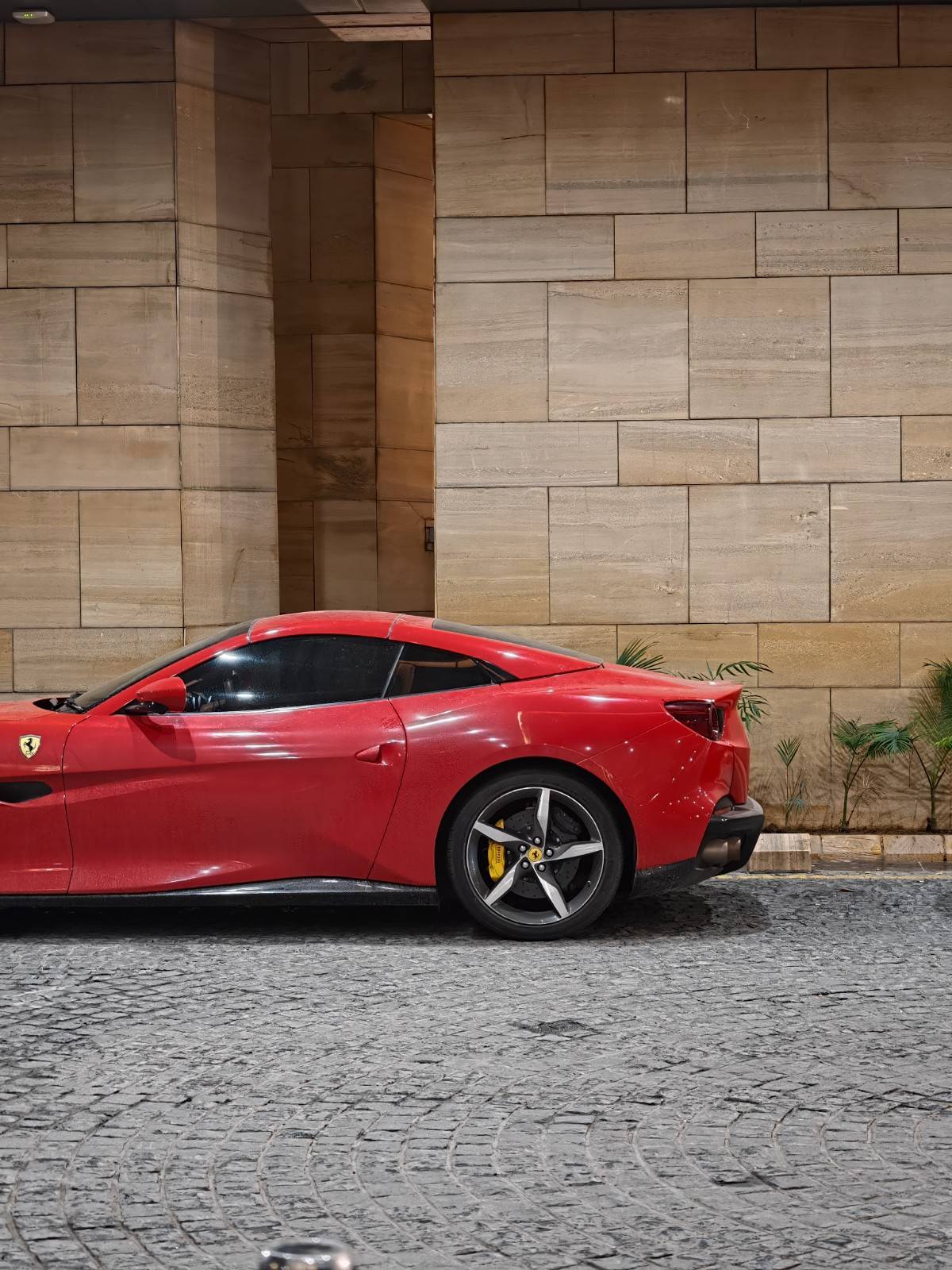

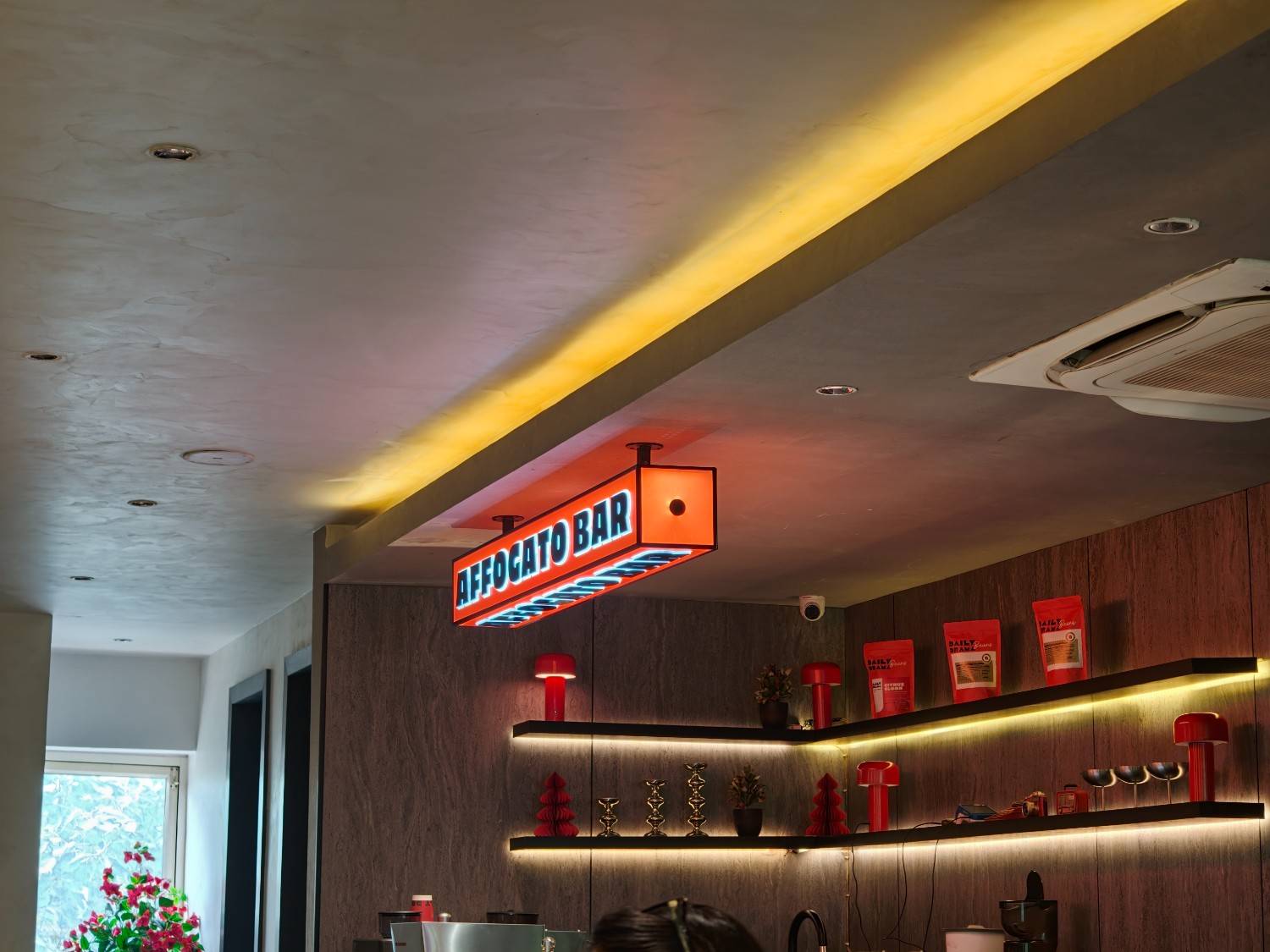


And overall, the results are impressive. There’s plenty of detail, the dynamic range is excellent, and colours have a nice punch without looking excessively saturated. Whether you’re shooting landscapes, architecture or portraits, the camera generally does a good job of retaining details in both highlights and shadows.
However, the same old problem, the processing is not always perfect. There are occasions when shadows appear a little too bright, giving photographs an almost artificial HDR look. And sometimes, highlights can have a slightly hazy appearance. But for the most part, Oppo has managed decently to balance detail, contrast and colour reproduction.
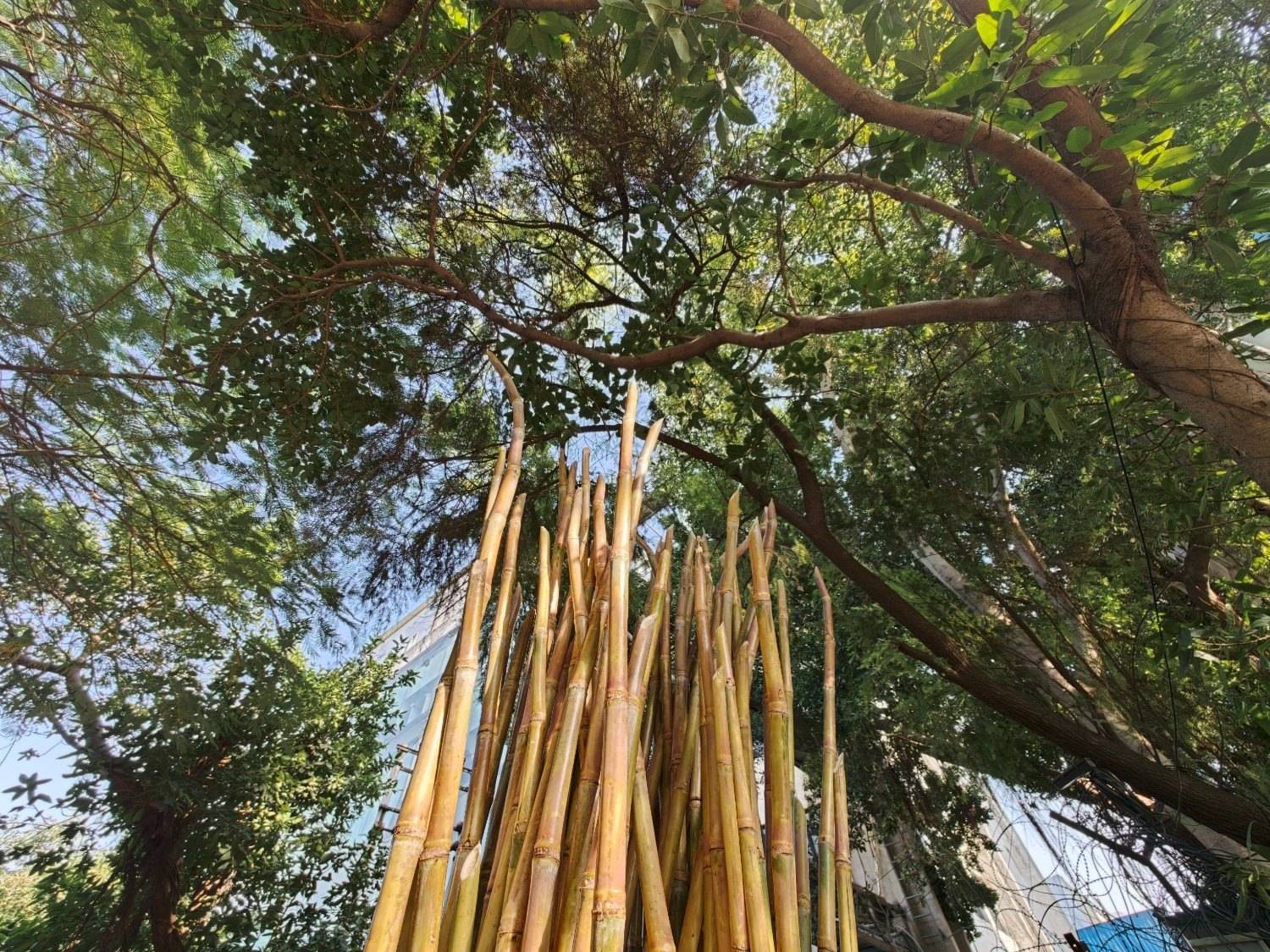

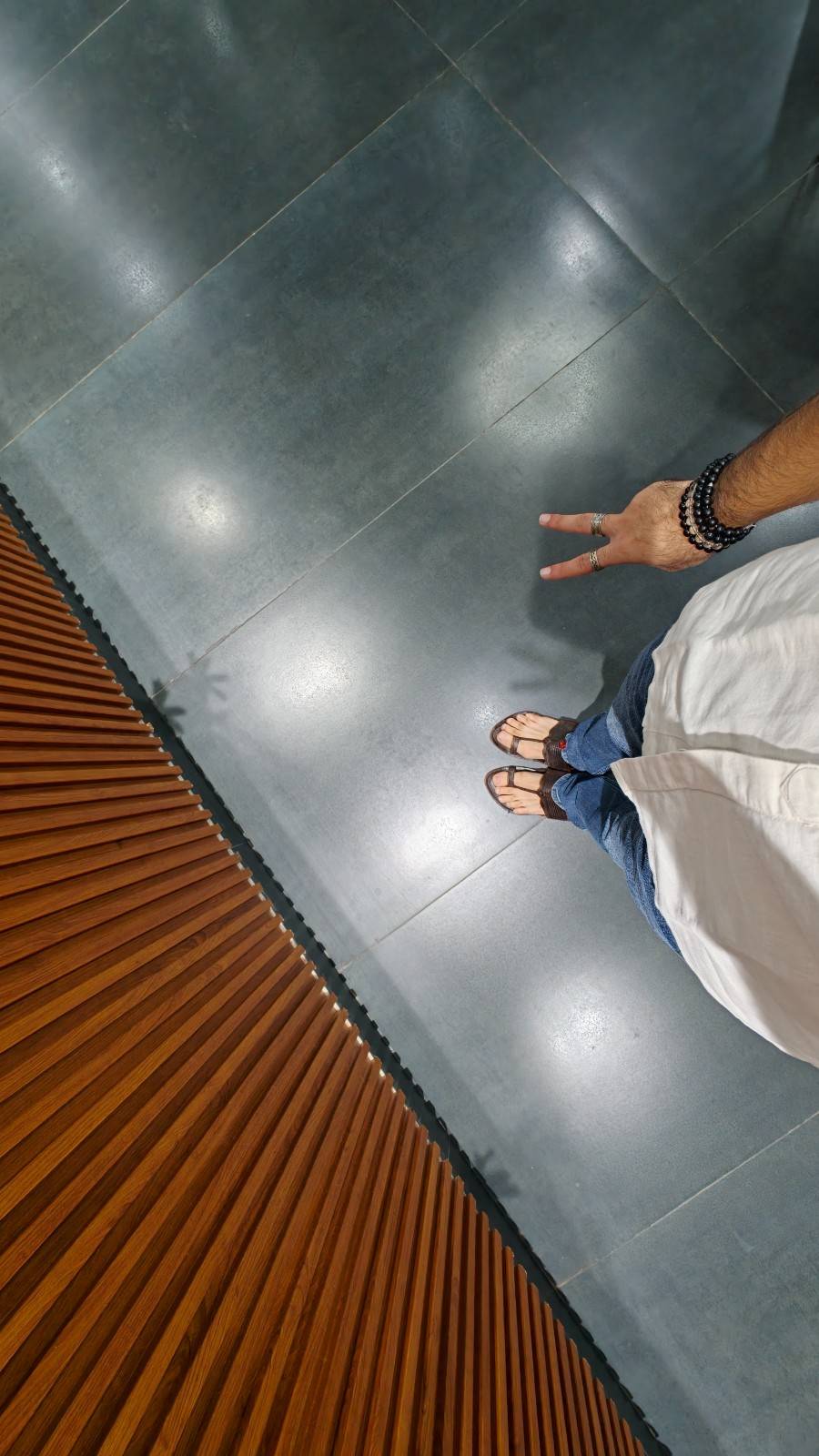
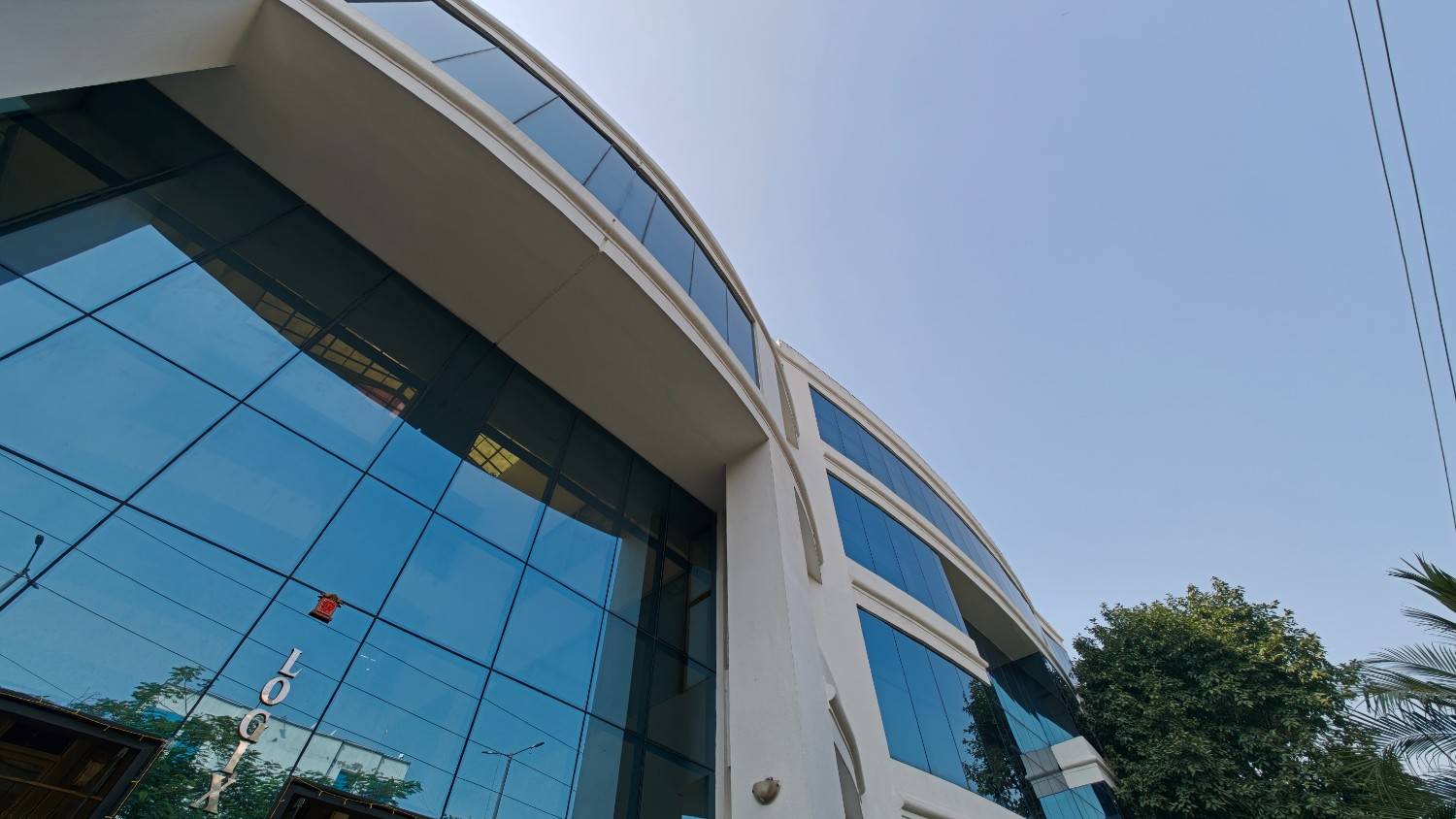

The ultrawide camera is particularly interesting this year. You’re getting a 200MP sensor here as well, which means there’s very little compromise in detail when switching between the primary and ultrawide cameras. More importantly, colour consistency is good, so your photographs don’t suddenly look different just because you have switched lenses.
Then there’s the telephoto camera, which is, like always, my favourite of the three. It offers 3x optical zoom, and the results are genuinely impressive. There’s excellent detail, natural-looking background separation in portraits, and even when you push the zoom towards 6x or 8x, the images retain a good amount of detail.











But I do have one reservation. Since it’s so loaded on the camera front, I would prefer a 5x telephoto camera on a flagship like this. The 3x optical zoom has become very normal now.
Remember last year, when Oppo couldn’t bring its external telephoto lens with the Find X9 Pro? Well, not this time. With the Find X10 series, Oppo has its external teleconverter accessory. This gives you up to 10x optical zoom and can extend digital zoom up to 40x. Of course, image quality does soften as you push towards 40x, but the additional reach opens up possibilities that you simply wouldn’t get from the phone’s built-in cameras.



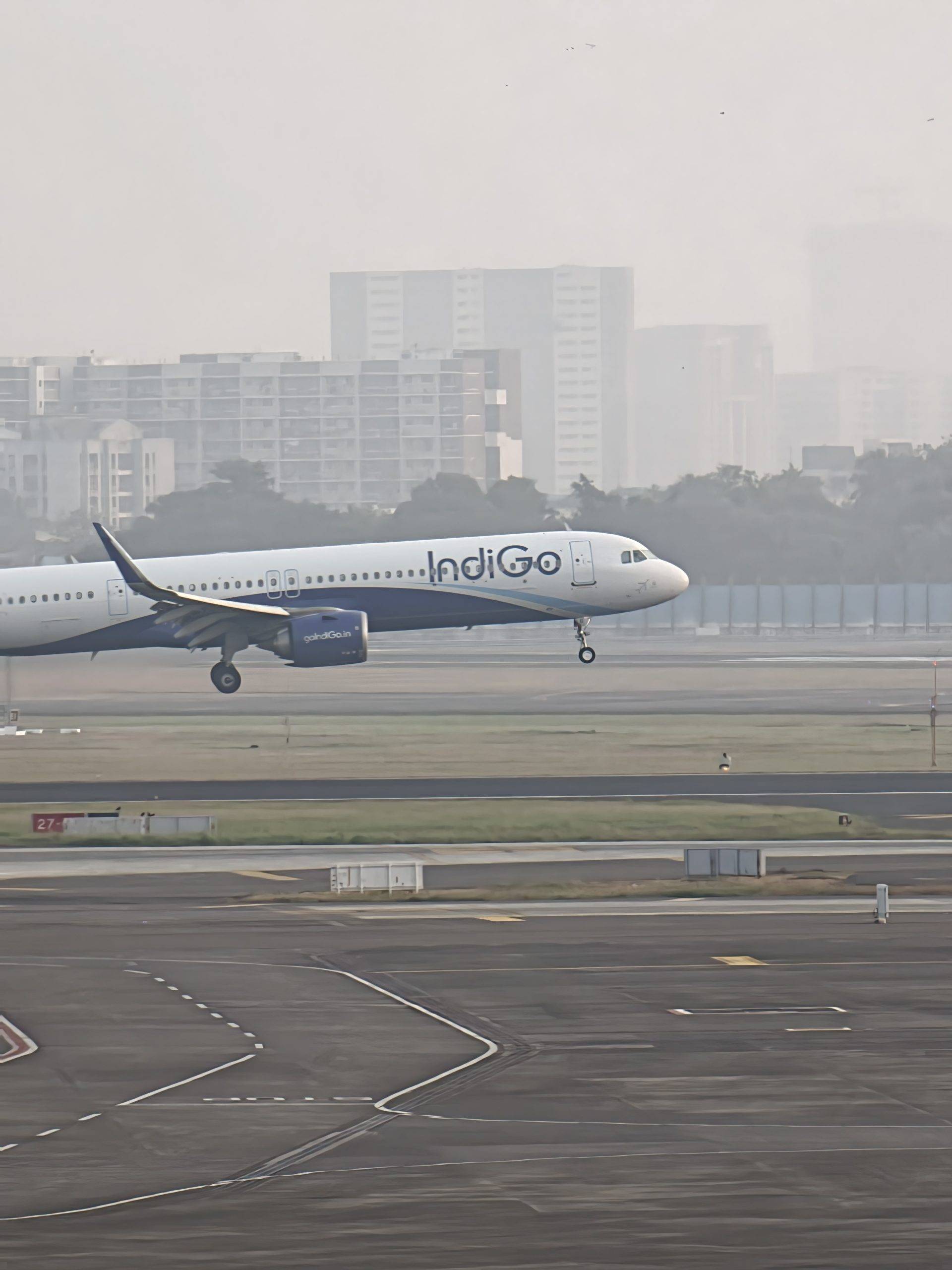


However, if you live in cities like Delhi, where the air is really bad. Buying a teleconverter lens won’t be an ideal decision. Most of the time, I ended up capturing hazy pictures, as the visibility is not really great in such cities. However, Oppo’s image processing is doing a good job with text, patterns, and colours.
Apart from the camera hardware, I would also like to talk about a few features in the camera app. Starting with the Master mode, if you are a proper photography enthusiast, the Master mode gives you more manual control over settings like white balance and focus, along with the option to capture RAW images for editing later.
Then there’s also the Hasselblad XPAN mode, which I liked for clicking wider cinematic-looking photographs.
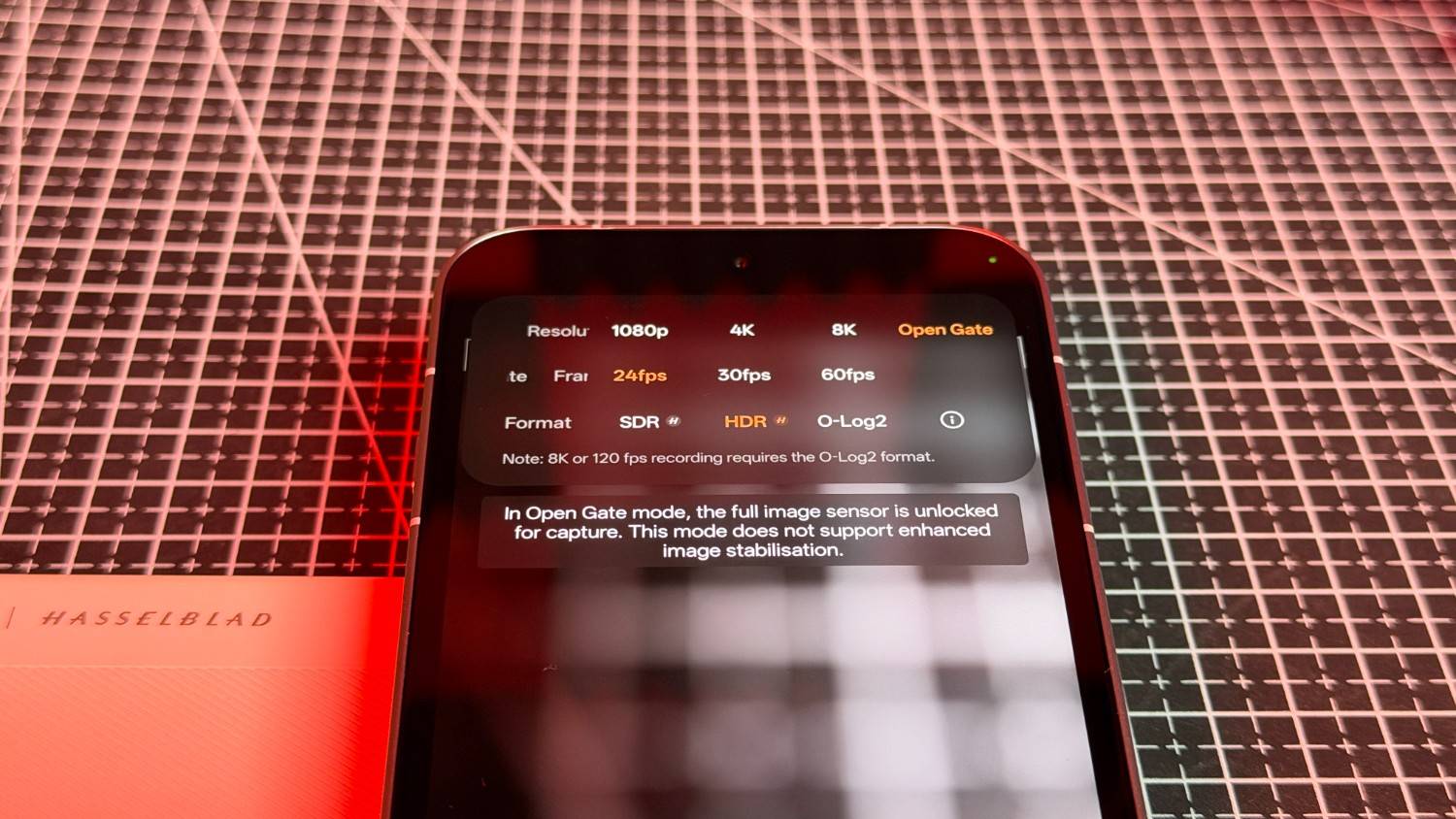
The phone supports up to 4K at 120fps and even 8K at 30fps. But what’s more interesting is that you get the Open Gate mode too. It is particularly interesting for people like me who record on the go because it uses the full sensor area. This means it gives you more flexibility to reframe footage for both horizontal and vertical formats during editing. And since it’s a 200 MP camera setup, cropping doesn’t compromise the quality of videos.
The Find X10 Pro Max doesn’t necessarily get everything right. I’d still like a longer optical zoom, and the image processing can occasionally be a little aggressive. But the sheer versatility of this camera system is hard to overlook. Three high-resolution cameras, plenty of creative controls, and some genuinely interesting video capabilities make this one of the more complete camera systems on a smartphone.
A Flagship Processor Finding Its Feet
This is one of the first Oppo smartphones to feature the new 2nm MediaTek Dimensity 9600 Pro processor. What has improved? Well, a lot. Firstly, if we look at the benchmark scores of the Find X9 Pro (its predecessor), the Find X10 Pro Max is significantly powerful. Even when we compare the scores with some of its rival flagships, the Dimensity 9600 Pro gave even these a good fight.
How does it translate in real life? If I start with gaming, the Oppo Find X10 Pro Max supports up to 120 FPS in BGMI, and my experience has been very weird. Initially, when I was testing the smartphone, it delivered below-average gaming performance. The frame rate was fluctuating like anything, there were a lot of stutters, and overall gameplay was not smooth. Until I tested it again after a few days.
Currently, gaming on the Find X10 Pro Max is exactly the same as any other top-end smartphone – SMOOTH! Oppo must have rolled out an OTA update to fix gaming on its Find X10 series.
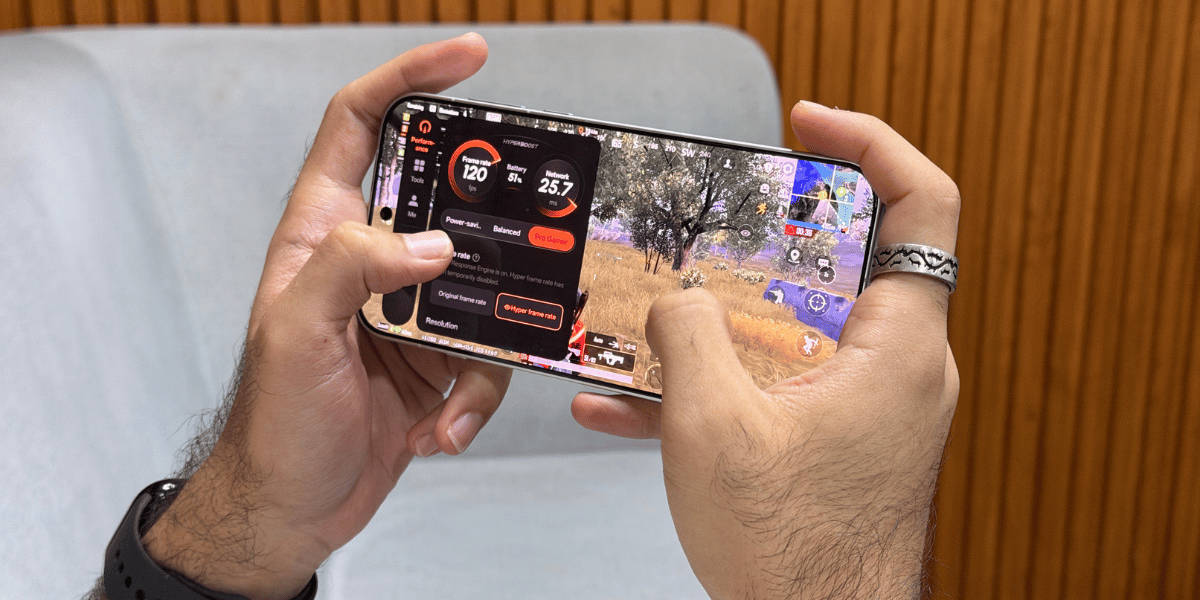
I play BGMI on the Find X10 Pro Max in Pro Gamer mode with High-Performance mode enabled, and the initial frame rate consistency problem that I faced is completely resolved. I have recorded great smoothness in my gaming sessions, and the thermal management is also decent.
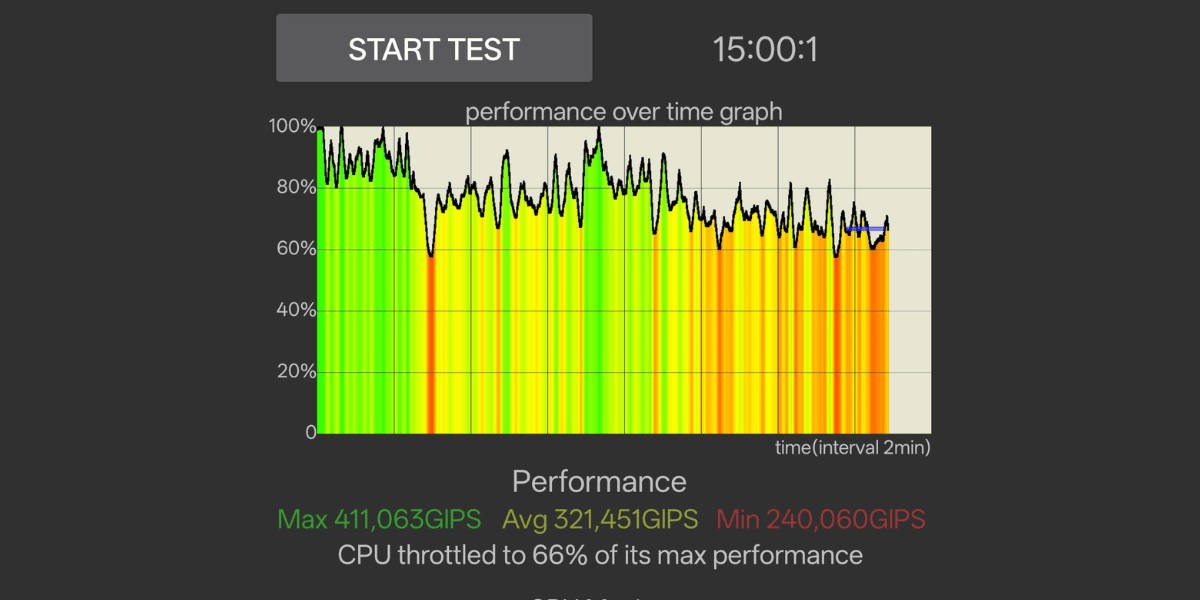
We saw this in our CPU throttling test also, where the phone was kept under heavy load for 15 minutes, and it maintained 66% of its max performance. Yes, this is not the best number, but for the latest flagship processor, it is also not the worst.
Moreover, I edited 4K videos on this smartphone, used its on-device AI, and did some multitasking also. The Dimensity 9600 Pro didn’t hold back here as well. The videos were exported quickly, Oppo AI responds fast, and multitasking is easy on its big display.
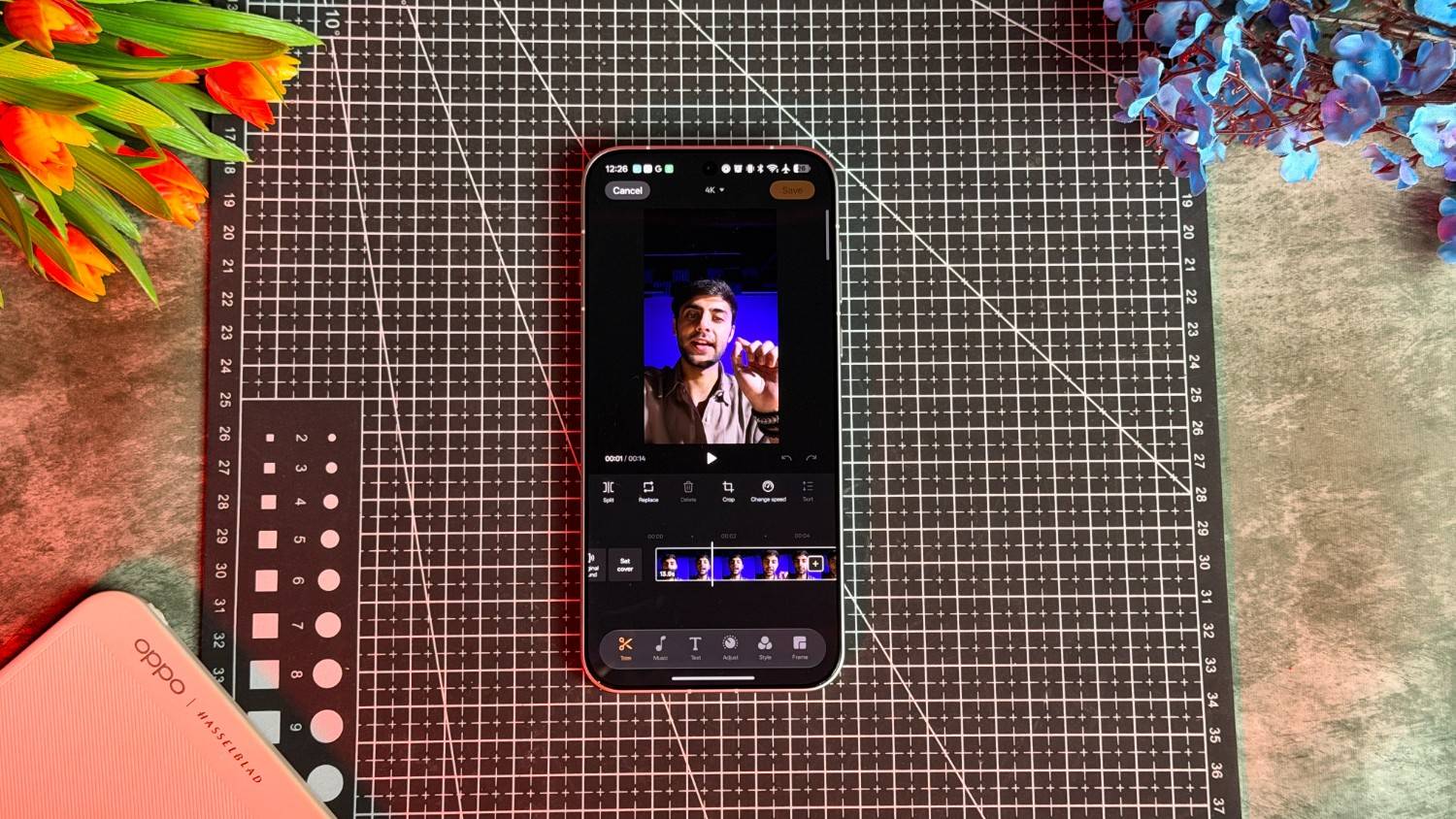
Overall, the Find X10 Pro Max is a very capable device on the processing end, and why wouldn’t it be? It’s the top-of-the-line smartphone from China’s one of the biggest smartphone companies. The only issue is that a few things are still yet to be optimised, which Oppo is fixing gradually.
I Charged My Find X10 Pro Max Two Days Ago!
Its 2nm chipset really shines when it comes to battery consumption. Since the size of the processor has become smaller, the efficiency has been increased. The Oppo Find X10 Pro Max is packed with an 8000mAh battery, which supports up to 80W fast charging.
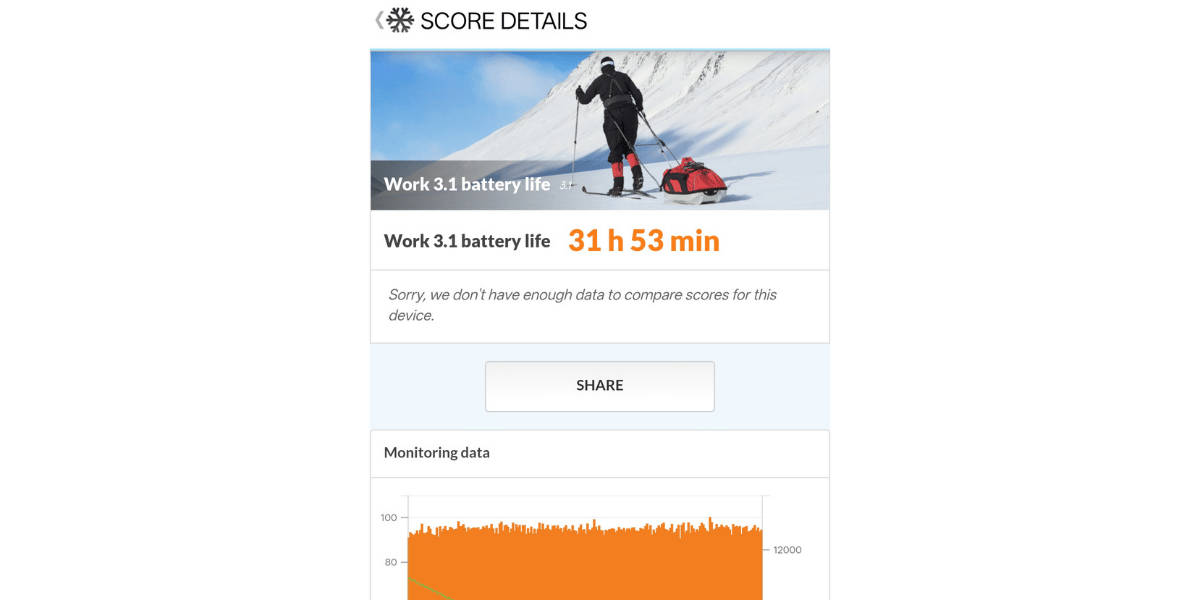
If we talk about numbers first, then the Find X10 Pro Max is one of the best phones to last in our PCMark Battery Life test, with over 31 hours of screen time. Usually, phones with this big battery have lasted around 25 hours in this battery test.
Now, if I were to describe my experience with this 8,000mAh battery, I would simply say it doesn’t die! I vividly remember charging the phone to 100% on a Friday, using it throughout the weekend for videography, gaming, editing, and a whole lot of reels scrolling, and finally putting it back on charge on Sunday afternoon.
In simple terms, the Oppo Find X10 Pro Max can comfortably deliver two days of battery life on a single charge with moderate usage.
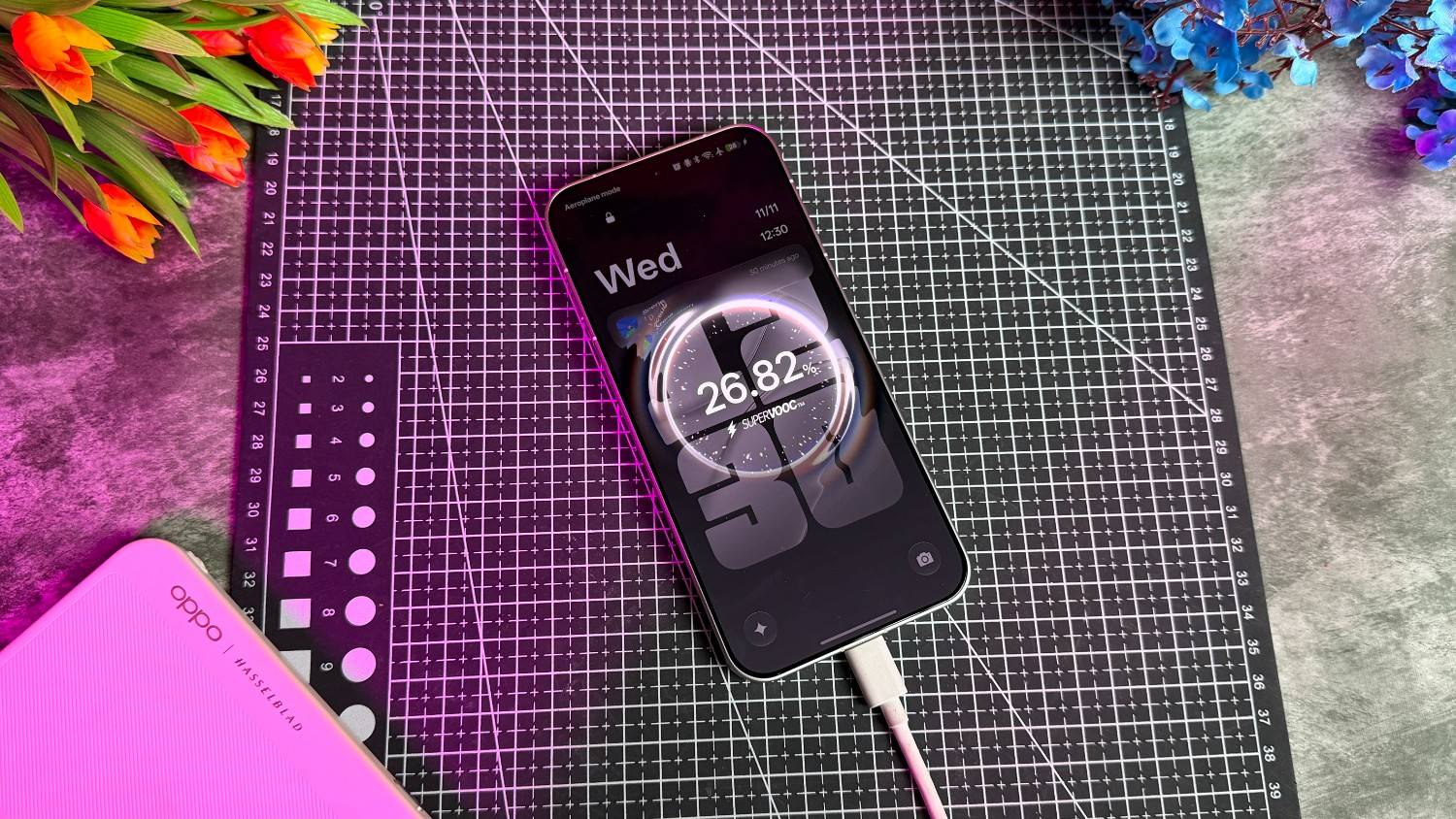
However, there’s one thing Oppo could have done better. Instead of 80W, I would have liked to see 120W charging support. It takes around an hour to charge the phone from 20% to 100%. Although, in my case, this wasn’t much of an inconvenience since I mostly charged it overnight.
I Had to Turn on ‘Eye Comfort’ Indoors
Coming to the display now, you are getting a 6.78-inch display with a 144Hz refresh rate, and as far as I can tell, it looks great. It also comes with support for HDR10+, HDR Vivid, and Dolby Vision. The bezels, though, at just 1.15 mm, are the thinnest you will see on a smartphone.

I watch a lot of movies and shows on my smartphone. These days I am watching Monarch: Legacy of Monsters, which has a mix of visuals, both dark and vibrant scenes. The colour production looks accurate on the Natural profile, but I prefer the Vibrant profile as the colours pop on that one.
In dark scenes, I noticed HDR working effectively, as the highlights remained controlled without washing out the darker portions of the frame. With its QHD resolution, you get good detail in the shadows, while brighter elements retain their punch. This gives the scenes a nice sense of depth.

As far as brightness is concerned, this display is actually so bright that I kept the ‘Eye Comfort’ feature turned on indoors. Outdoors, there’s rarely a moment when you feel the phone is not bright enough. In our brightness test using a lux meter, we recorded a peak brightness of 2240 nits in auto mode.
Sure, using it with one hand needs some getting used to. But overall, the display is luxe, comfortable to use, and pretty visible under the sun.
I Came From iOS, and ColorOS 17 Won Me Over
Coming from iOS, ColorOS 17 felt better and better as I use it. It is based on the latest Android 17, and for the first time a ColorOS version feels complete without being overly complicated.
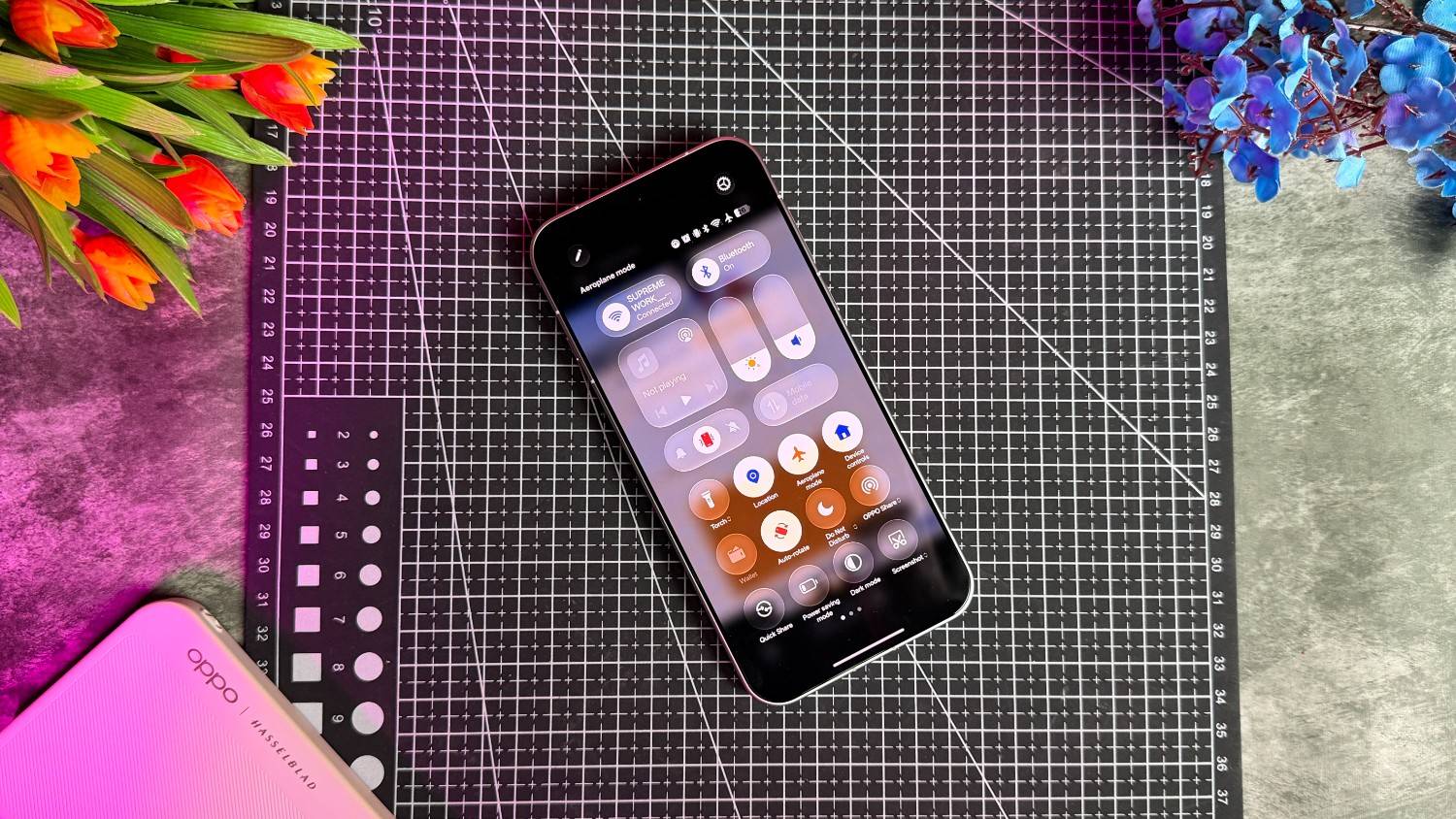
The interface works well out of the box, but there’s enough flexibility to change its appearance, behaviour and settings to suit your preferences. Yes, it has a lot of personalisation options, so much that after more than two weeks of usage, I still haven’t figured them all out.
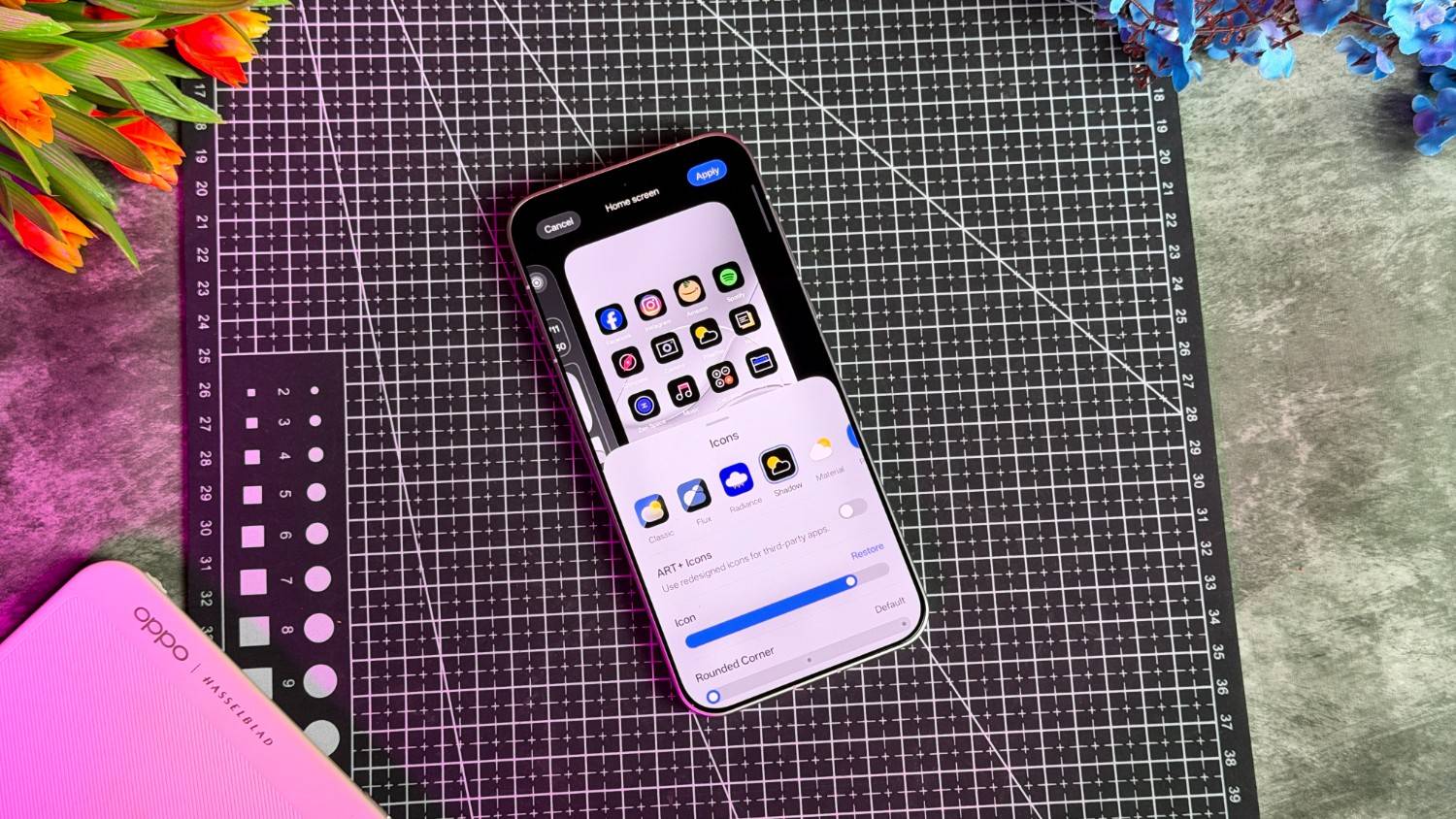
Just like most other Android brands, Oppo is also putting effort into making its ecosystem more useful. You can now move files between devices quickly, and you can even share files with an iPhone or Mac using AirDrop. Yes, you don’t have to download the O+ Connect app for that.
Overall, ColorOS 17 is pretty stable and consistent. Even the interfaces and animations this time look really cool. However, some competing flagships like the Galaxy S26 Ultra and Pixel 11 Pro are offering longer software support than the Oppo Find X10 Pro Max’s five years of Android updates.
The Oppo Find X10 Pro Max Makes No Apologies for Its Size
The Oppo Find X10 Pro Max looks exactly how a flagship smartphone should. The question is, are you in that audience who sees a flagship smartphone like this? Because I know some people who prefer small-sized, lightweight smartphones at this price. Obviously, not for them. But there is one more audience that doesn’t mind the bulk at this price and wants to feel their power-packed flagship phone in their pockets and hands.
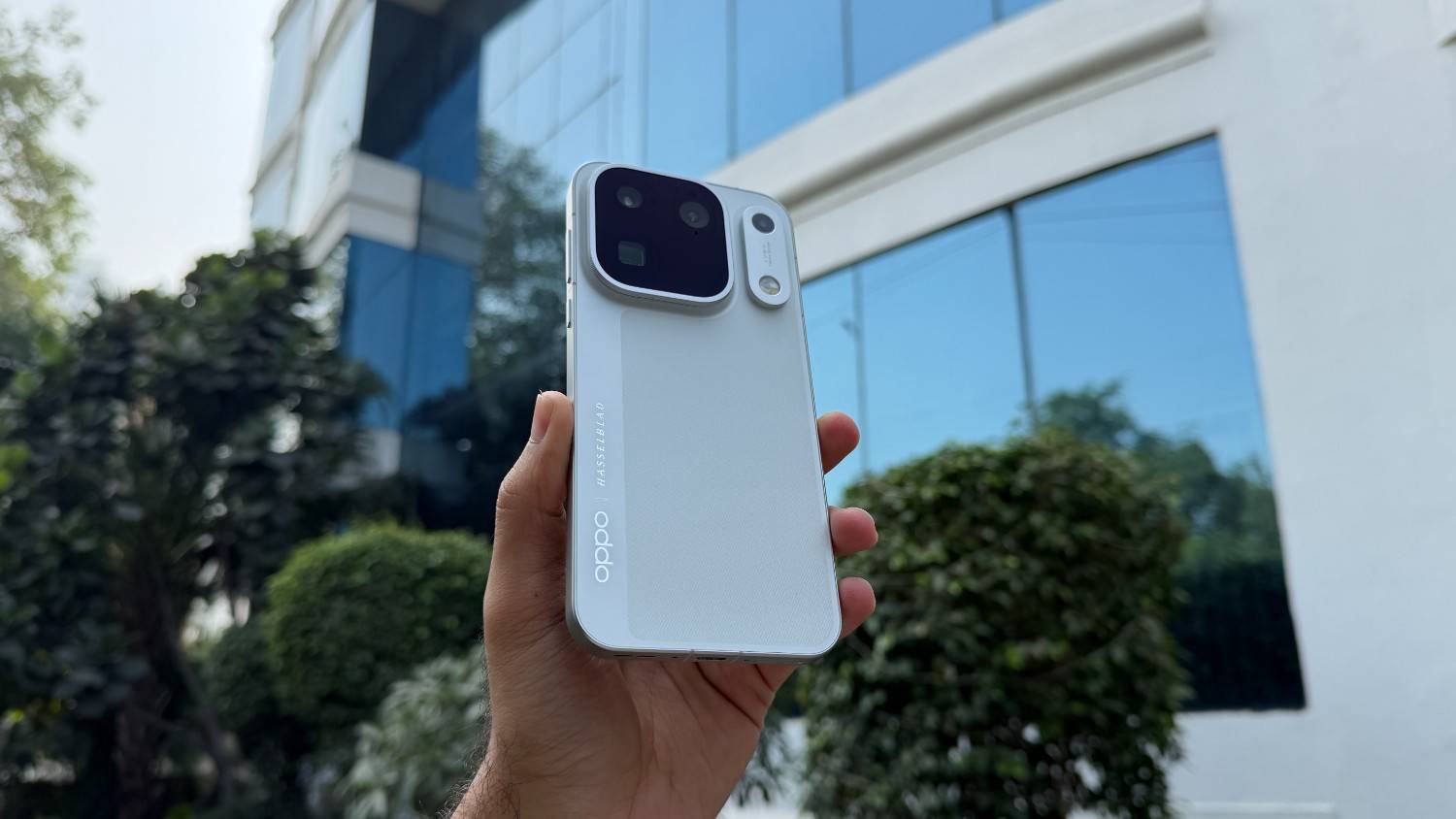
I personally prefer big smartphones, and weight is not really an issue for me, but yes, I do get the luxury of having lightweight smartphones. However, at 233 grams, the Oppo Find X10 Pro Max feels bold to me, but the weight distribution is not balanced. It has a big protruding camera module on the back, which houses the headline ‘200MP Triple Camera’ feature.
I have the Luna White colour variant that looks subtle but feels expensive. The Oppo Find X10 Pro Max features an aluminium frame along with a glass body. On the back, there is a smooth, matte-finished glass, which also has a very minimal pattern and the branding of Oppo and Hasselblad’s collaboration. Both the front and back are protected by an in-built Crystal Guard. Talking about the protection, the Oppo Find X10 Pro Max also features IP66, IP68, and IP69 water and dust-resistant ratings. So, if you spill coffee on the phone and want to wash it, you actually can!
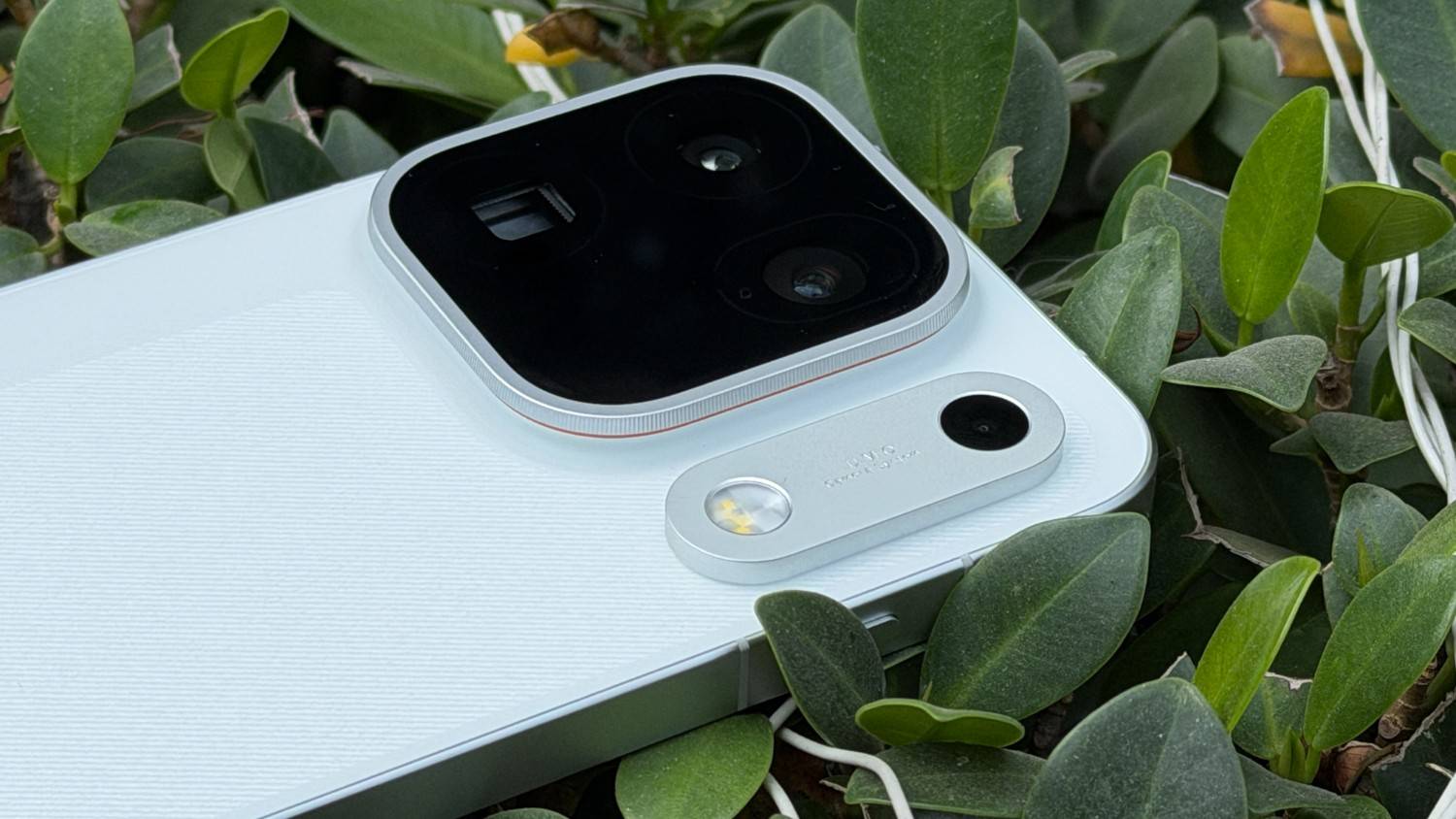
My take – the Oppo Find X10 Pro Max may look like a Rs 2 lakh smartphone, but it definitely feels like one. Bold, Bulky, and Robust.
Verdict
After using the Oppo Find X10 Pro Max for a couple of weeks, I can finally say that this is one of those phones that makes you appreciate having a little extra of everything. The display is gorgeous, performance has been excellent for my day-to-day usage, and the camera system gives me plenty of room to experiment, whether I’m shooting landscapes, portraits, or videos. But the biggest surprise has been the battery. I genuinely didn’t have to think about charging it every night, and that’s something I’ve grown to appreciate.
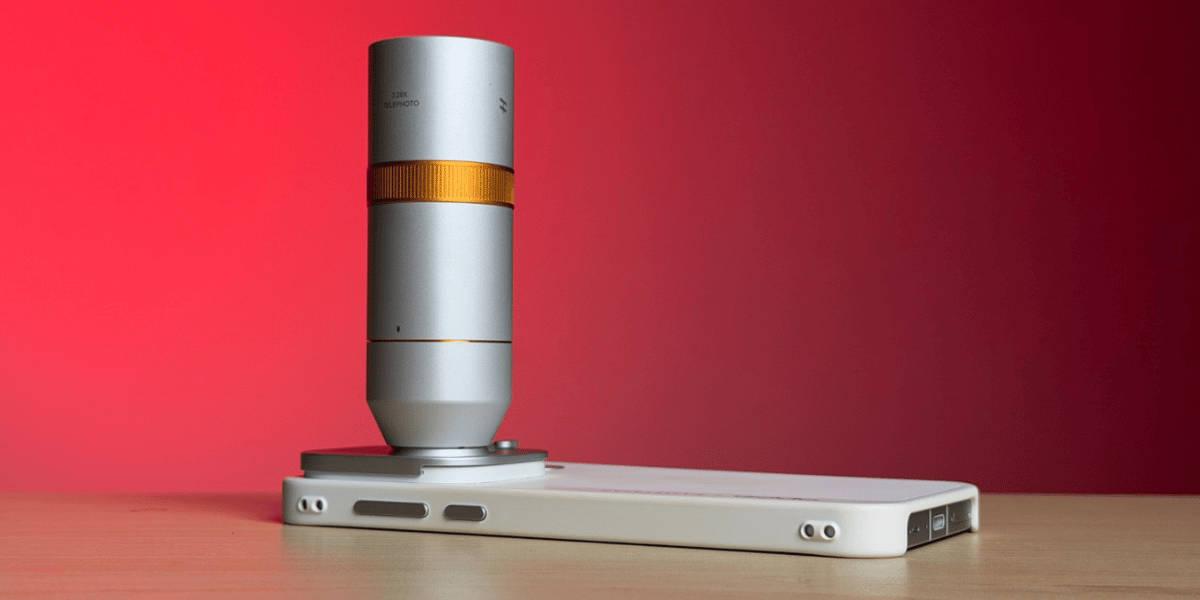
Of course, it’s not perfect. The weight takes some getting used to, the camera processing can be a little aggressive at times, and I would have liked a longer optical zoom and faster charging. But none of these takes away from how complete the overall experience feels.
If you enjoy big-screen smartphones, take your mobile photography seriously, and want a battery that can comfortably last beyond a day, the Find X10 Pro Max is a very compelling flagship. Just make sure you’re comfortable carrying all that hardware around.
However, there’s one big factor we haven’t talked about yet: the price.
At Rs 1,99,999, the Oppo Find X10 Pro Max enters a territory where it’s competing directly with foldable smartphones, which are usually expensive. And that’s a rather difficult buying decision to make. But Oppo has been offering an instant discount of Rs 30,000 on its online store, bringing the effective price down to roughly Rs 1.7 lakh.
And honestly, at that price, I would take the Find X10 Pro Max. But anything above Rs 1.7 lakh, I would not be that confident of my decision.