A 7,000mAh battery sounds like the kind of upgrade that should make you forget where you left your charger. That’s exactly what I expected from the Ai+ Nova 2 Power when I started using it. But after spending time with the phone and putting it through our usual benchmarks, I found myself questioning whether a massive battery automatically translates into great battery life.
Ai+ Nova 2 Power
Rs 16,999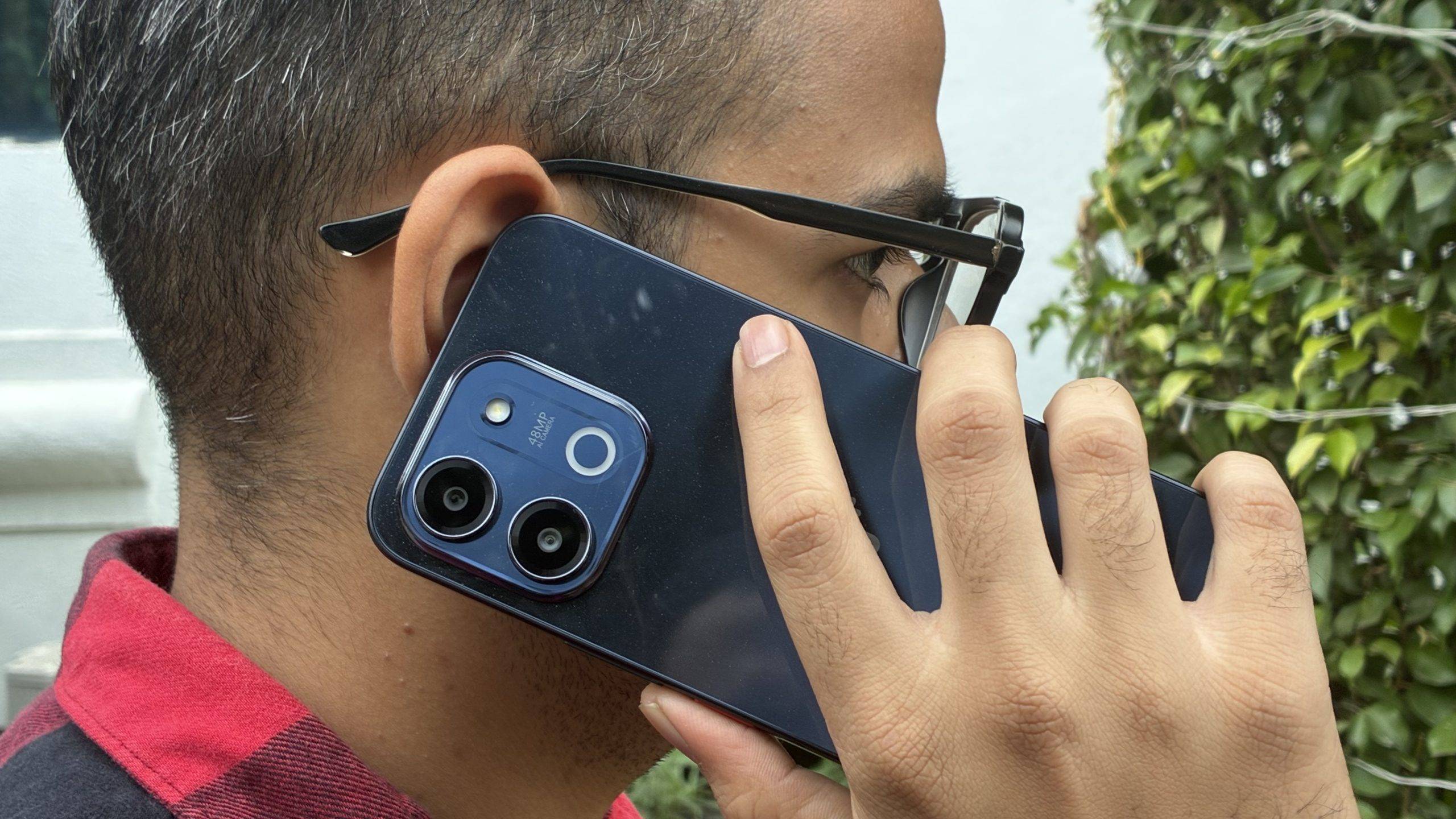
What Is Good?
- Strong Dimensity 7100 performance
- Clean Android 16-based software
- Vibrant display with 120Hz refresh rate
- Distinctive rear design
- IP65 dust and splash resistance
What Is Bad?
- Disappointing battery endurance in testing
- Heavy and bulky design
- Average low-light and portrait photography
- Questions around long-term brand trust
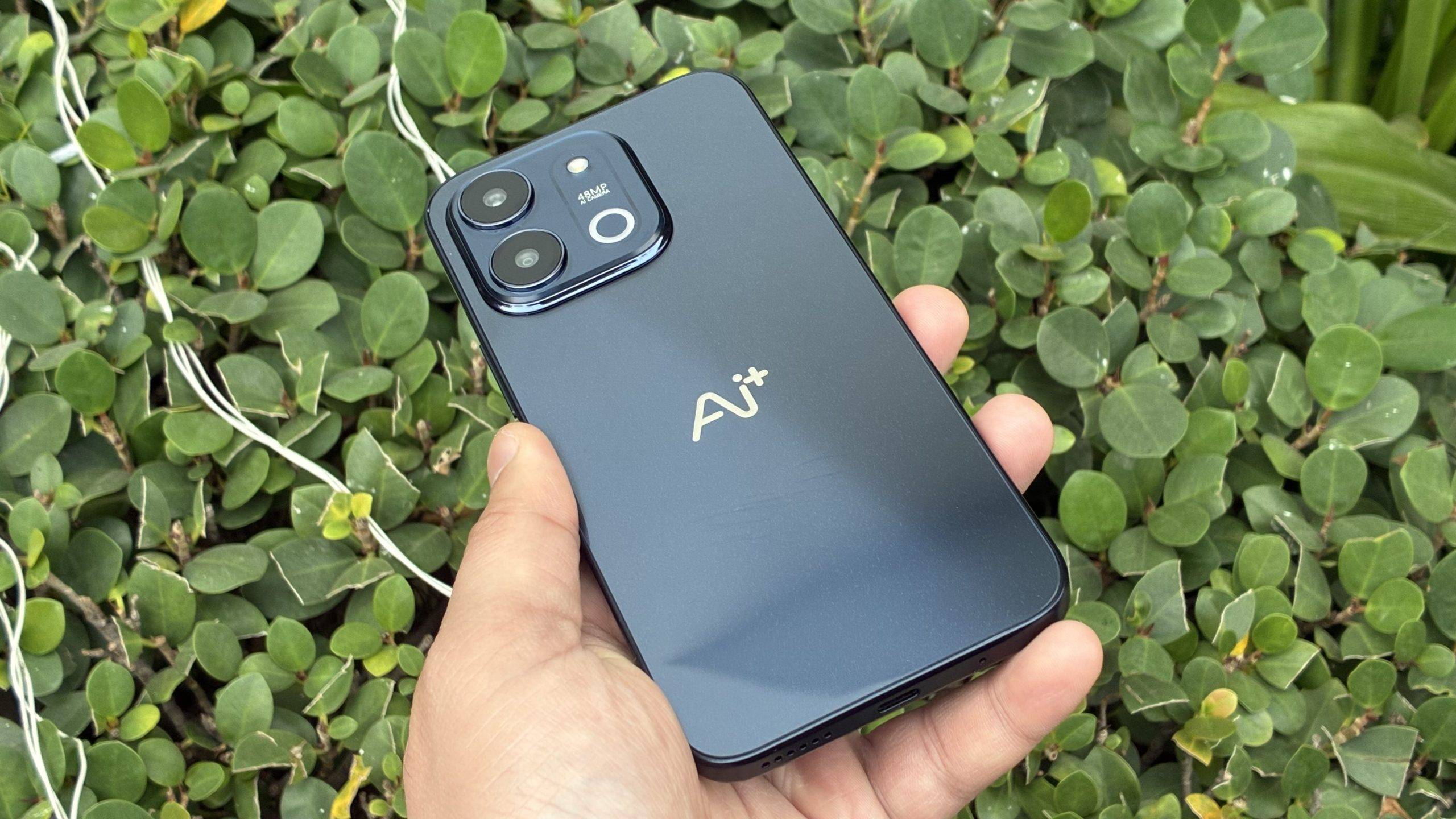
Don’t get me wrong, there are a few things I genuinely like about this phone. For starters, the colour looks beautiful, the tiny star-like dots on the back give it a distinctive appearance, and I appreciate the inclusion of a punch-hole camera in a segment where that design choice isn’t always a given. Its performance benchmarks are also surprisingly competitive, especially when compared with similarly priced devices like the iQOO Z11 Lite and POCO M8x. The clean software experience is another thing I appreciate but the bulky design, camera limitations, and battery test results make the overall experience a little more complicated. There are also questions around brand trust that potential buyers may want to consider. So, does the Nova 2 Power have enough going for it to stand out, or is it another budget smartphone that looks more impressive on paper than it does in everyday use?
Looks Good But The Bulk Is Hard To Ignore
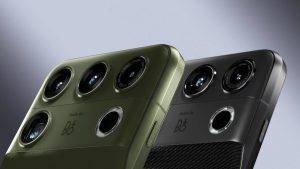
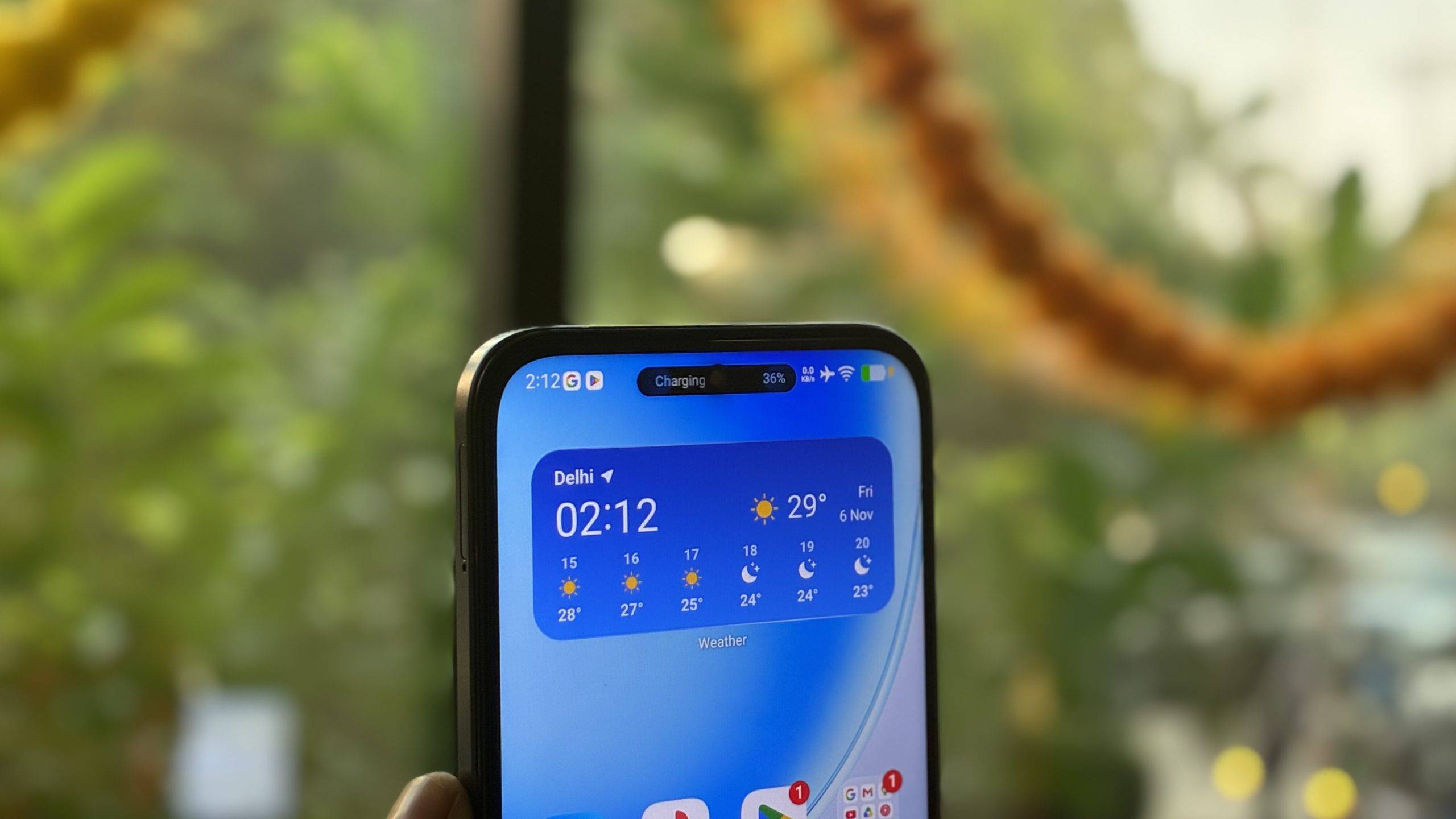
The Ai+ Nova 2 Power comes with a plastic frame and rear panel, weighs around 222 grams and measures about 8.8mm in thickness. It also gets an IP65 rating for dust and splash resistance. The phone has a large rear camera module and a punch-hole cutout on the front, which I personally prefer over a waterdrop-style notch at this price. The first thing that caught my attention was the colour. The rear panel has a distinctive finish, and those tiny star-like dots give it a little personality instead of making it look like every other budget smartphone. The overall build is decent and the phone makes a good first impression when you take it out of the box. The other colors and finishes also give it a distinctive look, which makes it easy to identify.
However, that impression changes slightly once you start carrying it around. At 222 grams, the Nova 2 Power is not exactly a lightweight phone, and its thickness adds to the feeling that you are carrying a substantial device. The large camera bump also makes the phone wobble when placed on a flat surface. I also noticed something rather unusual while removing the IMEI sticker from the rear panel. It left some adhesive residue behind.
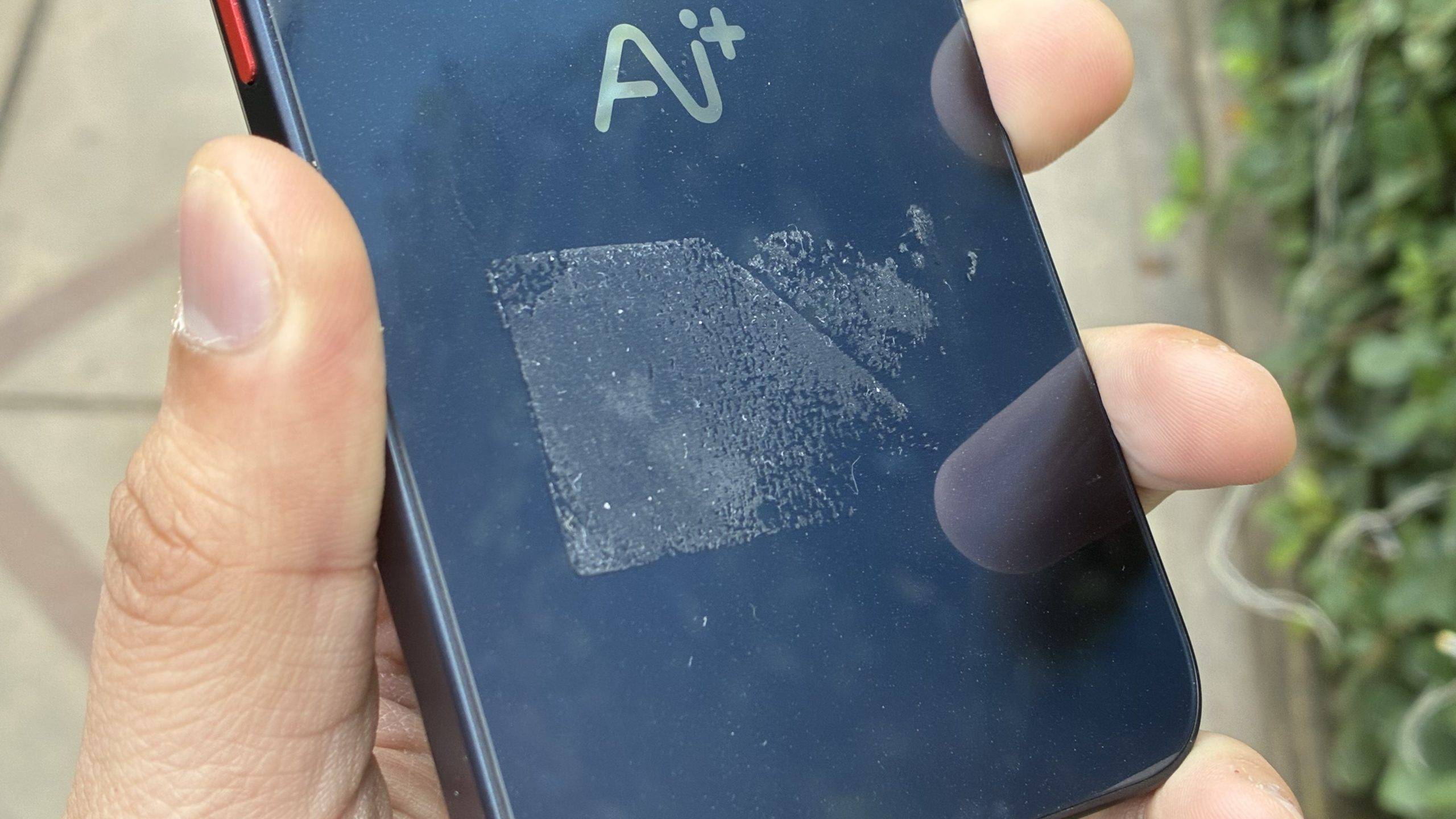
This is obviously a small issue and doesn’t affect how the phone works, but it did feel a little odd and reminded me that this is still a budget-focused device. I compared it with the iQOO Z11 Lite, I find the iQOO’s design a little more premium and better balanced in the hand.
Surprising Display And I Prefer This One
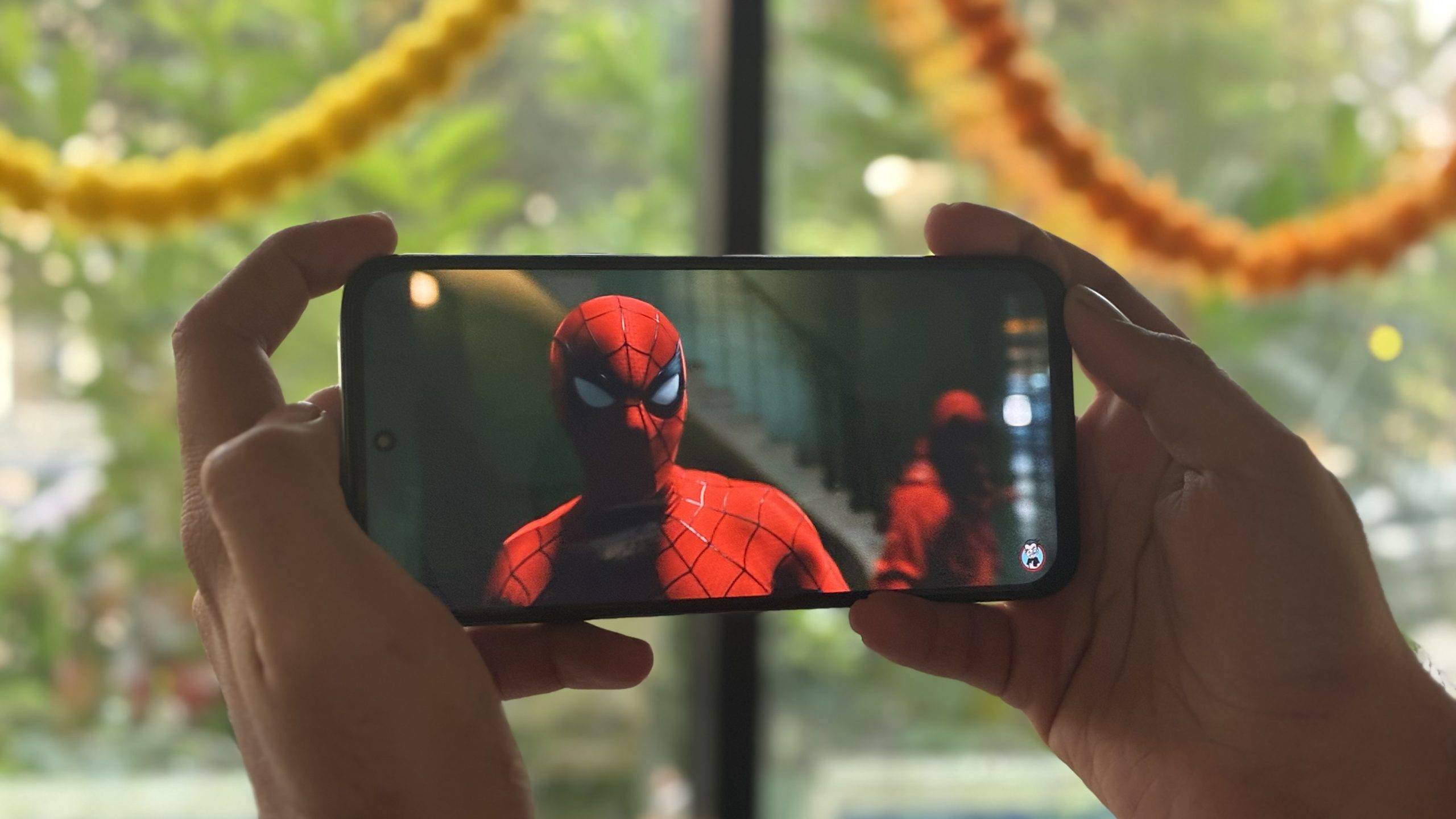
The Ai+ Nova 2 Power features a 6.75-inch HD+ IPS LCD display with a 720×1570-pixel resolution and a 120Hz refresh rate. On paper, this isn’t the most exciting display in the segment. An HD+ LCD panel on a screen this large means you shouldn’t expect the sharpness you’d get from a higher-resolution display.
The specifications don’t tell the whole story here. After using the Nova 2 Power alongside the iQOO Z11 Lite and POCO M8x, I actually preferred the Nova’s display. The colours looked more vibrant to my eyes, and the overall presentation felt more pleasing when watching videos, browsing social media or simply scrolling through the interface.
The iQOO Z11 Lite also has a 6.74-inch HD+ 120Hz display, so the basic experience is quite similar. However, I found myself enjoying the Nova’s panel more despite its limitations. The POCO M8x takes the size game even further with a massive 6.9-inch 120Hz HD+ IPS LCD panel. It is excellent if your priority is having as much screen real estate as possible, although its 720p resolution means sharpness is still limited. So, while I wouldn’t call the Nova 2 Power’s display class-leading, it is one of those components that works better in person than the specification sheet suggests.
Performance Is Where The Nova Starts Making Sense
The Ai+ Nova 2 Power is powered by the MediaTek Dimensity 7100, a 6nm chipset paired with 8GB of RAM and 128GB of storage and graphics are handled by the Mali-G610 MC2 GPU.
And this is easily one of the strongest parts of the phone. In my testing, the Nova 2 Power scored 919,010 on AnTuTu. The iQOO Z11 Lite, powered by the Dimensity 6300, scored 579,955. The difference is substantial and immediately shows that the Nova is working with considerably more powerful hardware.
Geekbench 6 produced 852 points in single-core and 2,886 points in multi-core for the Nova. The iQOO managed 730 and 1,917 points, respectively. On PCMark Performance, the Nova scored 13,732, compared with 9,811 on the iQOO. The GPU numbers are even more interesting. The Nova scored 681 in 3DMark Wild Life Extreme, while the iQOO scored 366. Geekbench GPU OpenCL returned 2,039 for the Nova compared with 1,412 on the iQOO.
The POCO M8x sits somewhere below the Nova in these tests. My testing gave it an AnTuTu score of 642,390, with 841 single-core and 1,472 multi-core in Geekbench 6. Its PCMark Performance score was 9,425.
That puts the Nova comfortably ahead of both devices in multi-core performance and overall benchmark performance. The POCO’s Snapdragon 4 Gen 5 is capable enough for everyday tasks, but the Dimensity 7100 has a clear performance advantage. The same conclusion is broadly consistent with independent testing of the M8x, which places its Snapdragon 4 Gen 5 below the Dimensity 7100 class.
In actual use, I didn’t notice any major lag while opening apps or switching between them. Apps open quickly, multitasking feels smooth, and general navigation doesn’t give me much reason to complain and that is a meaningful strength.
The Nova 2 Power’s Mali-G610 MC2 GPU gives it a clear advantage over the iQOO Z11 Lite and POCO M8x in graphics benchmarks. The 3DMark Wild Life Extreme scores were 681 for the Nova, 366 for the iQOO and 398 for the POCO. The interesting part is stability where Nova recorded 99.1 percent stability in the 3DMark stress test, while the iQOO managed 99.5 percent and the POCO came in at 99.2 percent.
So despite being considerably more powerful than the other two phones, the Nova doesn’t show a dramatic drop in sustained performance during the test. Thermals were also reasonably controlled. The Nova reached around 33.3°C after the test, compared with 31.2°C on the iQOO. In real-world use, I did notice that the Nova gets a little warmer than the Z11 Lite during heavier workloads, but it isn’t a difference that I would consider concerning. This isn’t a gaming phone, and I wouldn’t buy it specifically for demanding games but it does the work its intended to do.
The 7,000mAh Battery Number Doesn’t Tell The Whole Story
The battery is supposed to be the Nova 2 Power’s biggest selling point. It packs a massive 7,000mAh battery with 33W fast charging, and this is where my experience gets complicated.
In the PCMark Battery test, the Nova lasted 18 hours and 9 minutes. That’s not a bad result in isolation, but when I look at that number alongside the phone’s 7,000mAh capacity, it feels underwhelming. The comparison makes this even more interesting when the iQOO Z11 Lite has a smaller 6,500mAh battery and supports faster 44W charging, yet it lasted 29 hours and 33 minutes in the same PCMark test.
Then there’s the POCO M8x with a larger 7,900mAh battery, and my test unit managed an astonishing 35 hours and 11 minutes in PCMark. That is almost twice the runtime recorded by the Nova in this particular test.
Now, synthetic battery tests don’t perfectly represent real-world usage. Your screen brightness, network conditions, apps, refresh rate, and usage pattern will all affect actual endurance. But even with that caveat, the Nova’s result is difficult to ignore. This is probably the biggest disappointment I have with the phone. A 7,000mAh battery creates an expectation of exceptional endurance, and the Nova doesn’t quite deliver the kind of benchmark result I expected from such a large cell. This could be due to less optimized UI or any other background processes. The 33W charging is also fairly conservative. The POCO M8x, despite having a 7,900mAh battery, uses 45W charging, while the iQOO gets 44W. So if battery endurance is the main reason you’re looking at the Nova 2 Power, I would look beyond the capacity number and pay attention to actual testing.
Cameras Are Good Enough In Daylight, But Don’t Expect Miracles
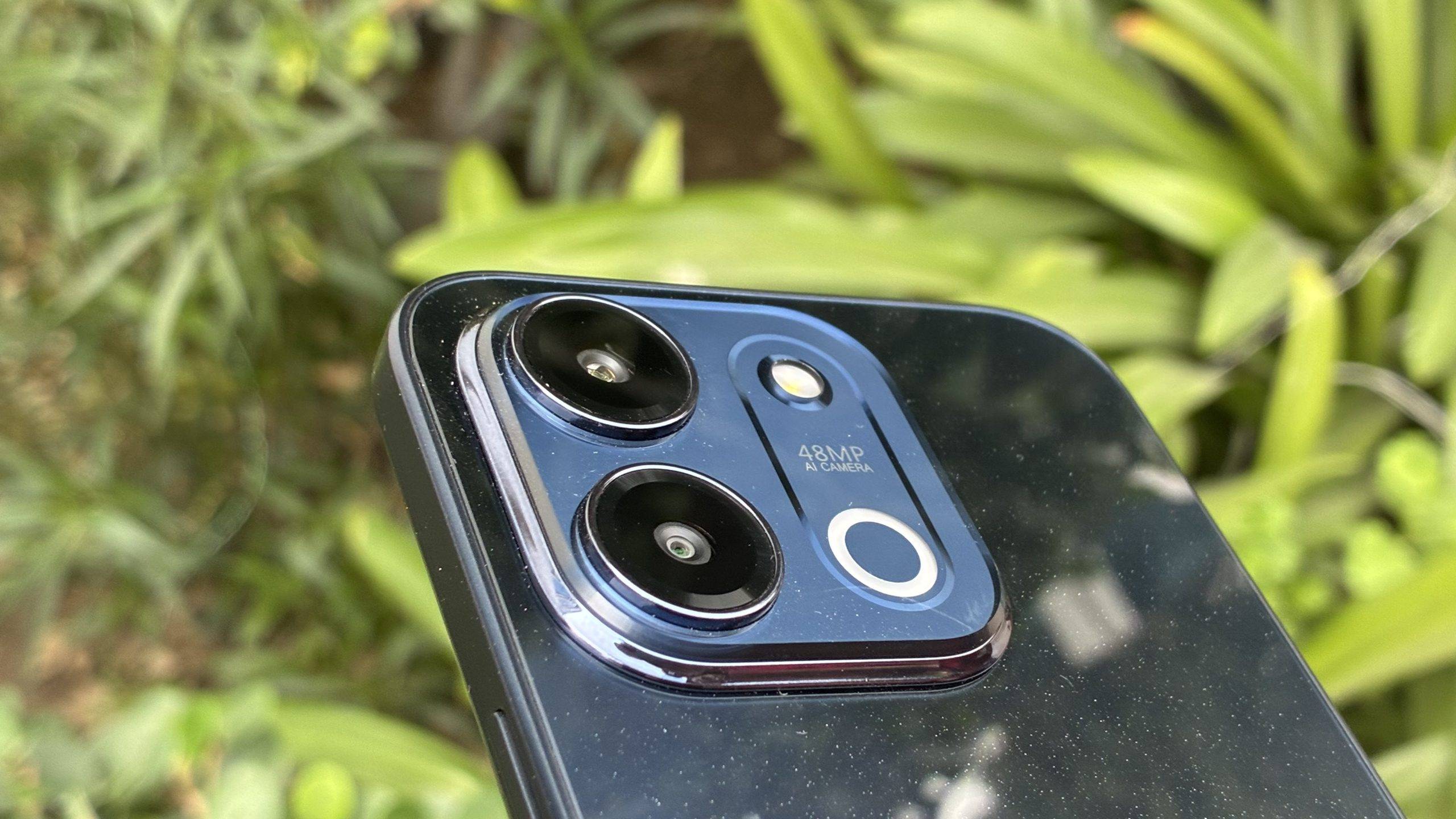
The Ai+ Nova 2 Power comes with a 48-megapixel Sony IMX582 primary camera and an 8-megapixel ultrawide camera, while selfies are handled by a 13-megapixel front camera. The rear camera can also record up to 2K at 30fps.
In daylight, the main camera can produce good-looking photographs. There’s enough detail for casual photography and social media, and I don’t think most users will be disappointed when shooting in good lighting. The problems start when the lighting gets difficult.






Low-light photographs lose detail, and portraits aren’t particularly convincing either. The camera processing doesn’t always handle challenging lighting situations particularly well, so this isn’t a phone I would recommend to someone who considers photography a major priority. The iQOO Z11 Lite’s 50-megapixel primary camera is also capable of producing vibrant daylight images, but it struggles in low light as well. Its 5-megapixel selfie camera is another area where the Nova has a hardware advantage. The POCO M8x comes with a 50-megapixel primary camera and an 8-megapixel selfie camera. Its daylight output is usable, with natural colours and decent detail, but low-light photography remains a weakness. So, across all three phones, cameras aren’t really the reason I would pick one over the others. The Nova gets the job done in daylight, but it isn’t trying to be a camera-first smartphone.
Software Is Good But The Brand Question Remains
The Nova 2 Power runs Android 16 with Ai+‘s nxtQ OS. One of the things I genuinely like about the phone is how clean the software feels. It doesn’t come across as unnecessarily overloaded, and the interface is straightforward to use. That is a refreshing experience in this segment, especially compared with phones that ship with many additional apps and recommendations.
The POCO M8x runs HyperOS 3 based on Android 16. It brings plenty of Xiaomi-specific features and is promised four major Android upgrades and six years of security updates, although it also comes with considerably more pre-installed software.
There is another aspect I think potential buyers should consider with Ai+. There have been recent public discussions and concerns around the brand, particularly regarding data privacy and the background of its manufacturing and supply chain. These are areas where it is important to distinguish between claims, questions and independently established facts rather than treating every online allegation as confirmed and personally, that does make me more cautious about recommending the Nova purely on the basis of its hardware. The clean software is something I genuinely like, but when buying a smartphone that will hold personal data, long-term trust in the brand matters too.
Verdict: A Powerful Budget Phone With One Big Contradiction
The Ai+ Nova 2 Power is a phone that makes a very strong first impression. The design has enough character to stand out, the punch-hole display is a welcome choice, the software is clean, and the Dimensity 7100 gives it considerably more performance headroom than the iQOO Z11 Lite and POCO M8x in my testing. The benchmarks make that particularly clear. With an AnTuTu score of 919,010, a Geekbench multi-core score of 2,886, and a 3DMark Wild Life Extreme score of 681, the Nova has the strongest performance credentials of the three phones tested here.
But then you get to the battery. A 7,000mAh battery lasting 18 hours and 9 minutes in PCMark isn’t terrible, but it doesn’t feel particularly impressive when a smaller 6,500mAh iQOO Z11 Lite reached 29 hours and 33 minutes, while the 7,900mAh POCO M8x went all the way to 35 hours and 11 minutes in my testing. That comparison changes the way I look at the Nova 2 Power.
If you want performance, a clean software experience and a phone that doesn’t feel like a compromise in everyday speed, the Nova is a very interesting option. If battery endurance is your number-one priority, however, the enormous 7,000mAh number alone isn’t enough to make it the obvious choice. The cameras are acceptable in daylight but don’t make the phone stand out, while the heavy body and large camera bump are compromises you’ll notice every day.
For me, the Ai+ Nova 2 Power is a phone with strong hardware underneath a somewhat confusing overall package. It has enough going for it to be interesting, but the battery test results, camera limitations, bulky design and questions around long-term brand trust stop me from calling it an easy recommendation. If you’re choosing purely on performance, I’d take the Nova over the iQOO Z11 Lite and POCO M8x. If you’re choosing primarily for battery endurance, the POCO M8x makes a much stronger case. And if you want the cleaner, more premium-feeling overall experience, the iQOO Z11 Lite remains a compelling alternative. The Nova 2 Power has something to prove. After using it, I’m just not convinced that the 7,000mAh battery is the thing that proves it.