The POCO X8 Power has a pretty straightforward job. It needs to offer excellent battery life without compromising too much on the rest of the smartphone experience. The phone packs a massive 10,000mAh battery, a 120Hz AMOLED display, and a performance-focused identity, it certainly has the ingredients to make that happen. After spending time with the phone, I think POCO has managed to get some important things right. The battery life is genuinely impressive, the display makes sense for a device built around endurance, and the build quality gives me confidence in its durability. However, will this be the phone that I recommend to all my friends and family. Lets find in this review.
POCO X8 Power
Rs 35,999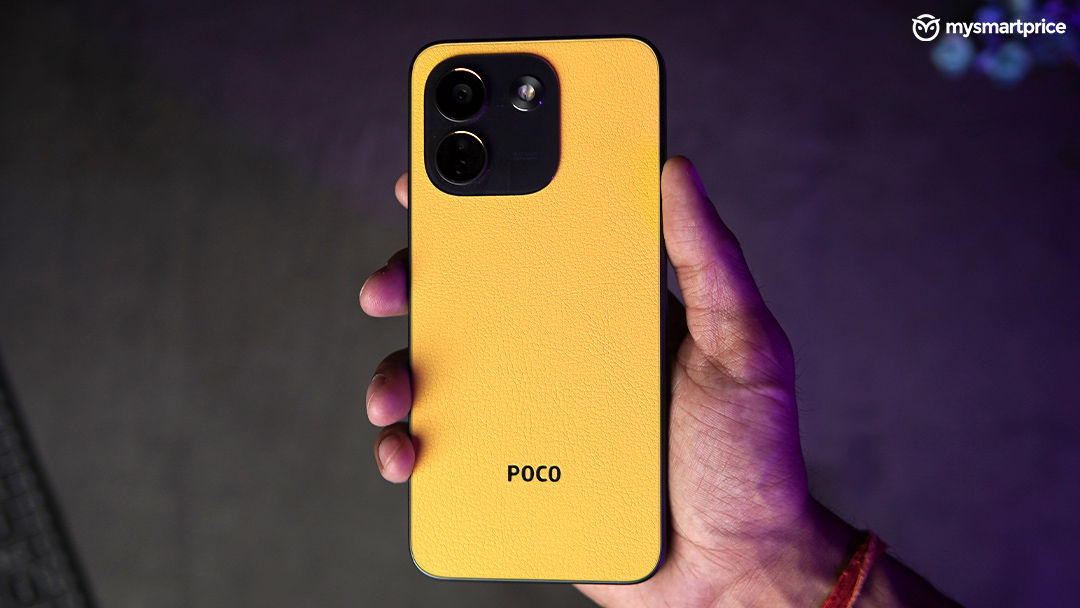
What Is Good?
- Outstanding 10,000mAh battery life
- Vibrant 120Hz AMOLED display
- Excellent stereo speakers
- Strong IP69K and Gorilla Glass Victus 2 protection
- 100W fast charging
What Is Bad?
- Bulky Design
- Bloatware-heavy software
- Everyday app responsiveness could be better
- Ultrawide and Zoom photography could be better
Design And Display
The POCO X8 Power comes in a yellow leather finish, paired with a black camera module and a black frame. It is certainly a combination that makes the phone stand out, but I am not entirely convinced that it works in its favour. The yellow finish could have been an interesting way for POCO to give the phone a distinctive identity. However, the contrast with the black camera module and frame doesn’t quite come together the way I would have liked. Instead of making the phone look more premium, this particular colour combination takes away from the overall aesthetic. However, design is subjective, and some users may appreciate the bold look. This phone also comes in a all-black finish with the vegan leather and personally, I really liked this one the most as it looks more premium.
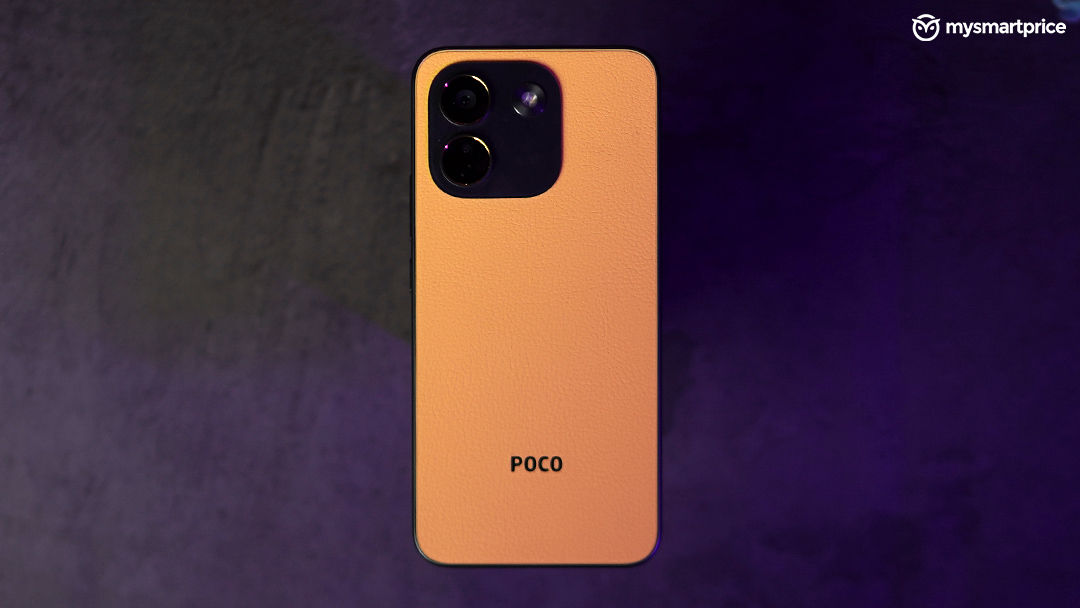
The POCO X8 Power gets a few important things right when it comes to durability. With an IP69K rating and Gorilla Glass Victus 2 protection, the phone has the kind of protection you’d want from a device that is expected to handle everyday use over several years. However, there is a physical trade-off to consider. The phone is noticeably large and thick, which is understandable given the massive 10,000mAh battery inside. This isn’t a compact phone that disappears into your pocket, and its size is something you’ll have to get used to if you’re planning to use it as your primary device. For someone who prioritises battery life, that additional bulk might be a reasonable compromise. But if you’re someone who prefers a slimmer, lighter phone, the X8 Power might not feel as comfortable during extended use. I appreciate the durability POCO has managed to offer here, especially with the IP69K rating and Gorilla Glass Victus 2 protection, but the size is something you need to consider before buying it.
The POCO X8 Power features a 120Hz AMOLED display with HDR10+ and Dolby Vision support, and these are the kind of features that make sense for a phone built around long-lasting entertainment. The panel is vibrant and makes watching videos, scrolling through social media, and browsing content an enjoyable experience, while the refresh rate adds to the smoothness of everyday interactions.
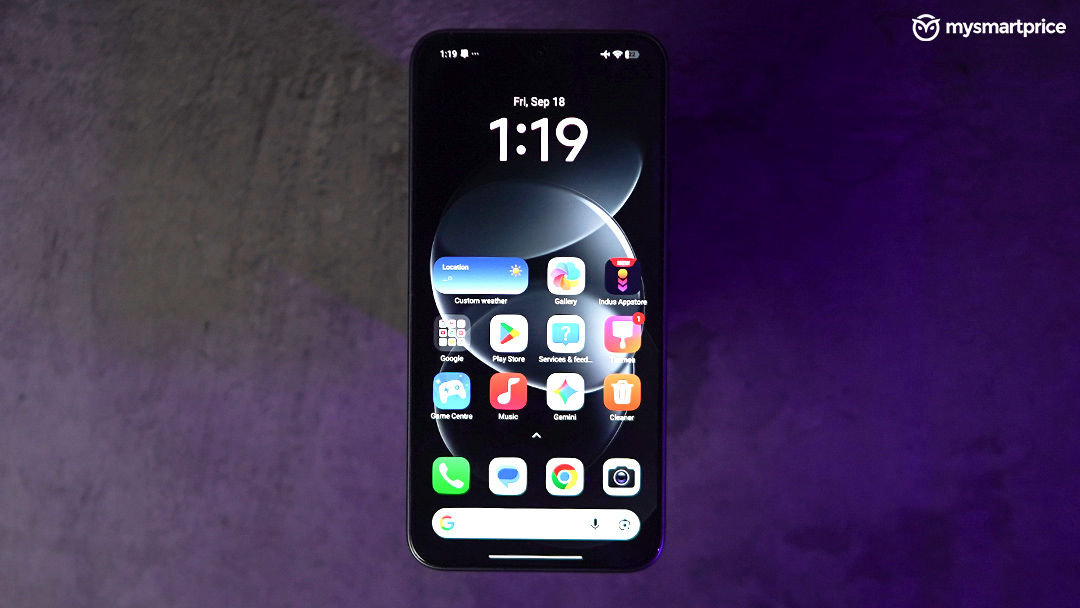
I think the display fits the POCO X8 Power’s identity well. The display makes it a sensible choice for someone who watches a lot of content on their phone. It’s one of those features that complements the battery rather than feeling like a specification added just for the sake of it. The stereo speakers are exceptionally good with up to 400 percent volume boost and uplifts this phone as a more entertainment device.
Performance
POCO has traditionally built its identity around performance, so expectations are naturally high whenever a new phone from the brand arrives. This phone comes with the support of Snapdragon 6 Gen 5 chipset paired with 8GB RAM and UFS 2.2 storage. The POCO X8 Power delivers respectable benchmark results, but the overall experience isn’t quite as fast as I expected from a POCO phone.
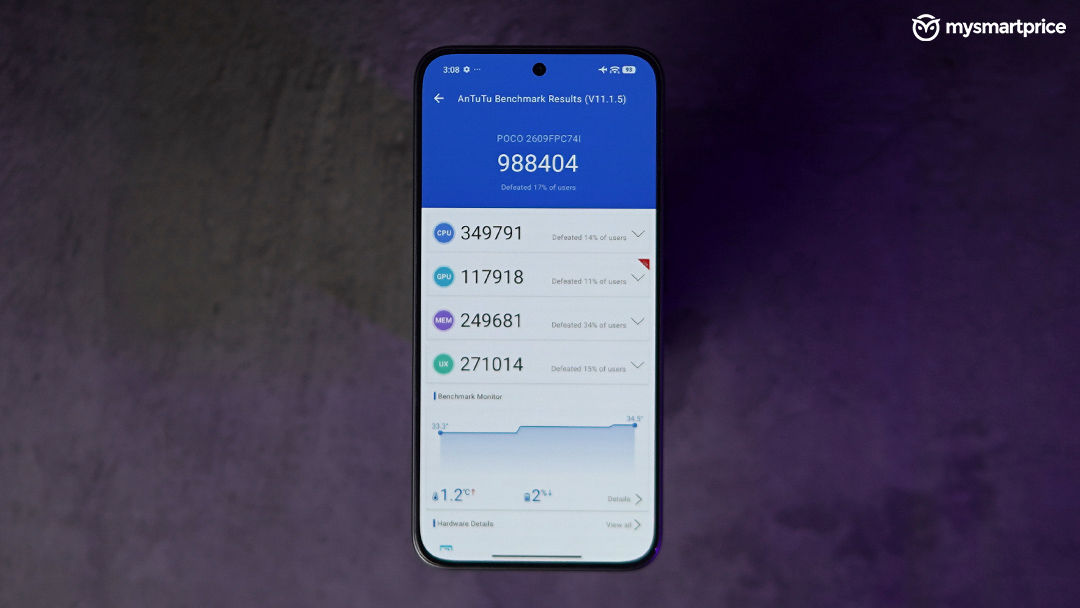
In our testing, the phone scored 988,404 points on AnTuTu, which is slightly below the company’s claimed score of around one million. In Geekbench 6, it scored 911 in the single-core test and 2,851 in the multi-core test. The phone also managed a PCMark Work 3.0 score of 12,557.
The GPU results are also worth looking at. The phone scored 117,918 in the AnTuTu GPU test and 1,163 in 3DMark Wild Life Extreme, with a reported stability score of 99%. These results provide some context for its processing and graphics capabilities, although benchmark numbers don’t tell the complete story of how a phone performs in everyday use.
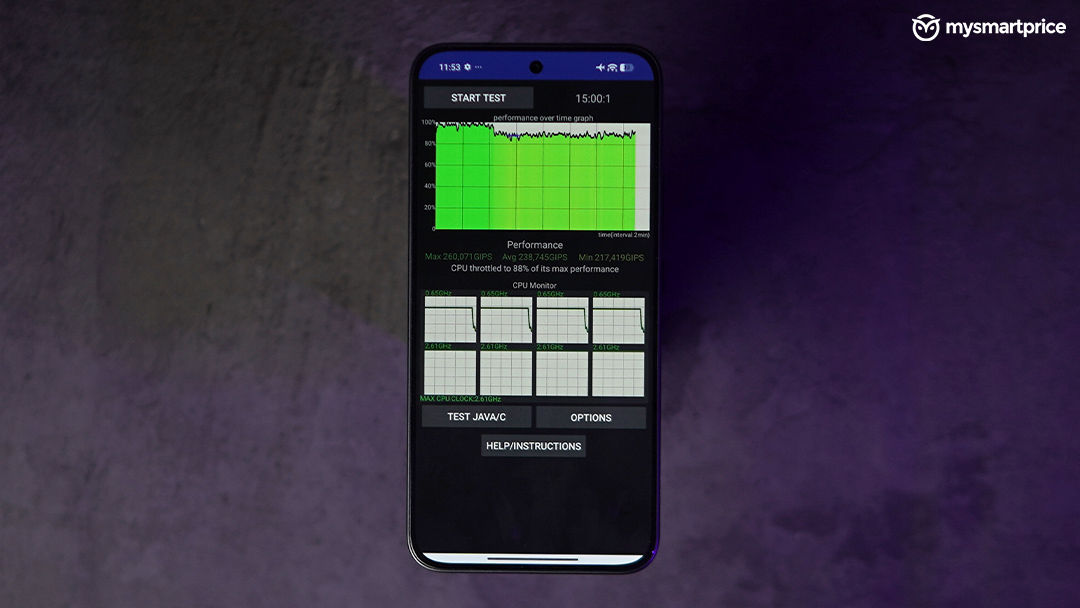
The more noticeable issue for me is everyday responsiveness. Apps don’t always open as quickly as I would expect, which makes the phone feel less snappy than its benchmark numbers might suggest. I wouldn’t call the performance bad, but I expected a more consistently responsive experience from POCO. The benchmark score is respectable, yet the occasional delays when opening apps take away from the performance-focused experience I would expect from the brand. The POCO X8 Power scored 147,002 in the AnTuTu storage test and 65,522 in the PCMark Android storage test. Our testing also recorded random read and write speeds of 1,124.1MB/s and 1,115.7MB/s, respectively. While these numbers help establish the phone’s storage capabilities, the actual experience still depends on how efficiently the software uses the available hardware. The storage results are a useful addition to the phone’s performance profile. However, benchmark figures alone don’t change my everyday experience, where app-opening speed still feels like an area POCO could improve.
Software
My first smartphone was the POCO M3 Pro, and one of the biggest reasons I never switched to another POCO phone was the amount of bloatware it came with. I wanted a cleaner software experience, and the X8 Power unfortunately continues to carry that same issue. There are multiple third-party apps preinstalled on the phone, which makes the overall software experience feel cluttered. Instead of getting a clean interface right out of the box, you’re left dealing with apps you may not necessarily want or need. To POCO’s credit, the company has committed to four years of OS updates and six years of security updates. That’s meaningful long-term support, particularly for users who intend to keep their phones for several years, but software support and software quality are two different things. A phone can receive updates for years and still feel cluttered or unpolished during everyday use.
This is probably my biggest disappointment with the POCO X8 Power. I was hoping the software experience would have improved considerably by now. The longer update commitment is welcome, but I still don’t think POCO has addressed the bloatware problem in a way that makes me want to return to the brand.
Battery
The POCO X8 Power’s biggest selling point is undoubtedly its 10,000mAh battery. And unlike some features that sound impressive on paper but don’t necessarily translate into meaningful real-world benefits, the battery capacity makes a noticeable difference.
In our PCMark battery test, the phone lasted 28 hours and 53 minutes. That’s a substantial result and gives you a good idea of the kind of endurance you can expect from this device. In real-world usage, the X8 Power should comfortably get through a full day without needing to be charged.
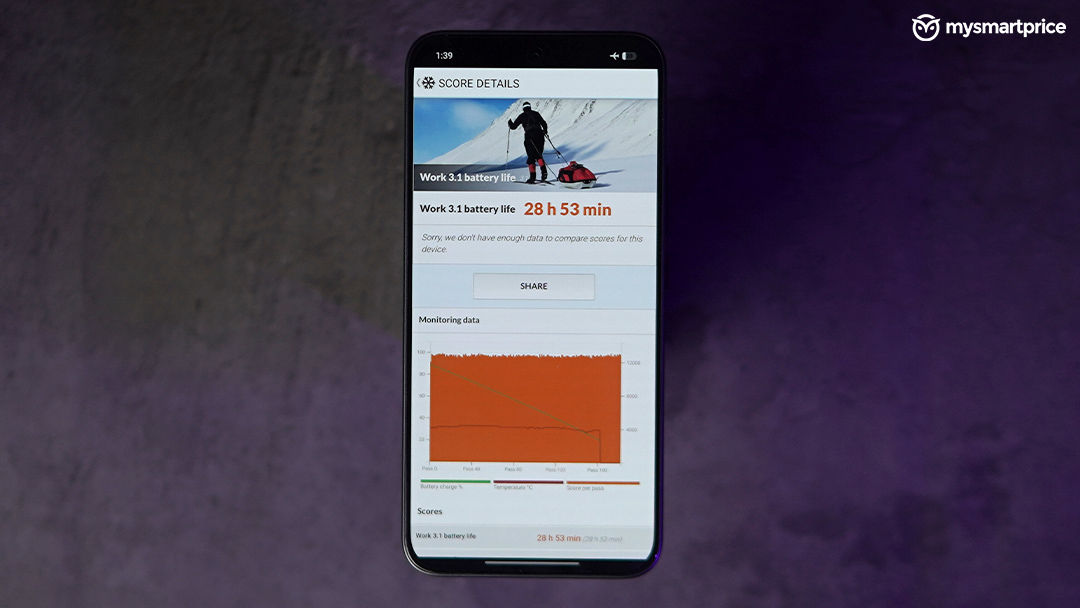
Of course, the large battery is also responsible for the phone’s thicker and larger form factor, but if endurance is your priority, that’s a trade-off you might be willing to make. The battery is easily the most convincing part of the POCO X8 Power. Nearly 29 hours in our PCMark battery test is impressive, and I can see this phone being a great fit for people who want dependable, all-day battery life without constantly looking for a charger. The 100 watt in box charger also helps to decrease the turnaround time for the phone but still it takes around an hour which is manageable for most of the users.
Cameras
The POCO X8 Power features a 50-megapixel primary camera, an 8-megapixel ultra-wide camera, and a 32-megapixel front camera, while the camera setup is decent for everyday photography, it isn’t quite as versatile as I would have liked, especially when you start experimenting with different focal lengths.












In daylight, the primary camera does a good job of capturing detailed shots. Images look good when you’re shooting in well-lit conditions, and the camera is capable of producing photos that are perfectly usable for everyday sharing. Night shots are decent as well, so the primary camera isn’t limited to daylight photography alone. However, things start to fall apart when you move beyond the primary camera’s standard focal length. The zoom performance isn’t particularly impressive, with noticeable detail loss even at 2x zoom. This makes the camera less reliable when you want to get closer to a subject without physically moving towards it.
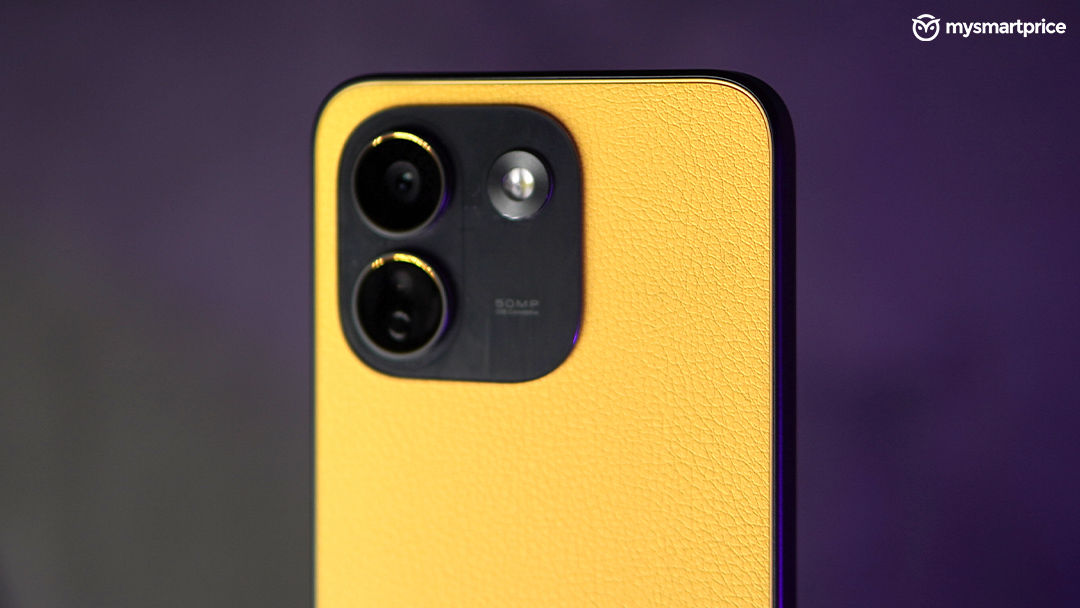
The 8-megapixel ultra-wide camera is another disappointment. It feels more like a camera included to complete the dual-camera setup than one that genuinely adds much value. The drop in detail is significant, and the difference in quality becomes apparent when switching between the primary and ultra-wide cameras. The 32-megapixel front camera is decent for selfies and everyday use. Video recording is another useful addition, with support for 4K recording at 30fps on the primary and front cameras, giving users the option to capture higher-resolution videos.
When you look at the competition, the Motorola Edge 70 and Redmi Note 15 Pro+ are alternatives worth considering if camera quality is high on your priority list. I wouldn’t recommend the POCO X8 Power specifically for photography. Although, you get social media ready photos but it still lacks on the best camera in the segment side.
Verdict
At 35,999, the POCO X8 Power makes a clear case for itself with its massive 10,000mAh battery and a display well suited to watching videos and gaming. The reassuring build quality adds to its appeal, making it a good option for anyone who places battery life and entertainment high on their priority list.
There are areas where the experience could be more refined. The design wasn’t quite to my taste, the software comes with bloatware, and everyday responsiveness could be better. The cameras are decent, though they aren’t a standout reason to choose it over alternatives such as the Motorola Edge 70 or Redmi Note 15 Pro+.
Overall, the POCO X8 Power is a good fit for users who want long battery life and an enjoyable viewing experience. Those who place greater emphasis on camera quality or cleaner software should weigh their options, but for its intended audience, the strengths here make it worth considering.