Samsung's latest Unpacked was its most ambitious foldable launch in some time. Instead of introducing the usual Fold and Flip combination, the company expanded the lineup with three distinct devices: the productivity-focused Galaxy Z Fold8 Ultra, the newly proportioned Galaxy Z Fold8 and the compact Galaxy Z Flip8.
Galaxy Z Fold8 Ultra is positioned as the no-compromise flagship, bringing an 8-inch main display, a 200MP primary camera, a 5,000mAh battery and 45W charging. The regular Galaxy Z Fold8 takes a different route with a wider and shorter design, built around a 10:16 cover screen and a 4:3 internal display. Galaxy Z Flip8, meanwhile, continues to focus on quick interactions, personal expression and the familiar pocket-friendly clamshell format.
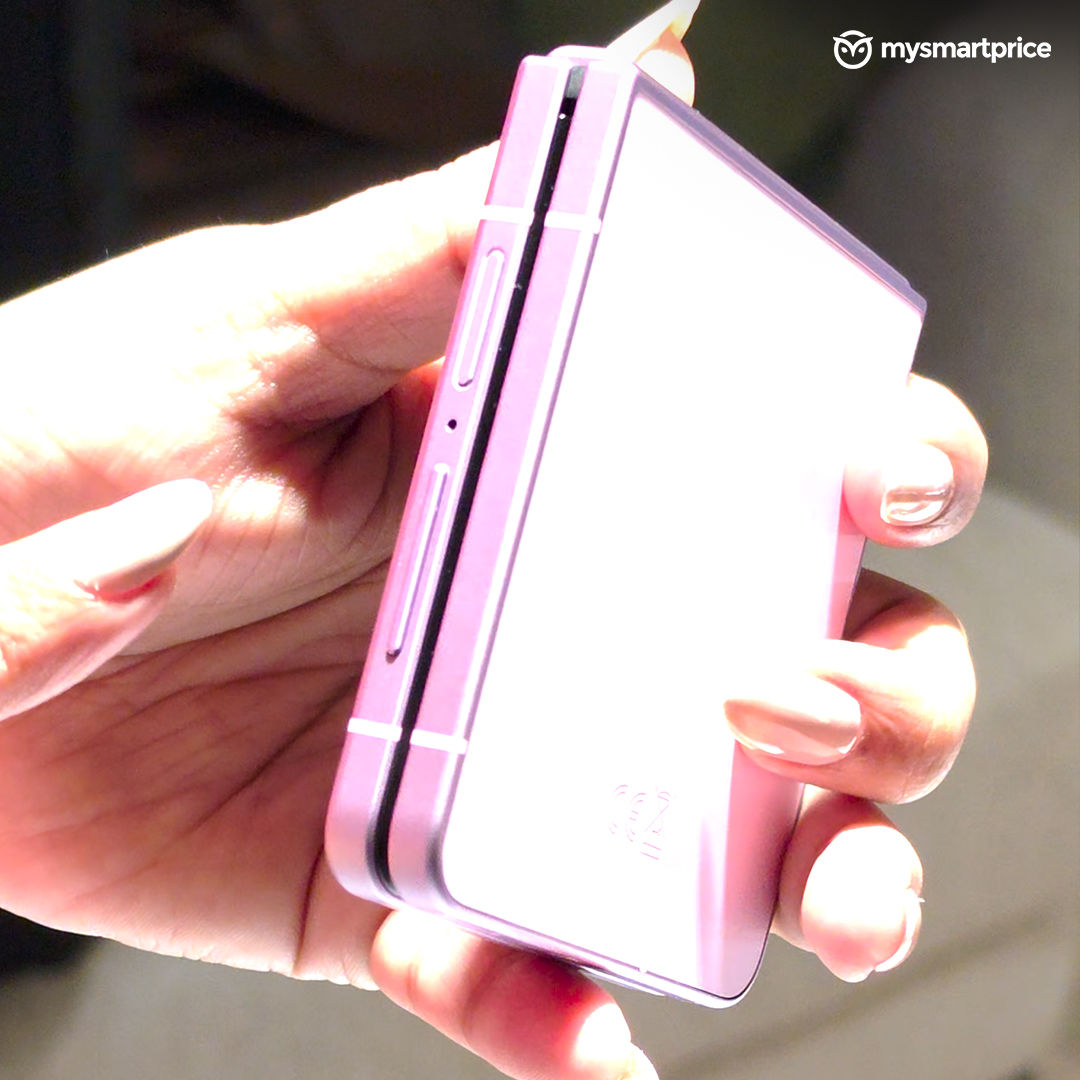
Of the three, the Flip remains the device I have the biggest soft spot for. The Fold models offer more screen space and greater productivity potential, but there is something inherently charming about a phone that folds down into a genuinely compact square. It fits easily into a small handbag, occupies less space in a pocket and still opens into a regular-sized smartphone when needed.
More importantly, the Flip feels different from the sea of large slab phones that now dominate the market. Samsung has preserved that appeal with the Galaxy Z Flip8, although the latest generation is more of an incremental change. Here is what has changed over the Galaxy Z Flip7 and where the experience remains familiar.
Samsung Galaxy Z Flip8 Price in India and Pre-Order Offers
The Samsung Galaxy Z Flip8 is priced at Rs 1,24,999 for the 12GB RAM and 256GB storage variant. The higher 12GB RAM and 512GB storage version costs Rs 1,44,999.
Colour options include Graphite, Cream, Pink and Mint, with Mint listed as an online-exclusive finish. Samsung has also announced either a Rs 5,000 upgrade offer or a Rs 4,000 BCB/UPI offer for pre-order buyers.
Customers can additionally choose up to 30 months of no-cost EMI with zero down payment through select NBFC partners. Bank EMI options extend to nine months of no-cost EMI with zero down payment.
The Galaxy Z Flip8 Is Noticeably Slimmer and Lighter
Samsung's most visible hardware improvement is the Flip8's physical design. When unfolded, the Galaxy Z Flip8 measures 6.1mm thick, down from 6.5mm on the Flip7. Folded thickness has also reduced from 13.7mm to 13.1mm.
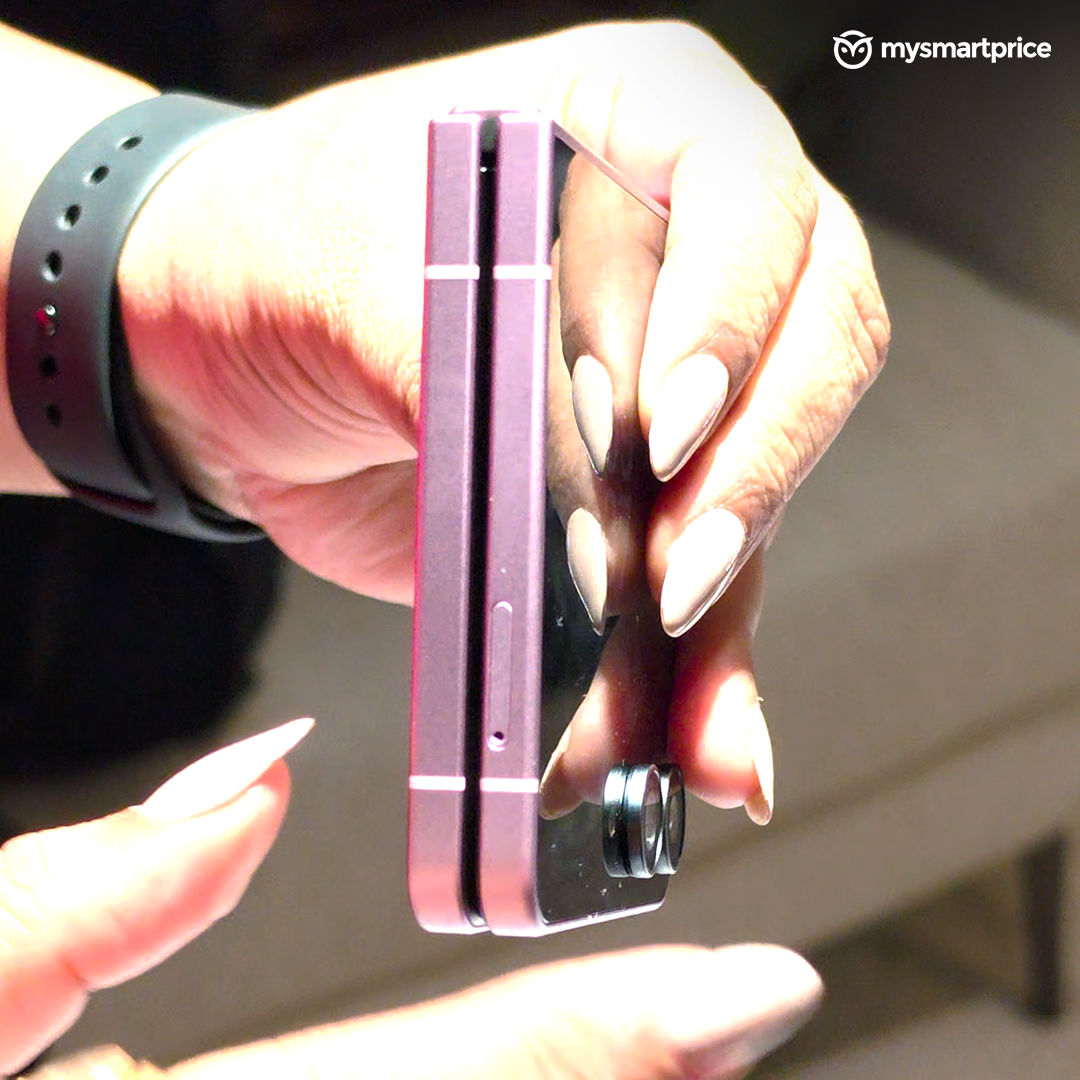
Weight has dropped from 188g to 180g as well. Samsung calls it the slimmest and lightest Galaxy Z Flip yet, and those changes directly strengthen the reason people buy a Flip in the first place. A clamshell phone is supposed to offer better portability, and reducing both thickness and weight should make the Flip8 more comfortable to carry every day.
Materials have also been revised. The Flip8 uses Advanced Armor Aluminum and a glass fibre-reinforced polymer rear while retaining Gorilla Glass Victus 2 protection on the cover. Both generations continue to carry an IP48 rating.
The Biggest Internal Change Is the Exynos 2600 Chip
The Galaxy Z Flip7 sold in India was powered by Samsung's Exynos 2500 chipset, while the Indian variant of the Flip8 moves to the new Exynos 2600. Samsung says the customised chipset brings improvements to CPU, GPU, NPU and AI performance, alongside better energy efficiency.
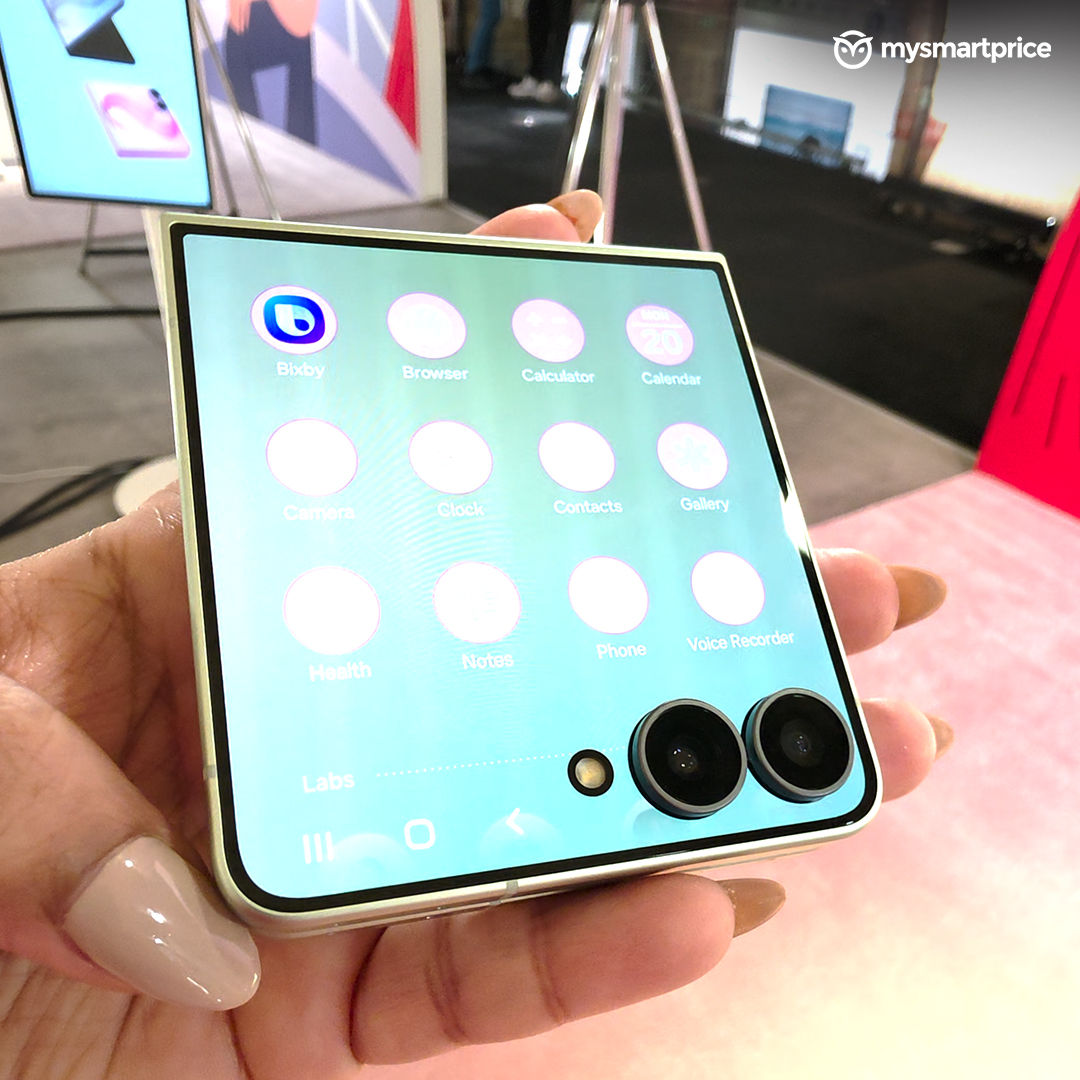
The processor differs by market. Samsung is selling the Snapdragon 8 Elite Gen 5 for Galaxy version in the US and some other regions, while India receives the Exynos 2600 model. The chipset change is still one of the most meaningful generational upgrades, but Indian buyers should not expect the same processor mentioned on Samsung's US product pages.
We have not yet tested the phone's benchmark, thermal or sustained performance, so the scale of the real-world improvement remains to be established. Memory and storage configurations remain familiar, with 12GB RAM and a choice of 256GB or 512GB storage on both generations.
The FlexWindow Is the Same Size but Designed to Do More
Samsung has not increased the size of either display. The Galaxy Z Flip8 retains a 6.9-inch FHD+ Dynamic AMOLED 2X main screen with an adaptive refresh rate ranging from 1Hz to 120Hz. The 4.1-inch Super AMOLED cover display also carries forward the same 948 x 1048 resolution and supports refresh rates of up to 120Hz.
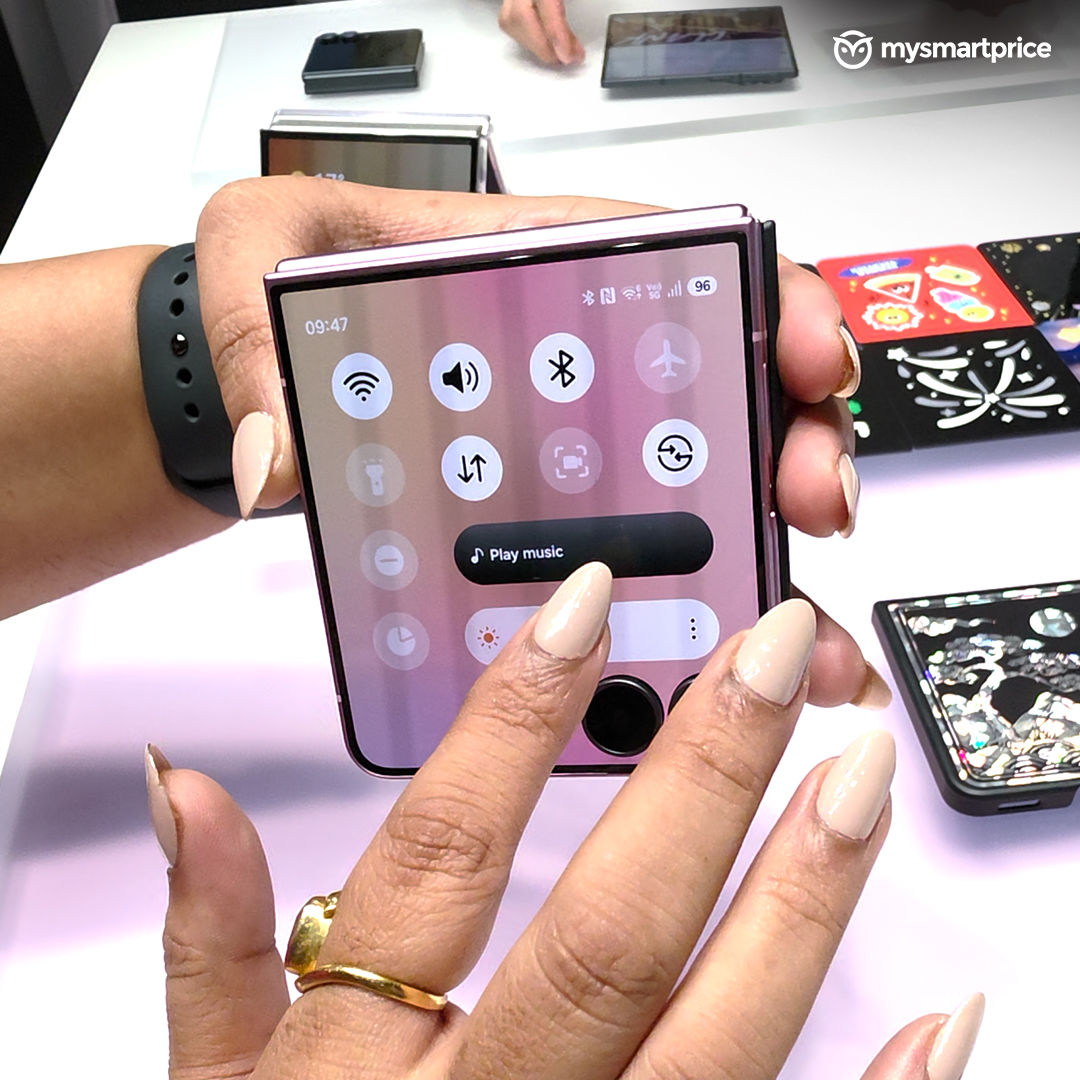
Rather than changing the display hardware, Samsung has concentrated on what users can do through the FlexWindow. Galaxy Z Flip8 introduces an AI-native cover-screen experience that places apps, information and connected actions within easier reach.
Now Brief can surface timely information and suggested next steps directly on the FlexWindow. Gemini Intelligence can also be accessed through voice requests or side-key activation, allowing supported actions to begin without opening the phone.
For a Flip device, improvements to the cover-screen experience are especially relevant because the outer display is most useful when it reduces the need to unfold the phone. Checking updates, accessing shortcuts, or completing a small task should ideally remain possible without opening the main screen every time.
One UI 9 Brings a New Generation of Galaxy AI Features
The Galaxy Z Flip8 ships with Android 17 and One UI 9, compared with Android 16 and One UI 8 on the Flip7. Software is therefore a proper generational change, even though several areas of the hardware remain familiar.
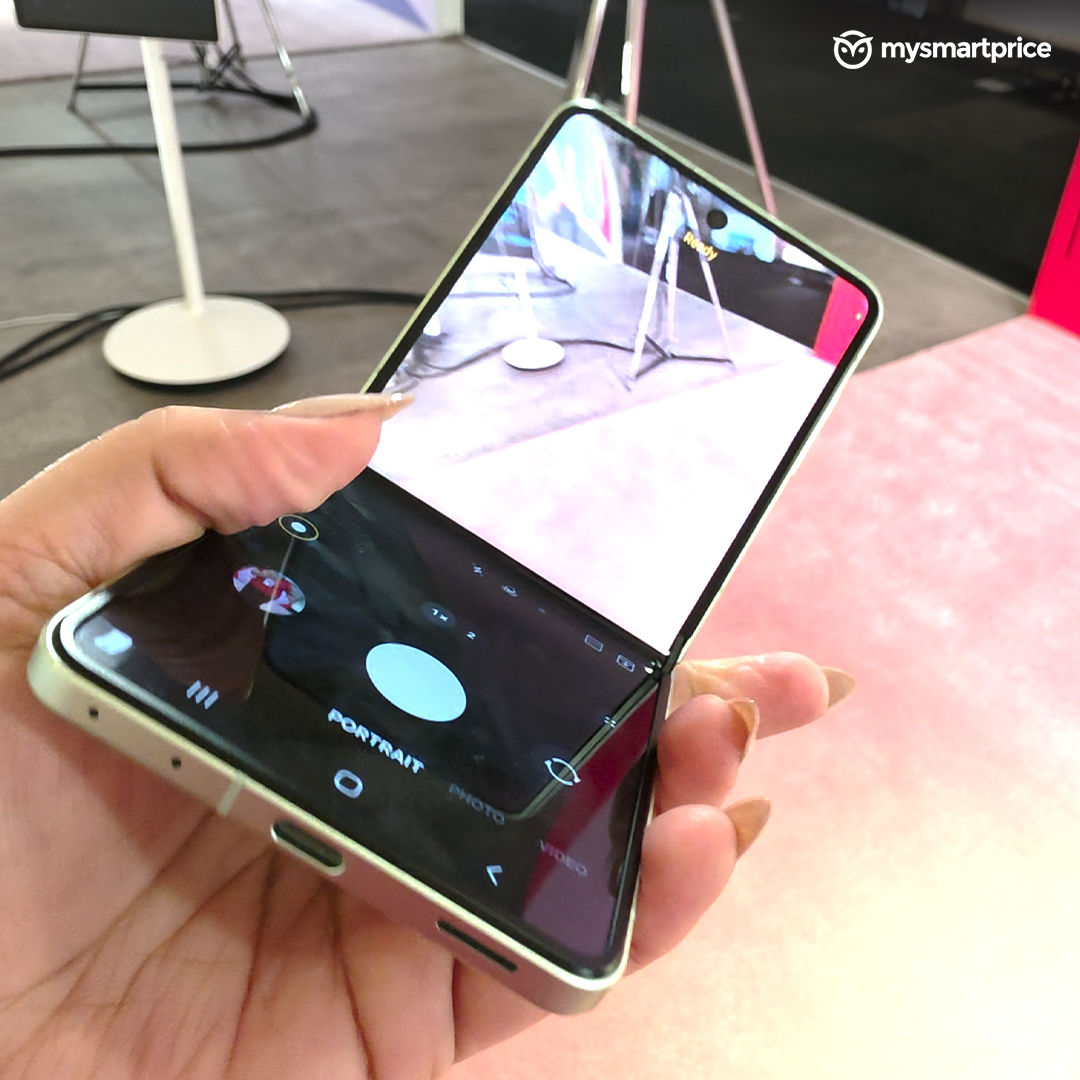
One UI 9 places a stronger emphasis on proactive and agentic AI. Now Nudge can surface relevant next steps when plans begin to take shape in a conversation, while Gemini Intelligence can work across supported apps and services. Samsung is also introducing an AI Assistant Activity dashboard that allows users to review eligible AI actions and automations from one place.
Regional and language availability will matter because some automation features are initially restricted to select markets. Samsung's broader direction is still clear: the FlexWindow is being developed as a more functional interface rather than being treated merely as a smaller secondary display.
The Cameras Have Not Changed, but the Shooting Experience Has
Camera hardware remains unchanged from the Galaxy Z Flip7. The Flip8 carries forward the 50MP primary camera with optical image stabilisation, a 12MP ultra-wide camera and a 10MP front camera. Rear video recording continues to go up to 4K at 60fps.
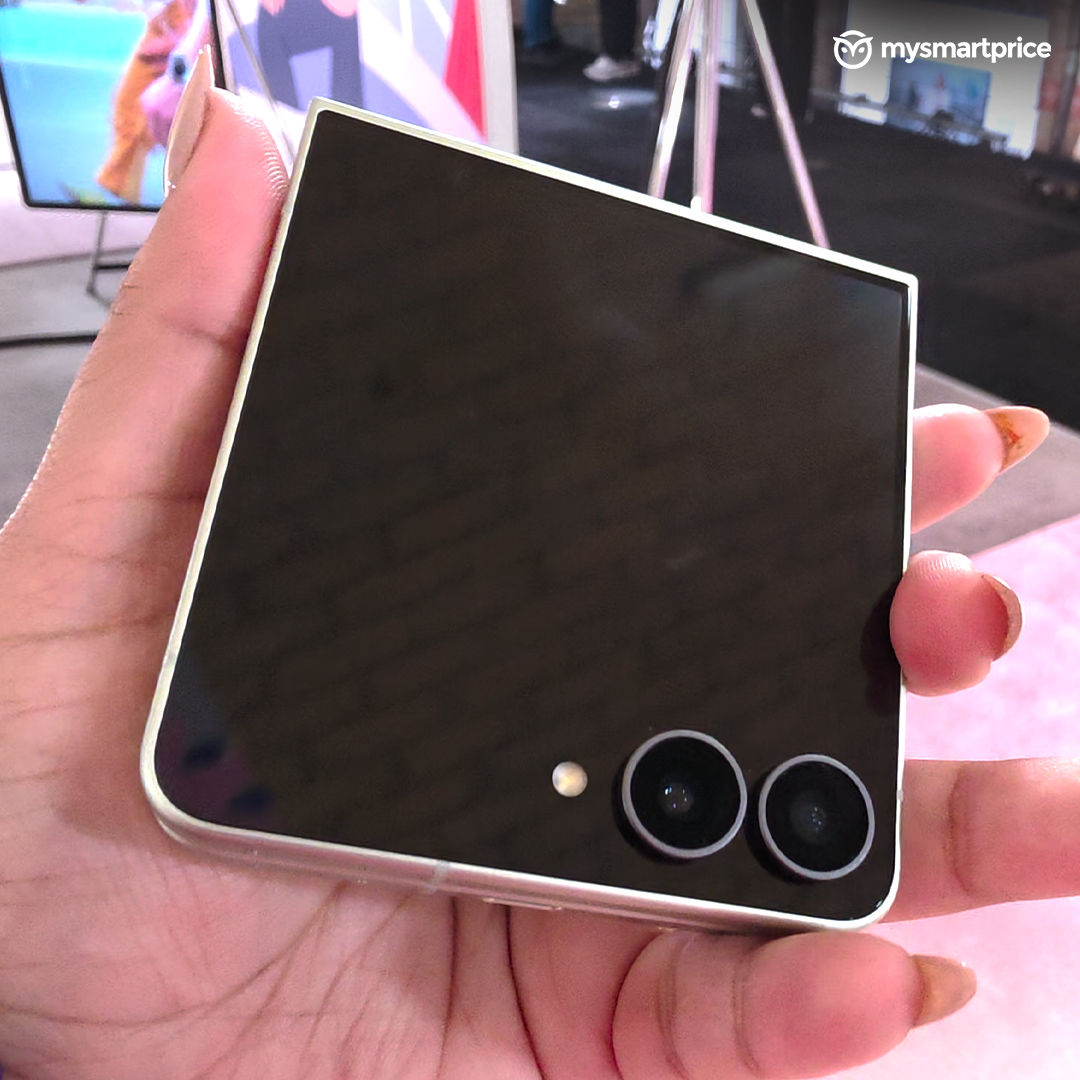
Samsung is instead highlighting improvements to the way the cameras can be used. The 50MP camera works with the ProVisual Engine, while Flex Mode supports hands-free shooting from different angles. Camcorder Grip with Zoom Rocker is designed to offer a more comfortable and stable hold during video capture, and Super Steady now includes a Horizontal Lock option.
FlipShot adds more ways to personalise the FlexWindow while capturing mirror selfies, while Mirror View provides a realistic cover-screen view for quick appearance checks before taking a photograph or heading out.
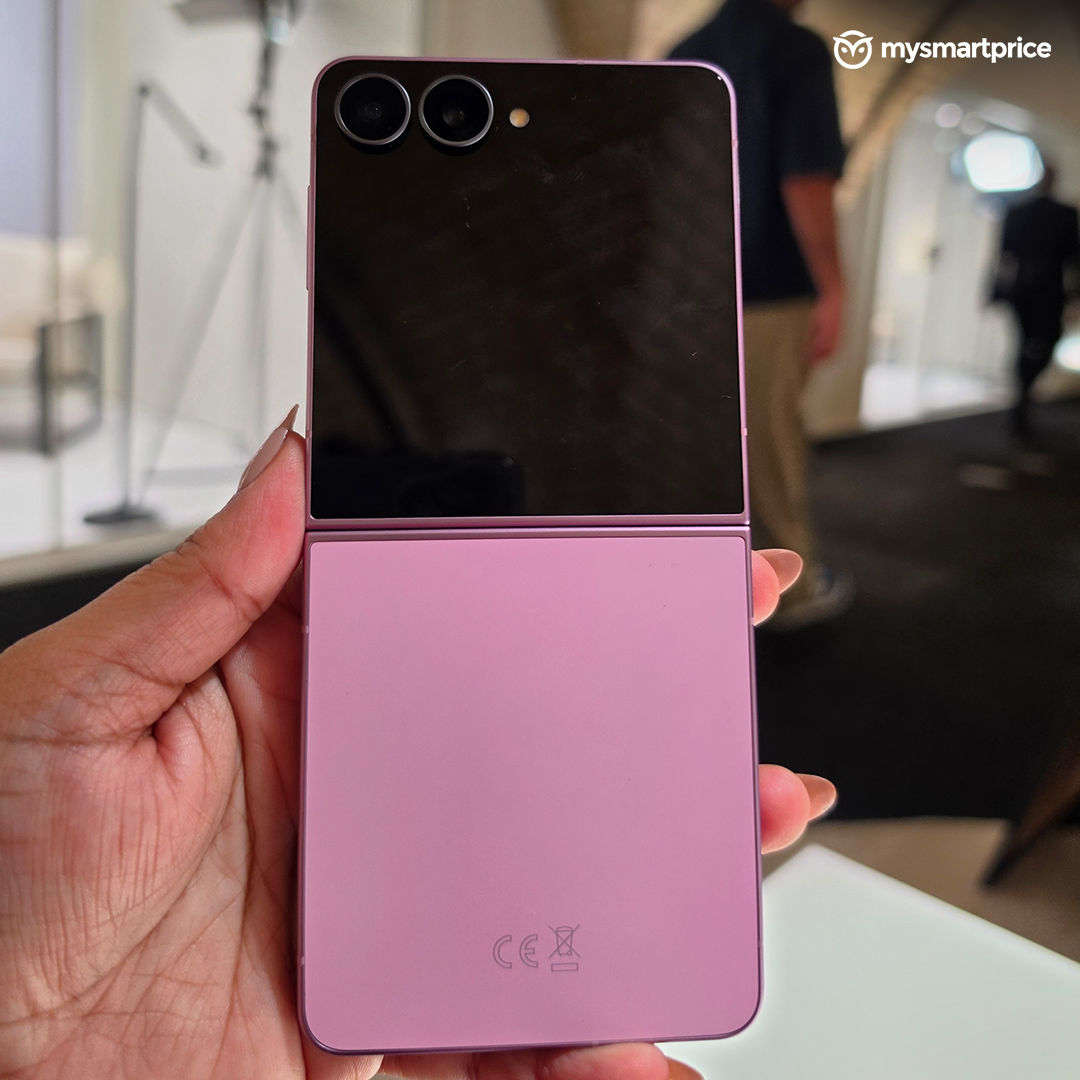
Those features play to the Flip's natural strengths. The folding design can function as its own stand, while the outer display allows users to frame selfies using the higher-resolution main camera. Flip7 owners, however, should not expect a major improvement in image quality based on camera hardware alone.
What Has Not Changed From the Galaxy Z Flip7
A considerable part of the Flip7 specification sheet carries over to the Flip8. The main and cover display sizes remain unchanged, while Samsung has retained the same camera resolutions, battery capacity and charging speeds.
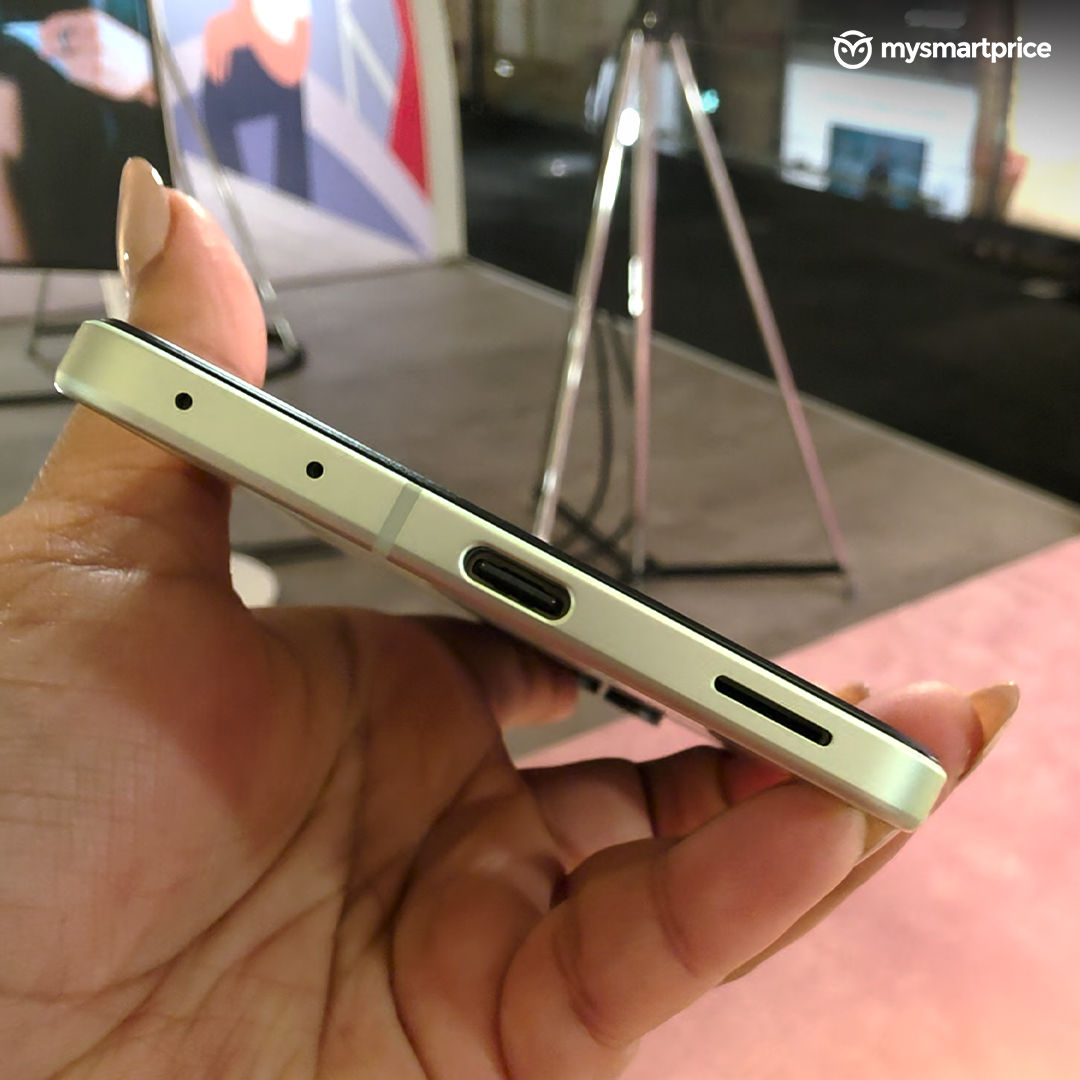
Battery capacity remains at 4,300mAh, accompanied by 25W wired and 15W wireless charging. RAM stays fixed at 12GB, storage choices remain at 256GB and 512GB, and connectivity continues to include 5G, Wi-Fi 7, Bluetooth 5.4 and eSIM support. IP48 water resistance also remains unchanged.
The broader idea behind the device remains familiar as well. It is still a compact phone that unfolds into a 6.9-inch handset, with the FlexWindow handling shorter interactions and the main display taking over for more involved use. Samsung has refined that formula instead of changing what makes the Flip distinctive.
Should You Upgrade?
Not for someone who already owns the Galaxy Z Flip7. The processor upgrade, lower weight and slimmer body are meaningful improvements, but much of the core hardware is unchanged. Display sizes, cameras, battery capacity, charging speeds, RAM and storage all remain familiar.
Buyers moving from an older Flip or purchasing their first foldable have a stronger reason to consider the Flip8. It offers Samsung's most refined compact foldable design yet, a current-generation Snapdragon chipset and a more capable FlexWindow running One UI 9.
Personally, the Flip8 is still the device from the new lineup that draws me in the most. The Fold8 Ultra may be more powerful and the redesigned Fold8 may be more experimental, but neither offers the same convenience as folding a full-sized smartphone into something that occupies nearly half the space.
Its compact form factor continues to hold a soft spot for me. The Galaxy Z Flip8 does not reinvent the Flip, but its slimmer and lighter construction builds on the qualities that made the device appealing in the first place. However, we will be conducting thorough testing of the device and its other two sibling to compare how this phone holds up to the other Flip phones in the market and giving out our final verdict, so do watch out for that.