Samsung expanded its foldable portfolio at its latest Unpacked event with the Galaxy Z Fold8 Ultra, Galaxy Z Fold8 and Galaxy Z Flip8. The Galaxy Z Fold8 Ultra sits at the top of the new lineup and is also Samsung's first book-style foldable to carry the Ultra badge.
In India, the Galaxy Z Fold8 Ultra starts at Rs 1,99,999 for the 12GB RAM and 256GB storage variant. The 12GB RAM and 512GB storage version is priced at Rs 2,19,999, while the top-end model with 16GB RAM and 1TB storage costs Rs 2,59,999. Samsung is offering the device in Graphite, Cream, Violet Shadow and the online-exclusive Green Shadow colour.
An Ultra badge naturally raises expectations, especially when the starting price is already close to Rs 2 lakh. Samsung has delivered upgrades across the camera, battery, charging, performance and display, while retaining the thin and relatively light design introduced with the Fold7. Some long-standing limitations, however, continue to hold the device back. Based on everything Samsung has announced, here are the five things I like about the Galaxy Z Fold8 Ultra and two areas where I expected more.
1. The 50MP Ultra-Wide Is the Camera Upgrade the Fold Needed
The Galaxy Z Fold8 Ultra retains the 200MP primary camera introduced with the Fold7, but replaces the older 12MP ultra-wide camera with a new 50MP sensor. The aperture has also moved from f/2.2 to f/1.9, making this more than a routine resolution bump.
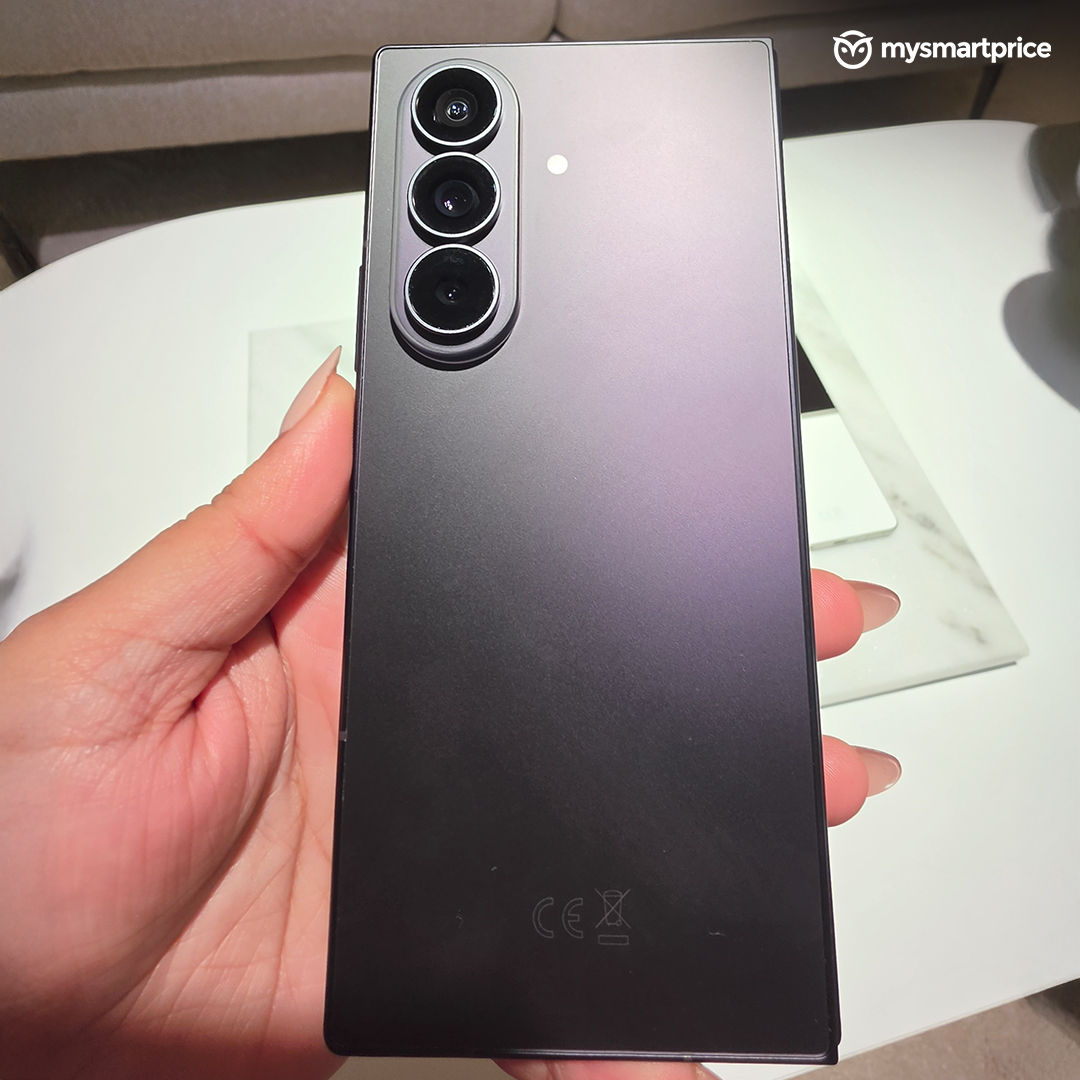
Ultra-wide cameras are often treated as secondary sensors, even on expensive flagship phones. Moving to a higher-resolution sensor should help the Fold8 Ultra preserve more detail across landscapes, interiors, group photographs and close-up shots. Samsung also says the camera can be used for macro photography, giving the device greater flexibility without adding another dedicated sensor.
A stronger ultra-wide camera matters even more on a Fold because the large internal display provides a better canvas for reviewing, editing and comparing photographs. The Fold8 Ultra's camera setup now looks more balanced instead of relying almost entirely on the 200MP main camera to justify its flagship positioning.
2. Samsung Is Finally Treating the Fold Like a Serious Creator Device
Camera hardware is only one part of the Fold8 Ultra's creator push. Samsung has also expanded the tools available for photography and video production.
The 200MP primary camera now supports HDR while shooting at full resolution, which should allow users to capture the sensor's maximum detail without giving up as much dynamic range. Improved Nightography is designed to produce brighter and clearer photographs and videos in challenging lighting conditions.
Video capabilities have received a more substantial upgrade. The Fold8 Ultra supports 8K recording through Samsung's new APV codec, which is intended to provide greater quality and flexibility during editing. Cine LUT adds direct control over colour and tone, bringing a more considered video workflow to the phone rather than limiting the creator pitch to higher camera resolutions.
The combination of stronger hardware, improved video formats and an 8-inch editing surface makes the Fold8 Ultra a more convincing content-creation device than its predecessor.
3. Samsung Has Added More Without Making the Fold Heavier
Foldable phones often require users to accept additional thickness and weight in exchange for the larger screen. Samsung made major progress on that front with the Fold7, and the Fold8 Ultra manages to preserve much of that work despite receiving several internal upgrades.
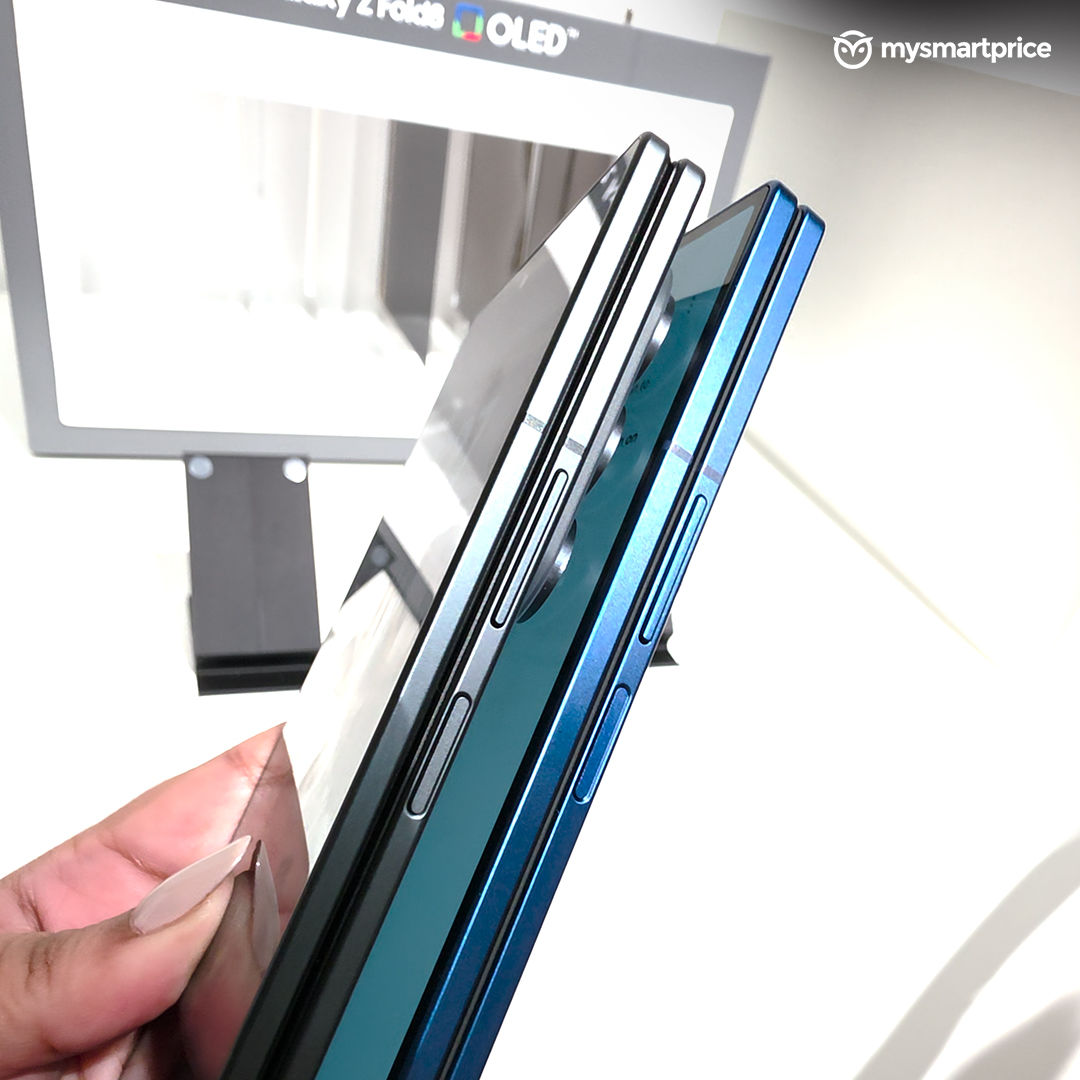
The Galaxy Z Fold8 Ultra weighs 215g, exactly the same as the Fold7. Its unfolded thickness has reduced slightly from 4.2mm to 4.1mm, although folded thickness remains unchanged at 8.9mm.
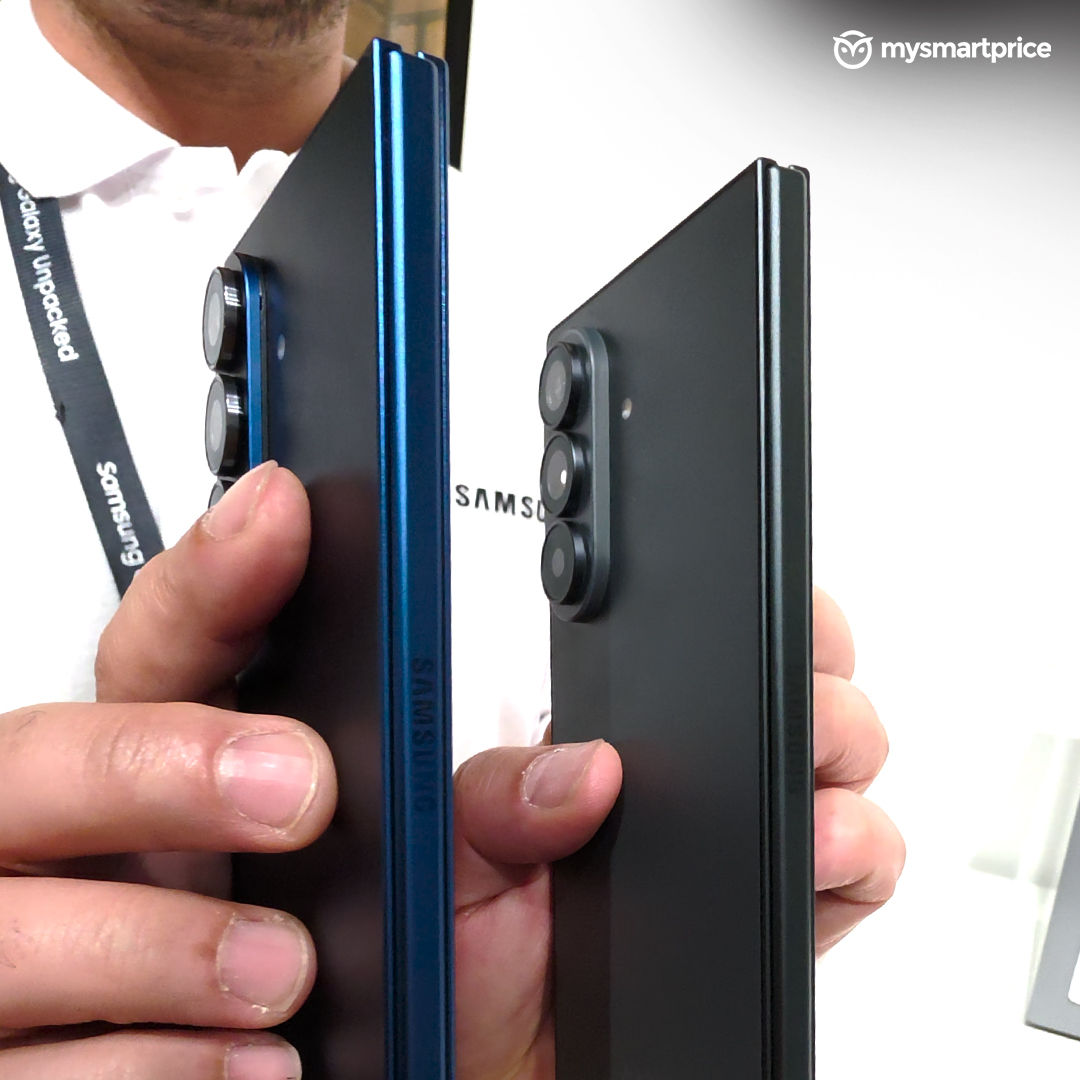
A reduction of 0.1mm is not transformational on its own. The more relevant achievement is that Samsung has fitted a larger battery, upgraded ultra-wide camera, faster charging system and new cooling structure into the device without increasing its weight.
At 215g, the Fold8 Ultra is still heavier than many conventional flagship phones, but it no longer carries the same brick-like penalty associated with earlier generations of book-style foldables. Retaining that weight while expanding the hardware makes the design improvement more meaningful than the thickness figure suggests.
4. Flex Titanium and the Brighter Display Target Real Foldable Problems
Samsung's new Flex Titanium technology introduces a titanium-based structure underneath the folding display. The company says the combination of a titanium-alloy film and an enhanced titanium plate strengthens display support, absorbs pressure and impact, and helps reduce crease visibility over time.
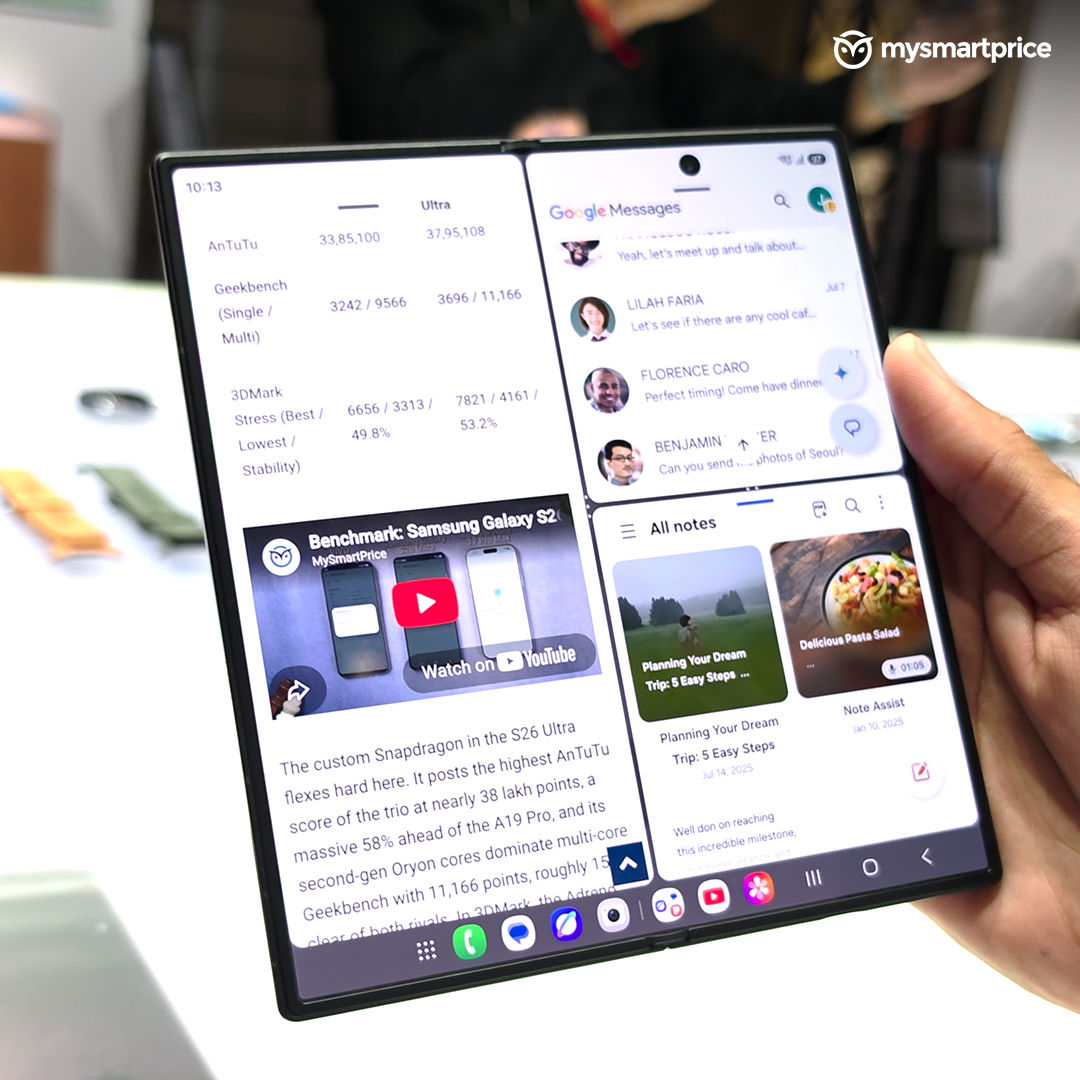
Crease visibility remains one of the defining compromises of foldable displays. Samsung is not claiming that the crease has disappeared, but improving the supporting structure and reducing its visibility over prolonged use addresses a real concern rather than adding a feature for the specification sheet.
The 8-inch main display can now reach up to 3,000 nits of brightness, compared with 2,600 nits on the Fold7. Samsung has also added a low-reflection finish alongside Vision Booster, which should make the screen easier to view outdoors and under harsh lighting.
Brightness figures are useful, but reflections often have an equally large effect on real-world visibility. Combining a brighter panel with a less reflective finish should therefore be more valuable than simply pushing the peak-nit number higher.
5. The Performance Upgrade Comes With Better Cooling
The Galaxy Z Fold8 Ultra moves from the Snapdragon 8 Elite for Galaxy to the Snapdragon 8 Elite Gen 5 for Galaxy. A current-generation flagship processor is expected on a phone at this price, but Samsung has also paid attention to the thermal system supporting it.
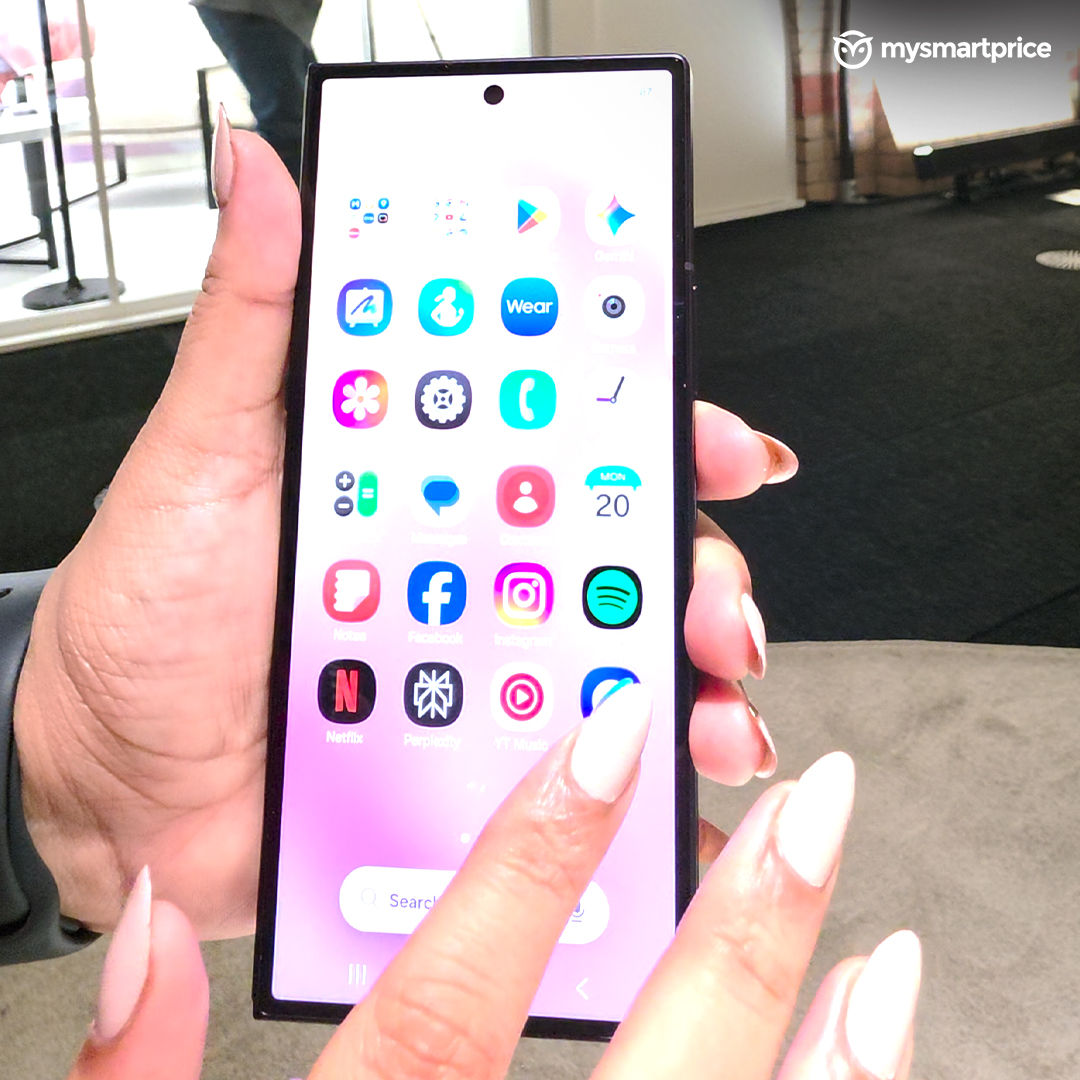
An expanded graphite cooling structure is designed to improve thermal conductivity and dissipate heat more effectively during demanding workloads. Cooling becomes particularly important in a thin foldable because there is less internal space available to spread and manage heat.
The new chipset should provide the performance required for gaming, heavier multitasking, content creation, and Galaxy AI features. Sustained performance will ultimately depend on how effectively the cooling structure works under prolonged loads, but including a larger thermal solution suggests Samsung understands that peak benchmark numbers are only one part of the experience.
Two Things I Don't Like About the Galaxy Z Fold8 Ultra
1. The Battery and Charging Upgrades Still Feel Conservative
Samsung has increased the battery capacity from 4,400mAh on the Fold7 to 5,000mAh on the Fold8 Ultra. Wired charging has received a much-needed bump from 25W to 45W, while wireless charging has moved from 15W to 20W.
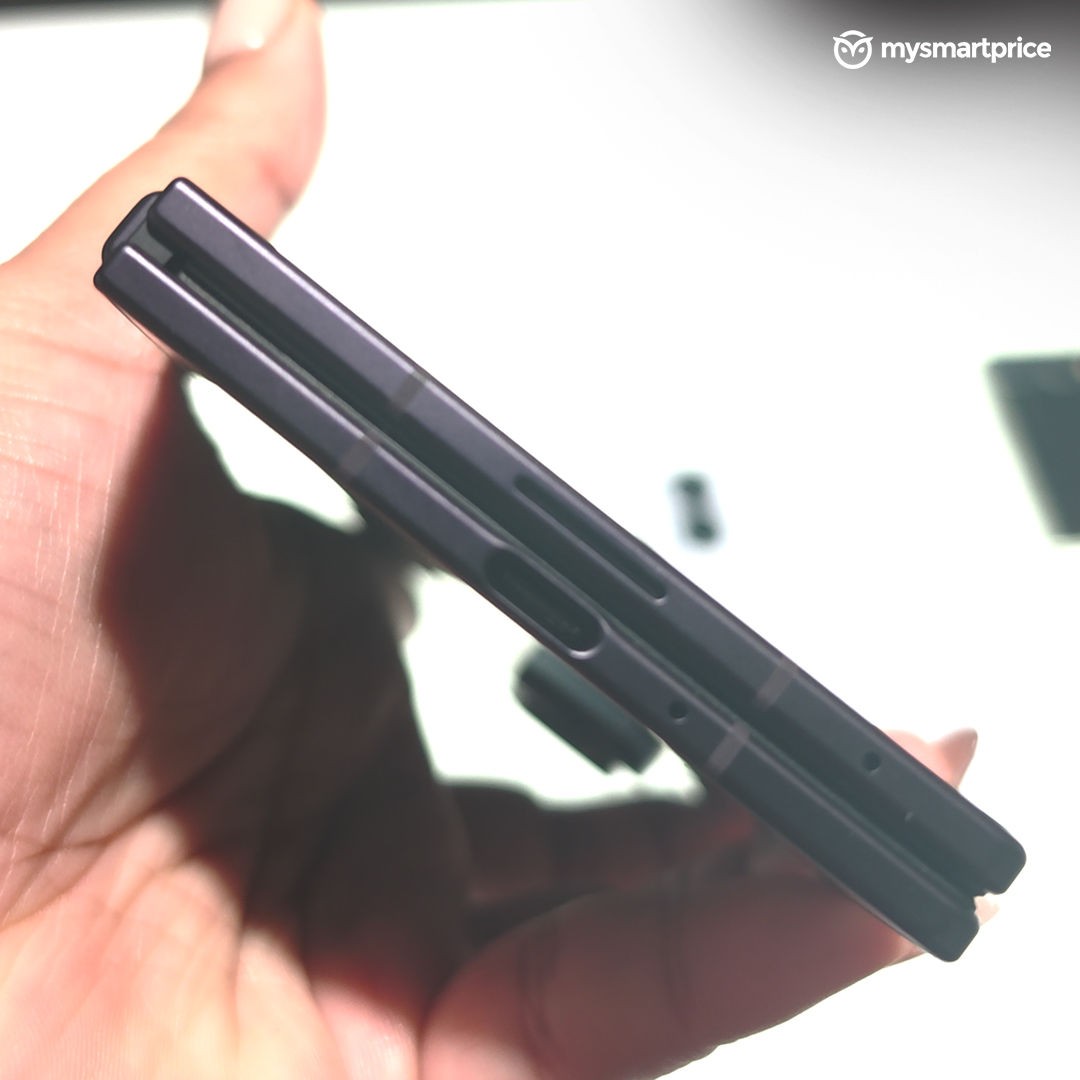
There is no denying that these are meaningful improvements. The 600mAh capacity increase is not insignificant, while the move to 45W charging should reduce one of the frustrations associated with previous Fold models. Samsung has also introduced a dual-path charging architecture designed to distribute power more efficiently across the battery system for faster and more stable charging.
The problem is that Samsung's improvements still look conservative beside competing foldables. For example, the Vivo's X Fold5 offers a 6,000mAh battery, accompanied by 80W wired and 40W wireless charging.
A 5,000mAh battery may prove adequate once the new Snapdragon platform and software optimisation are considered, but adequate is not quite the standard expected from an Ultra device costing nearly Rs 2 lakh. Samsung has finally moved battery capacity and charging in the right direction, yet rivals demonstrate that a larger battery and faster charging are possible within a modern foldable design.
The 45W charging speed sits somewhere between a positive and an area for improvement. It is a considerable upgrade over 25W and should not be dismissed, but 80W charging on a competing foldable prevents it from becoming a genuine advantage.
2. The Telephoto and Selfie Cameras Have Not Received the Ultra Treatment
Samsung has upgraded the primary camera's capabilities and made a substantial change to the ultra-wide sensor, but the rest of the camera system remains familiar.
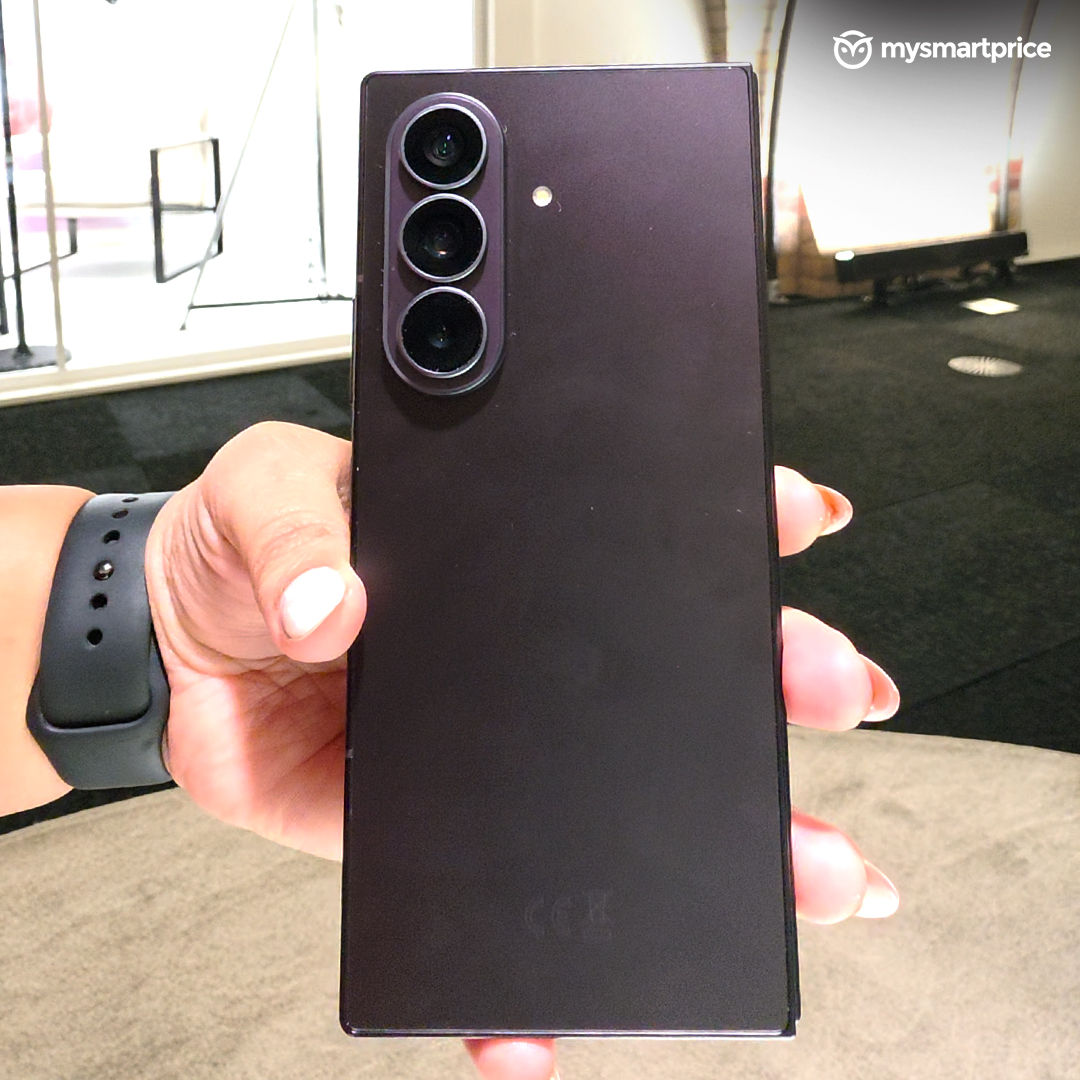
The Galaxy Z Fold8 Ultra continues to use a 10MP telephoto camera with 3x optical zoom, matching the Fold7. Its 10MP cover-screen and 10MP main-screen selfie cameras are unchanged as well.
A 3x telephoto camera remains useful for portraits and moderate zoom, but it does not feel particularly ambitious on a device carrying the Ultra name. Samsung's conventional Ultra phones have helped establish the brand's reputation for versatile zoom, so the absence of a stronger telephoto upgrade is more noticeable here.
The unchanged selfie cameras are less concerning because the Fold's cover display allows users to frame photographs with the rear cameras. Even so, users making video calls or recording content directly through the internal screen will still rely on the same 10MP hardware.
A higher-resolution telephoto sensor or longer optical zoom would have made the Fold8 Ultra's camera system feel more complete. At present, the 200MP main and 50MP ultra-wide cameras do most of the work in supporting Samsung's Ultra claim.
A Better Fold, but the Ultra Name Raises the Bar
The Galaxy Z Fold8 Ultra delivers several upgrades that address genuine weaknesses of earlier Samsung foldables. The 50MP ultra-wide camera is a substantial improvement, the video tools make the creator positioning more convincing, and Flex Titanium targets durability and crease visibility. Samsung has also managed to increase the battery, charging speed and cooling capacity without making the device heavier.
Battery capacity and charging still trail some competitors, while the unchanged telephoto and selfie cameras prevent the camera system from feeling completely new. Those limitations become harder to overlook once the Ultra badge and Rs 1,99,999 starting price enter the conversation.
Samsung has built a stronger and more complete Fold, but the new name also changes the standard by which it will be judged. The Fold8 Ultra is no longer competing only against its predecessor. It now has to prove that it deserves to be considered an Ultra flagship in every department.