Buying an AC in 2026 needs a little more thought than simply checking tonnage and the star rating sticker. With the updated BEE rating standards becoming stricter, efficiency benchmarks have changed, pushing brands to focus not only on faster cooling but also smarter power management.
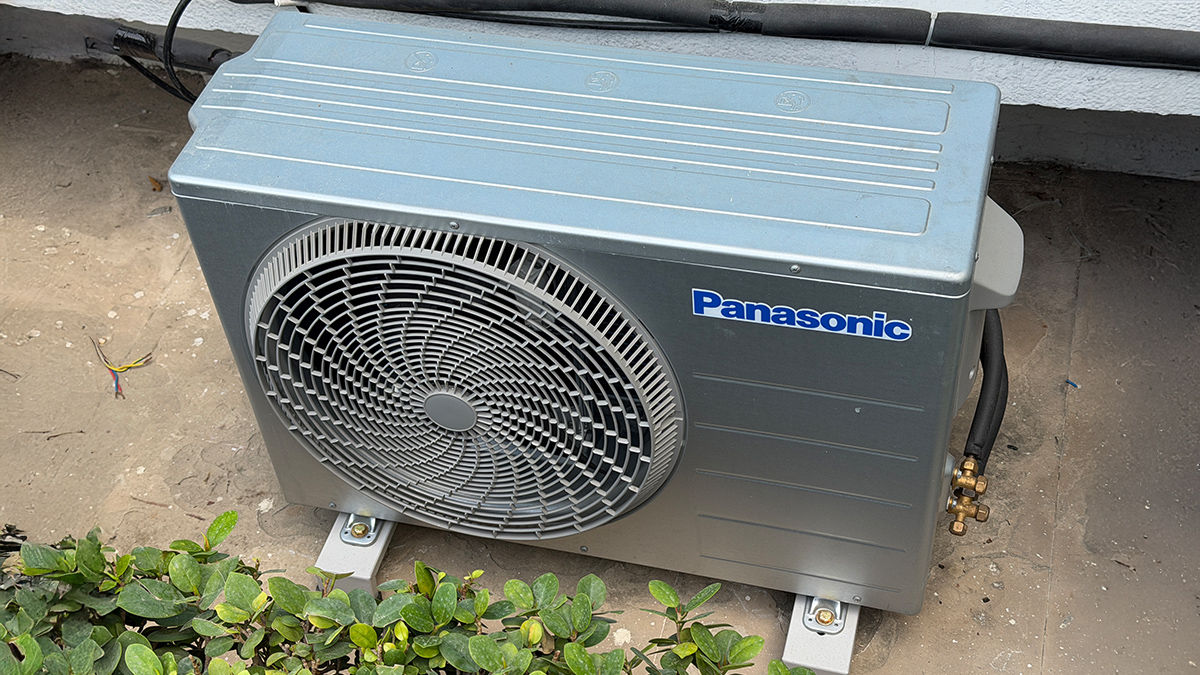
Panasonic CS/CU-EU18CKY5XFM
Rs 45,690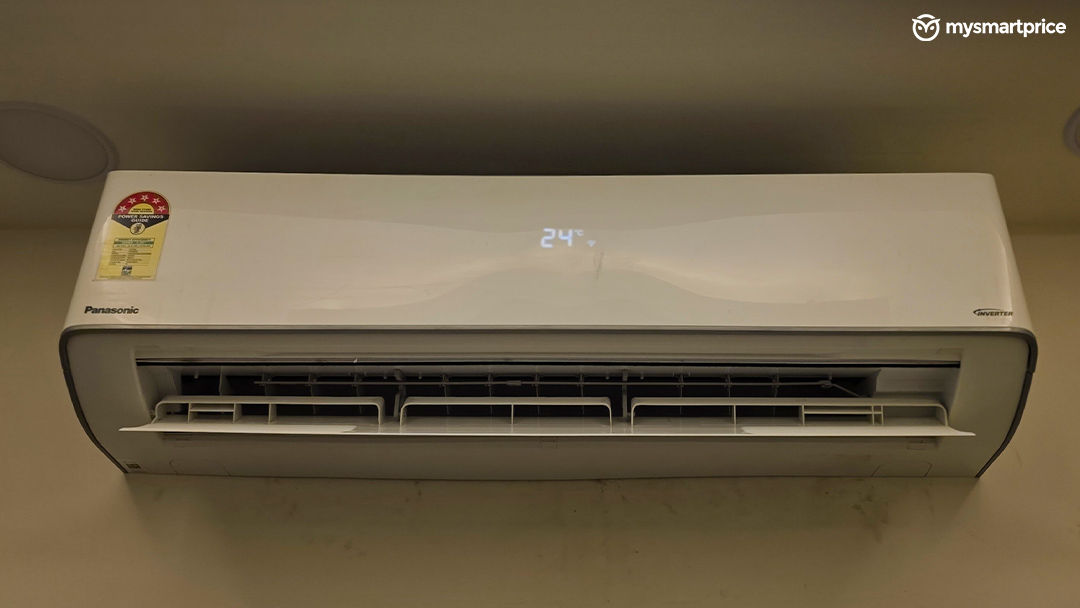
What Is Good?
- Strong cooling performance even in extreme Delhi summer conditions
- Good airflow throw
- Customisable sleep profiles offer better control for overnight usage
- Easy filter access and cleaning process
- Compact remote with tactile buttons
What Is Bad?
- Miraie app interface and response time need improvement
Modern inverter ACs now have a bigger job. They need to handle extreme summers, adapt when the weather changes, control electricity consumption, and maintain comfort without constant manual adjustments.
Panasonic’s CS/CU-EU18CKY5XFM takes that route with inverter cooling, 8-in-1 convertible modes, nanoe-G air purification, and Miraie-powered smart features. The idea is not just to cool a room, but to give users more control over how the AC performs throughout the day.
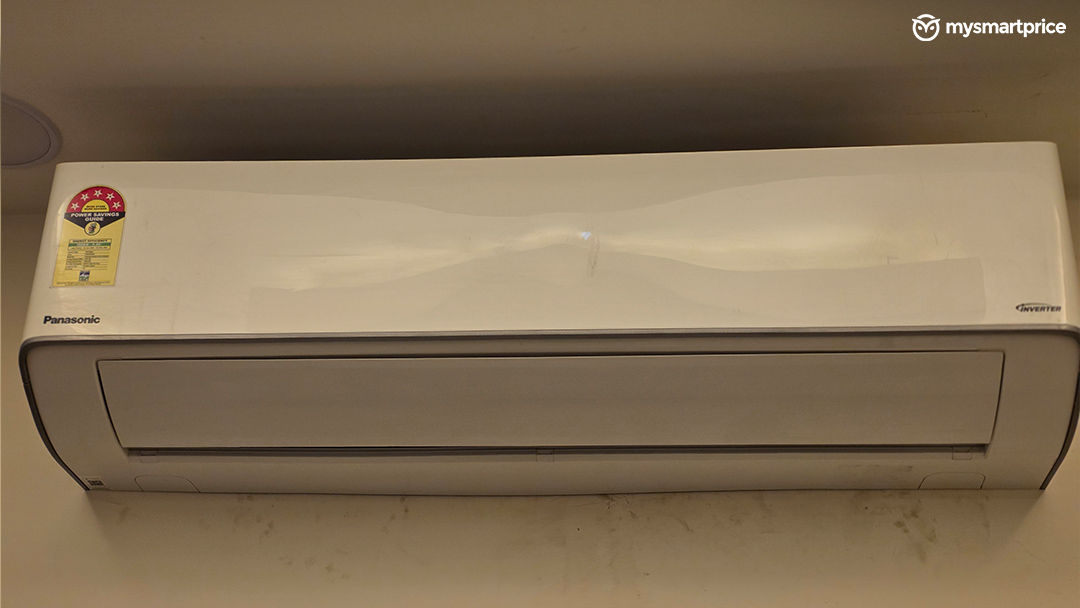
Delhi summers make for the perfect stress test. We used the Panasonic CS/CU-EU18CKY5XFM through 40-degree-plus days, sudden rain spells, and regular everyday usage to see how well it balances cooling performance, efficiency, and convenience.
Design and Build Quality
Panasonic has gone with a simple and functional design for the CS/CU-EU18CKY5XFM. The indoor unit has a clean finish that blends easily into a room instead of trying to become the centre of attention.
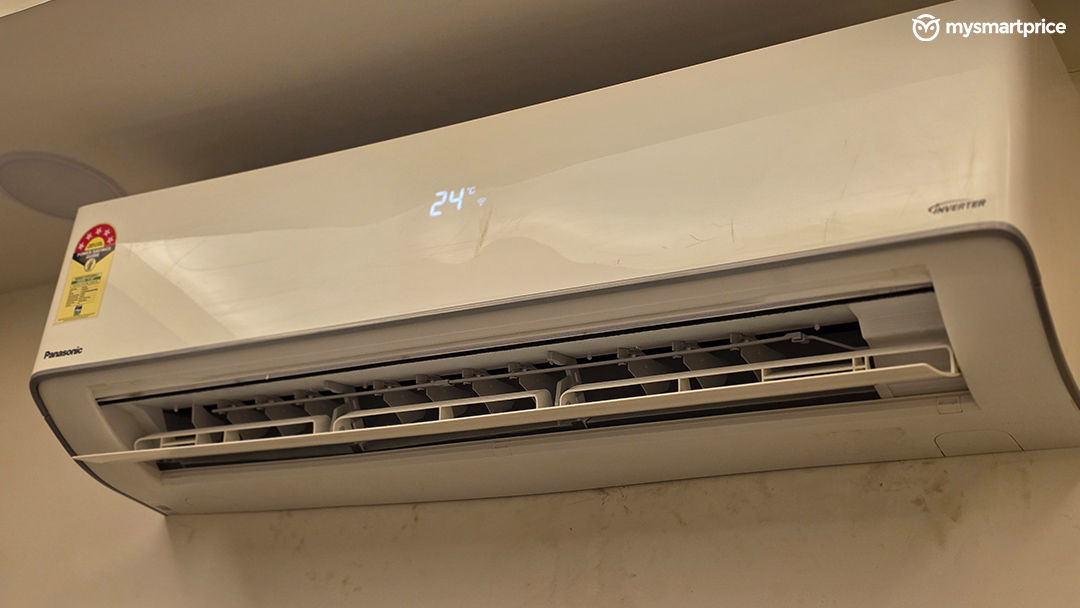
While the body is made of plastic, the build does not feel flimsy. The panels feel well put together, the fins are sturdy, and the swing mechanism operates smoothly. The airflow throw is also strong, which becomes important for larger rooms where you need cooling to reach beyond the area directly below the AC.
The display on the indoor unit is another practical touch. It remains legible even when the room is dimly lit, so checking the temperature at night does not require reaching for the remote or opening the app.
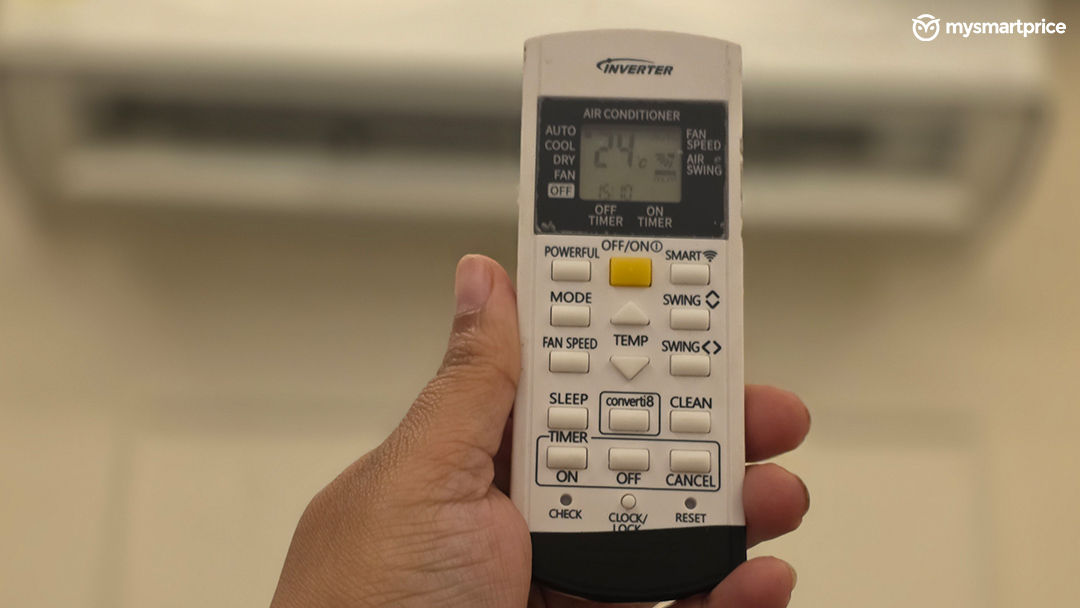
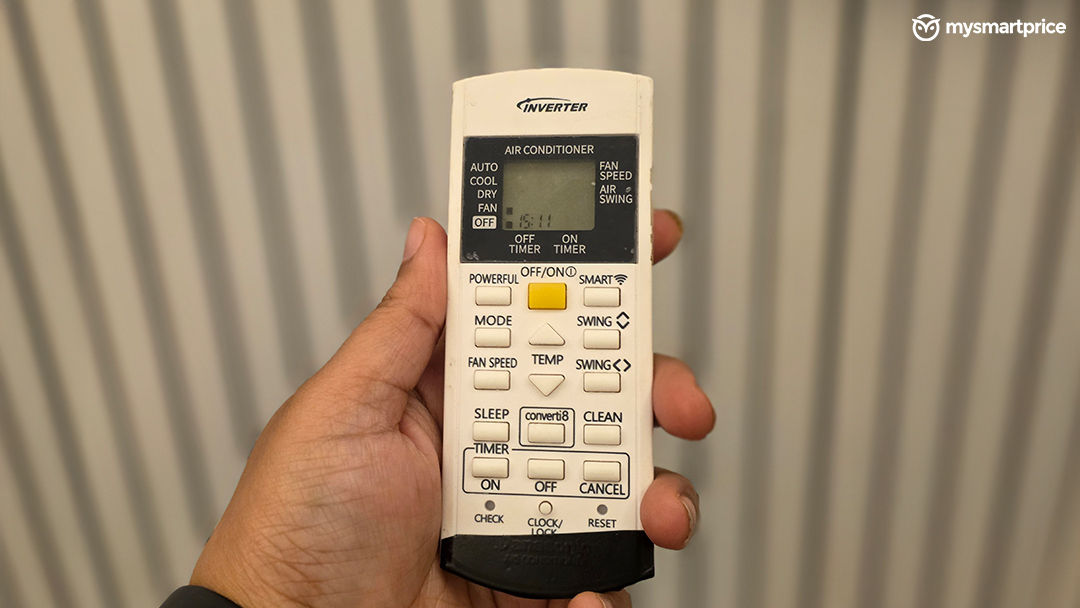
Speaking of the remote, Panasonic has kept it compact and lightweight. It is small, and honestly quite cute, but the usability has not been compromised. The buttons have good tactile feedback, and all major functions are clearly marked. The only downside of the smaller size is that it is also easier to misplace.
Cooling Performance
Delhi summers are probably one of the toughest tests for any AC, and we tested the Panasonic CS/CU-EU18CKY5XFM during peak heat conditions.
With the room temperature touching around 42°C before switching on the AC, it took approximately 20 minutes to bring it down to around 28°C, which is when the room started feeling comfortable.
The important part here is comfort. In real-world usage, an AC does not necessarily need to instantly hit the lowest temperature setting; it needs to make an unbearably hot room usable quickly, and the Panasonic manages that well.
Cooling distribution was also impressive. The airflow reached different corners of the room effectively, and during our usage, we did not notice any obvious hot pockets.
We also tested it by opening an adjoining room. As expected, cooling the extended area took longer, especially towards the far corners, but the AC was still able to push cool air beyond the main room. For a standard room setup, the air throw and swing coverage should be more than adequate.
Noise Levels
For noise testing, we measured the indoor unit using our sound meter while the AC was running at 24°C. The reading was around 53dB.

At this level, the AC is noticeable in a completely quiet environment, but the sound mostly comes from airflow. We did not hear any distracting rattling, clicking, or mechanical noises during our usage.
8-in-1 Convertible Cooling and Sleep Customisation
The 8-in-1 convertible mode is one of those features that makes more sense once you stop looking at an AC as something you only use during peak afternoons.
During extreme Delhi heat, we mostly used the AC at 100% capacity. However, cooling requirements change throughout the season. On rainy days, or when the weather becomes more comfortable, dropping the capacity to a lower setting like 40% gives enough cooling without running the AC at full output.
Convertible modes are not just about saving electricity. They are useful because the cooling requirement of the same room changes depending on weather, occupancy, and time of day.
The sleep customisation also follows a similar idea. Instead of maintaining one temperature throughout the night, you can create a profile where cooling changes depending on your preference.
However, it is not foolproof. Delhi weather can change suddenly, and if unexpected rain brings temperatures down overnight, the room can still start feeling colder than expected. Smart controls reduce the number of adjustments you make, but they cannot predict every situation.
Filters and Maintenance
Filter maintenance is something most users ignore until cooling performance starts dropping, so ease of access matters.
Opening the front panel is simple, and removing the filters does not require tools or technical knowledge. The filters feel sturdy enough for regular cleaning, which is important because users are more likely to maintain something that is easy to access.
Panasonic also offers nanoe-G air purification technology, which claims to help reduce dust and airborne particles. Considering Indian dust conditions, it is a useful additional layer, although it should not be considered a replacement for a dedicated air purifier. However, we will never recomend this as a replacement for air purifiers, especially in a city like Delhi.
Miraie App and Smart Features
The Miraie app is where Panasonic tries to make the AC experience smarter. The setup process was fairly straightforward, although not completely seamless. Pairing requires scanning the QR code on the unit, and users should ensure they download the correct Miraie app because there are similarly named apps available.
Once connected, the app gives you access to temperature controls, different cooling modes, scheduling, customised profiles, energy monitoring, cleaning options, and voice assistant support.
Remote operation worked reliably in our testing. Turning the AC on or off from outside the house was easy, and features like scheduling genuinely add convenience.
The geo-fencing feature is especially interesting because it allows the AC to switch on automatically before you reach home. You can set a distance of up to around 2km, and once you enter that area, the AC starts cooling your room.
In practice, it works well, but the distance setting needs some thought. We tested it during office commutes, where traffic is unpredictable. Some days, the AC switched on at the perfect time and the room was cool when we arrived. On heavier traffic days, it started earlier than needed because we had entered the selected zone but were still stuck on the road.
Where Panasonic needs to improve is the overall app experience. While the feature list is strong, the interface could be more fluid. Switching between modes is not always instant, and it takes some time initially to understand where every setting is placed.
Verdict
The Panasonic CS/CU-EU18CKY5XFM gets the basics right with strong cooling performance, good airflow distribution, and reliable everyday operation even in harsh Delhi conditions.
What stands out more is how much control it gives users. Features like convertible cooling, sleep profiles, energy monitoring, scheduling, and geo-fencing are not just checklist additions; they solve actual everyday AC usage problems.
The Miraie app experience still needs polishing, but the direction makes sense. Panasonic is not just trying to make an AC that cools faster. It is trying to make one that adapts better to how people actually use their ACs.