The Asus Vivobook 16 is one of the first laptops to launch in India with the latest Qualcomm Snapdragon X SoC. The Snapdragon X platform represents Qualcomm’s entry into the mainstream/affordable AI PC segment. Qualcomm made headlines at CES 2025 when they announced the Snapdragon X platform for laptops typically priced around the $600 mark, approximately Rs. 55,000 to Rs. 60,000 in India. The Asus Vivobook 16 aims precisely at this mid-range laptop segment, offering on-device AI capabilities alongside an ambitious battery-life claim of 27 hours.
Asus Vivobook 16
Rs 65,990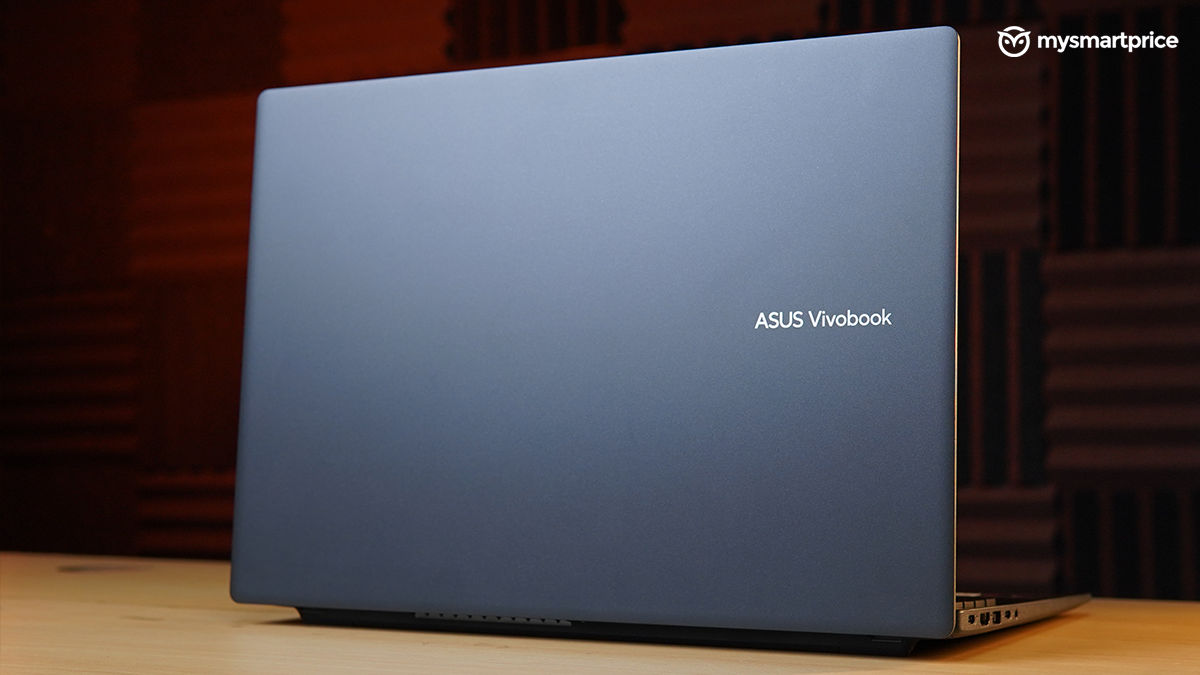
What Is Good?
- Excellent battery life
- Good performance
- Snappy at multitasking (office applications)
- Great value for efficiency seekers
- Powerful NPU for on-device AI tasks
What Is Bad?
- Display could have been better
- Average keyboard
- Expected better build quality at asking price
WoA (Windows on ARM) has already ruffled many feathers with Qualcomm’s Snapdragon X-series of ARM-based chips powering dozens of Windows laptops, claiming best-in-class power efficiency and featuring a dedicated NPU delivering 45 TOPS of AI performance. The threat to the long-standing x86 dominance in the Windows PC space is real. However, it hasn’t been smooth sailing for Qualcomm’s Snapdragon X laptops—they aren’t exactly flying off the shelves. Particularly in India, Snapdragon X laptops have been expensive, facing stiff competition from Intel and AMD-powered devices on one side and Apple’s alluring ARM-based MacBook series on the other. Apple’s recent decision to introduce the MacBook Air M4 at a reduced price further intensifies the competition.
Yet, the device I am reviewing today, priced at Rs. 65,990, seems shielded from this competition by targeting a mainstream audience, promising the Snapdragon Xperience at an affordable price. But does it have the chops to compete against Intel Core Ultra-powered laptops that have been equally aggressive with their pricing and launches? Is this super power-efficient, AI-toting laptop truly capable of delivering never-ending battery life with Windows 11? That’s exactly what I’m going to explore in my review of the Asus Vivobook 16.
Pricing and Availability in India
The Asus Vivobook 16 comes in a single variant with fixed specifications and pricing, but you do get a choice between two colors — Cool Silver and Quiet Blue.
| Variant | Price in India |
| 16GB RAM and 512GB SSD | Rs 65,990 |
You can purchase the Vivobook 16 online from Flipkart, Amazon, Croma, and Asus’s e-store, each offering the laptop at the same price of Rs. 65,990. At launch, Asus and Qualcomm advertised quick delivery through Flipkart Minutes, but as of writing this review, that option isn’t visible on Flipkart.
Performance and Battery Life
The star feature of the Asus Vivobook 16 is undoubtedly the Qualcomm Snapdragon X chip inside. The Snapdragon X SoC features an 8-core ARM-based Oryon CPU, with slightly reduced clock speeds and cache compared to higher-end models like the Snapdragon X Plus and Elite. Its integrated Adreno GPU provides modest graphics performance (up to 1.7 TFLOPS), lower than the X Plus (3.8 TFLOPS) and Elite (4.6 TFLOPS).

However, it retains the same AI processing capability (45 TOPS) as its higher-tier counterparts, emphasizing battery life and efficiency over raw performance. Thanks to its lower specification, the Snapdragon X maintains a low TDP range of 15W–30W, enabling the Vivobook 16 to boast a remarkable 27-hour battery life even on a modest 50Wh battery. Let’s take a closer look at the specifications, pricing, and other aspects of the Asus Vivobook 16.
| Hardware | Specification |
| CPU | Qualcomm Snapdragon X- X1 26 100 (Oryon CPU architecture, 8 cores, 30MB cache, max 3.0GHz) |
| GPU | Qualcomm Adreno GPU |
| NPU | Qualcomm Hexagon NPU (45TOPS) |
| RAM | 16 GB LPDDR5X, 8448MHz |
| Storage | 512GB, M.2, PCIe 4.0 NVMe SSD |
| Connectivity | Wi-Fi 6E, Bluetooth 5.3 |
Unlike all our other reviews, I’m jumping straight into performance and battery life, because that’s exactly what matters most for prospective Asus Vivobook 16 buyers.
The Qualcomm Snapdragon X is impressively efficient yet delivers solid performance. If your workflow revolves around browser-based applications, you’ll appreciate the laptop’s smooth, responsive performance. I typically have about three Microsoft Edge browser instances open, each loaded with 70-90 tabs. Even on laptops with higher specs, I sometimes experience minor lags, but surprisingly, the Vivobook 16 handled this without any noticeable lag or delays—truly impressive. While the 8-core Snapdragon isn’t a benchmark winner, it holds its ground easily for everyday tasks.
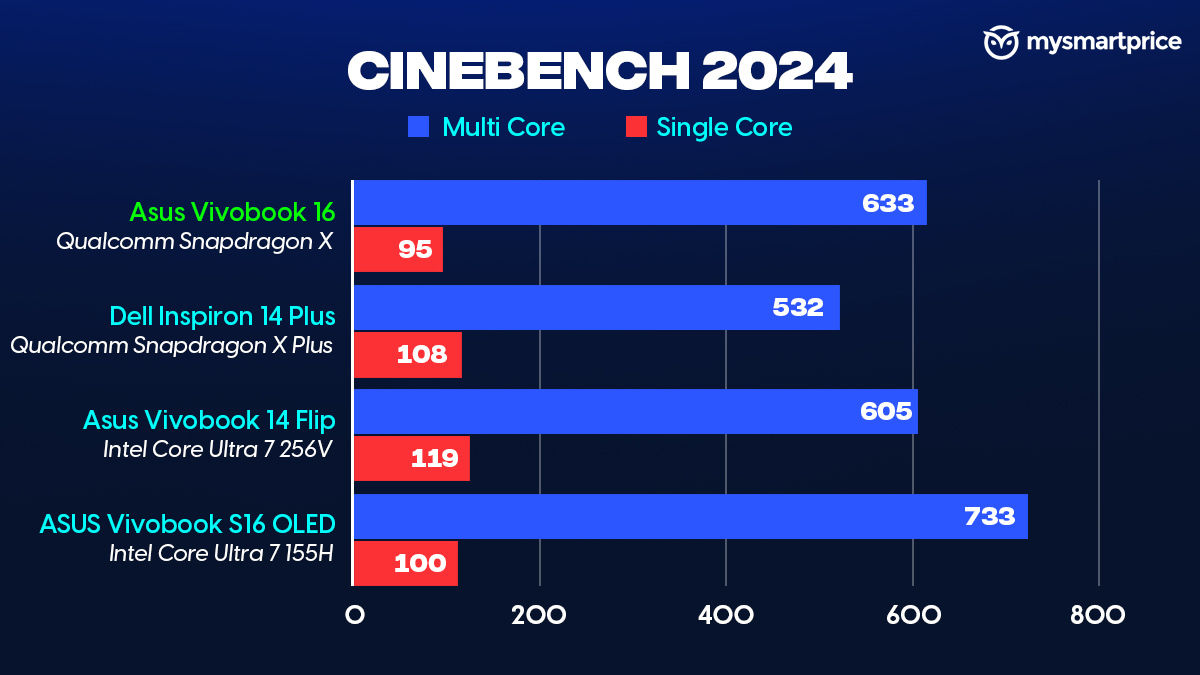
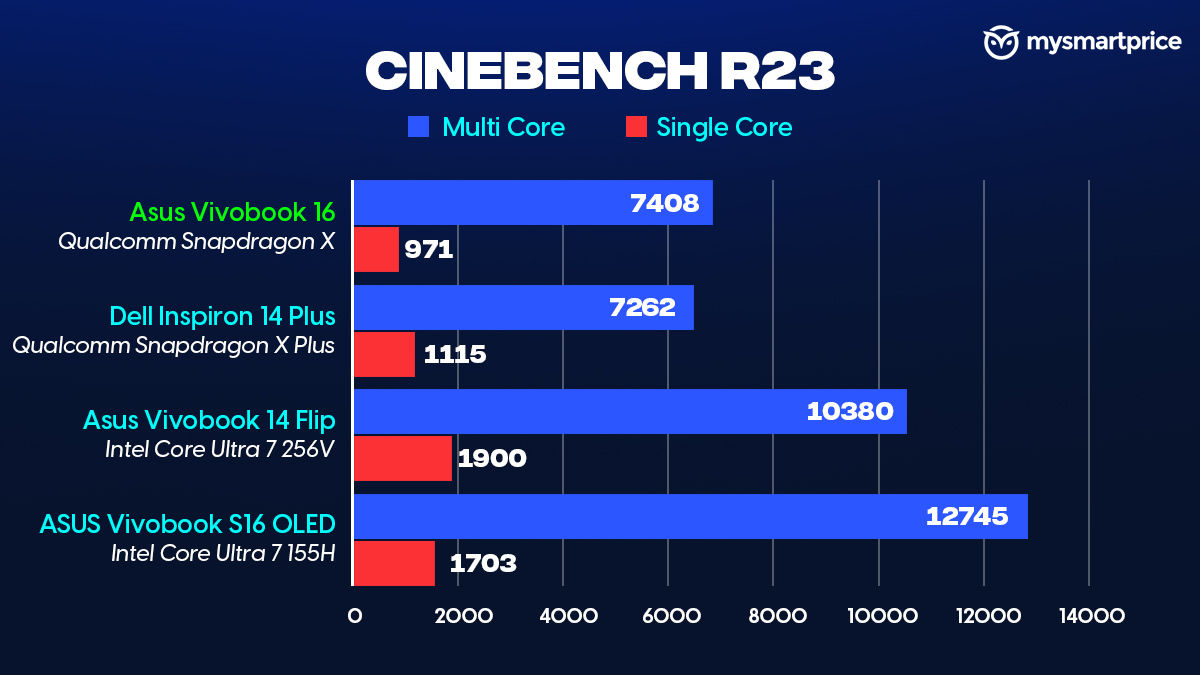
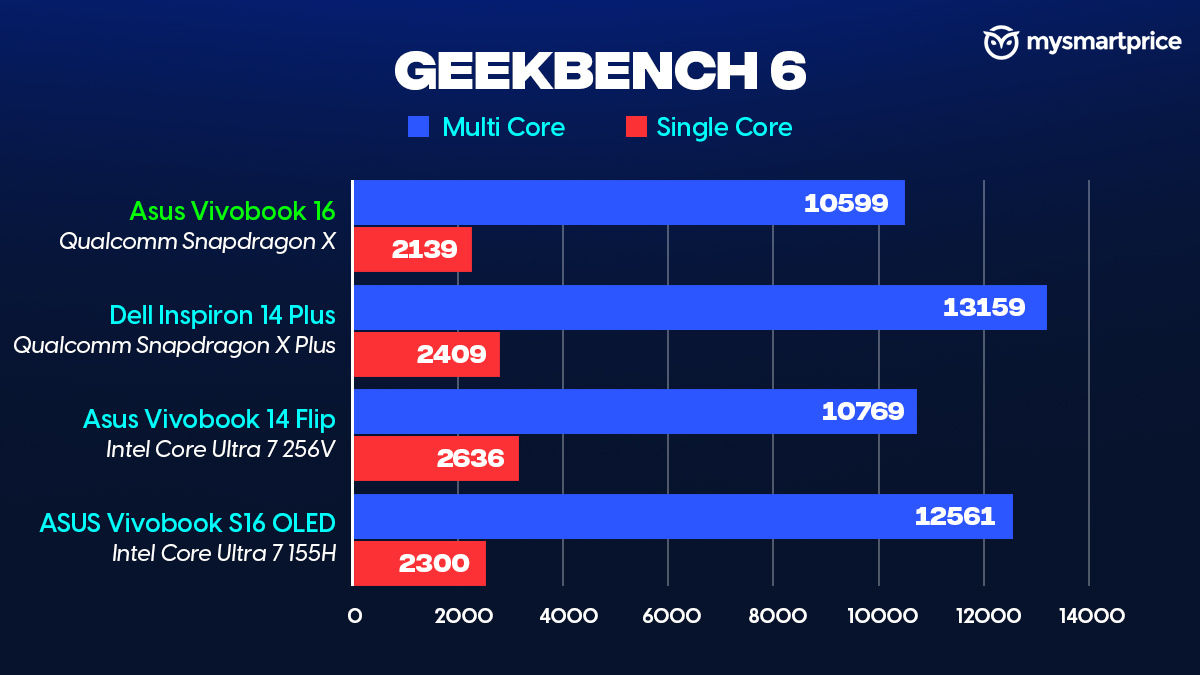
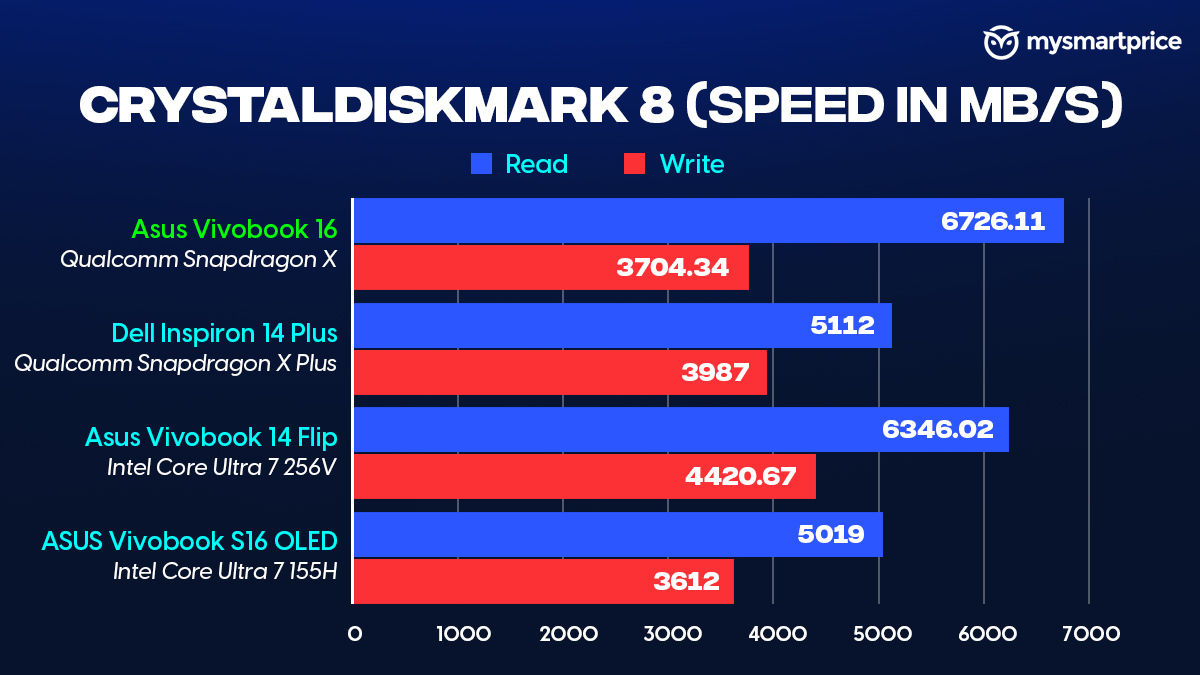
It manages performance gracefully even under battery power, and the fan noise, though audible, never becomes intrusive. The system remained cool even during rigorous benchmarks conducted at ambient temperatures of 25-30°C. When tested by Shubham Raheja, our managing editor who routinely performs heavy 4K edits in Adobe Premiere Pro, the Vivobook 16 completed the renders respectably—not blazing fast, but certainly capable.

| Battery | Specifications |
| Capacity | 50WHr |
| Charging | 65W fast charging |
| PCMark Battery Life | 20 hours and 35 minutes |
Battery life is undeniably Vivobook 16’s strongest feature. With 20 hours and 35 minutes logged on PC Mark, this is undoubtedly the most efficient laptop with a dedicated NPU you can get at this price. During my typical office workday, involving dozens of tabs and hours of video calls, I managed a solid 18 hours of usage at 80% brightness across two full days. When unplugged, performance stayed consistently strong—a real standout feature.

We can’t skip discussing the Vivobook 16’s AI capability. Its dedicated Qualcomm Hexagon NPU, rated at up to 45 TOPS, certainly adds appeal. I tested on-device AI via CoPilot and found the live translation accurate enough, though not perfect. Cocreator also performed reasonably, showcasing the real power-saving advantage of the NPU compared to GPU-based tasks. Deeper integration of AI into Windows 11 could unlock even greater potential. Overall, the Vivobook 16 comfortably supports your on-device generative AI experiments.
Display, Design, and Build Quality
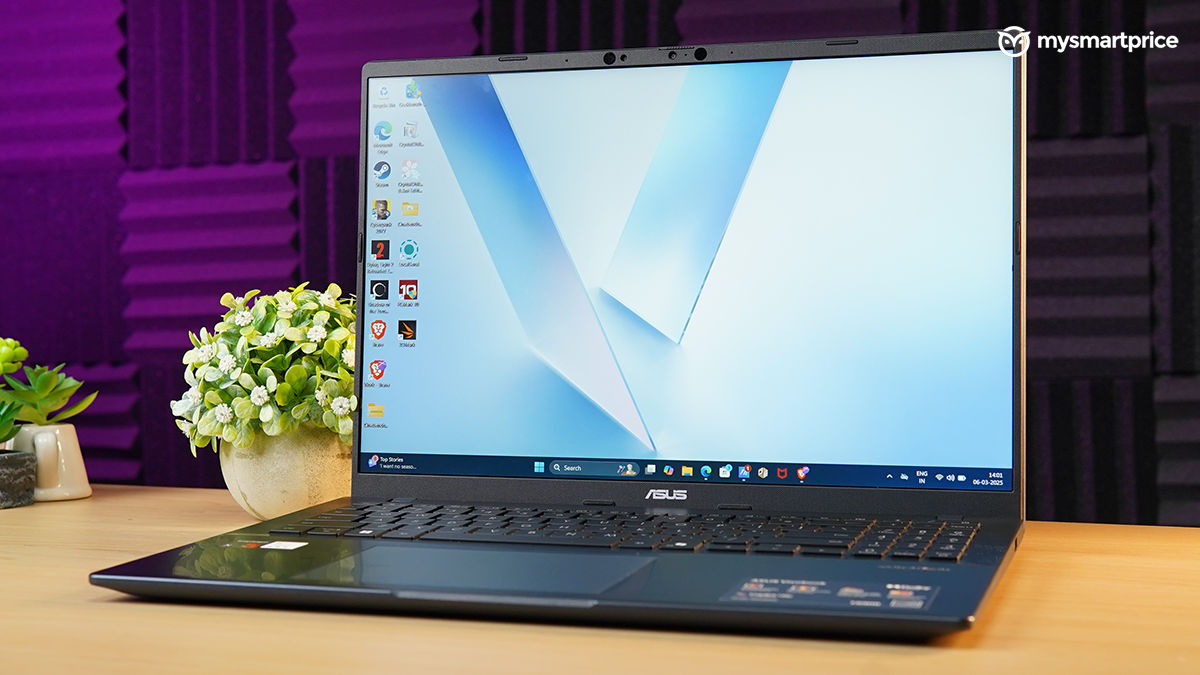
The 16-inch display is fairly basic—far from the OLED displays Asus typically offers. At 300 nits brightness and a 1080p resolution, it’s functional but not impressive. The 45% NTSC gamut limits creative work, and rapid scrolling reveals some lag due to the 60Hz refresh rate. For Rs. 65,990, Asus could have offered a better panel, perhaps the 144Hz screen from the similarly priced Vivobook 16X.
| Display | Specifications |
| Type | IPS display |
| Size | 16-inch |
| Aspect ratio | 16:10 |
| Resolution | 1920×1200 pixels |
| Refresh rate | 60Hz |
| Screen brightness | 300 nits |
| Colour gamut | 45% NTSC support |
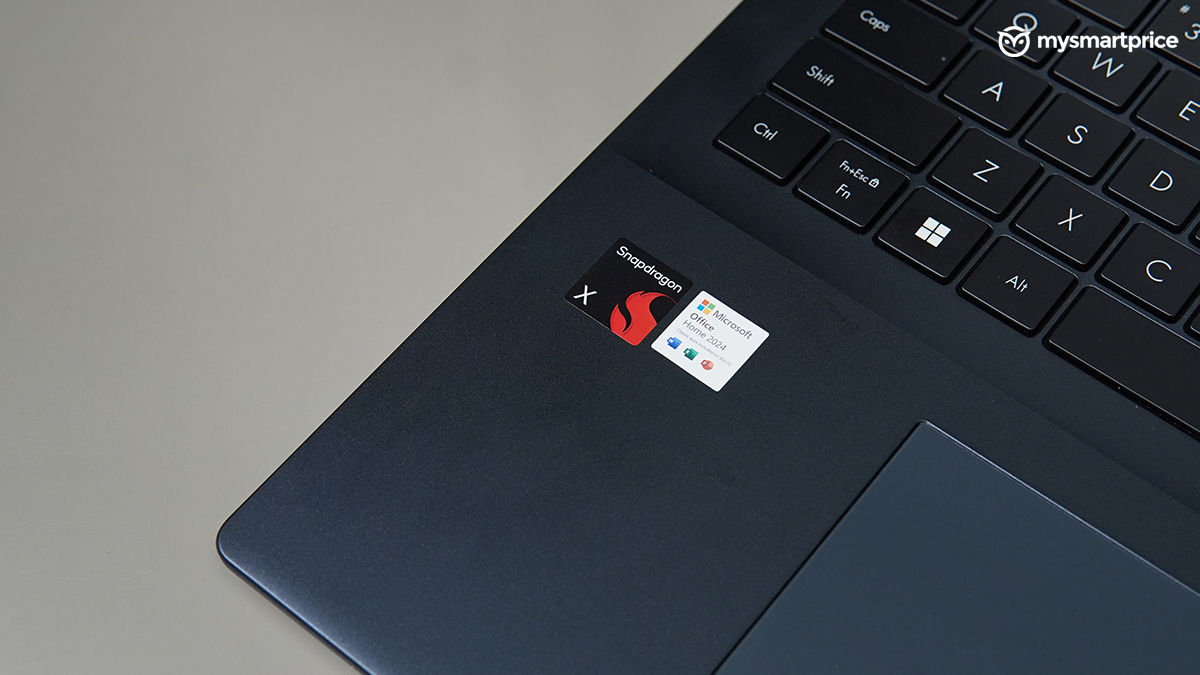
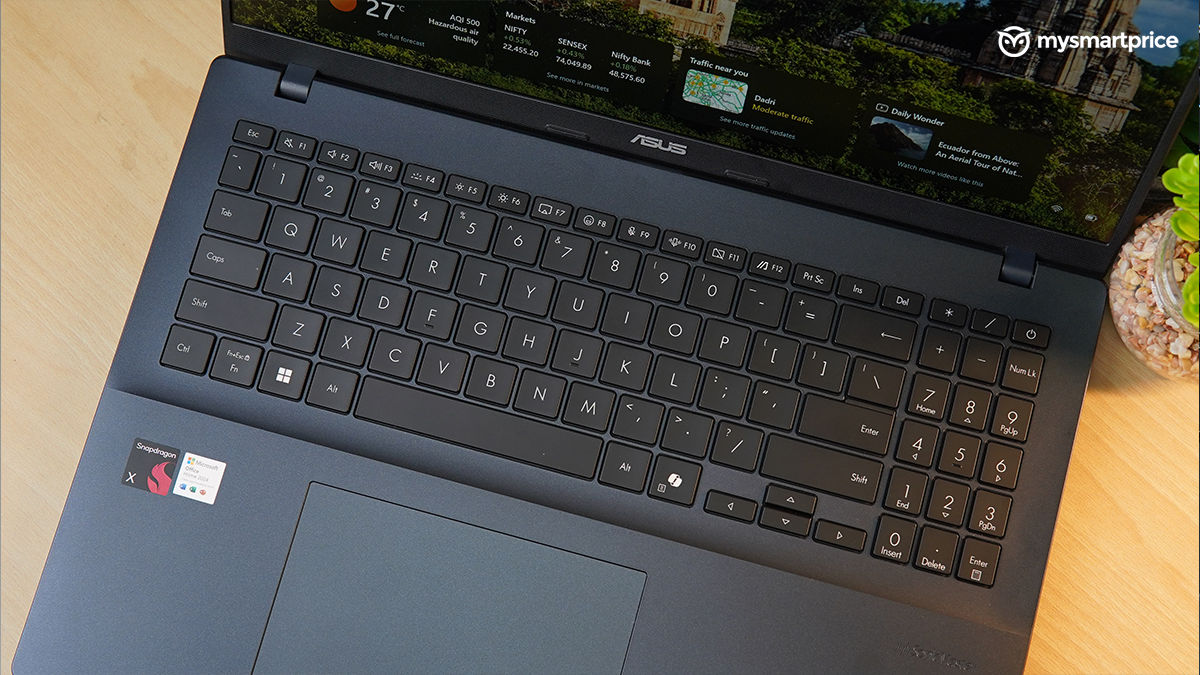
Design-wise, the laptop manages its 16-inch form factor fairly well, though it’s heavier and bulkier than rivals. The plastic build and chassis flex were slightly disappointing at this price. The keyboard felt mushy, lacked feedback, and showed noticeable flex in the center—a letdown at this price point.
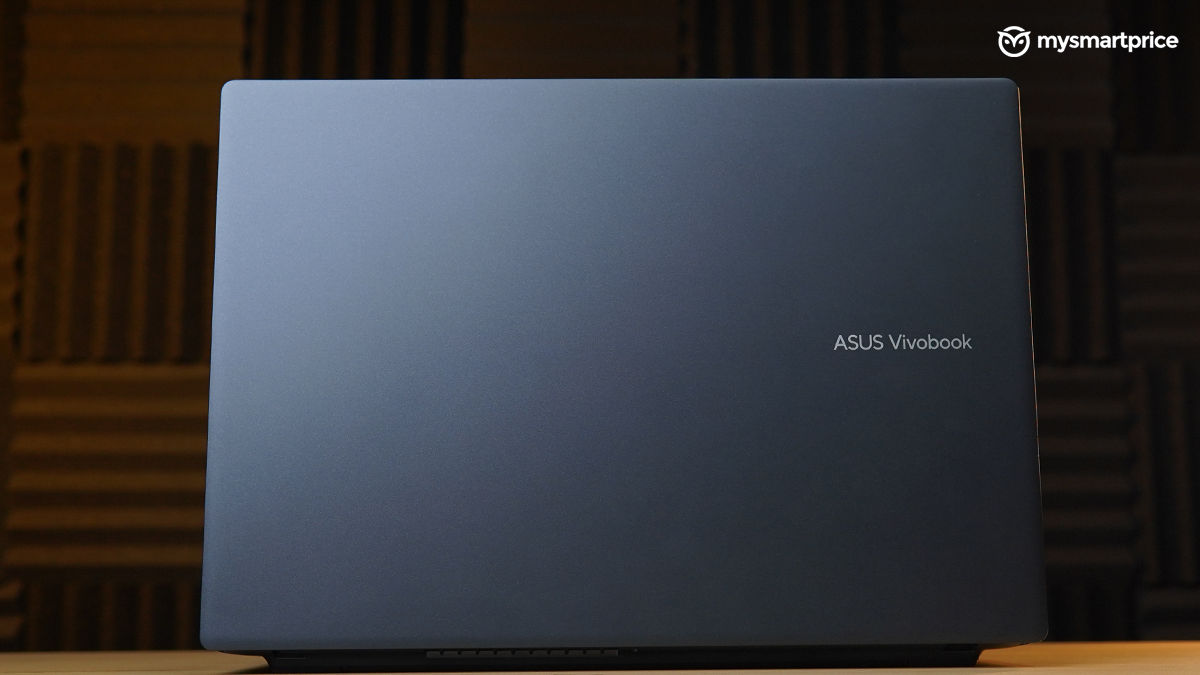
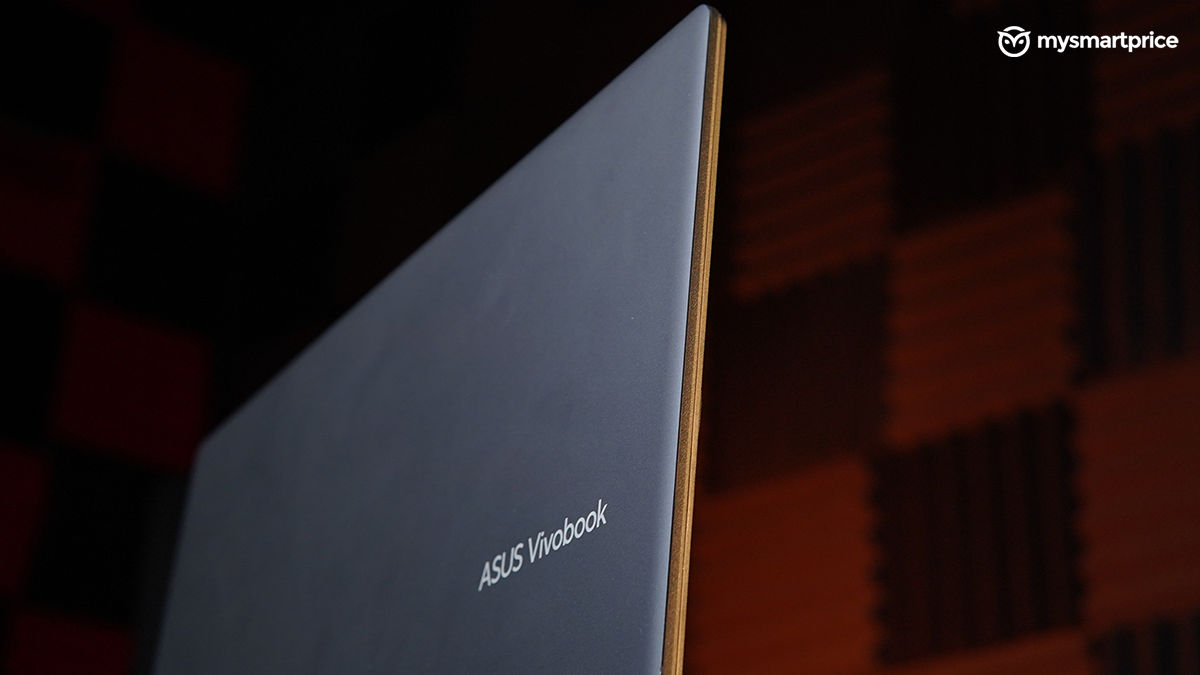
| Design | Specification |
| Dimensions | 35.70 x 25.06 x 1.79 ~ 1.99 cm |
| Weight | 1.88kg |
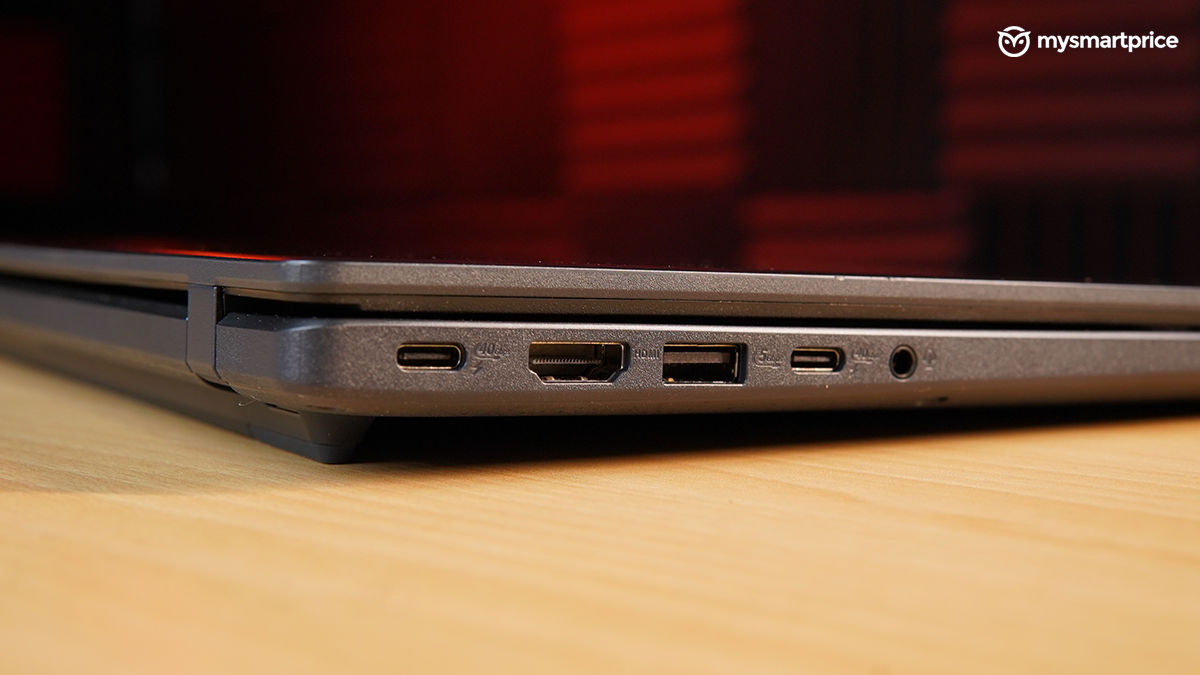
| Ports | 2x USB 3.2 Gen 1 Type-A, 2x USB 4.0 Gen 3 Type-C, 1x HDMI 2.1 TMDS, 3.5mm audio jack |
The large trackpad performs gestures well and cleverly includes brightness and volume controls. However, there’s noticeable flex and noisy clicks, minor annoyances that should have been ironed out at this price.
Sound and Webcam
Audio quality from the Vivobook 16’s speakers is decent for everyday use but lacks real depth or immersion despite the Dolby Atmos branding. It works fine for calls and casual media but won’t impress audiophiles.
The 1080p webcam offers excellent performance across varying lighting conditions. Adaptive Dimming and Adaptive Lock are thoughtful additions, enhancing both privacy and battery efficiency effectively during my tests.
Verdict
Buy the Asus Vivobook 16 for its phenomenal battery life and reliable everyday performance. Ideal for students and professionals, it outperforms many pricier laptops in battery efficiency. Yet, it’s not suited for demanding graphics tasks or gaming due to its modest GPU. At Rs 65,990, the display and keyboard quality fall slightly short. Overall, the Qualcomm Snapdragon X platform shows promise, and I’m eager to test more laptops powered by it, particularly in the thin-and-light category.