The Pixel 9 series takes the Pixel lineup in a whole new direction. With the Google Pixel 9 Pro XL, you’re looking at an AI powerhouse, stunning design, the fresh Tensor G4 chip, and a triple-camera setup on the back, plus a significant selfie camera upgrade this year. While the software is as clean as ever, it’s disappointing that Android 15 didn’t roll out with this device—a real letdown for a new series.
Google Pixel 9 Pro XL
Rs 1,24,999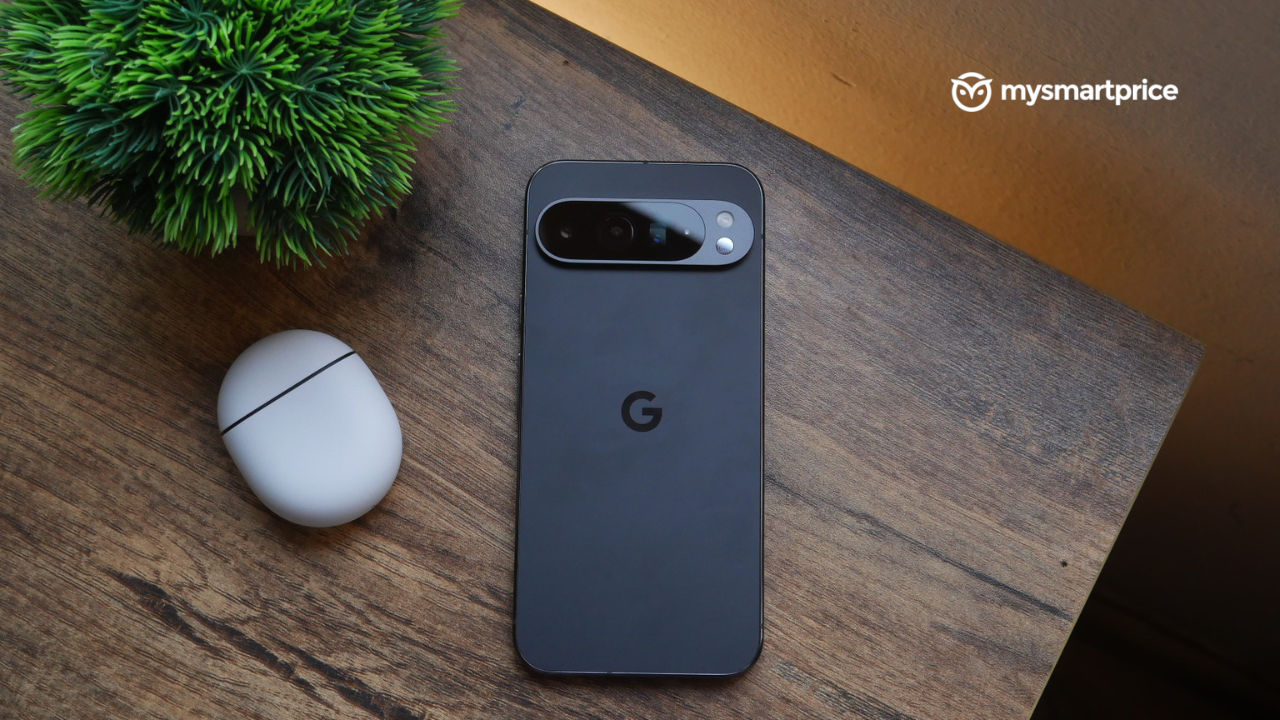
What Is Good?
- Attractive design, slick camera bump
- Useful AI features
- Clean UI, 7 years of Android support
- Extraordinary selfie camera
- Reliable battery life
- Good for everyday functionality
What Is Bad?
- Gets toasty under heavy load
- No dolby vision and dolby atmos support
- Pricey
- Better options for performance-based smartphones
So, is this device really worth Rs 1,24,999 just for its AI bells and whistles? Let’s dig into my review and see if it lives up to the hype.
Pricing and Availability in India
The Google Pixel 9 Pro XL is available in two variants on Flipkart, Croma and Reliance Digital.
| Variant | Pricing |
| 16GB RAM + 256GB Storage | Rs 1,24,999 |
| 16GB RAM + 512GB Storage | Rs 1,39,999 |
Design and Display
The Pixel 9 series’ new design language is a real showstopper. It was about time the company stepped up, considering how important first impressions are when choosing a phone, and they have delivered.

The camera bump is REAL—yep it’s thick enough that the phone literally tilts when lying on a flat surface.
I got my hands on the Obsidian colourway, and the back panel has this interesting finish, not quite matte, not quite glossy, but undeniably premium. Sadly, the back panel is a fingerprint magnet. Plus, much like the black iPhones, the colour has started fading a bit, which is more than a little annoying.
| Design | Specifications |
| Weight | 221 grams |
| Thickness | 8.5mm |
| Colours | Porcelain, Rose Quartz, Hazel and Obsidian |
| IP Rating | IP68 |
| Port and Button Placements | Bottom: SIM tray, Primary microphone, USB port, Speaker grilleTop: Secondary microphone
Right Side: Power button and volume buttons |
The weight on this phone is well-distributed—yes, it’s hefty, but not to the point of feeling cumbersome.
Even after using this phone for a while, I just can’t get used to the button layout. The power button sits above the volume buttons on the right side, and that’s not my usual setup. It might take you a bit of time to get the hang of it too. Plus, the frames are super glossy, but surprisingly, I never had a slip-up with it slipping out of my hand.
| Display | Specifications |
|---|---|
| Size | 6.8-inch |
| Type | Super Actua LTPO display |
| Resolution | 1344 x 2992 pixels |
| Refresh Rate | 120Hz |
| Peak Brightness | Claimed: 3000 nits Tested: 1982 nits |
| Minimum Brightness | 16 nits |
The bezels are so evenly spaced and thin, sometimes I forget they’re even there. But the selfie camera on the display is a bit larger than usual. Thankfully, you get both facial recognition and an in-display fingerprint sensor for added security.
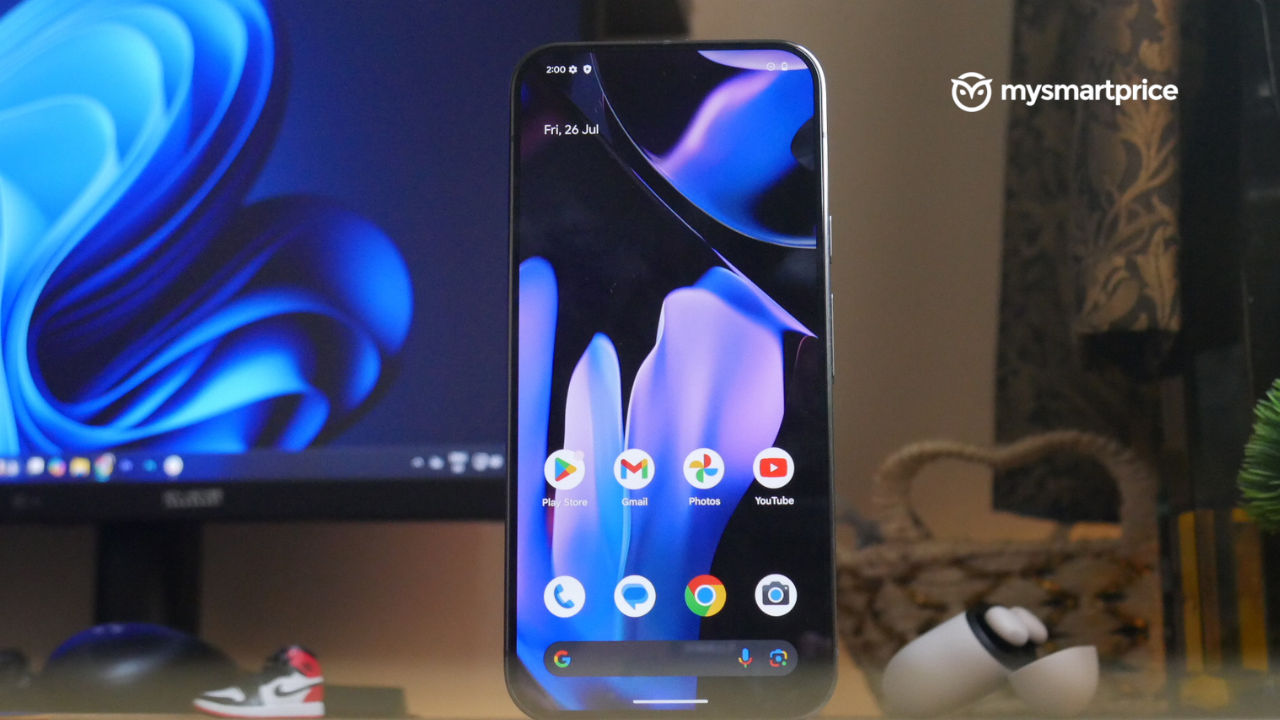
When it comes to the display, it’s excellent for video watching, but it doesn’t support Dolby Vision. On the bright side, it does offer Widevine L1 and HDR10 support, which is definitely a plus. Still, having high dynamic range technology would’ve provided a realistic viewing experience.
To top it off, Dolby Atmos is also missing on this flagship. The speakers aren’t terrible, but they’re far from the best. When I cranked up the volume, I could actually feel the vibrations, both in my hand and on the table when the phone was sitting on it.
Hardware and Software
Let’s be real—if you’re hunting for a performance-driven smartphone, you might want to look elsewhere. Both the OnePlus 12 and iQOO 12 are priced lower and deliver extraordinary performance. If you’re looking for a performance smartphone in a similar price range as the Pixel 9 Pro XL, the Samsung Galaxy S24 Ultra is also worth considering.
The Tensor G4 SoC does outshine its predecessor, the Tensor G3, but it still doesn’t top the charts.
| Hardware | Specifications |
| Processor | Google Tensor G4 |
| RAM | Up to 16GB |
| Storage | Up to 512GB |
| Storage Test | 1025763 |
| CPU Throttling Test | 44 per cent of its max performance |
| Software Version | Android 14 |
| Connectivity Details | Dual-band Wi-Fi, Bluetooth 5.3 |
What caught me off guard during testing was the CPU throttling; check out the table above to see how this phone fared. And it doesn’t stop there—the Pixel 9 Pro XL heated up quite a bit too, which is definitely a concern.
In the Antutu v10 benchmark, it did manage to cross the 1 million mark, but it still trails behind the iQOO 12, OnePlus 12, Xiaomi 14, Xiaomi 14 Ultra, and the Samsung Galaxy S24 Ultra.
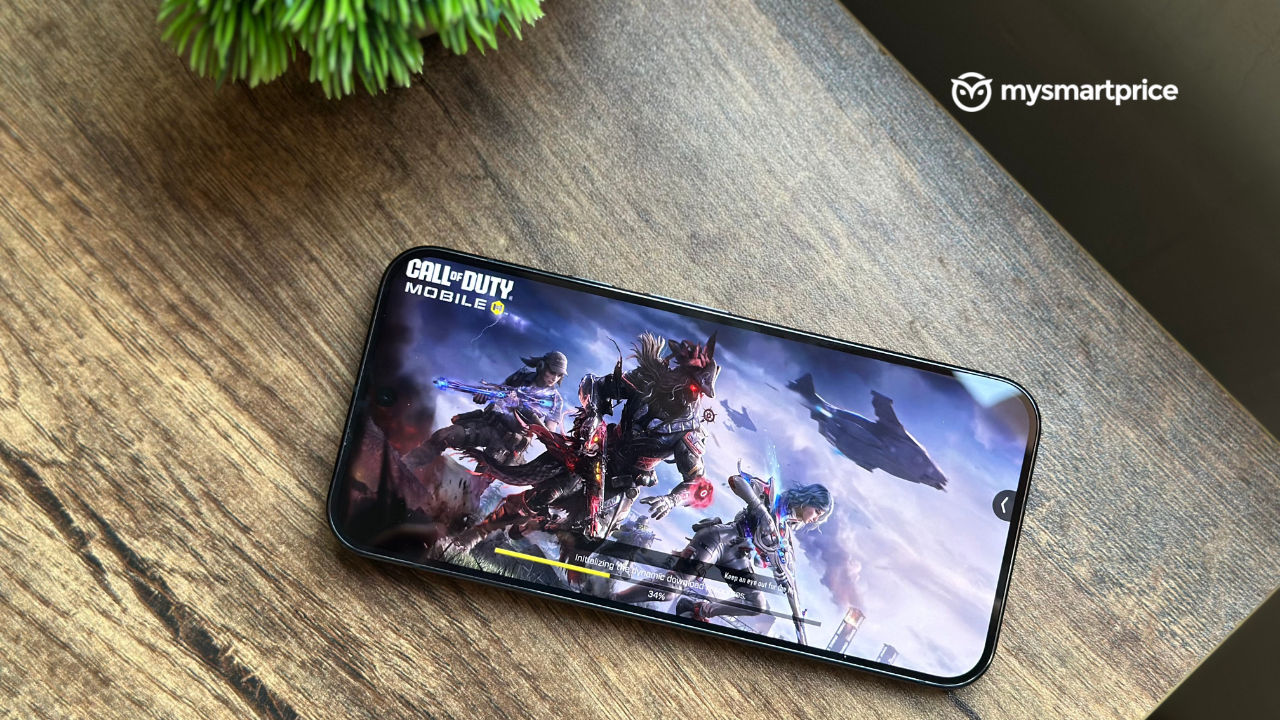
Daily usage was smooth sailing—I didn’t run into any issues, and everything worked as expected with no lags. During gaming, this phone reached 120fps on Medium and Ultra settings in Call of Duty: Mobile. The gameplay was fluid, but the camera bump and the top part of the phone got uncomfortably hot after just two sessions. So, heavy performance users may want to look elsewhere.
Now, let’s talk about my favourite aspect of this phone—the software, and particularly the AI. This is one area where Google absolutely shines, and frankly, no one else has matched them yet. The user interface is impressively clean, devoid of bloatware and pesky spam notifications. If I ever decide to trade in my iPhone for an Android device, the Pixel would be my only consideration, as a streamlined software experience is a top priority for me.
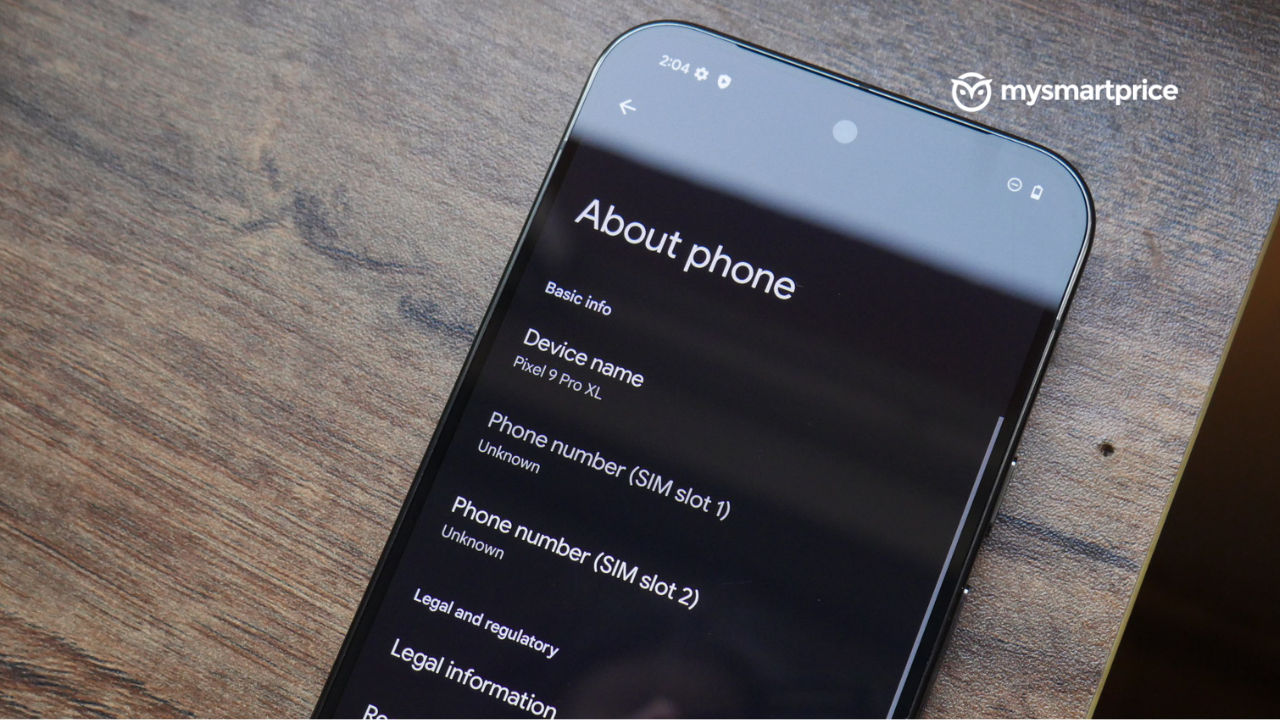
It’s all about the AI, and features like Add Me, Pixel Screenshots, Pixel Studio, and others, function exceptionally well. If you’re curious for more details, check out our Google Pixel 9 review, where we break down these features and share how effectively they worked for us.
Cameras
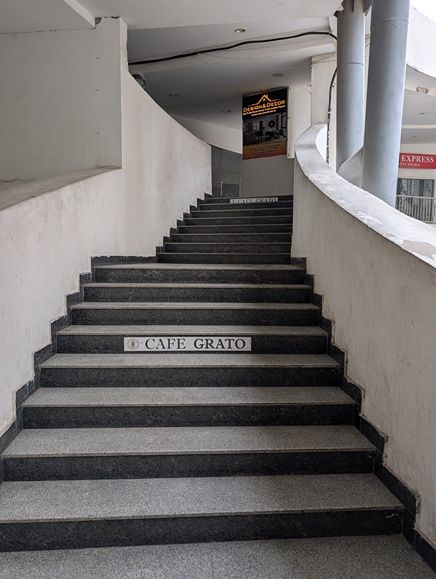
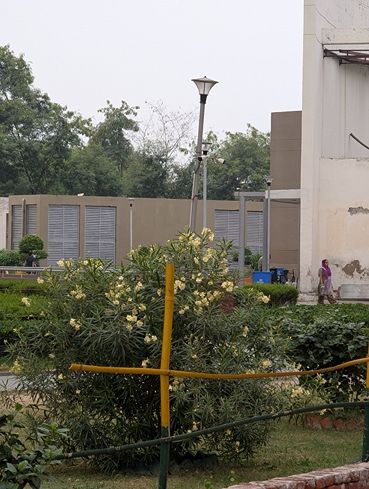
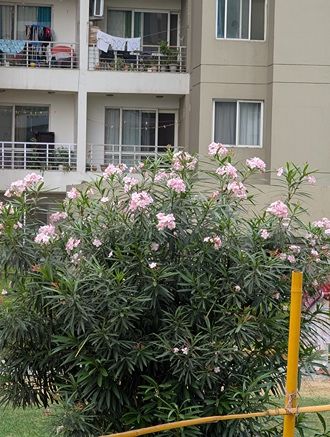
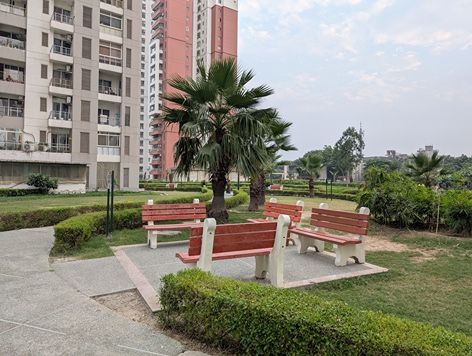
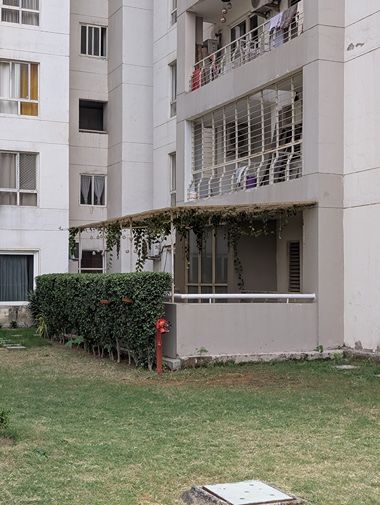
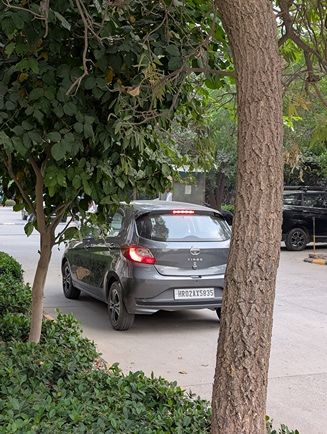
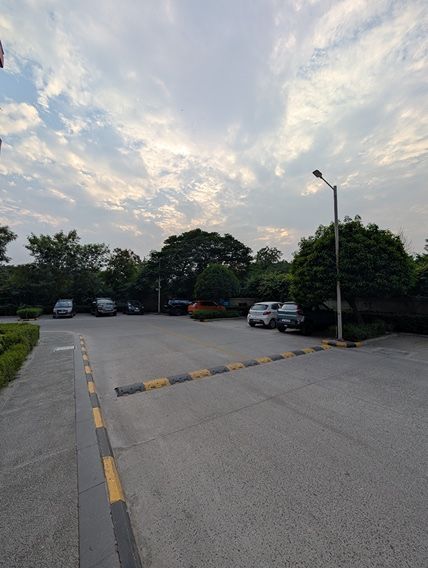
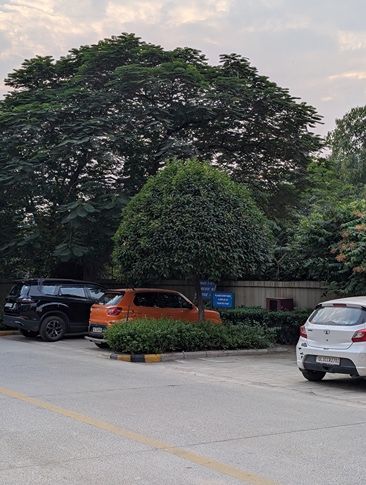
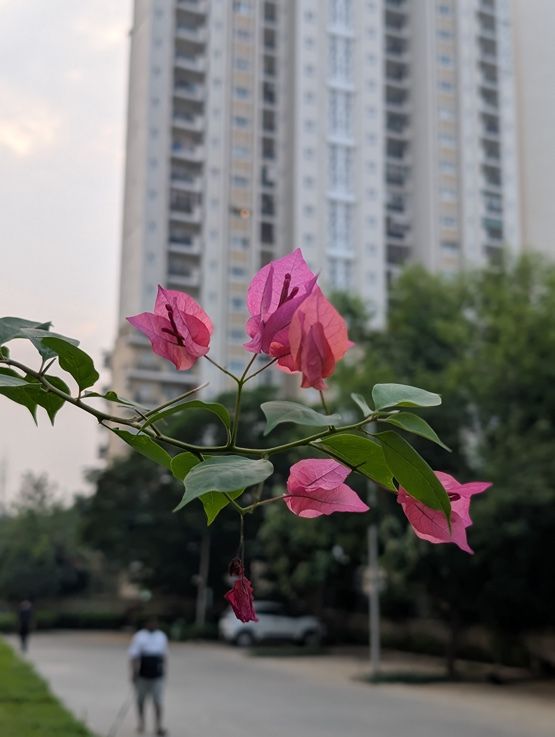
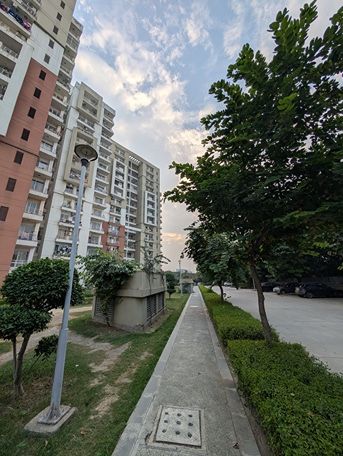
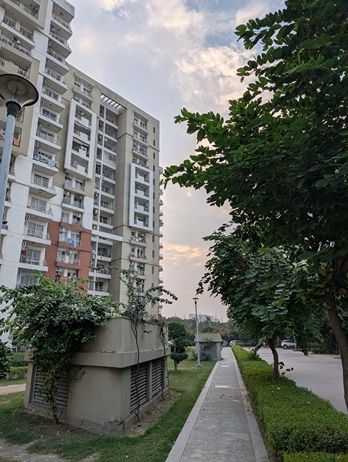
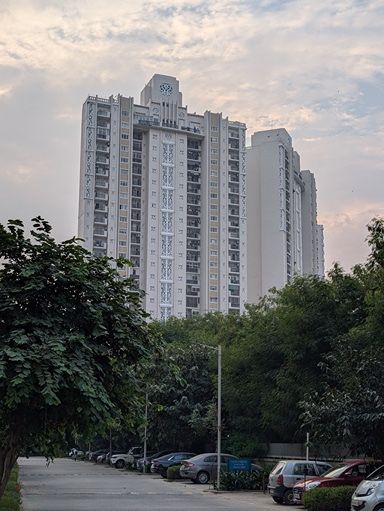
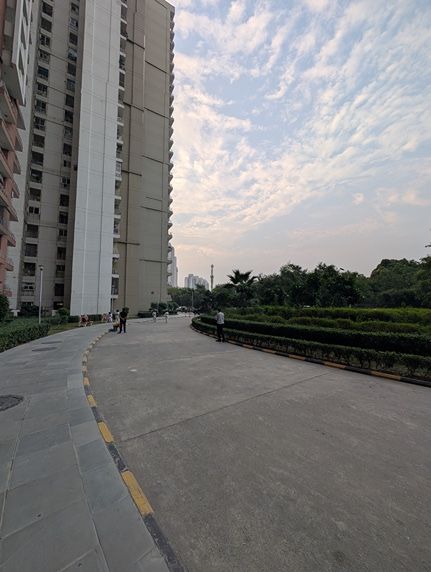
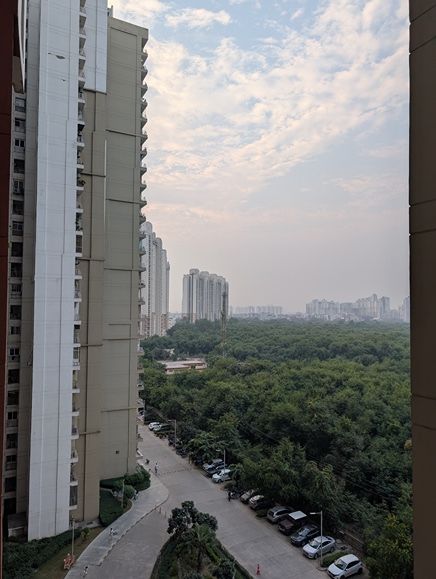
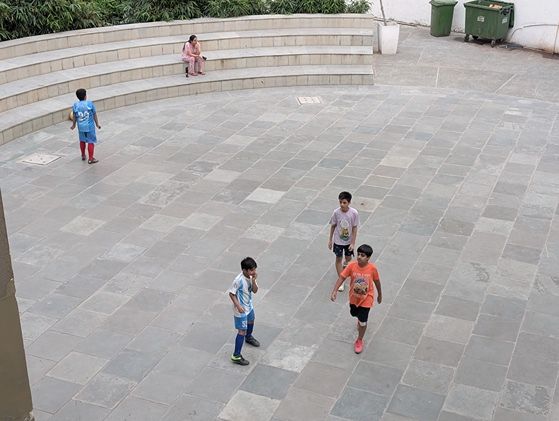
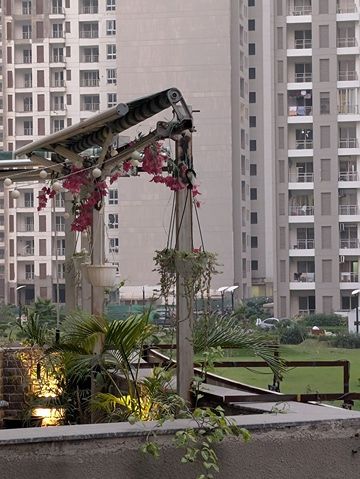
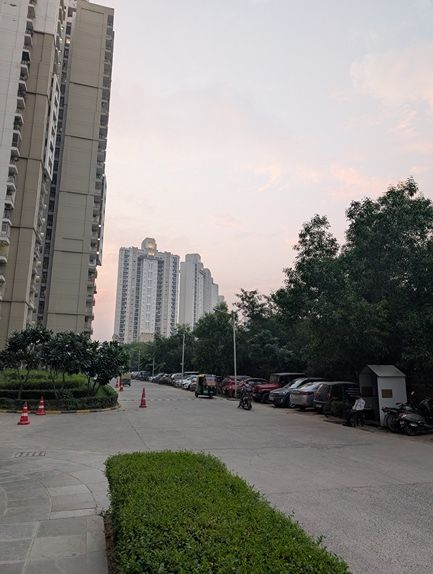
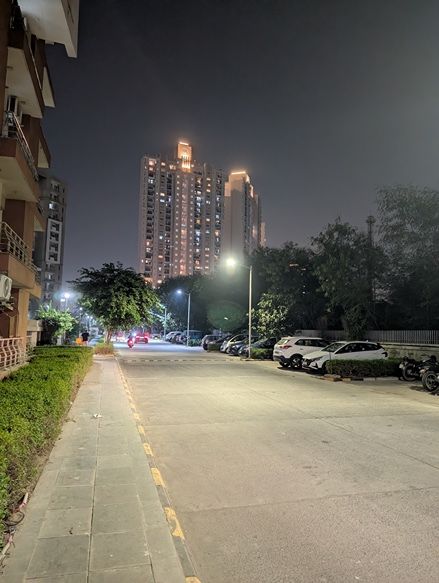
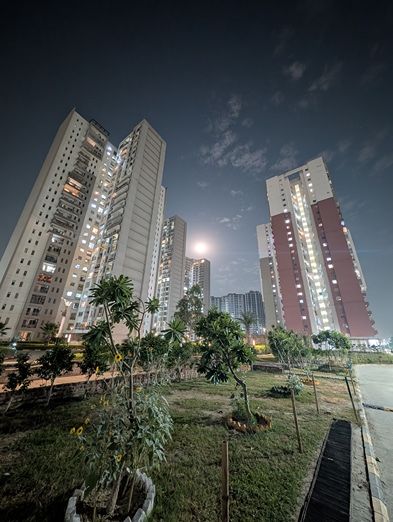
Google is famous for its top-tier camera quality, and the Pixel 9 Pro XL doesn’t fall short. I’m impressed by how wide the field of view is, and it manages to keep the edges free of noise. Colours, contrast, dynamic range—it’s all on point. But, I have to admit, the pictures do have a bit of a cool tone to them. Plus, the post-processing can sometimes make things look a little too polished, almost artificial.
















| Camera | Specifications |
| Primary Camera | 50-megapixel Octa PD wide f/1.7 aperture |
| Secondary Camera | 48-megapixel periscope telephoto camera with OIS, f/2.8 aperture |
| Tertiary Camera | 48-megapixel ultra-wide camera with auto-focus, f/1.7 aperture |
| Selfie Camera | 42-megapixel selfie camera with auto-focus, f/2.2 aperture |
| Video Recording Capabilities | Up to 8K at 30fps |
If you thought the main camera was wide, the ultra-wide takes it up a notch. Sure, objects get stretched, but the lack of grain is just awesome.
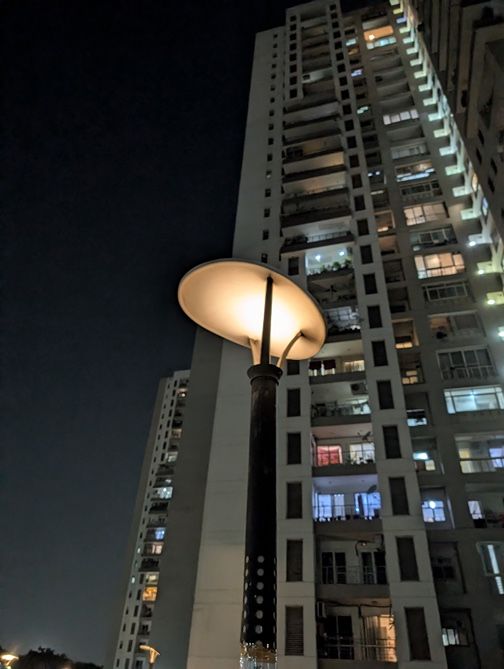
The telephoto lens clicks sharp pictures even at 5x zoom, but I noticed the over-processing tends to brighten the image more than it should. Some might love the pop of vibrancy, but in certain lighting, it’s not always the best.
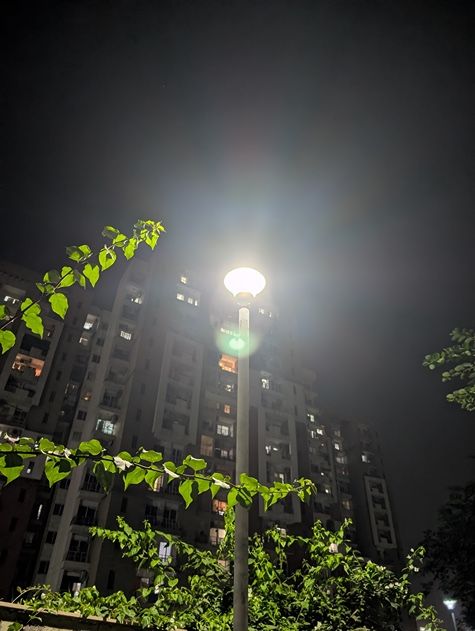
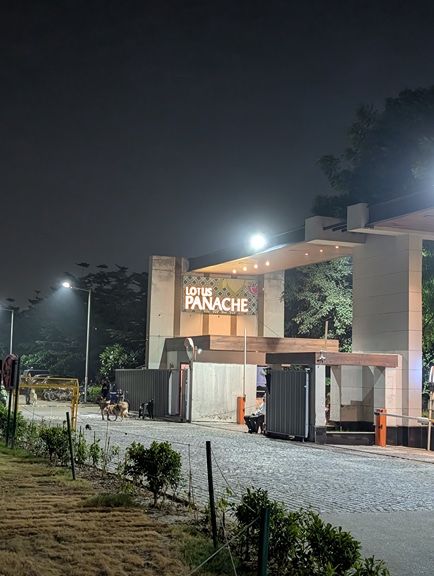
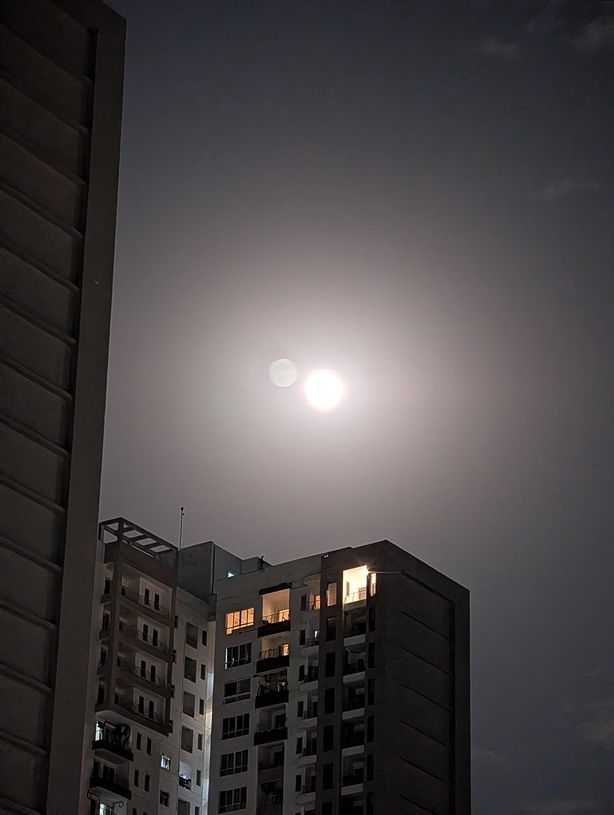
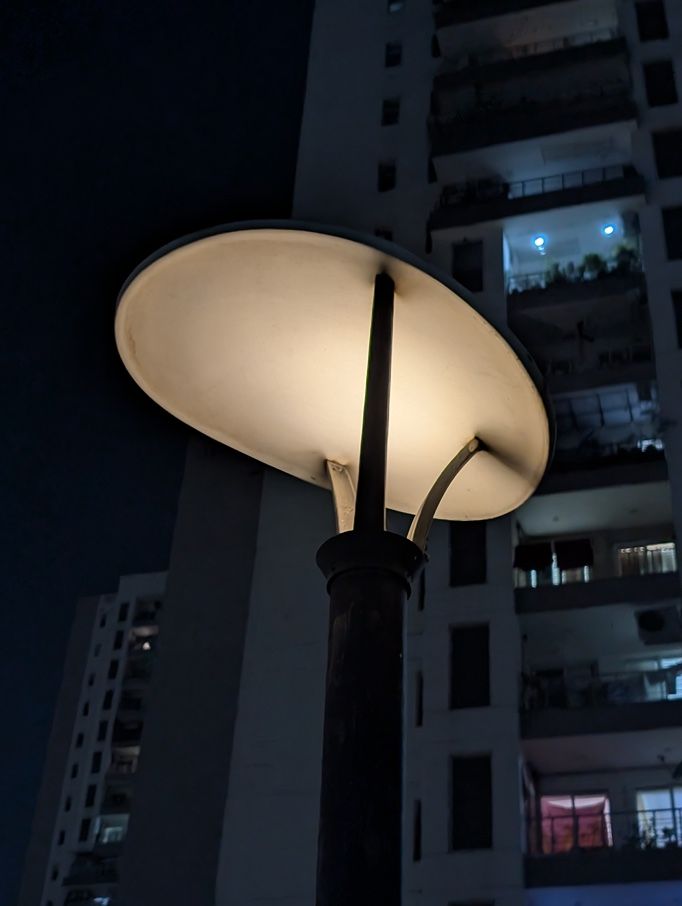
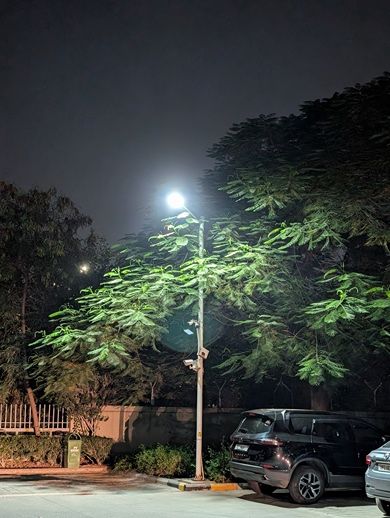
In low light, it handles itself pretty well, keeping noise at bay. But throw a direct light source into the frame, and things get tricky—either you get lens flare or the background falls into darkness.


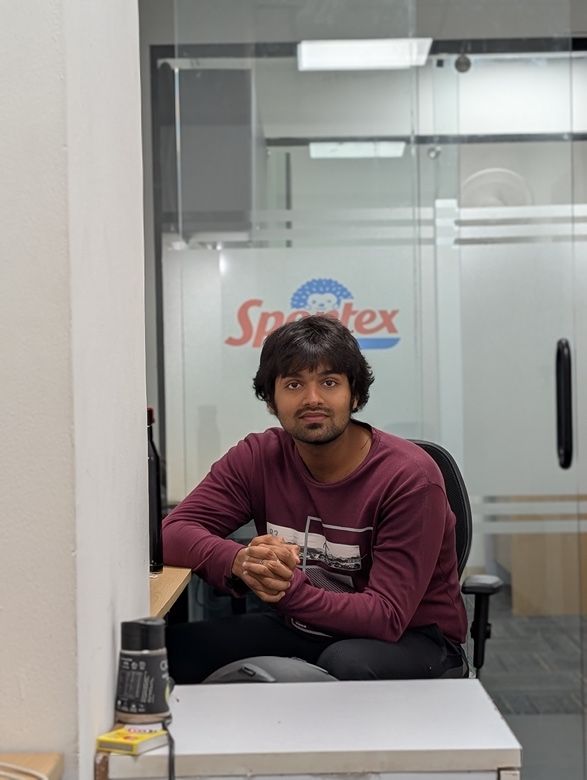

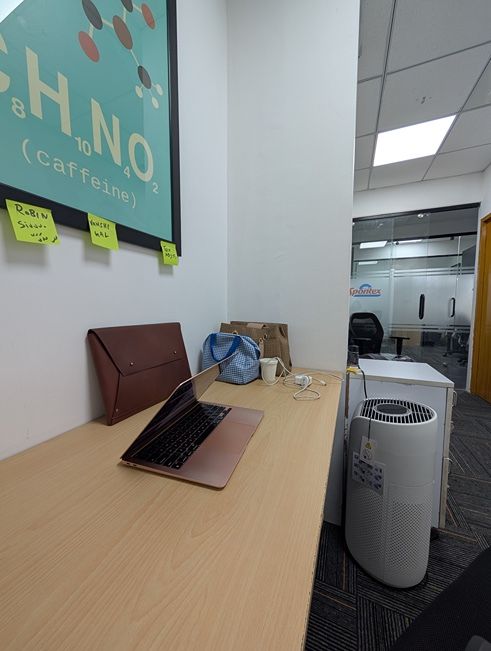

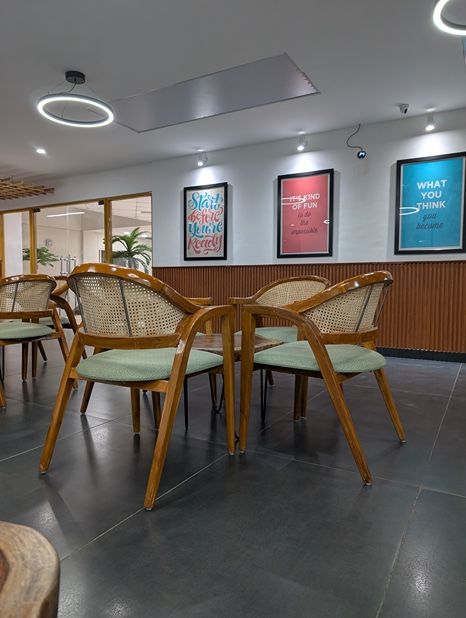
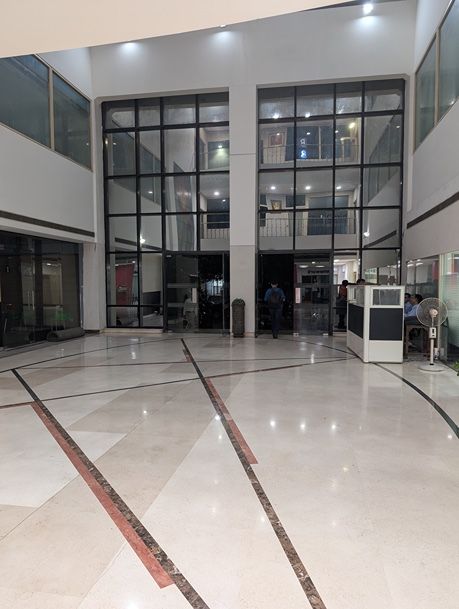
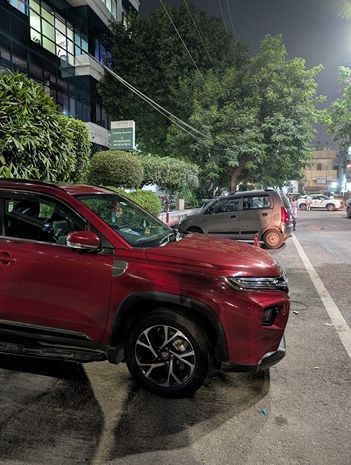

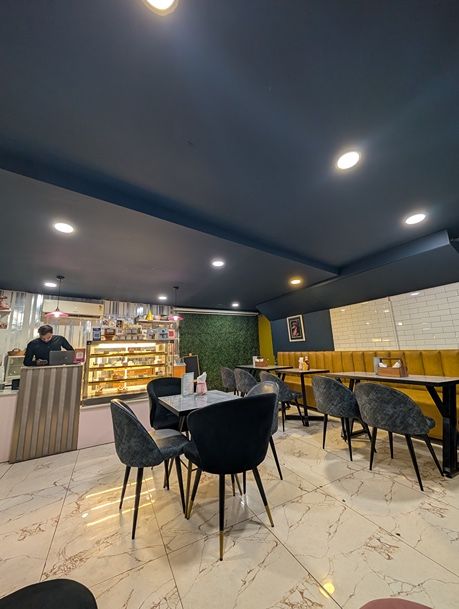





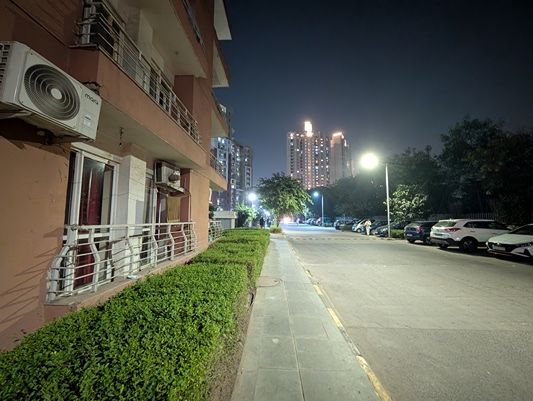
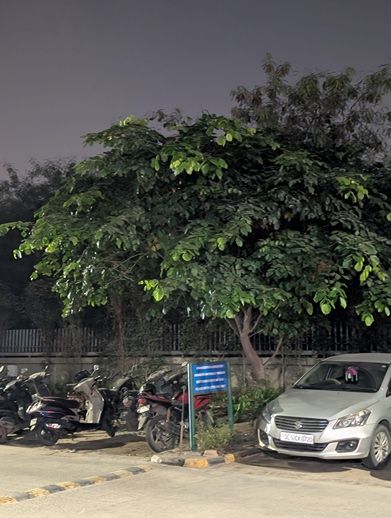
Now, the selfie camera—this thing is a game-changer. It picks up every little detail on my face, right down to the hair follicles. I’m literally finding any excuse to snap a shot because, honestly, it’s just that good.



Battery and Charging
This phone packs a hefty battery, and you can tell by its thickness. Unfortunately, the company doesn’t include a charger in the box, so you’ll need to shell out extra for a good PD charger. It took me 1 hour and 15 minutes to fully charge, this is quite unimpressive.
| Battery | Specifications |
| Battery | 5060mAh |
| Charging Adapter | 45W, no charger in the box |
| Charging Time | 1 hour 15 minutes |
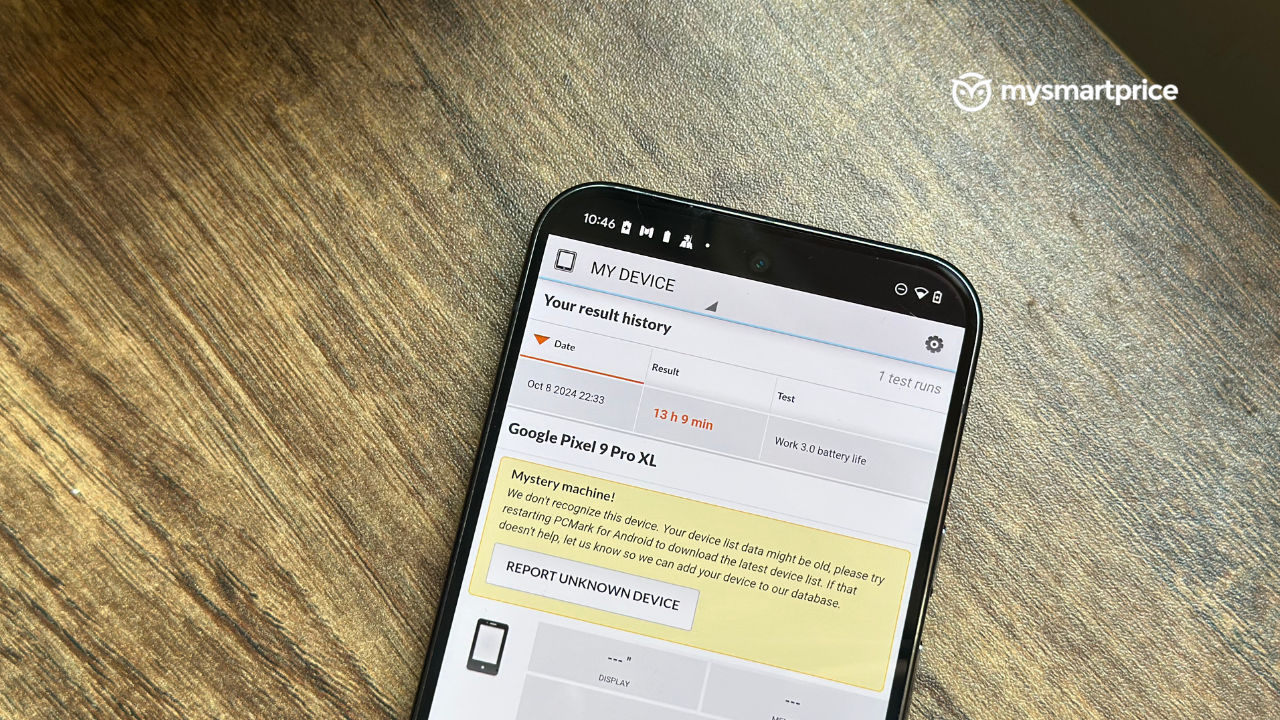
| PCMark Battery Test | 13 hours 9 minutes |
As seen in the table above, it managed just over 13 hours in our PCMark Battery test, which is respectable. With light to moderate usage, I could easily get through a full day before reaching for the charger. And yes, switching on the Battery Saver Mode stretched that time even further.
Verdict
The Google Pixel 9 Pro XL is more like a new sibling in the Pixel 9 family. It’s got the premium look down—sleek design, a slick camera module, and the selfie performance is nothing short of impressive. The way it captured my skin tone, pores, and even those tiny hair follicles was unreal—I’m still processing it. And let’s not forget the software, packed with that signature Google AI wizardry that takes things up a notch.
But here’s the thing: AI is no longer Pixel’s playground alone. Samsung and OnePlus aren’t far behind and Apple is set to bring in Apple Intelligence next year. So, it’s not something exclusive to Pixel anymore.
When it comes to performance, this phone doesn’t quite hit the top spot. If you want something that can power through anything, the Samsung Galaxy S24 Ultra is where you should be looking, if you already set your eyes at this price segment. But if your heart’s set on portrait photography, you might want to consider the Vivo X100 Pro or Xiaomi 14 Ultra—they’re both serious contenders in the camera game. But, they do come with their own set of ups and downs.
All that said, if you’re someone who prefers clean software, everyday functionality, a selfie camera that knows how to capture the moment, and a phone that is just reliable – then maybe that XL price tag will be totally worth it.