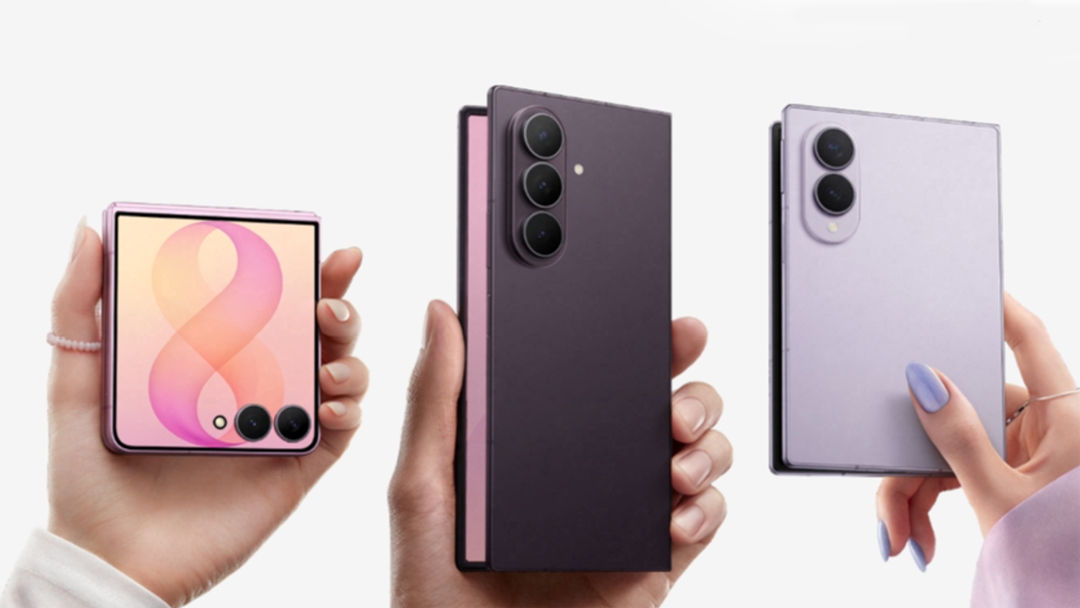
Samsung’s foldable strategy is becoming broader, not narrower. The Galaxy Z8 series includes the Galaxy Z Fold8 Ultra, Galaxy Z Fold8 and Galaxy Z Flip8, while the company has also explored the TriFold format. Together, they give Samsung several very different answers to what a foldable phone should be.
The expanding portfolio also raises a more fundamental question. Is Samsung backing these formats as genuinely different and lasting user needs, or is it keeping several options open while the foldable market is still finding its footing?
In an interaction with MySmartPrice, Sunghoon Moon, EVP and Senior Executive of the Mobile R&D Office – Hardware, MX Business at Samsung Electronics, said the company remains “very open-minded” about the category. Samsung will continue exploring different shapes and sizes based on how people use the devices, rather than treating the present lineup as the final form of its foldable strategy.
Samsung Is Building a Foldable Portfolio, Not One Device
Moon opened the roundtable by saying Samsung does not innovate for the sake of technology. Product decisions, he said, begin with understanding how people use their devices and what they expect from them. Seven generations of customer feedback have now led Samsung to conclude that “one size doesn’t fit all” in foldables.
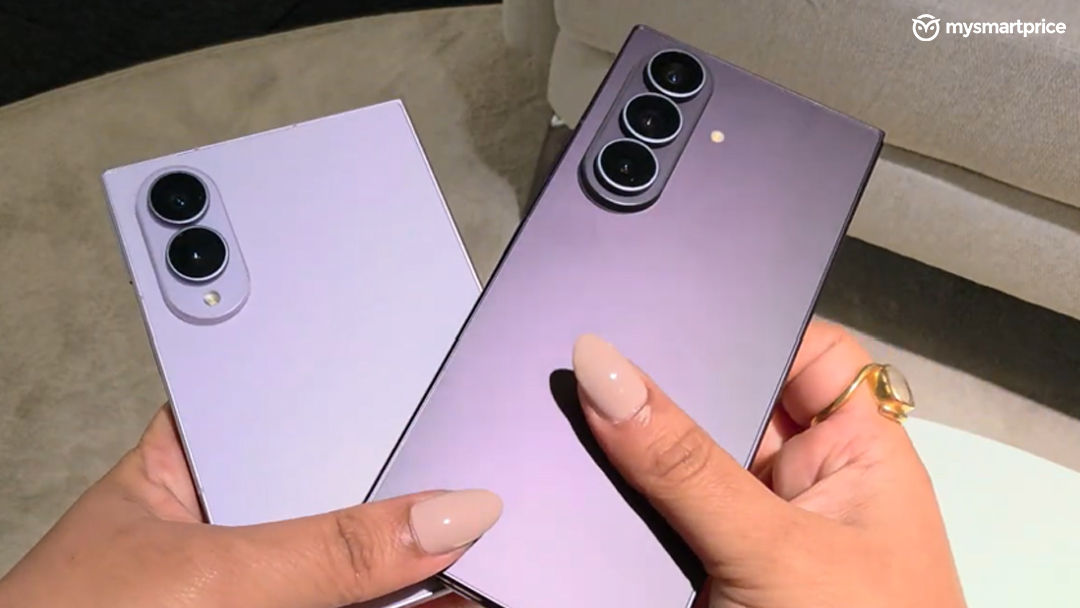
The Galaxy Z8 series has therefore been divided around separate usage patterns. Moon positioned the Galaxy Z Fold8 Ultra as Samsung’s most capable AI productivity foldable, while the Galaxy Z Fold8 is aimed at immersive viewing and everyday content experiences. The Galaxy Z Flip8 remains the compact and expressive member of the family.
Samsung is not simply changing the size or price across the three devices. Moon said the display structure, hinge and thermal design have been optimised for the requirements of each form factor. The company set three common priorities for the series: larger and more immersive screens, thinner and lighter designs that remain durable, and stronger performance without losing the advantages of a foldable device.
Delivering all three together, rather than improving one specification in isolation, was the larger engineering challenge, according to Moon.
The Foldable Lineup Remains Open-Ended
MySmartPrice asked Moon whether it would become difficult to sustain the Fold8 Ultra, Fold8, Flip8 and TriFold while the global foldable market continues to evolve. We also asked whether these products represent distinct long-term use cases or give Samsung room to see which shapes users ultimately prefer.
Moon did not commit Samsung to maintaining every current form factor indefinitely. Instead, he said the company continues to evaluate what customers need and how those experiences can be delivered in an optimised way.
“We are very open-minded when it comes to the foldable category. We continue to explore and consider a variety of possibilities, whether it is in terms of the shape or the size, so that we can best deliver what the users want in terms of their experiences,” he said.
The TriFold, in particular, remains a format under continued research and development. Moon said Samsung will keep working on the way the device folds and unfolds, along with the wider experience, to determine how the format can evolve.
The answer was exploratory rather than definitive. Moon did not discuss the commercial sustainability of running several foldable formats or suggest that every current design has a permanent place in the portfolio. His comments instead indicate that Samsung is committed to the broader foldable category while retaining the flexibility to change individual formats as user behaviour becomes clearer.
Each Foldable Is Being Given a Different Role
Samsung’s current approach is not to make the Fold, Flip and TriFold converge towards the same experience. The Fold8 Ultra is being pushed further towards productivity and multitasking, while the regular Fold8 occupies a more content-focused position.
The Flip is one part of this wider division. Moon said its users continue to enjoy the “vibrant and fun” experiences made possible by folding and unfolding the phone in different ways. Samsung considers that appeal unique to the Flip and plans to build on it, rather than turning the device into a smaller version of the productivity-focused Fold.
The TriFold sits at a different stage. Unlike the three Galaxy Z8 models, Samsung is still discussing it in terms of continued research and how its folding experience can be improved. That leaves the format open to further changes as the company works out the role it can play alongside the more established Fold and Flip lines.
Hardware Changes Have to Work Across the Entire Device
Moon’s opening remarks also focused on why developing multiple foldable formats requires more than changing the display. Samsung re-engineered the display structure, hinge, thermal architecture and battery system together, with each component tuned around the needs of its form factor.
The Galaxy Z8 series introduces Samsung’s Flex Titanium display structure, which combines a titanium plate with an ultra-thin titanium alloy film. Samsung claims the revised structure reduces display thickness by 10 percent, helps minimise the crease and frees up internal space for the battery and thermal system. The company also adjusted the hinge, magnets, display tension and folded edges after thinner devices became more difficult for some users to grip and open.
Samsung has also moved to silicon-carbon battery technology in the series. The Galaxy Z Fold8 Ultra gets a 5,000mAh battery, while the Fold8 Ultra and Fold8 support 45W charging. Moon said the battery layout and charging architecture have been optimised separately for each model to balance charging speed, heat control and long-term durability.
More than 100 reliability validation tests covered repeated folding, drops, pressure, compression and moisture exposure. For Samsung, these hardware changes support a portfolio in which every foldable is expected to serve a different purpose.
Moon’s response, however, leaves the eventual size of that portfolio open. Samsung is betting on foldables as a category, but it is still exploring how many shapes that category ultimately needs.