OPPO is no stranger to camera-centric smartphones. Its latest smartphone, the OPPO Find X10, is a culmination of years of experience. It’s a powerful photographic tool designed for everyday creators and comparison-minded buyers, raising the question of how its imaging hardware performs across real-world situations. Rather than relying on aggressive AI filters or over-saturated colour science, the device focuses on a category-leading setup designed to capture authentic detail. Evaluating its day-to-day capabilities reveals how its hardware and software work together to deliver consistent results across varied shooting scenarios.
Hardware Foundation
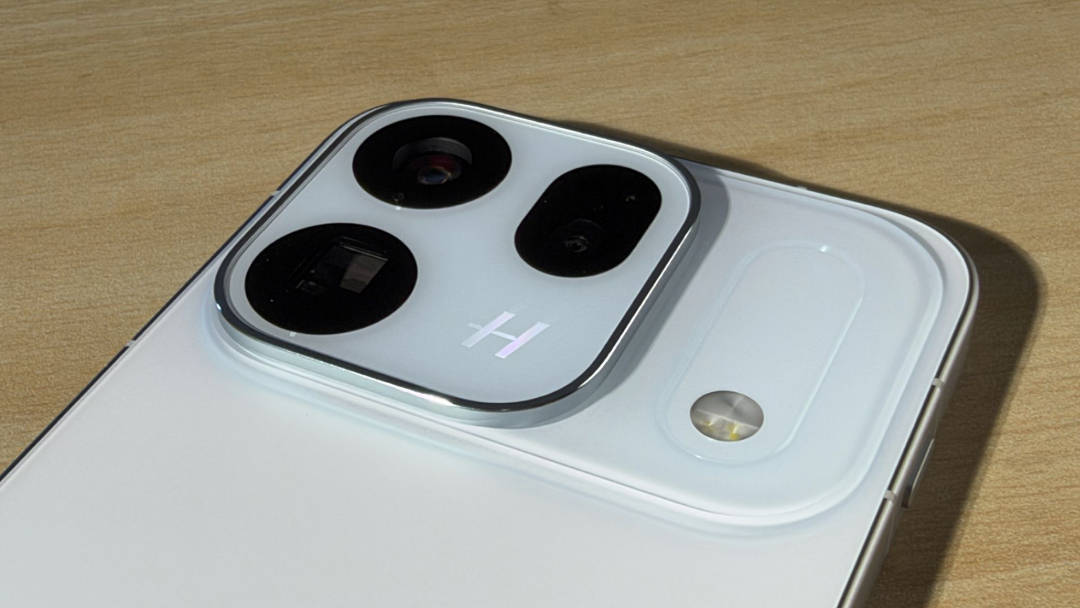
The core of the imaging experience lies in its category-leading Dual 200MP camera system, a first in its class. The setup is anchored by the Hasselblad 200MP Ultra-Clear Main Camera, which pairs a large 1/1.4-inch ISOCELL HPE sensor with an f/1.6 aperture lens and optical image stabilisation for steady low-light captures. Alongside it is the Hasselblad 200MP Ultra-Sensing Telephoto Camera, using a 1/1.56-inch sensor with an f/2.6 aperture and an equivalent focal length of 65mm. Rounding out the rear array is a 50MP ultra-wide camera with a 15mm focal length, an f/2.0 aperture, and autofocus. This hardware combination ensures the phone captures high-resolution data natively across primary focal lengths without unnecessary software degradation.
Daylight Detail and Landscape Performance
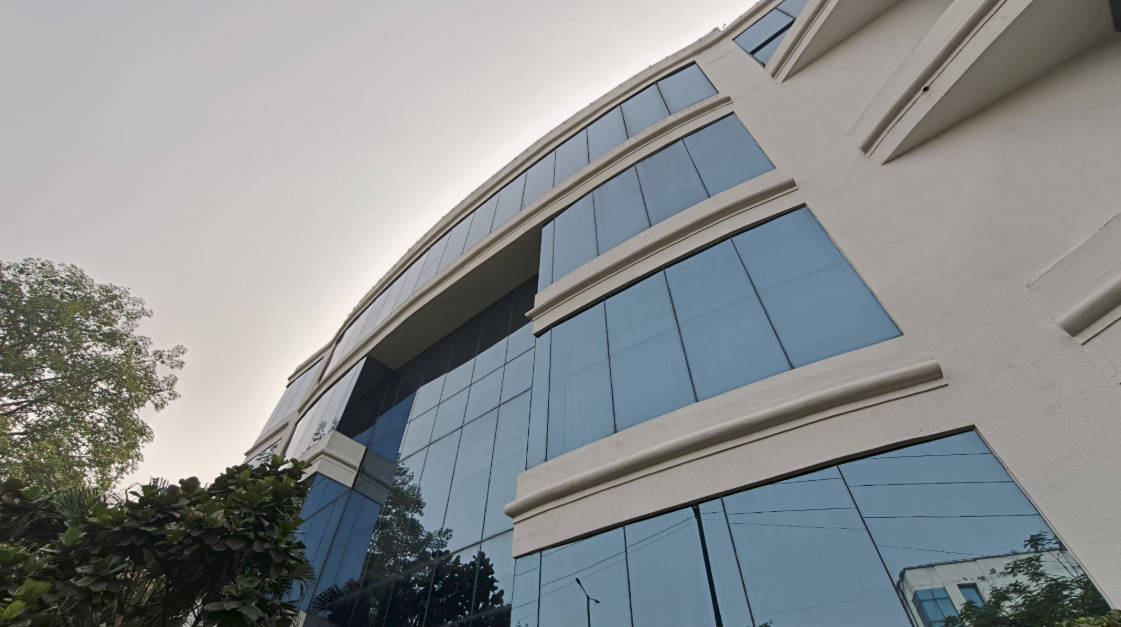
Testing the device in bright outdoor conditions demonstrates how the main and ultra-wide sensors handle complex environments. Landscapes benefit from edge-to-edge sharpness, controlled chromatic aberration, and a wide dynamic range that prevents highlights from blowing out in harsh sunlight. Foliage, distant architecture, and fine textures are rendered with natural clarity rather than artificial edge enhancement.


Portraits and Skin Tone Preservation
For portraits and close-up subjects, the 200MP telephoto lens shines, providing a flattering 65mm focal length for facial features. Working alongside the 24-channel True Color Camera, the system maintains accurate white balance and preserves natural variations in skin tones without excessive brightening or whitening. Background separation is clean, delivering a soft, natural bokeh that isolates the subject naturally.


Low-Light and Night Capture
In dim environments, the main camera’s large sensor and optical image stabilisation work in tandem to capture clean frames. Pixel-binning is deployed intelligently to suppress noise while retaining shadow depth and atmosphere. Streetlights and artificial neon sources are intelligently handled to minimise flare. This helps keep night photography realistic, rather than turning it into an overly brightened photo that tries to mimic broad daylight.


Zoom Performance At Intermediate Levels
For framing flexibility, the device offers clear zoom at intermediate levels from 0.6x to 9.9x. The processing pipeline outputs default 26MP images across this zoom range during everyday shooting, ensuring intermediate focal lengths retain great detail. Whether framing a distant subject at 3x or pushing closer, the telephoto hardware resolves fine textures cleanly without requiring users to shoot massive full-resolution files all the time.

Ultra-Wide Landscapes and Macro Capabilities
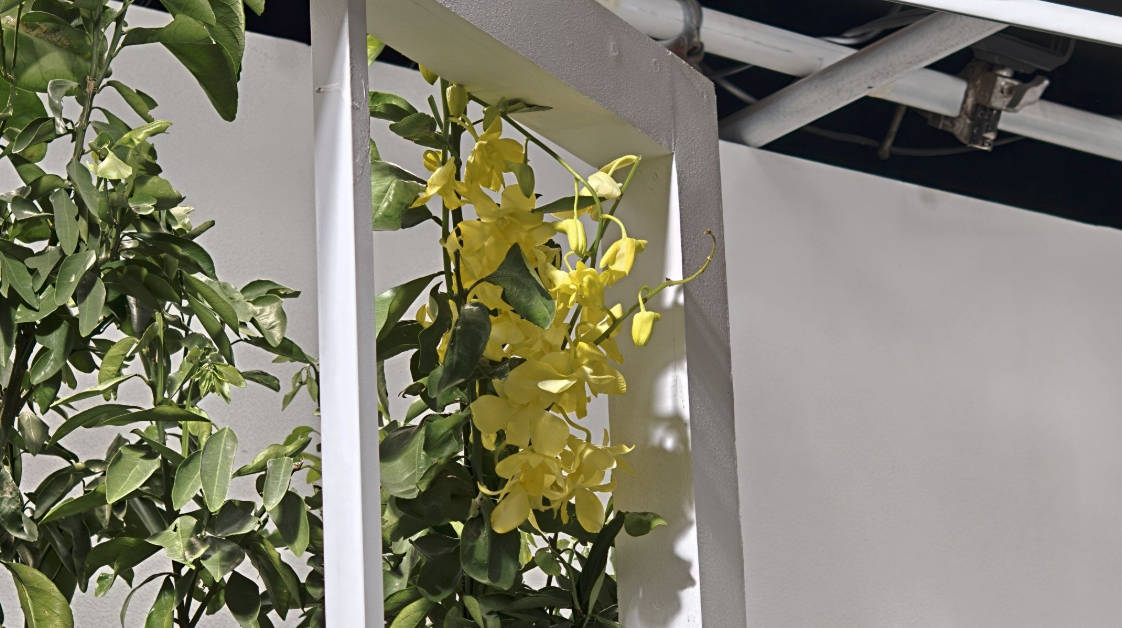
The 50MP ultra-wide camera offers a broad perspective while maintaining consistent colour science with the primary sensor. Edge distortion is tightly controlled, keeping straight lines intact in architectural shots. The ultra-wide lens also supports autofocus and close focusing distances, allowing it to double as a macro lens when needed.


Hasselblad Teleconverter Kit
Beyond its internal zoom, the Find X10 stands out by supporting the optional OPPO Hasselblad Teleconverter Kit. This professional-grade, Hasselblad-certified optical accessory features 13 all-glass elements, including three extra-low dispersion glass elements to suppress chromatic aberration, along with physical PVD coatings to minimise lens flare.

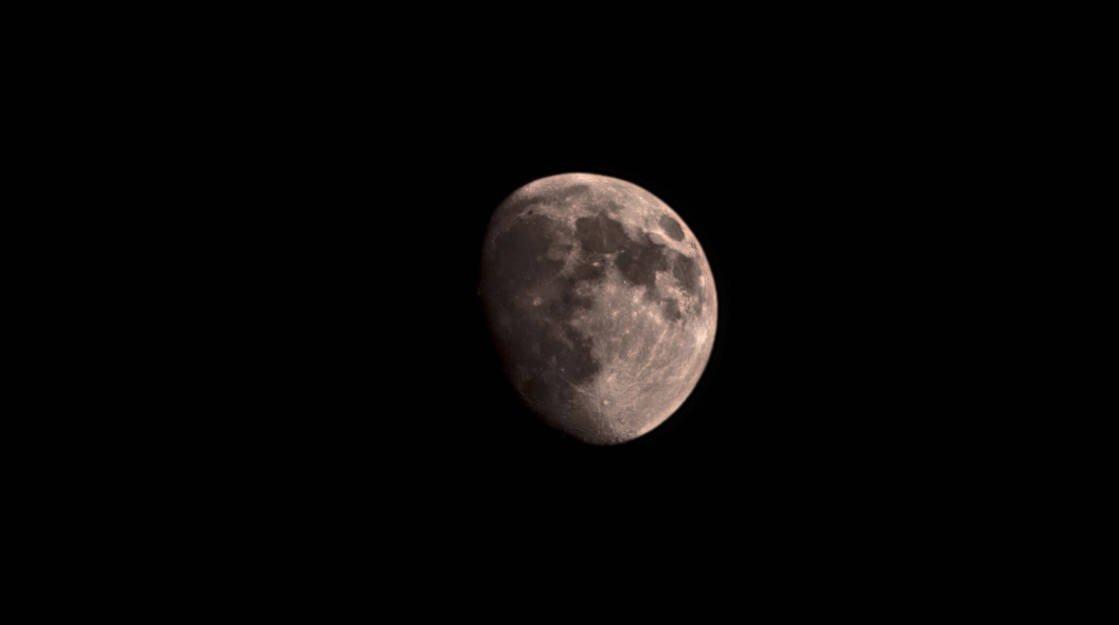
When attached alongside the 200MP telephoto camera, the accessory extends the device’s reach to an impressive 11x optical zoom and beyond. Testing long-range subjects like wildlife or distant stage performances shows the teleconverter maintains exceptional sharpness and structural clarity across the frame, rather than relying purely on digital interpolation.
Software Brilliance
The LUMO True Image Engine powers the software side, shifting away from excessive sharpening and aggressive local tone mapping. This restrained approach preserves true-to-life textures and realistic shadow-to-highlight ratios, ensuring photos match what the human eye actually sees. For customisation, the LUMO Color Palette provides 18 built-in looks, including Amber and Pearl portrait styles alongside classic film simulations, which can be fine-tuned via an intuitive control grid. Additionally, LUMO Framing analyses scenes in real time directly within the viewfinder to offer compositional guidance before the shutter is pressed.


Professional-Grade Videos
On the video front, the OPPO Find X10 functions as a capable mobile studio. All three rear cameras support 4K video recording at 60 frames per second with Dolby Vision, providing smooth transitions when switching lenses during capture. For high-speed action or heavy post-production cropping, the 200MP main and telephoto cameras support 4K at 120fps and ultra-detailed 8K at 30fps. Professional creators also benefit from Open Gate capture, which utilises the full sensor area for maximum flexibility across different aspect ratios, alongside O-Log2 flat profiles for advanced colour grading and native Blackmagic Camera app optimisation. Meanwhile, social media sharing is streamlined through optimised near-lossless uploads for Instagram Reels and Stories, ensuring captured details remain intact upon publishing.
Open Gate and O-Log for Greater Editing Flexibility
Beyond resolution and frame rates, the OPPO Find X10 offers tools that give creators more control over their final footage. Open Gate recording captures the full sensor area rather than restricting the video to a conventional widescreen crop. This provides additional room to adjust the composition during editing, making it useful when creating both horizontal videos and vertical social media clips from the same recording.
O-Log takes a different approach, giving users greater control over the footage’s colour and contrast during post-production. The flatter-looking recording provides a starting point for colour grading, allowing creators to shape the final appearance rather than relying on the camera’s default processing. It is particularly useful for those who want to develop a consistent visual style across an edited sequence.
Hasselblad XPAN Mode for Wider Compositions
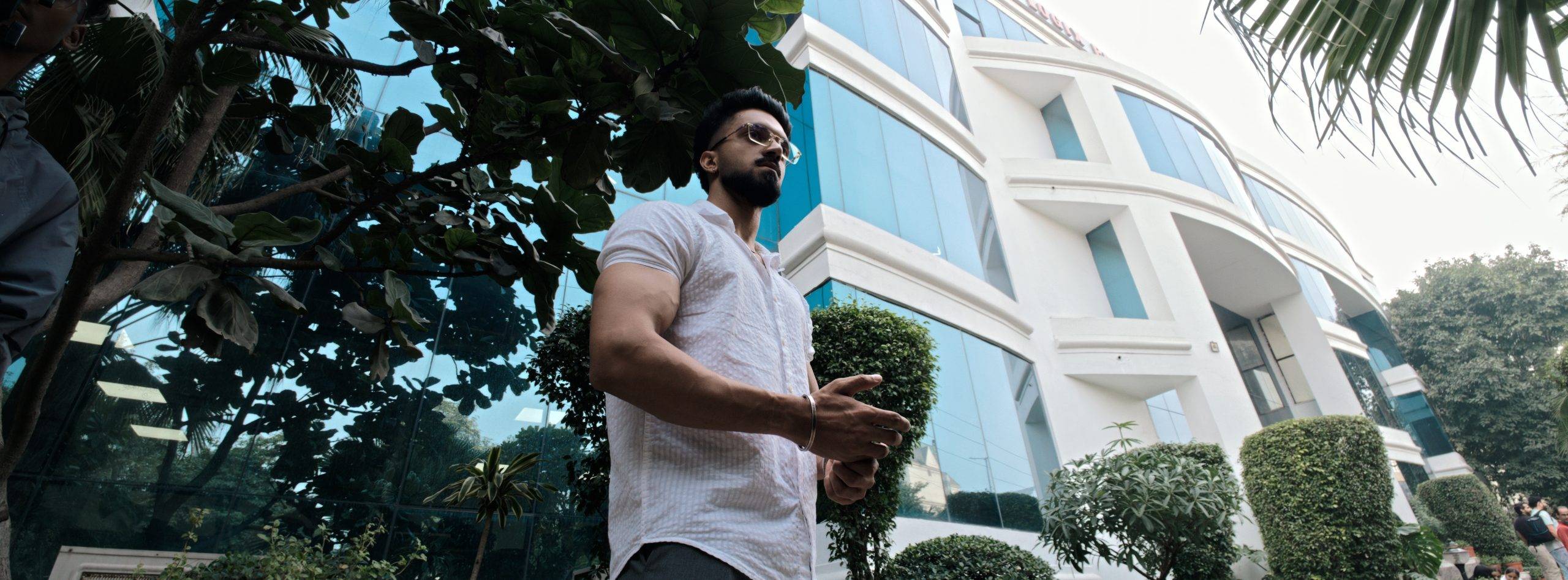
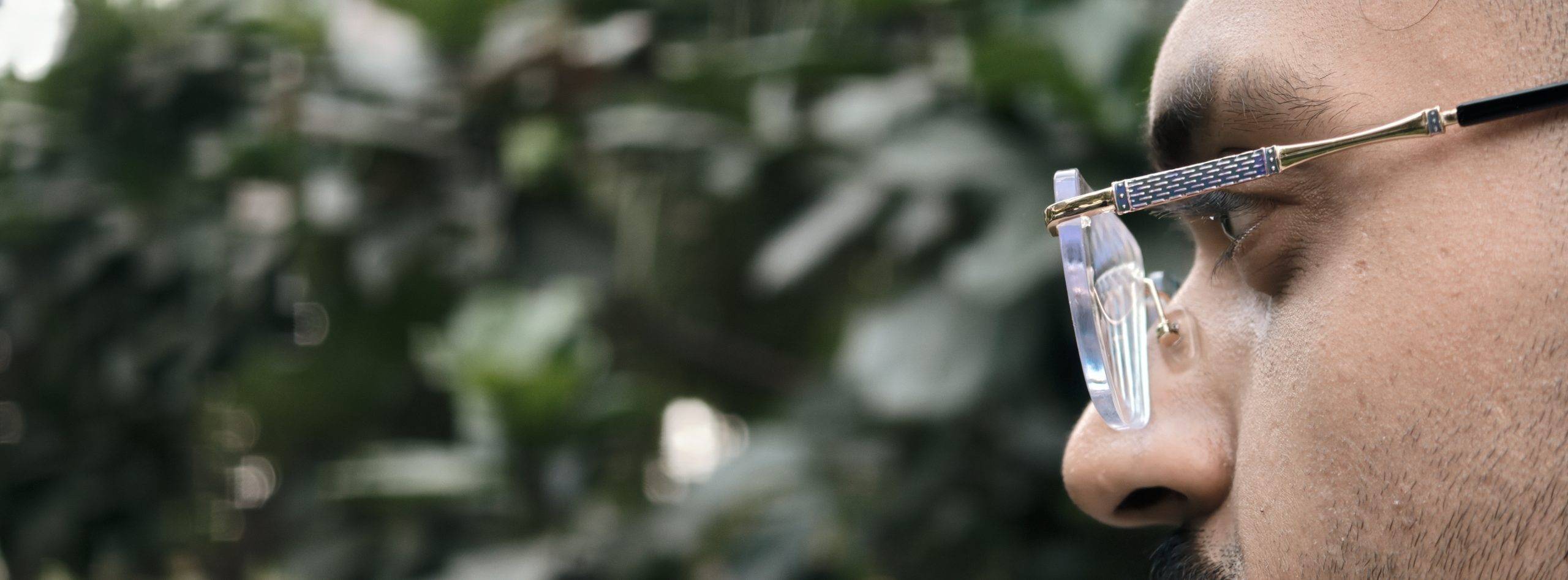
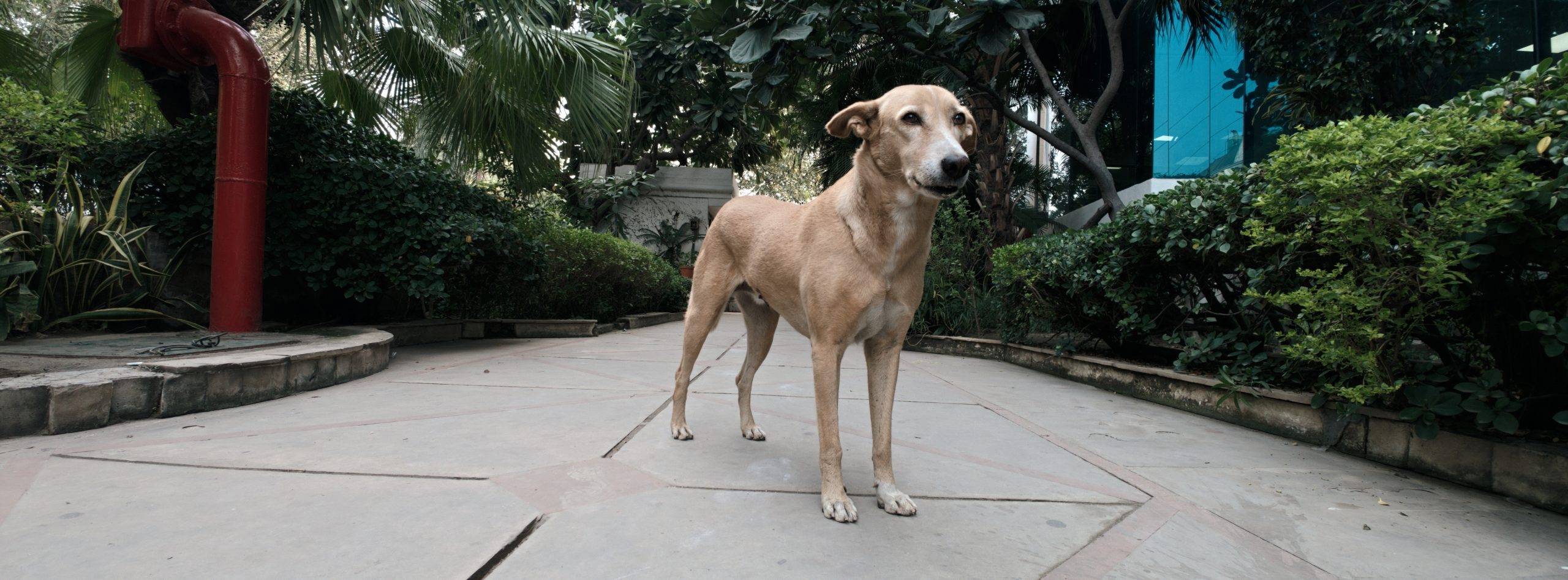
For still photography, Hasselblad XPAN mode brings a different perspective through its distinctive 65:24 aspect ratio. The elongated frame lends itself to city streets, expansive landscapes and architectural scenes, giving the surroundings a more prominent role in the composition. It also encourages a more deliberate approach to positioning the subject, with greater attention to how elements are arranged across the frame. OPPO’s XPAN format draws on the proportions of the original Hasselblad camera.


Verdict
The OPPO Find X10 delivers a highly capable, performance-driven camera system that prioritises authenticity over artificial enhancement. Its dual 200MP hardware configuration, paired with Hasselblad tuning, the LUMO True Image Engine, and hardware expandability like the teleconverter kit, provides exceptional versatility for both photography and high-end video recording. For creators seeking reliable performance, flexible zoom, and professional video tools in a balanced package, the Find X10 stands out as a top-tier imaging device. The OPPO Find X10 is now available on Amazon and Flipkart.
Disclaimer: This is a Promotional post. The content and opinions expressed are those of the sponsor and do not necessarily reflect the views of our editorial team.