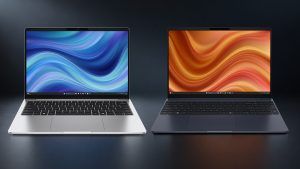
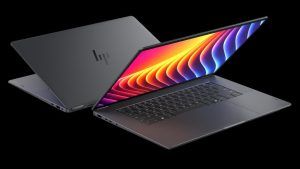
The Consumer Electronics Show (CES) 2026 in Las Vegas has set the stage for a massive refresh in the mobile computing space. This year, the industry is rallying behind the “Copilot+ PC” moniker, powered by next-generation silicon including the Intel Core Ultra Series 3, AMD Ryzen AI Max+, and the highly anticipated NVIDIA GeForce RTX 50 series graphics. We are also seeing a definitive shift towards OLED panels becoming the standard for premium tiers, alongside lighter chassis designs utilizing materials like magnesium-aluminium and ceramic hybrids. Here are the top devices announced during the ongoing consumer electronics show.
MSI Raider 16 Max HX
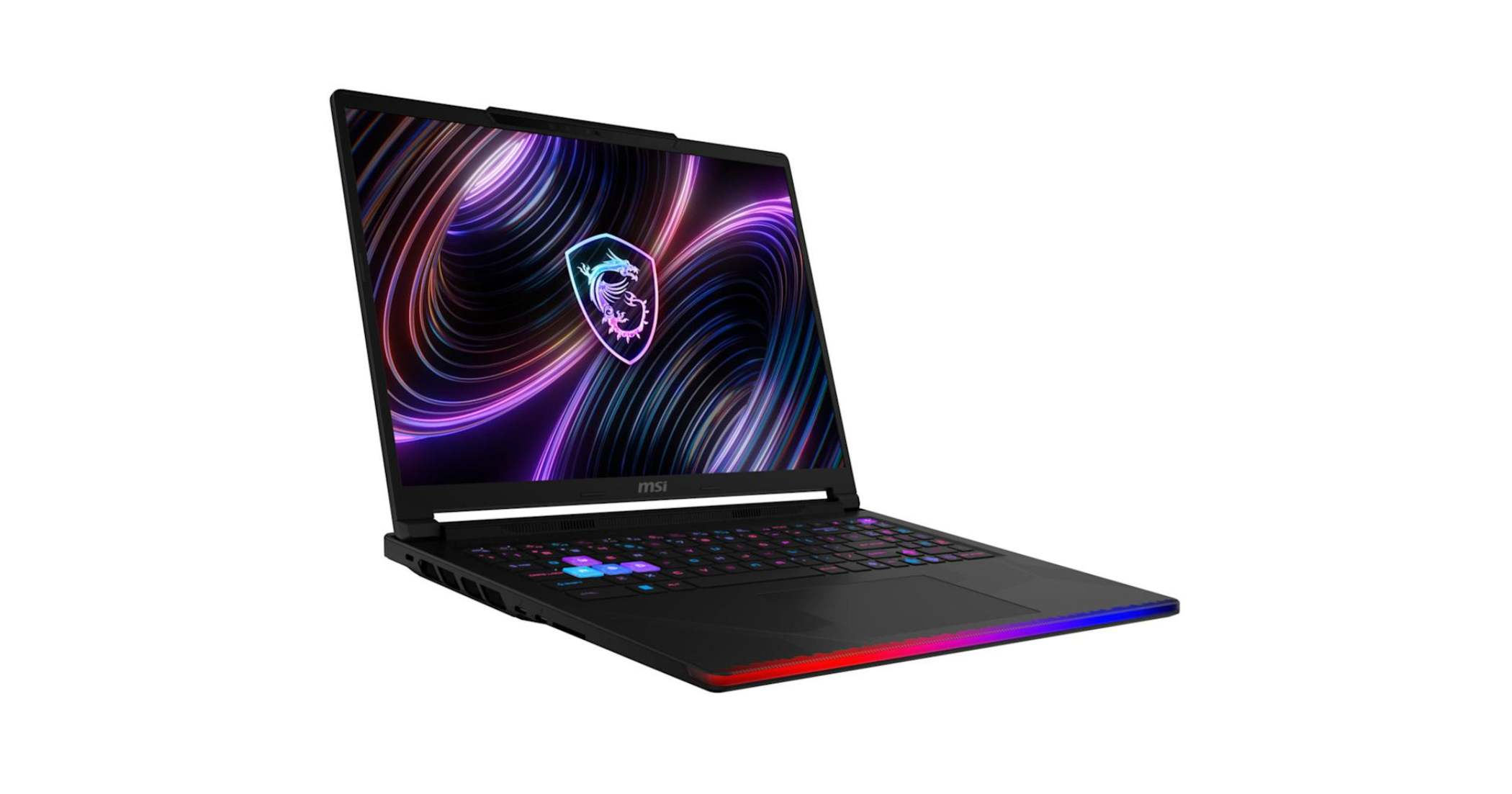
MSI is chasing raw desktop-class performance with the new Raider 16 Max HX. This machine claims the title of the world’s first gaming laptop to support a massive 300W total system power. Under heavy loads, the system is designed to split this power, pushing 175W to the GPU—up to an NVIDIA GeForce RTX 5090 or 5080—and 125W to the Intel Core Ultra 200HX processor. To keep thermals in check, MSI has debuted the Cooler Boost Trinity system, which uses three fans, six heat pipes, and a phase-change thermal compound. The visuals are handled by a 16-inch QHD+ OLED display with a 240Hz refresh rate, and MSI has added a quick-access bottom panel to make upgrading memory and storage easier. Its main competitors include ASUS ROG Strix SCAR 16, Razer Blade 16, and Alienware m16 R2.
ASUS ROG Zephyrus Duo (GX651)
ASUS is keeping the dual-screen form factor alive with the updated Zephyrus Duo. The new model features two 3K OLED touchscreens, both offering a 120Hz refresh rate and a rapid 0.2ms response time. The main panel supports NVIDIA G-SYNC to ensure smooth visuals during gameplay. Under the hood, it packs the latest Intel Core Ultra 9 386H processor and supports up to an NVIDIA GeForce RTX 5090 Laptop GPU. The cooling solution is robust, featuring a vapour chamber and dual fans to manage heat within its unique form factor. Though it will have to face competition from MSI Titan 18 HX, Lenovo Legion 9i.
Acer Swift 16 AI
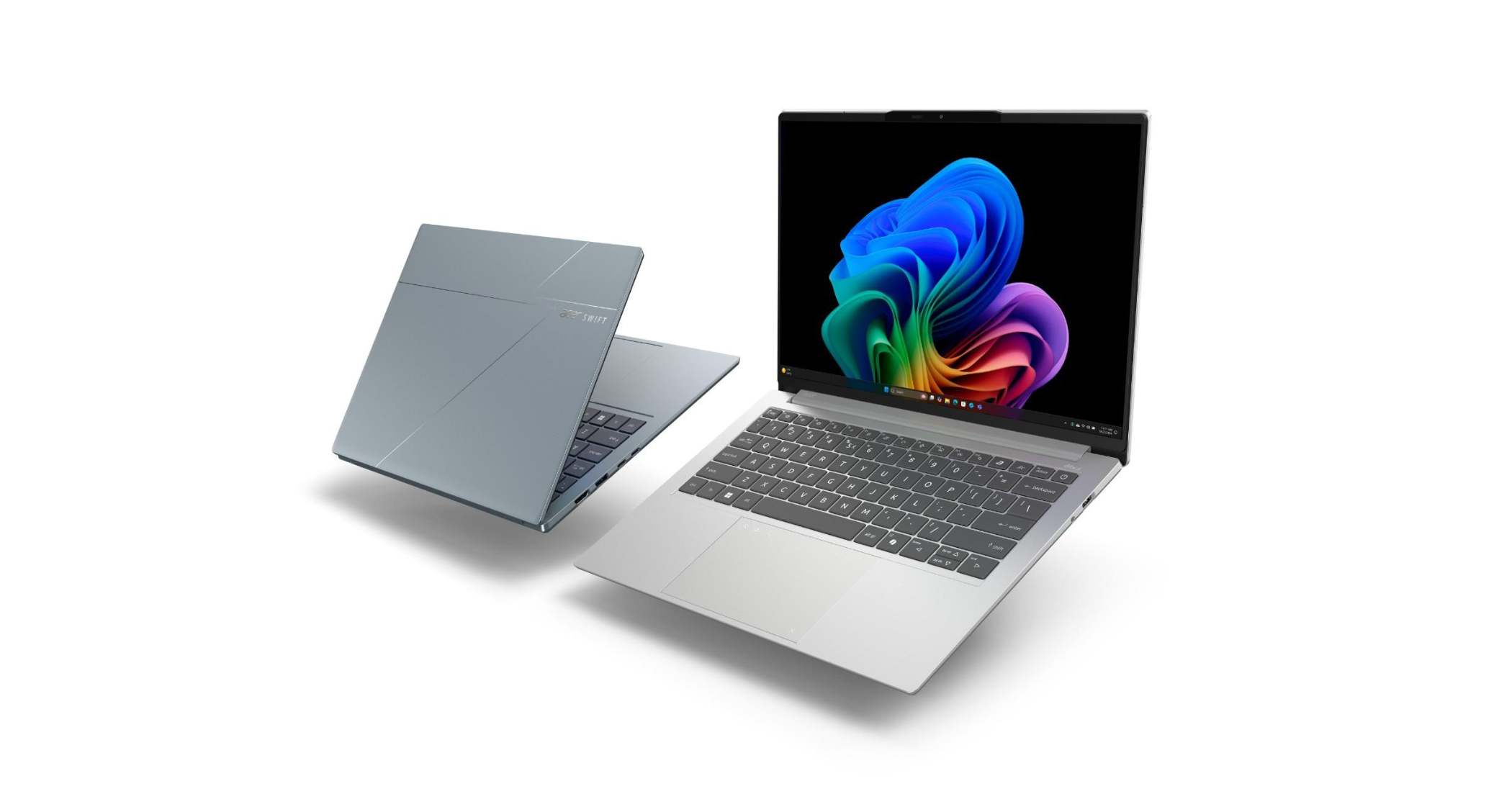
Acer has refreshed its premium lineup with the Swift 16 AI, targeting creators who need precision. It is powered by up to an Intel Core Ultra X9 388H processor with built-in Intel Arc B390 graphics. The standout feature here is the haptic touchpad, which is the world's largest at 175.5 mm x 109.7 mm. This massive surface allows creators to sketch and edit directly on the touchpad using a stylus. The device features a 16-inch 3K OLED touchscreen with a 120Hz refresh rate and is encased in an aluminium chassis that is just 14.9 mm thin. Here are some of its competitors: Apple MacBook Pro 16, Dell XPS 16, Samsung Galaxy Book4 Ultra.
Dell XPS 14 & XPS 16 (2026)
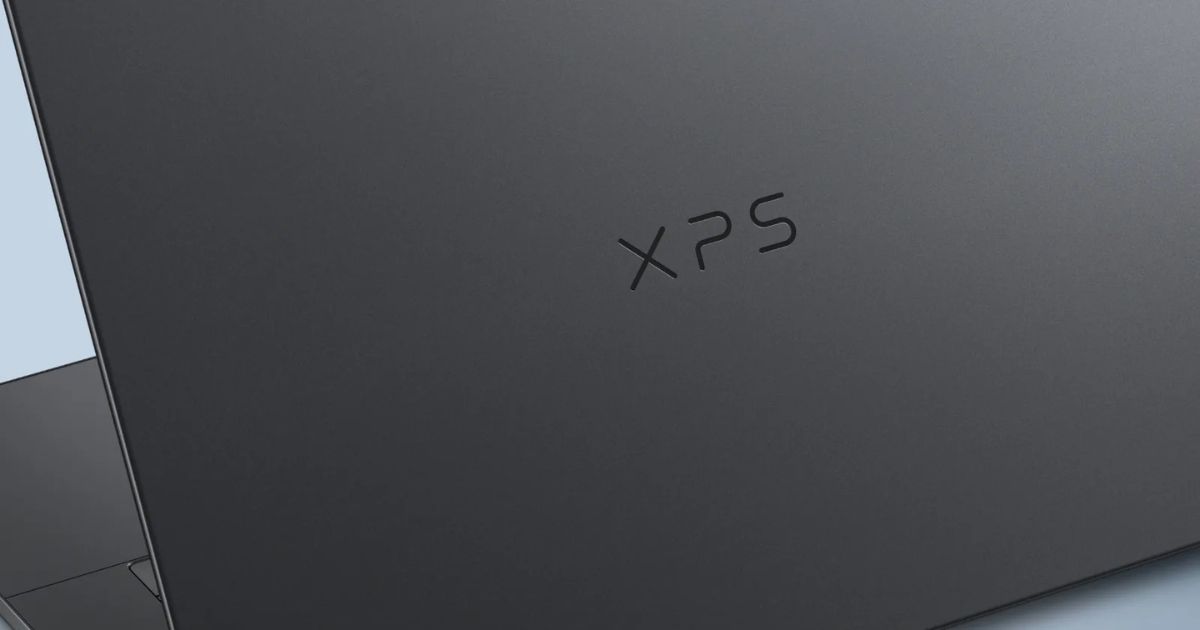
Dell has revitalised its iconic premium range with the new XPS 14 (DA14260) and XPS 16 (DA16260), bringing back fan-favourite design touches like the visible XPS logo on the lid. Both models are powered by Intel Core Ultra Series 3 processors, ranging from the efficient Core Ultra 5 325 up to the powerhouse Core Ultra X9 388H. They feature an AI Boost NPU capable of 50 TOPS and integrated Intel Arc graphics that promise a 50 per cent performance jump over previous generations. The standout feature here is efficiency; with new variable refresh rate OLED panels that can drop to 1Hz, Dell claims these machines can deliver up to 27 hours of daily use or over 40 hours of local video playback. Main Competitors includes Apple MacBook Pro, Samsung Galaxy Book Ultra, ASUS Zenbook Pro.
HP EliteBook X G2 Series
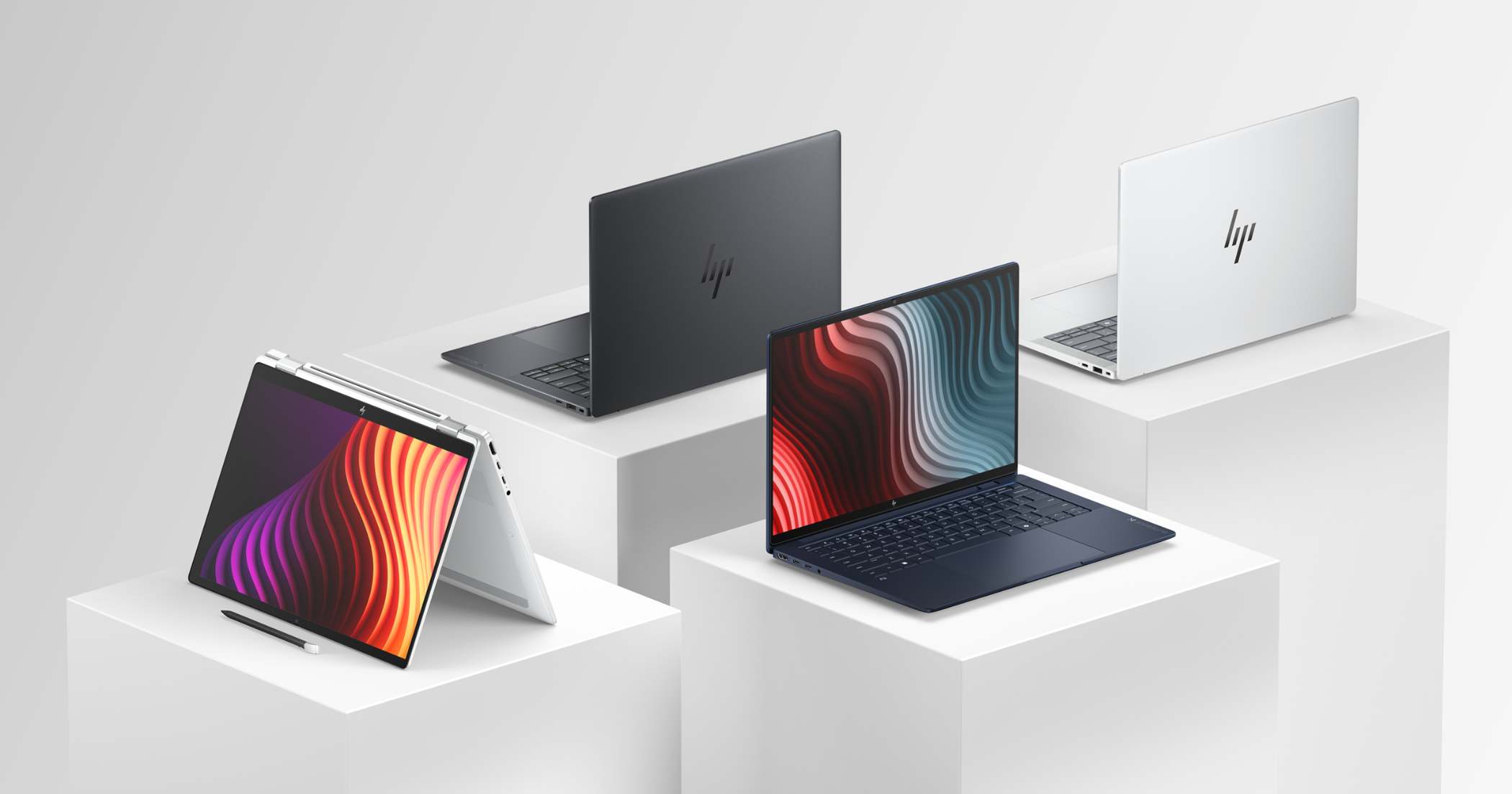
HP's latest update to its business portfolio is all about offering choices in silicon. The EliteBook X G2 Series allows users to select between Intel, AMD, and Qualcomm processors on a unified platform. The EliteBook X G2q is powered by the Snapdragon X2 Elite, while the G2i and G2a models come with Intel Core Ultra Series 3 and AMD Ryzen AI processors, respectively. The G2i model is notably portable, weighing under 1 kg, and offers a vivid 3K Tandem OLED display option. HP has also introduced a new top-mount design that speeds up keyboard repairs significantly. Some key competitors include Lenovo ThinkPad X1 Carbon Gen 13, Dell Latitude 7450, and Microsoft Surface Laptop 7.
ASUS Zenbook DUO
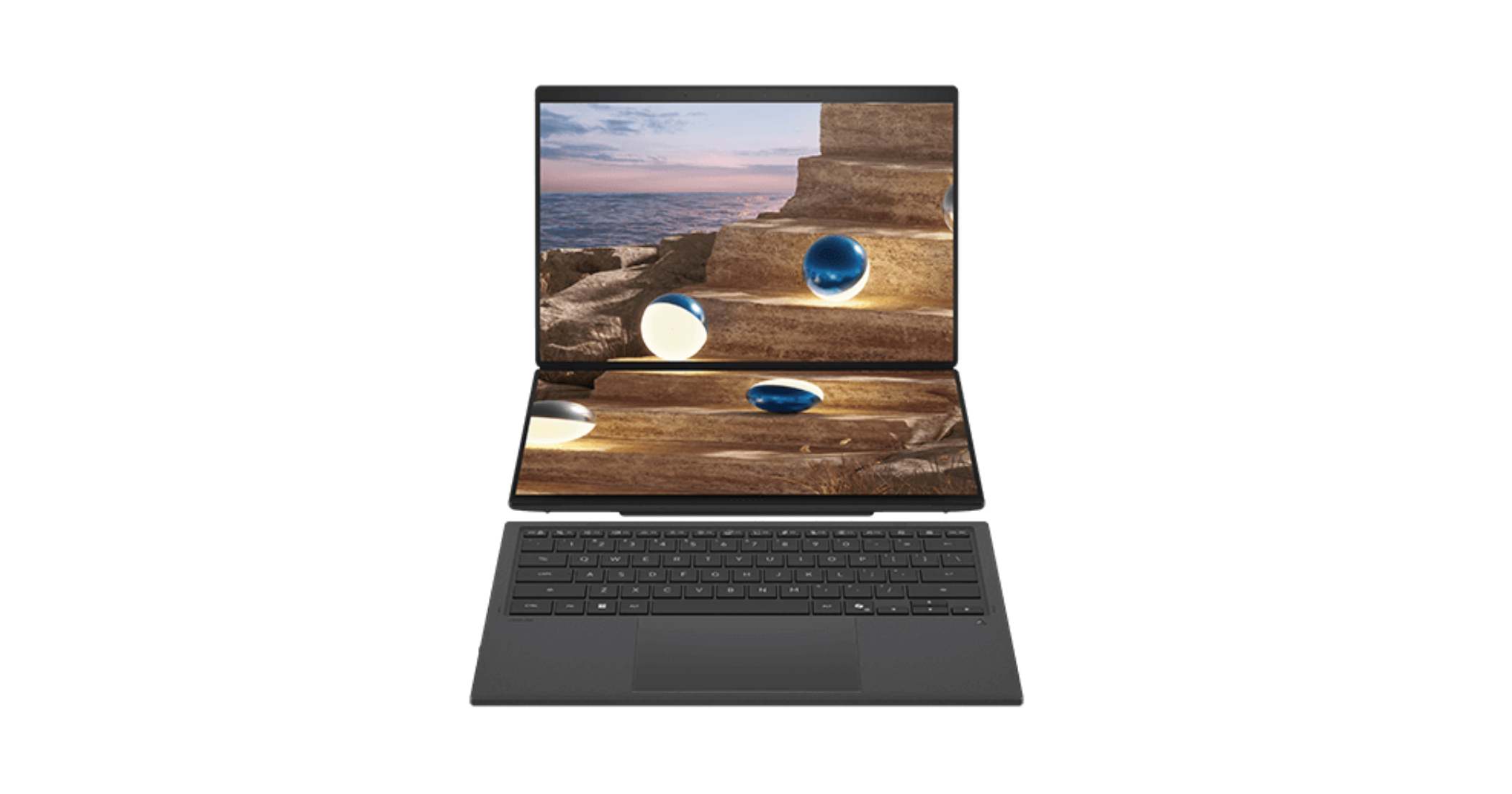
For productivity users who want more screen real estate, the new Zenbook DUO offers a refined dual-screen setup. It sports two 14-inch ASUS Lumina Pro OLED displays, with a new hinge design that reduces the gap between the screens by 70 per cent compared to previous iterations. It is powered by up to Intel Core Ultra X9 Series 3 processors and features a 50 TOPS NPU for AI tasks. The chassis is made from Ceraluminum, a durable ceramic-aluminium hybrid material. Its biggest rival will be the Lenovo Yoga Book 9i.
MSI Prestige 13 AI+
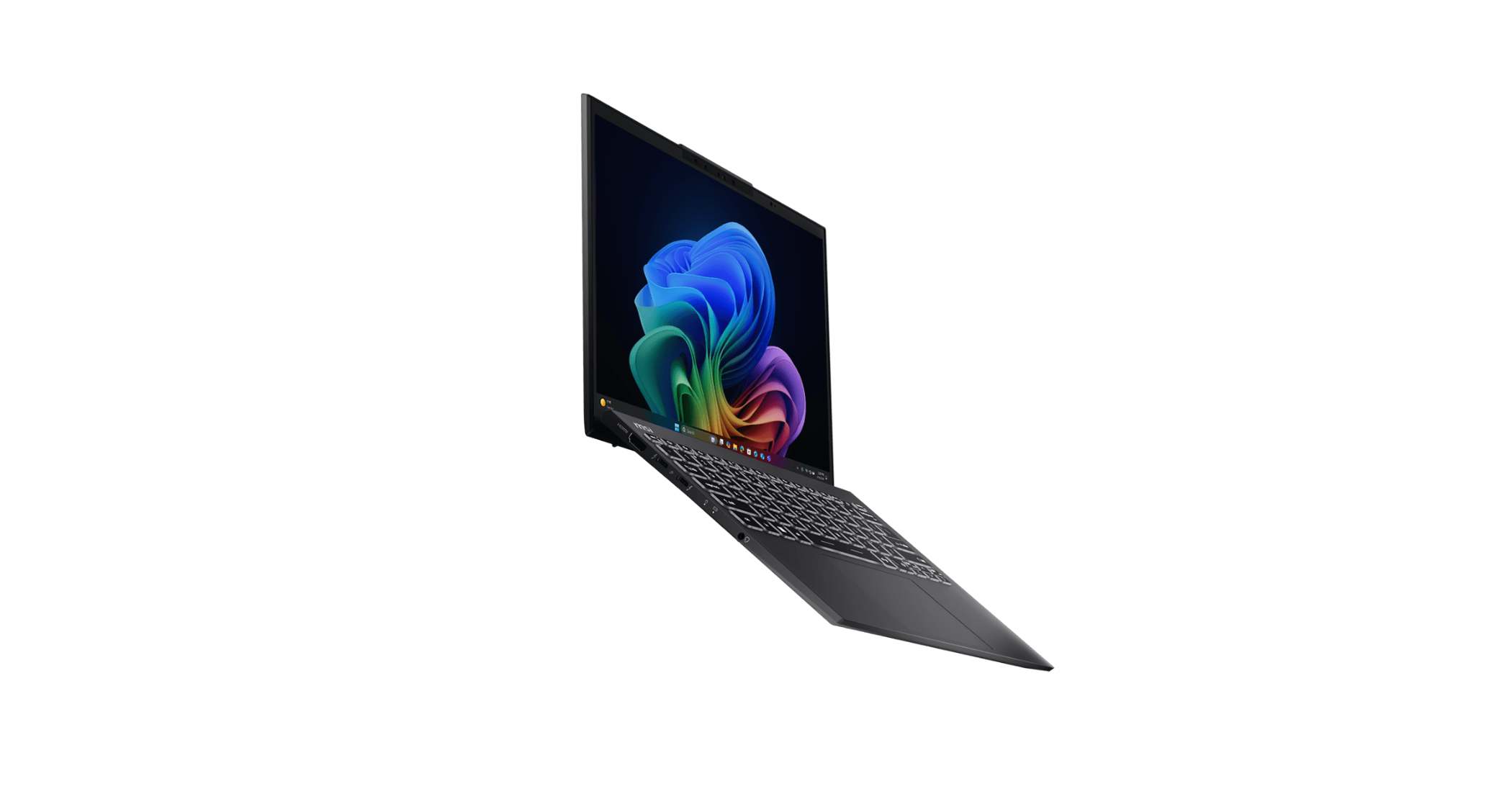
MSI has launched the Prestige 13 AI+ for users who value extreme portability. Weighing in at just 899 grams, it is marketed as the lightest 13-inch magnesium-aluminium laptop in the world. Despite the featherweight design, it runs on the Intel Core Ultra Series 3 processor and includes a substantial battery for its size, aimed at business users who travel frequently. Main Competitors: LG Gram 14, Apple MacBook Air 13, ASUS Zenbook S 13 OLED.
Acer Predator Helios Neo 16S AI
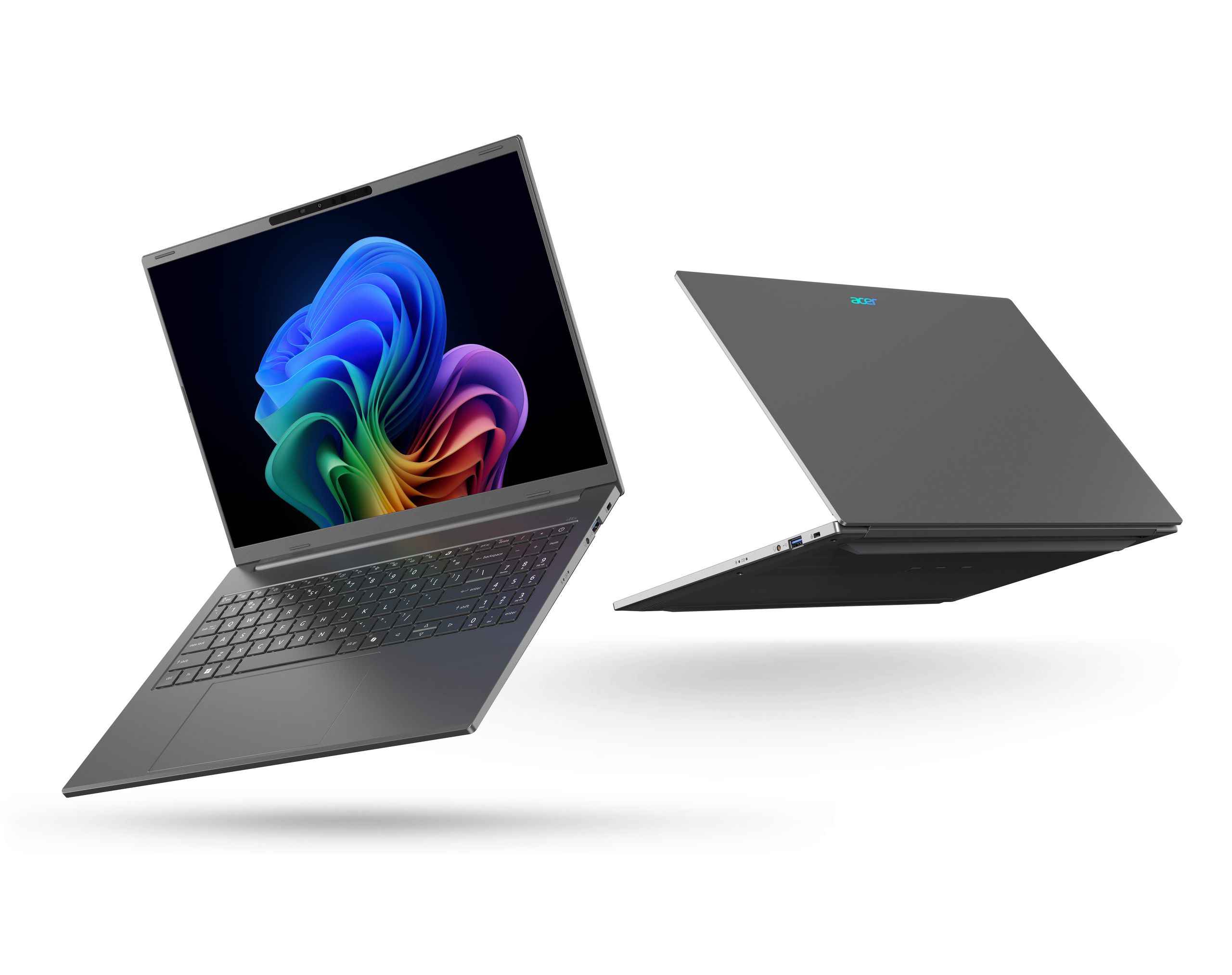
Acer's new Predator Helios Neo 16S AI is designed to balance performance and portability in a premium metal chassis that is 18.9 mm thin. It is equipped with up to an Intel Core Ultra 9 processor 386H and an NVIDIA GeForce RTX 5070 Laptop GPU. The laptop features a 16-inch WQXGA OLED display capable of true HDR imaging and utilises Acer's 5th Gen AeroBlade 3D fan technology and liquid metal thermal grease for cooling. It also integrates Copilot+ PC experiences for AI-enhanced workflows. Here are some of its biggest rivals, like the Lenovo Legion Slim 7, HP Omen Transcend 16, and ASUS ROG Zephyrus G16.
ROG Flow Z13-KJP (Kojima Productions Edition)
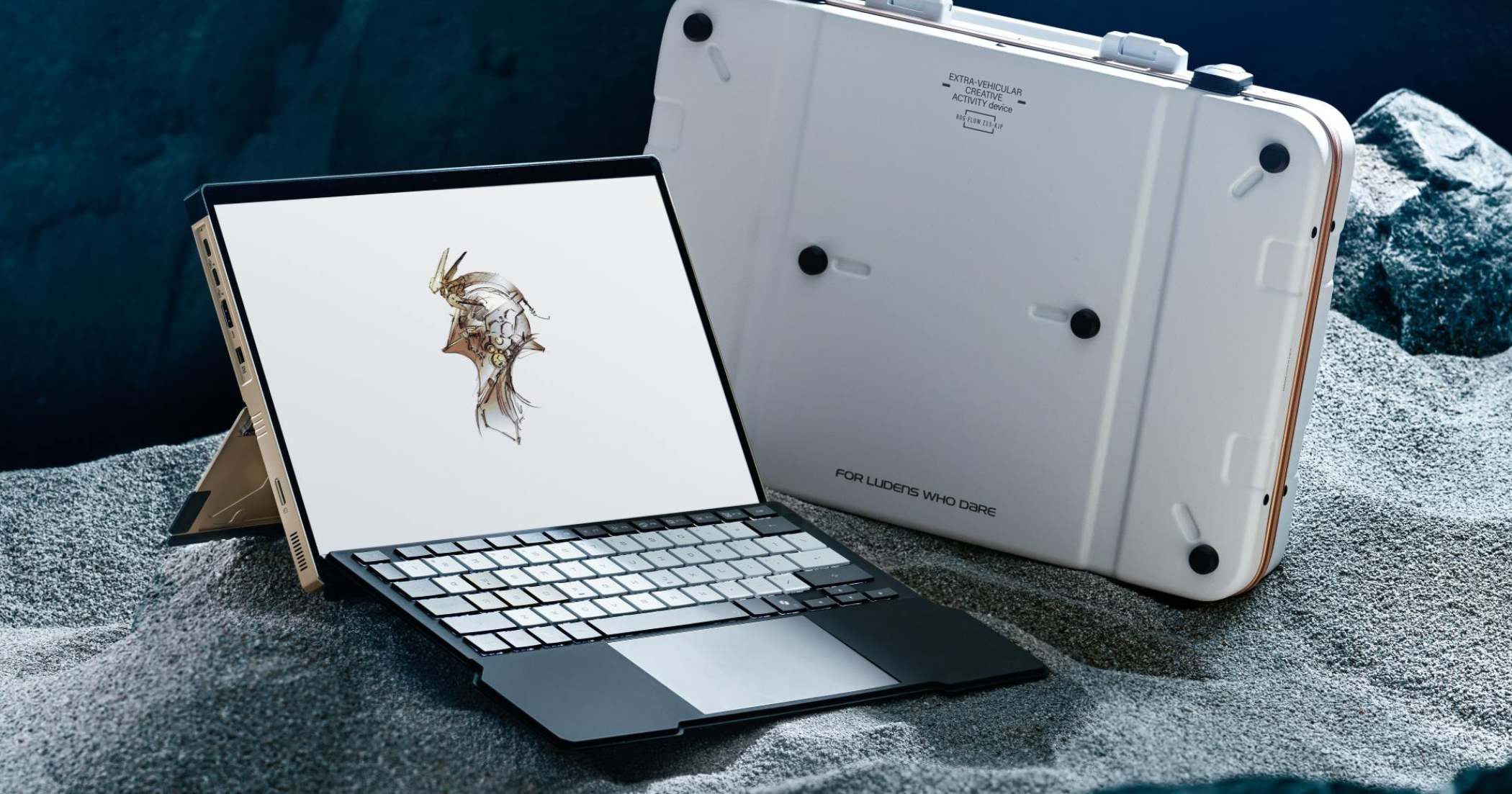
In a unique collaboration, ASUS ROG has partnered with Kojima Productions for a special edition of the Flow Z13. This tablet features a design inspired by the studio’s “Ludens” mascot and is powered by the AMD Ryzen AI Max+ 395 processor. It functions as a flexible 2-in-1 device with a detachable keyboard and sports a 13.4-inch 2.5K Nebula HDR touchscreen with a 180Hz refresh rate. The package is a collector’s item, including themed accessories and exclusive packaging. Main Competitors: Microsoft Surface Pro 11, Minisforum V3.
Keychron Ultra Series Keyboards
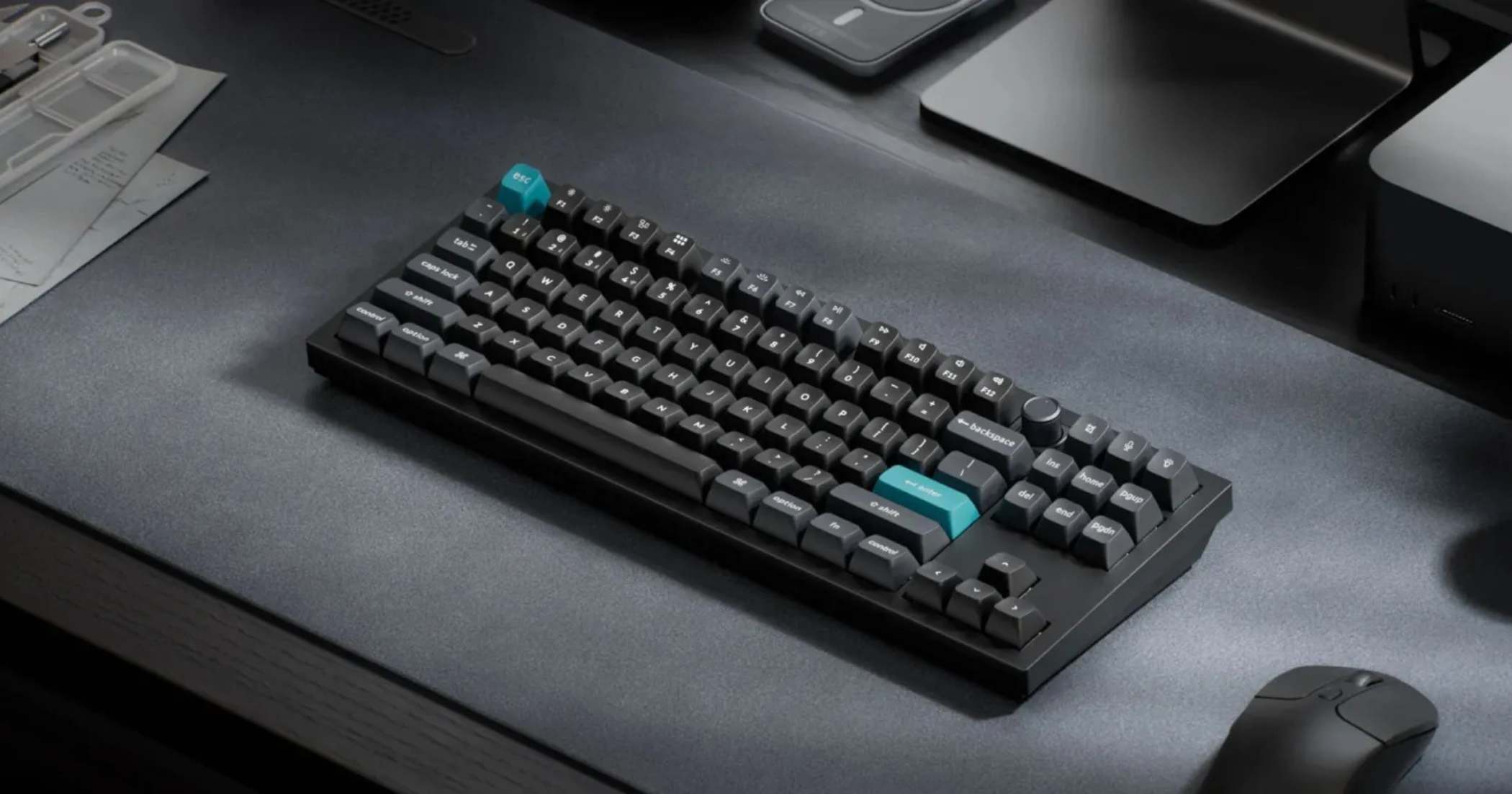
Moving to accessories, Keychron has unveiled its new Ultra Series mechanical keyboards. These are notable for being the first mass-produced keyboards to utilize ZMK firmware, a feature usually reserved for custom enthusiast builds. The keyboards boast an 8K polling rate for low-latency gaming and a massive battery life of up to 660 hours. Keychron has also introduced new Silk POM switches to improve the typing feel and acoustics. Main Competitors: Razer BlackWidow V4 Pro, Logitech G915 X, Wooting 60HE.
Should You Buy a New Laptop Now?
With the launch of the NVIDIA GeForce RTX 50 series and Intel's Core Ultra Series 3, the specs sheet for 2026 laptops looks very promising. However, if you are planning to drop serious money on a gaming laptop, we recommend waiting for detailed reviews. Manufacturers are packing high-wattage components into thinner chassis this year, which often leads to thermal throttling or loud fan noise.
When choosing a new model, keep a close eye on the TGP (Total Graphics Power) of the GPU. A laptop with a lower wattage RTX 5070 might actually underperform compared to a high-wattage RTX 4070 from last year. Also, give preference to OLED displays if your budget allows; the contrast and response times on the new Zephyrus and Swift models are significantly better than standard IPS panels. Lastly, unless you absolutely need the fastest multi-core performance for rendering, avoid paying extra for the top-tier “Ultra X9” chips, as thermal constraints in laptops often prevent these processors from reaching their full potential compared to the more reasonably priced Ultra 7 or Ultra 9 options.