The sub ₹25,000 segment right now is easily the most competitive it has ever been. You’re getting serious performance, but what really separates these phones isn’t just how fast they are at their peak; it’s how they behave after 20–30 minutes of real use.
Some phones push higher numbers, some feel smoother, and some just last longer. That’s where the real differences show up.
POCO X7 Pro: Pure Performance Focus
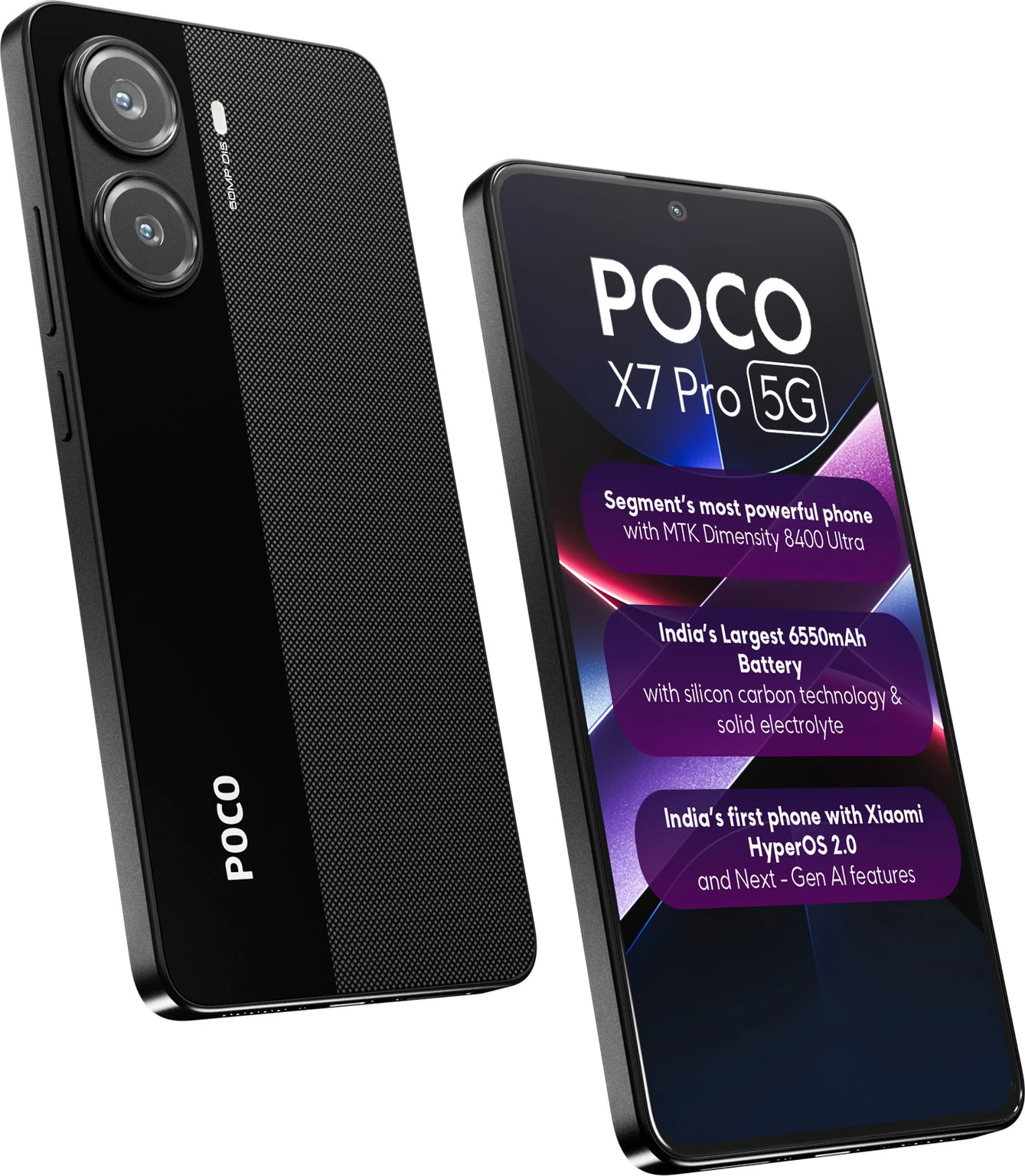
The POCO X7 Pro feels fast right out of the box, and more importantly, it stays that way. Whether you’re gaming or just juggling multiple apps, it doesn’t slow down easily.
It runs on the MediaTek Dimensity 8400 Ultra, and that reflects in its AnTuTu score of around 1,636,312, which is the highest in this segment. But what really stands out is how well it maintains that performance without aggressive drops.
You also get fast memory and storage, which helps keep things snappy over time.
- Camera: 50 megapixel main camera with an 8 megapixel ultra-wide
- Display: 6.67-inch AMOLED, 120Hz refresh rate
- Battery: 6,000mAh with fast charging
- Price: ₹23,999
Buy Now
Infinix GT 30 : Gaming Comes First
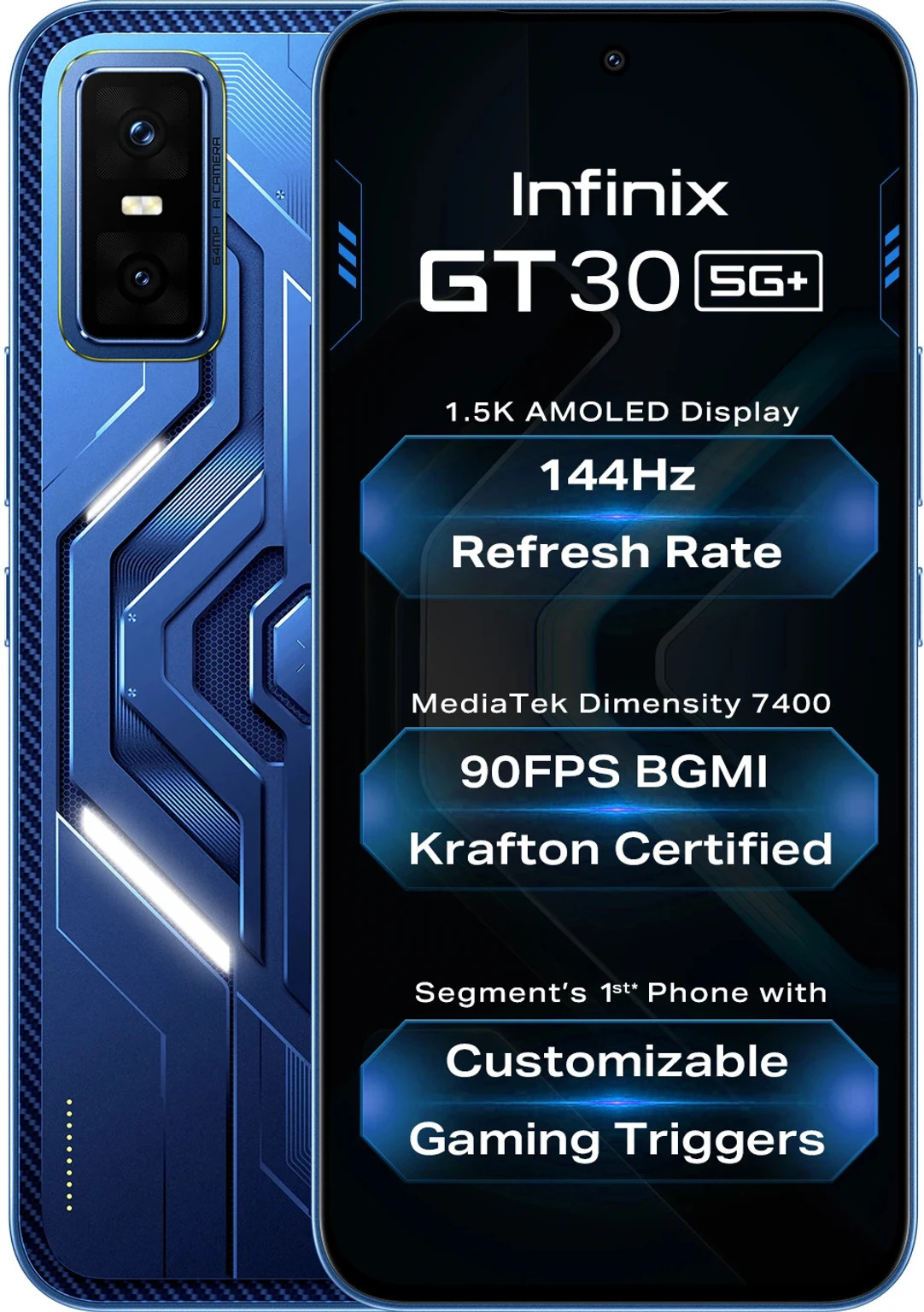
The GT 30 feels different from the moment you start gaming on it. It’s not just about speed, it’s about consistency.
Frame rates stay stable, and the phone handles heat surprisingly well during longer sessions. The GT triggers, and 144Hz display add to that experience in a way most phones here don’t.
Underneath, it uses the Dimensity 7400, which delivers solid performance, even if it’s not topping benchmark charts.
- Camera: 64 megapixel primary sensor
- Display: 6.78-inch AMOLED, 144Hz refresh rate
- Battery: 5,500mAh
- Price: ₹19,499
Buy Now
OnePlus Nord CE 5: Effortless Smoothness
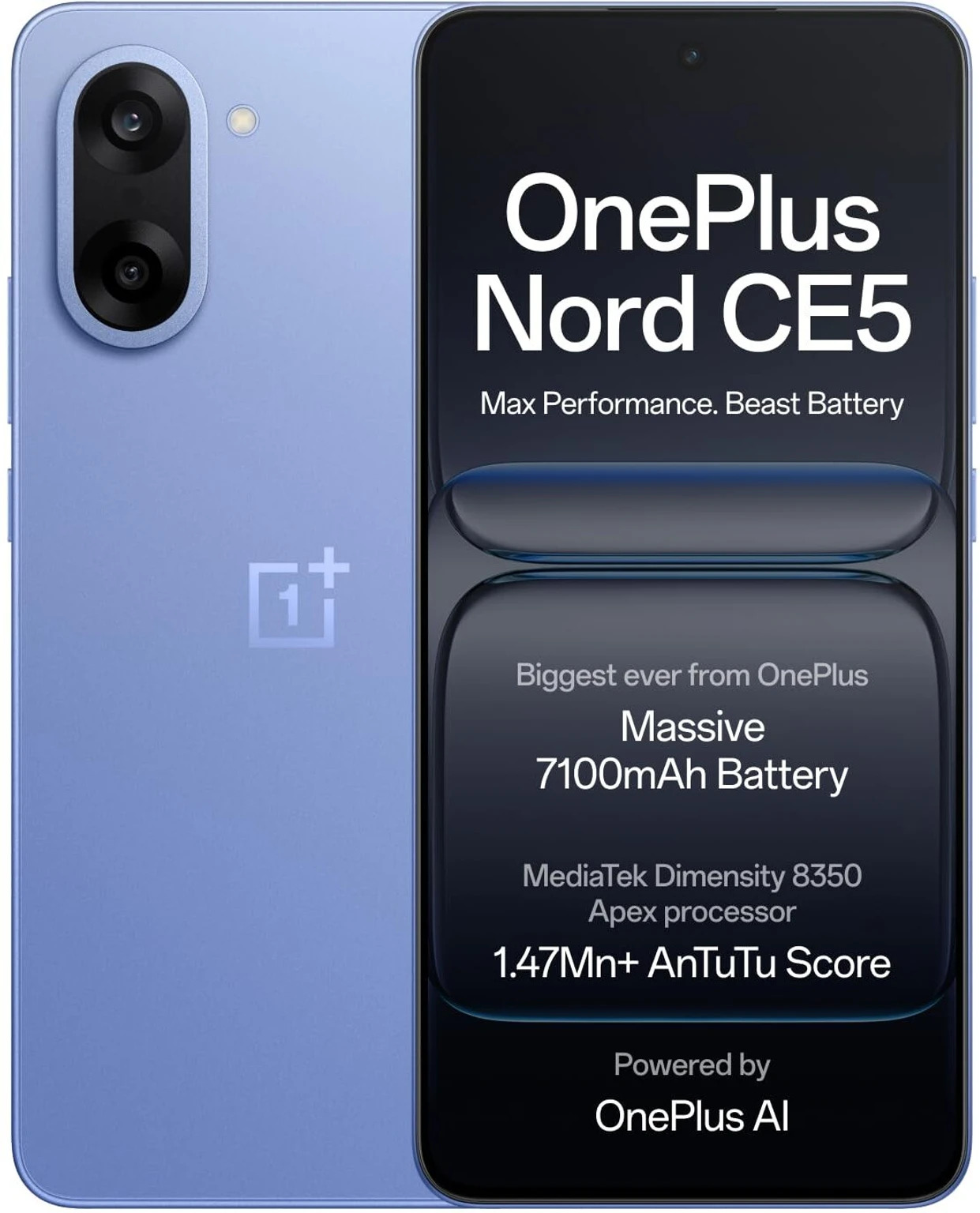
This is the kind of phone that doesn’t try to impress with numbers, but ends up feeling better in daily use.
Everything feels smooth and controlled, from scrolling to app switching. It’s the kind of consistency that you start appreciating over time. A lot of that comes from optimisation rather than just hardware.
That said, it’s still running the Dimensity 8350 Apex and scores around 1,421,301 on AnTuTu, so there’s no lack of power here either.
- Camera: 50 megapixel primary camera with natural tuning
- Display: 6.77-inch AMOLED, 120Hz refresh rate
- Battery: 7,100mAh with fast charging
- Price: ₹24,996
Buy Now
realme P3 Ultra: Stable and Balanced
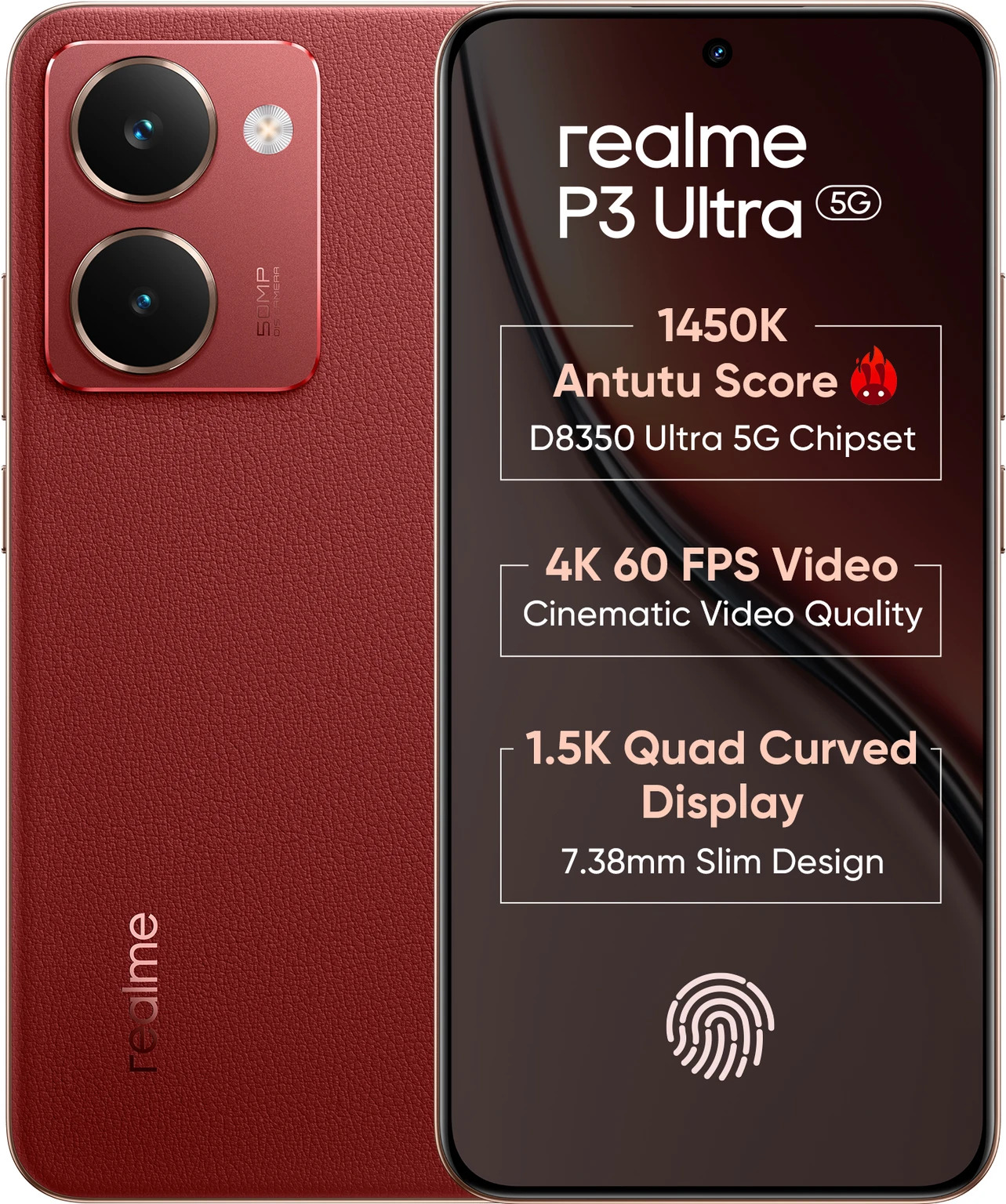
The realme P3 Ultra doesn’t try too hard to stand out, but that’s actually what works in its favour.
It feels stable, even when you push it. Heating is controlled, and performance doesn’t dip suddenly, which makes it reliable for longer usage sessions.
It runs on the Dimensity 8350 Ultra and scores around 1,427,228 on AnTuTu, putting it right alongside the Nord CE 5.
- Camera: 50 megapixel dual camera setup
- Display: AMOLED panel with 120Hz refresh rate
- Battery: 6,000mAh
- Price: ₹23,999
Buy Now
Vivo T4: Built to Last
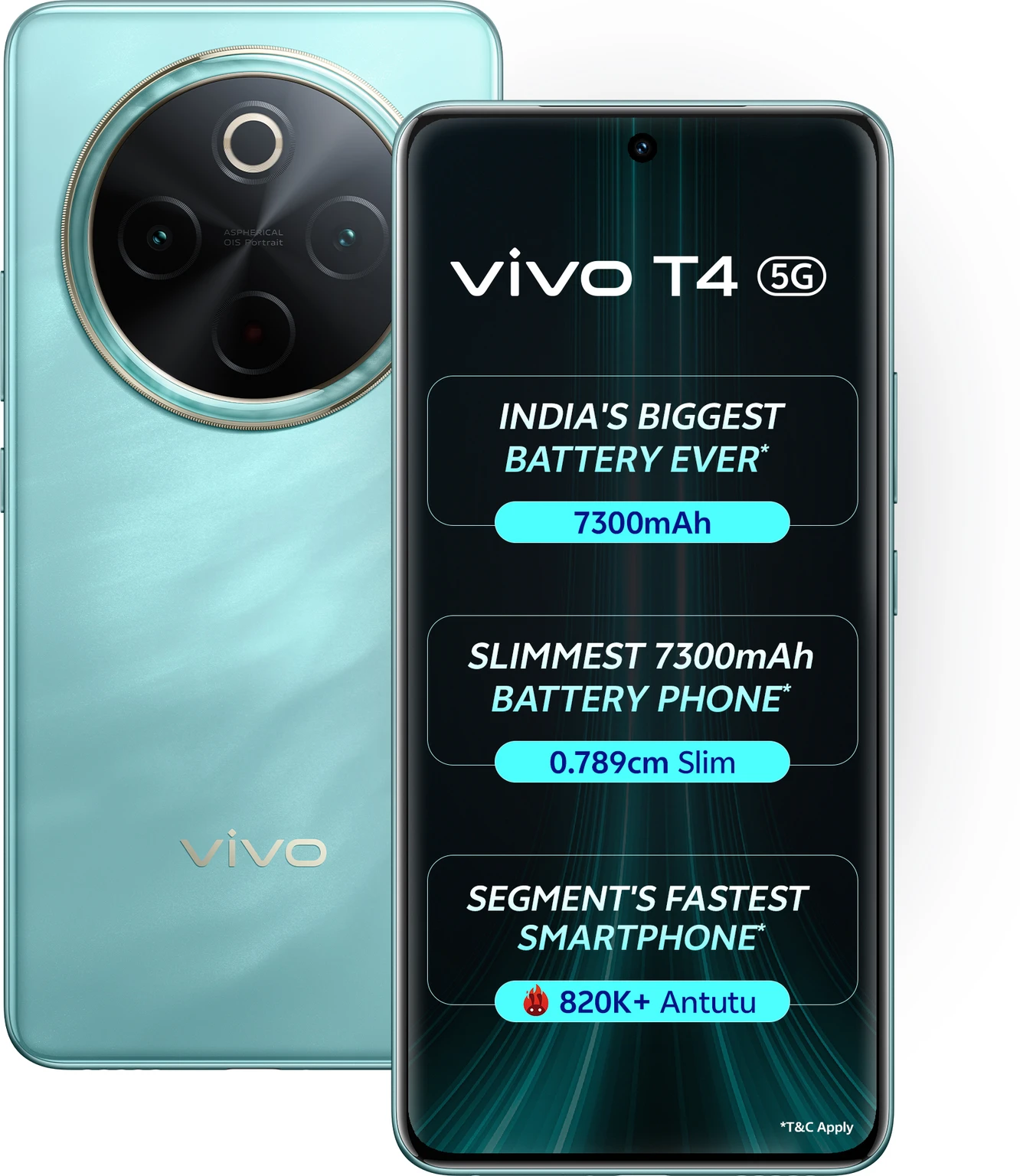
The Vivo T4 is less about speed and more about endurance. It’s the kind of phone you pick when you’re tired of charging your device all the time.
The massive 7300mAh battery completely changes the experience. You can push it hard and still not worry about running out of juice.
It runs on the Snapdragon 7s Gen 3 processor, which is good enough for daily tasks and casual gaming, just not as aggressive as the others here.
- Camera: 50 megapixel primary camera
- Display: 6.77-inch display
- Battery: 7300mAh
- Price: ₹24,999
Buy Now
The Best Pick
At this point, it’s not about which phone is “best” overall.
If you want the fastest phone, the POCO X7 Pro is still clearly ahead. If you game a lot, the GT 30 makes more sense. If you want something that feels smooth all the time, the Nord CE 5 and realme P3 Ultra are safer picks. And if battery life is your priority, the Vivo T4 is in a league of its own.
You’re not compromising anymore in this segment; you’re just choosing what matters more to you.