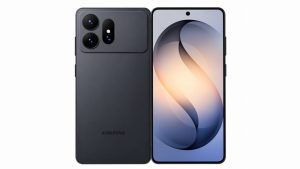
Infinix is preparing to launch the Infinix Note 60 Pro in India on April 13, positioning it as an all-around smartphone that combines performance, interactive design, and lifestyle-focused features.
The device brings together a Snapdragon platform, a unique Active Matrix LED system integrated into the camera module, and a mix of audio, health tracking, and charging features that suggest a broader attempt to differentiate beyond conventional specifications. The positioning here is straightforward: reliability over aggressive performance claims.
This aligns with Infinix's recent approach, focusing less on headline benchmark numbers and more on delivering a consistent experience across typical use cases.
Interactive Design and Active Matrix Display
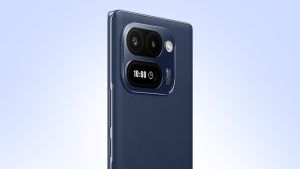
The most distinctive element of the device is its Active Matrix Display, a system of 288 independent LED pixels embedded within the camera module.
This secondary display is designed to surface notifications, calls, charging status, and alerts without requiring users to unlock the phone. It also extends into more playful territory with features like Pixel Pets, mini-games, and music-synced lighting effects. It's an unusual addition, one that attempts to bring a layer of interaction and personality into what is otherwise a largely standard smartphone form factor.
Audio and Health Tracking
The Note 60 Pro also leans into multimedia and wellness features. It includes dual stereo speakers tuned by JBL, with support for Hi-Res Audio, aiming to enhance content consumption and gaming experiences.
More notably, the device integrates a heart rate sensor capable of performing a 30-second body scan. It can track heart rate, SpO₂ levels, HRV, and stress indicators directly on the device. This is not entirely new territory, but its inclusion in a smartphone rather than a wearable reflects a growing overlap between categories.
Camera and Charging
The device features a 50MP OIS Ultra HDR main camera with support for 4K video recording and Live Photo, focusing on stability and dynamic capture rather than pushing higher megapixel counts.
On the battery side, the Note 60 Pro supports 30W wireless charging, reverse charging up to 10W, and bypass charging, alongside multiple smart charging modes aimed at improving long-term battery health.
A Different Kind of Differentiation
The phone is built around a 360° metal frame with a bold camera island design, giving it a more structured and durable in-hand feel. The design language leans toward a mix of functional durability and visual distinction, particularly with the addition of the Active Matrix system. It does not try to compete in the usual ways. It is not chasing the highest benchmark scores or the most aggressive camera specifications.
Instead, Infinix is experimenting with interaction.
The Active Matrix display, health tracking integration, and audio tuning suggest an attempt to make the device feel more expressive and multifunctional in everyday use. Whether these additions translate into meaningful utility or remain novelty features will depend on how consistently users engage with them over time. That is the risk with ideas like this. They stand out immediately, but sustaining relevance is harder.
If the implementation feels seamless, the Note 60 Pro could carve out a distinct identity in a crowded segment. If not, it risks being remembered more for the idea than the experience itself.