In a smartphone market dominated by Chinese giants, Lava has quietly but steadily held its ground as an Indian contender. The secret to its relevance lies in staying up to date with rapidly evolving consumer needs and market trends. If someone wants to see it in action, then look no further than its upcoming Agni 4 smartphone. Even before its unveiling, leaks have begun circulating in the tech community, anticipating capable hardware, an unprecedented build material for the brand, and more. So, let’s break down what makes the Lava Agni 4 one of the brand’s most promising launches yet.
Aluminium Design
For starters, Lava has made headlines with its X post that the new Agni phone will be the first in the brand’s lineup to feature an aluminium frame.
Real metal. Not painted plastic🔥🔥🔥🔥#Agni4 #ComingSoon #LavaMobiles pic.twitter.com/gj2ql7pYmX
— Lava Mobiles (@LavaMobile) October 31, 2025
This alone sets it apart from its competitors, as no other device is made from the same material. In addition, the Agni 4 is shaping up to be quite a durable smartphone for its segment, and that durability seems to go hand in hand with a more premium design direction.
In recent years, the sub-₹30,000 smartphone segment has quietly evolved. What was once dominated by plastic and polycarbonate builds has gradually shifted toward more refined finishes, as users started valuing design and in-hand feel almost as much as raw performance. Brands like Realme and Infinix have experimented with glass-like textures and matte coatings to mimic the look of a flagship, yet true metal construction has remained out of reach at this price point. With the Agni 4, Lava seems ready to change that. By introducing an aluminium frame in this segment, the brand is signalling its intent to elevate both design and durability and appeal to buyers who want their phone to feel as aspirational as it looks.
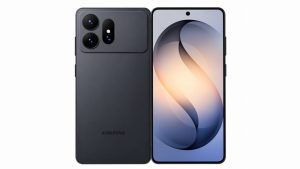
Alongside this, the brand has also revealed its first look.
Precision in Symmetry🔥🔥🔥🔥#Agni4 #ComingSoon #LavaMobiles pic.twitter.com/FWGUXn0Y9N
— Lava Mobiles (@LavaMobile) November 1, 2025
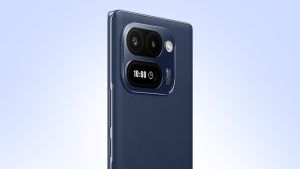
When it comes to design, the rear features a dual-camera array, which, according to us, resembles the layout on the Tecno Pova Slim.
Leaked Specifications Hint at a Well-Rounded Performer
A few other details about this phone have also been leaked recently. Debayan Roy, a reputed leaker, took to X to share the release timeframe and specs of this upcoming phone.
✅ Officially confirmed : Lava Agni 4 will launch in November
Confirmed to get :
✅ Metal frame
✅ Pill shaped , vertical dual rear cameraOther expected specs :
✅ 6.7" FHD+ 120Hz Flat OLED
✅ Dimensity 8350 , UFS 4
✅ More than 7000mAh🔋
✅ 50MP OIS + 8MP UW (likely) pic.twitter.com/xnc7fawXtM— Debayan Roy (Gadgetsdata) (@Gadgetsdata) October 2, 2025
As per him, the phone will boast a 6.7-inch FHD+ OLED display with a 120Hz refresh rate. It is also expected to pack a 7,000mAh battery, which is the largest battery that a Lava smartphone has come with.
Moreover, it will likely run on the MediaTek Dimensity 8350 processor, which has delivered promising results in smartphones like the Realme P3 Ultra during our analysis. What’s more, it is speculated to be equipped with a UFS 4 RAM.
Discussing the cameras in slightly more detail, the Agni 4 could include a 50-megapixel primary shooter and an 8-megapixel ultra-wide camera on its pill-shaped camera island.
Software Still the Weak Link
Going by the leaked specifications, the Lava Agni 4 seems like a thoughtfully put-together device that reflects how far the brand has come in understanding user priorities. The Lava Agni 4 is truly shaping up to be a nearly well-rounded package, which can evenly match major players like the Realme P3 Ultra and the OnePlus Nord CE 5.
However, the area where it significantly lags behind its competitors is the operating system. When companies have moved on from the stock Android, it has still held tightly to this concept. This has led to its archaic appearance in comparison to other players in the market, such as the Oxygen OS 15 on the OnePlus Nord CE 5 or the XOS 15 on the Infinix GT 30 Pro. If we evaluate Lava’s user interface from a feature standpoint, it has yet to offer any smart AI-enabled features. If it stays complacent with what it offers through its OS, the Agni 4 risks being overlooked in a market that’s quickly moving toward intelligent, adaptive software experiences.
That said, it’s best to hold our judgment until the Lava Agni 4 launches on November 20. Lava may still have a few surprises up its sleeve.
If it manages to strike the right balance between design, performance, and user experience, the Agni 4 could well become the comeback story Indian smartphone fans have been waiting for.