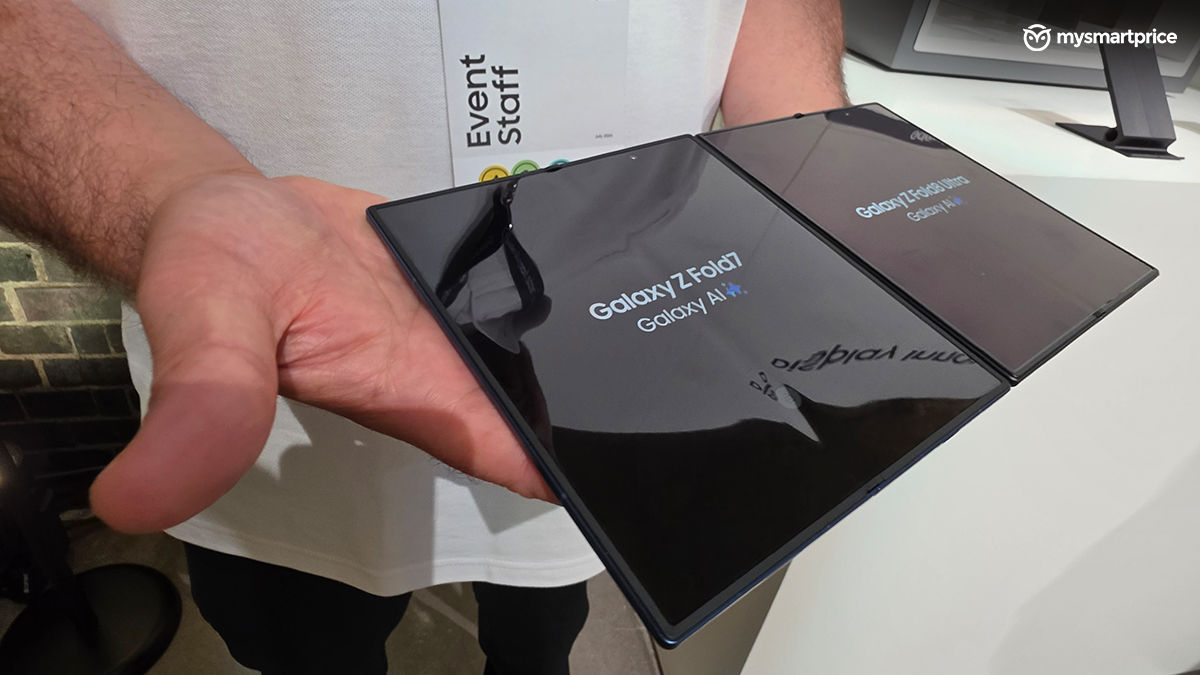
Samsung has expanded its foldable lineup with the Galaxy Z Fold8, Galaxy Z Fold8 Ultra and Galaxy Z Flip8 at its Unpacked event in London. While the Fold8 Ultra and Flip8 build on formats that Samsung has refined over several generations, the spotlight this year is on the regular Galaxy Z Fold8. It introduces a shorter and wider, almost passport-sized form factor that places greater emphasis on watching videos, reading, browsing and gaming.
The new model also changes the way Samsung is positioning its Fold series. The Fold8 Ultra now carries the large-screen productivity and content-creation pitch traditionally associated with the range, while the smaller Fold8 is designed as a more compact content device. The Flip8 continues to focus on portability, expression and quick interactions through its cover screen.
Samsung was one of the earliest brands to turn modern foldables into a mainstream premium-phone category. It now faces a much stronger competitive field, including devices such as the Google Pixel 10 Pro Fold and OPPO Find N5, Vivo X Fold 5. Google positions its Fold around multitasking and entertainment, while OPPO and Vivo have pushed thinness and battery life as key differentiators. Vivo also talks a lot of the camera capabilities of its Fold devices thanks to the tie-up with Zeiss.
More competition is likely to arrive soon. Rumours indicate Apple is preparing its first foldable iPhone, with reports pointing to a possible launch later this year. Apple has not confirmed the device, but its entry could bring considerably more attention to a category that remains a relatively small part of the overall smartphone market.
Samsung Galaxy Z Fold8 Series Price and Availability
The Samsung Galaxy Z Fold8 is priced at ₹1,79,999.
The Samsung Galaxy Z Fold8 Ultra is priced at ₹1,99,999.
The Samsung Galaxy Z Flip8 is priced at ₹1,24,999.
Pre-orders start today, while open sale dates are yet to be announced by Samsung.
The Fold8 will be available in Graphite, Cream and Lavender, with Pistachio offered as an online-exclusive colour. The Fold8 Ultra comes in Graphite, Cream and Violet Shadow, along with an online-exclusive Green Shadow finish.
The Flip8 will be sold in Graphite, Cream and Pink. Mint will be available exclusively online. Colour availability may vary across markets.
Galaxy Z Fold8: Samsung Tries a Different Kind of Fold
Talking about the Fold of the hour. The Galaxy Z Fold8 is not simply a smaller Fold8 Ultra. Its proportions change the way the device is expected to be used. When folded, the phone has a 10:16 cover-screen ratio designed for regular tasks such as messaging, browsing, social media and short-form video. Opening it reveals a wider 4:3 display intended for films and games. The same screen can be rotated for reading articles, e-books and other long-form content.
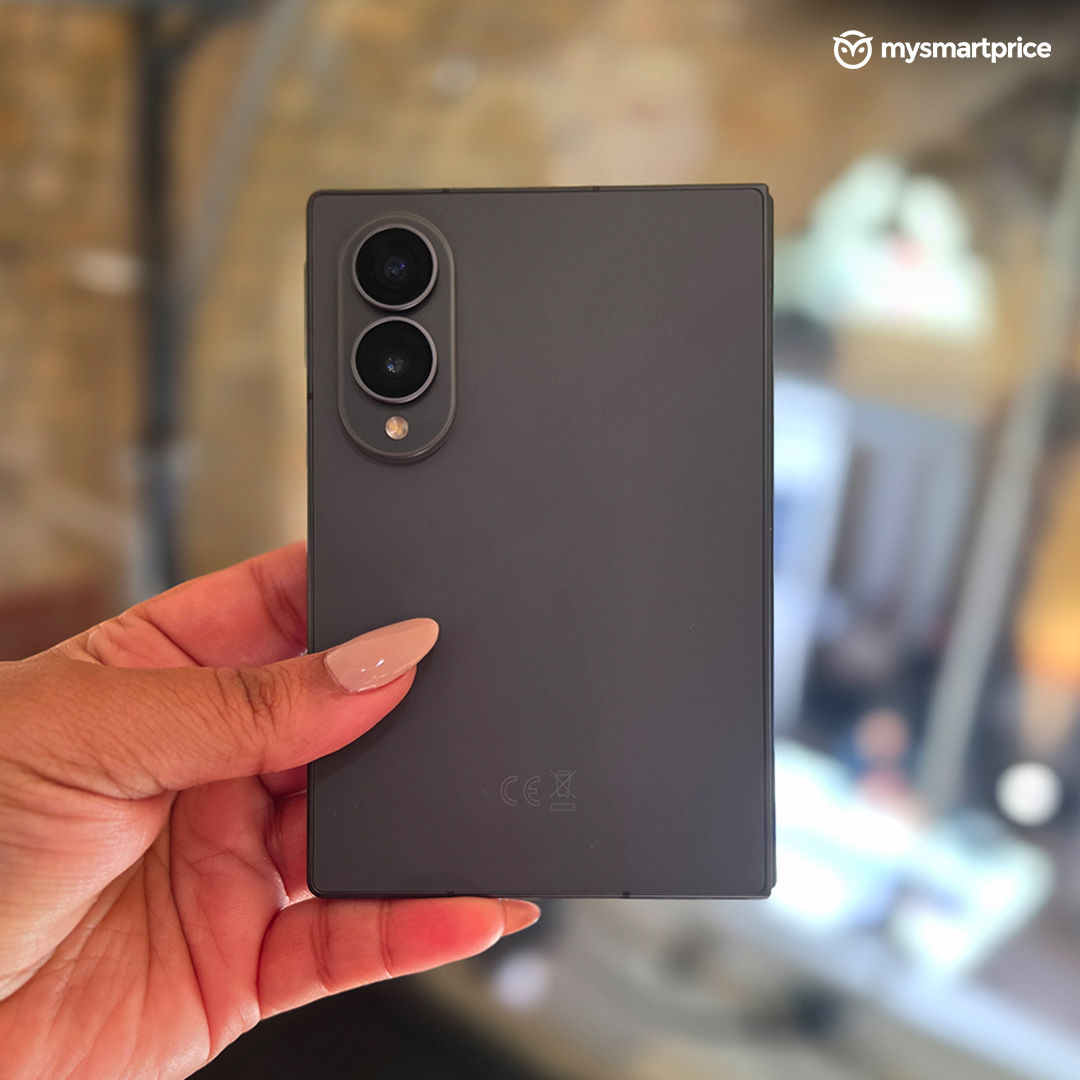
All said and done, this gives the Fold8 a very different character from the tall and narrow book-style foldables Samsung has sold so far. Its shape also carries a hint of nostalgia, particularly for anyone who remembers the BlackBerry Passport and the period when phone makers were still willing to experiment with unusual proportions.
Samsung says the Fold8 has been designed for Gen Z that consume a vast amount of content on their phones. The wider inner screen should work well for video and reading, although the real experience will depend on how apps and games adapt to the 4:3 ratio. A larger usable canvas is valuable; larger borders or stretched controls are not.
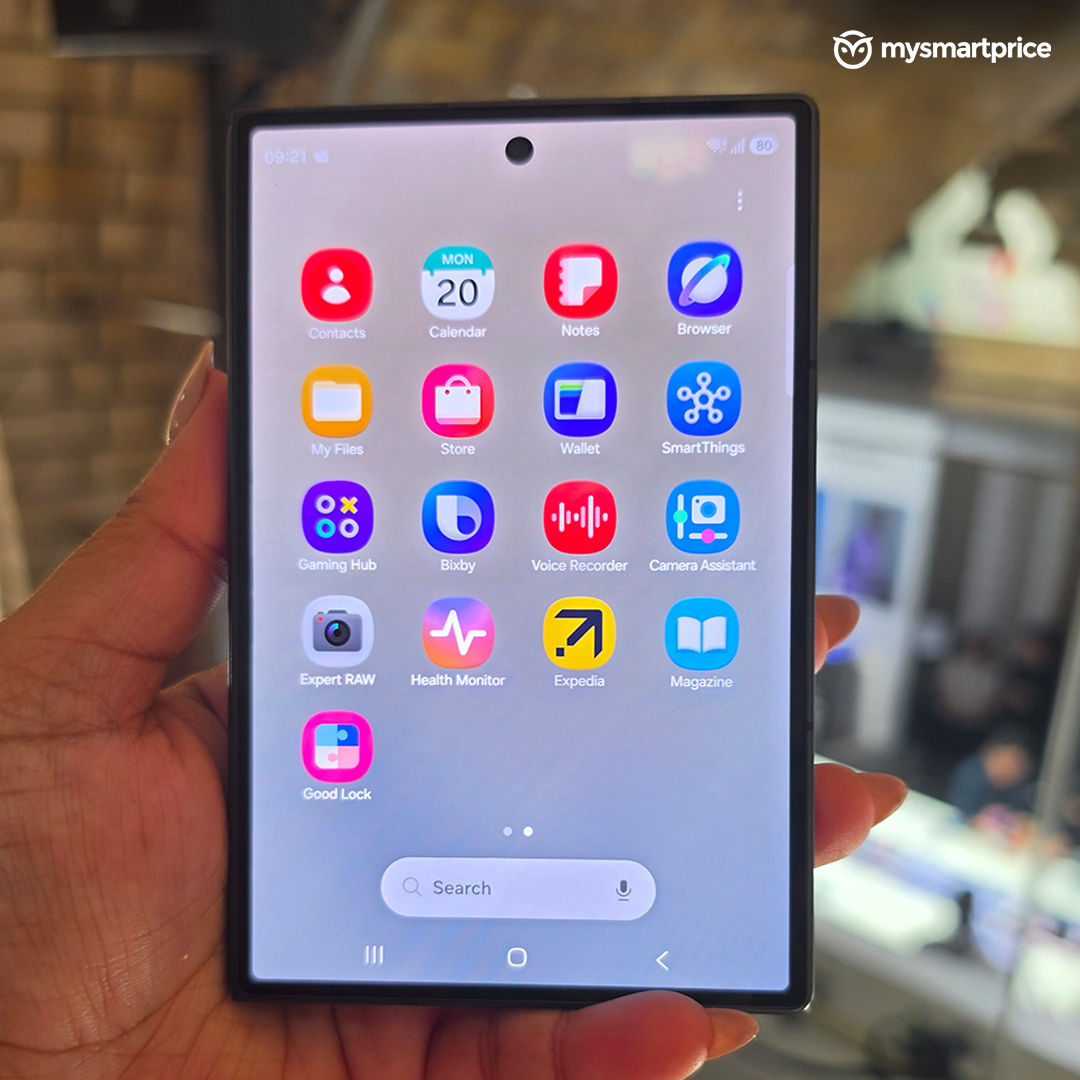
Weight could be one of the Fold8's bigger advantages. At 201g, it is Samsung's lightest Galaxy Z Fold yet. What is interesting is that it puts this phone much closer to the weight of a conventional flagship phone than most book-style foldables.
For a foldable, this is a make-or-break thing because weight and thickness remain among the biggest barriers to regular Fold adoption. A device may offer a larger display, but the appeal weakens if it feels cumbersome every time it is used as a normal phone.
Samsung is also introducing a Flex Titanium display structure. It combines a titanium-alloy film with an enhanced titanium plate to improve display support, absorb pressure and reduce crease visibility over time. The main screen supports up to 3,000 nits of brightness, Vision Booster and a low-reflection finish.
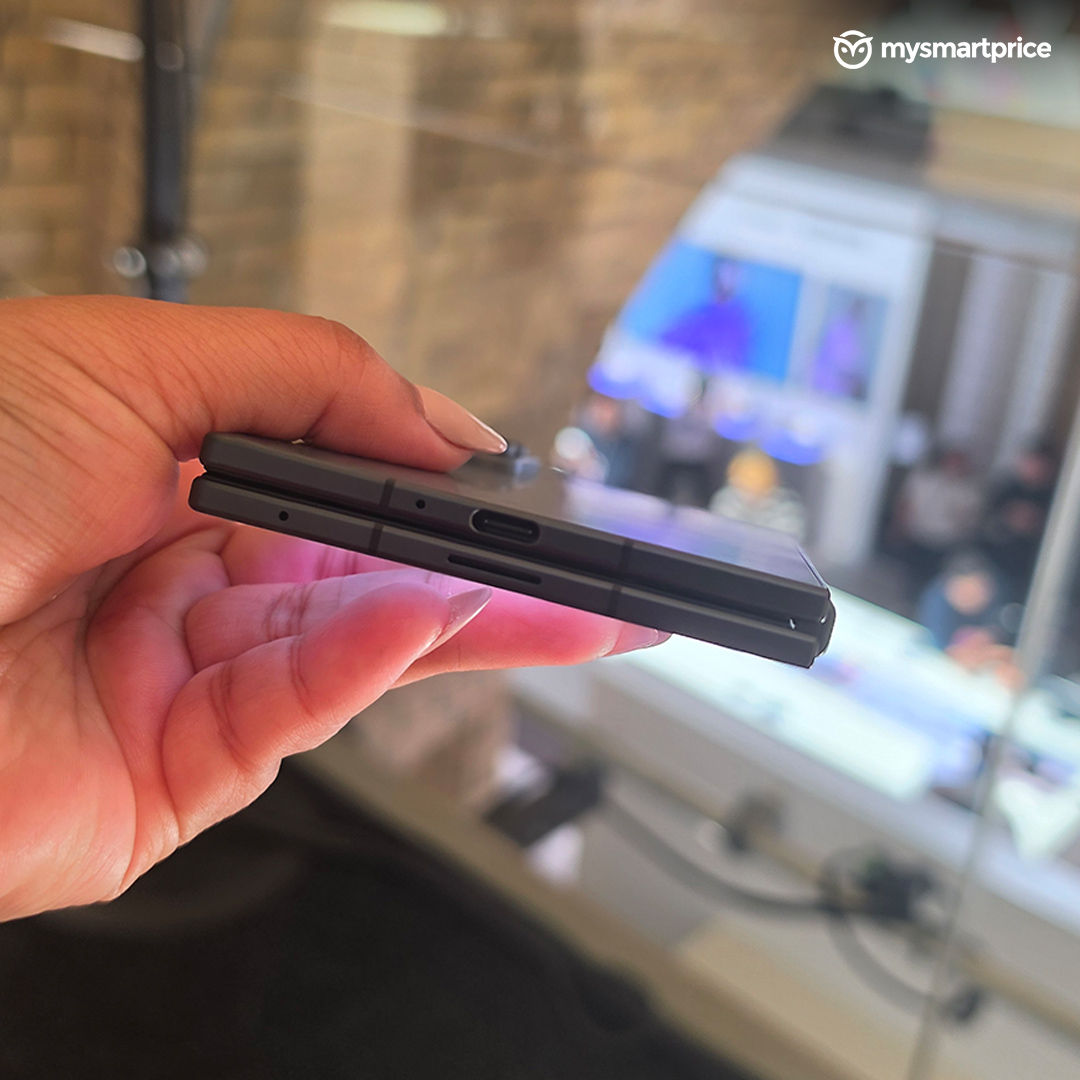
Performance is handled by the Snapdragon 8 Elite Gen 5 for Galaxy, while the phone carries a 4,800mAh battery. The processor should give it enough headroom for gaming and multitasking, but sustained performance will be more important than brief bursts of speed.
The compact chassis will have to manage heat during longer gaming sessions, while the battery has to support the kind of extended video, reading and gaming use around which the phone is being marketed. Both need real-world testing before the Fold8's content-first pitch can be judged properly.
Samsung has given the Fold8 two 50MP rear cameras covering wide and ultra-wide perspectives. Camera features include Dual Recording and My FanCam, which can track a selected subject and reframe the video into a chosen aspect ratio.
What makes the Fold8 important is not simply its size. Samsung is testing whether the Fold can appeal to people who want a more immersive screen but have little interest in turning their phone into a portable office.
Galaxy Z Fold8 Ultra: The Familiar Fold Gets a Clearer Role
The Galaxy Z Fold8 Ultra is closer to what long-time Fold users will recognise. It has an 8-inch main display built for multitasking, productivity and content creation, but Samsung has made the device slimmer and lighter than its screen size might suggest.
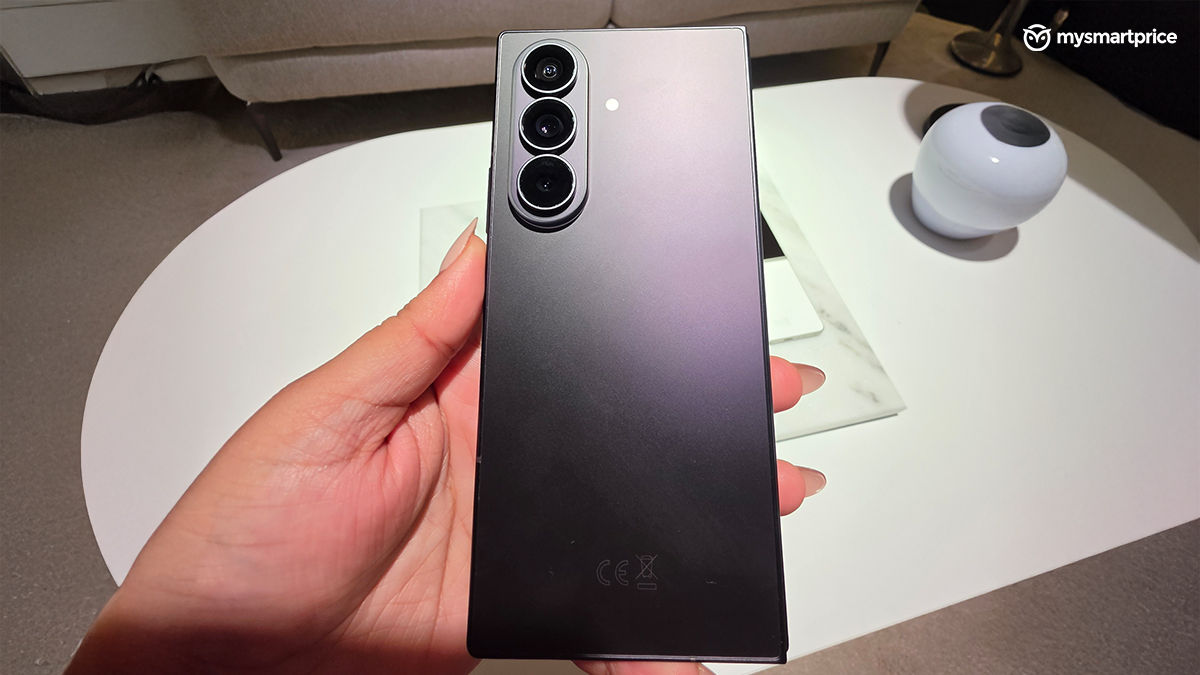
The phone measures 4.1mm when unfolded and weighs 215g. That is only 14g more than the considerably smaller Fold8, which could make the choice between the two less straightforward than Samsung intends. Its larger screen remains better suited to users who regularly work across multiple apps, edit documents or want more space for creative tools. The Fold8 Ultra is also the model Samsung is reserving its more ambitious hardware for.
Powered by the Snapdragon 8 Elite Gen 5 for Galaxy, the Fold8 Ultra carries a 5,000mAh battery. Samsung has added 45W fast charging through a dual-path charging architecture, along with an expanded graphite cooling structure designed to dissipate heat during heavier workloads. This is also the first time that Samsung has opted for a silicon-carbon battery, which has helped them to pack a bigger battery while reducing the size and thickness.
The camera system creates an even clearer distinction. The Fold8 Ultra has a 200MP main camera and a 50MP ultra-wide camera that can also be used for macro shots. It supports improved Nightography, 8K recording through the APV codec and Cine LUT controls for video.
Samsung is effectively using the Ultra label to separate its best foldable camera and productivity experience from the new content-focused Fold8. We think this strategy has been adopted to give existing Fold buyers a familiar upgrade path. It also allows Samsung to experiment with a more compact Fold without asking its core productivity audience to accept a smaller workspace or a reduced camera setup.
The Fold8 Ultra will make the most sense for buyers who actively use the larger screen for work, multitasking or content creation. For users who mostly open a foldable to watch videos or browse, the regular Fold8 could be the more manageable option, depending on the price gap.
Galaxy Z Flip8: More of the Phone Moves to the FlexWindow
The Galaxy Z Flip8 remains the smallest device in the lineup, weighing 180g and measuring 6.1mm when unfolded. Samsung says it is its slimmest and lightest Flip yet.
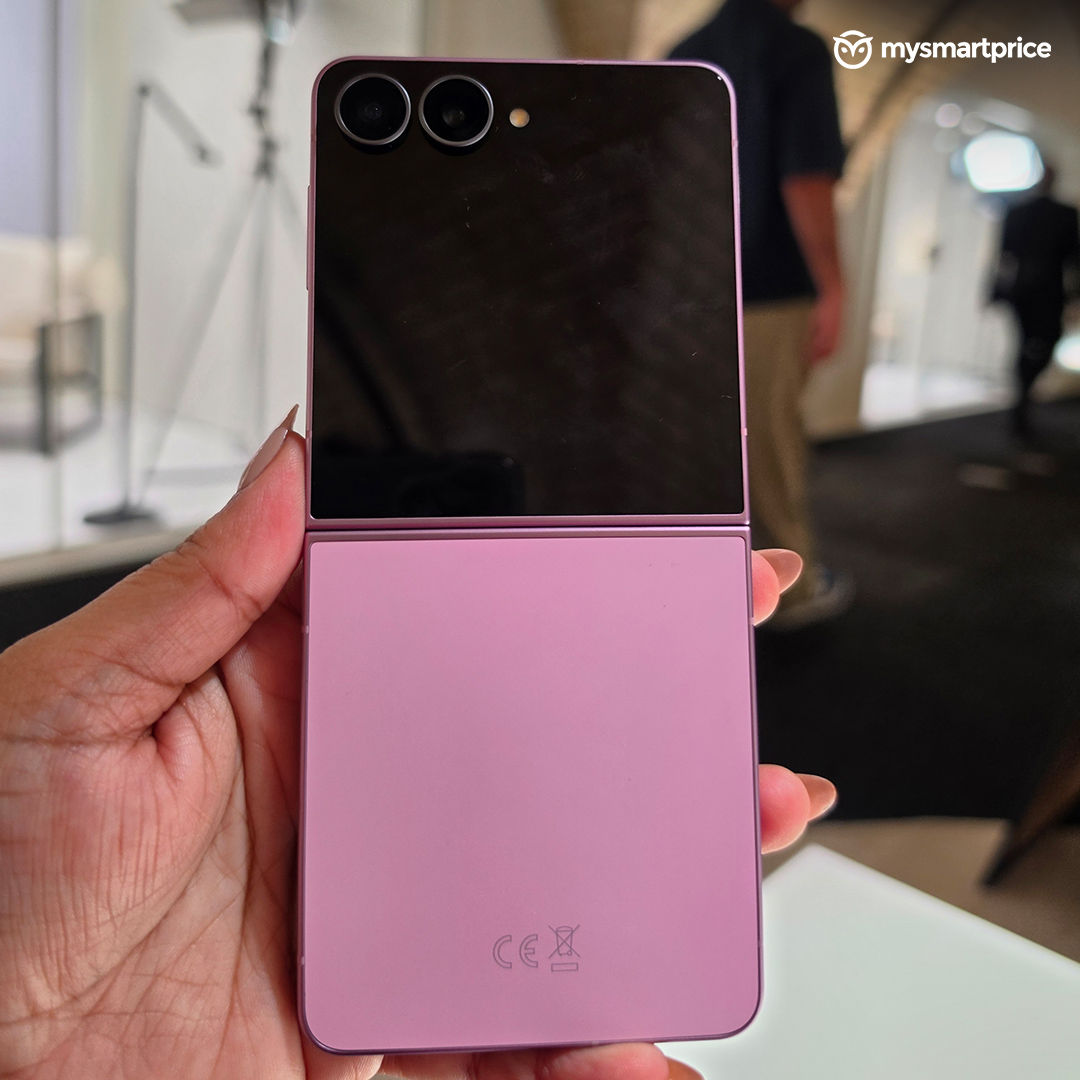
Its biggest changes centre on the FlexWindow. Samsung is bringing more apps, information and actions to the cover screen so that users can complete routine tasks without opening the phone each time.
Now Brief can show personalised information and recommendations on the FlexWindow. Gemini Intelligence can also be accessed using the side key or voice commands, although the availability of individual automation features will vary by region and language.
The Flip8 continues to make stronger use of the folding design for photography. Its 50MP camera works with Samsung's ProVisual Engine, while Flex Mode allows hands-free shooting from different angles.
Camcorder Grip with Zoom Rocker is designed to provide a steadier grip while recording. Super Steady now includes Horizontal Lock, while FlipShot and Mirror View make greater use of the FlexWindow for selfies and quick previews. Horizontal Lock was a promoted feature for the Galaxy S series lineup, and we did see that in action during the Galaxy S6 launch as well. It is a good addition to the device that seems to be clearly targeting the content creators.
This remains the clearest alternative to Motorola's Razr line, which has also built its identity around a large cover screen and a more fashion-led interpretation of the flip phone. The challenge for both brands is making the outer display useful beyond the novelty period. Users need to be able to reply, navigate, check information and access frequently used tools without running into unnecessary restrictions.
The Flip8 matters because it is still the most approachable of Samsung's foldable formats. It does not ask users to change how they work or carry a larger phone. Instead, it adds more flexibility to a familiar smartphone experience.
Samsung Is No Longer Selling One Fold Experience
Samsung's foldable strategy is becoming easier to read. The Fold8 is for users who want more space for entertainment and reading without carrying a large book-style device. The Fold8 Ultra is for people who want the biggest workspace, stronger cameras and more capable hardware. The Flip8 remains focused on portability, photography and quick cover-screen interactions.
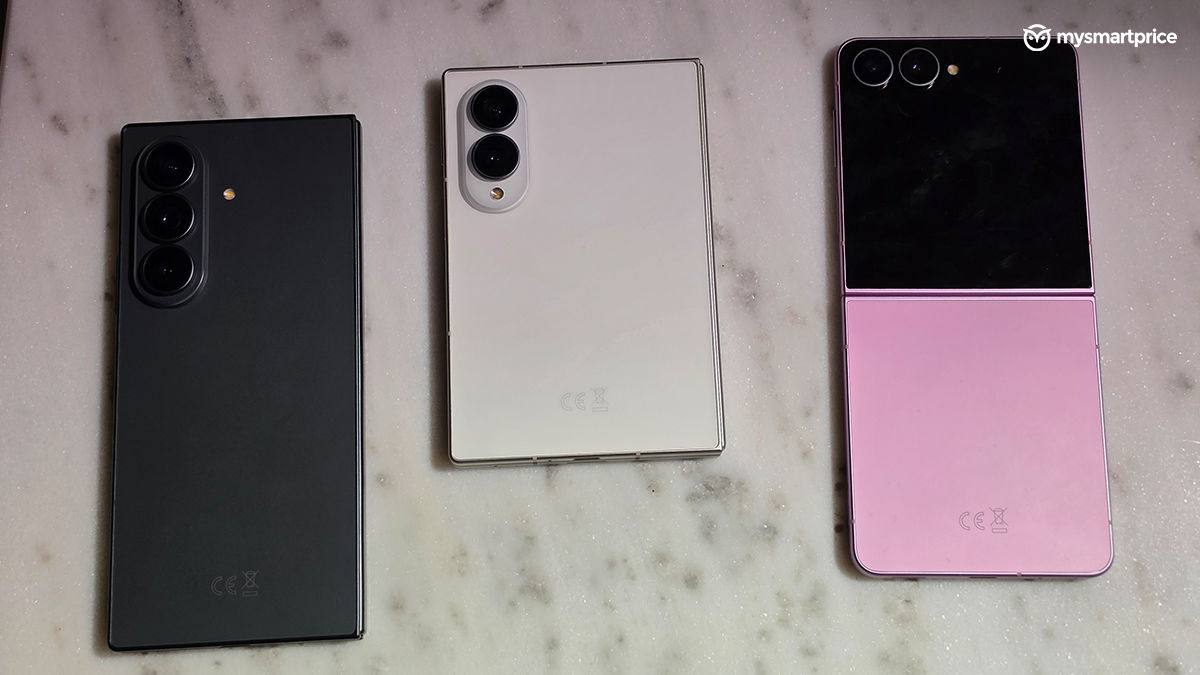
We think that this is a more mature approach than selling foldables primarily on the fact that they fold. Buyers are now being asked to choose between specific benefits, much as they already do with conventional flagship phones.
It also arrives at a time when Samsung can no longer define the category on its own. Google and OPPO already have credible book-style alternatives, Motorola remains a strong presence in flip phones, and a future Apple foldable could reset consumer expectations around software, cameras and ecosystem integration.
Samsung's advantage is experience. It has spent eight generations refining hinges, folding displays and software behaviour. The risk is that experience can also lead to incremental updates. The new Fold8 is important because it shows the company is still willing to reconsider the basic shape of the product.
Samsung's Foldable Strategy Meets a Changing Cost Market
The prices of the new Galaxy Z models are also reflective of where the premium smartphone market is heading. Foldables have always commanded a premium, but brands are now working against a more difficult component-cost environment as well.
Mobile memory prices have risen sharply in 2026. TrendForce estimates that the average prices of LPDDR4X and LPDDR5X solutions increased by at least 70 to 75 per cent and 78 to 83 per cent quarter-on-quarter, respectively, during the second quarter. The research firm says these increases are adding to the cost pressure on smartphone companies and could also affect the memory configurations offered across price segments.
Seen in that context, the pricing of the Fold8 lineup reflects both Samsung's attempt to create three distinct foldable experiences and the higher costs now shaping the smartphone industry. What matters is whether the differences between the Fold8 and Fold8 Ultra feel clear enough at their respective prices, especially since the regular Fold makes compromises such as the absence of a telephoto camera.
India prices are still awaited. For a price-sensitive market such as India, they will give us a better sense of how aggressively Samsung plans to defend its share in the premium segment while bringing more users into the foldable category.
For now, the new Fold8 is the device that changes the conversation. Samsung has not merely made its existing Fold smaller. It has created a separate format around reading, video and gaming, while giving the traditional large Fold a more clearly defined Ultra position.