Having reviewed phones for more than a decade, I naturally find myself more interested in what is happening with foldables. Slab phones continue to improve, but there is a familiarity to their design that makes each new generation a little less surprising. Foldables still give manufacturers room to rethink how we carry and use a phone, even if some familiar concerns keep following them around.
Vivo X Fold6
₹2,19,999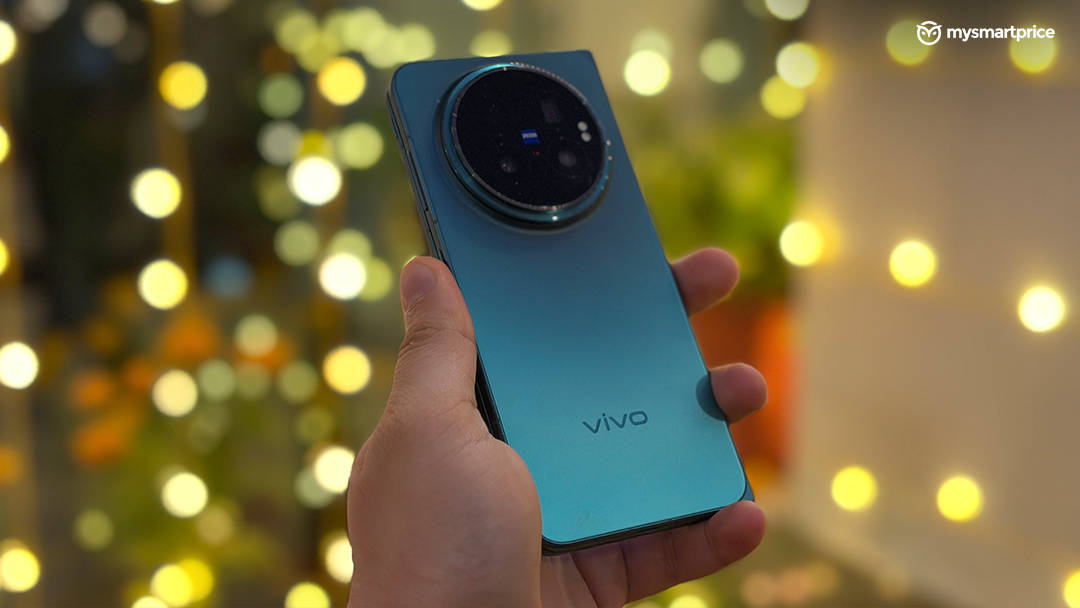
What Is Good?
- Reassuring battery life through long travel days
- Comfortable to carry and handle for a large foldable
- Enjoyable inner display for videos and ebooks
- Versatile cameras with pleasing architecture, food and indoor results
- Useful multitasking options for the larger screen
What Is Bad?
- Expensive at ₹2,19,999
- Camera consistency drops with moving subjects, while some low-light shots lose fine detail
The crease and hinge remain part of that conversation, with each brand approaching them differently. For me, though, the bigger questions have been about the cameras and battery. As a heavy user who travels frequently, I need both to hold up before the appeal of a larger screen can convince me to switch. A foldable becomes a harder sell if I also need to carry another phone for photographs or keep looking for somewhere to charge it.
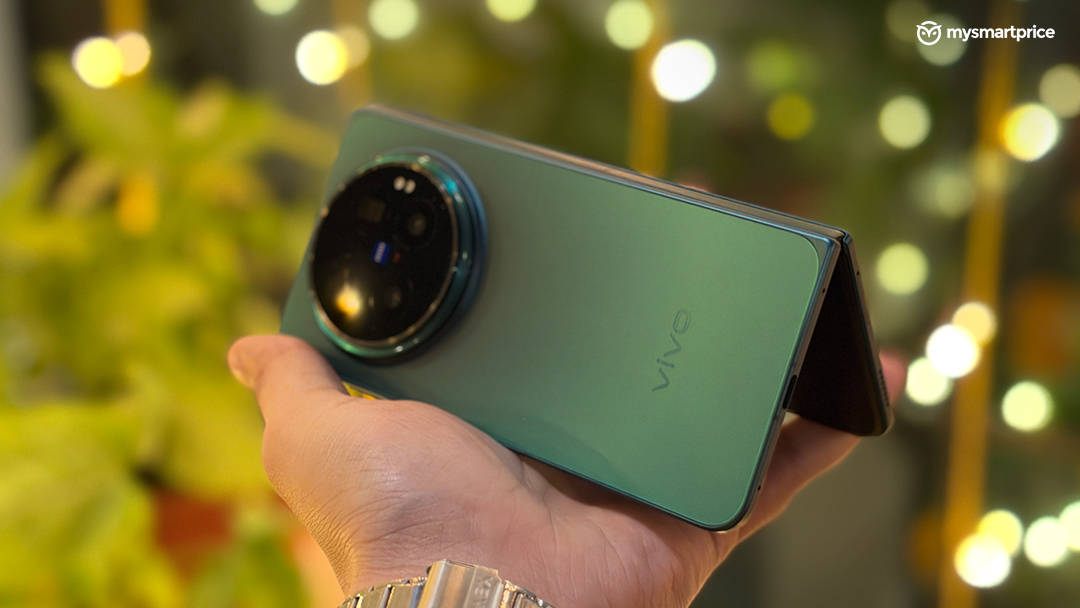
Vivo’s earlier foldables had already made me reconsider those compromises. For the X Fold6, I wanted to take that assessment further, so I brought it along on a 12-day trip to the UK. Between a long flight, navigation, sightseeing, photographs and the usual messages from home, there would be plenty for it to do.
The battery ended up being the part that impressed me most. The cameras gave me several photographs I was happy to bring back, although there were also moments when I wanted more consistency.
Design and Handling
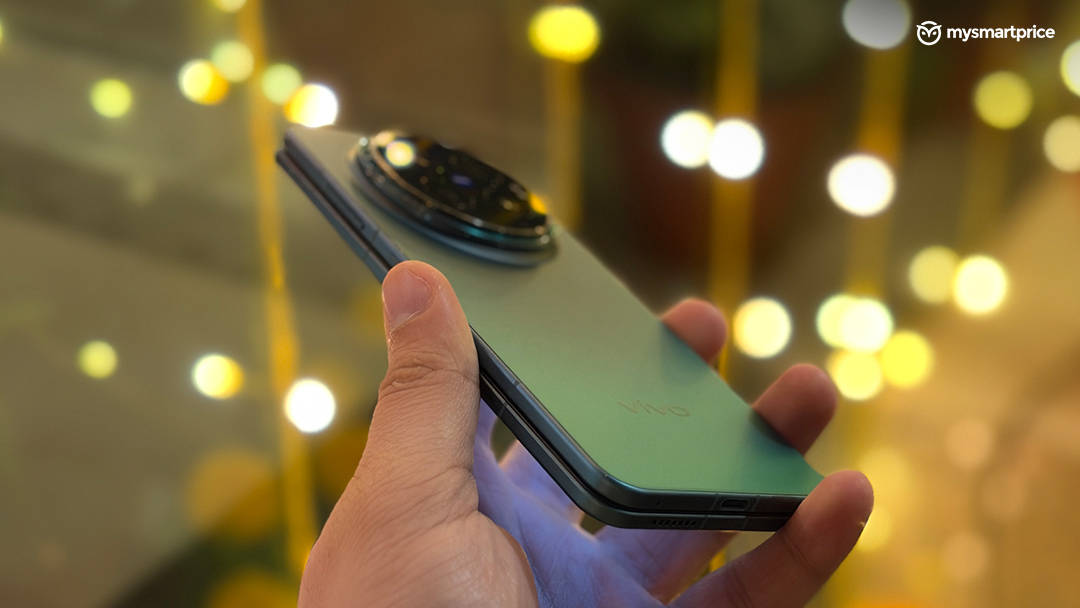
Across the last two generations of Vivo foldables I have used, the design has felt familiar. The X Fold6 did not give me the sense of picking up something dramatically different, and I do not necessarily see that as a problem. Once a foldable becomes comfortable enough to carry and use regularly, retaining that familiarity has its advantages.
On this trip, the X Fold6 was easy to live with. It slipped into my pockets comfortably, and its weight did not become particularly intrusive as I moved between places. Handling felt similarly familiar, without much of an adjustment period. For a phone that I was repeatedly taking out for directions and photographs, that mattered more than a visibly new design.
The colour was less to my taste. I tend to prefer subtle finishes, and the green of my review unit was a little too loud for me. Buyers with similar preferences have the option of Prism Black, alongside this Nebula Teal finish and can opt for that.
My bigger concern was how readily marks appeared on the outer display during use. Thankfully, it was the fitted screen protector taking the brunt rather than the glass underneath. The scratches were noticeable enough that I eventually removed it before we photographed the phone for this review.
Display and Entertainment
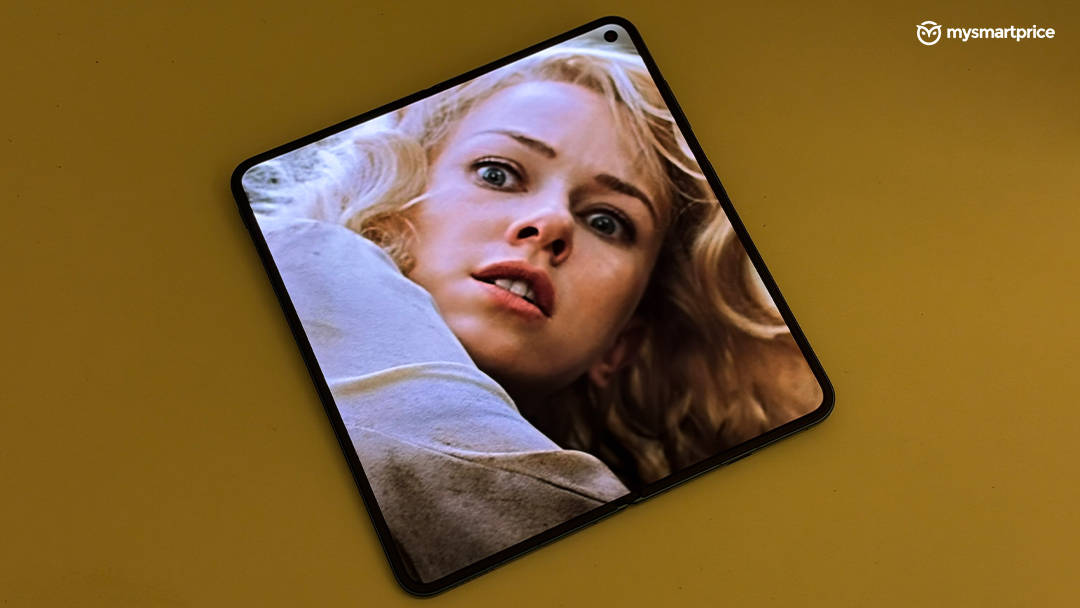
The roughly 10-hour flight (one way, thanks to all the travel restrictions and airways being closed) gave me an early opportunity to spend some uninterrupted time with the inner display. I was not counting on the onboard Wi-Fi, so I had downloaded plenty of shows on Netflix, JioHotstar and Prime Video before leaving.
Sitting by the window meant the lighting changed through the journey, from daylight coming into the cabin to the dimmer conditions after the lights were lowered. Through those changes, I was able to enjoy my shows and read subtitles comfortably. I was not watching especially dark content, so this was more a test of general viewing comfort than of how well the panel could reveal detail in shadowy scenes.
Initially, I watched with the phone fully unfolded. After about an episode, holding it became tiring, so I switched to a partially folded stand position. Subtitles remained legible in both arrangements, and being able to put the phone down made the longer viewing session more comfortable.
The inner display also got plenty of use on the longer train journeys between London, Glasgow and Edinburgh. Alongside watching more of my downloaded shows, I spent some time reading an ebook. Having my reading and entertainment on the same device was convenient, and these longer journeys gave me more reason to unfold the phone.
Between the flight and the train journeys, I appreciated being able to change how I used the screen. I could open it fully for reading or watching, then prop it up when I wanted to give my hands a break. Over several hours of travel, that flexibility proved useful.
Audio came later in my assessment. I had earphones on throughout the trip, so I only spent time listening to the dual stereo speakers after returning. From that listening, the sound is good and complements the viewing experience. With two speakers and four microphones, the phone also has enough openings around its frame to turn a simple SIM swap into a brief inspection exercise. I had the ejector pin ready; identifying the SIM tray’s eject point took longer than expected.
Performance That Fits the Travel Routine
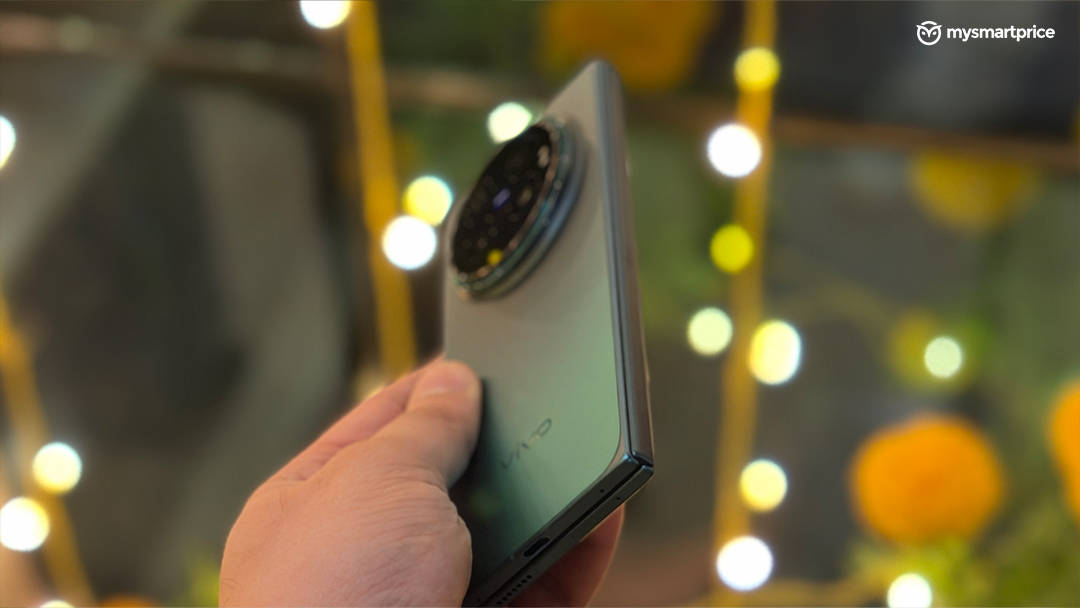
My use of the X Fold6 involved frequent navigation, photographs, WhatsApp and Instagram, with downloaded shows filling the quieter hours on the flight. Switching between entertainment and productivity was fairly easy, and the phone felt comfortable moving between those roles.
MSP’s Vivo X Fold6 lab tests add some numbers to that experience:
| Benchmark | Result |
|---|---|
| AnTuTu | 3,620,425 |
| Geekbench 6 Single-Core | 1,859 |
| Geekbench 6 Multi-Core | 6,860 |
| PCMark Work 3.0 | 17,372 |
| 3DMark Stress-Test Stability | 36.1% |
The stress-test result warrants some caution about sustained graphics performance. A strong initial score does not necessarily mean the phone maintains that output under prolonged load. I did not game during this trip, so my experience cannot settle how those results translate into longer gaming sessions. For my travel routine, however, moving between the camera, navigation, messages, and entertainment was the more relevant test.
Cameras That Deliver, Though Not Every Time
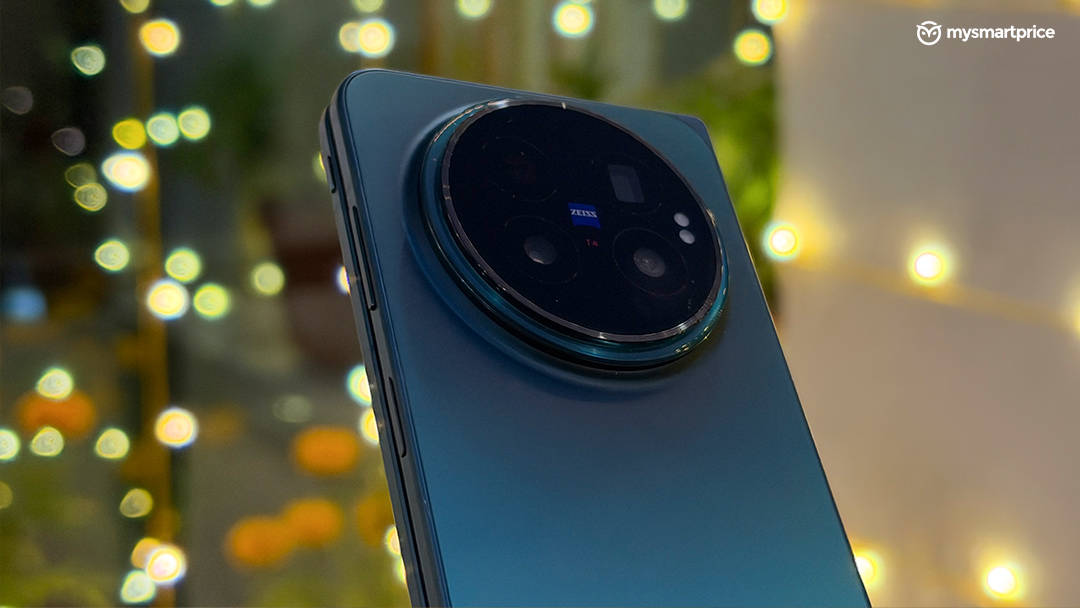
A holiday is a fairly unforgiving camera test. You photograph buildings in bright sunlight, food in dim restaurants, and family members who would quite reasonably prefer to continue sightseeing. There is usually little patience for repeated attempts, and some moments disappear before you can take a second shot. And there there’s my mom that wants every little thing captured and will be upset if you have not clicked enough pictures for the trip.
The X Fold6 brought back several photographs I was happy with, particularly of architecture and stationary subjects. In the Oxford images, the stonework, window frames and roof tiles have good definition. The photographs capture enough of the buildings’ texture to hold your attention beyond the initial impression of a blue sky and an attractive street.
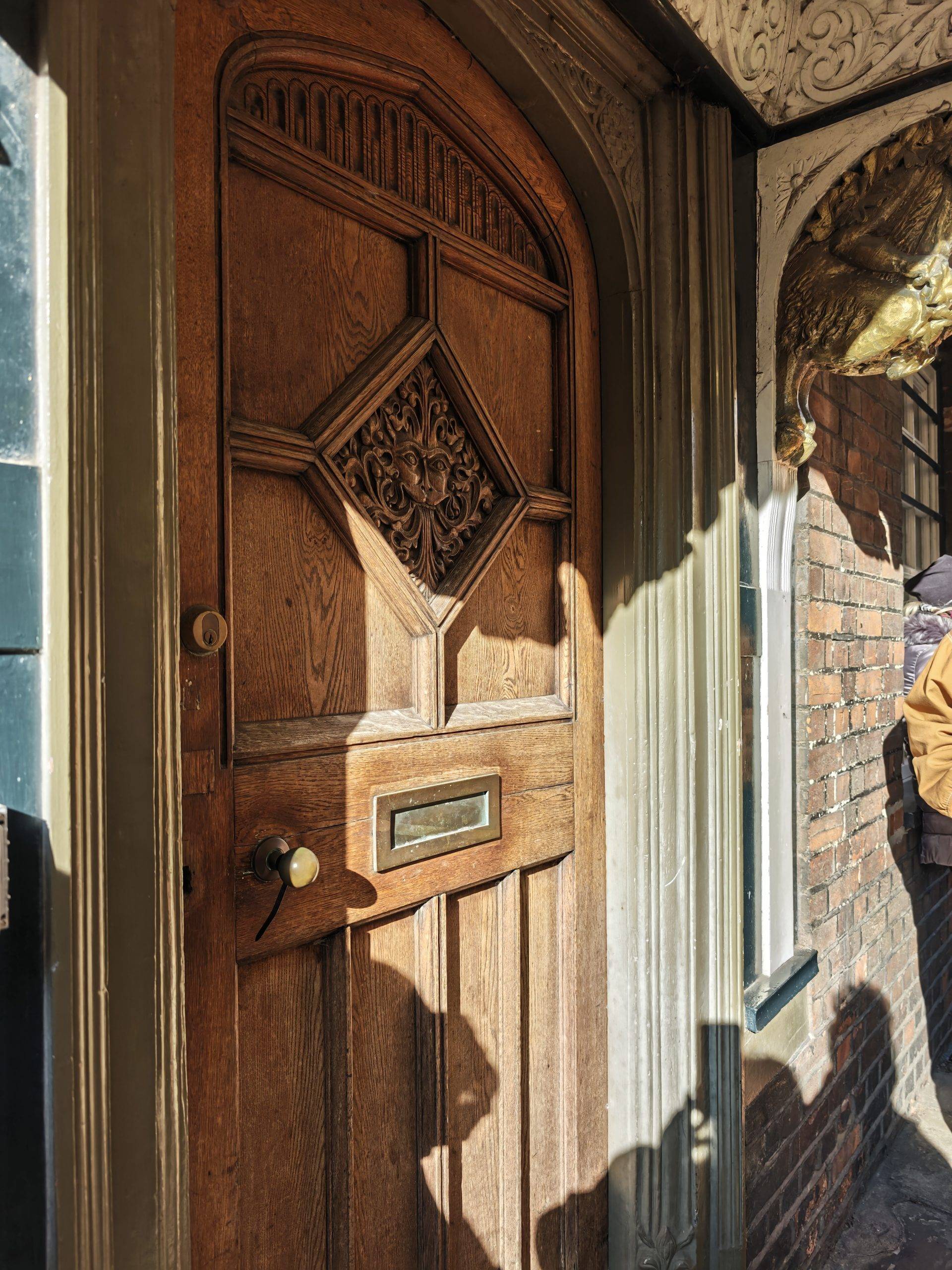
Getting closer to individual details was rewarding, too. The carved face on the wooden door and the statue photographs gave me different ways to document a place beyond the usual wide shot. On a trip, that flexibility is useful: sometimes the detail above a doorway is more interesting than another photograph of the entire building.
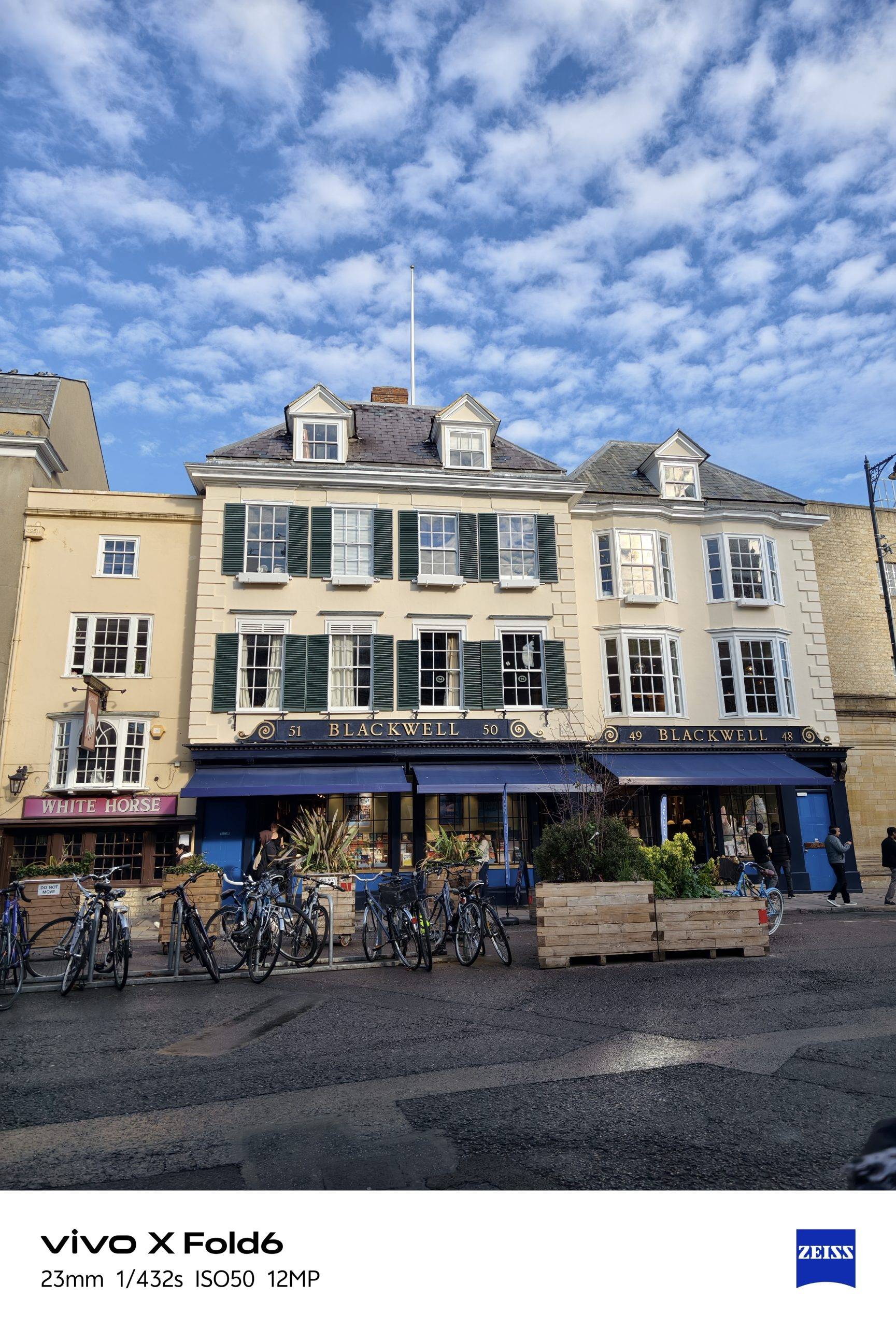
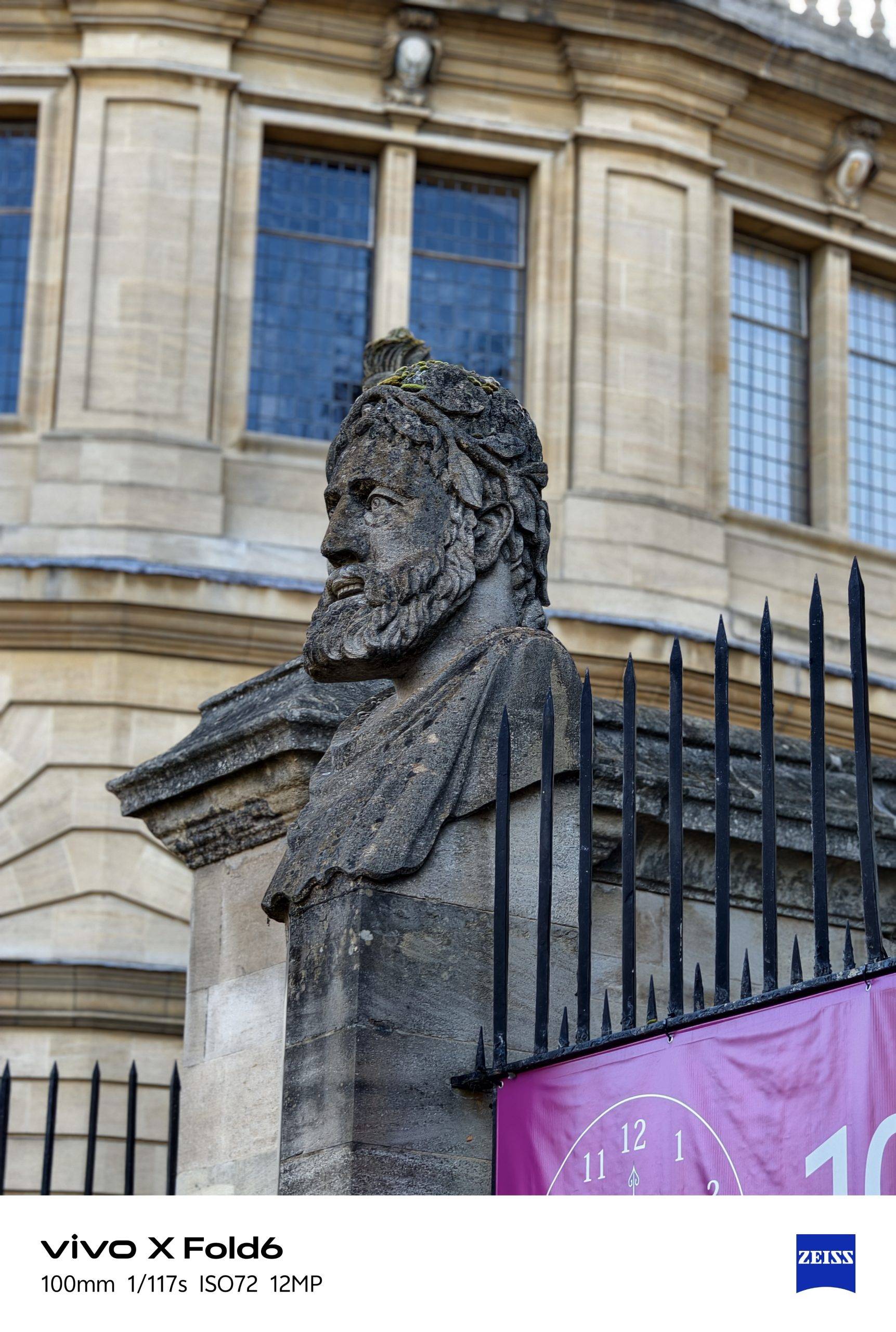
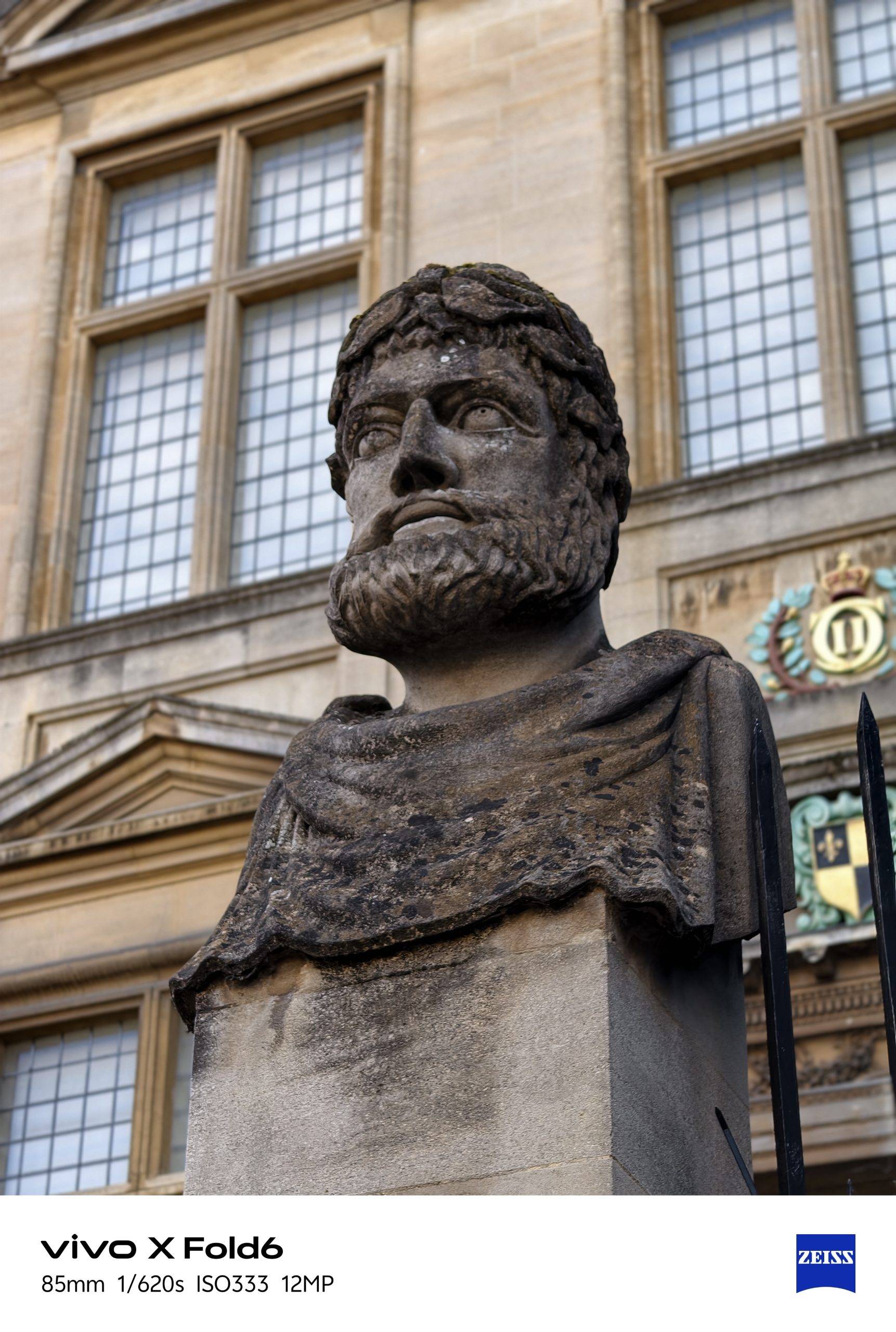
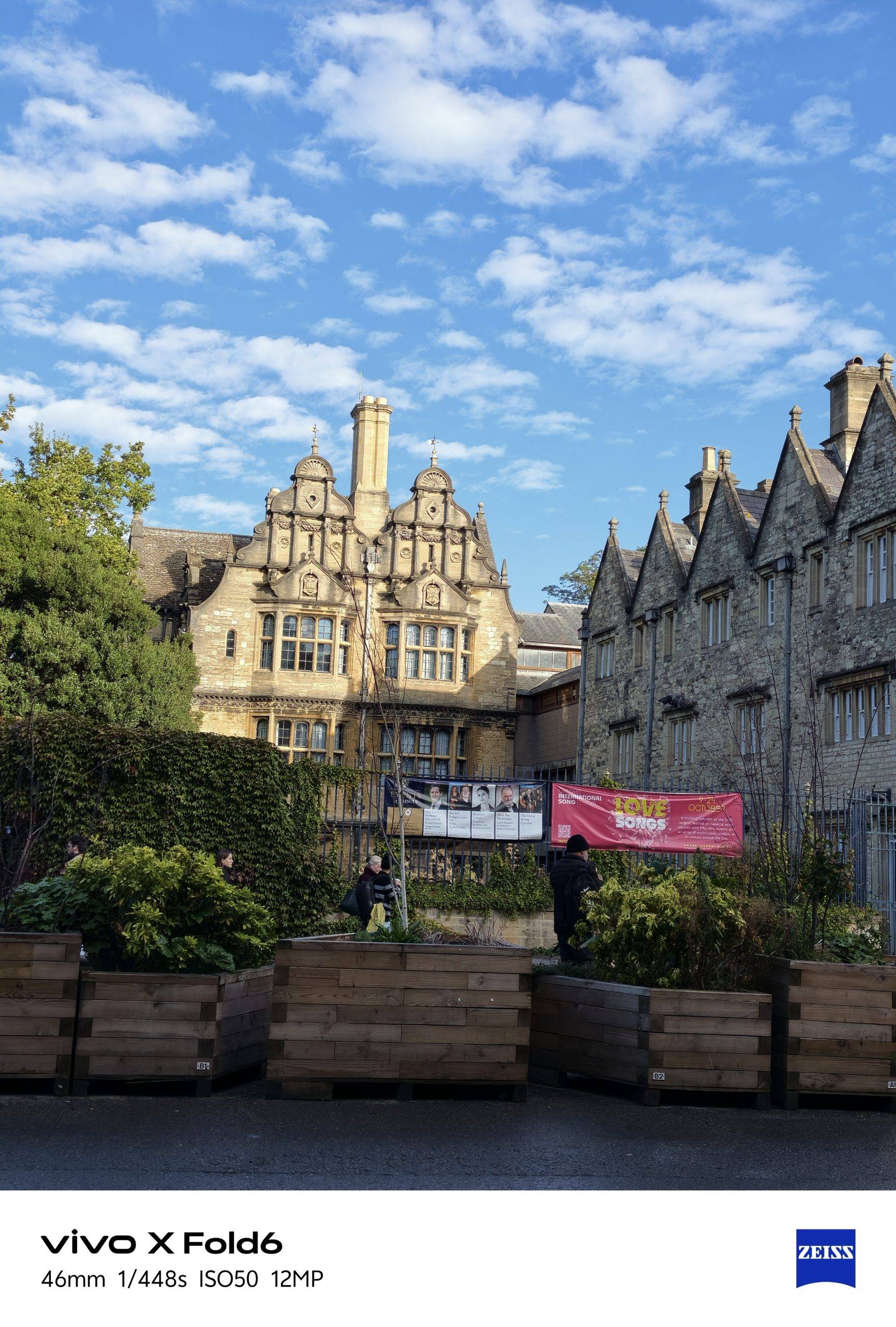
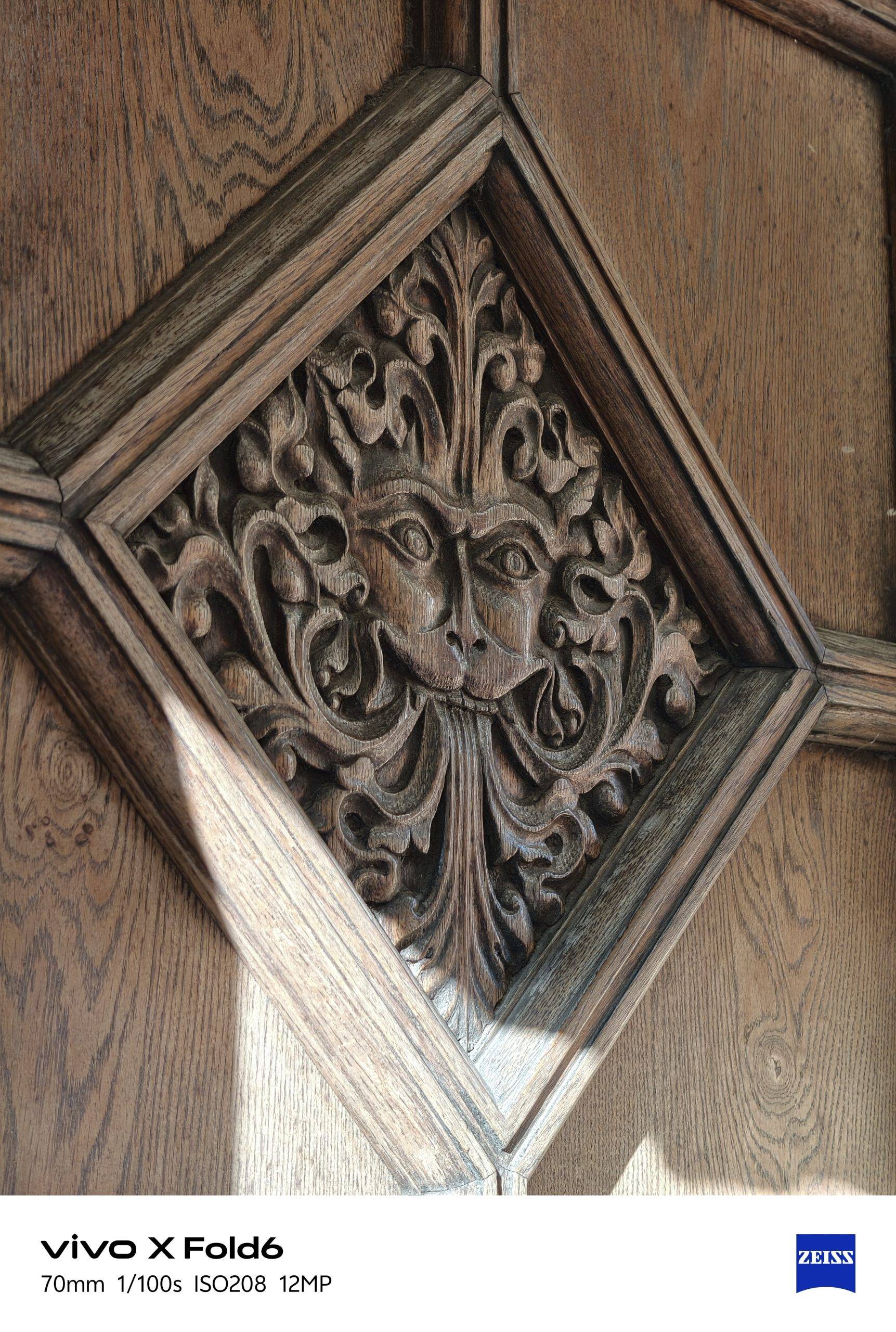
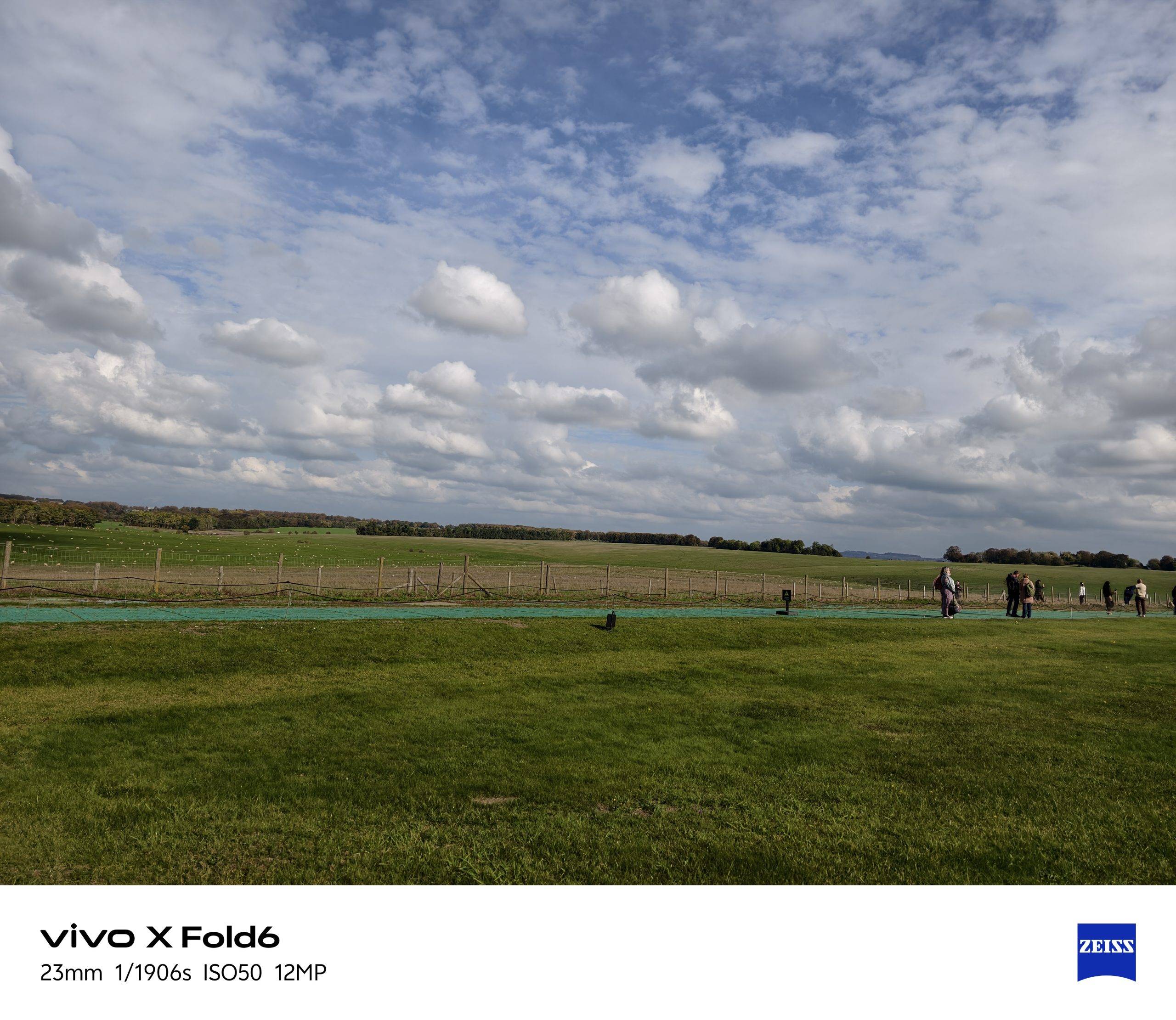
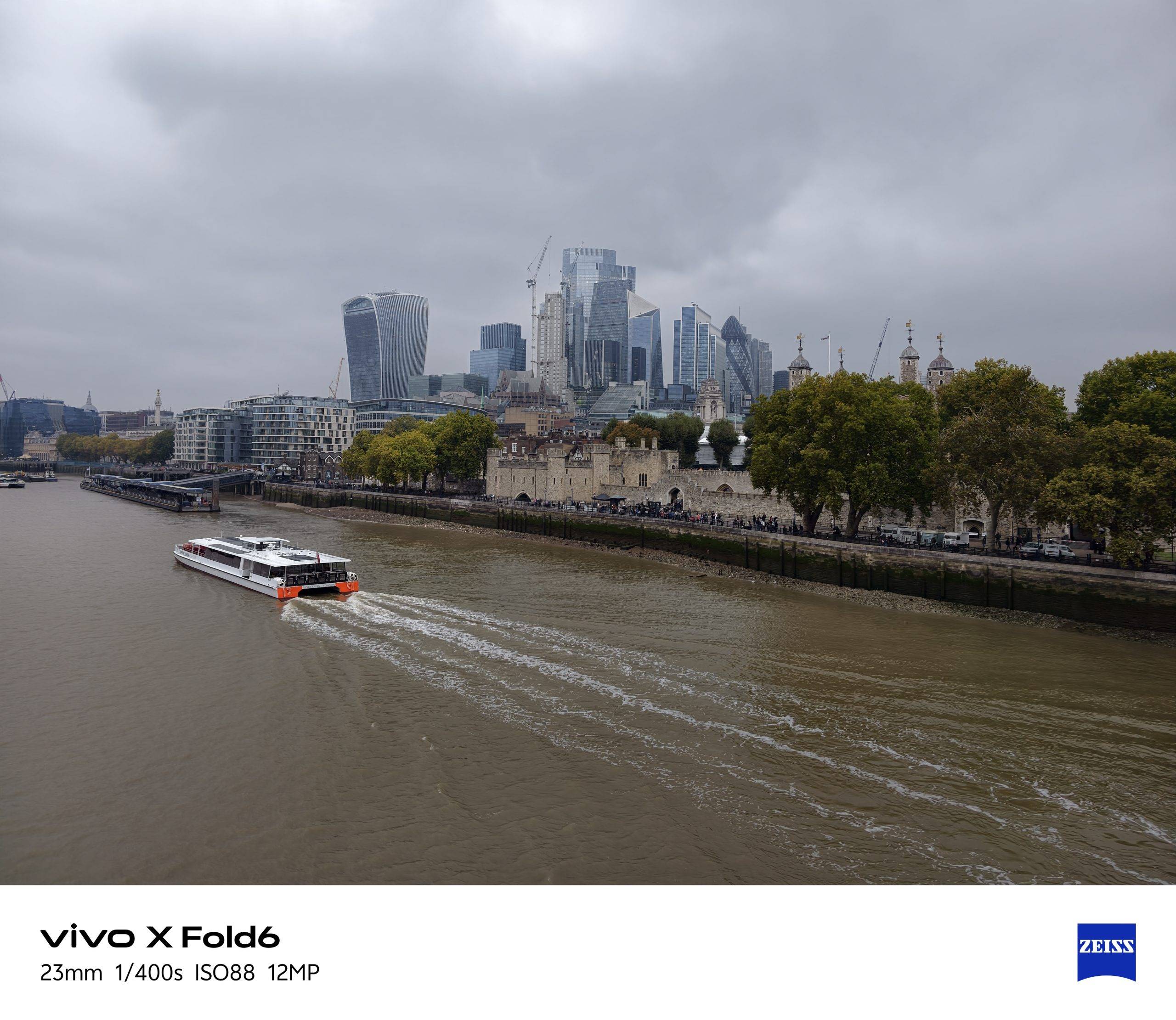
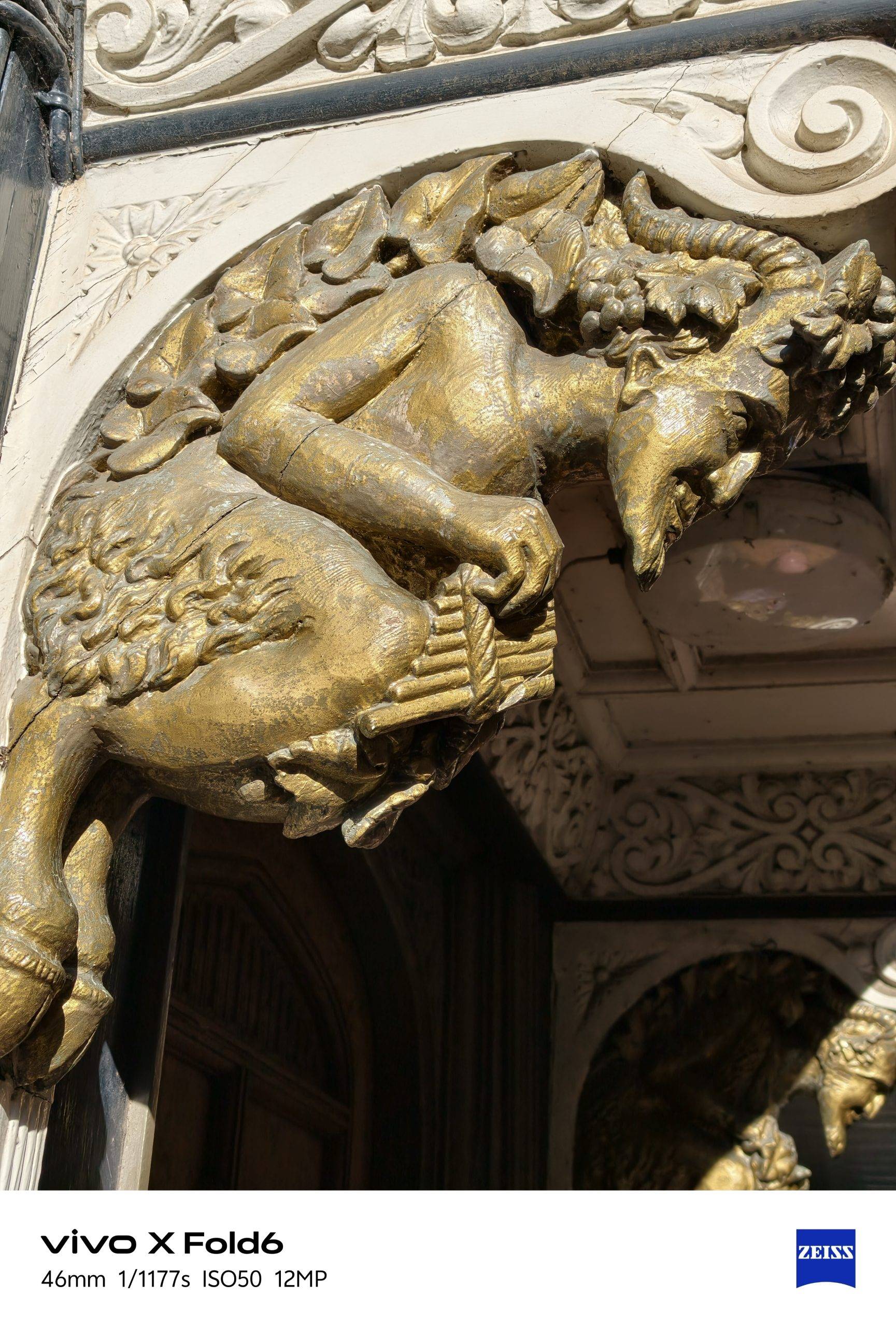
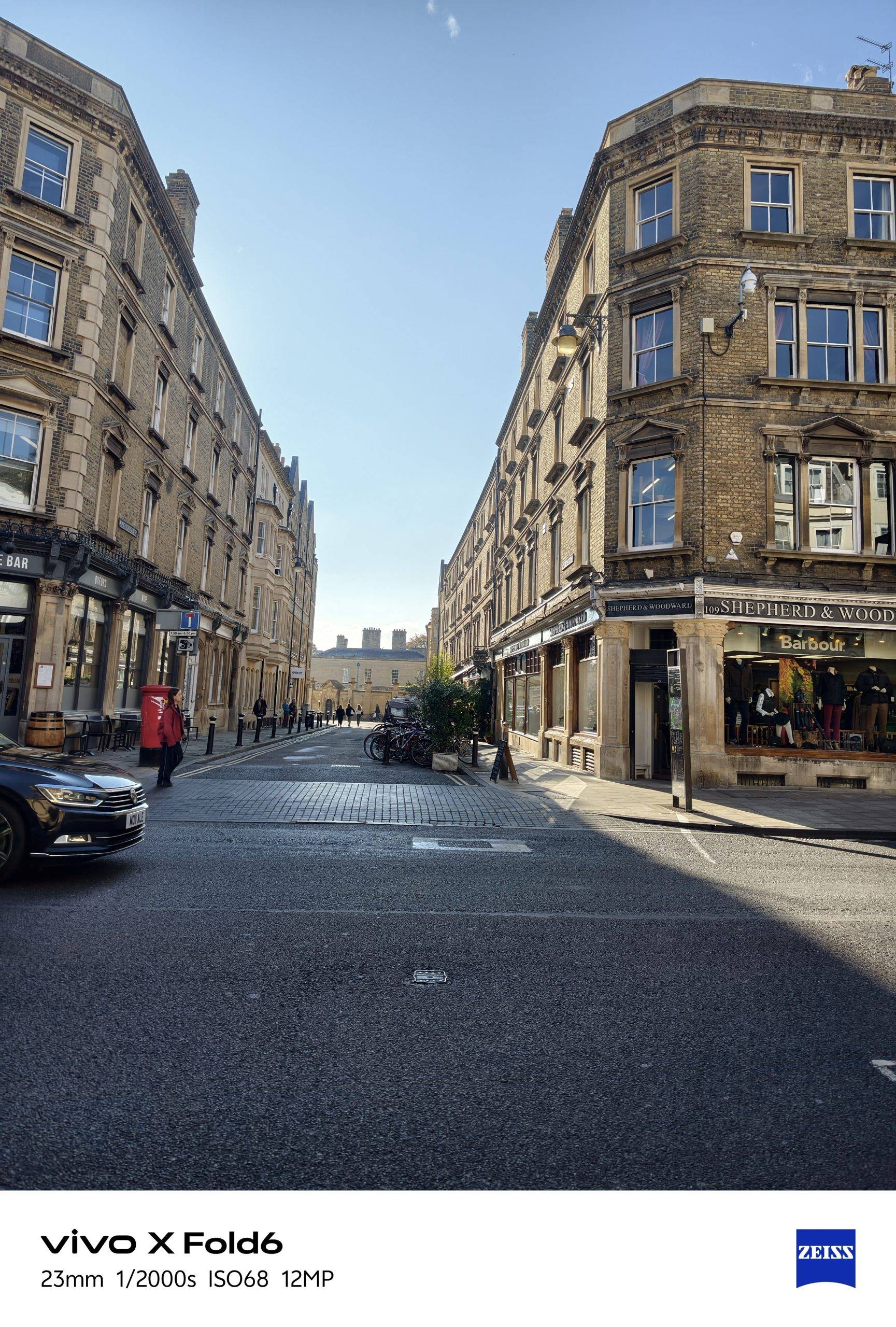
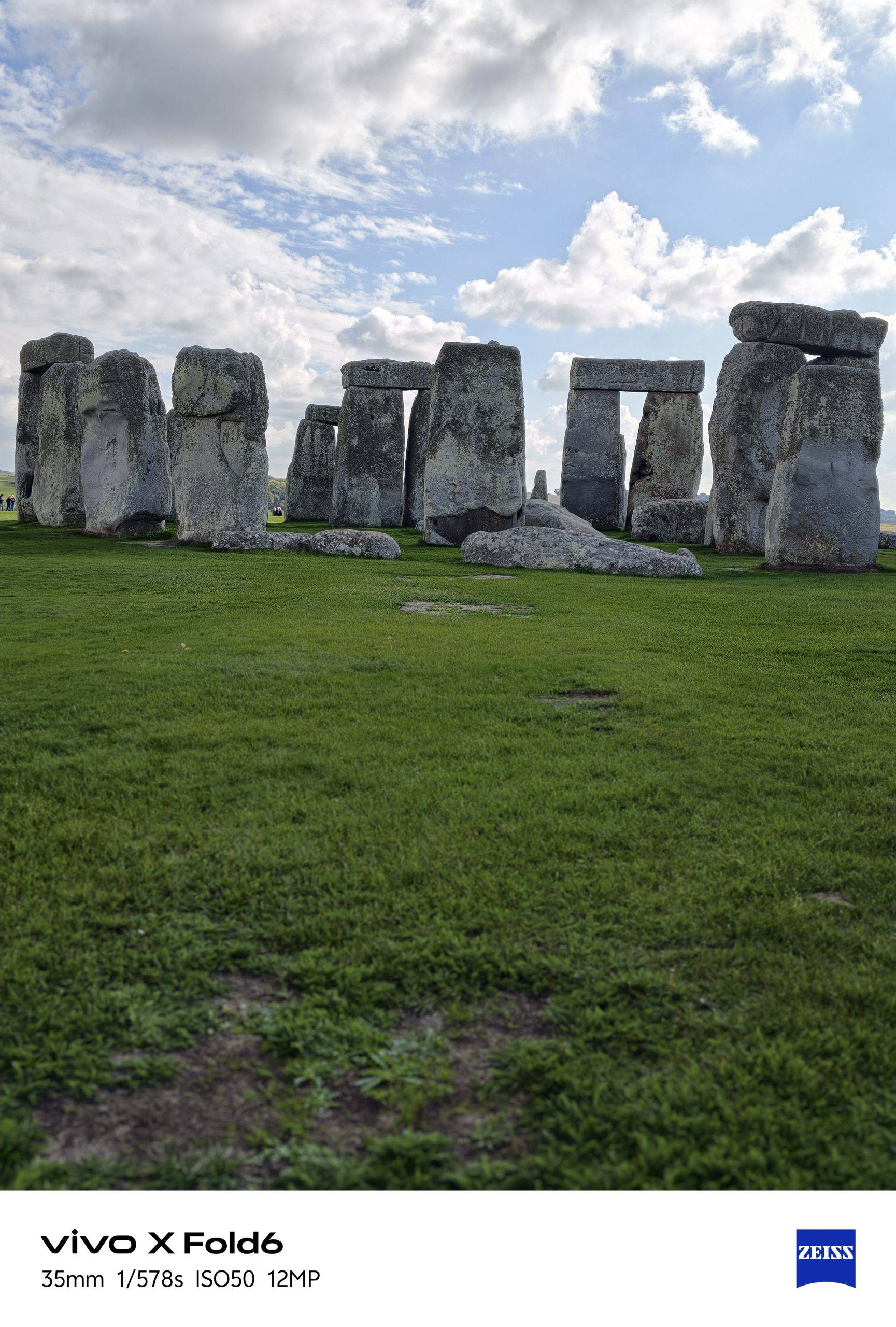
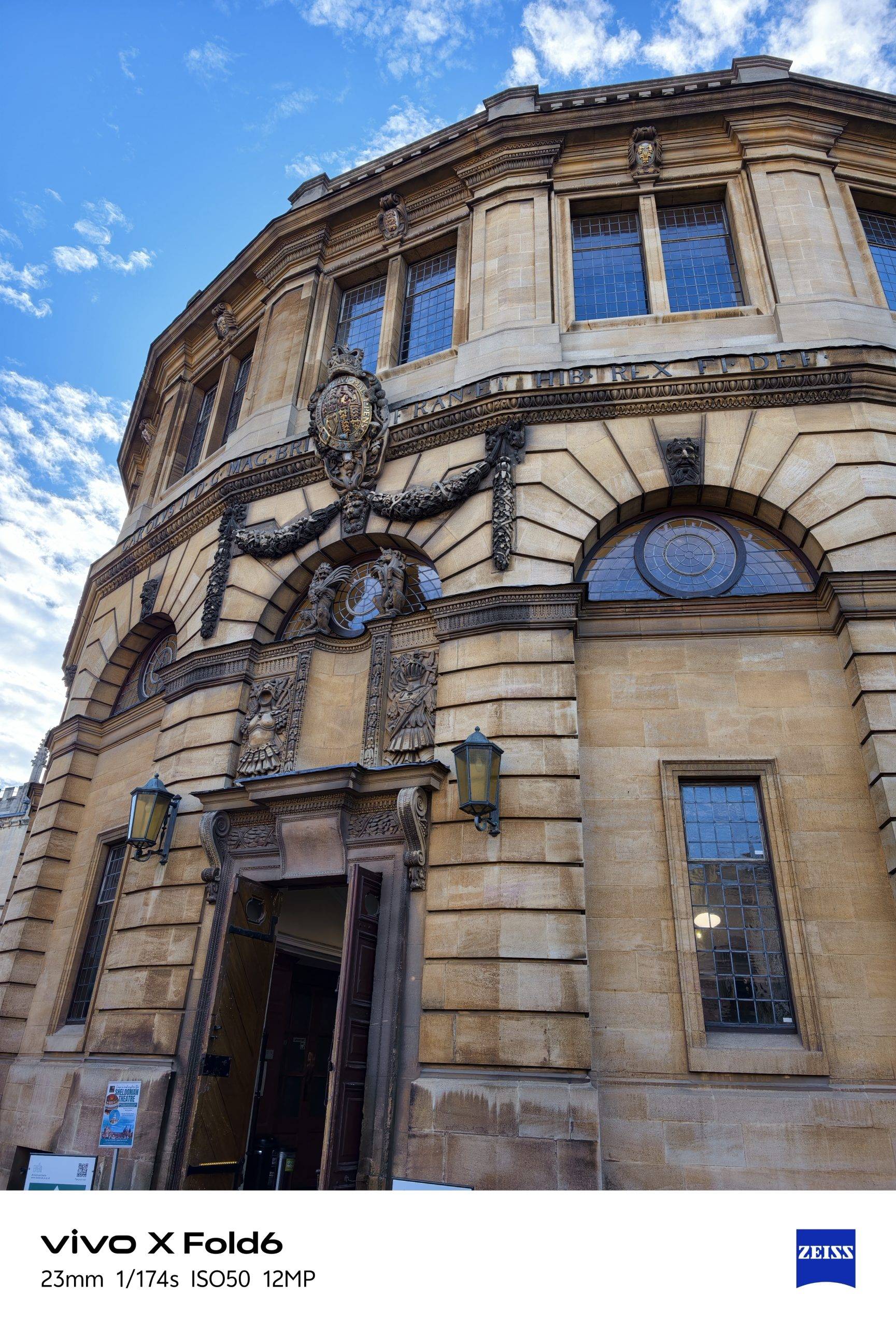
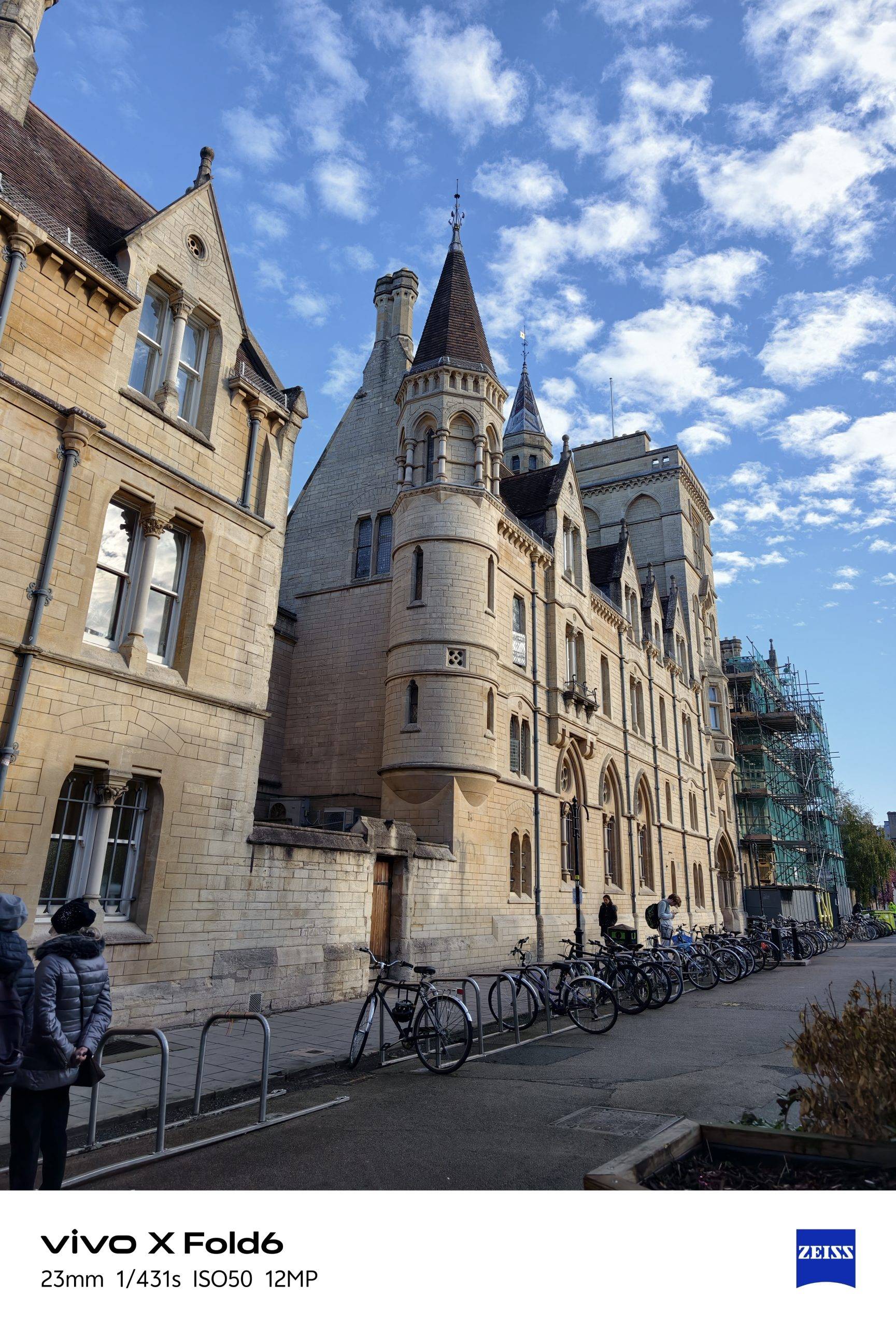
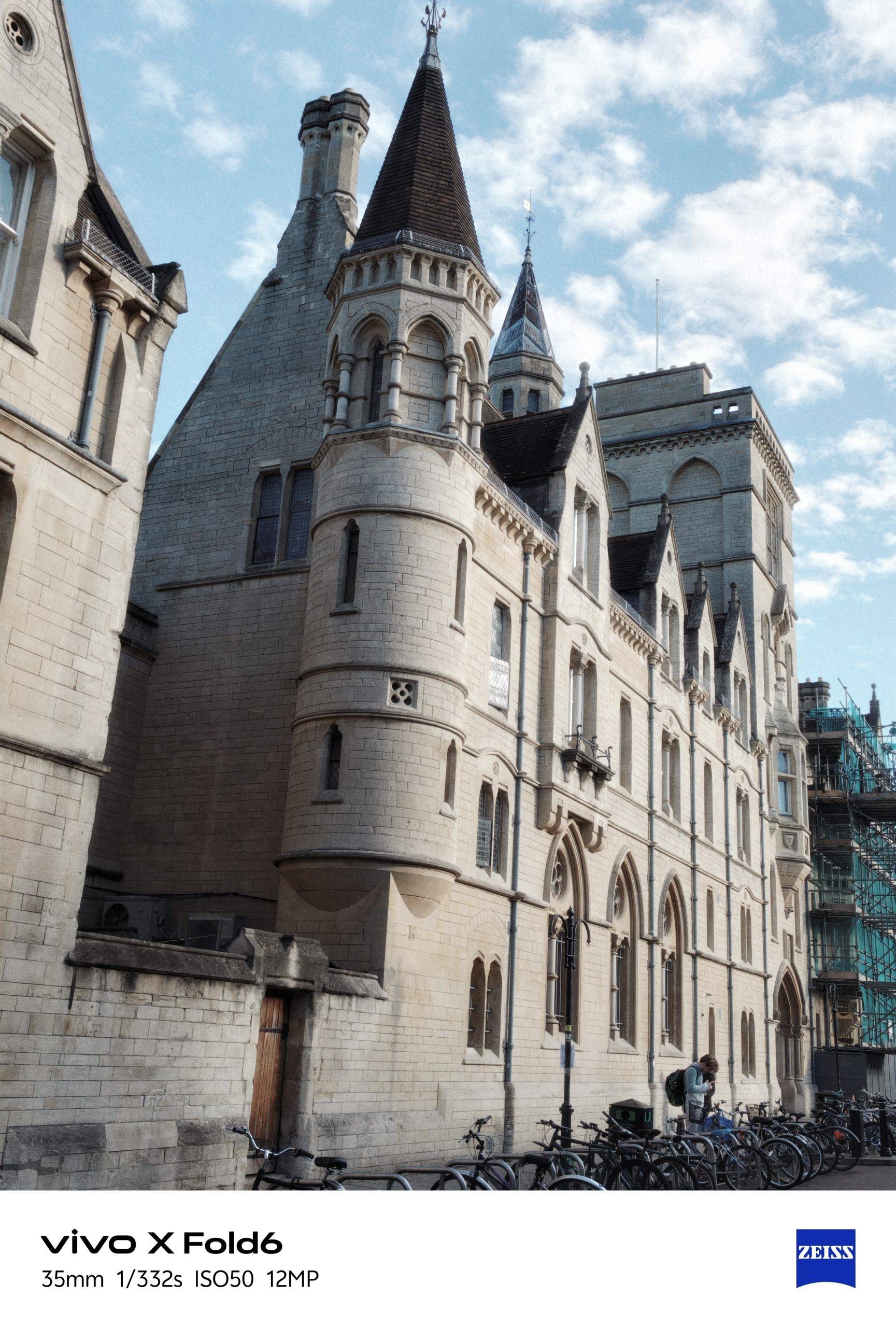
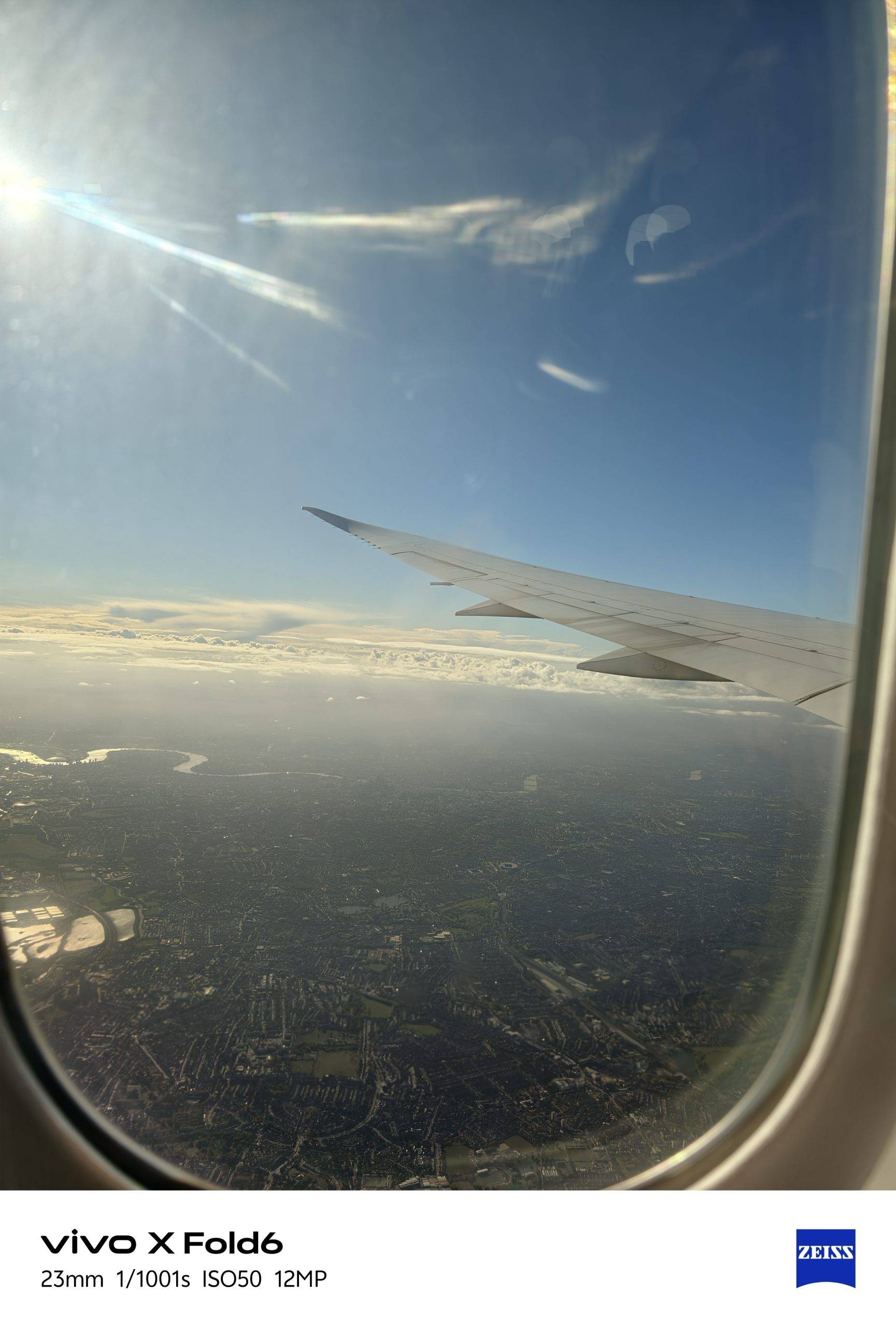
Colours can look quite lively. Some of the blue skies and warm stone façades have a stronger visual presence than in other frames from the same outing. I liked several of these results, but I would not describe the entire set as uniformly restrained or natural. Equally, differences between photographs should not automatically be blamed on the lenses when the framing, exposure and selected colour profile may also differ.
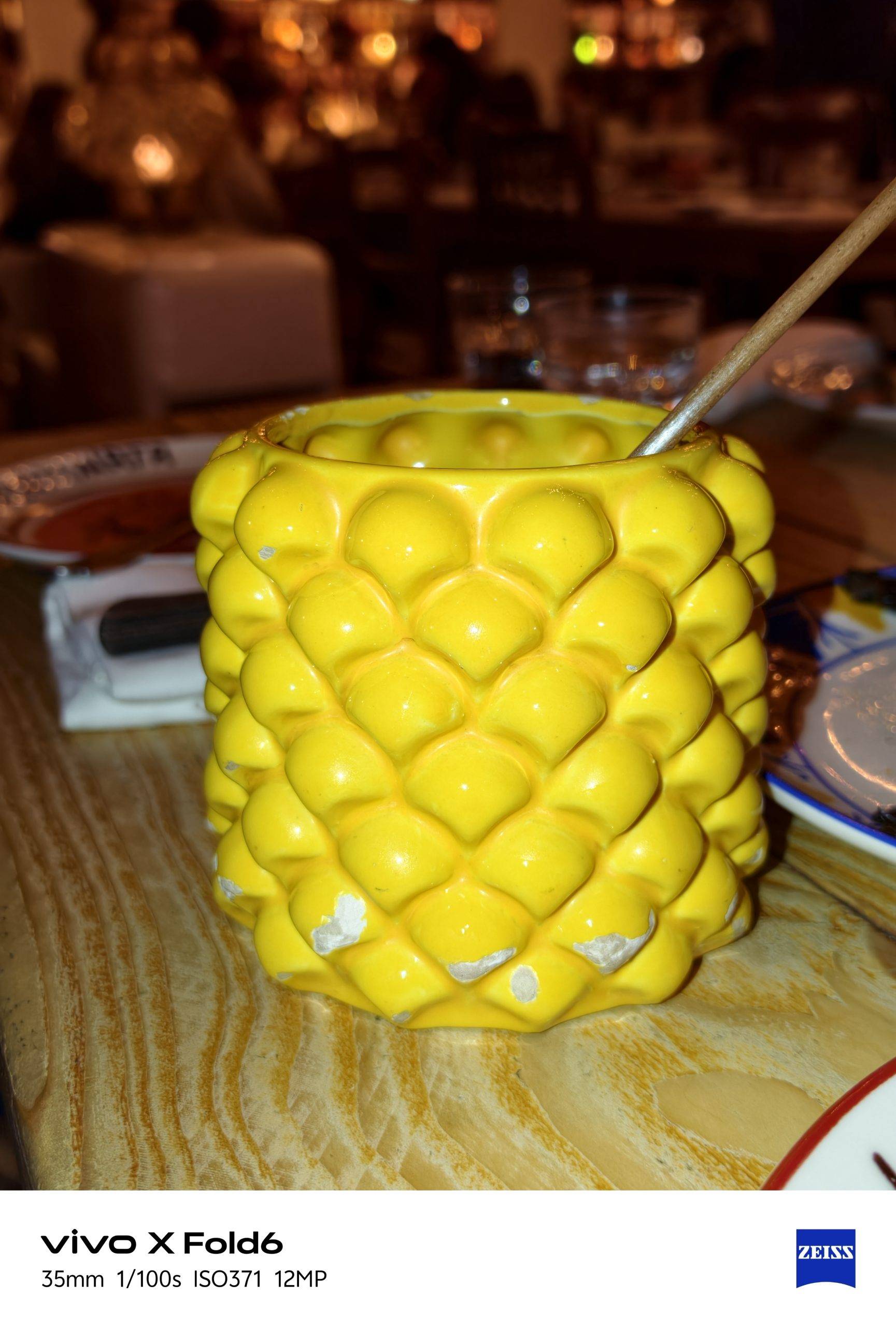
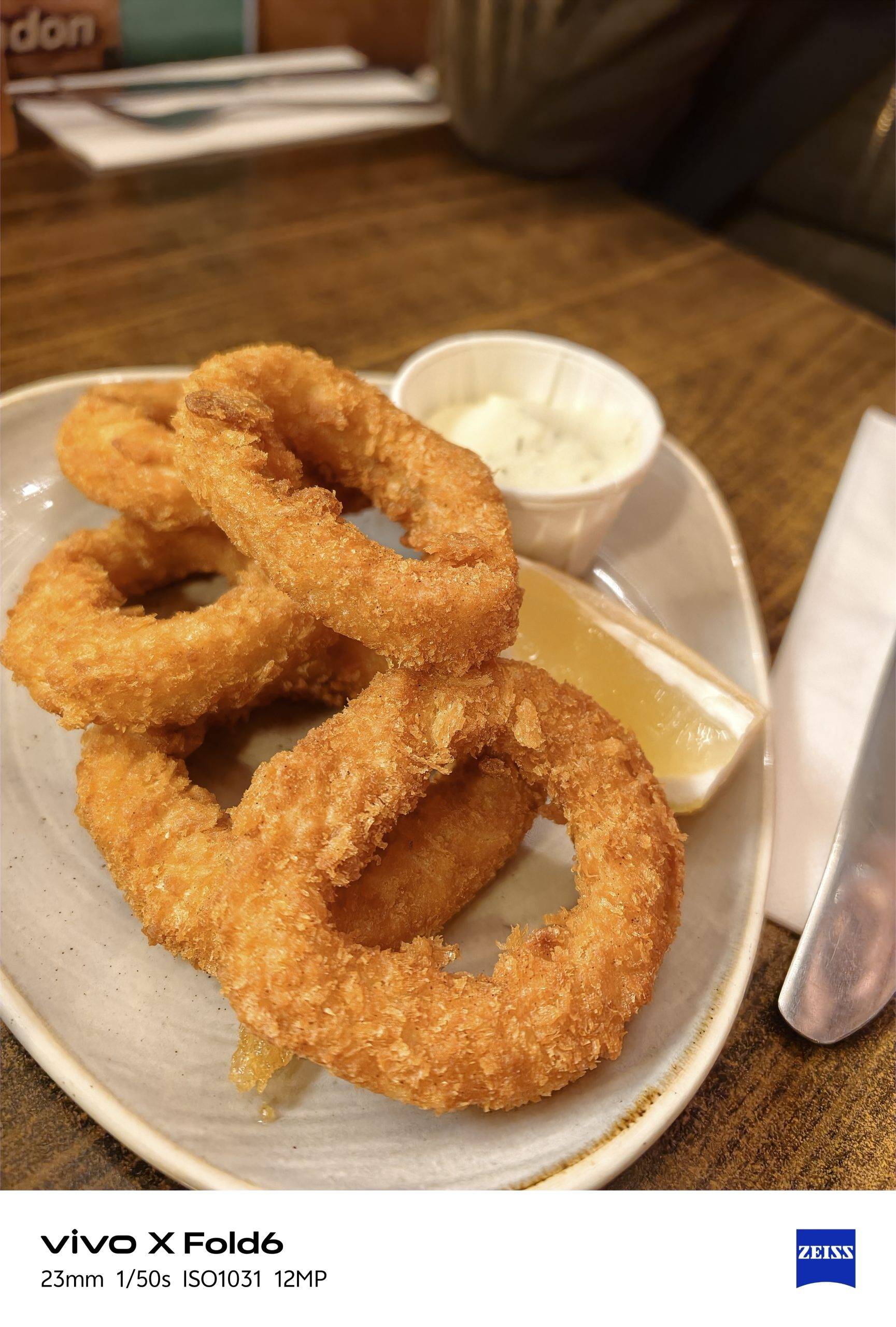
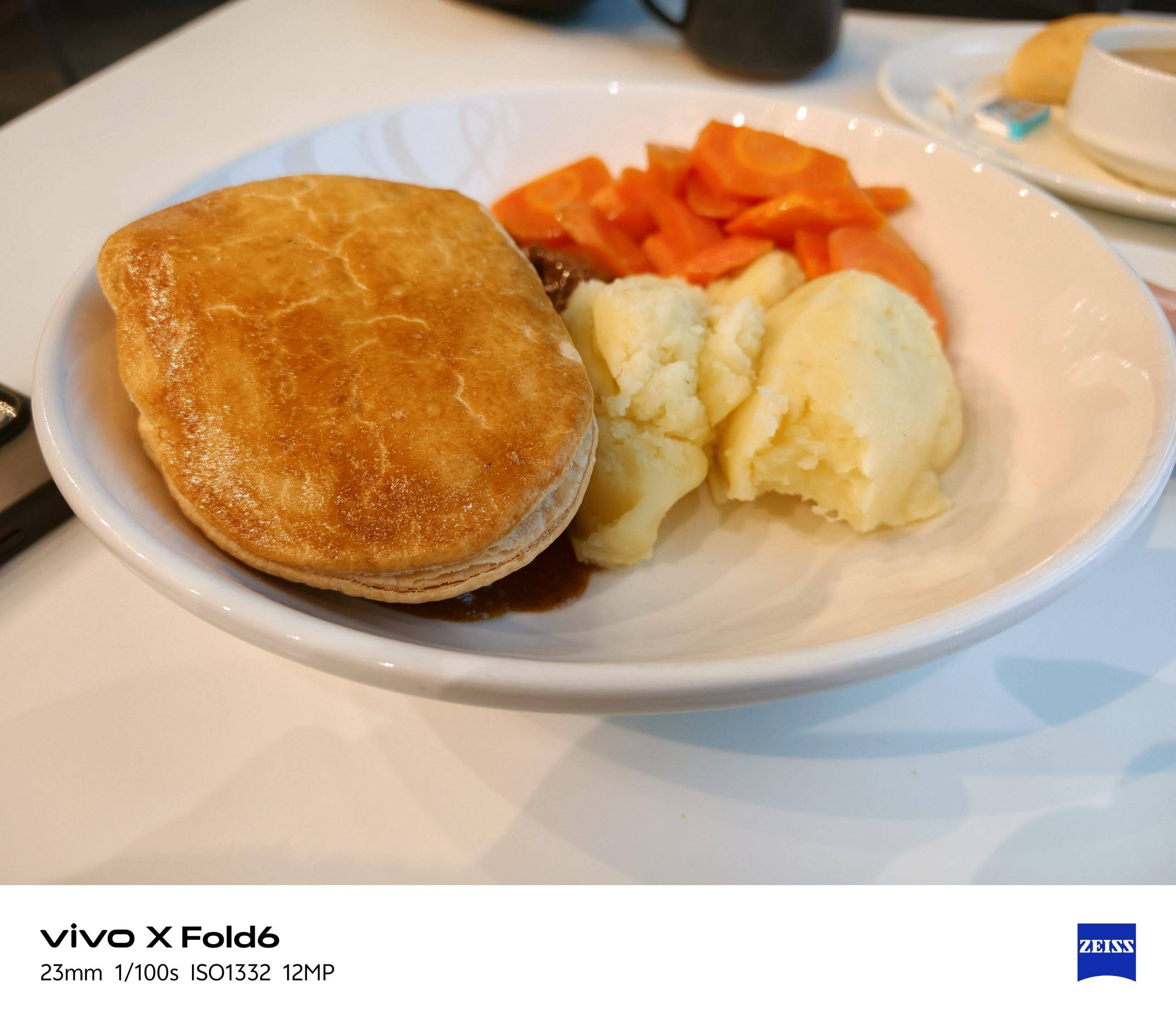
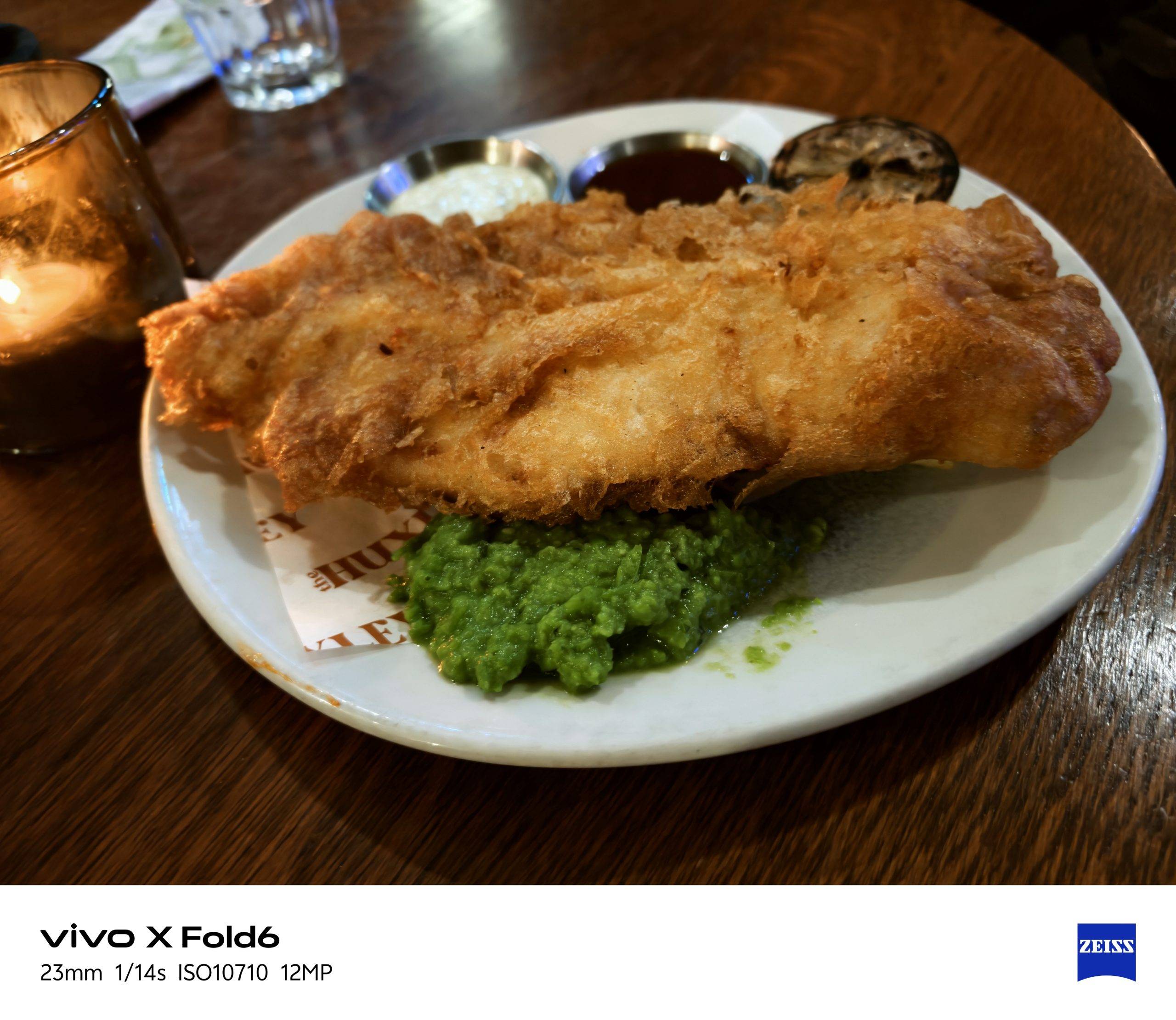
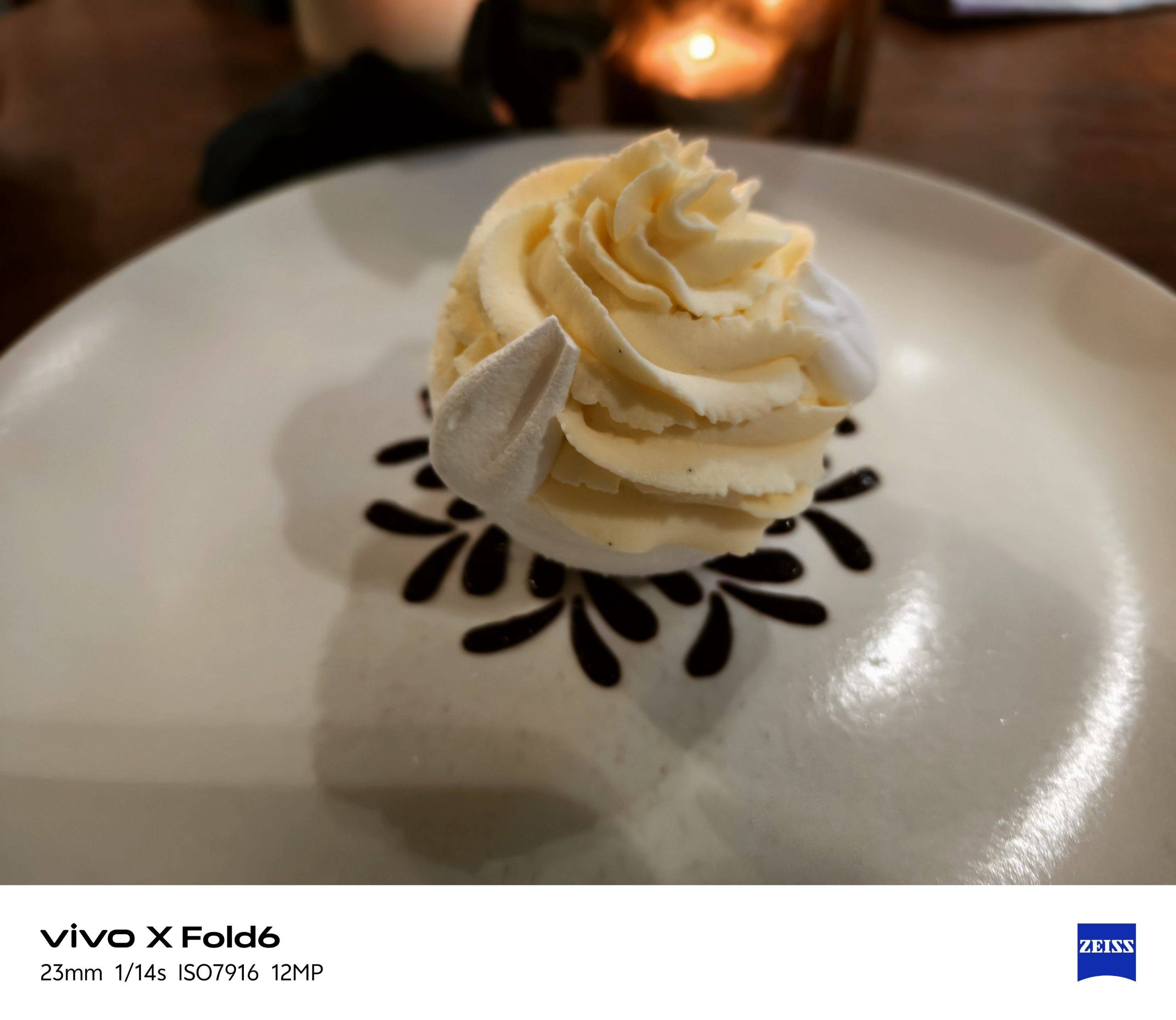
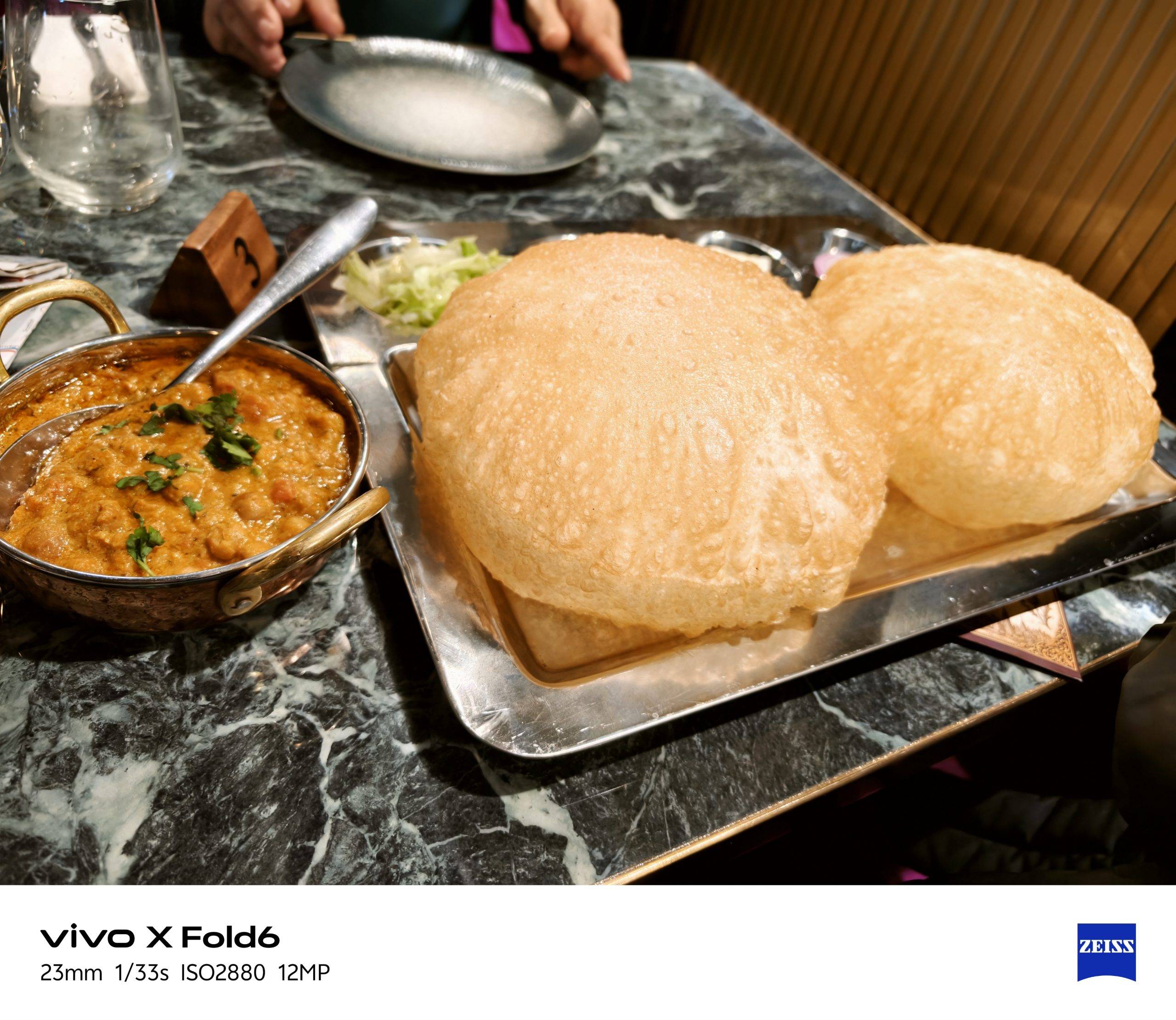
Food photographs generally look appetising, with the fried coating in the onion-ring shot and the individual ingredients in the toast photograph remaining distinguishable. The closer compositions work well for sharing, although the lighting in some restaurant shots is quite direct.
The camera would often prompt me to switch to Food mode when I pointed it at a meal. In practice, though, it usually opened at more than 2x zoom, making the framing tighter than what would capture the entire plate. I would tap the suggestion, check the composition and switch back to the regular Photo mode or adjust it to 1X to ensure that I had the complete plate into the frame. It was an option I ended up using less often than the frequent prompts might suggest.

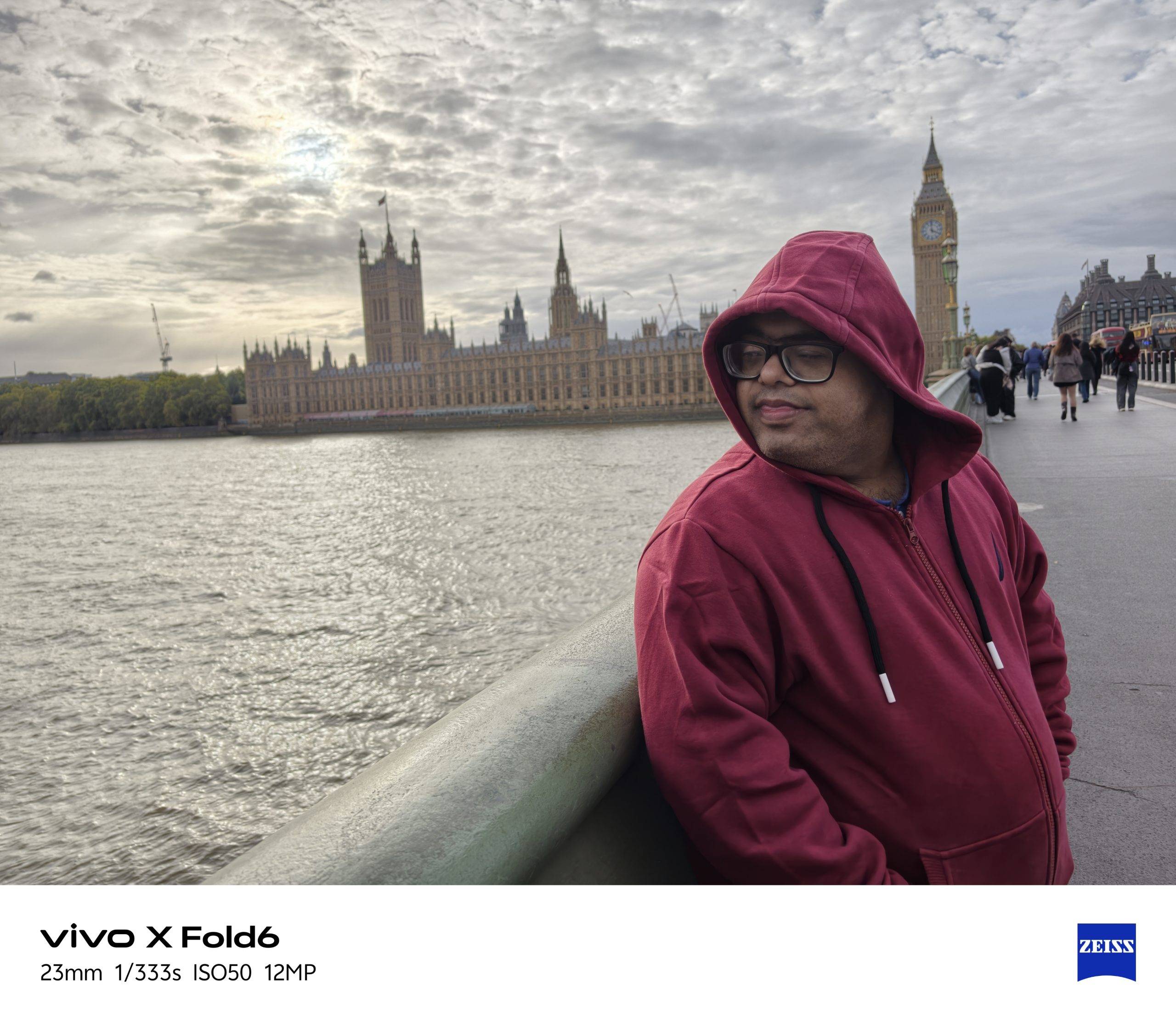
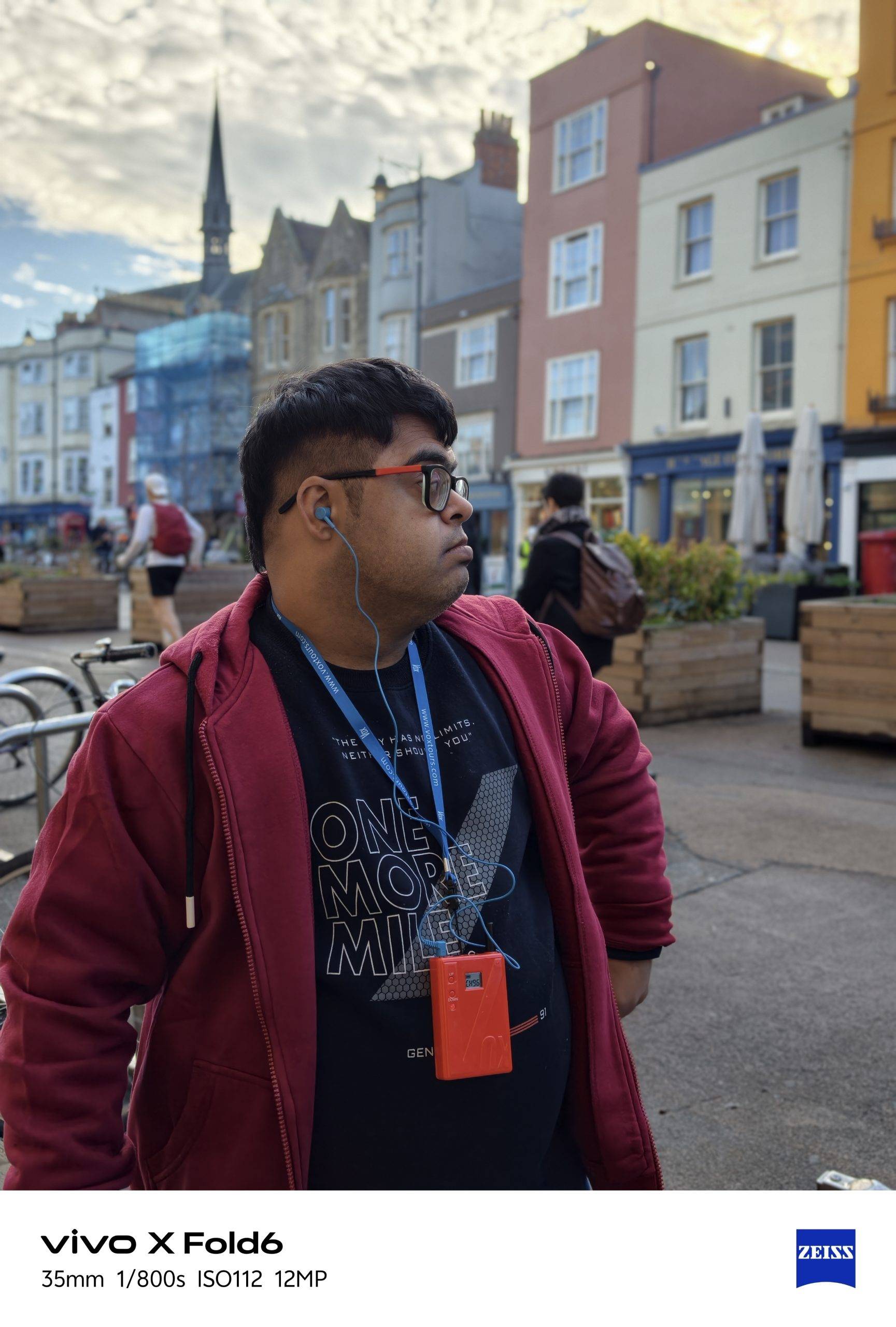
Photographs of people were less consistent. The street portrait keeps the subject prominent against a softly rendered background, and the glasses and clothing remain well defined. In the Westminster photograph, the cloudy sky retains its character, but the face beneath the hood looks comparatively subdued. Preserving an attractive background is useful, although I would have preferred a better balance between the person and the scene in that instance.
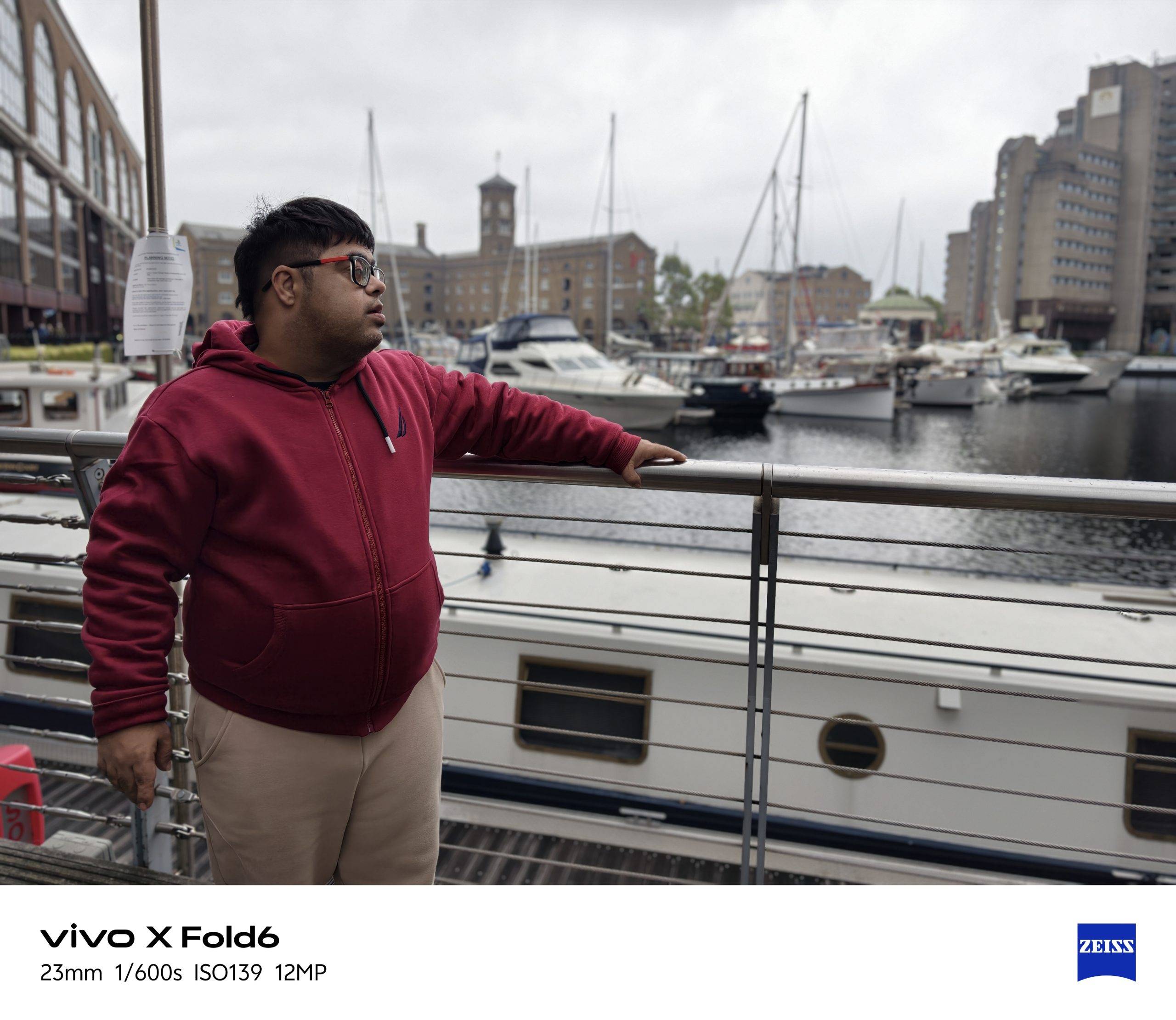
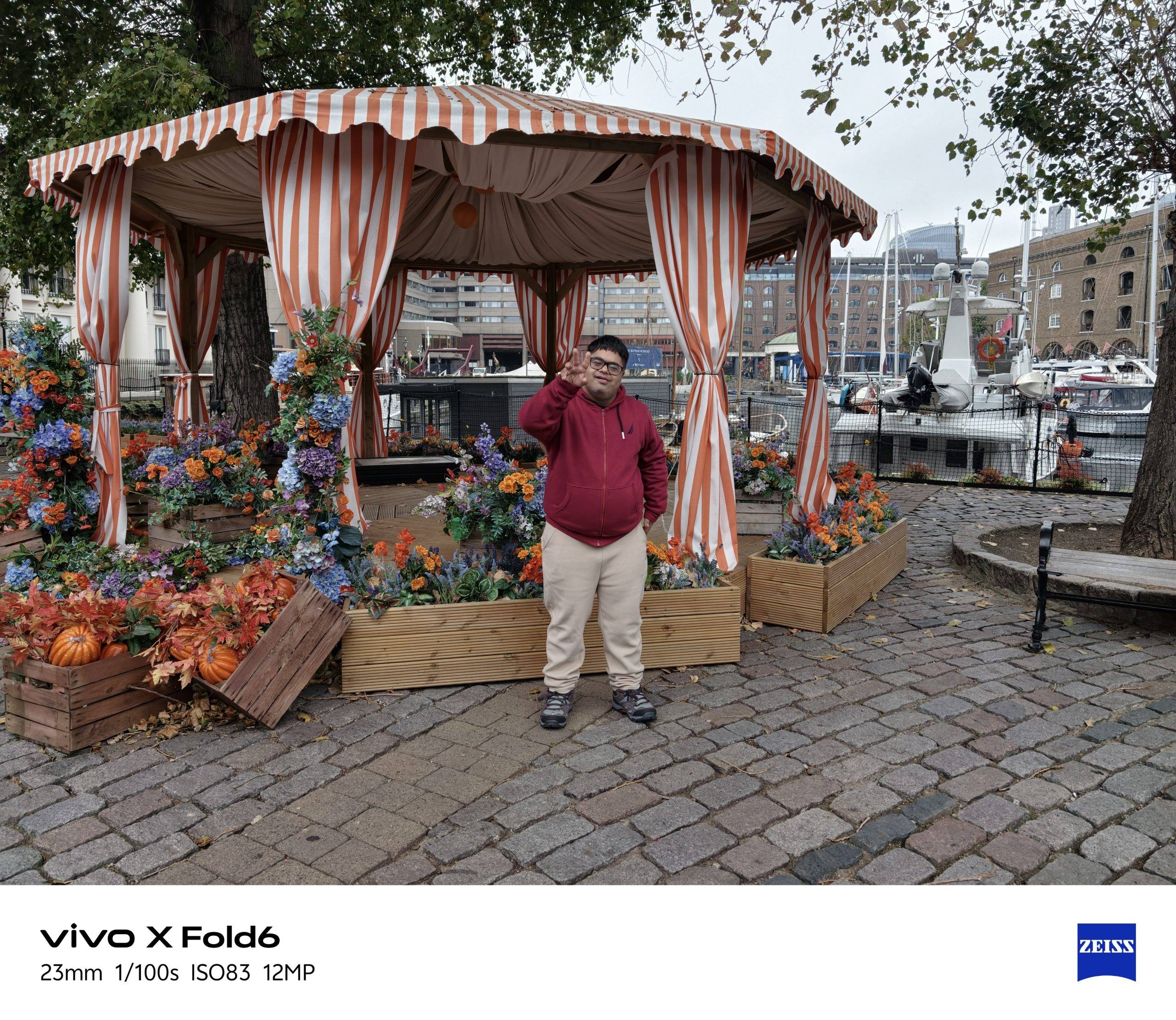
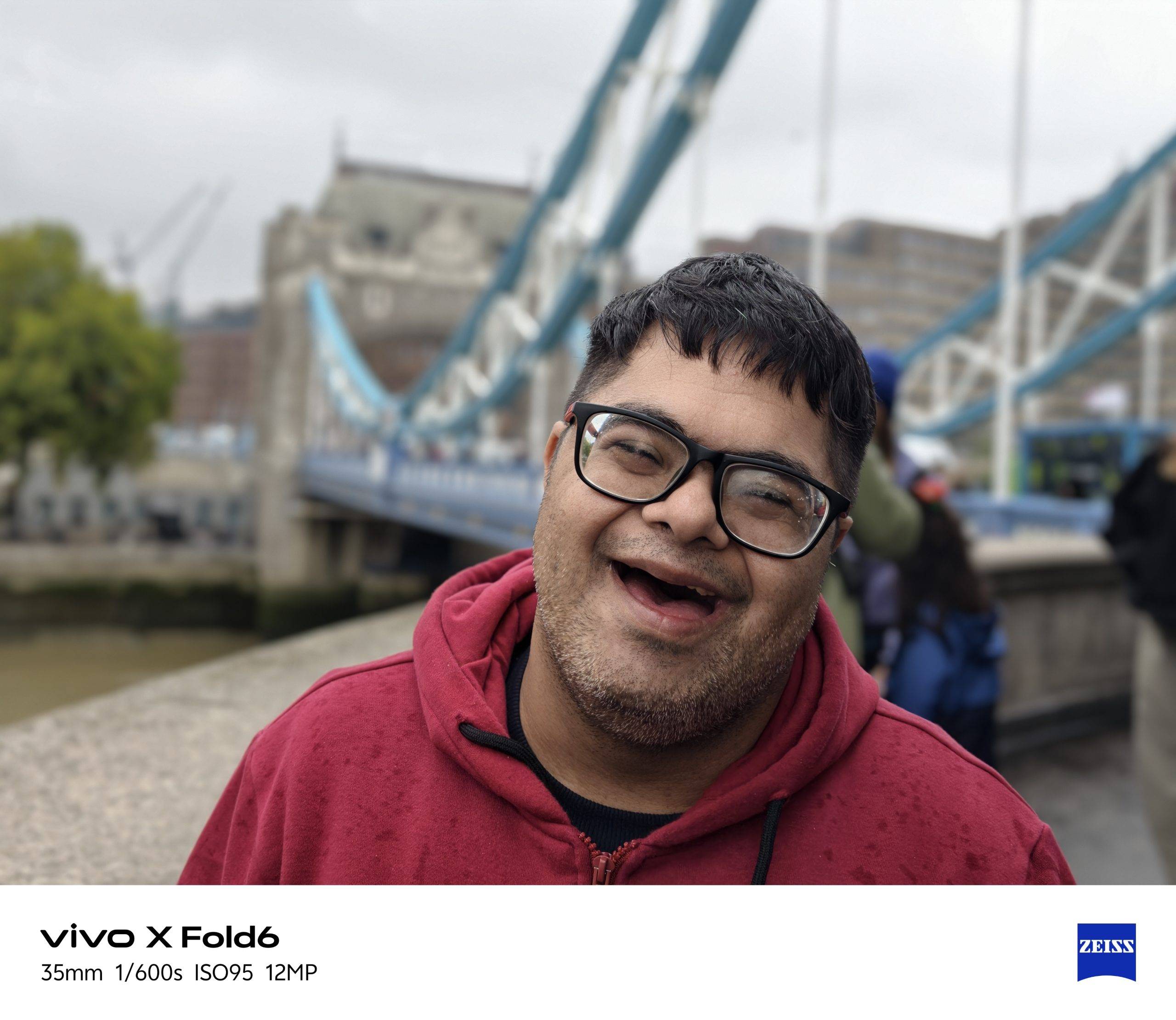
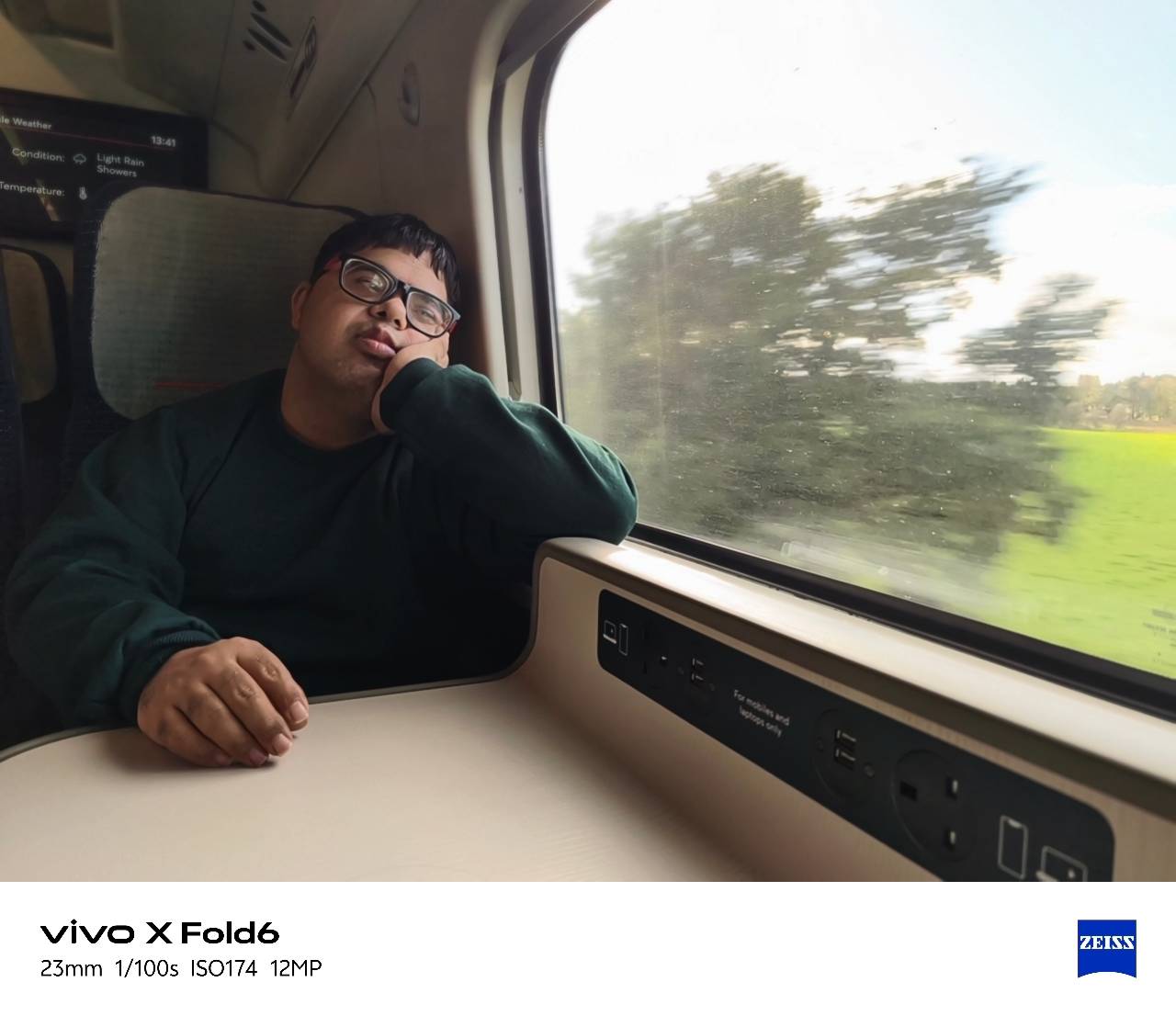
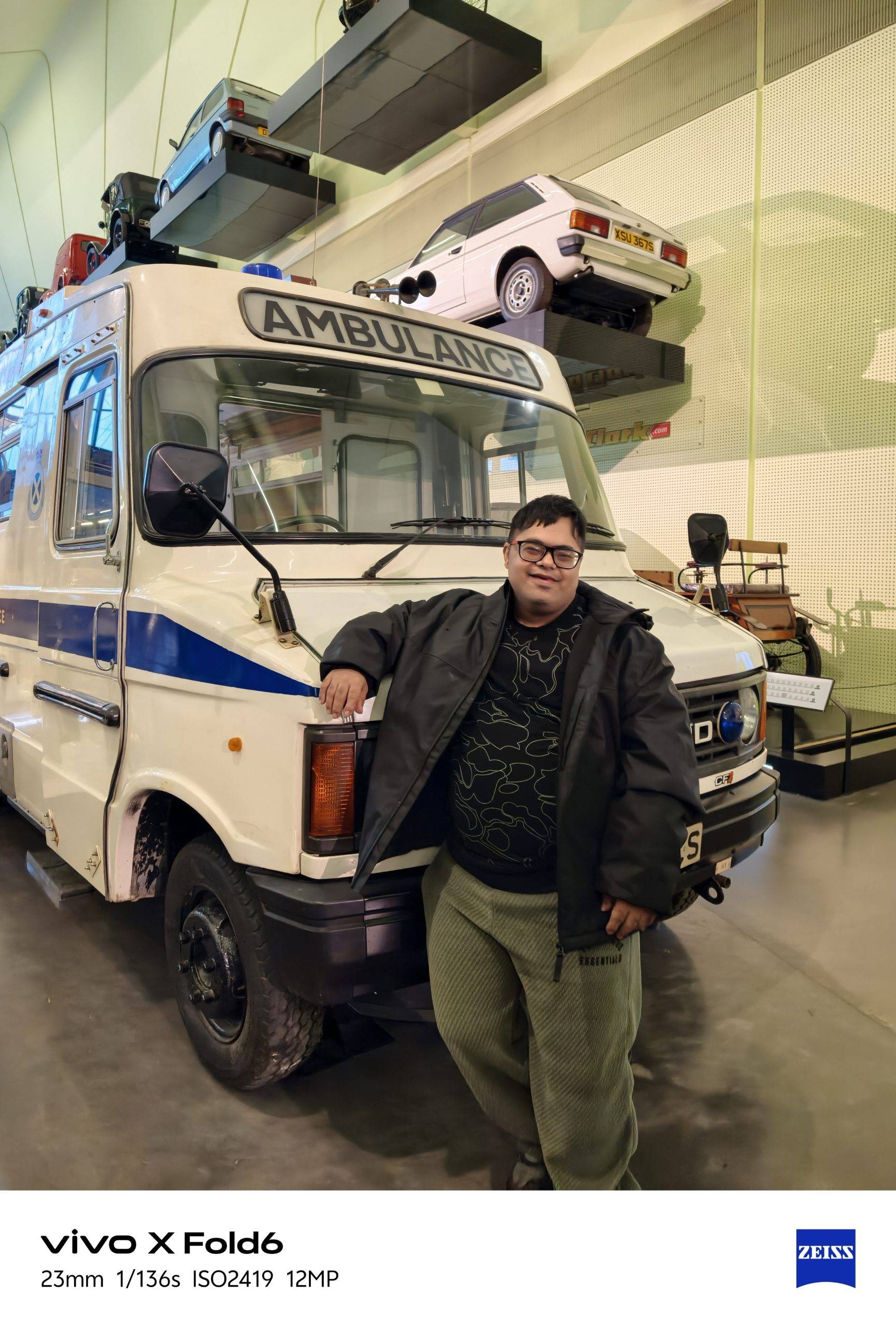
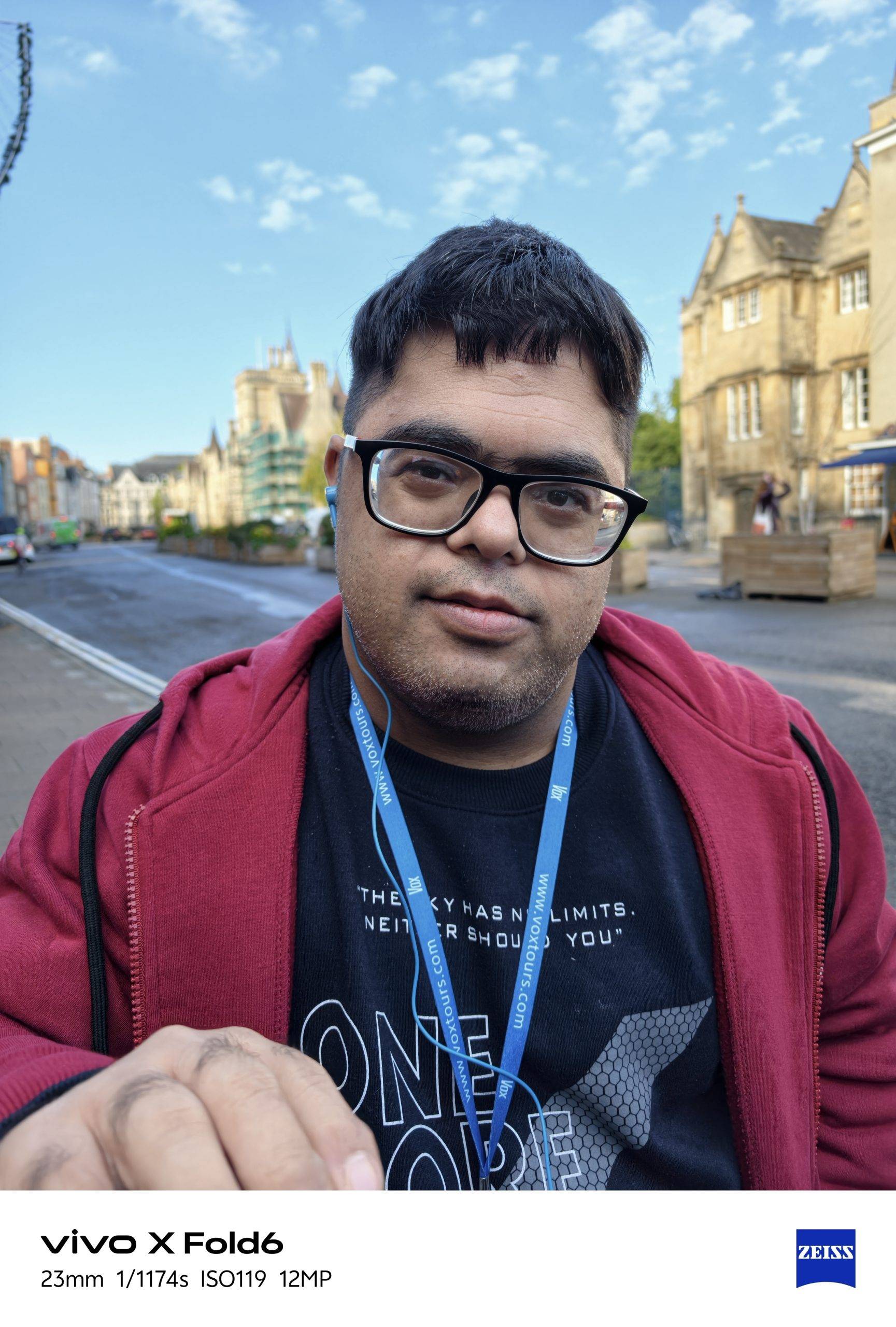
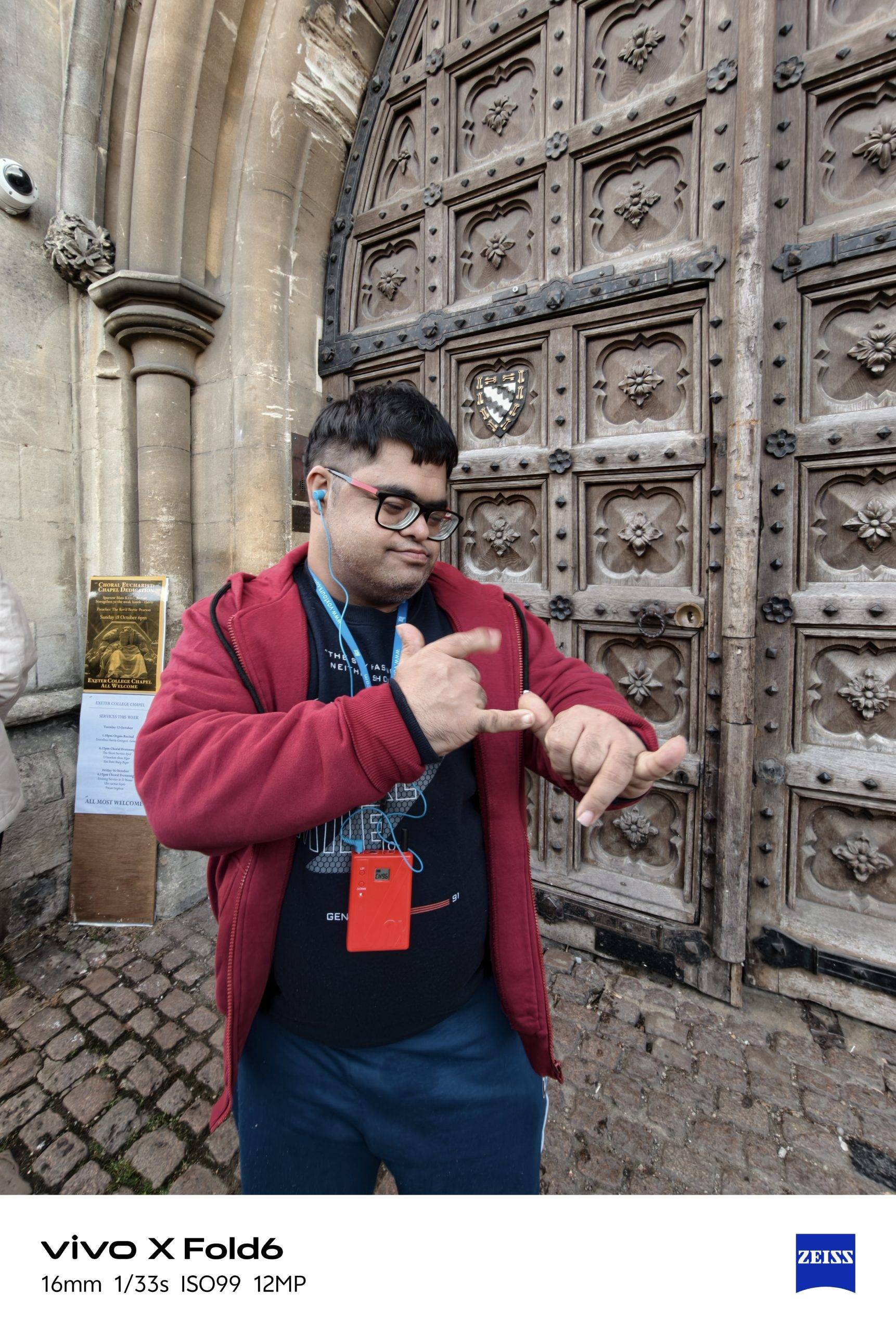
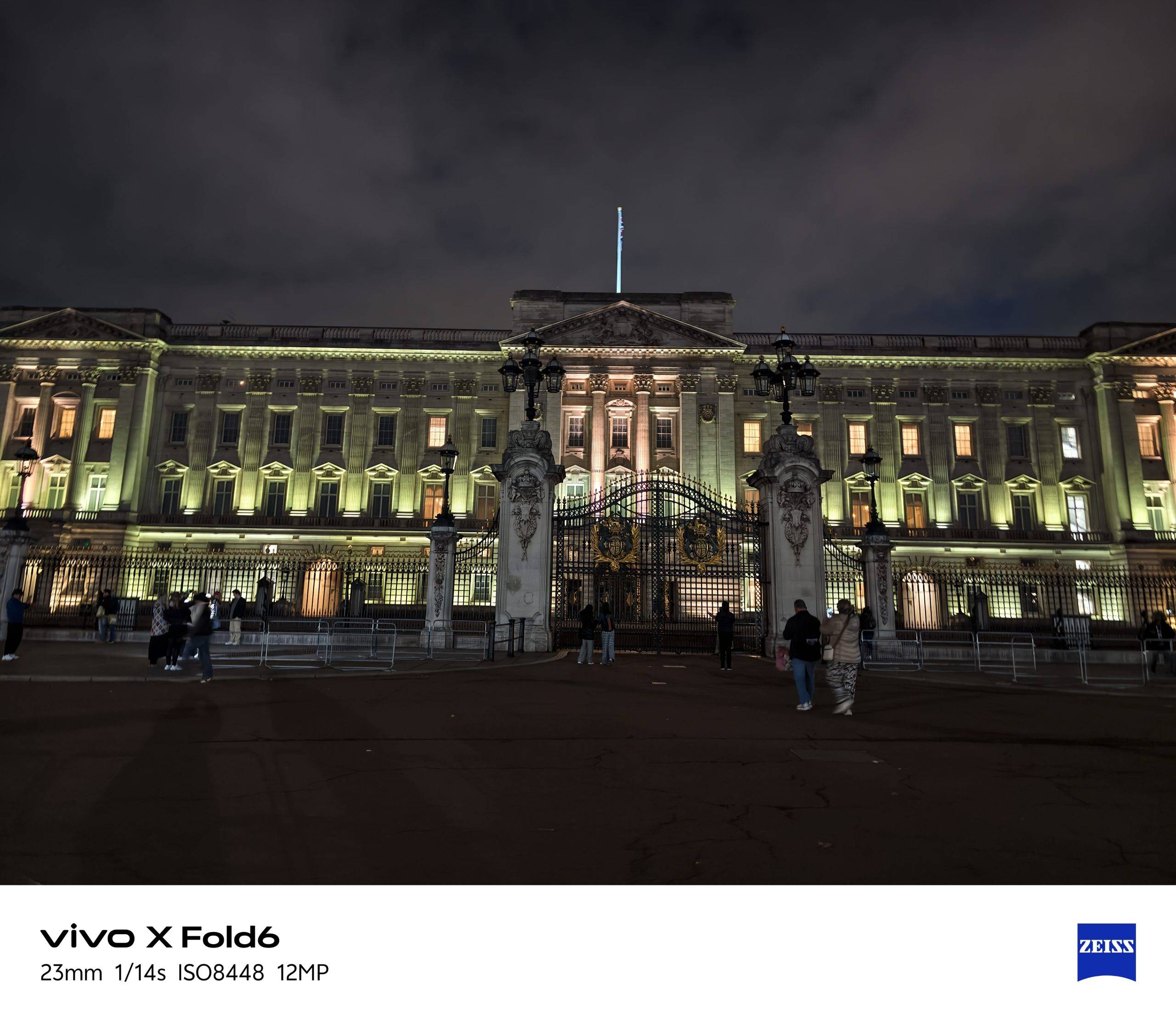
After dark, the X Fold6 could capture the atmosphere of a location without making every scene look like daylight. The Buckingham Palace photograph preserves the different colours illuminating the façade, while the gates remain clearly recognisable against it. Looking closer, though, fine architectural detail becomes softer and some surfaces look smoothed over. It is an appealing holiday photograph at normal viewing sizes, with limitations that become more apparent when you enlarge it.
The illuminated table lamp is another pleasing example. Its patterned glass retains visible texture, and the blurred lights behind it complement the warm indoor setting. Results like these made me happy to keep experimenting with the camera, even when the light was less favourable.
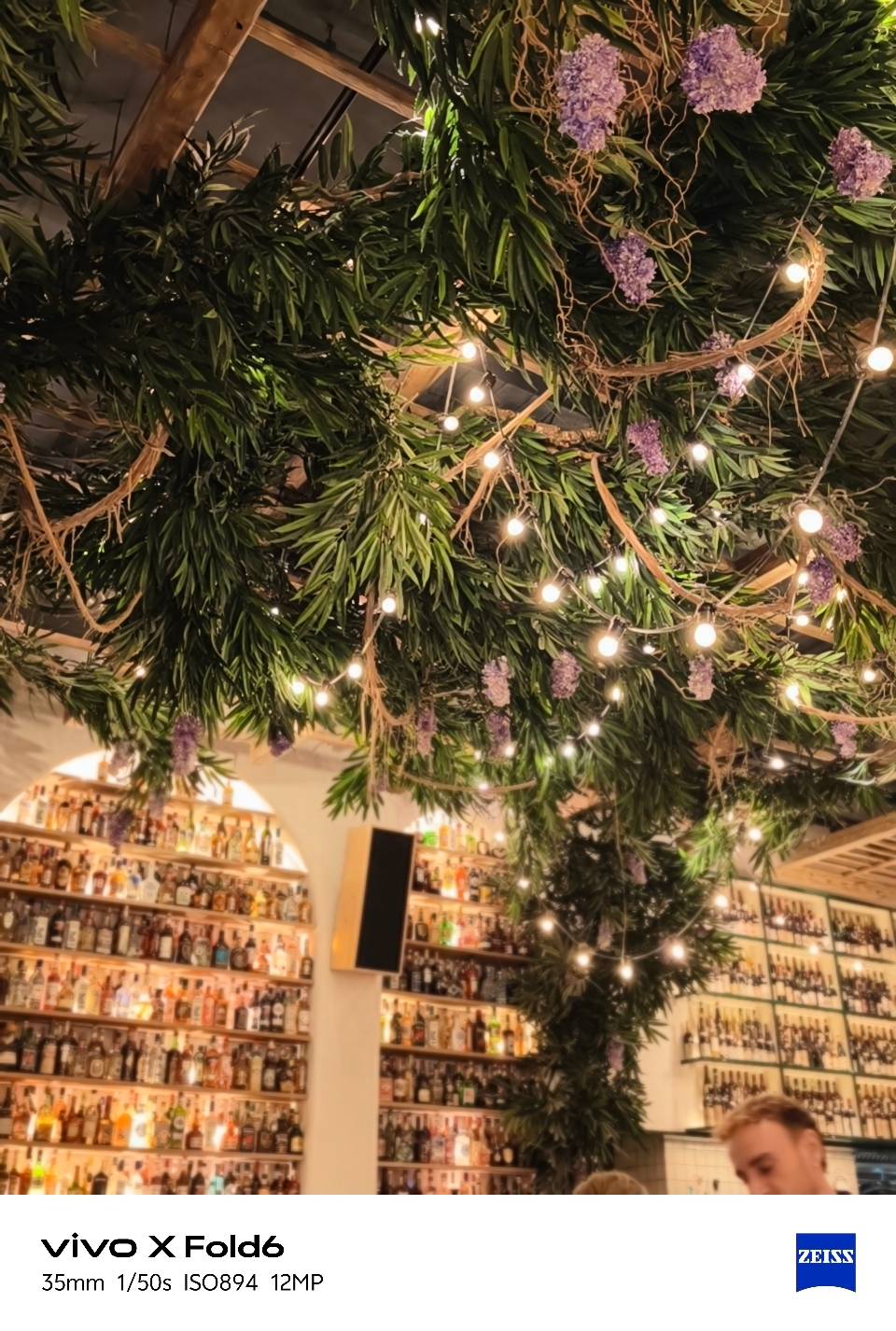
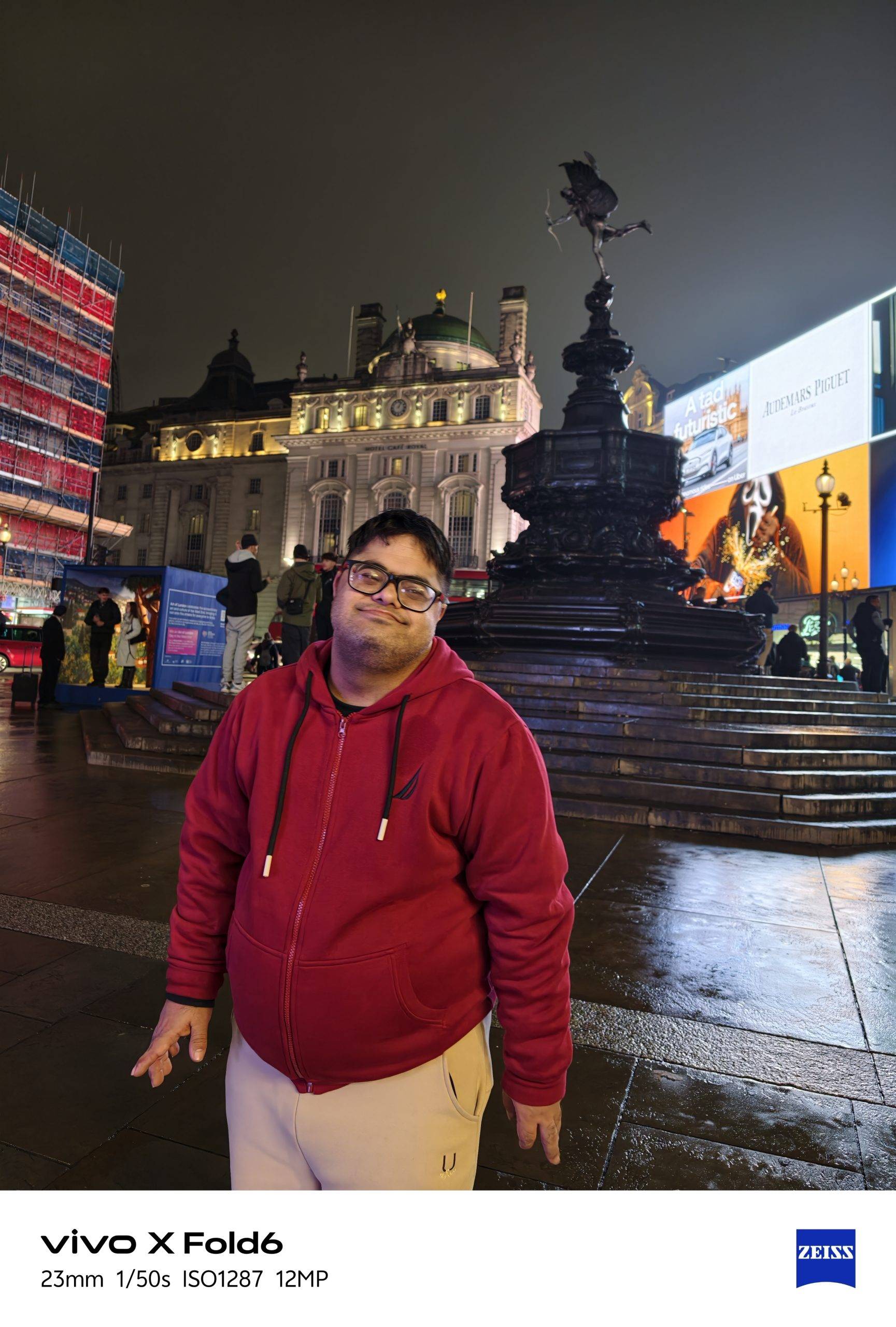
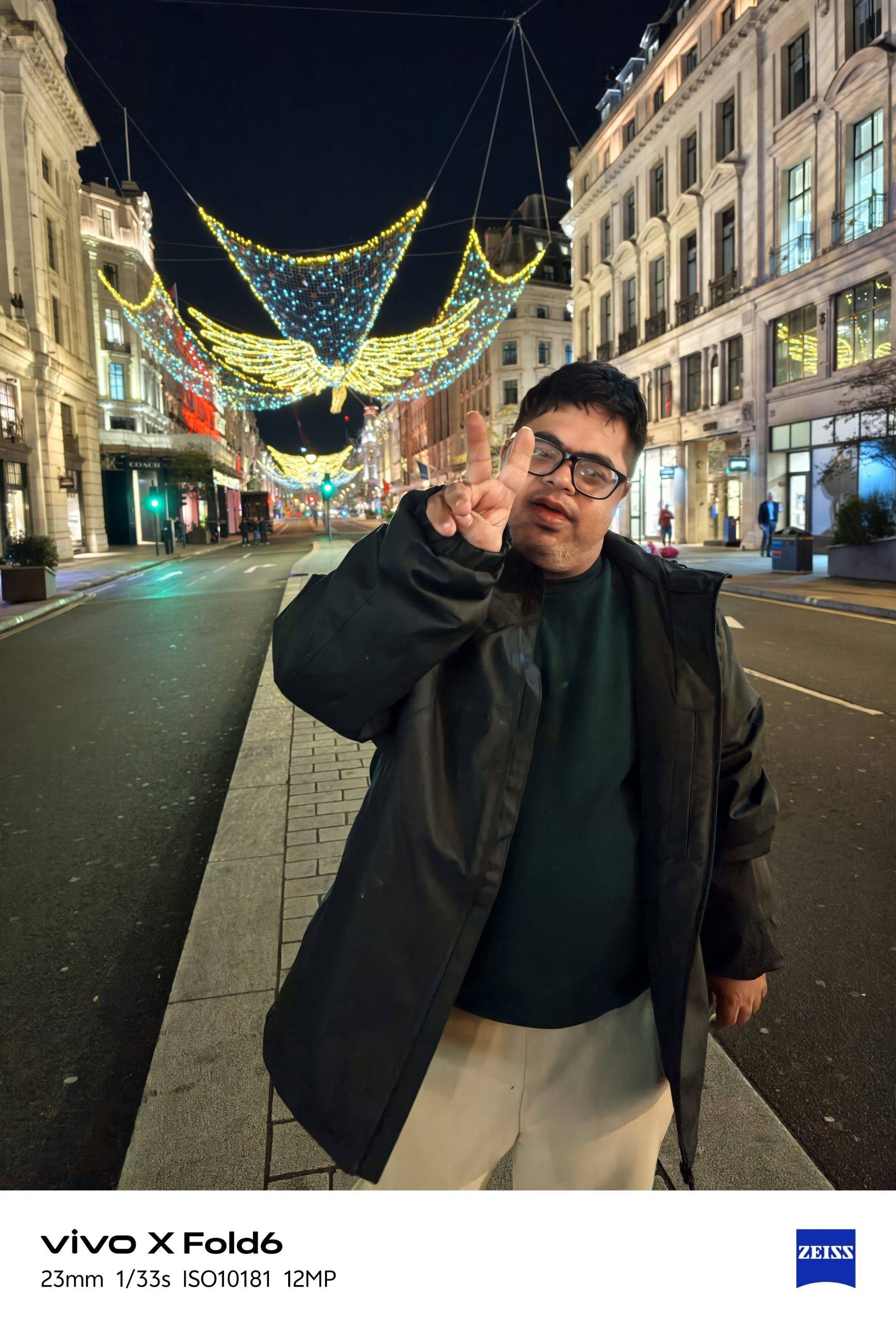
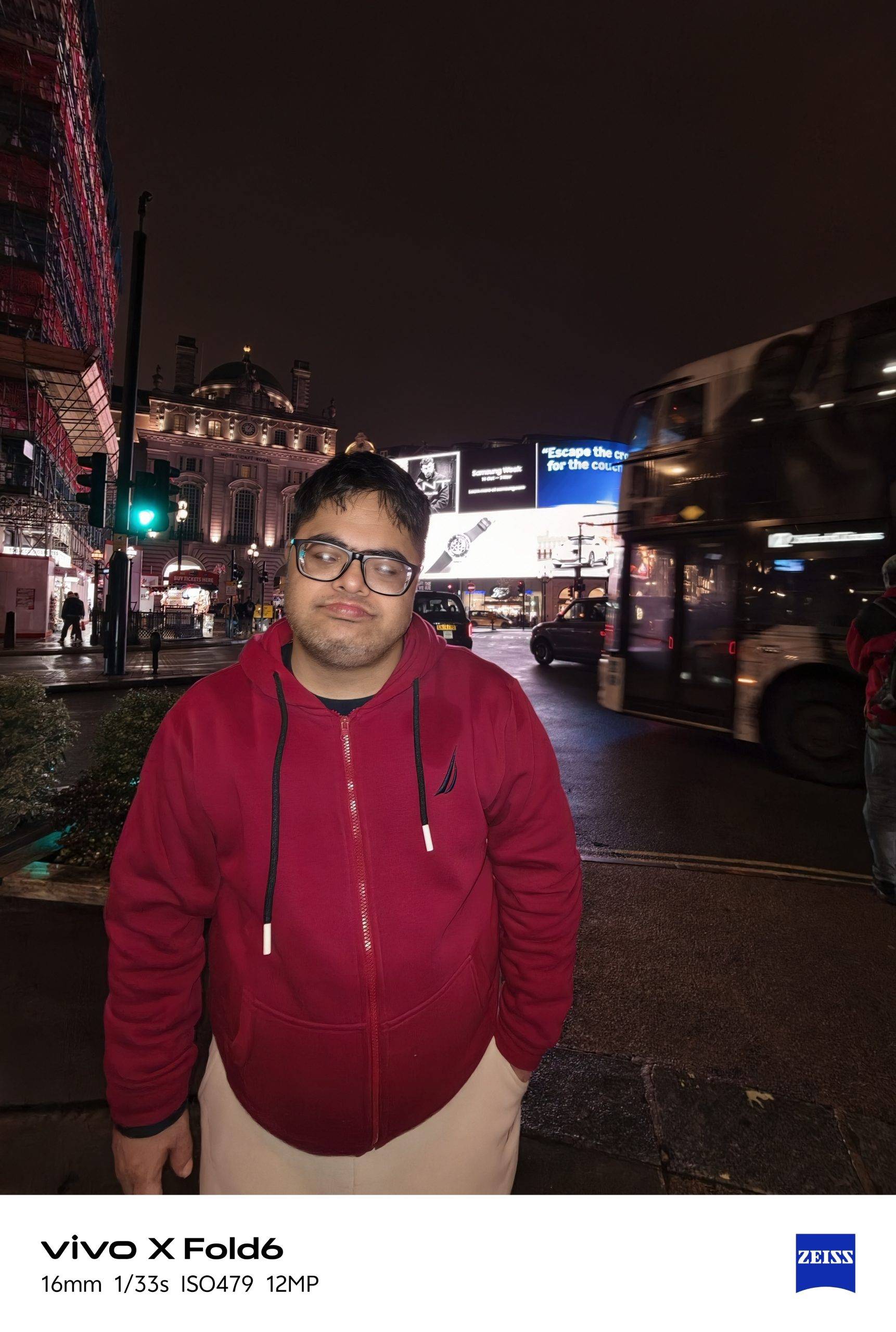
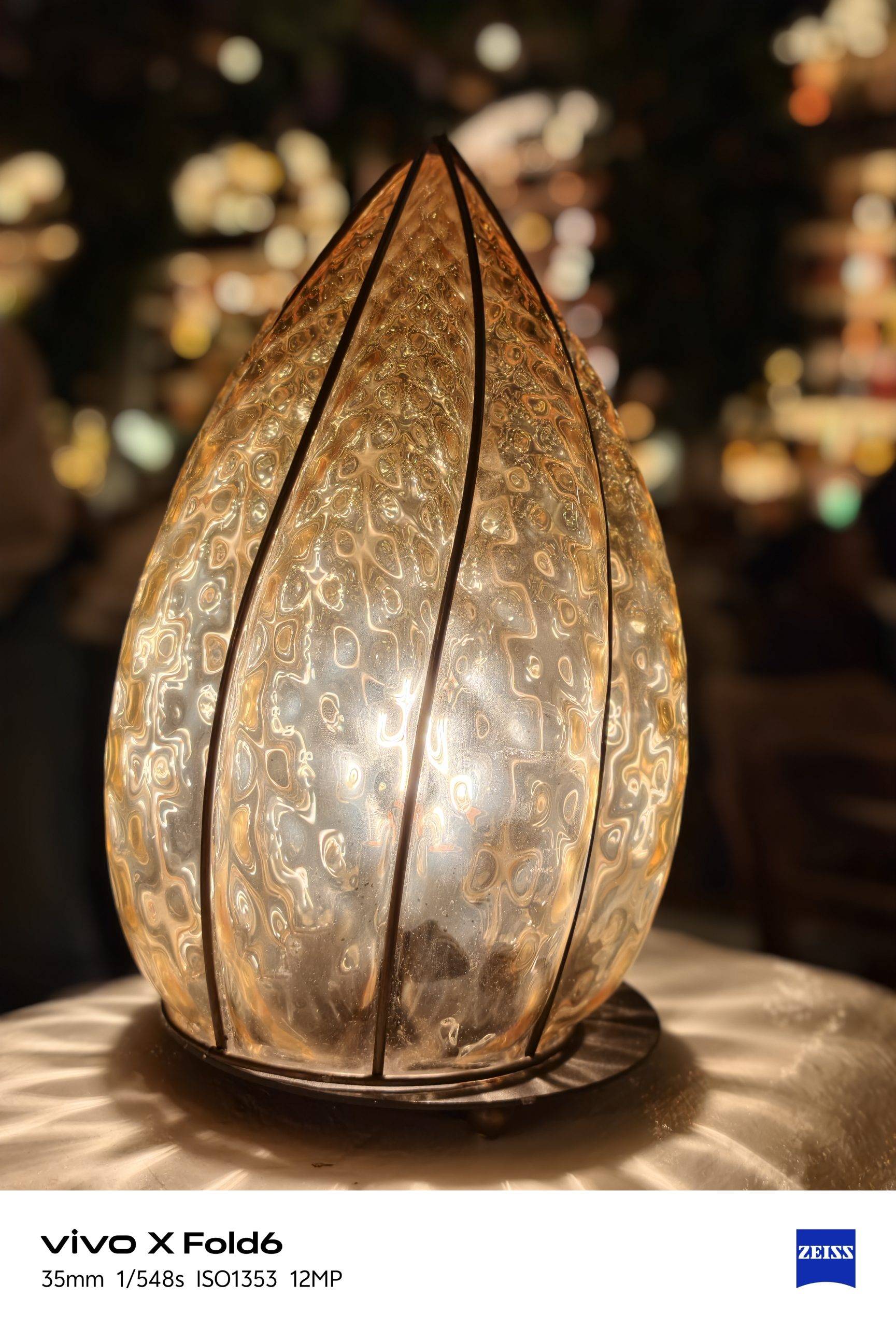
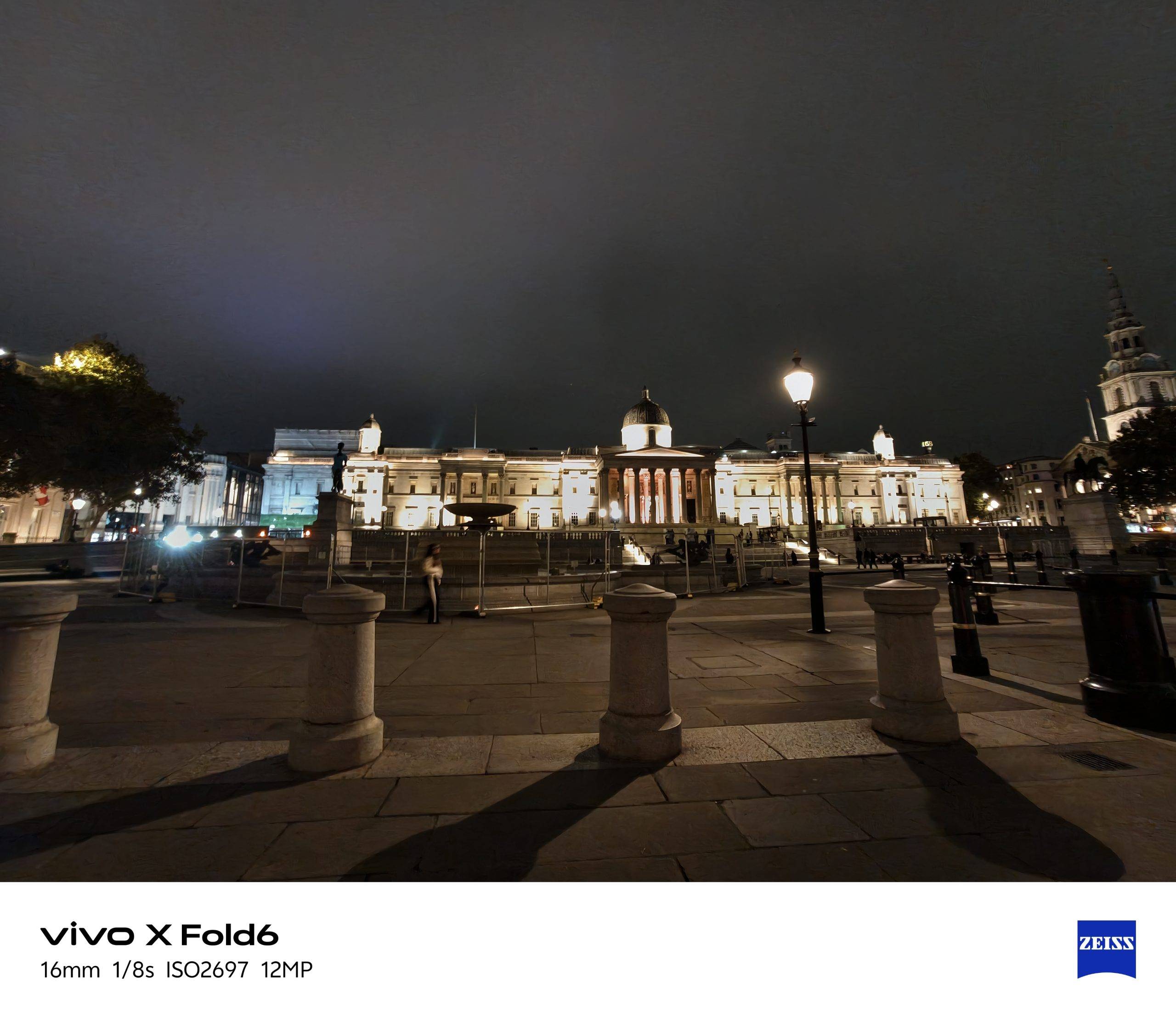
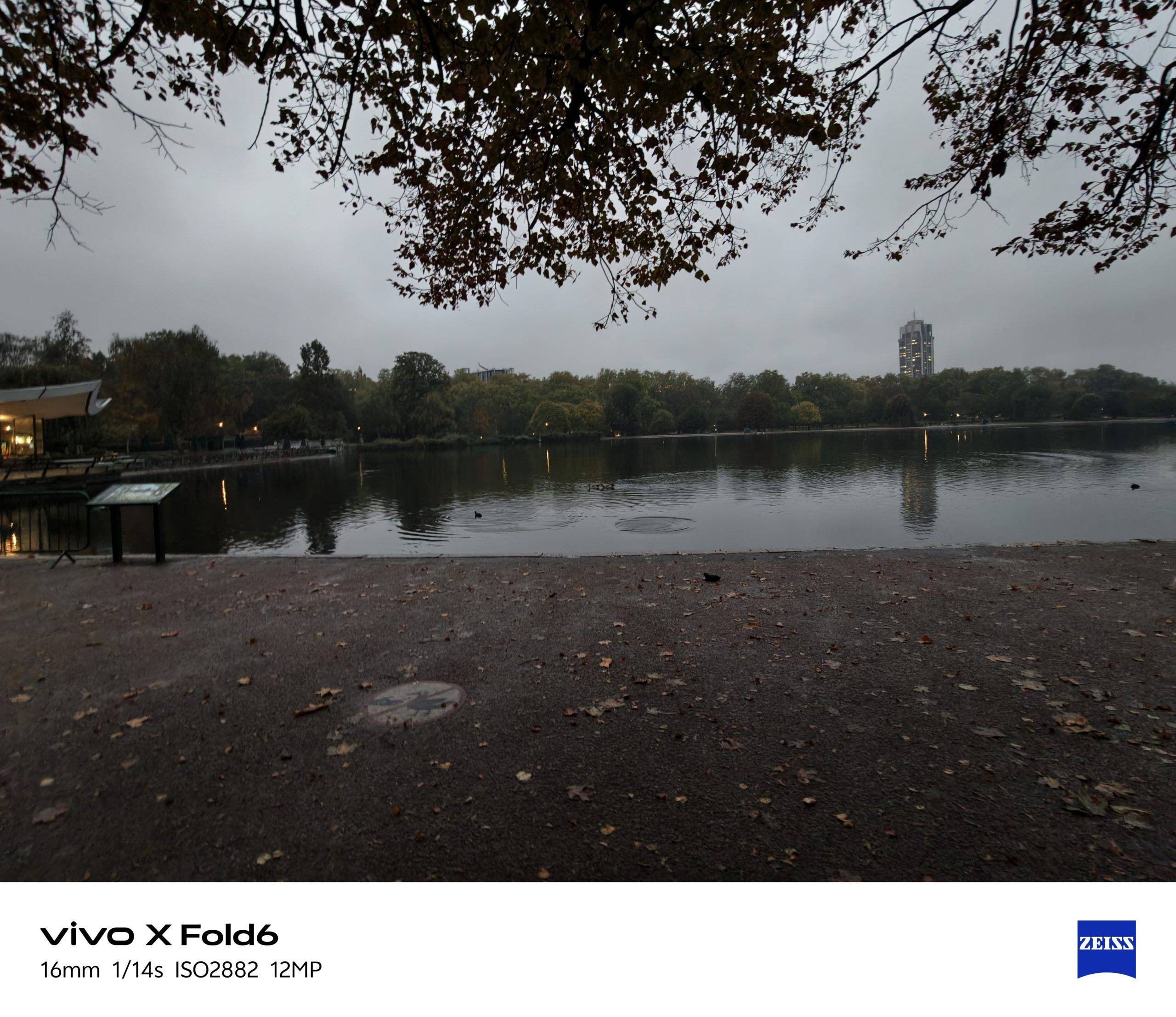
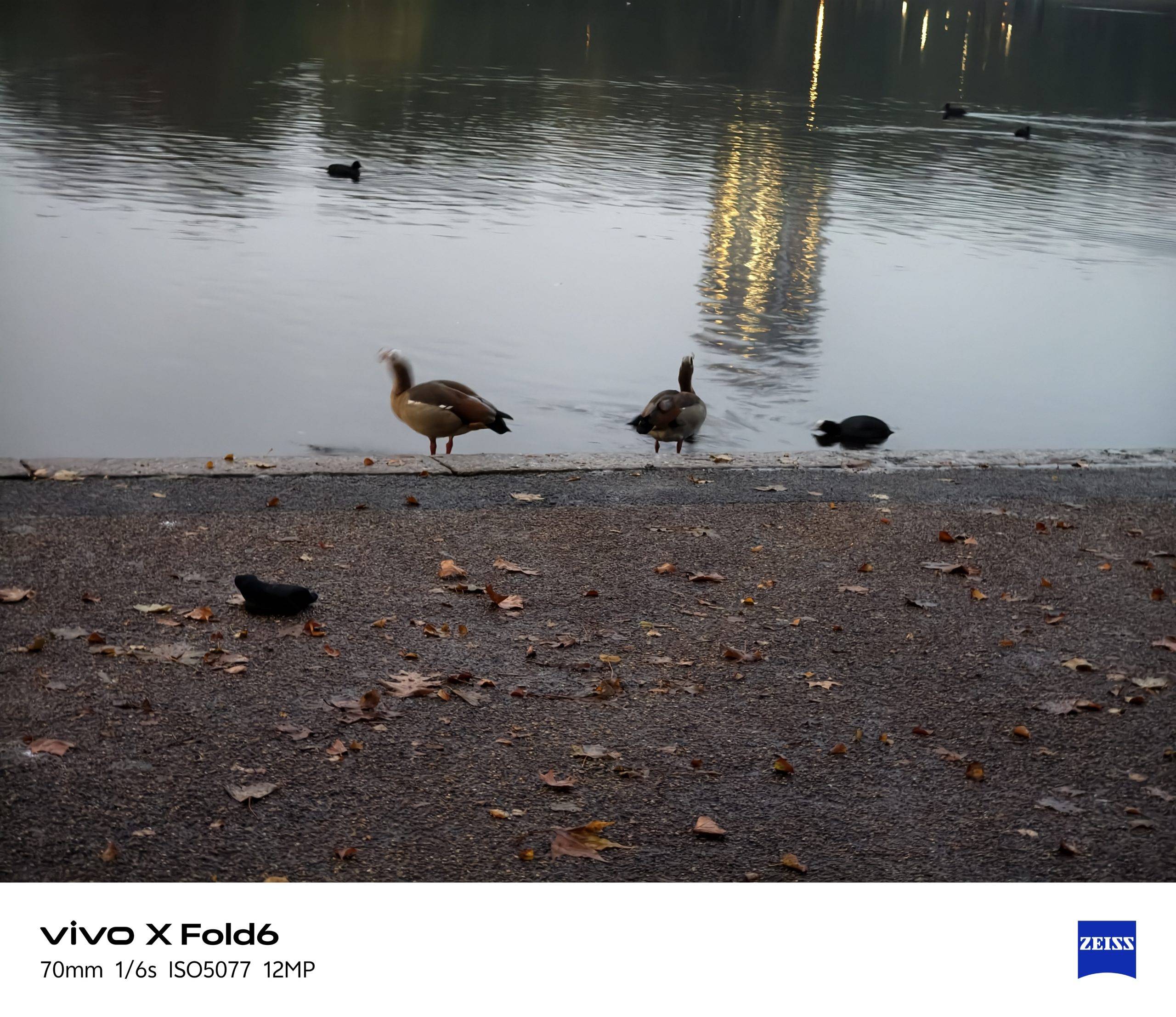
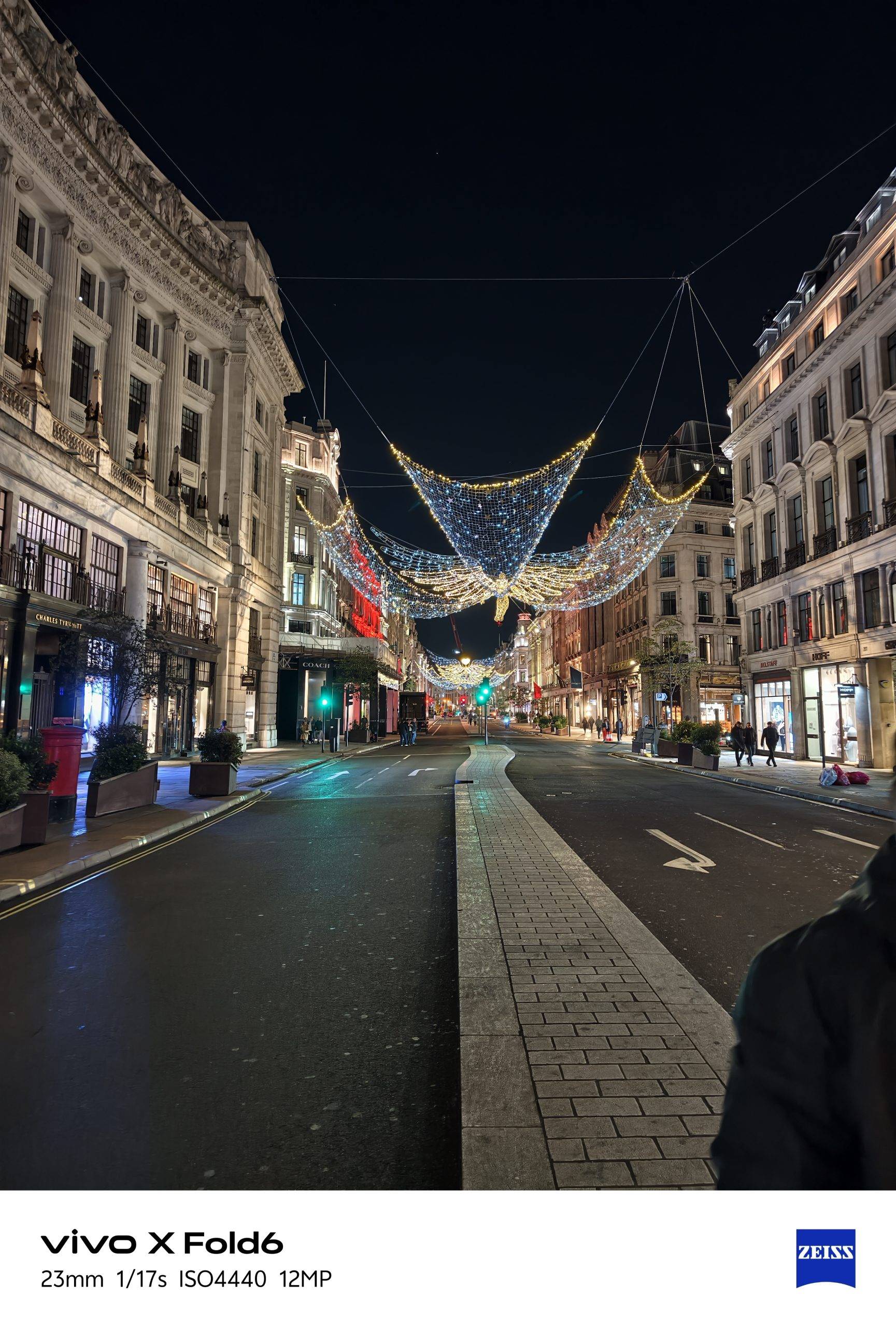
Moving subjects were where I felt more disappointed. Several birds in the flying-bird photograph are visibly blurred, and the camera did not consistently give me the crisp results I wanted from those fleeting moments. Birds in flight under an overcast sky are challenging subjects, but travelling inevitably involves situations where you have to point, shoot and hope the phone gets it right.
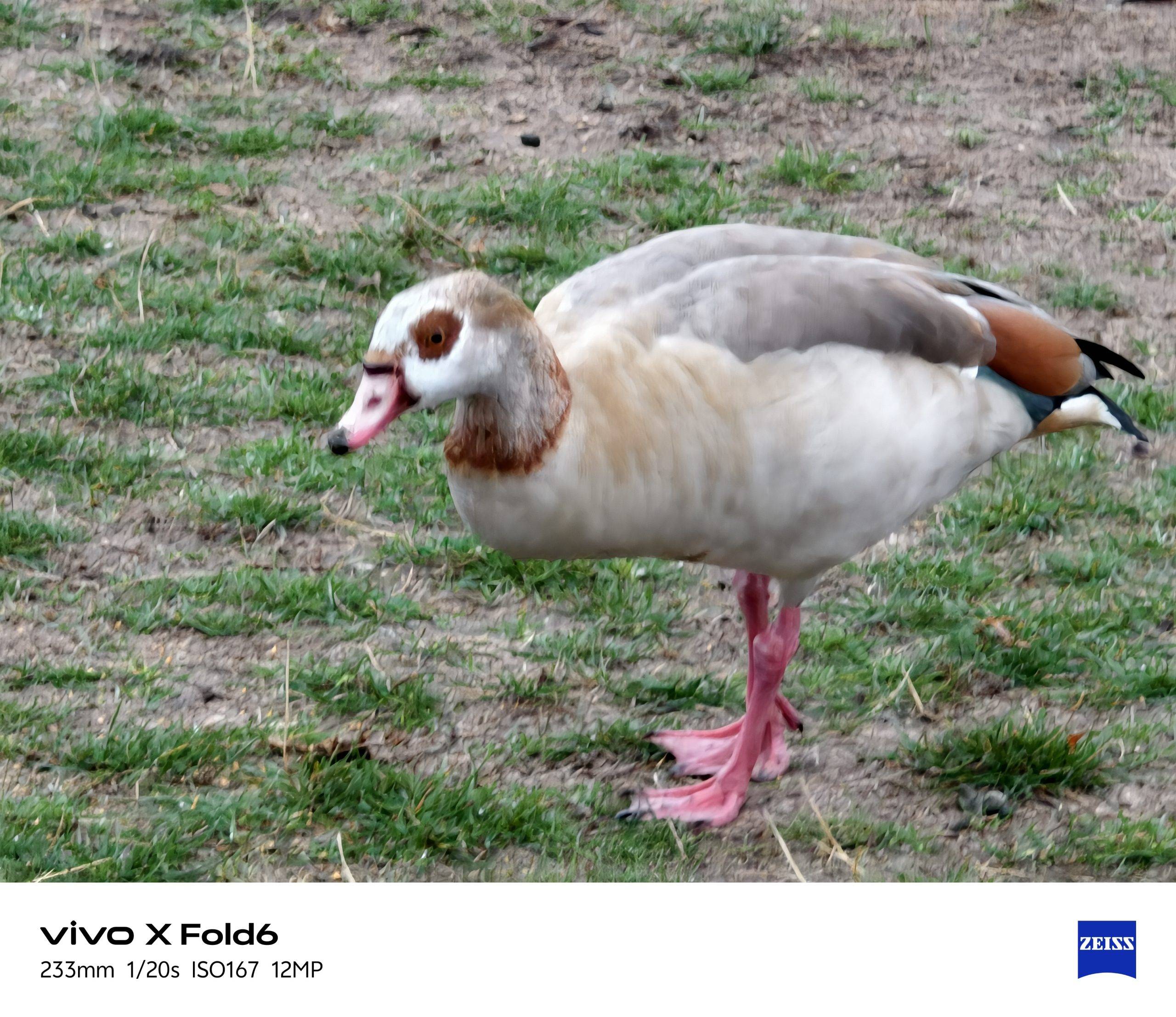
The close-up bird sample needs a separate qualification. As you can see from the recorded settings it was at a 233mm equivalent focal length at 1/20 second, which leaves considerable scope for subject movement or hand movement to soften the photograph. That frame alone would be an unfair basis for judging the telephoto camera.
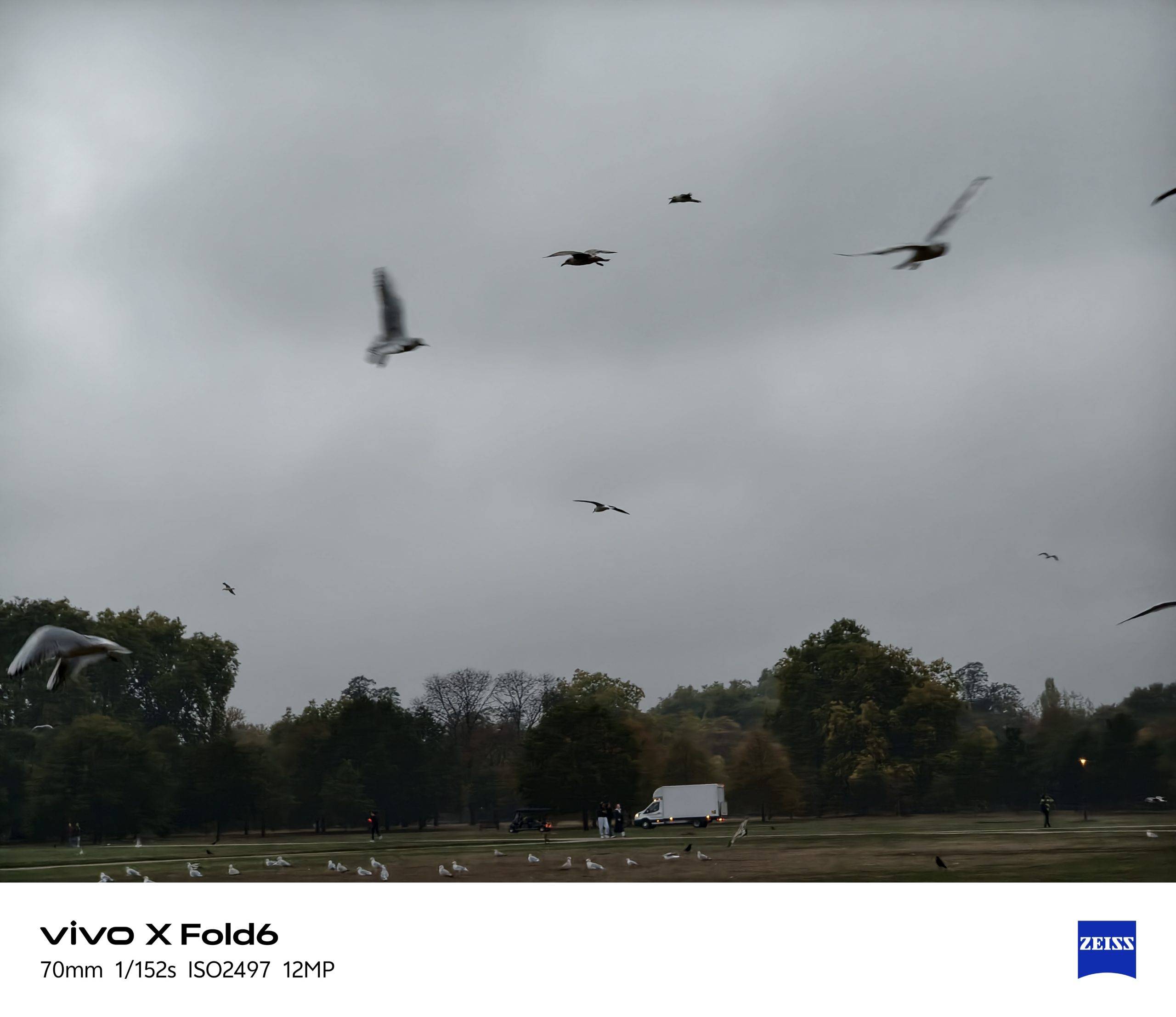
Had the X Fold6 been my only camera phone on this trip, I would have been slightly disappointed by some of those missed moments. It gave me attractive architecture, food, and indoor photographs, but I wanted more consistency when the subject would not stay still.
Battery Life That Suited the Trip
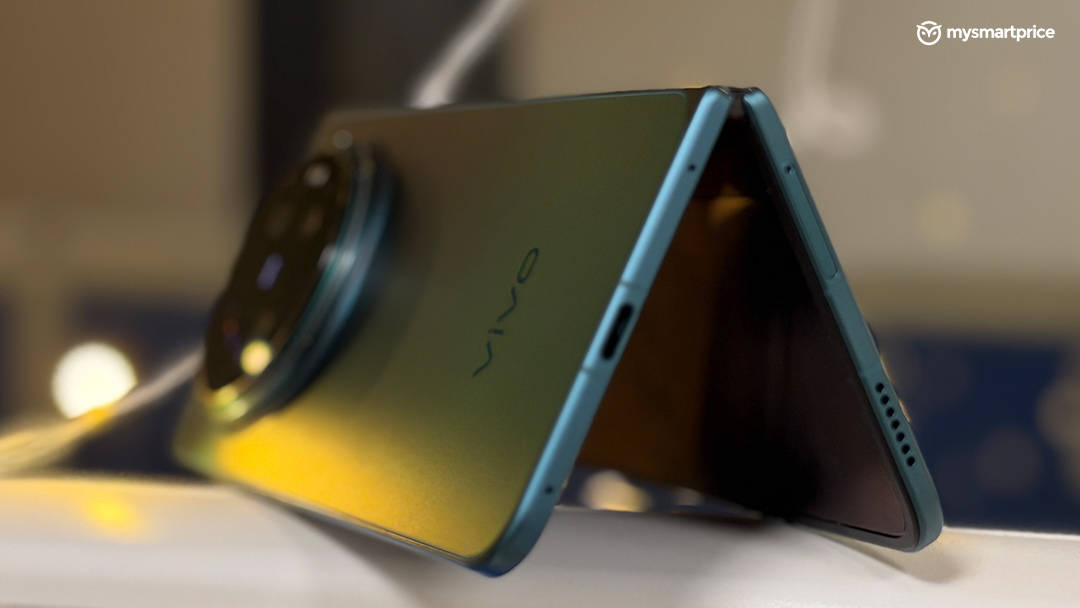
Battery life was the X Fold6’s strongest contribution to this holiday. Most days began at around 8am and ended around 8pm, with plenty of navigation, repeated photographs, bursts of shooting, WhatsApp and Instagram along the way. Also, by the time we got back to our hotel, we were dead tired from the 20-22k steps done. So this essentially meant that I could rarely give it the advantage of starting at 100%. I generally prefer to keep my phones between roughly 20% and 80%, and travelling gave me another reason to stop charging early. Several devices needed their turn on the same multiport charging setup, so once the Vivo reached around 80%, it was often time to plug something else in.
Even with that starting point, it was rare for me to return at the end of the day with the battery down to 20%. Having that reserve after a long day out was reassuring, especially when I was still relying on the phone for directions and messages.
The workload needs some context. My sightseeing days did not include gaming, prolonged video streaming, or much YouTube, and calls were limited. They did involve frequent camera use, navigation, and social apps. For that particular mix, the endurance was impressive.
Charging was mostly slower through my shared travel setup, but it still did not feel excessively drawn out. I did not record charging times or power delivery, so I would describe this as a useful travel observation rather than a measured charging-speed result.
More than the speed of an individual top-up, I appreciated how little I had to organise my day around the battery. Starting at around 80% was usually enough for the way I was using it, and that made the X Fold6 a more convenient travel companion.
Software With Useful Ideas and Some Unfinished Details
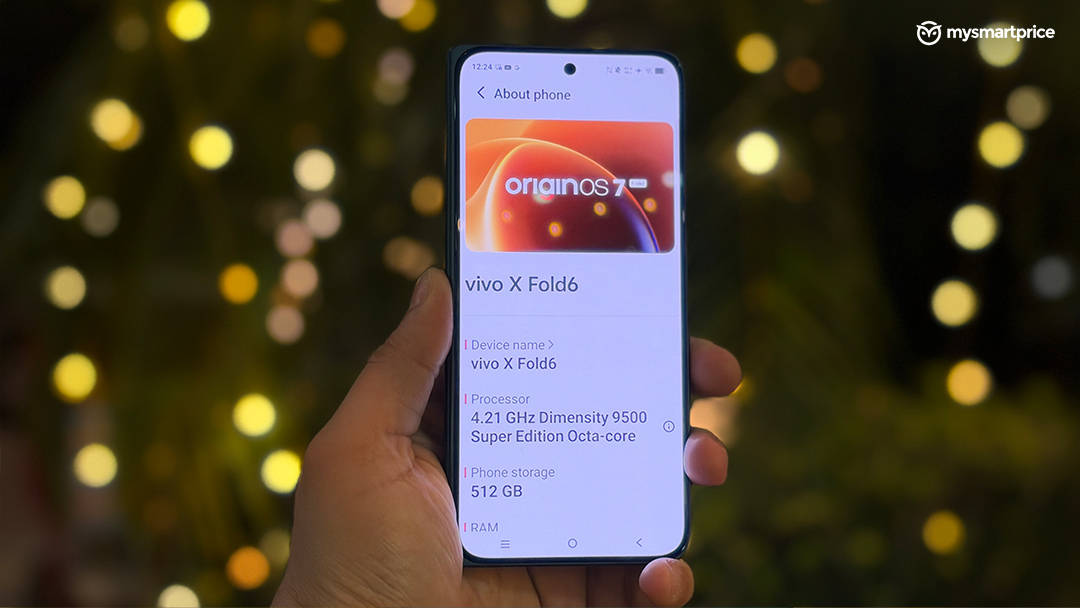
The X Fold6 runs Android 17-based OriginOS 7 Fold, with features designed to make better use of the inner display. Origin Workbench keeps a main app open alongside four live previews, while Multi-Split Screen allows up to four apps to share the screen. There is more flexibility here than simply opening a phone app on a larger canvas.
For my travel routine, switching between entertainment and productivity was fairly easy. However, one of my earliest frustrations involved something considerably simpler than running several apps at once: my wallpaper.
I had transferred my data from another Android phone using the usual cloning process, which brought my existing wallpaper across too. On the cover display, the photograph looked bright, lively and framed as expected. Unfolding the phone gave me a much tighter crop, with the face missing from the picture altogether. My wallpaper had made the journey; the person in it had only partially arrived.
A different screen shape will naturally require different framing, but I would have appreciated a preview or a prompt to adjust the image for the inner display. Keeping the face in view, offering a separate crop or letting me fit the complete photograph would have been more thoughtful than leaving me with this result. In 2026, with foldables several generations old and AI appearing across the interface, expecting a transferred wallpaper to receive some basic attention does not feel unreasonable.
Vivo has certainly put more thought into its ambitious software features. Alongside multitasking, the phone offers AI tools for moving content between apps, transcribing recordings and turning photographed notes into editable text. Snap & Go also promises to extract information from tickets and itineraries for calendar entries, although availability depends on the installed software version. The longer-term commitment is encouraging, with five major Android upgrades and seven years of security patches reported for the global model. That gives buyers a substantial support window, although the quality of those updates will matter as much as their number.
Verdict
The Vivo X Fold6 makes a convincing case for a foldable that can travel well. Its battery gave me the confidence to leave the hotel without a full charge, the inner display saw regular use on flights and trains, and carrying it never felt like an inconvenience. Those strengths became more valuable over the trip than any first impression of its familiar design.
Battery life was the highlight. Starting most days at around 80%, I could use navigation, take photographs and keep up with messages without regularly returning with the battery down to 20%. Our PCMark result supports that experience, although it does not put Vivo ahead of every rival. The X Fold6 lasted 19 hours and 2 minutes, comfortably beyond the Galaxy Z Fold8’s 16 hours and 37 minutes, while the Fold8 Ultra lasted longer at 22 hours and 32 minutes. For my travel routine, the Vivo provided enough reserve that charging rarely dictated the day.
Performance needs a similarly measured reading. The X Fold6 leads this comparison in AnTuTu with 3,620,425 points, against 3,139,404 for the Fold8 Ultra and 3,075,613 for the Fold8. Geekbench single-core favours Samsung, with the Ultra scoring 3,515, the Fold8 reaching 3,146 and the Vivo recording 1,859. There is no outright performance winner across these results. In my use, switching between navigation, photography, entertainment and messages was straightforward, which mattered more than where it finished in an individual benchmark.
The cameras leave me with a more qualified recommendation. Architecture, food and stationary subjects produced several photographs I was pleased to bring back, and the different framing options were useful throughout the trip. Moving subjects were less dependable, while some low-light photographs lost fine detail under closer inspection. I would happily travel with the X Fold6 again, but buyers choosing it primarily for photography should weigh consistency alongside the versatility of its camera system.
OriginOS gives the inner display useful multitasking features, though some basic details still deserve more care. Samsung’s Fold8 Ultra remains a strong alternative for buyers who put productivity first, with its multitasking experience holding up well in our extended use. Its longer PCMark endurance also makes it difficult to overlook.
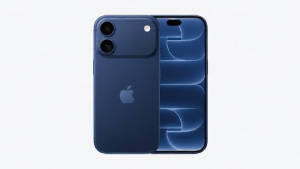
The iPhone Duo approaches the category differently. For someone already using an iPhone, it offers the familiarity of iOS and access to their existing Apple ecosystem in a folding design. We have not used it extensively enough to make a firm judgement against the Vivo on cameras or battery life. At a starting price of ₹2,99,900, it also asks for a considerably larger commitment.
At ₹2,19,999, the X Fold6 needs to earn its premium through regular use of what it offers. For a frequent traveller who will read, watch and work on the inner display, its combination of comfortable handling, dependable battery life and flexible cameras makes it worth considering. The Fold8 Ultra deserves a place beside it on the shortlist, particularly for productivity and tested endurance. I came away most convinced by how little attention the Vivo’s battery needed and how often I used the larger screen. Those are substantial reasons to choose it, provided its camera inconsistencies and software rough edges are compromises you can accept.