The mid-range smartphone market has changed considerably over the years. It used to be enough for a phone to have one standout feature, be it a good camera, a fast processor, or a big battery. Today, buyers expect much more. A phone at this price needs to get the basics right across the board, from the display and performance to cameras, battery life and software.
iQOO Z11
Rs 34,999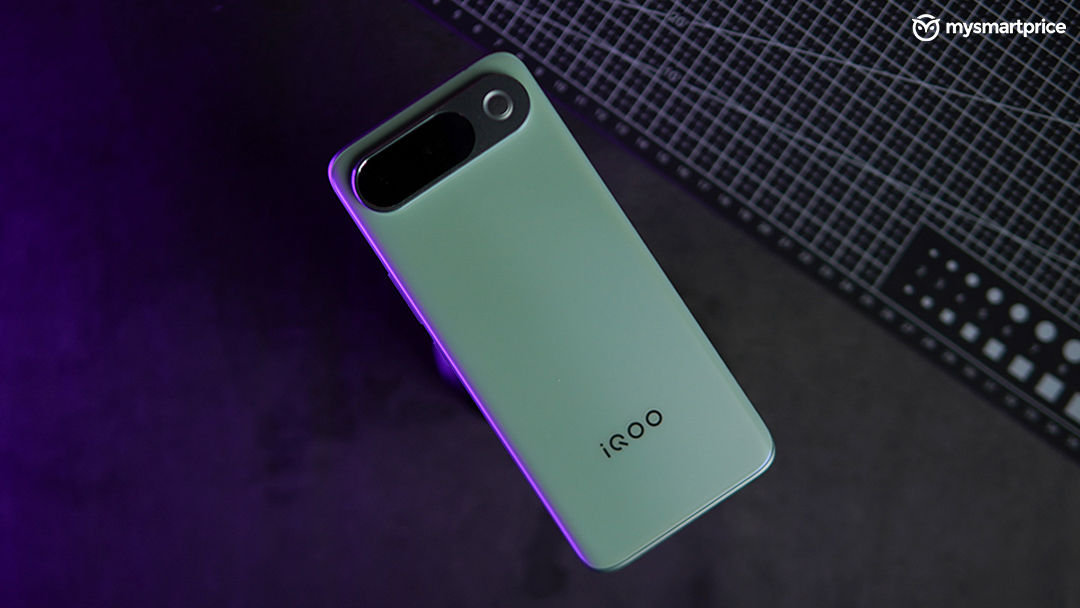
What Is Good?
- Capable 50MP primary camera
- Excellent 6.8-inch 1.5K 144Hz curved AMOLED display
- Bypass charging is useful for extended gaming
- Premium-looking, relatively slim design
- Good thermal management during gaming
What Is Bad?
- BGMI limited to 60FPS
- Around 50 pre-installed apps out of the box
- No dedicated telephoto camera
- No dedicated telephoto camera
That is precisely the approach iQOO has taken with the Z11. The phone brings a premium-looking curved design, a 6.8-inch 1.5K AMOLED display with a 144Hz refresh rate, MediaTek’s Dimensity 7500 Turbo chipset, a triple-camera setup and a rather enormous 7,050mAh battery. None of these specifications are particularly surprising on their own. What makes the Z11 interesting is how they come together. This isn’t the fastest phone in its segment, nor does it have the most versatile camera system, but it manages to avoid the kind of obvious compromises that can make a mid-range phone frustrating to live with.
After spending considerable time with it, here’s our full review of the iQOO Z11.
Design and Build
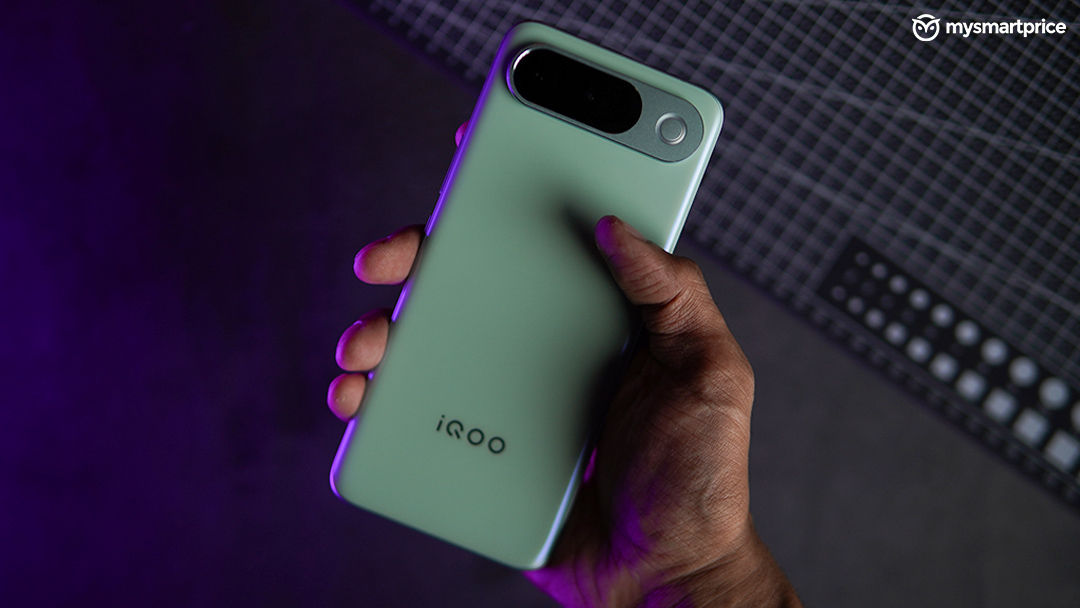
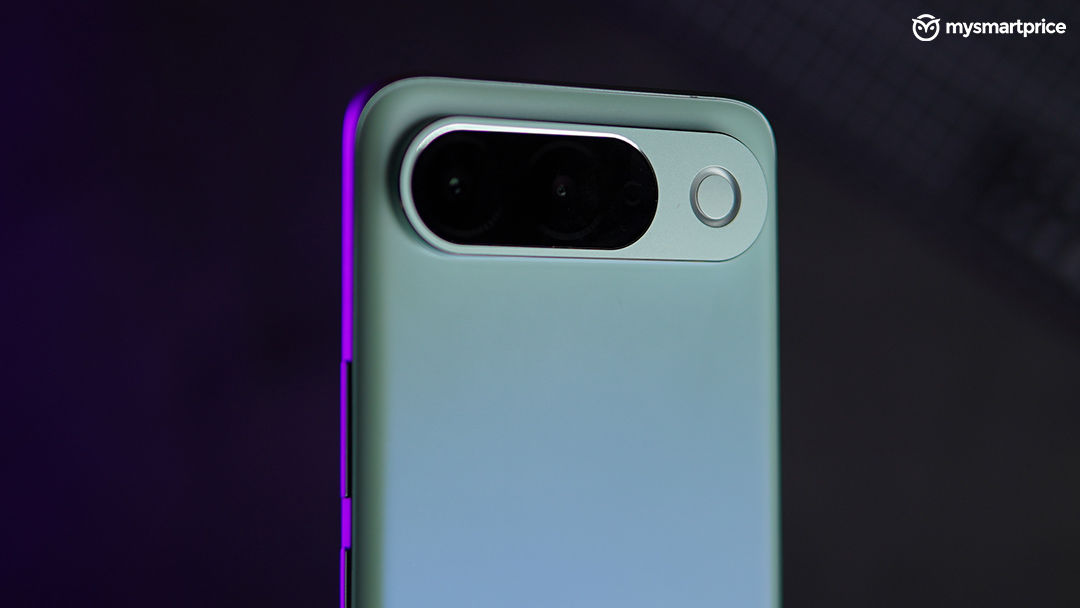
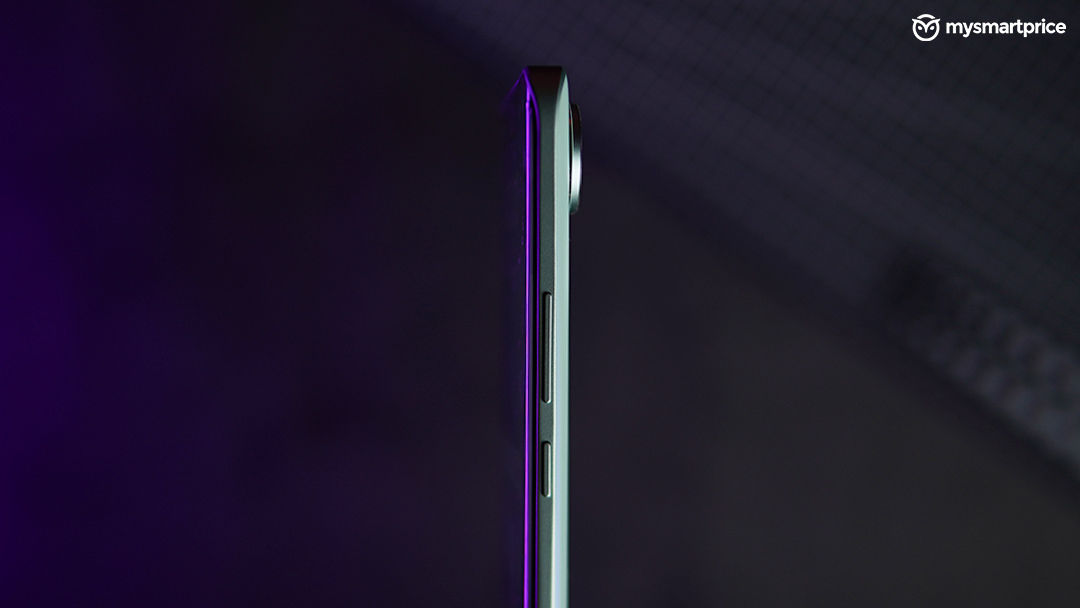
The iQOO Z11 is a good example of how a well-executed design can elevate a mid-range phone. The curved frame and display give it a distinctly premium appearance, while the Celestial Blue finish adds some character without going overboard. I particularly like the horizontal camera bar on the back. With so many phones now using increasingly large square camera modules, the Z11’s approach feels cleaner and less predictable.
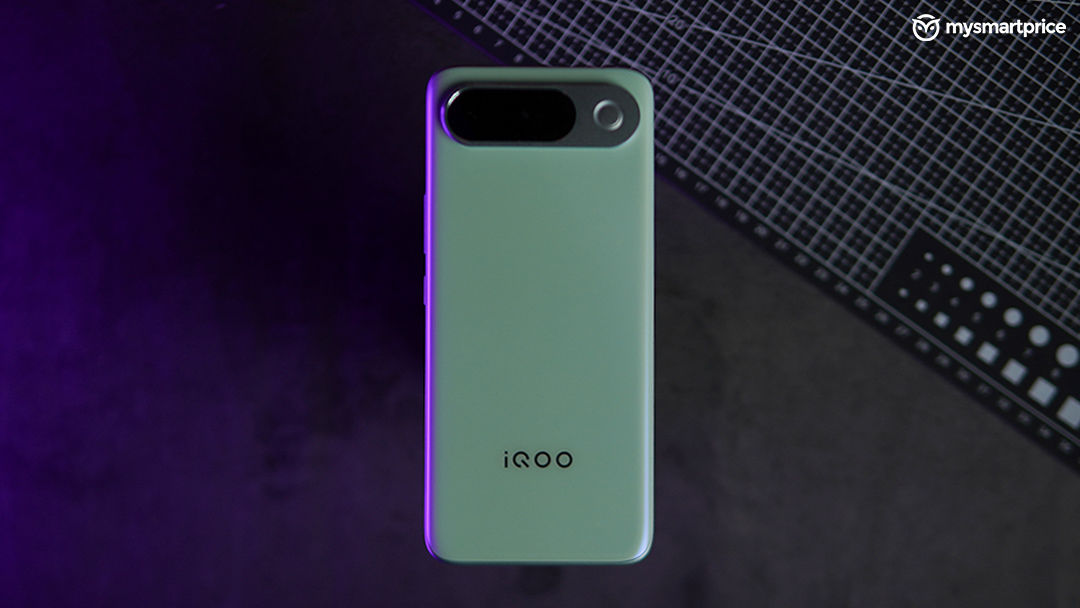
There is, however, one small annoyance. The rear panel is a magnet for fingerprints. If you want the phone to retain that fresh-out-of-the-box appearance, you’ll either be wiping it regularly or reaching for the bundled case. Durability is one area where iQOO has clearly not cut corners. The Z11 carries IP68 and IP69 ratings for dust and water resistance. That is a welcome level of protection in this segment and provides considerably more peace of mind than many similarly priced phones. The other impressive bit is how iQOO has handled the battery. Despite housing a 7,050mAh cell, the Z11 doesn’t feel like a chunky battery phone. It retains a relatively slim, premium-looking profile, which is no small engineering achievement.
Display
The display is arguably the Z11’s biggest strength.
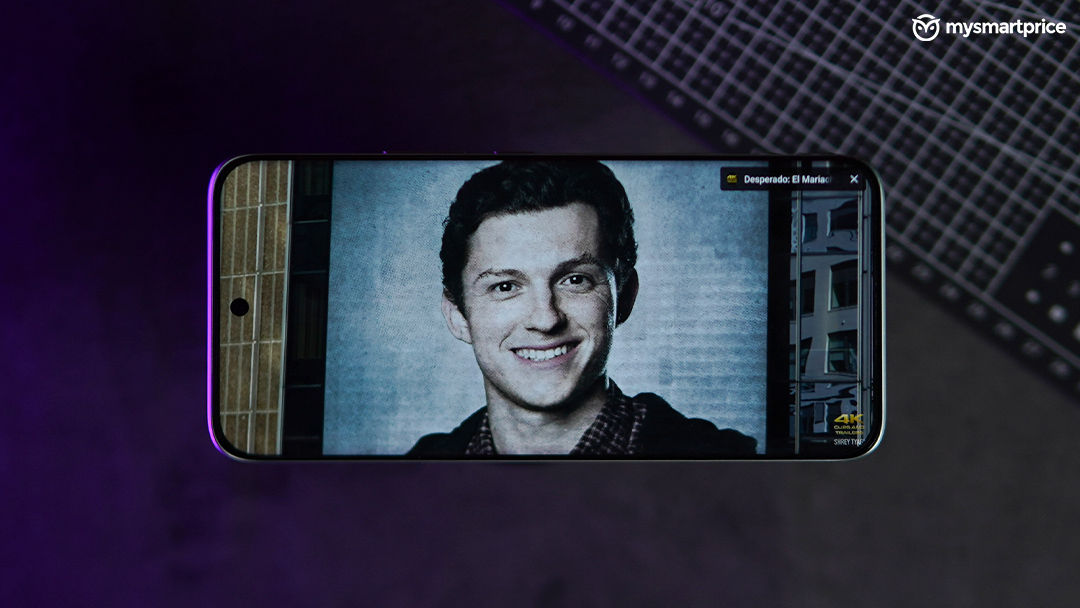
It gets a 6.8-inch 3D curved AMOLED panel with a 1.5K resolution, and it looks every bit as good as those specifications suggest. Text is crisp, colours are vibrant and the curved edges add to the sense that you’re using a more expensive device.
Then there’s the 144Hz refresh rate. Once you get used to a high-refresh-rate display, going back to 60Hz can make even a perfectly good phone feel sluggish. The Z11’s panel keeps scrolling, animations, and general navigation remarkably fluid. The difference is especially obvious when moving between lower and higher refresh rates. Brightness is another strong point. The display can reach 2,000 nits in HBM mode, with a claimed peak brightness of up to 5,000 nits, which is somewhat true, as we tested and got around 3000 nits. So, in everyday use, the important takeaway is simpler: the screen remains easy to see outdoors, even in fairly bright conditions. Whether you’re watching videos, browsing Instagram or spending an evening gaming, this is a display you won’t find yourself complaining about.
Performance
The iQOO Z11 is powered by MediaTek’s Dimensity 7500 Turbo, paired with LPDDR4X RAM and UFS 3.1 storage.
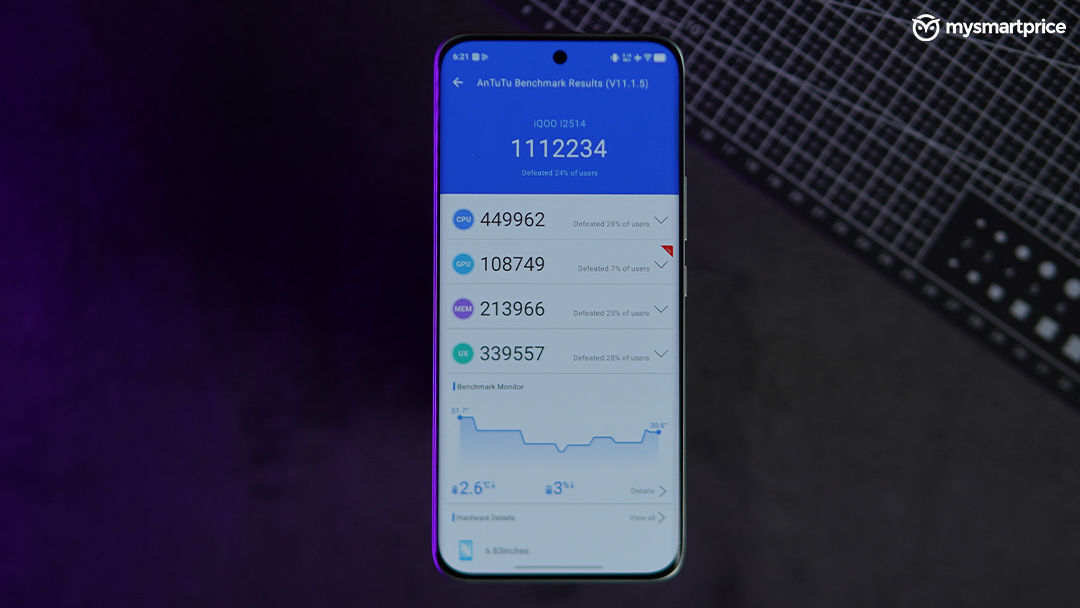
In our testing, the phone returned an AnTuTu score of 11,12,234. Geekbench 6 delivered 1,229 in single-core and 3,424 in multi-core performance, while PCMark Work 3.0 returned a score of 13,036. These figures put the Z11 comfortably in the capable mid-range bracket. But as we’ve said many times in our reviews, benchmark numbers are only useful when they tell us something about the actual experience.
Fortunately, they do here. The Z11 feels quick in everyday use. Apps launch without unnecessary delays, scrolling is smooth, and multitasking doesn’t leave the phone struggling for breath. The UFS 3.1 storage also helps keep the overall experience responsive, particularly when loading larger applications. Our storage testing recorded sequential read speeds of approximately 1,994MB/s and sequential write speeds of around 1,855MB/s. The phone also scored 117,041 in AnTuTu’s storage test.
In pure performance, the Poco X8 Pro is one of the more aggressive phones in this price bracket. Its Dimensity 9500s, paired with LPDDR5X RAM and UFS 4.1 storage, puts it comfortably ahead of conventional mid-range hardware.
Where the Poco makes up for that gap is sustained performance. It doesn’t just produce a high score once and call it a day. The large vapour chamber and aggressive thermal management allow it to maintain performance for longer gaming sessions, which is arguably more important than a few lakh points in AnTuTu.
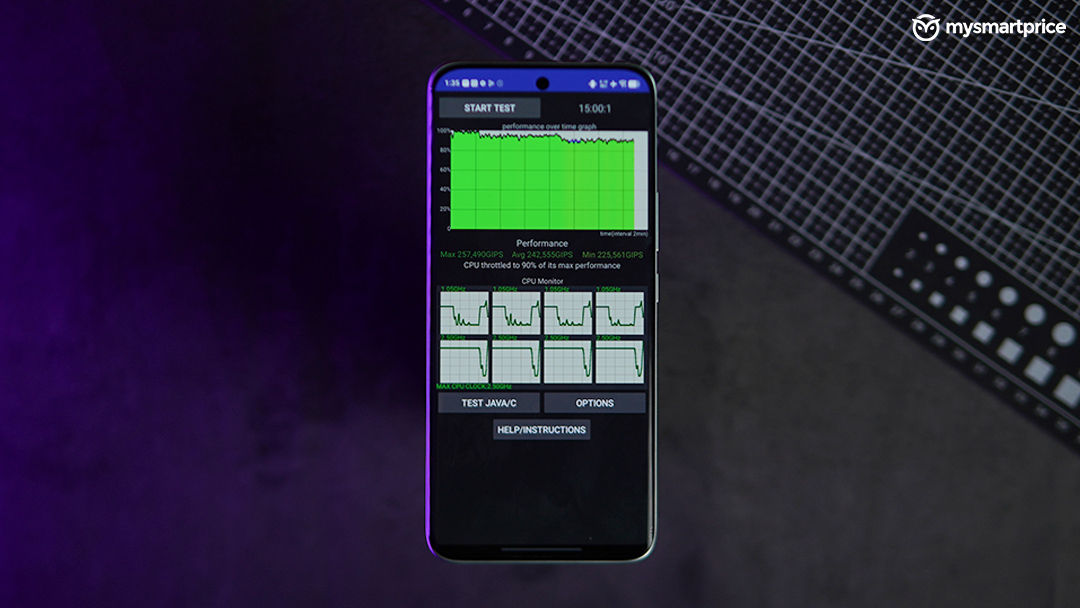
The Z11 lacks in BGMI with only 60FPS support, which is a bit weird, whereas its rival Poco X8 Pro offers 120FPS support. For gaming, I’d pick the Poco over most of its direct rivals. For everyday use, however, the performance difference between these phones isn’t nearly as dramatic. In short, this is not a phone that constantly reminds you that you’re using a mid-range device.
What stood out more during our testing was thermal management. After around 30 minutes of continuous gaming, the phone’s temperature increased by only about 5 degrees Celsius. That’s an excellent result, particularly for a phone with this level of performance, and suggests that iQOO has done a good job keeping sustained workloads under control. The Z11 also supports bypass charging. For anyone who spends long gaming sessions connected to a charger, this can be a genuinely useful feature. Instead of constantly charging and discharging the battery, the phone can draw power more directly while plugged in, reducing unnecessary battery stress. It is the sort of feature that sounds minor on a specification sheet but becomes useful once you actually use it.
Cameras
The iQOO Z11 comes with a 50-megapixel primary camera, an 8-megapixel ultrawide camera and a 32-megapixel selfie camera. It’s a fairly conventional setup for a phone in this segment, but the primary camera does most of the heavy lifting here.
In daylight, the main camera produces detailed images with natural-looking colours and good dynamic range. Textures remain well defined, while highlights are generally controlled well enough to retain detail in brighter parts of the frame. The colour processing also doesn’t go overboard with saturation, which gives photographs a more realistic appearance.








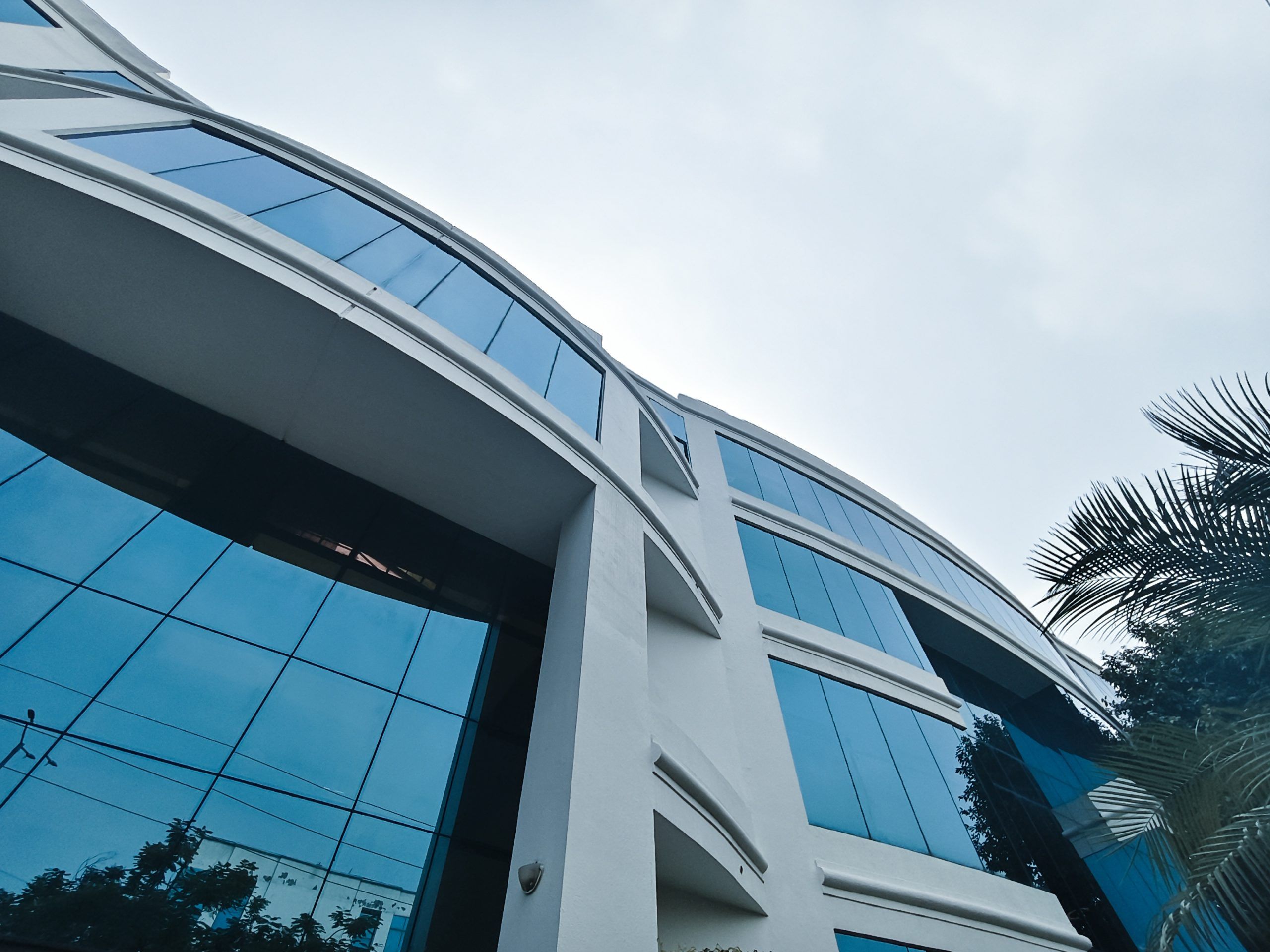


Low-light photography is another area where the primary camera performs well. It manages to retain a decent amount of detail without excessively brightening darker scenes or applying aggressive noise reduction. There is some loss of fine detail as the light drops, as you’d expect, but the overall output remains quite usable. The ultrawide camera is useful when you need a wider field of view for landscapes, architecture or group photographs. However, there is a noticeable difference between it and the primary sensor. Images from the ultrawide camera don’t retain quite as much detail, particularly towards the edges of the frame, and dynamic range takes a step down in more challenging lighting. It’s a useful secondary camera, but not one that matches the main sensor for quality. Portrait photography is handled well, with reasonably convincing subject separation and natural-looking results in good lighting. The 32-megapixel front camera is similarly capable for selfies and video calls, particularly in daylight, although image quality becomes less consistent as the lighting gets more challenging.
Video performance is also dependable, with the rear camera delivering good detail and stable footage in suitable lighting. The front camera is adequate for selfies and video calls, but the rear camera remains the stronger option for serious video recording.
The biggest omission from the camera setup is a dedicated telephoto lens. A telephoto camera would have added useful versatility for portraits and distant subjects, particularly for users who frequently rely on their phone’s camera. Still, if the primary camera is going to be your main shooter, the Z11’s camera system is more than capable for everyday photography and should satisfy most users.
This is where the Poco X8 Pro gives up some ground to its competition. The 50-megapixel primary camera is perfectly capable, but the overall camera package isn’t as versatile as what you get from some rivals at this price.
Interestingly, low-light performance is better than I expected. The phone manages exposure reasonably well and retains a decent amount of detail, although it still doesn’t have the consistency of the better camera-focused phones in this segment.
So, if cameras are high on your priority list, the Poco X8 Pro wouldn’t be my first recommendation. But if you’re primarily buying this phone for gaming and performance, the camera system is good enough to avoid feeling like a major compromise.
Battery Life
If the Z11 has one specification that genuinely changes the way you use the phone, it is the battery. The 7,050mAh battery is considerably larger than what we’re used to seeing in a conventional mid-range smartphone. And, importantly, that capacity isn’t just there for bragging rights.
In our PCMark battery test, the Z11 lasted an impressive 22 hours and 22 minutes. In real-world terms, that means heavy users can comfortably get through a full day without thinking about the charger, while lighter users should be able to push well into a second day. Gaming endurance is equally impressive. A 30 minutes of BGMI session used approximately 6% which makes it more long lasting than expected.
Those are particularly encouraging numbers when you consider that the phone is simultaneously driving a 6.8-inch 1.5K AMOLED display at up to 144Hz. The most impressive part, however, is that iQOO hasn’t made battery life the sole identity of the Z11. It still feels and looks like a normal premium mid-range phone rather than a device built around a giant battery.
Software and AI Features
The Z11 runs OriginOS 6 based on Android 16.
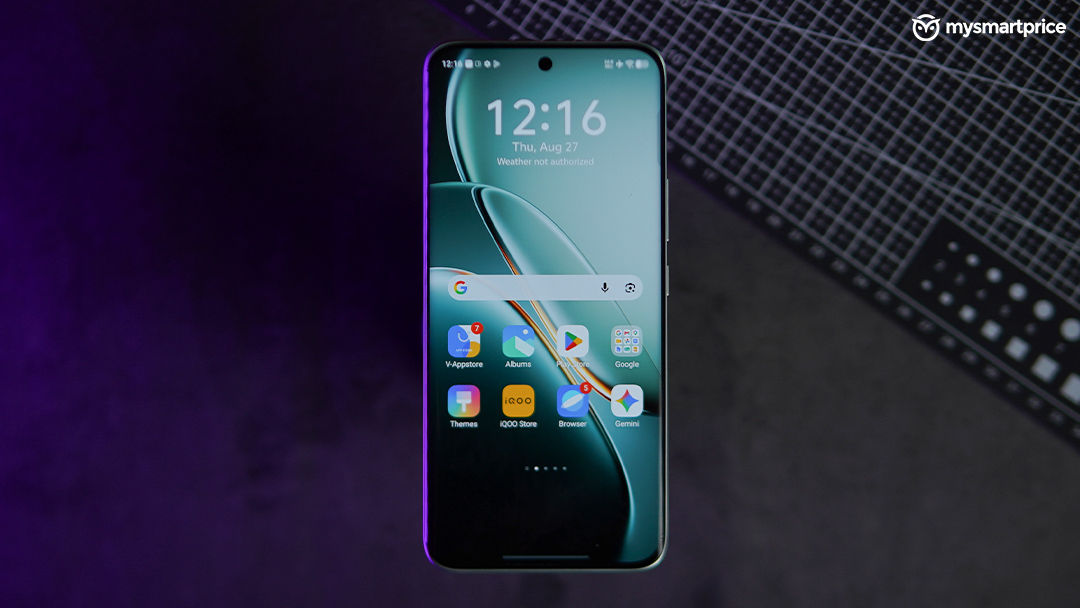
The interface is modern and comes with several AI-powered features, including AI Creation, Transcript Assist and AI Captions. Whether these features become part of your daily routine will depend largely on how you use your phone, but they add some useful functionality for people who regularly work with recordings, videos and creative content. iQOO has also promised three Android OS upgrades and five years of security updates. While not the best in the category that is still a respectable commitment and should give buyers some reassurance about the phone’s longevity.
The software isn’t completely free of clutter, though. Our review unit came with around 50 pre-installed applications. Thankfully, most can be uninstalled, so the situation is less problematic than the number initially suggests. With a little housekeeping after setup, the software experience can be made considerably cleaner.
Everyday Experience
The thing that kept me coming back to using the Z11 was how well its individual components work together.
The display is excellent, performance is dependable, gaming is handled comfortably, temperatures remain under control, the primary camera is good, and the battery is exceptional. More importantly, one feature doesn’t undermine another. The 144Hz AMOLED display makes the phone enjoyable to use, while the 7,050mAh battery means you can actually take advantage of it without constantly watching the battery percentage. The Dimensity 7500 Turbo provides enough performance for demanding apps and games without turning the phone into something that feels unnecessarily aggressive.
And while the camera system isn’t class-leading, it is good enough that photography doesn’t feel like the price you have to pay for the phone’s other strengths. That balance is what makes the Z11 work. There are plenty of mid-range phones that impress when you look at a specification sheet. The Z11 is more interesting because it continues to make sense after you’ve stopped looking at the numbers and started actually using it.
Verdict
The iQOO Z11 is a very good example of what a well-rounded mid-range smartphone should be. Its 6.8-inch 1.5K 144Hz curved AMOLED display is excellent, the Dimensity 7500 Turbo delivers dependable performance, gaming is handled well, and thermal management is better than expected. The 50-megapixel primary camera is capable, while the 7,050mAh battery and 22-hour-plus PCMark endurance make battery anxiety almost irrelevant. Then there are the details: IP68 and IP69 protection, bypass charging and a reasonably long software support commitment.
It isn’t flawless. The rear panel attracts fingerprints, the camera setup would benefit from a dedicated telephoto sensor, and the higher-memory variants, which can reach around ₹50,000, put the Z11 in a much more competitive part of the market.
At that point, buyers have considerably more choices. But at its intended mid-range positioning, the Z11 gets surprisingly little wrong. iQOO hasn’t tried to make this phone about one headline feature. Instead, it has built a device that does most things well, with the display and battery life standing out as its biggest strengths. And that, ultimately, is the Z11’s appeal. It may not be the phone you buy because it is the absolute best at one particular thing. It is the phone you buy because, day after day, it rarely gives you a reason to wish you’d picked something else. For anyone looking for a phone that can comfortably handle everyday work, gaming, photography and long stretches of media consumption without making major compromises in any one area, the iQOO Z11 is one of the more convincing all-rounders in its segment.