In 2026, a flagship Android smartphone has to earn its place through more than brand heritage. Buyers at this level want durability, sustained performance, and long-term software support just as much as raw specs, and the Samsung Galaxy S26 Plus is built with exactly that in mind. Rather than chasing benchmark dominance, it prioritises refinement, consistency, and one of the most dependable software experiences in the Android ecosystem.
Samsung Galaxy S26 Plus
Rs 1,07,999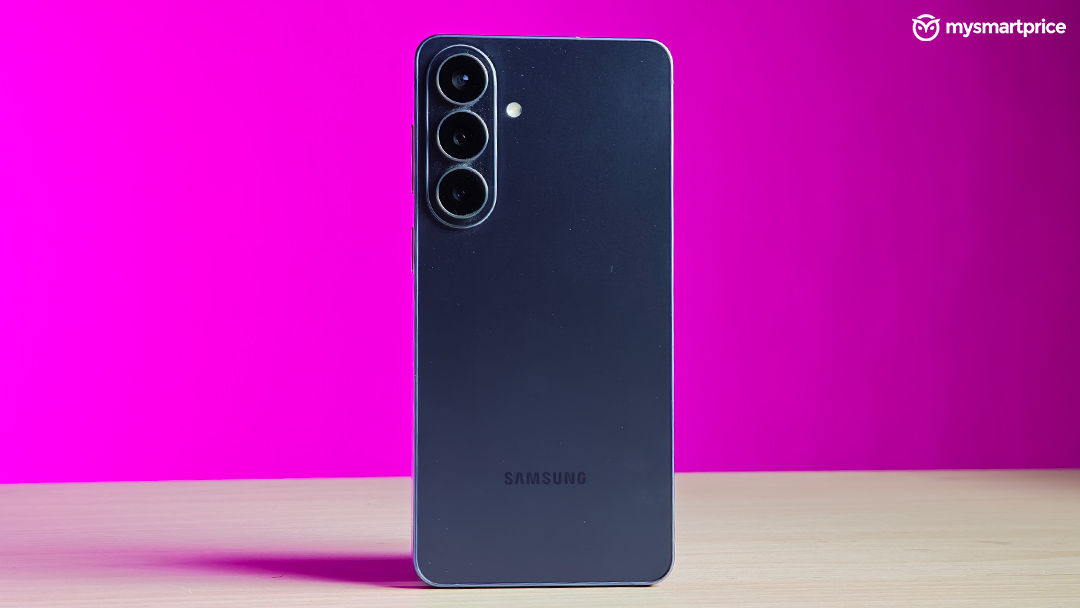
What Is Good?
- Excellent display with high brightness and consistency
- Comfortable, well-balanced design for a large phone
- Reliable cameras with strong video features like Horizon Lock
- Polished software with long-term update support
What Is Bad?
- Battery life is average for the price
- Gaming performance drops under sustained heavy load
That is a deliberate choice, and for many buyers, the right one. The premium segment has grown significantly more competitive, however, and understanding where the S26 Plus leads and where it accepts trade-offs is essential to a fair assessment of the smartphone priced at ₹1,07,999.
Specifications
| Feature | Details |
| Processor | Exynos 2600 (2 nm) |
| Display | 6.7-inch Dynamic AMOLED 2X, QHD+, 120Hz, 2,600 nits peak |
| RAM / Storage | 12GB / 256GB, 512GB |
| Cameras | 50MP primary + 12MP ultra-wide + 10MP telephoto (3x) |
| Front Camera | 12MP |
| Video | 8K 30fps, 4K 60fps (APV codec), Horizon Lock |
| Battery | 4,900mAh, 45W wired charging |
| Build | 7.3mm, 190g, Armour Aluminium, Gorilla Glass Victus 2, IP68 |
| Colours | Silver Shadow, Cobalt Violet, Sky Blue, Black, White |
| Connectivity | Bluetooth 6.0, USB-C |
Design and Build
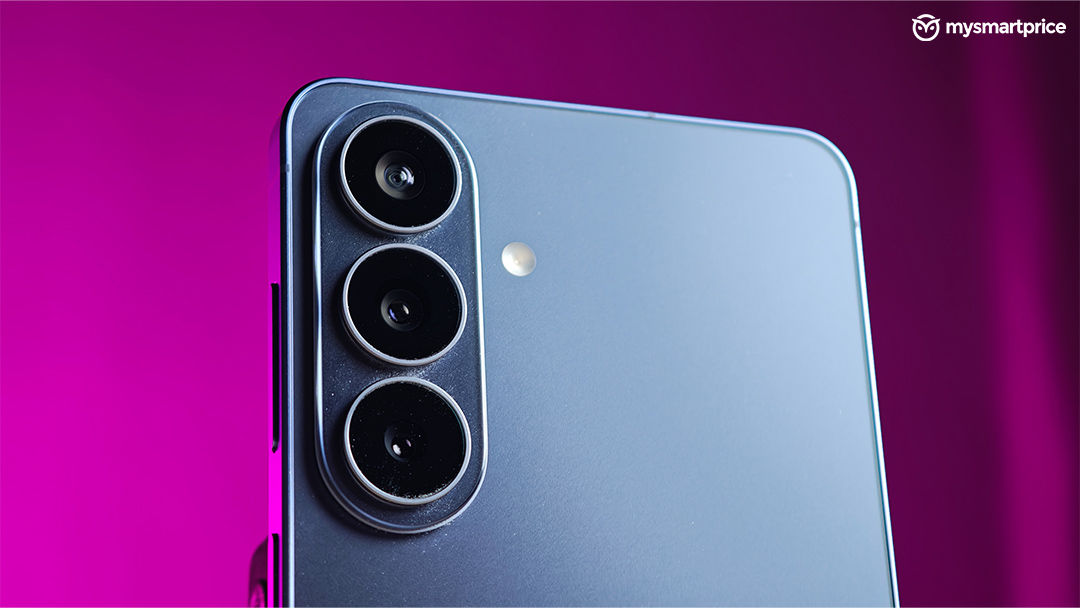
The S26 Plus does not alter Samsung’s design approach in any dramatic way, and truthfully, it does not need to. The flat display, slim bezels, and aluminium frame are familiar, but Samsung has made one notable change to the rear: the camera system has been consolidated into a single, more cohesive module. The result is a cleaner, more purposeful look that feels considered rather than incremental. The module does cause a slight wobble on flat surfaces, which is a minor but persistent inconvenience, though it remains a forgivable compromise given how visually tidy the back panel now appears.
Build quality is exactly where it needs to be at this price. Armour Aluminium forms the chassis, Gorilla Glass Victus 2 protects both the front and rear, and IP68 certification ensures protection against dust and water. The matte finish does a commendable job of resisting fingerprints, keeping the phone looking clean through a full day of use without requiring constant wiping.
What genuinely distinguishes the S26 Plus in its class, however, is its ergonomics. At just 7.3mm thick and 190 grams, it feels unusually comfortable and well-balanced for a device with a 6.7-inch display. This is not a small phone, but it does not feel unwieldy either. It sits well in the hand, navigates smoothly one-handed for basic tasks, and remains practical during extended use without causing the fatigue that similarly sized devices often do. For users who want a large display without committing to the bulk and heft of an Ultra-class device, the S26 Plus remains one of the most thoughtfully proportioned options available.
Display and Audio
Samsung’s display leadership is a well-established strength, and it continues here without any noticeable compromise. The 6.7-inch QHD+ Dynamic AMOLED 2X panel is sharp, smooth, and consistently excellent regardless of what you are doing with it. The display is sharp and precise, colours carry depth and accuracy, and the adaptive refresh rate, which moves fluidly between 1Hz and 120Hz depending on content, operates without any perceivable inconsistency.
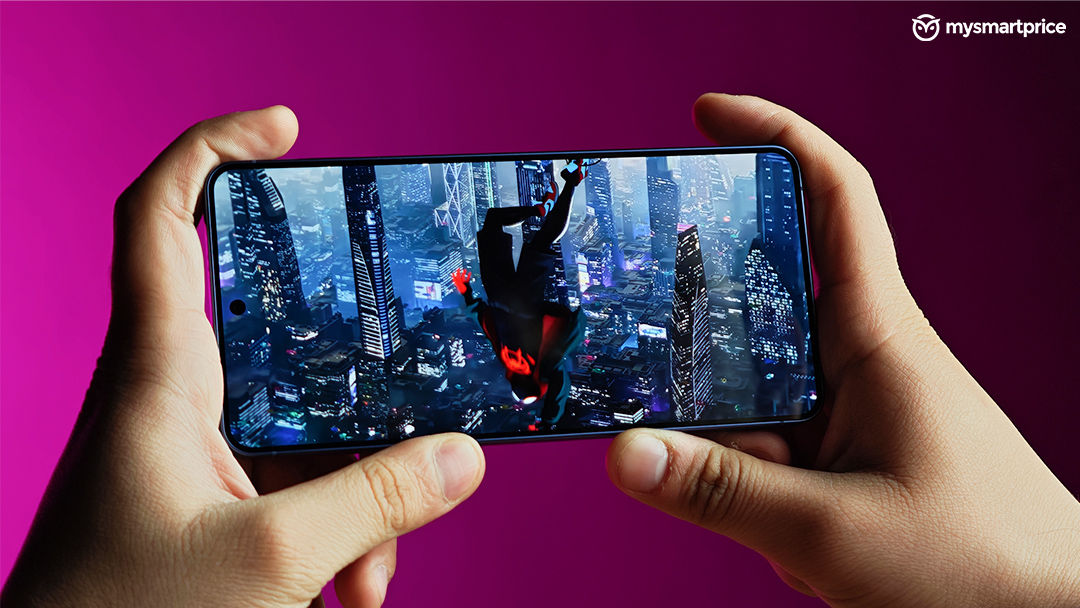
Peak brightness reaches 2,600 nits, which translates to strong outdoor visibility even under direct sunlight. This is an area where the panel genuinely earns its credentials in everyday use, not just in controlled conditions. Colour tuning defaults to Samsung’s characteristic vibrancy, which is pleasing for media consumption, though an accurate mode is available for those who prefer closer-to-natural rendering. Both approaches are well-executed. The one notable absence, when placed alongside the S26 Ultra, is the lack of an anti-reflective coating. This does become apparent in bright environments with certain angles of light. The higher peak brightness compensates to a meaningful degree, and most users will find it acceptable, but it is worth acknowledging for anyone making a direct comparison within Samsung’s own lineup.
The stereo speaker setup is clear and balanced, tuned with an emphasis on clarity rather than just bass. For everyday tasks, including video calls, streaming, and casual media consumption, they perform well. They are not, however, a standout in a segment where a few competitors now offer noticeably more room-filling audio. For most users, this will be inconsequential, but audiophiles who rely on speakers rather than earphones may notice the gap.
Cameras
The camera system on the S26 Plus is one of the more nuanced aspects of the device to evaluate, and that nuance is important. In good lighting conditions, it is a consistently strong performer. The 50MP primary sensor delivers well-balanced images with reliable dynamic range and natural colour processing. Samsung has refined its tuning over several generations, and the output reflects that refinement: images are clean, detailed, and dependable without requiring manual adjustment.
The 3x telephoto lens at 10MP is particularly effective for portraits and mid-range subjects. It produces flattering compression, manages background separation well, and holds detail at its native focal length. For the majority of everyday photography scenarios, the S26 Plus delivers results that are easy to trust and require minimal post-processing.

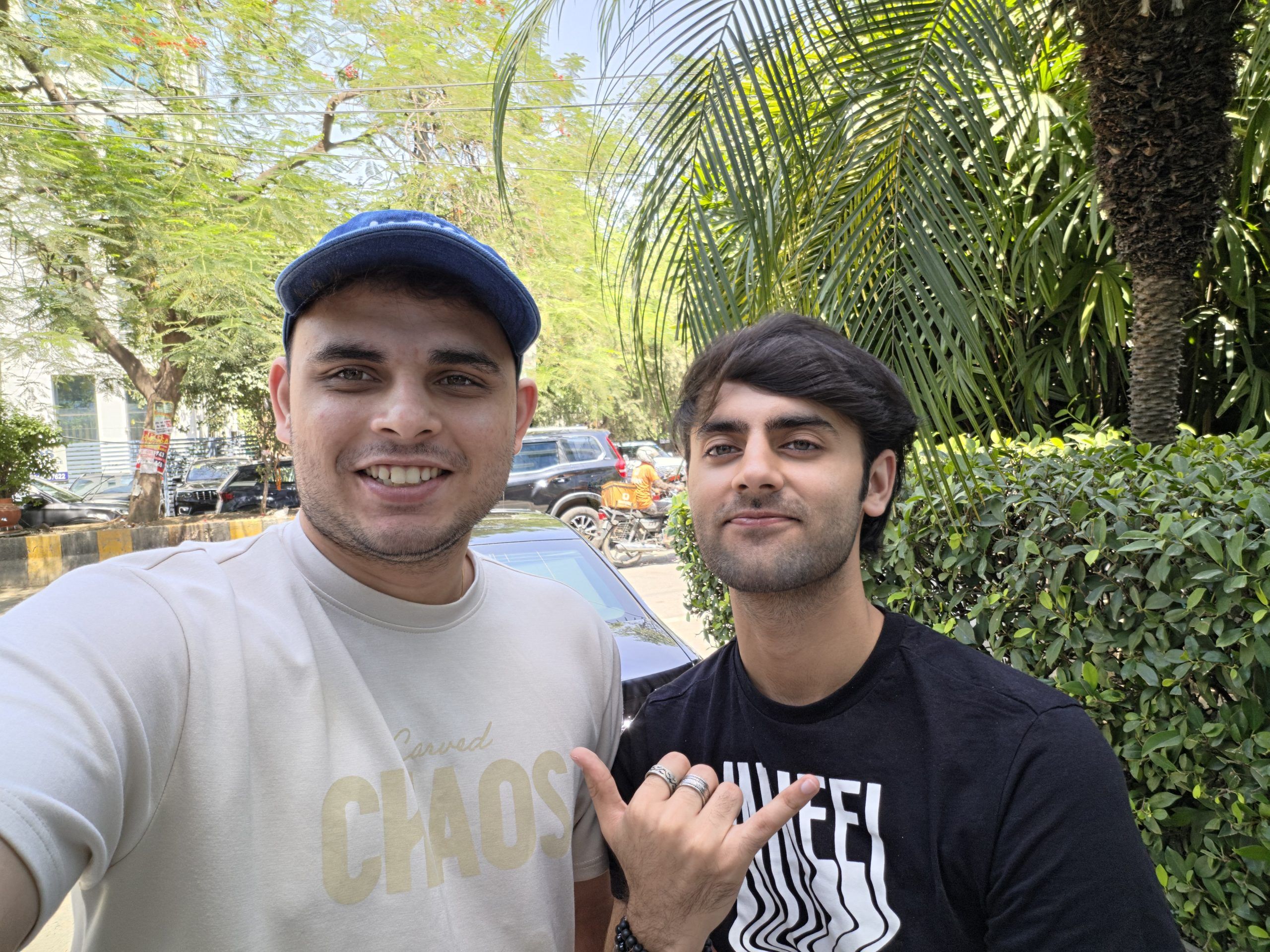

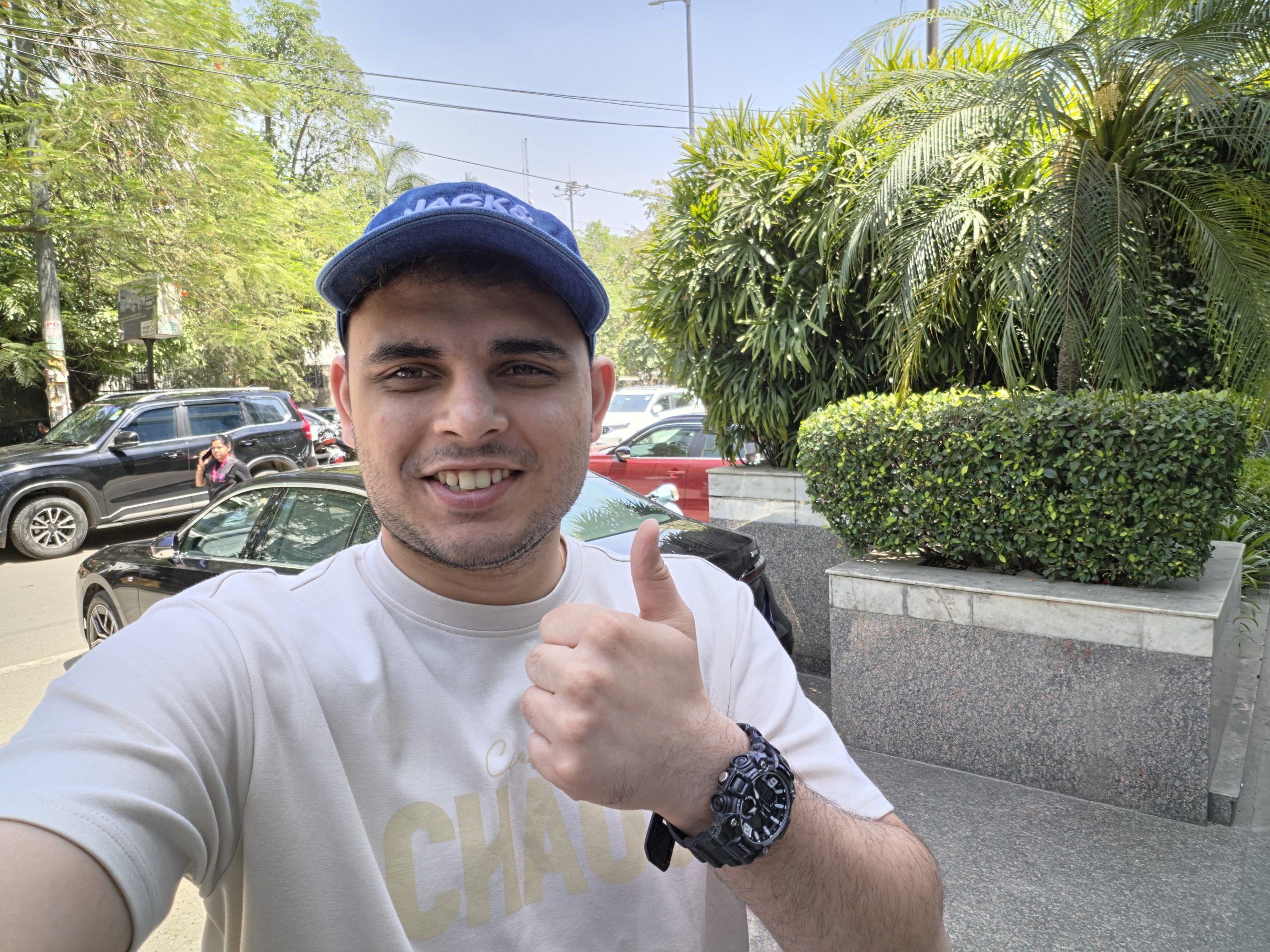


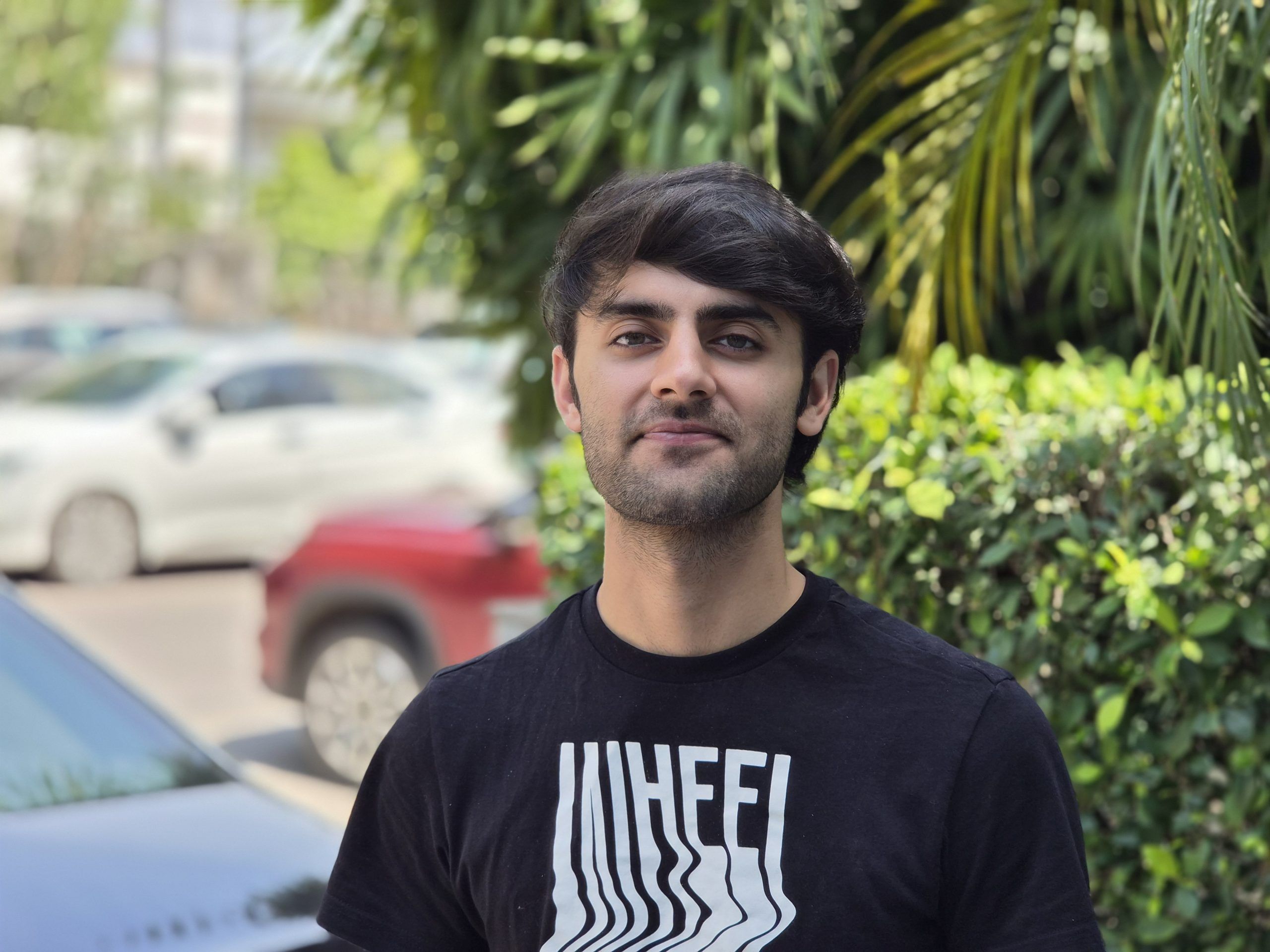
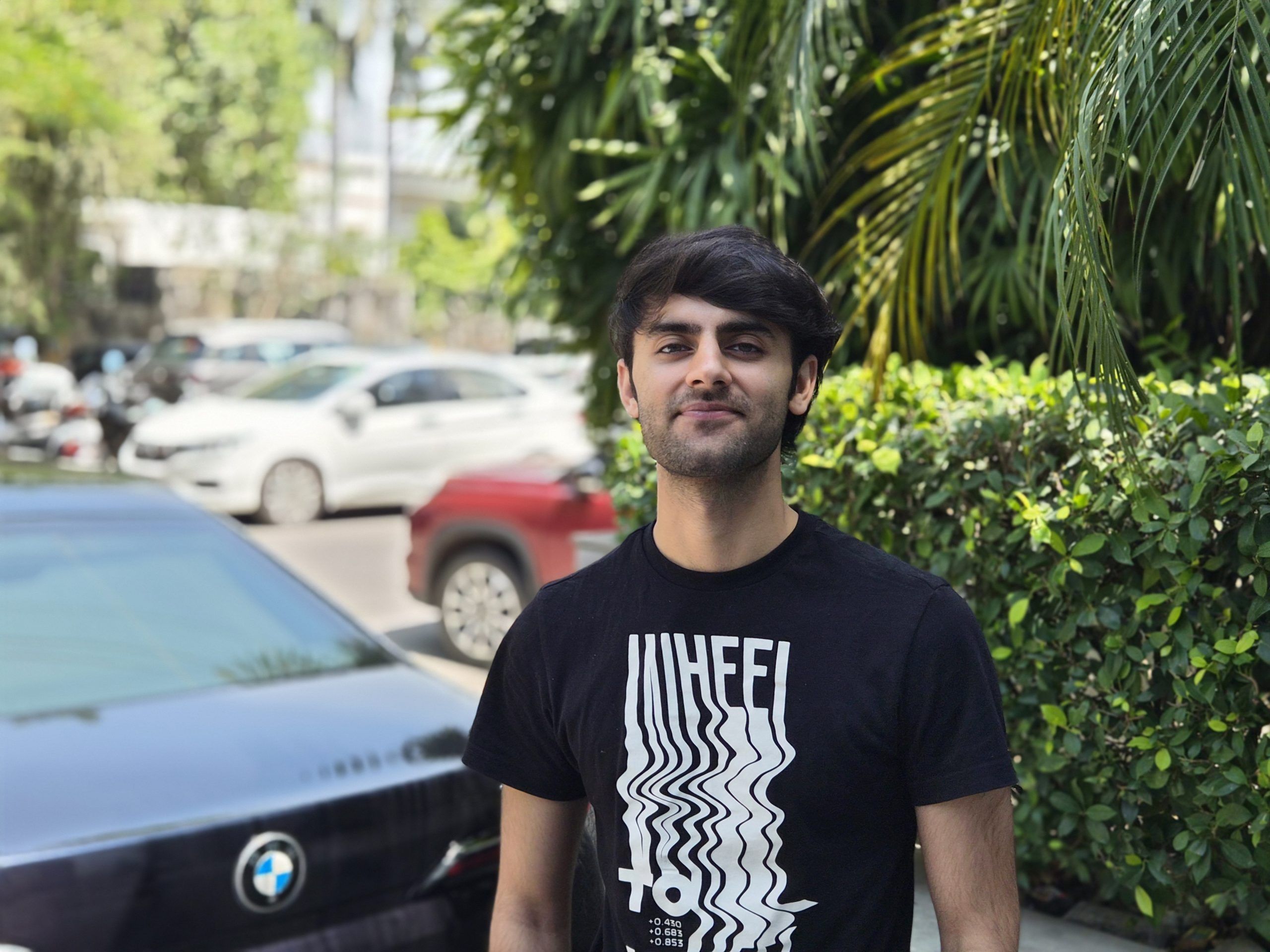
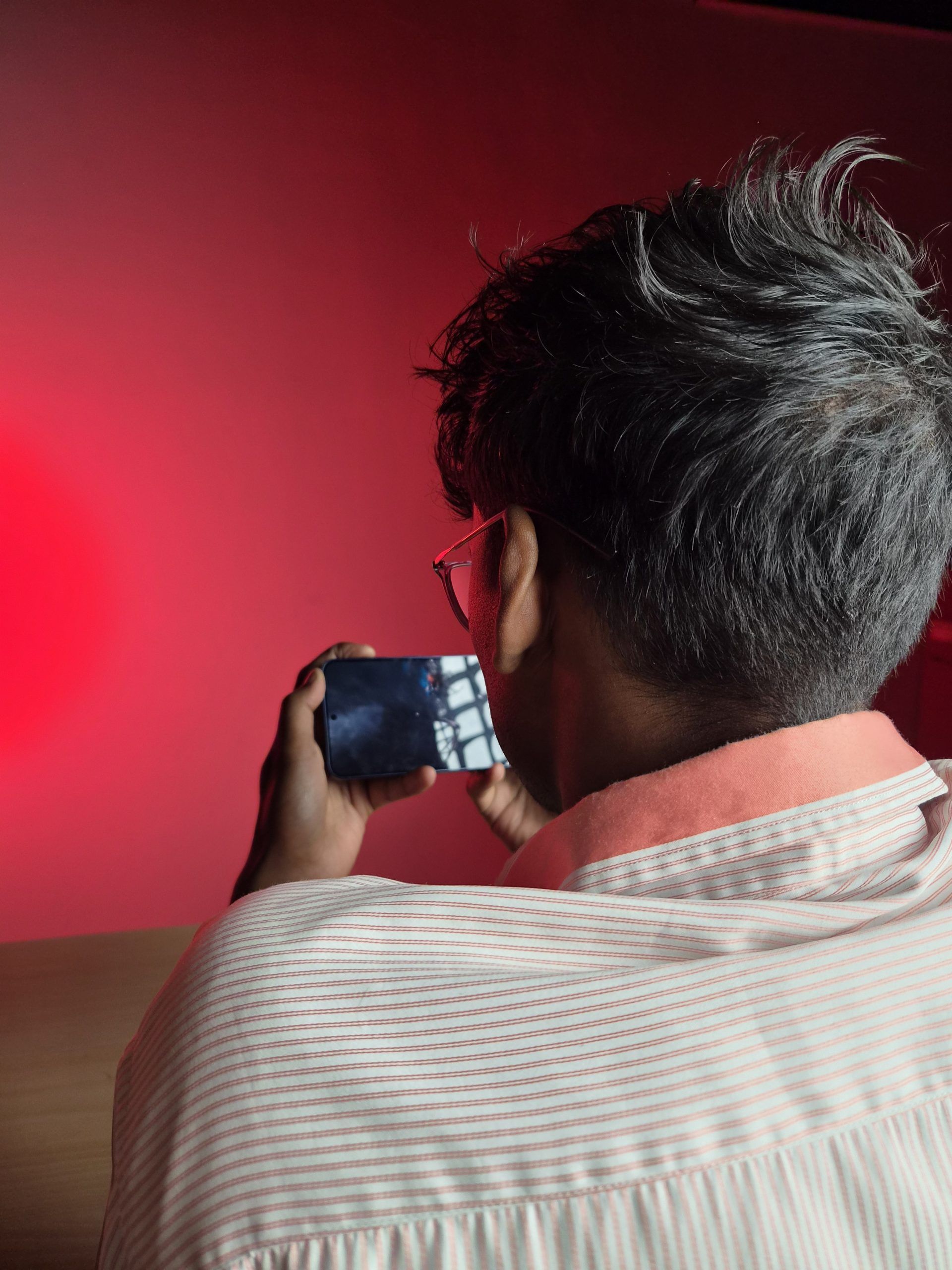
However, the system shows limitations under pressure. Zoom performance begins to soften noticeably beyond 10x, losing the clarity that competing systems maintain at similar distances. Low-light motion handling, while improved over predecessors, still has room to grow against rivals that have made significant advances in this specific area. The ultra-wide camera, while serviceable, lacks autofocus, which restricts its usefulness for macro photography. These are not catastrophic shortcomings, but they are real ones in a segment where competitors have been pushing camera capabilities aggressively. Video, however, is a clear area of strength. The introduction of the APV codec at 4K 60fps represents a meaningful step forward for videographers. The codec retains significantly more colour and tonal data than standard compression, making footage considerably more flexible during post-production. Combined with stable 8K recording at 30fps, the S26 Plus offers a serious video package that justifies attention from content creators.
Horizon Lock is perhaps the most immediately practical new feature in the camera system. It keeps footage level regardless of how the phone is being held or moved, producing a stabilised, near-gimbal-like result that would previously have required additional equipment. There are resolution and zoom limits when the feature is active, but within those parameters, it works with impressive reliability. It is a feature that solves a genuine problem, and it does so consistently.
Performance
The Exynos 2600 represents a meaningful generational improvement, but it is a chip with a clear sense of priority. CPU performance is fast and reliable for everyday tasks, handling multitasking, app switching, and general usage without hesitation. The multi-core numbers are competitive, and the single-core score, while slightly behind the very top of the segment, does not translate into any perceptible lag during normal use.
GPU performance is where the trade-off becomes more apparent. Under sustained graphical load, the Exynos 2600 throttles more aggressively than competing solutions, and the benchmarks reflect this clearly.
GPU Performance Comparison (3DMark)
| Device | 3DMark Score | Stability |
| Galaxy S26 Plus | 5,908 | 61.2% |
| iQOO 15 | 7,291 | 59.3% |
| Find X9 Pro | 6,969 | 50% |
In real-world gaming, this pattern holds. Casual and moderate gaming sessions run without issue, and frame rates remain comfortable for the vast majority of titles. Extended sessions under heavy graphical load, however, will reveal frame consistency drops compared to what the iQOO 15 or OPPO Find X9 Pro can sustain over the same duration.
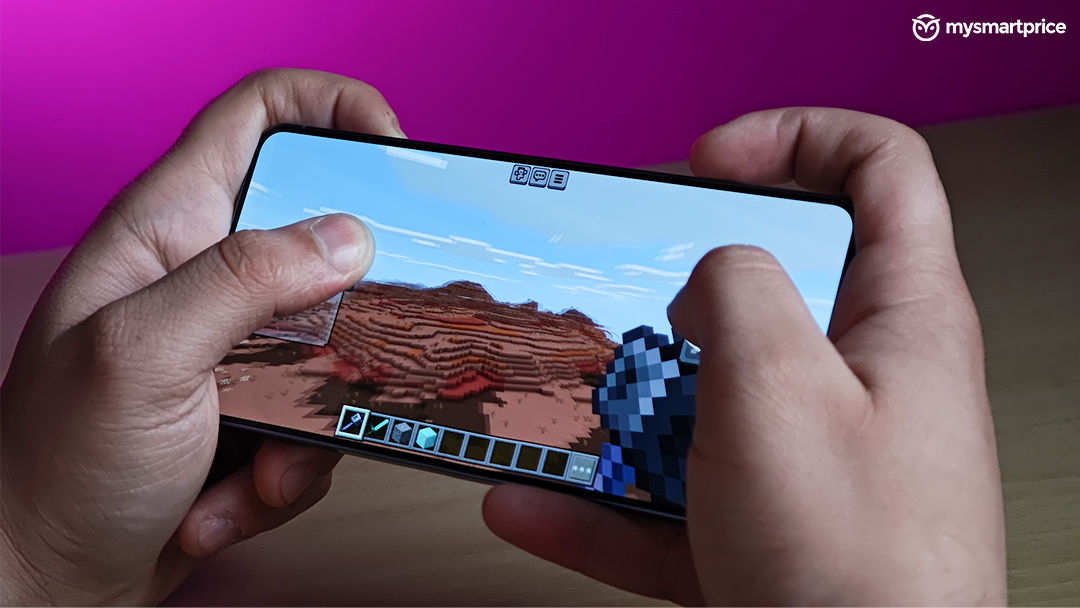
Gaming Performance (BGMI Average FPS)
| Device | BGMI Avg FPS |
| Galaxy S26 Plus | 114.1 |
| iQOO 15 | 118.9 |
| Find X9 Pro | 105.4 |
Where the Exynos 2600 clearly leads the conversation is in AI performance. On-device tasks, including live translation, voice processing, and contextual smart suggestions, feel fast, natural, and well-integrated. This is evidently where Samsung has concentrated its silicon priorities for this cycle, and the results align with that focus. For users whose primary demands sit closer to productivity and AI-assisted tasks than extended gaming sessions, the performance profile of the S26 Plus is well-matched to those needs.
Battery and Charging
Battery life on the S26 Plus is functional, and for most users, it will comfortably cover a full day of use. That said, within the context of what is now available at this price point, the numbers reveal a meaningful gap that is difficult to overlook.
The gap between the S26 Plus and its closest competitors is not incremental. Rivals now carry cells nearly 50 per cent larger, and their endurance figures reflect that capacity difference dramatically. The S26 Plus, at just under 13 hours, is a full-day phone for moderate users, but heavy users or those away from a charger for extended periods will notice the limitation.
45W wired charging is reliable and gets the job done, but it is slower than several alternatives in this segment, some of which now offer 80W or faster. Because the battery life is average rather than exceptional, charging speed becomes more consequential. If the battery could last significantly longer, slower top-up speeds would be an easier concession to accept. As it stands, both metrics sit in the reasonable rather than impressive category, and together they represent the most significant area of compromise in the S26 Plus package.
Software and AI
This is where the S26 Plus makes its most compelling case, and it is worth spending time here because the software experience is genuinely differentiated in ways that matter over a multi-year ownership horizon.
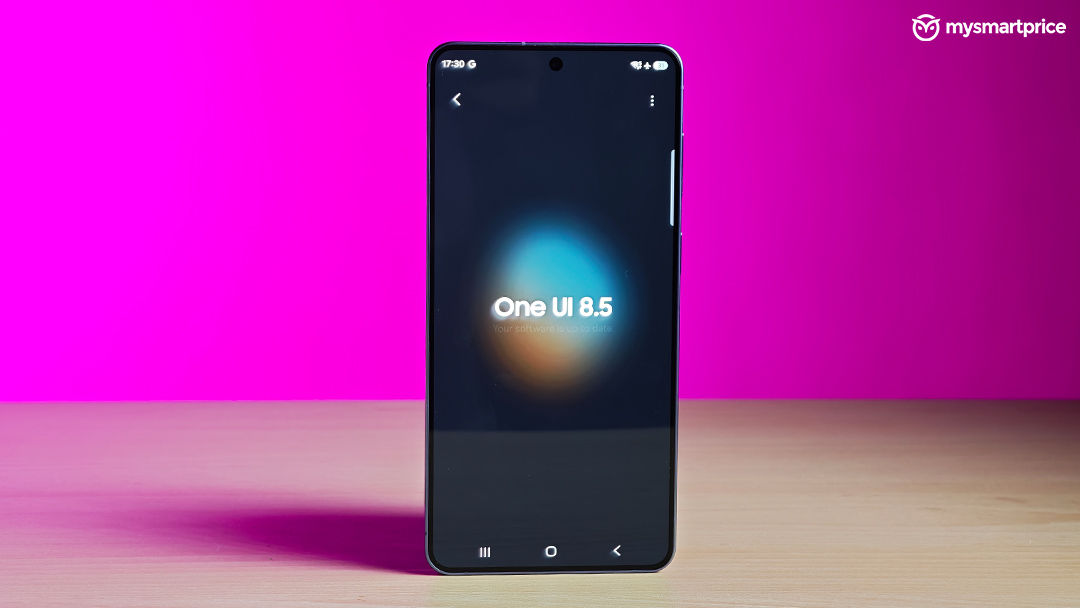
Galaxy AI has matured considerably from its initial rollout. Features such as Photo Assist and Call Assist have graduated from the experimental, slightly unpredictable stage that characterised early AI integrations, and now operate with consistency and reliability during everyday use. They do not demand attention or interrupt workflows. They are simply available when useful, and absent when not. This calibration, of not over-promising and under-delivering, is something many AI-forward competitors have yet to achieve with the same composure. One UI remains one of the most polished Android interfaces available. It is stable, predictable, and thoughtfully organised across the feature set.
Customisation options are deep without being overwhelming, and the overall experience holds together coherently, whether the user is managing productivity applications, media, or communication tools. There is a settledness to One UI that comes from years of refinement, and it is perceptible in daily use. Samsung’s commitment to long-term software support is, however, the defining software advantage.
The promise of seven years of OS and security updates is not simply a marketing figure. Over three to five years of ownership, it translates into real, compounding value. A device that remains up to date, secure, and well-supported through multiple Android generations is a fundamentally different proposition from one that ages out of support in two or three years. For users who view a flagship as a long-term investment rather than an annual upgrade, this distinction becomes one of the most important factors in the purchase decision, and it is one where Samsung leads with credibility.
Final Thoughts
The Samsung Galaxy S26 Plus is a thoughtfully designed flagship that prioritises consistency over extremes. It offers one of the best displays in the segment, excellent ergonomics, solid video capabilities anchored by Horizon Lock, and a software experience that stands out for its polish and long-term reliability. These are not incidental strengths. They are the result of deliberate choices about what kind of device the S26 Plus is designed to be.
The trade-offs are clear but reasonable. Battery life is good, though not class-leading. Gaming performance is strong for most users, though not always consistent under extended heavy load. The camera hardware is reliable and capable, but it no longer pushes the boundaries of what the segment can deliver. Each of these concessions is knowable before purchase, and none of them undermines the core experience for the users this device is designed to serve.
For users who value a stable, refined, long-term experience, the S26 Plus remains a strong choice. It handles daily tasks with ease, holds up well over time, and offers the kind of software continuity that makes the ownership experience better in year three than it was in year one. For those seeking maximum performance headroom, exceptional battery endurance, or the most advanced camera hardware currently available, other options in the segment now offer more compelling numbers on paper.
The S26 Plus does not try to be everything. It focuses on reliability, balance, and consistency, and it executes that focus with confidence. At ₹1,07,999, for the right user, that is exactly what a flagship should provide.