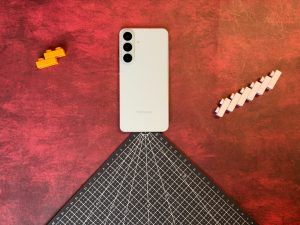
Samsung amazed the entire smartphone industry with its new foldable form-factor, the Galaxy Z Fold8. But the South Korean tech giant has also launched the regular book-style fold, this time named the Galaxy Z Fold8 Ultra. While I found myself drawn more to the small Fold8, I have spent some time with the Fold8 Ultra as well. I think it is an interesting evolution to Samsung’s foldable formula. It hasn’t changed dramatically compared to the previous-gen Z Fold, but it addresses several areas where the older Samsung foldable fell short.
So, this year you are getting a larger 5,000mAh battery, a more powerful Snapdragon 8 Elite Gen 5 for Galaxy chip, a brighter 8-inch inner display, and a new 50-megapixel ultrawide lens. This results in a foldable phone you could actually use as a primary device, rather than it feeling like a compromise.
However, the asking price for this has also gone up, and one will have to shell out Rs 1,99,999 to own this beauty. To put things in perspective, this iteration is Rs 25,000 more than the Galaxy Z Fold 7. Considering the industry’s condition right now, a price hike was expected, but if someone is paying that much for a smartphone, even small compromises become difficult to ignore.
Samsung Galaxy Z Fold 8 Ultra
Rs 1,99,999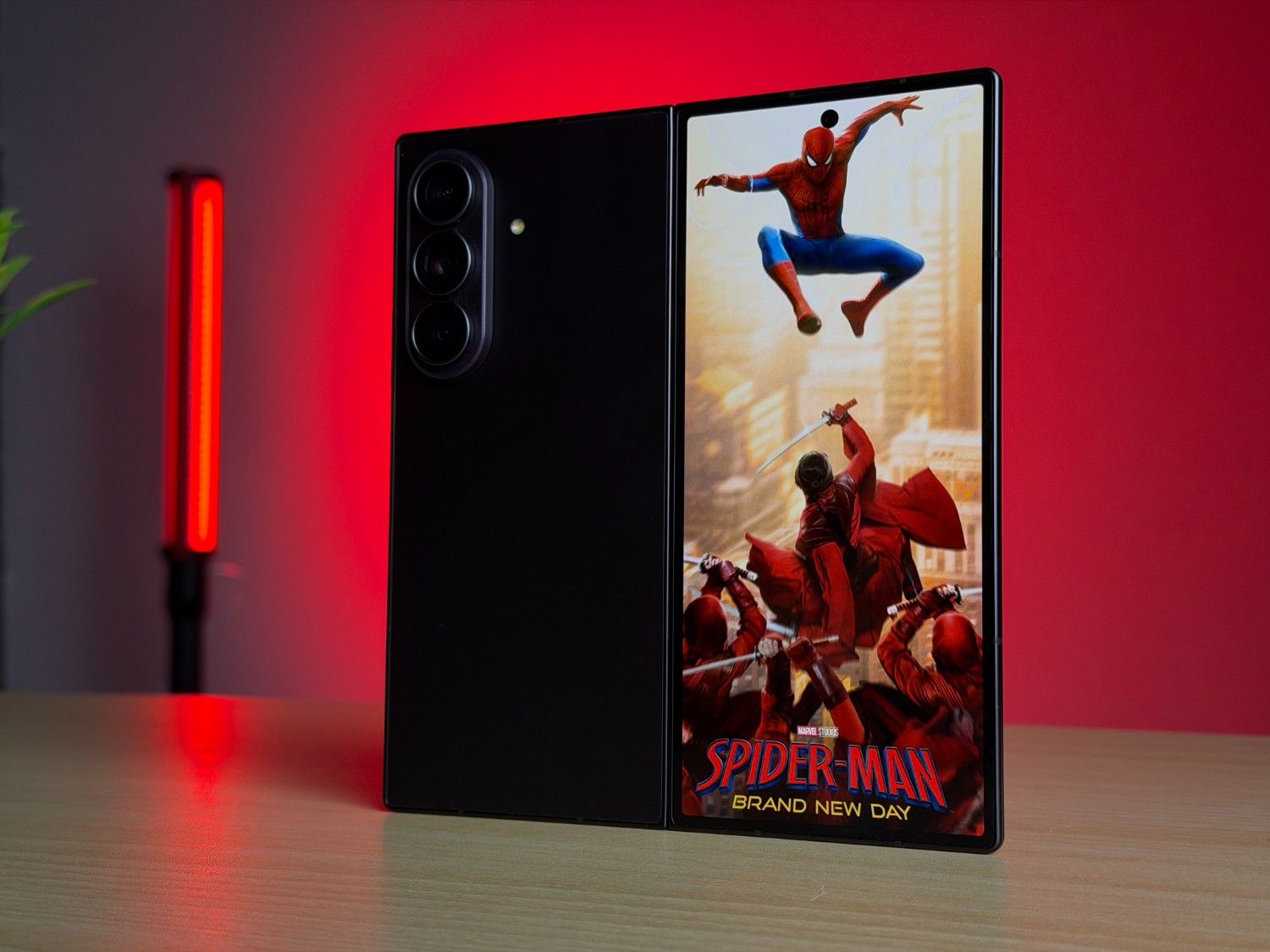
What Is Good?
- Slim, lightweight, and well-balanced design
- Outstanding 8-inch AMOLED display
- Smooth multitasking and day-to-day usage
- One UI 9 remains one of the best software experiences
- Bigger 5,000mAh battery delivers significantly improved endurance
What Is Bad?
- Very expensive starting price of Rs 1,99,999
- Competes with its own sibling, the Samsung Galaxy Fold8
So, does the Galaxy Z Fold8 Ultra do enough to justify the Ultra name and that price tag?
The Galaxy Z Fold 8 Ultra Feels Like A Slim Flagship Phone
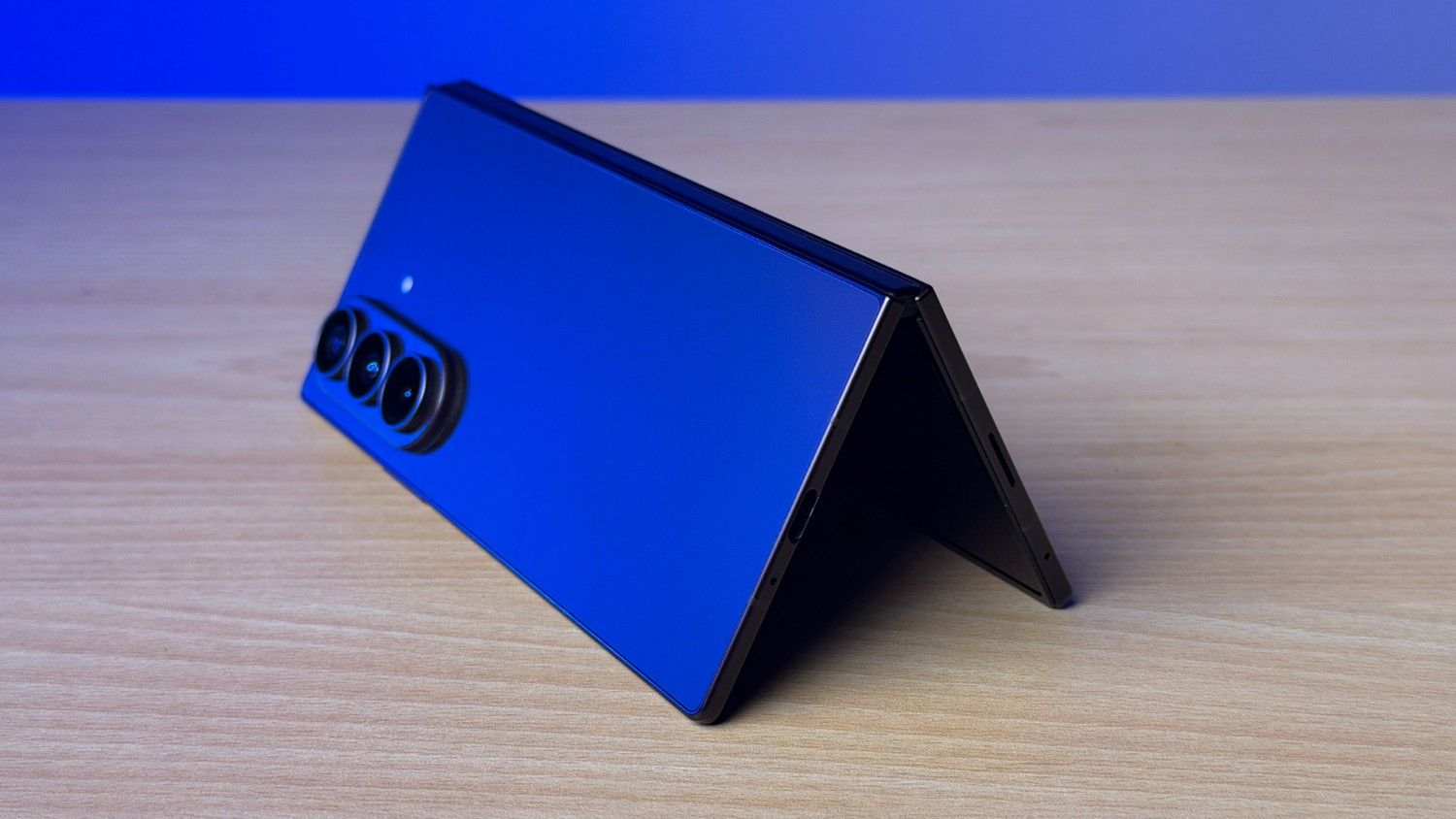
Samsung’s design choice worked last year with the Galaxy Z Fold7, and it has stuck to it, which is probably a good thing. The phone weighs 215 grams and measures 8.9mm when folded and just 4.1mm when unfolded. On paper, these might feel like mere numbers, but when you hold the phone, they actually make a difference.
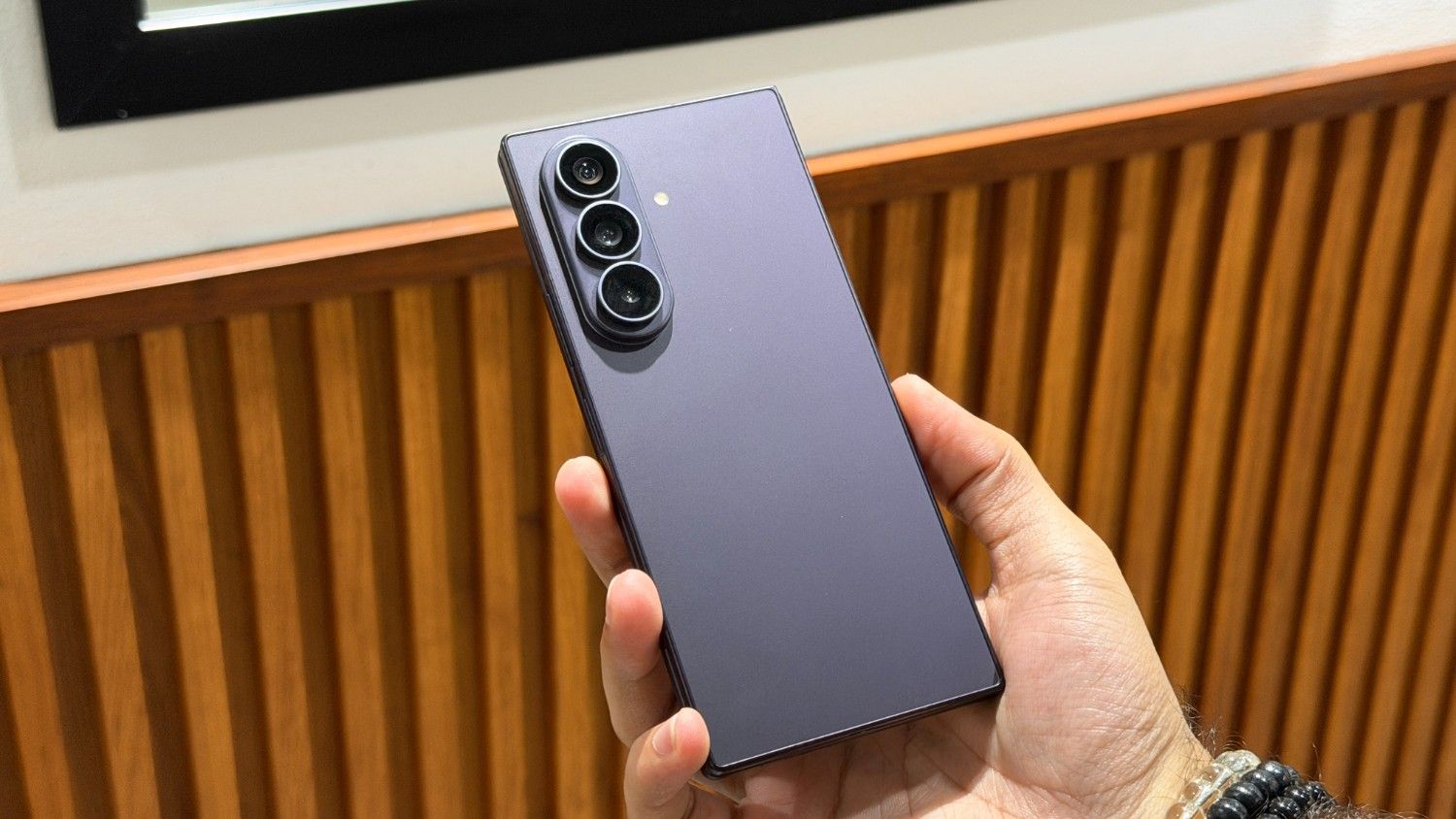
The weight distribution on this phone is excellent. It doesn’t feel bulky despite being foldable and feels even more lightweight than most premium candy bar phones. You can use it comfortably with a single hand when closed, and it doesn’t dig too deep in your pockets, so it is easy to carry around as well.
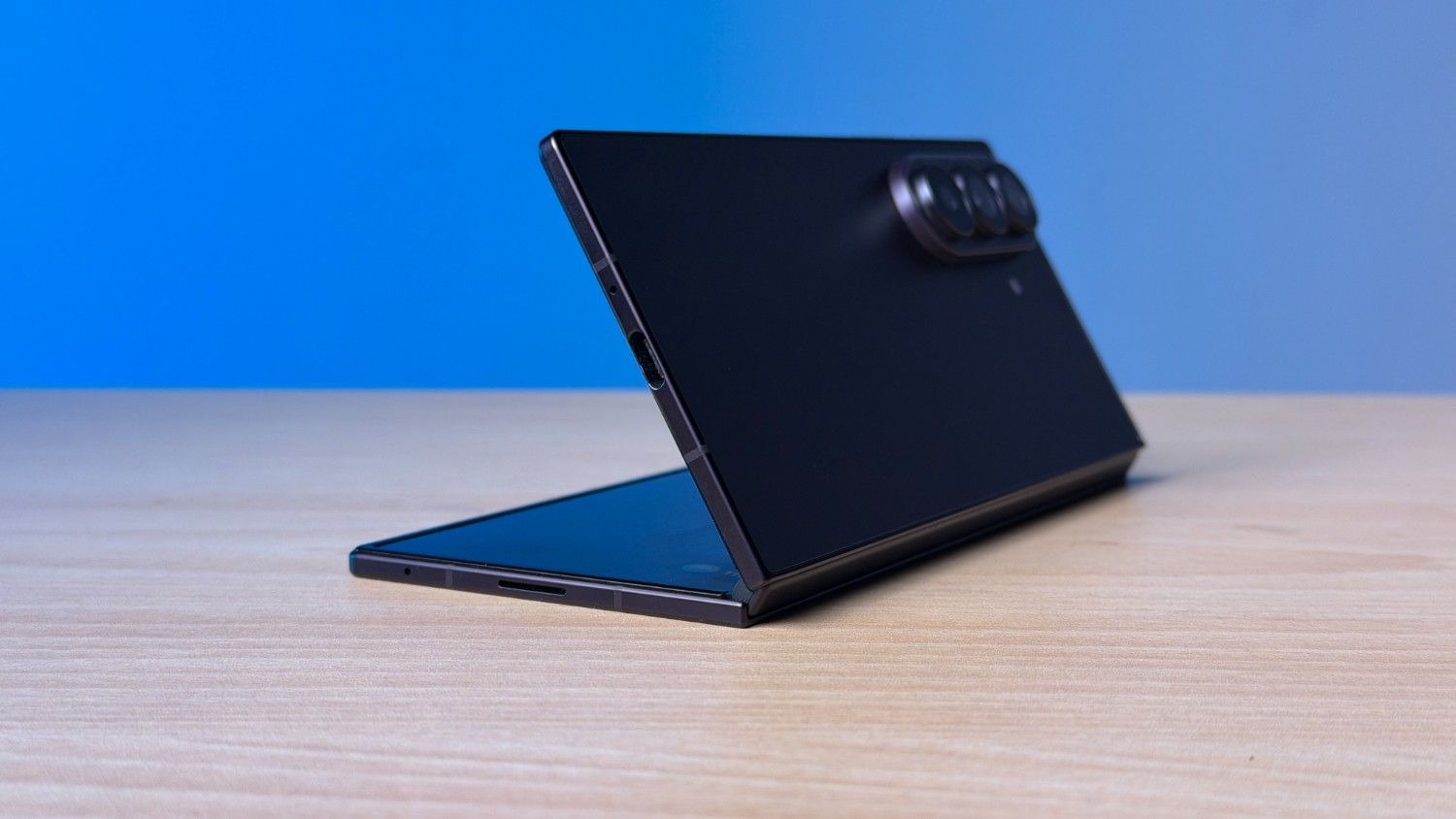
More or less, the phone looks like its predecessor, which is a good thing because people loved the form factor of the Galaxy Z Fold7, but there are some refinements as well. Samsung has added a titanium plate to make the phone more durable, and the hinge also feels smoother and sturdier. One small touch that makes you realise, ‘Yeah, I am getting value for my money,’ is how you cannot feel the flash LED bumps on the back. In simple terms, the flash LED is placed inside the back glass, so when you wave your finger over it, it feels flat. That is a kind of refinement I expect from top-end smartphones.
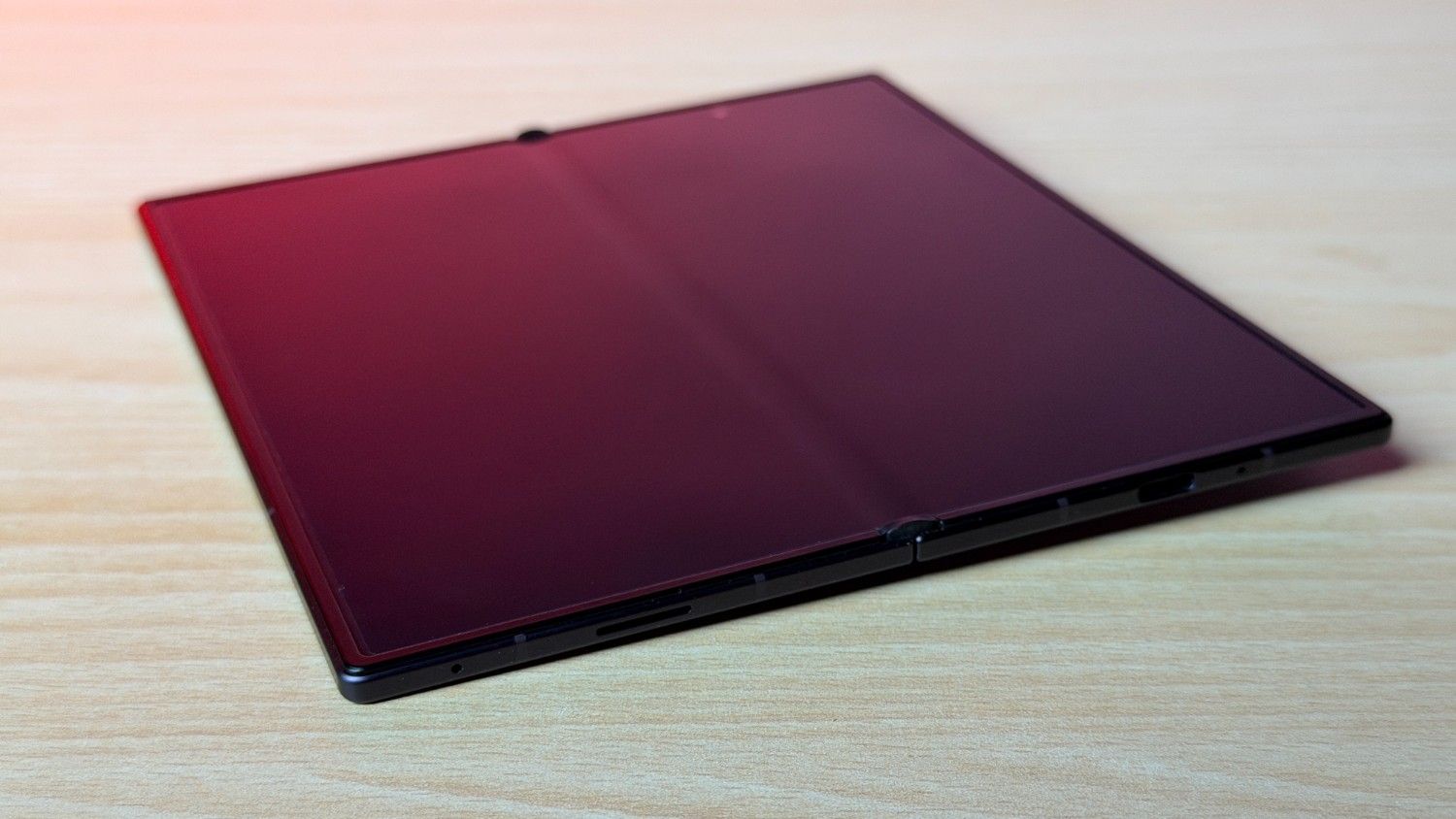
Most importantly, the crease has been significantly reduced. Yes, it is still visible to the naked eye, but somehow I could not feel the bump when I ran my fingers over it. I would call it one of the least distracting creases I have seen on a Samsung foldable so far.
On the protection front, you’re getting IP48 protection, along with Gorilla Glass Ceramic 3 protecting the cover display and Gorilla Glass Victus 2 on the rear. Now, foldable smartphones have hinges, which are fragile in nature. This is exactly why no brand can promise proper protection against dust particles on foldable phones.
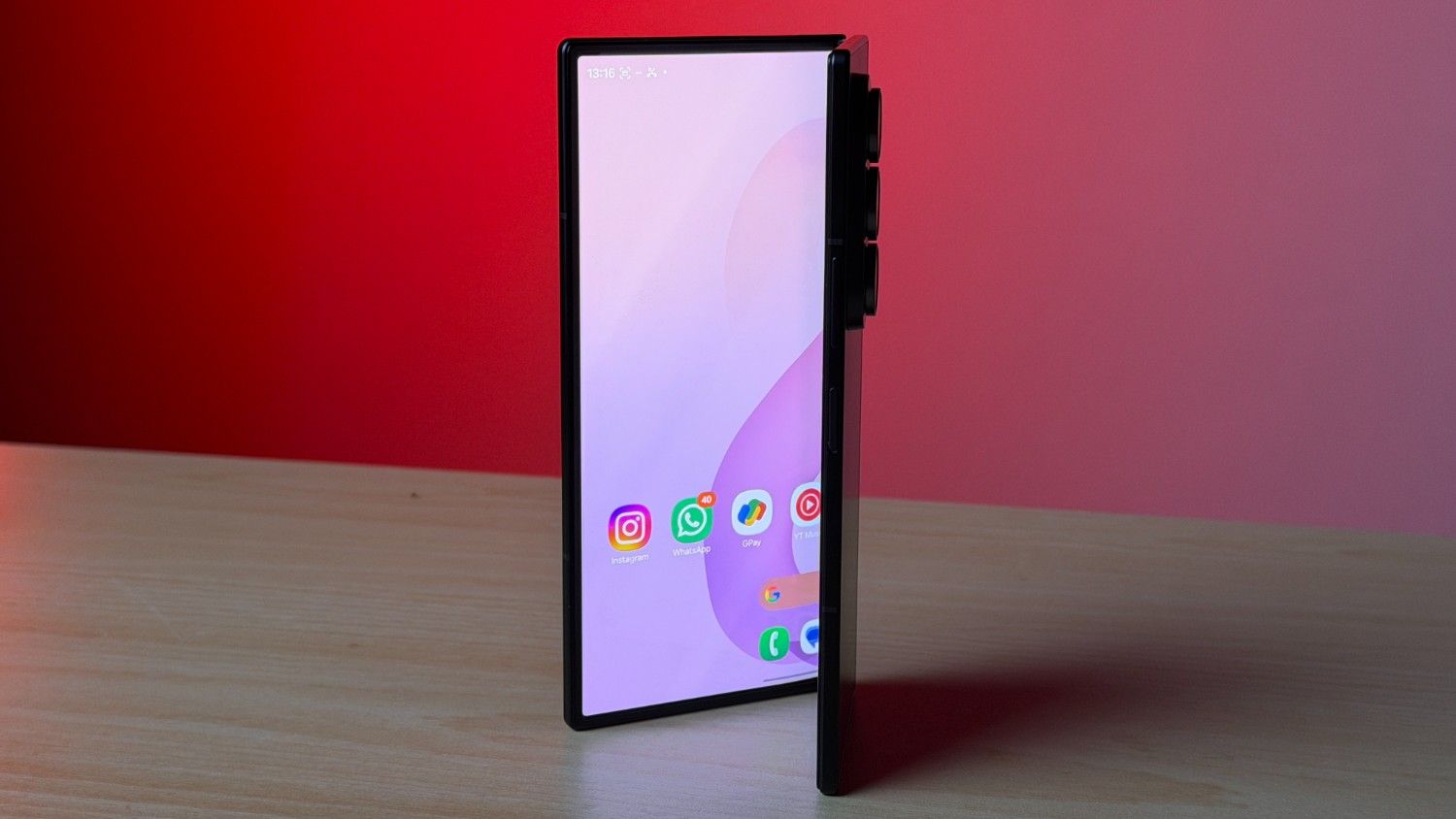
One thing that I am still missing, though, is the S Pen support. I mean, I get that you’ve made the phone ultra-thin, so it is a bit difficult to add one, but for a phone that opens into an 8-inch canvas, you do miss a stylus. Call it ‘Human Nature’ maybe….
Samsung’s Top-End Display On A Samsung Flagship – What Do You Expect?
If you ask me just one reason to buy the Galaxy Z Fold8 Ultra, it will be for its display. You’re getting a 6.5-inch FHD+ AMOLED display with 422 ppi and a 120Hz adaptive refresh rate. This cover screen aspect ratio is perfect for messaging, scrolling, browsing, and other quick things. You can comfortably use it without having to open the display for every small thing.
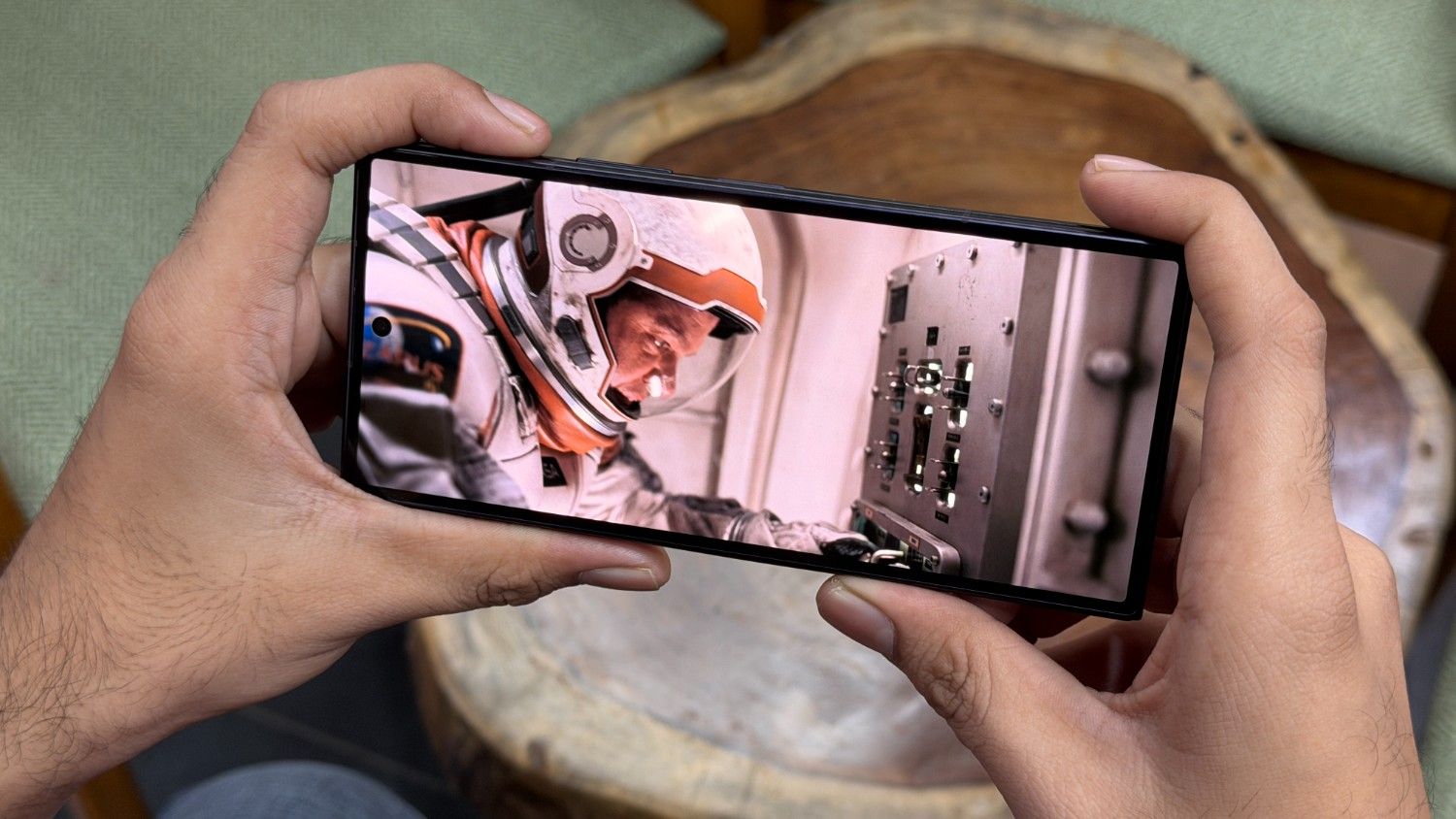
The 8-inch QXGA+ AMOLED inner display has a 2504 x 2256 resolution, 422 ppi, and a 120Hz adaptive refresh rate. Colours are rich, text is sharp, and the extra screen real estate makes multitasking a lot more comfortable.
Samsung has also pushed brightness up considerably, with a claimed peak of 3,000 nits and a new anti-reflective coating. In our lab testing, we recorded a peak brightness of 2265 nits on the outer display and 2365 nits on the inner display. Even under bright sunlight, I used both displays very easily with great visibility.
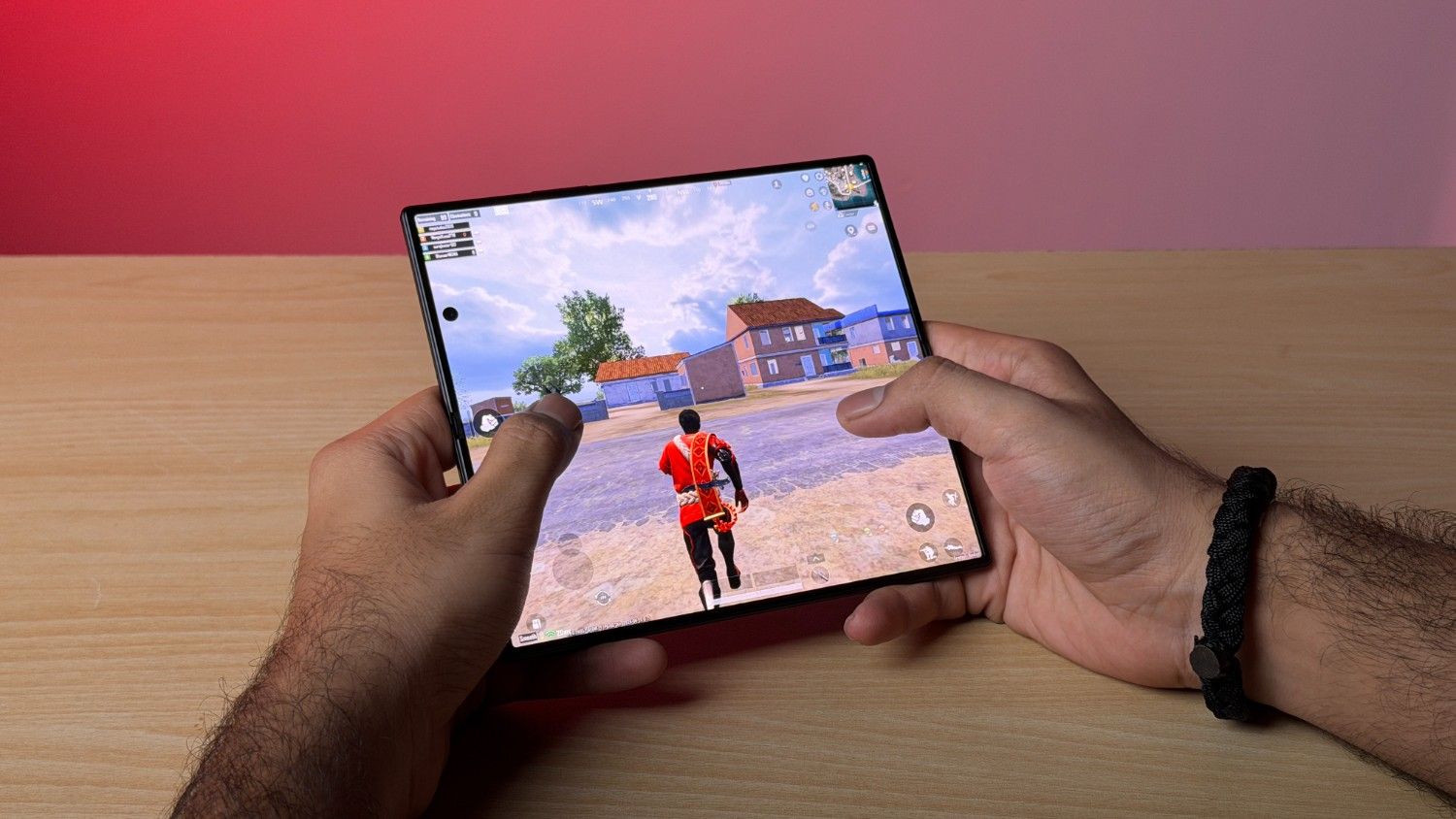
During my usage, I enjoyed the large display while reading, watching YouTube, going through documents, and when I had to work on my scripts along with researching. Flex Mode also lets you partially fold the phone and prop it up, so you don’t have to hold it while watching videos or taking calls.
The only drawback is the usual drawback. Most content doesn’t use the entire squarish display unless you zoom in on the video/picture, but then the quality is compromised, and a lot of content gets cut. However, you don’t face the same problem on the Galaxy Z Fold 8 due to its 4:3 aspect ratio.
Just Enough Power
The Galaxy Z Fold 8 Ultra is powered by Qualcomm’s Snapdragon 8 Elite Gen 5 for Galaxy, which is paired with up to 16 GB of RAM and 1TB of storage. It is the same processor used on the Galaxy S26 Ultra, and it delivers the kind of performance you would expect from a flagship phone at this price.
Yes, it might not be the most powerful phone among its competitors if we look at the benchmarks, but it was powerful enough for me during my usage. I did heavy gaming on this smartphone, edited videos on Meta’s Edits app, and did some multitasking too. Apart from gaming, everything felt buttery smooth.
In everyday use, the performance is excellent. Apps open quickly, transitions feel smooth, and the large inner display makes it easy to run multiple apps side by side.
Gaming was decent, but not exceptional, because the device tends to throttle after a period of time, resulting in frame drops. In terms of displays, I preferred playing games on the main foldable display, as the device gets even thinner, giving you a better grip, and you get to see more area.
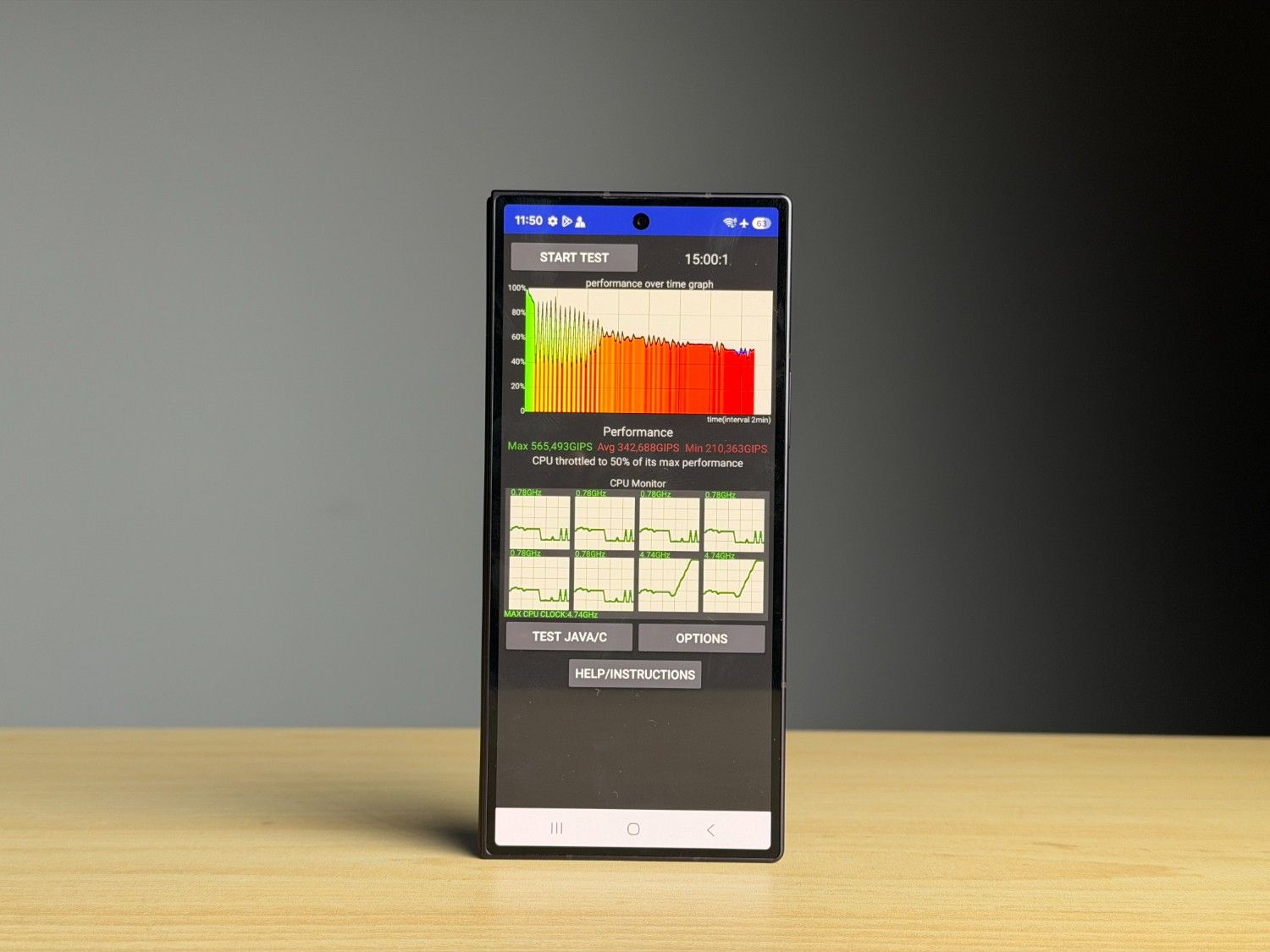
We also noticed throttling in our 15-minute stress test. The reason is not that the phone is less powerful, it is because the smartphone is insanely slim for a foldable phone, so heat dissipation takes more time.
However, slight heating doesn’t really change my opinion. The Galaxy Z Fold8 Ultra does replace usual smartphones, and it is just powerful enough for a regular user.
OneUI 9 Stays Pleasing, As Usual
The Samsung Galaxy Z Fold8 Ultra runs OneUI 9 based on Android 17, and this year as well, Samsung continues to have one of the most mature and pleasing software experiences for foldables.
The 8-inch display is not just a larger version of the phone interface. You can run up to three apps in split-screen, use floating windows, and move between apps while keeping other content visible.
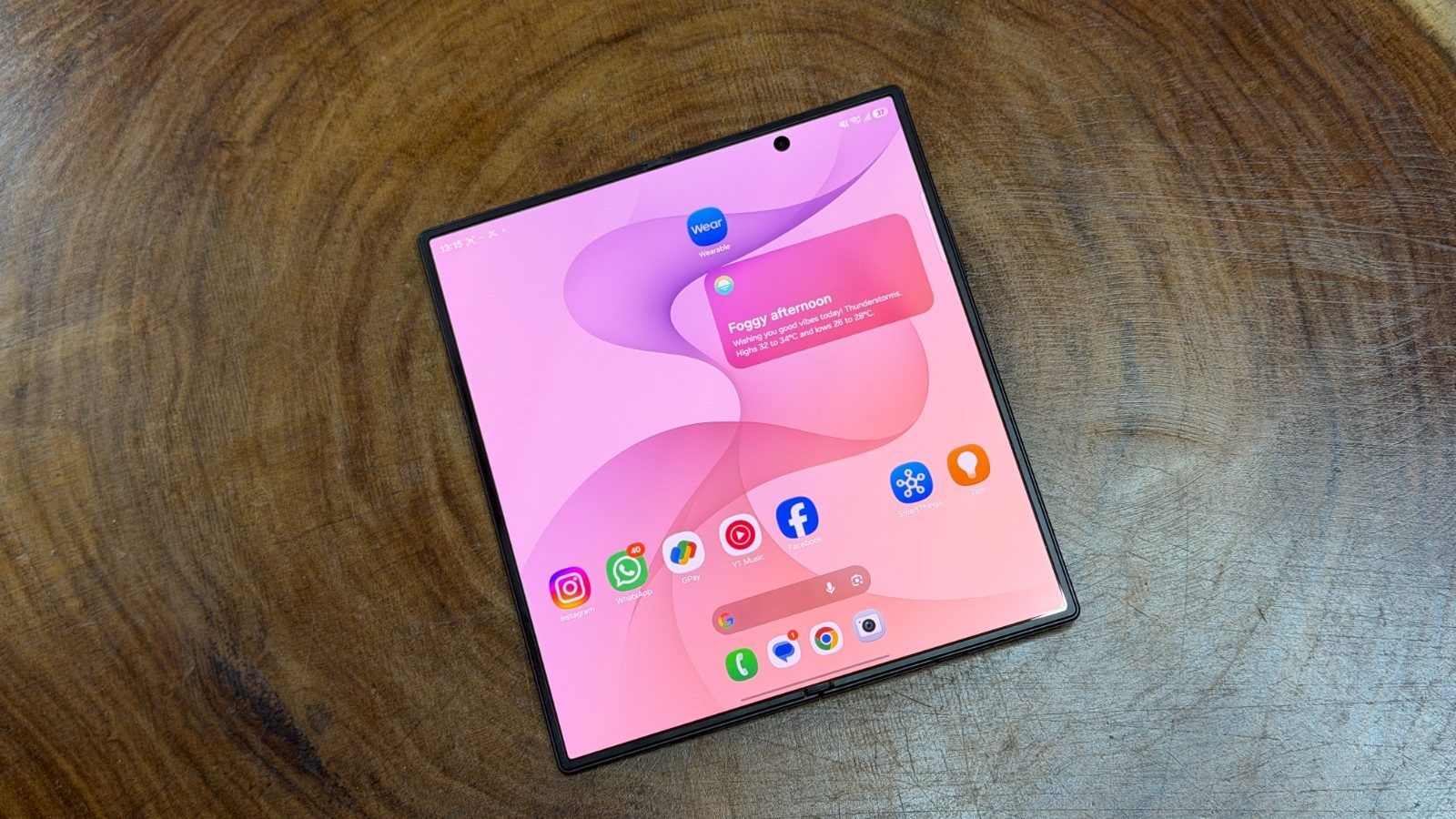
Flex Mode is also a really useful feature, as it turns the partially folded phone into something resembling a mini laptop.
Samsung has also brought features such as Now Bar and Now Nudge to the Fold 8 Ultra. Now Nudge can surface contextual suggestions based on what’s happening on your screen, while the larger display gives those suggestions more room to work alongside other apps.
MyFanCam is another interesting feature. It can take an existing video and let you focus on a particular person, essentially making them the star of the footage. However, it does not recognise animals yet.
The Cameras Could’ve Been Better for an ‘Ultra’ Phone
This year Samsung replaced the 12-megapixel ultrawide lens with a 50-megapixel one. The camera setup is still headlined by a 200-megapixel primary lens, and there’s also a 10MP telephoto camera with 3x optical zoom.
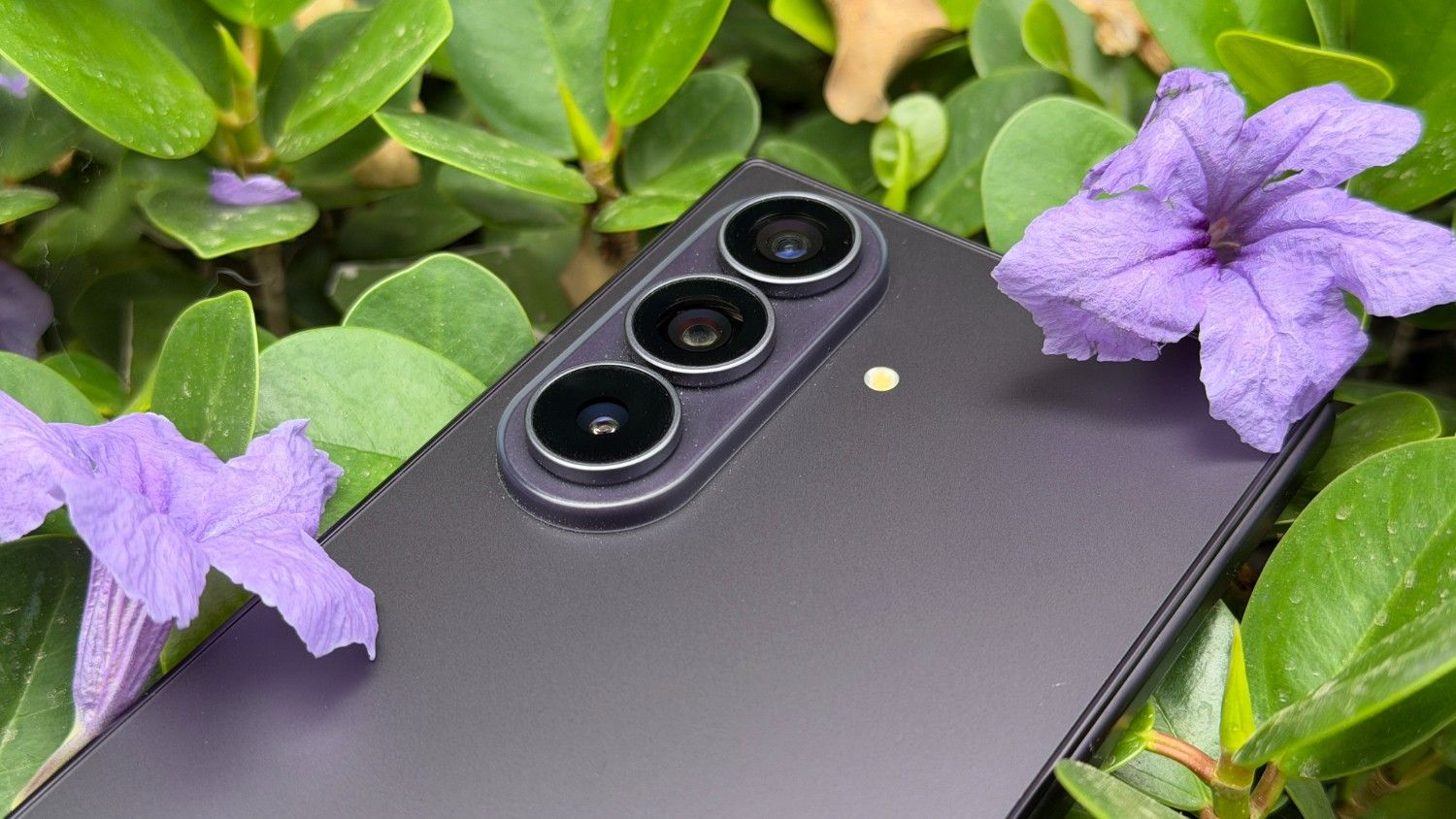
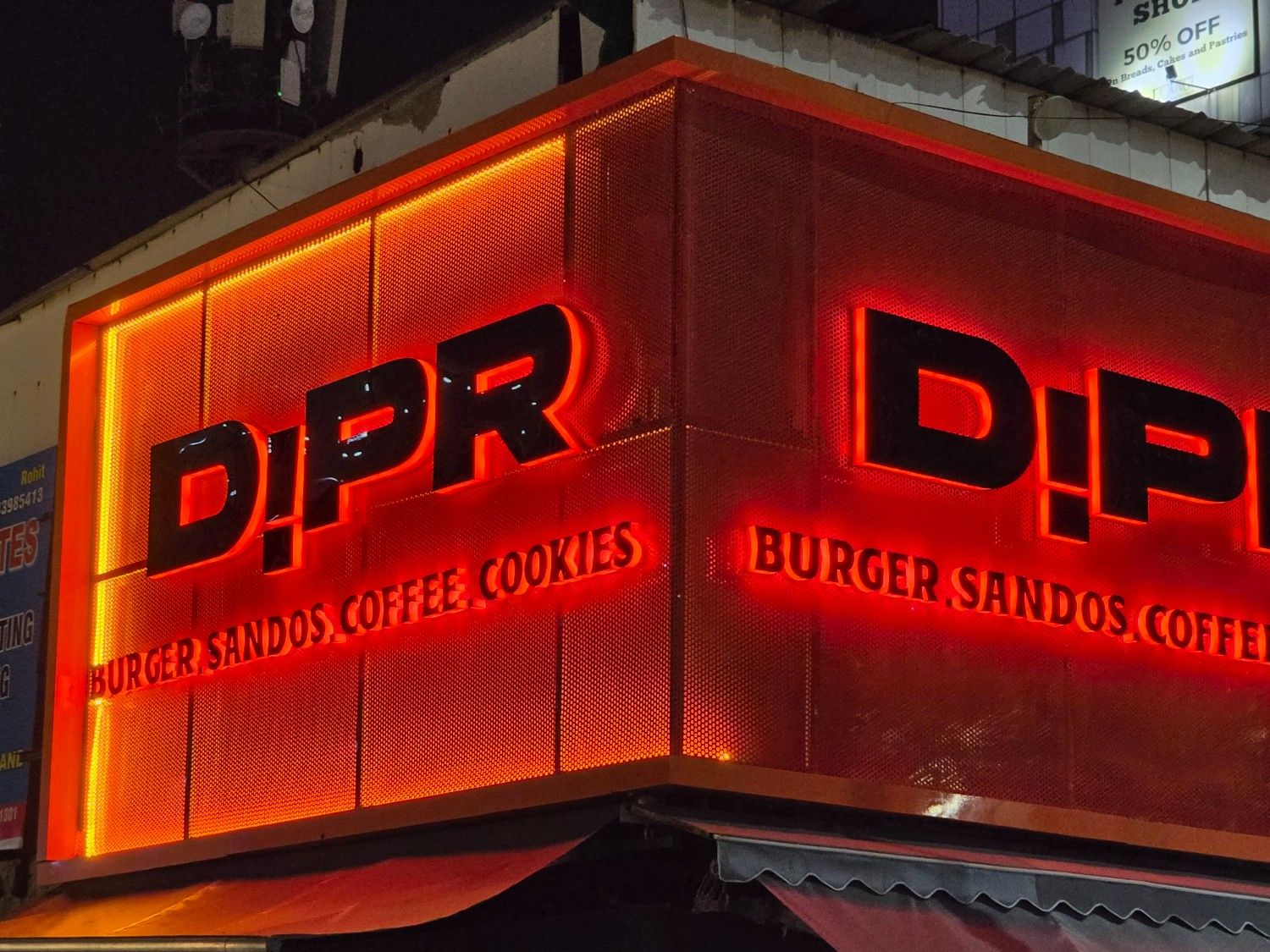
The 200MP main camera is capable of taking excellent photographs in good lighting conditions, with plenty of detail, good dynamic range, and Samsung’s usual punchy colour processing. However, the low-light performance doesn’t feel worthy of a Rs 2 lakh flagship. Of course, it captures great, sharp images when there’s enough artificial lighting around, it costs Rs 2 lakh, after all. But if I’m paying this much, I expect the camera to excel in every situation. In simple terms, I would’ve liked to see a little more detail and crispness in pure low-light shots.

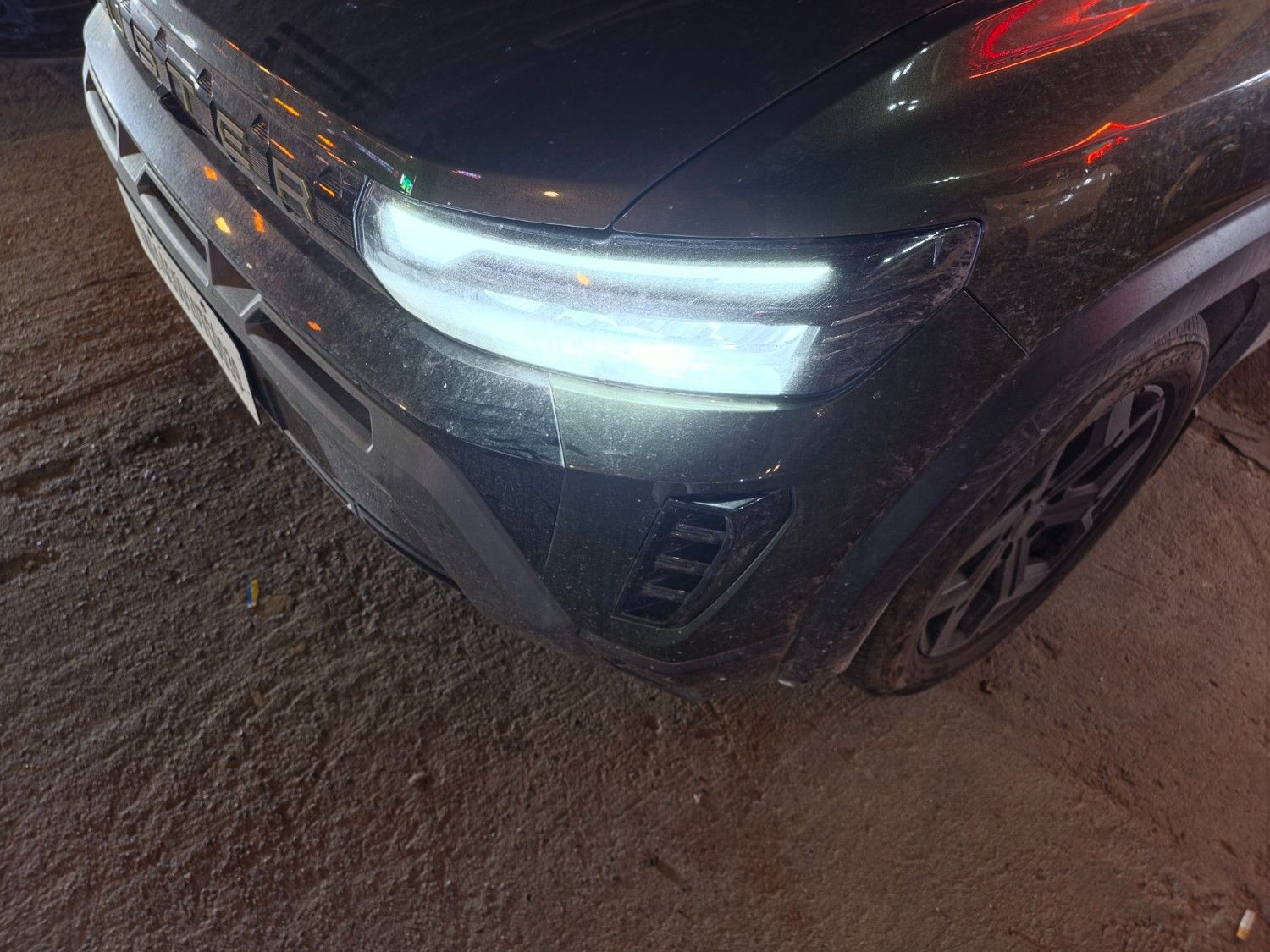
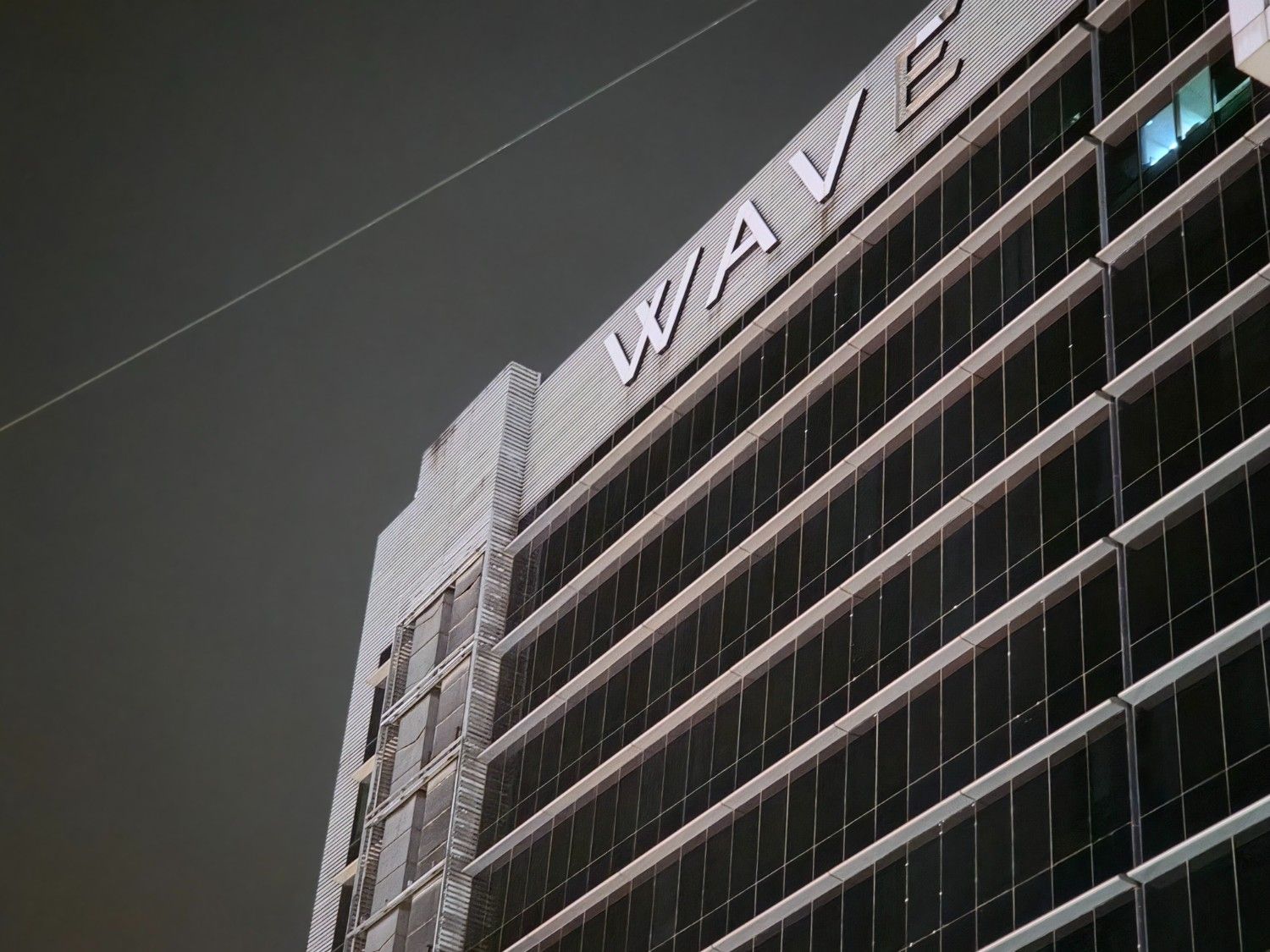
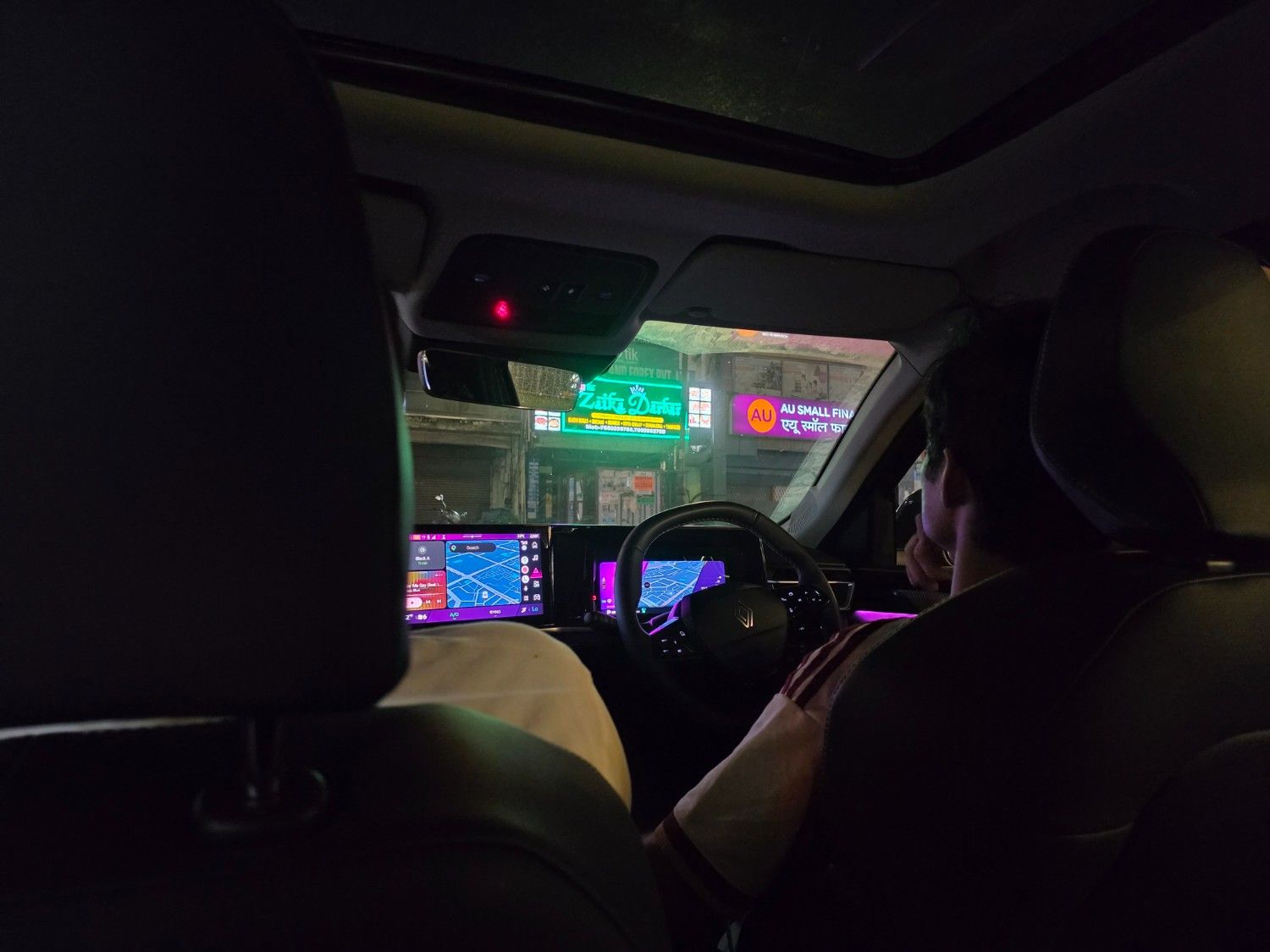
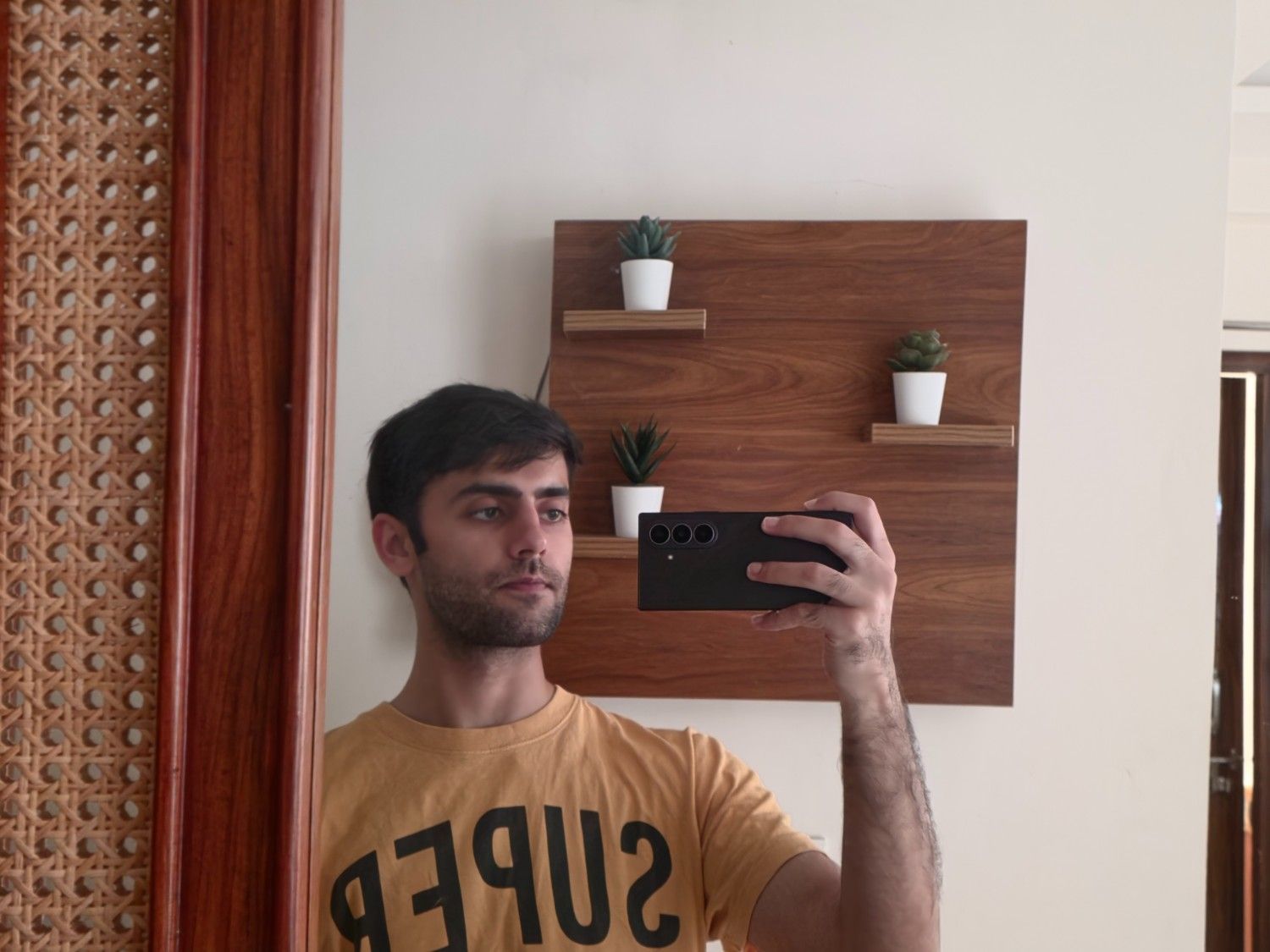
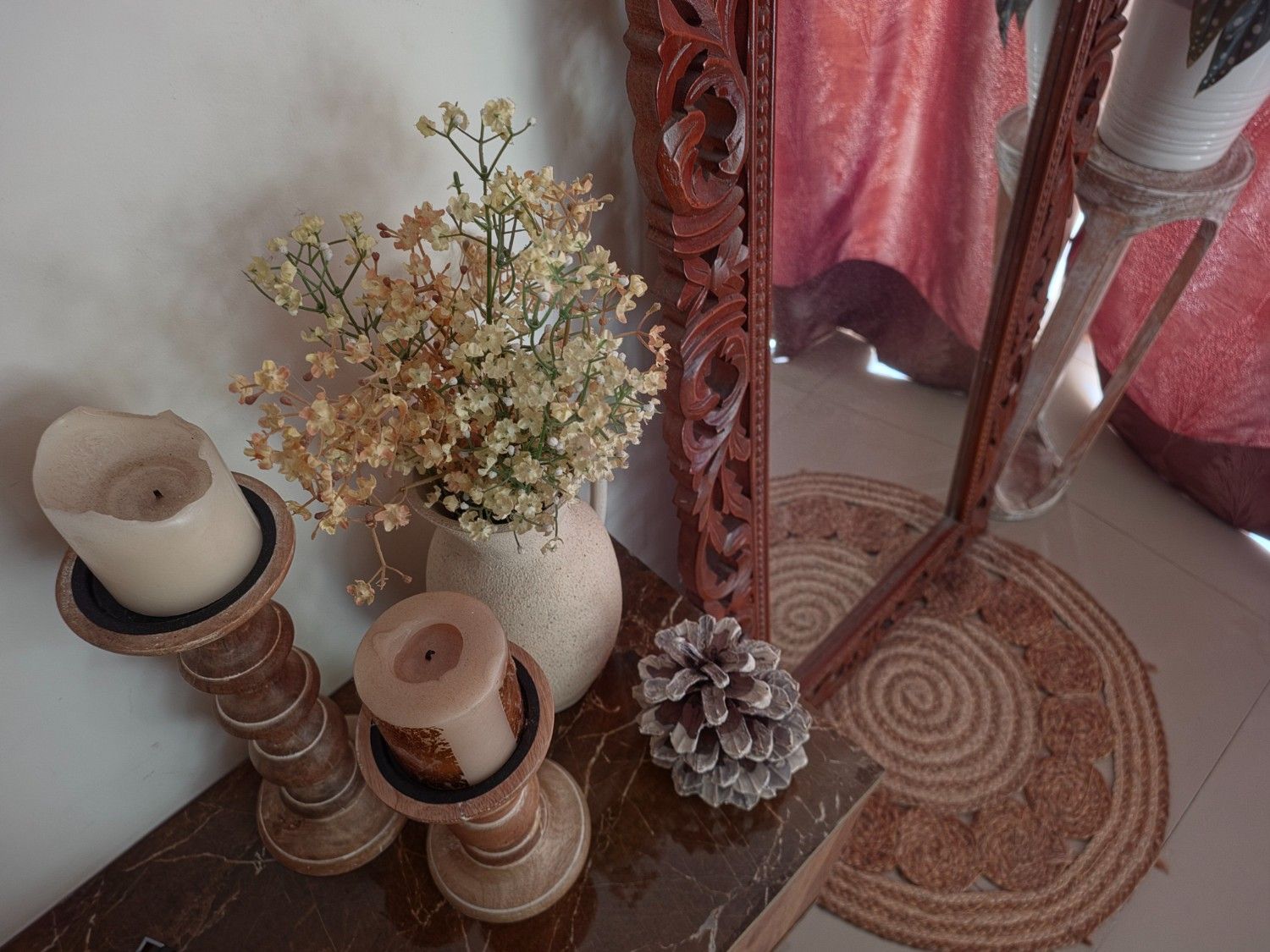
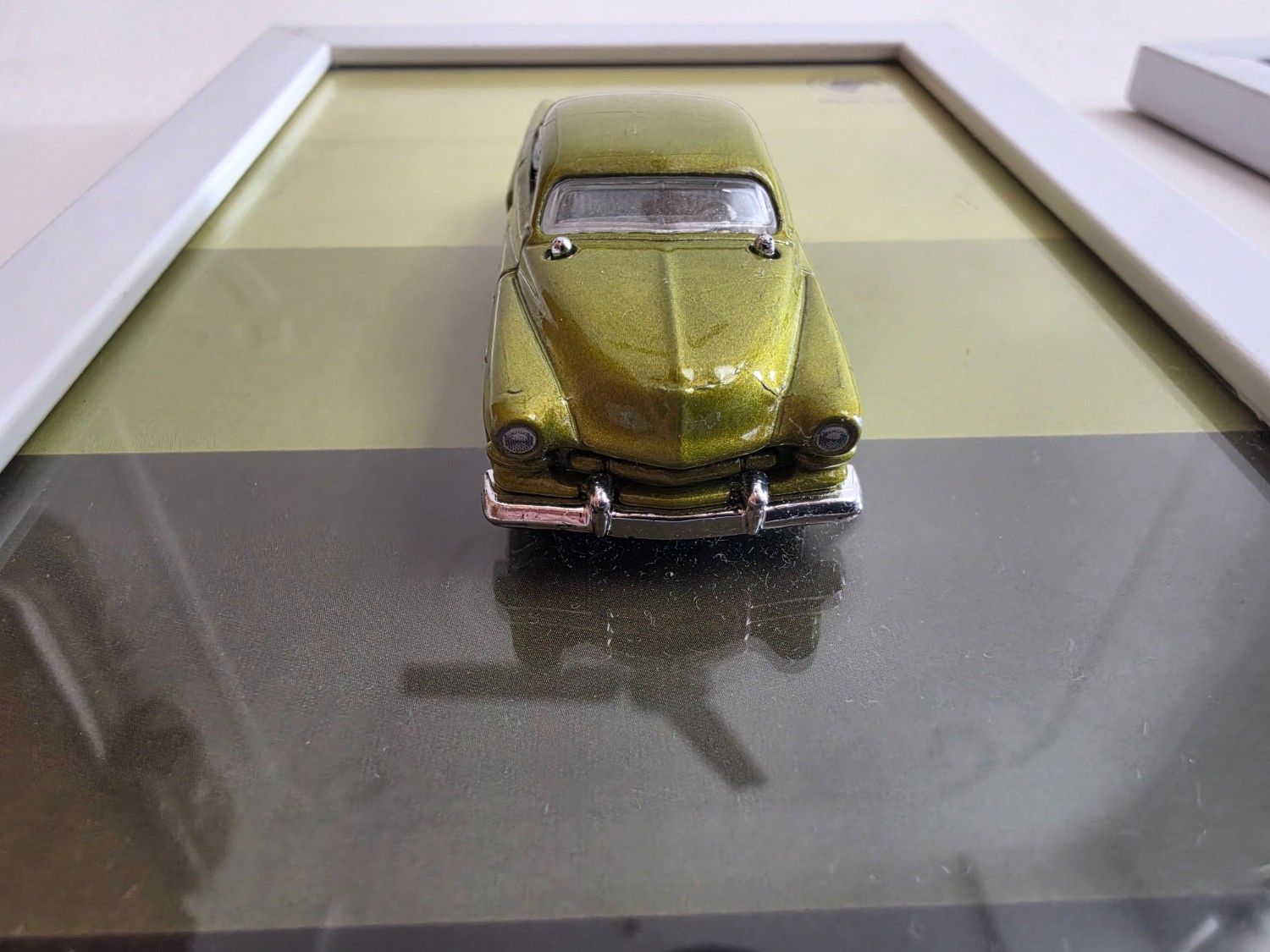
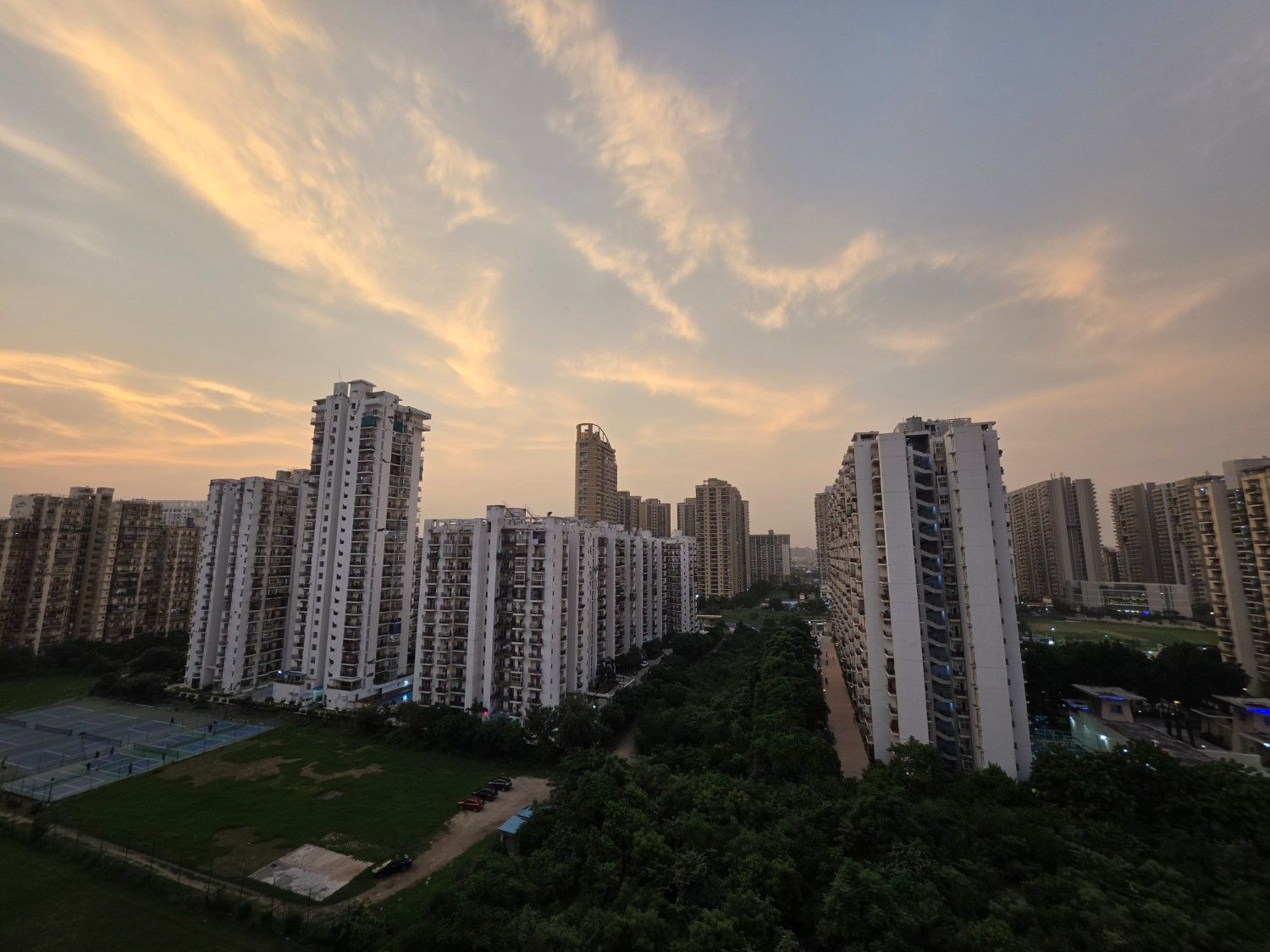
The new ultrawide lens offers more improvement. When you switch from 1x to 0.5x, images retain more detail, and the brighter f/1.9 aperture helps in low-light conditions. The 50-megapixel sensor also makes the ultrawide more useful for close-up and macro photography.
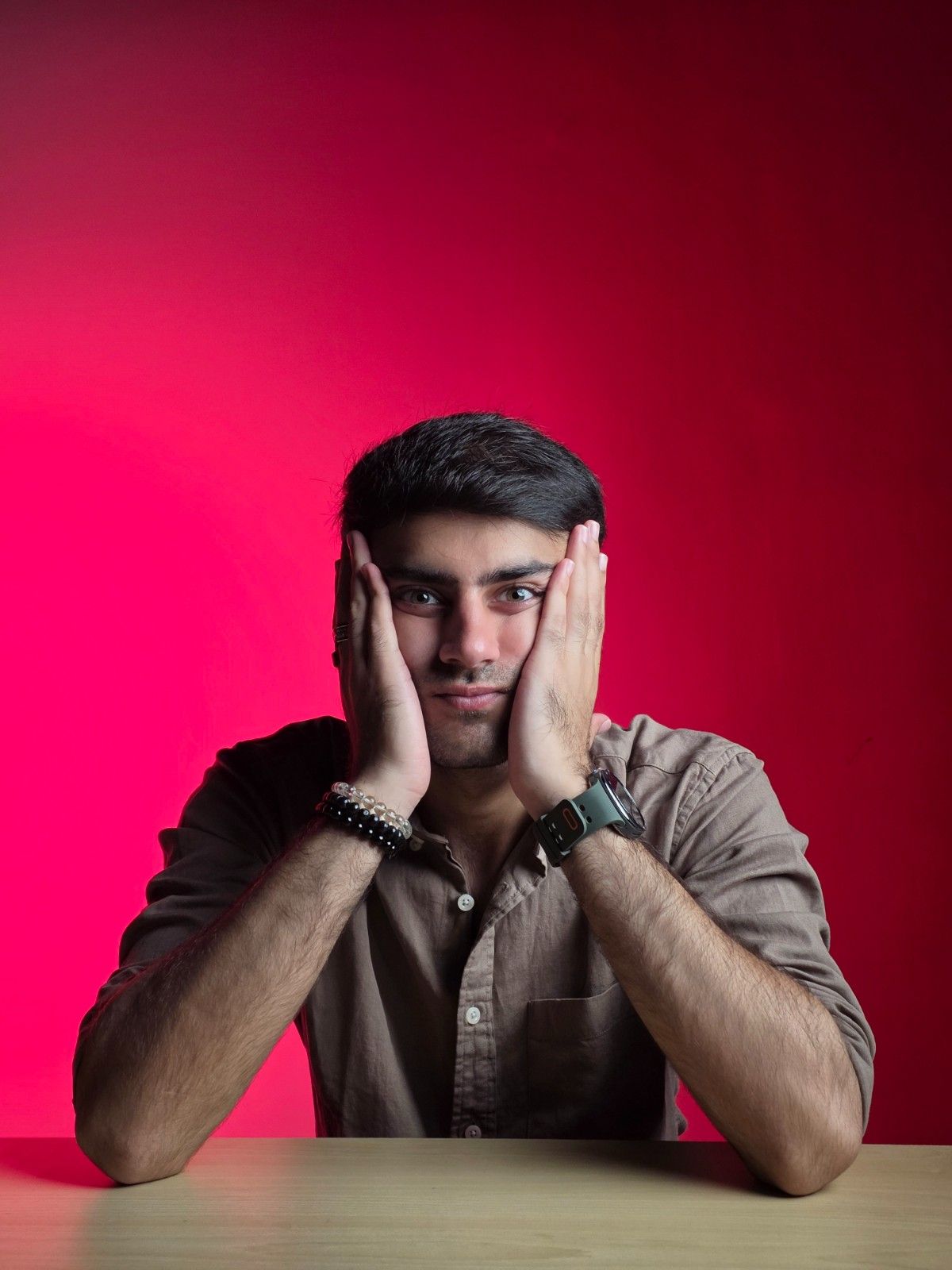
Now, as for the portraits, I like how the Galaxy Z Fold 8 Ultra keeps them natural. The bokeh feels real, no complain from the colour production, and the edge detection is also pretty accurate. But the 10-megapixel 3x telephoto does not match the quality of the other two cameras. A 3x zoom on an Rs 2 lakh phone feels like a compromise to me. If you try to zoom past 3x, the image quality falls and doesn’t feel premium at all, especially at night.

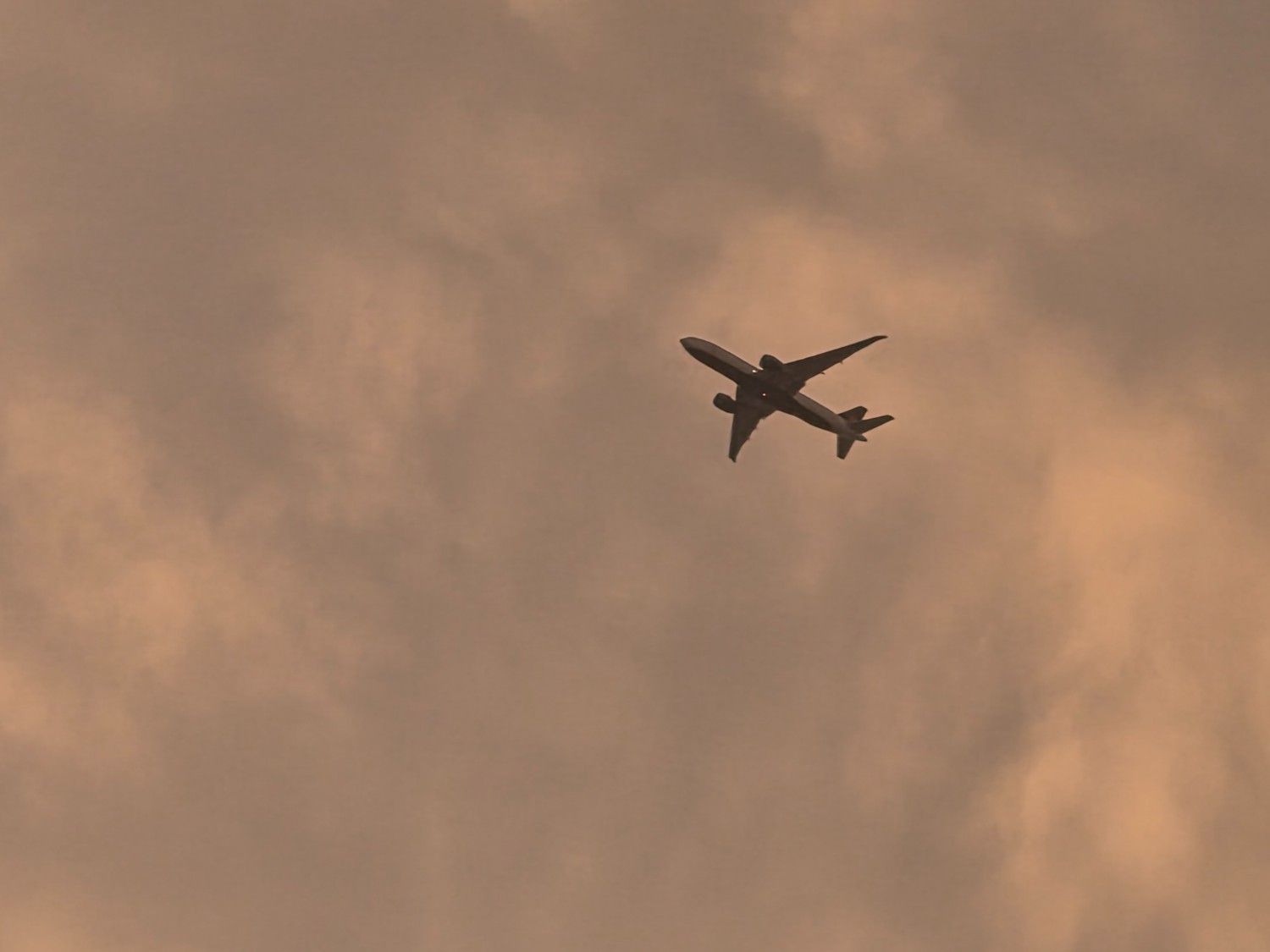
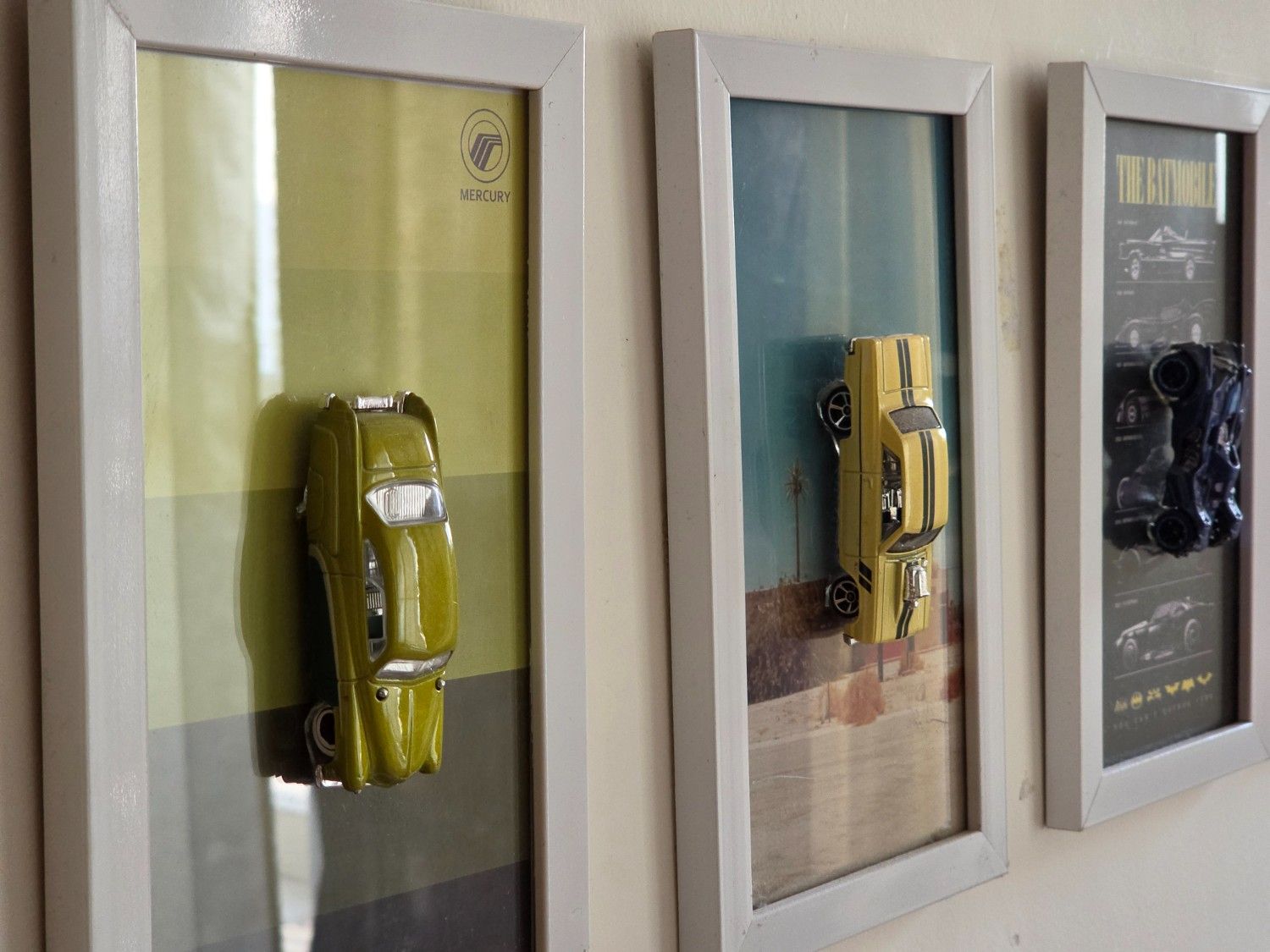
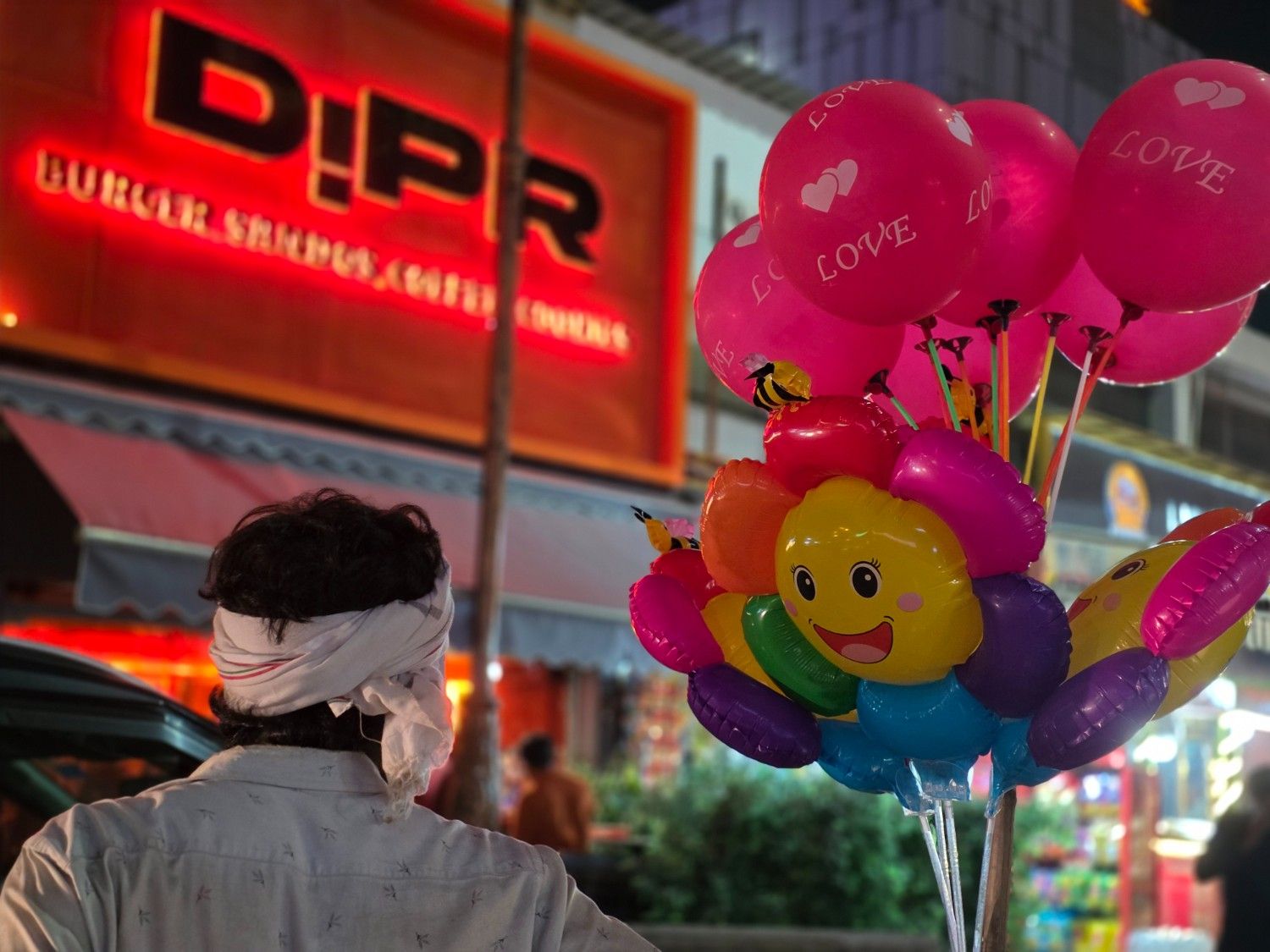


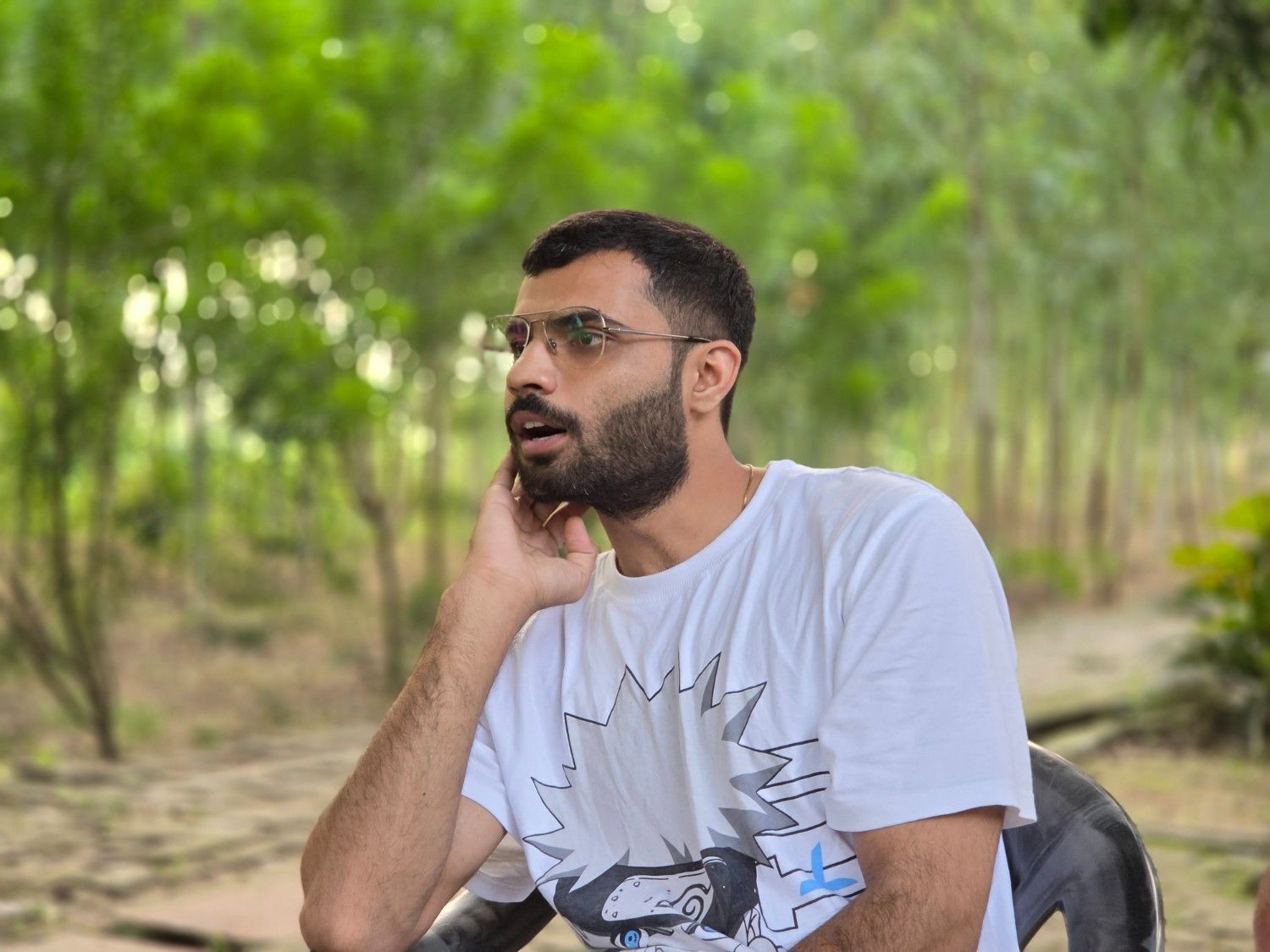
The selfie cameras are good for video calls, but I would recommend using the rear cameras for selfies, as you can always use the cover display as a viewfinder, and that is a good use of a fold.
Battery Life Just Got Better
The Galaxy Z Fold8 Ultra is packed with a 5000mAh battery, which is one of the biggest improvements on the Fold this year. Samsung claims up to 27 hours of video playback, which is very close to our PCMark battery life score. In our testing, the Galaxy Z Fold8 Ultra lasted over 22 hours with 20% battery remaining. If I convert this number to real-world usage, the Galaxy Z Fold8 Ultra easily lasts more than 36 hours on a single charge while using moderately. The screen-on time has gone up compared to last year.
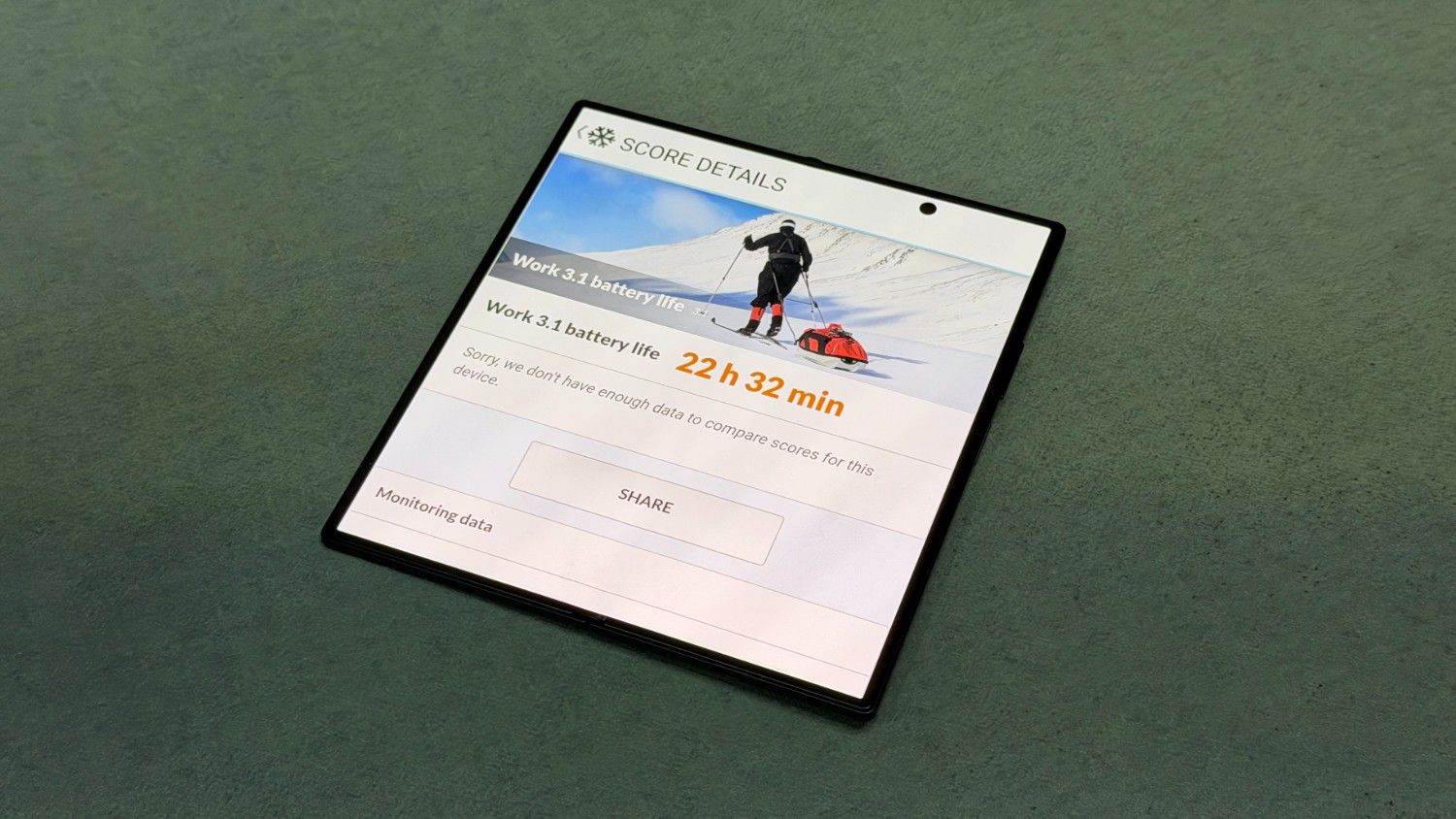
However, when I used it extensively, the battery life went down pretty aggressively. That explains the good quality of the display. Either you get that or a less battery-consuming device.
Furthermore, you get 45 watts of charging support that juices up the phone from 0-100% in about 85 minutes. There’s also 20W wireless charging support.
Verdict
To sum it all up…The 8-inch display on the Galaxy Z Fold8 Ultra is really useful, the slim design makes it comfortable to carry around, the performance is great, and the bigger battery gives it the kind of juice you would expect from a flagship. The 50-megapixel ultrawide lens also makes the camera setup more versatile than before.
But Samsung hasn’t fixed everything. Low-light photography feels out of place on a phone that is this expensive, there’s still no bS Pen, and the Rs 1,99,999 price tag makes it a luxury item. Also, the design hasn’t changed much compared to its predecessor.
So, the Galaxy Z Fold8 Ultra is quite pricey, but if you are willing to pay that price, then this is Samsung’s most polished and practical foldable experience yet.