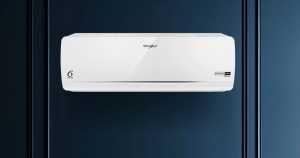
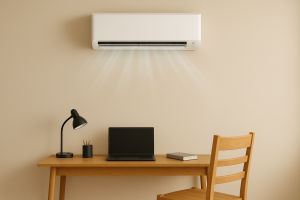
In the last couple of years, the humble air conditioner has evolved beyond just cooling. Walk into any brand showroom or scroll through online listings, and you'll find air conditioners flaunting "PM2.5 filters" or "air purification technology" badges. These are being promoted as a key feature, right up there with their convertible features and 5-star energy ratings.
On the surface, it seems like a smart upgrade. With cities like Delhi, Gurugram, and even Bengaluru experiencing prolonged spells of poor AQI, indoor air quality is no longer something you can ignore. However, as someone who has spent the last year testing large appliances and air purifiers and speaking to both manufacturers and end users, I could not help but wonder if PM2.5 filters in ACs are what we need, or are these just marketing buzzwords that brands are adding for us to think that their ACs are better than the competitors?
Why PM2.5 Matters—Even Indoors
PM2.5 refers to fine particulate matter that's smaller than 2.5 microns. It is typically so small that it can slip through most cloth masks and lodge deep in your lungs. We usually associate it with outdoor pollution, but indoors, levels can often spike due to poor ventilation, cooking fumes, cigarette smoke, and polluted air seeping in. Most air purifier brands, such as Honeywell, Dyson, and Xiaomi, that I have spoken to over the last year or so, insist that indoor pollution is far greater than outdoor pollution most of the time.
A 2023 study by the Centre for Science and Environment found that indoor PM2.5 levels in Delhi homes without air purifiers regularly crossed 200 µg/m³ during winter, especially during peak smog hours. That's eight times higher than WHO's recommended safe limit of 25 µg/m³.
So yes, there is absolutely a need for interventions inside homes. But is your air conditioner up to the task?
What ACs Actually Offer Under "PM2.5 Filters"
Most of the PM2.5 solutions offered in ACs today are either electrostatic mesh filters, activated carbon sheets, or ionizers that generate charged particles to clump pollutants. These sit just behind the front panel of the indoor unit.
For instance, Panasonic promotes its PM2.5 Filter on several models, LG uses Plasmaster Ionizer+, and Daikin includes Streamer Discharge Technology. Samsung, too, has been pushing HD filters with anti-bacterial claims.
While Daikin's Streamer Discharge system is based on plasma ion tech, it doesn't match the 99.97% efficiency of a HEPA filter in purifiers. Furthermore, the thing that most brands don’t reveal is that this kind of AC implementation is typically single-stage or dual-stage filters, with limited surface area and no forced airflow dedicated purely to purification.
| Feature | PM2.5 Filter in AC | Standalone Air Purifier |
|---|---|---|
| Filter Type | Basic mesh or PM2.5 sheet (non-certified) | Certified HEPA (H13/H14) |
| Coverage | Cools the room with some filtration | Purifies air only, higher particle capture |
| Maintenance Frequency | Low, rarely replaced | Moderate to high, filters need regular changes |
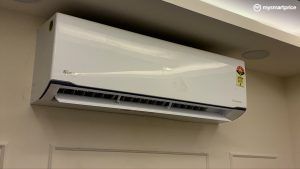
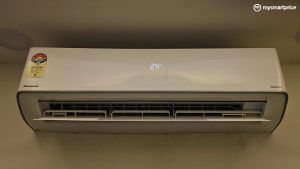
During our hands-on demo sessions with some of these models, we could spot the fine mesh filter, but its thickness and coverage paled in comparison to what even a basic ₹10,000 air purifier delivers.
Let's break it down further. A typical split AC has an airflow rate of around 450 to 600 CFM (cubic feet per minute). This is decent for distributing cool air, but not ideal for high-frequency air changes needed to clean an entire room. And unless you keep the AC running for hours in a sealed environment, any PM2.5 filtering it does is only partial and localised.
However, this should not come as a shock to anyone in the market for long. If you recall, water purifiers also took a similar route and attempted to position themselves similarly to UV LED sterilizers in water purifiers. Also, a lot of washing machines to date claim to have anti-bacterial properties. Whether it is AC or any other large appliances, these are usually added as differentiators that sometimes even help in marketing the product as premium, but without making too many changes to the overall hardware or cost of production.
Do We Still Need Air Purifiers if Our AC Has a PM2.5 Filter?
Yes and no.
We can think of it as a partial bonus, not a full solution. And some of the industry veterans are also aware of this fact. In a candid discussion at the sidelines of the launch, one of the industry experts, on condition of anonymity, divulged to me that, "We've added PM2.5 filters because some of our competitors have it and there is a market demand for it, but they are no replacement for standalone air purifiers.” He also shared that going forward, we will see them added to a wider range of SKUs and even make their way to the entry-level models.
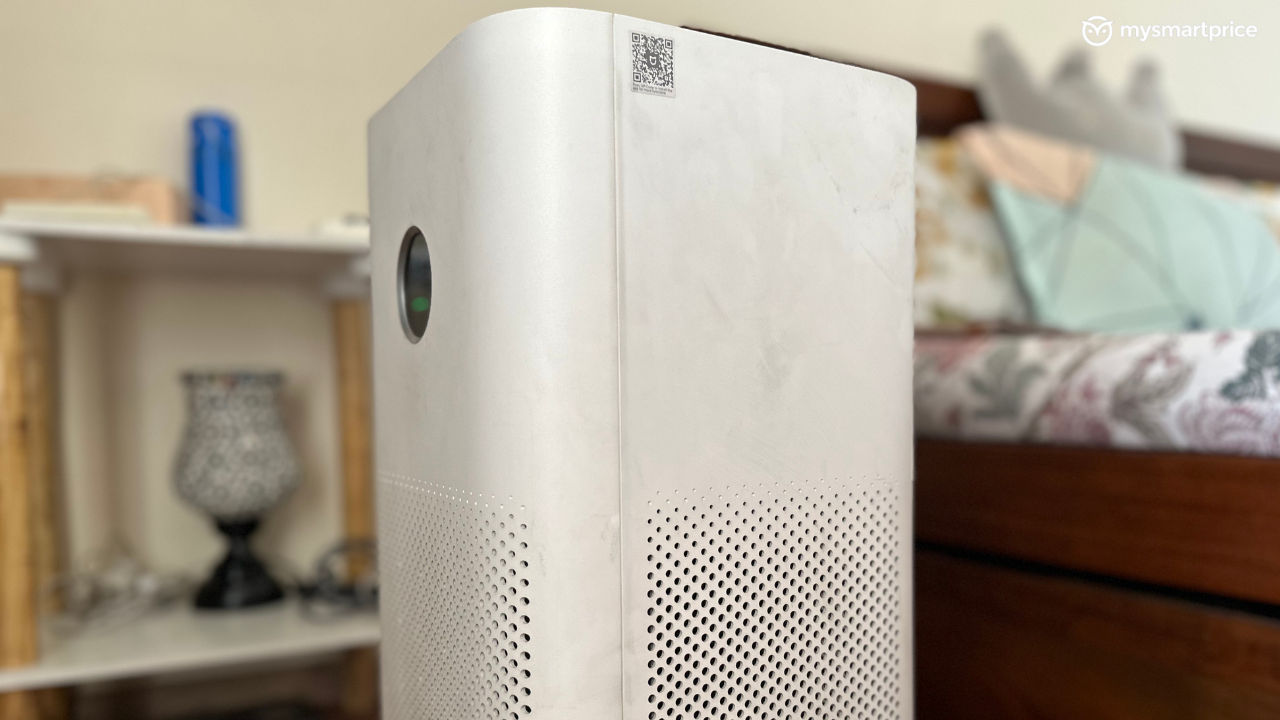
To be clear, the built-in PM2.5 filters in air conditioners do trap some airborne particles—but they work only as long as the air is actively passing through the indoor unit. There's no fan forcing high air circulation solely for purification, unlike in standalone purifiers. And without multi-stage filtration (HEPA, carbon, pre-filter), their ability to capture smoke, allergens, or VOCs is extremely limited. So if you are in compact spaces or live in a zone where the air is relatively clean, then this could help get the job done, provided you have it on the entire time you are home.
However, if you are in a metro city like Delhi, Noida, Chandigarh, or Lucknow, where AQI levels regularly breach the 300 mark, having a standalone air purifier with a good HEPA filter is a must. Additionally, if you have people in your house who complain of asthma, allergies, or compromised immunity, then a true HEPA purifier is still your safest bet.
For those unaware, HEPA, or High Efficiency Particulate Air, refers to a globally recognised standard of filtration that's engineered to capture 99.97% of airborne particles as small as 0.3 microns—including PM2.5, pollen, pet dander, dust mites, and even certain bacteria and viruses. These filters undergo rigorous international testing (typically classified as H13 or H14) and are widely used in standalone air purifiers because they require a tightly sealed, controlled airflow system to work effectively. Air purifiers are specifically engineered to channel air through dense HEPA material at a controlled, slower pace, which allows the filter to trap fine pollutants more effectively without reducing overall purification performance.
Coming back to the debate at hand, one also needs to remember that in India, the pollution levels usually peak during autumn and go on to stretch the winter months, and ACs are not even in use during that time frame. So for the peak season, you will need to have a more practical solution.
The bottom line here is that ACs with PM2.5 filters are a good-to-have, but they don't check every box, and relying solely on them will leave blind spots.
The Maintenance Problem No One Talks About
Another major thing worth noting that no one is talking about is that these filters in AC also need regular cleaning to stay effective. Even the brands that are going gung-ho about these filters never mention them in their sales pitch or even in their post-purchase disclaimer.
Just like any other filters, these filters in AC will get clogged with fine dust and pollutants over time. Unlike purifiers, where the filter life is tracked and replacements are easy to buy, most AC PM2.5 filters aren't even listed as accessories online. The major caveat here is that a clogged filter will not only negatively impact the air purification quality but will also reduce cooling. If you have an AC with this feature or plan to purchase one, be sure to clean the mesh monthly during peak usage.