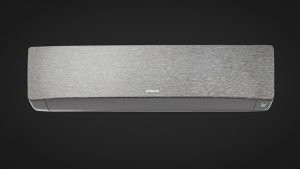
As the Government of India weighs a proposal to cut GST on air conditioners and large-screen televisions (above 32 inches) from 28% to 18%, anticipation is running high across the consumer durables industry. For brands, this isn't just about a tax tweak; it could be the trigger that reshapes affordability, boosts penetration, and sets the tone for one of the most decisive festive seasons in years.
A Long-Standing Ask from the Industry
For years, appliance makers have argued that the 28% GST slab on air conditioners and large TVs is an anomaly. Most other large appliances, such as refrigerators, washing machines, and microwaves, already fall under the 18% bracket. The result is that cooling products, despite being essential in India's climate, remain relatively inaccessible to much of the population. With penetration still hovering around 9–10% for air conditioners, industry leaders believe the tax cut is overdue.
"The proposed reduction in tax slabs will significantly help to boost consumption and drive appliance demand. Cooling appliances are no more luxury but a necessity," observed Kamal Nandi of Godrej Appliances. The implication is clear: a lower tax rate could democratise ownership, expanding the market beyond the urban elite.
This comes after one of the weakest summers in recent memory for the cooling products market. Despite early expectations of a bumper season, unseasonal rains and milder peak temperatures left sales muted, forcing the industry to scale down growth projections from 25–30% to just 10–15% for the year. For many brands, the festive window is now being seen as the best opportunity to turn sentiment around and recoup lost momentum.
Festive Season: The Perfect Launchpad
The festive period, which traditionally contributes the bulk of annual sales in categories like ACs and TVs, is being seen as the natural launchpad for such a reform. A cut announced in time could amplify festive sentiment, tilting consumer decisions in favour of upgrades and big-ticket purchases.

LG Electronics echoed this optimism, but added nuance. "Festival demand in India is influenced by more than just tax considerations. However, the GST revision will be beneficial for our diverse product range and will create more opportunities for customers to upgrade," shared LG’s spokesperson with MySmartPrice. In other words, while tax relief matters, the broader ecosystem of promotions, financing, and product innovation will also play a critical role.
Brands Gear Up for Demand Surge
Most companies have already started preparing for a potential shift in demand dynamics. Cellecor, for instance, has aligned its supply chain and promotional plans to ensure that any GST benefit flows directly to the consumer. "If the GST cut comes through as anticipated, we are confident of registering strong double-digit growth this festive season," said Ravi Agarwal of Cellecor.
Elista's Pawan Kumar pointed out that festive buying in India is often emotionally charged, with consumers willing to spend despite uncertainties. Still, a GST cut would serve as an additional catalyst: "Even a minor reduction in effective pricing can result in disproportionately larger uptake, especially in Tier 2 and Tier 3 markets," he noted.
Sudhir Goel, Chief Business Officer, Acer India, shared that the current conundrum around this cut has not just consumers but also dealers holding back on purchases. Acerpure added, “We believe this is only a short-term pause, and once clarity emerges, the pent-up demand will quickly translate into strong conversions, especially as we enter the festive season. A possible GST would act as a powerful sentiment booster, making large appliances more affordable, accelerating deferred purchases, and expanding the category's reach into aspirational Tier II and Tier III markets”.
Premiumisation on the Horizon
Beyond short-term sales, a rationalised tax structure could reshape consumer behaviour over the longer term. Thomson's Avneet Singh Marwah argued that the move could drive up to 20% year-on-year growth during the festive window and potentially accelerate the shift toward premium categories like 5-star ACs and larger smart TVs. The logic is simple: once the price barrier lowers, consumers are more likely to stretch their budgets for advanced, energy-efficient models.
This also has broader implications for the industry. A more attractive price-performance equation would likely move demand away from the unorganised sector and into the branded, organised market. This, in turn, would benefit both manufacturers and the exchequer.
The much-needed reforms
The consumer durables industry has been calling for this reform for years, and the government's willingness to consider it signals recognition of the category's importance. For consumers, the timing could not be better: the festive season is when homes are traditionally upgraded, and sentiment is already primed. For brands, the opportunity lies in balancing readiness with restraint. They will have an uphill task of managing short-term inventory risks while preparing for a possible surge in demand.