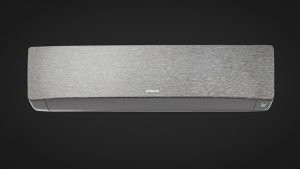
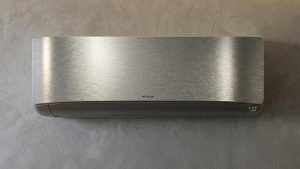
Samsung India has expanded its air conditioner portfolio with the launch of the Bespoke AI WindFree inverter split AC range in India. The new lineup includes 23 models and is positioned around intelligent cooling, with a clear focus on adapting to user behaviour and improving energy efficiency as temperatures begin to rise across the country.
This comes at a time when the AC market is seeing more demand spikes rather than a steady seasonal build-up, pushing brands to differentiate beyond just tonnage and star ratings.
Pricing Anchors It in the Mass Premium Segment
The Bespoke AI WindFree AC range starts at ₹32,940 and is available across offline retail, as well as online platforms including Flipkart, Amazon, and Samsung's own channels.
At this starting price, Samsung is clearly targeting the mass premium segment, where buyers are increasingly looking for smarter cooling behaviour and lower running costs rather than just upfront affordability.
Cooling That Adapts Instead of Just Reacts
At the core of the new lineup is Samsung's AI Fast and Comfort Cooling system. The AC begins with rapid cooling by analysing room conditions and usage patterns, and once the desired temperature is reached, it shifts to WindFree or Dry Comfort modes to maintain it.
This shift is important. Instead of running at full capacity throughout, the system is designed to transition between cooling phases, which not only stabilises temperature but also improves efficiency over longer usage cycles.
WindFree Continues to Be Samsung's Differentiator
Samsung is doubling down on its WindFree approach, which disperses air through micro holes instead of direct airflow. The idea is to eliminate the harsh blast of cold air that users often associate with discomfort during prolonged usage.
In practical terms, this is less about peak cooling performance and more about how comfortable the room feels over time. It also positions Samsung differently from competitors that still emphasise raw airflow and cooling speed.
Energy Efficiency Moves Into the Intelligence Layer
The new range also integrates AI Energy Mode, which claims to reduce energy consumption by up to 30 percent by adjusting compressor performance based on usage and environmental conditions.
This reflects a broader shift in the category. Earlier, efficiency was largely tied to star ratings and fixed parameters. Now, brands are trying to optimise energy consumption dynamically, depending on how the AC is actually used.
SmartThings Brings the Ecosystem Into Play
Samsung is also leveraging its SmartThings platform to extend the experience beyond the AC itself. Users can monitor energy usage, control temperature remotely, and automate routines such as switching modes based on presence or time of day.
Features like Welcome and Away Care, along with predictive maintenance alerts, show how the AC is becoming part of a broader connected home setup rather than functioning as a standalone appliance.
Built for India's Usage Conditions
The company is positioning the new range for Indian conditions, highlighting stable performance even in high ambient temperatures.
This remains a key expectation in the Indian market, where cooling performance in extreme summers often outweighs secondary features. Samsung's approach here is to layer intelligence on top of that baseline rather than compromise on it.
Samsung's Strategy: Intelligence as the New Differentiator
With this launch, Samsung is clearly pushing towards AI-led differentiation in the AC category. Instead of competing purely on cooling capacity or pricing, the focus is shifting to how intelligently the appliance operates across different scenarios.
As the category evolves, this could become a more meaningful differentiator, especially for users who are willing to pay a premium for convenience and efficiency that shows up over time rather than just on the spec sheet.