LG Electronics India recently displayed its latest HVAC technologies at ACREX ISHRAE India 2026. This exhibition is one of the largest in South Asia focused on air conditioning and climate systems for buildings. At the event, the company presented various solutions for residential cooling, commercial VRF systems, and large industrial chillers. This highlights the industry’s shift toward smarter and more connected climate solutions.
ACREX serves as a platform where major HVAC brands show their technologies for the Indian market. Companies like LG, Daikin, Blue Star, and Voltas use this event to introduce systems designed for homes, larger buildings, hotels, factories, and infrastructure projects. Unlike traditional split air conditioners typically found in homes, the systems on display can cool entire buildings while also improving energy efficiency and providing centralized control.
One key product LG featured at the exhibition is its Multi V i VRF system, which has AI technology. This system is designed for large commercial spaces and high-end residential projects. It includes AI Smart Care, AI Smart Metering, and AI Space Care to monitor cooling demand and automatically adjust performance. In essence, this system can assess how a building is used and optimize cooling while managing electricity consumption.
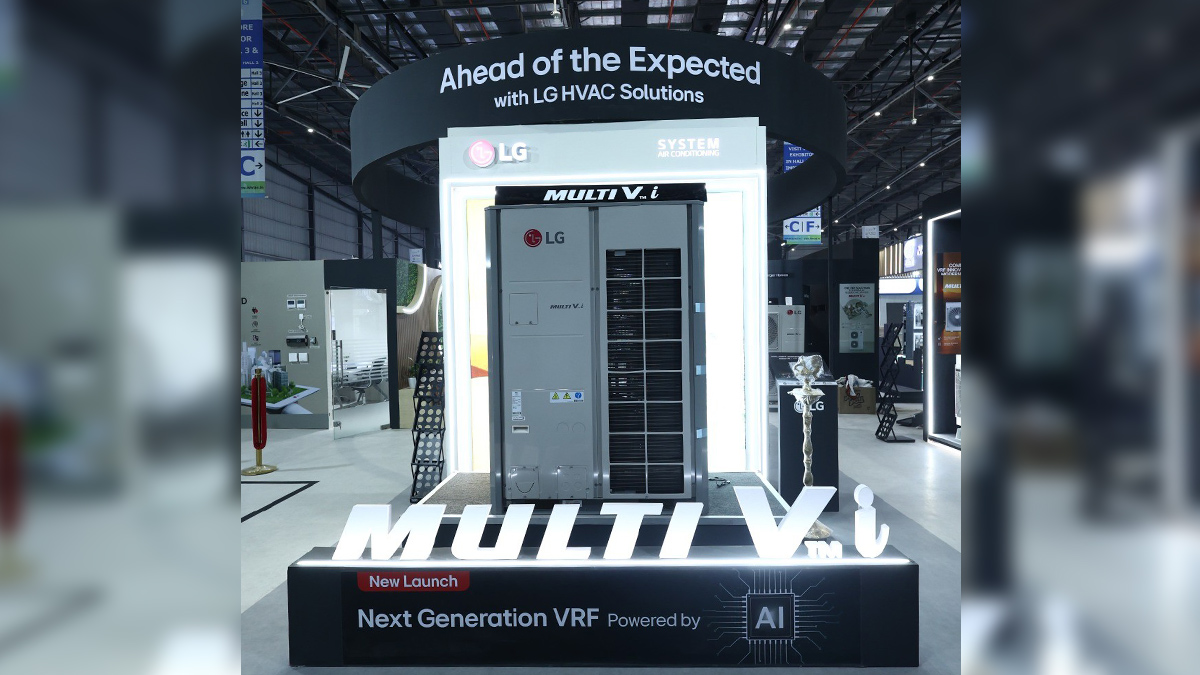
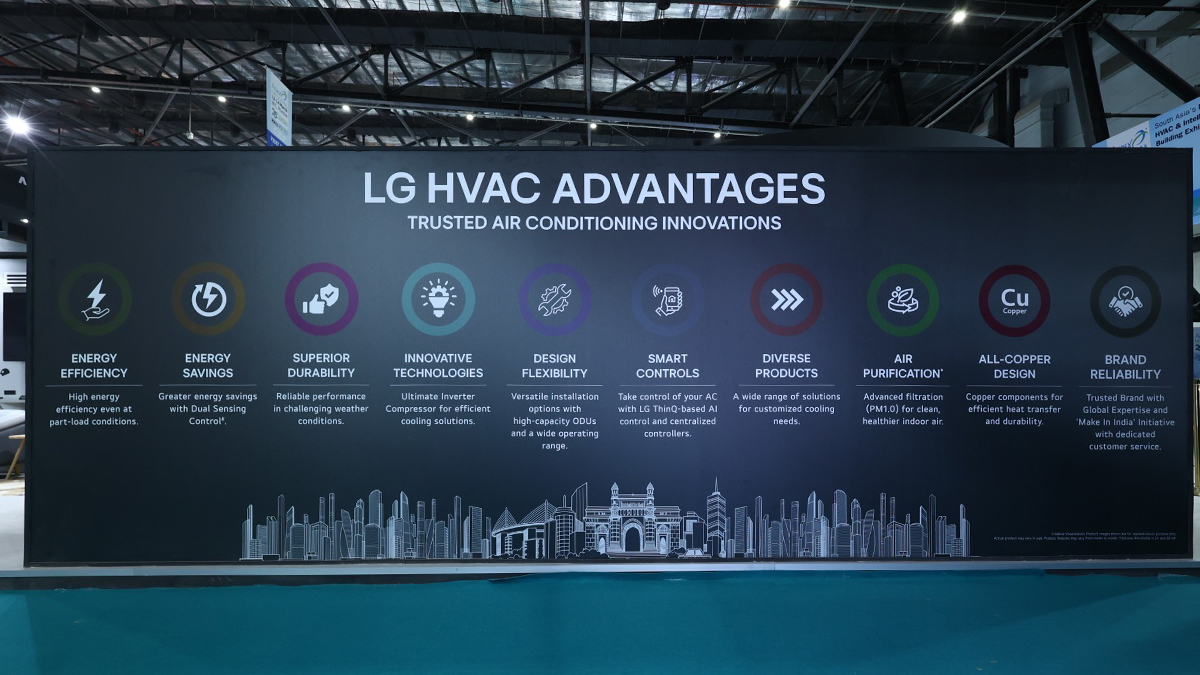
LG also introduced its Multi V5 VRF system, which includes an inverter compressor and dual sensing control technology. This setup allows the system to simultaneously monitor both temperature and humidity, helping to maintain balanced indoor conditions. It can operate in extreme weather, functioning in temperatures ranging from minus 20 degrees to 53 degrees Celsius. This flexibility makes it suitable for the diverse climate conditions found across India.
The HVAC industry is increasingly adopting intelligent systems that use sensors and data to enhance performance. Newer systems focus on real-time management of airflow, humidity, and energy use rather than just cooling a room. This trend is becoming increasingly important as energy costs rise and developers look for ways to cut long-term operating expenses.
LG emphasized sustainability with its Hydrokit hot water solution. This system captures heat from VRF air conditioning units and turns it into hot water for buildings. By reusing energy that would otherwise be wasted, it lowers overall power use and supports green building efforts.
While large commercial systems were a focus, LG also offered options for residential users. The Multi i Home system allows multiple indoor AC units to operate from a single outdoor unit. This setup is common in luxury apartments and villas, as it saves space and reduces the number of outdoor compressors connected to a building.
For consumers, systems like these indicate a move from traditional air conditioners to more flexible cooling options. Buyers are increasingly prioritizing energy efficiency, installation flexibility, and long-term maintenance costs when selecting cooling solutions, especially for larger homes or multi-room designs.
LG's approach in India highlights its commitment to local manufacturing. The company produces VRF systems and key components in its factories located in Greater Noida and Ranjangaon in Pune. It is also expanding production capacity with a new facility being built in Sri City, Andhra Pradesh. Strengthening local manufacturing allows LG to develop products suited to Indian weather while enhancing supply and service support.
India's cooling market is expected to grow significantly over the next decade due to rising urbanization and increasing temperatures. The demand for improved indoor comfort in homes, offices, data centers, and factories is driving companies to create smarter and more energy-efficient cooling technologies.
LG's showcase at ACREX 2026 reflects this trend. Instead of just promoting standalone air conditioners, the company presents its HVAC lineup as a complete climate management system that addresses the needs of modern buildings and changing environmental conditions.