Some cameras feel designed around specifications, while there are some cameras that feel that they are designed around the actual problems that photographers face while shooting. I have used the Canon EOS R6 Mark III for a couple of days, and I feel that it leans more towards the latter category.
I will give you reasons why I think so. When you use this camera regularly, over time, you see a bunch of small changes that fix some real-world problems that we face while shooting from a professional camera, be it cropping flexibility, handheld video stability, or tracking fast-moving subjects more reliably.
Although the EOS R6 Mark III comes with a bunch of new add-ons, but these features felt the best to me. If you're considering purchasing this Rs 2,43,995 professional camera, here are three reasons that will make you want to purchase it even more.
The New 32.5MP Sensor Makes Cropping Way More Flexible
If you have used the EOS R6 camera previously, you must have faced that slightly awkward stage while trying to crop the images. The autofocus worked well, burst shooting was fast, even the performance was solid, but when you tried to crop pictures, the 24.2MP sensor sometimes felt limiting, especially when you had to heavily crop wildlife, sports, or street photography shots.
This time, Canon addressed that issue with the EOS R6 Mark III. It now has a 32.5MP full-frame CMOS sensor, which is a pretty major jump in resolution for the series. These extra megapixels allow for that extra bit of creative liberty when it comes to cropping and resizing.
If you're into shooting concerts, wildlife, sports, or anything involving telephoto lenses, you already know how useful extra cropping room becomes. Sometimes, photographers even use the crop mode to get additional reach without having to change the lens. With the EOS R6 Mark III, even with Canon's 1.6x crop mode, you get fairly usable 4320×2880-pixel images.
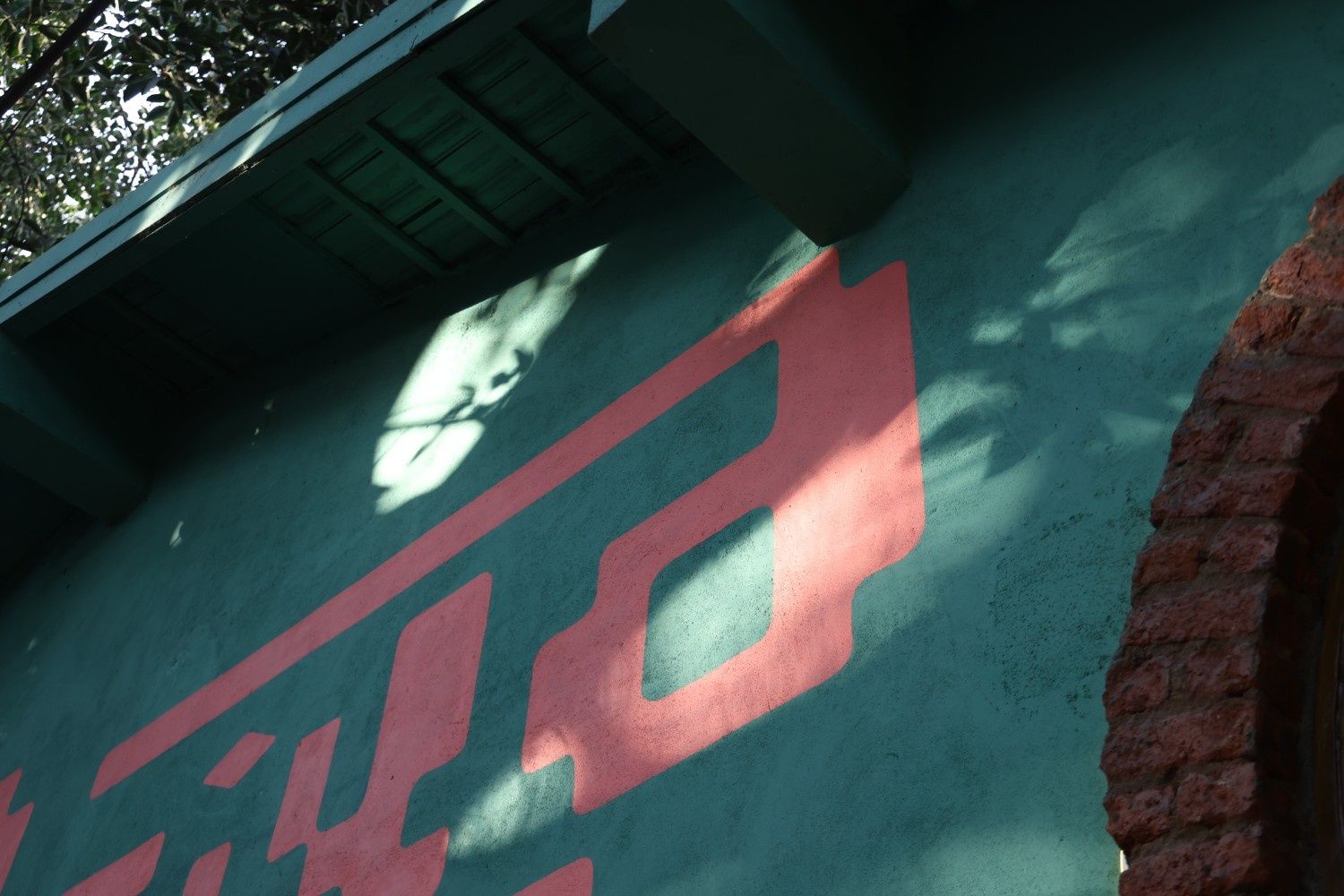
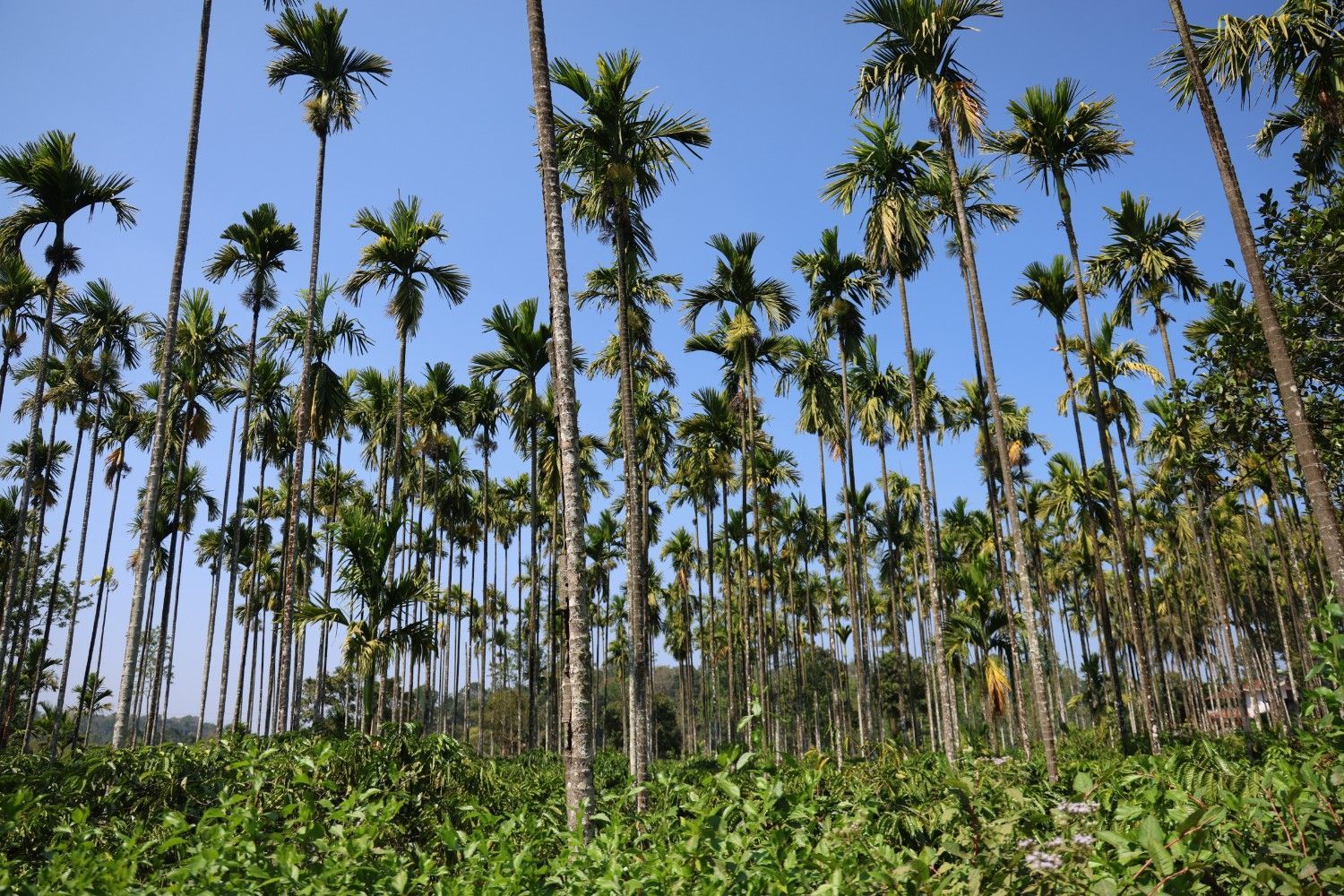

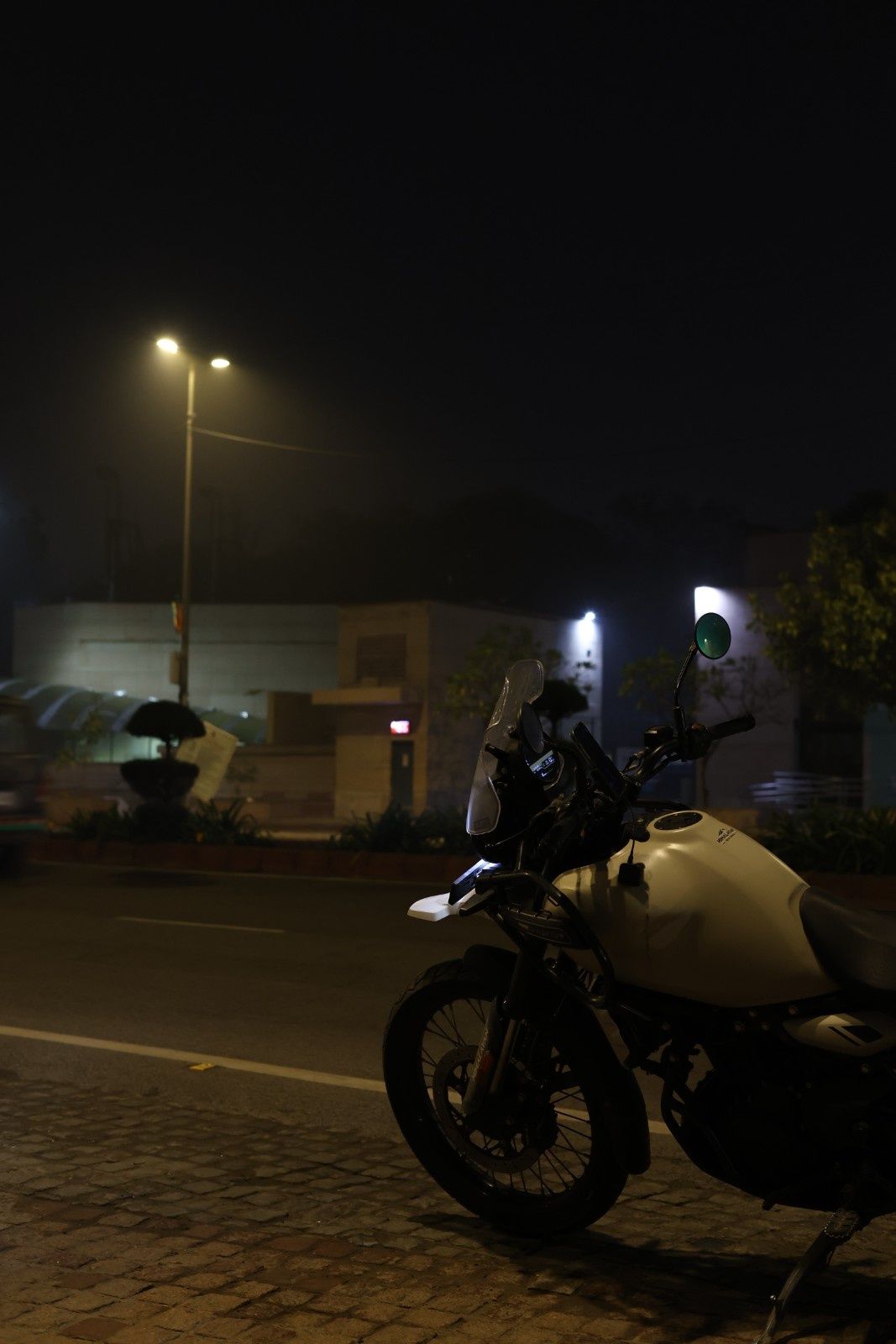
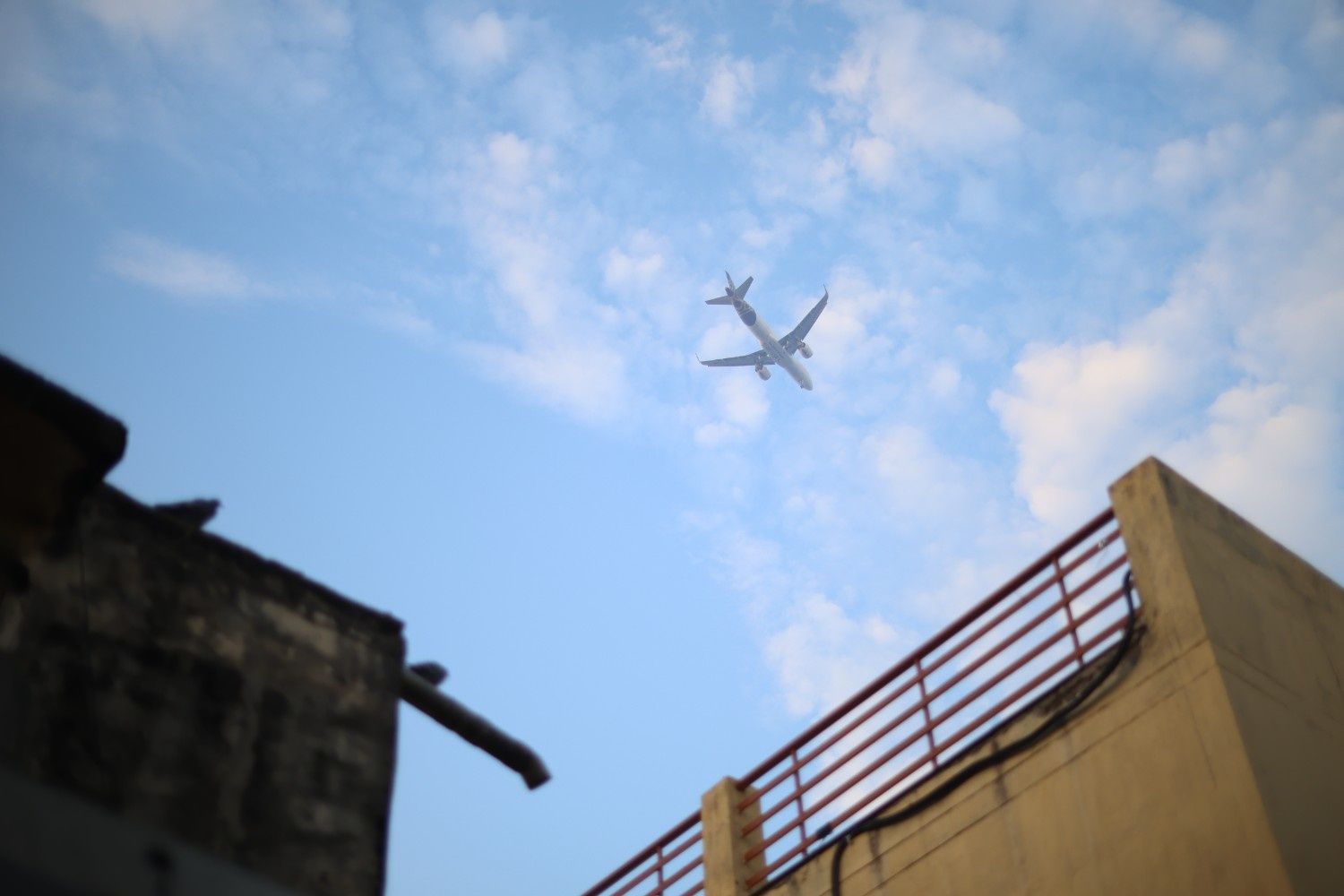
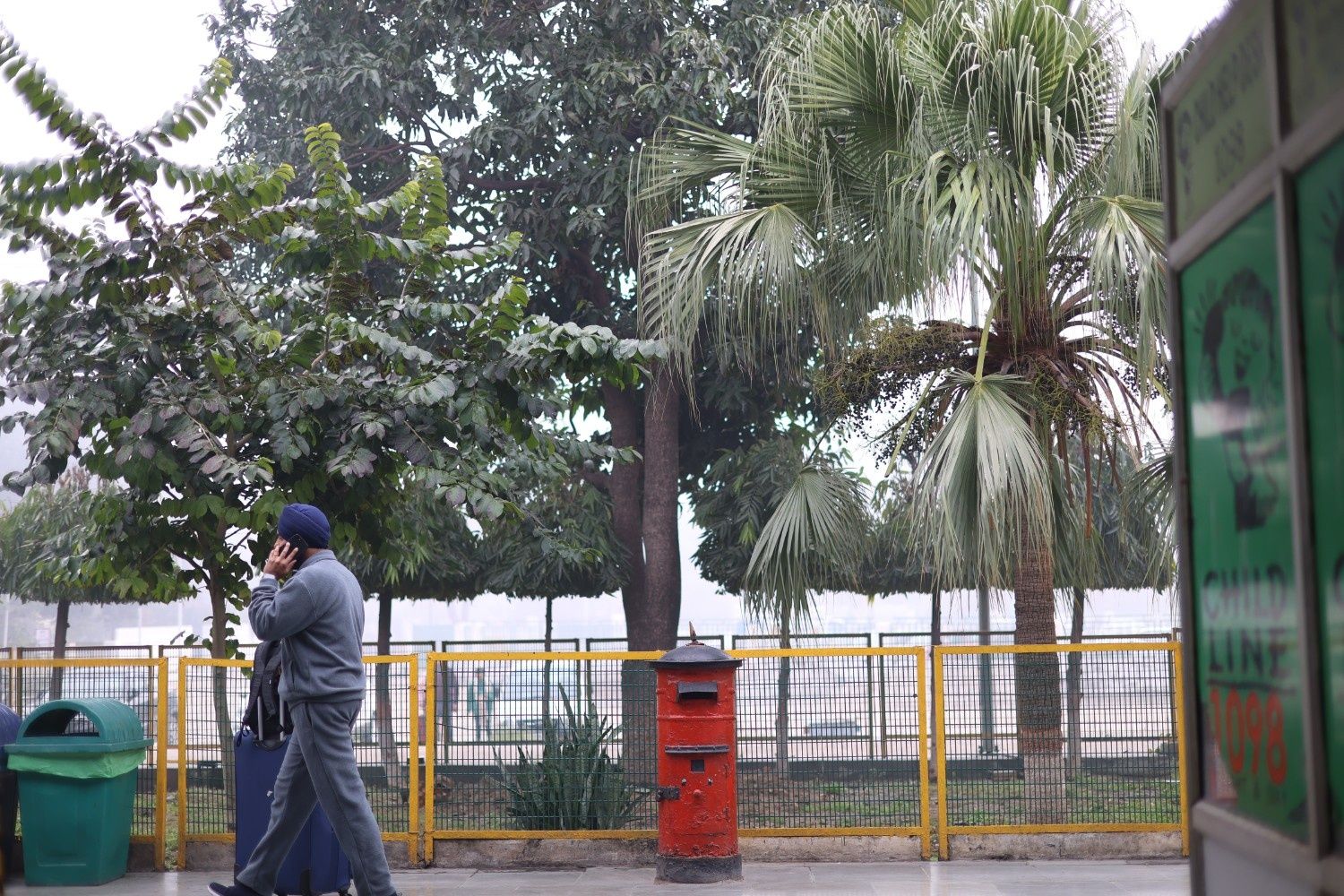
So that means that you can crop more, reframe shots later, without the image quality dropping a lot. It gives you a bit more room to experiment with composition.
At the same time, it also puts the EOS R6 Mark III in an interesting position because its resolution now even exceeds Canon's flagship EOS R1. For a camera sitting below the R5 lineup, that is a pretty significant shift.
Run-And-Gun Creators Will Love This Feature
An underrated addition on the EOS R6 Mark III is the movie auto-level feature. The way content creators shoot content these days, this is pretty helpful.
Using this feature, you can digitally crop and auto-level footage while recording. This makes the hand-held shots also look stable. If you regularly shoot travel videos, BTS clips, event footage, handheld reels, or fast-moving, documentary-style footage, this feature is pretty helpful.
You realise the importance of features like these when you don't have the extra minutes to set up a tripod, gimbal, or external stabilisation rig. Sometimes you just have to pull out the camera and start shooting. In situations like these, if your camera automatically maintains horizon alignment, it helps make the overall footage look cleaner without extra effort.
I found myself using this feature a lot while shooting content for my videos, and if you're also a content creator, you will enjoy it too.
The Autofocus is Magic
When it comes to autofocus in mirrorless cameras, Canon is considered one of the best. With the EOS R6 Mark III, Canon has tried to push the bar even further with upgraded AI-powered subject tracking.
The camera gets improved detection modes for people, animals, and vehicles while also expanding recognition capabilities significantly. In Animal AF mode, the camera can now track horses alongside cats, dogs, and birds. Vehicle tracking also extends to planes, helicopters, and trains in addition to cars and motorcycles.
The best part about it is how consistent it is. The EOS R6 Mark III now uses 6097 autofocus points, up from 4897 on the previous generation. Canon also claims that its updated tracking algorithms hold onto moving subjects better, even when the scene is pretty chaotic. And it is pretty true.
Along with this, Canon has also improved its Pre-Continuous Shooting mode. It allows the camera to capture up to 20 frames before you fully press the shutter button. That means the camera is essentially buffering moments before your reaction catches up.
Is It Worth the Upgrade?
With the EOS R6 Mark III, Canon seems to have focused more on improving the shooting experience in places where photographers and creators struggle.
The higher-resolution sensor gives you more flexibility while editing, the Movie Auto Level feature genuinely helps during fast-paced handheld shooting, and the autofocus system feels even more reliable now, especially for moving subjects.
Now, whether this is worth the upgrade or not totally depends on what and how you shoot. If you regularly shoot sports, wildlife, events, travel content, or hybrid photo-video work, the EOS R6 Mark III definitely feels like a camera where the upgrades really work in your favour.