A refrigerator and a washing machine are familiar purchases for an Indian household. A dedicated dryer, built-in oven or fully automatic coffee machine requires a different conversation, one about the role it will play in the home and whether the convenience justifies the investment. For BSH, encouraging more consumers to make that leap is an important part of its India strategy. Upgrades in established categories offer room for growth, while appliances that many households have yet to consider represent a further opportunity.
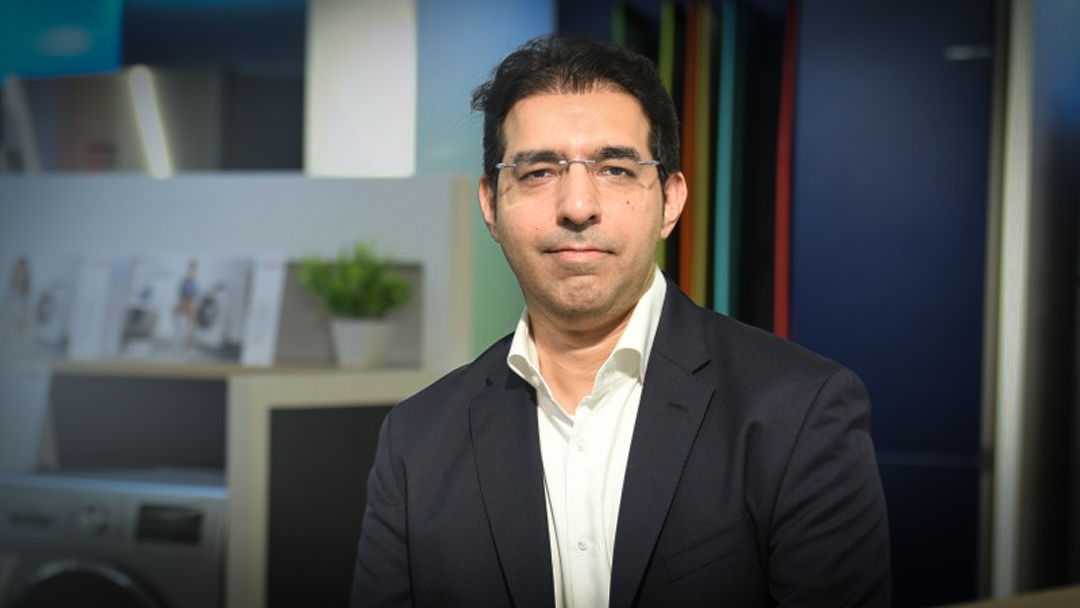
In a conversation with MySmartPrice on the sidelines of IFA 2026 in Berlin, Rudolf Klotscher, Chief Sales and Service Officer, BSH Group, and Saif Khan, MD and CEO, BSH Home Appliances India, outlined how the company intends to approach the market. From changing kitchen layouts and AI-assisted cooking to new laundry formats, the discussion centred on making technology relevant to local needs. Their assessment was that Indian consumers are willing to spend more on appliances, provided the benefits are clear and the ownership experience supports the price.
India's position within the group reflects the scale of that ambition. According to Klotscher, BSH made India a standalone region in June 2026, separating it from its broader emerging-markets organisation. The move underlines the importance of a market where the company sees scope to attract first-time buyers, introduce newer categories and remain relevant as households move towards more sophisticated appliances.
Growth Beyond the Replacement Cycle
Asked whether frequent technological upgrades were shortening appliance replacement cycles, Klotscher described a picture that varies considerably by market. Financial pressures and uncertainty are encouraging consumers in some countries to repair existing appliances rather than replace them. India presents a broader opportunity because ownership across several categories remains limited. Refrigerators and washing machines have an established place in many homes, but dishwashers, dedicated dryers and built-in cooking appliances are still at a much earlier stage of adoption.
For BSH, expanding demand means helping consumers understand how an unfamiliar appliance would fit into their routine. Selling a household its first dishwasher or dryer involves addressing questions about usefulness, suitability and running costs, alongside demonstrating the results. The executives pointed to the company's work in dishwashing as a reference for its approach to dryers, steam ovens and fully automatic coffee machines. Opportunities to experience the products become particularly important when buyers are still deciding whether they need the category at all.
Klotscher also stressed the importance of serving consumers at different stages of appliance ownership. A household may progress from a basic refrigerator to a larger format, or from an entry-level washing machine to a higher-capacity front-loader and eventually a separate dryer. BSH wants to remain relevant through those transitions. Although India's size makes even the luxury segment attractive, the executives argued that a wider business requires products consumers can access at different points in their lives, supported by dependable service.
The Changing Kitchen Creates a Larger Opportunity

Kitchens offer a particularly visible example of how expectations are evolving. Open layouts and island counters have brought cooking spaces closer to the living area, making appliances part of a home's overall design. Buyers are increasingly considering appearance, fit and finish alongside functionality, creating opportunities for built-in ovens, integrated appliances and coordinated kitchen installations. The executives also pointed to the growing capabilities of Indian kitchen manufacturers, whose choice of colours, finishes and relatively quick turnaround times could support wider adoption.
Success in built-in appliances, however, depends on more than the product itself. Klotscher explained that a freestanding refrigerator purchase largely revolves around capacity, features, dimensions and price, while a built-in installation requires closer coordination between the appliance supplier, kitchen manufacturer and customer. Measurements must be precise, delivery must coincide with the readiness of the furniture, and installation must account for both. Service support remains essential once the kitchen is complete.
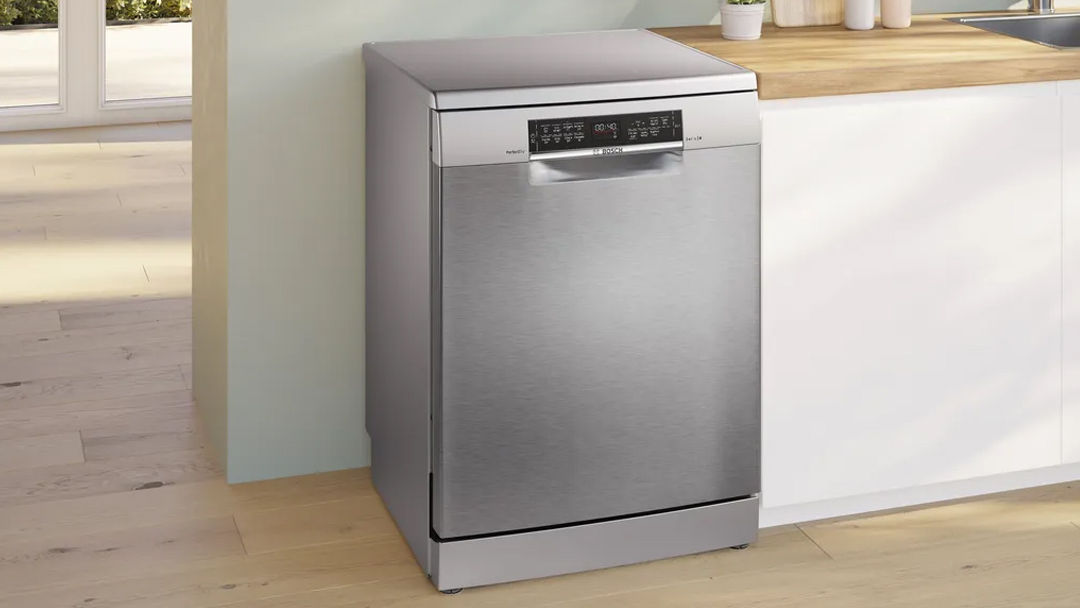
BSH sees an opportunity to compete on its ability to manage the purchase and installation process as a whole. For consumers investing in a new kitchen, timely delivery, correct fitting and accessible after-sales support carry considerable weight alongside the appliance's performance. As built-in products reach more homes, the quality of execution will help determine whether buyers feel their investment has been worthwhile.
AI Needs to Make Everyday Cooking Easier
With AI featuring prominently across appliance launches, I asked Klotscher where the technology was making a meaningful difference to daily use. He pointed to recipe conversion for the Cookit cooking appliance as one example. As he described it, users can photograph a recipe, including a handwritten family favourite, and have it converted into instructions the appliance can work with. The intention is to extend guided cooking beyond an existing recipe catalogue and make it easier to prepare dishes a household already enjoys.
Helping users adapt familiar recipes gives AI a practical purpose. Buying a new cooking appliance does not necessarily mean wanting to change what is served at home, and the ability to work with existing preferences could make the technology easier to adopt. How well the feature handles approximate measurements, regional ingredients and loosely written instructions would need to be assessed through hands-on use. Even so, the proposed benefit is clear enough for consumers to judge against their own needs.
Klotscher described AI as a means of making the consumer experience more seamless. In India, the usefulness of such features will depend heavily on their ability to accommodate local cooking habits. Guided programmes and automated settings gain relevance when they reflect the food people prepare regularly. For BSH, the opportunity lies in making those benefits dependable enough to become part of everyday cooking.
Laundry Innovation Must Reflect How Households Wash
Laundry offered another example of why local habits matter. Asked about the relevance of multi-drum washing machines in India, Khan drew a distinction between Indian and Chinese households. In China, demand includes separating baby clothes, undergarments and other categories of clothing. Indian consumers, he suggested, may find two similarly sized drums more useful for handling separate everyday loads, particularly when dividing whites and colours.
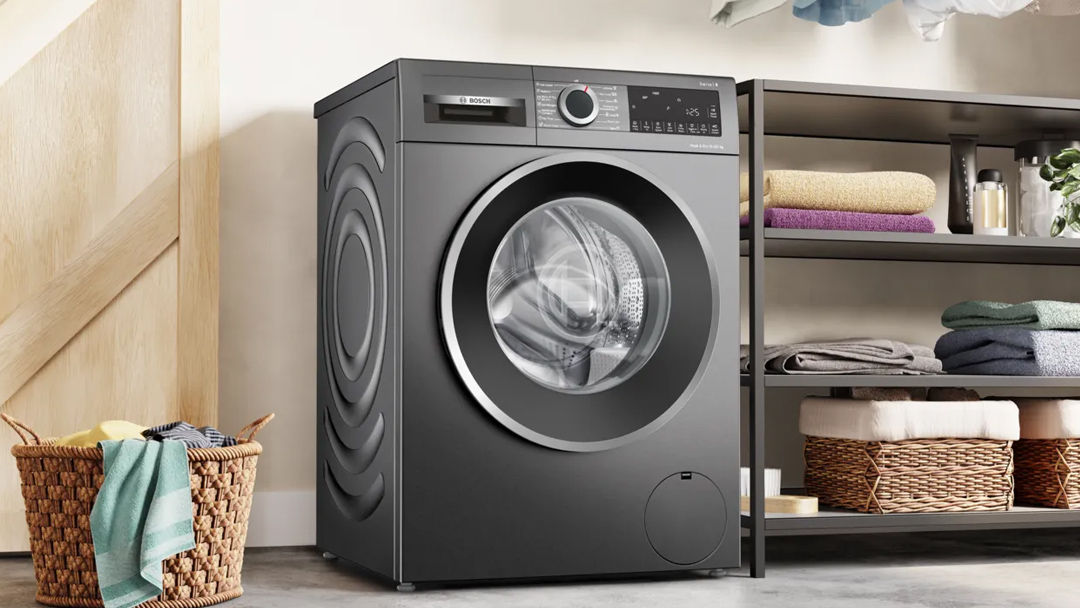
Practical capacity therefore becomes an important consideration. A large main drum accompanied by smaller compartments may serve certain needs well, but may be less useful for a family considering a second washing machine to manage substantial loads. Klotscher also highlighted the engineering demands of multiple drums and water connections, noting that the additional complexity makes product quality and service capability particularly important. Wider adoption will depend on how well these configurations meet household needs and how reliably manufacturers can support them.
Washer-dryers raise a related question about how advertised capacity translates into daily use. Khan emphasised drying time and usable capacity as important considerations for Indian buyers, citing the example of a machine that washes 10kg but dries 7kg. Users would need either to begin with a smaller load or remove some clothes before drying. BSH made the case for separate washers and dryers, including stacked installations, for households seeking dedicated drying performance without placing two appliances side by side.
For buyers, the complete laundry process is a more useful measure than washing capacity alone. How much can be washed and dried in one go, how long it takes and whether someone needs to intervene between stages all affect convenience. Explaining those differences clearly will be important as brands seek a larger audience for dedicated drying appliances in India.
Premium Growth Will Depend on Demonstrable Value
Khan described India as a value-conscious market, arguing that consumers are willing to pay higher prices when the benefits justify the spending. A more convenient laundry routine, a kitchen designed around the household's needs, or an appliance that simplifies familiar cooking tasks can provide that justification. Premium positioning establishes an expectation, but product performance and service ultimately determine whether it is met.
India's elevation to a standalone region signals BSH's commitment to the opportunity. Its growth ambitions encompass both households upgrading familiar appliances and those considering a category for the first time. Reaching the latter will require products suited to Indian homes and routines, supported consistently through installation, everyday use and repair. For a buyer making room for an unfamiliar appliance, confidence in the ownership experience can be as persuasive as the technology itself.