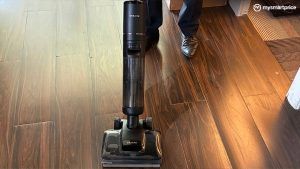
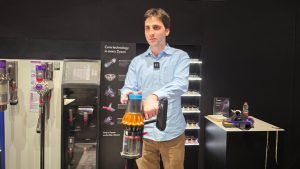
For Indian homes where mopping is part of the daily routine, picking up dust is only half the job. A floorcare machine also needs to deal with food spills, dried stains and the dirty roller left behind once the cleaning is done. These demands are shaping how Dyson approaches its wet cleaners and robots, according to Nathan Lawson McLean, Senior Design Manager, Floorcare & Robotics at Dyson.
Speaking to MySmartPrice on the sidelines of IFA in Berlin, McLean discussed the company's new floorcare machines, how stain detection influences a robot's cleaning decisions, and why frequent use in Indian homes matters to its testing process. Across the conversation, the focus was on making machines handle more of the cleaning routine, including their own maintenance.
Vacuuming and Mopping Are Part of the Same Routine
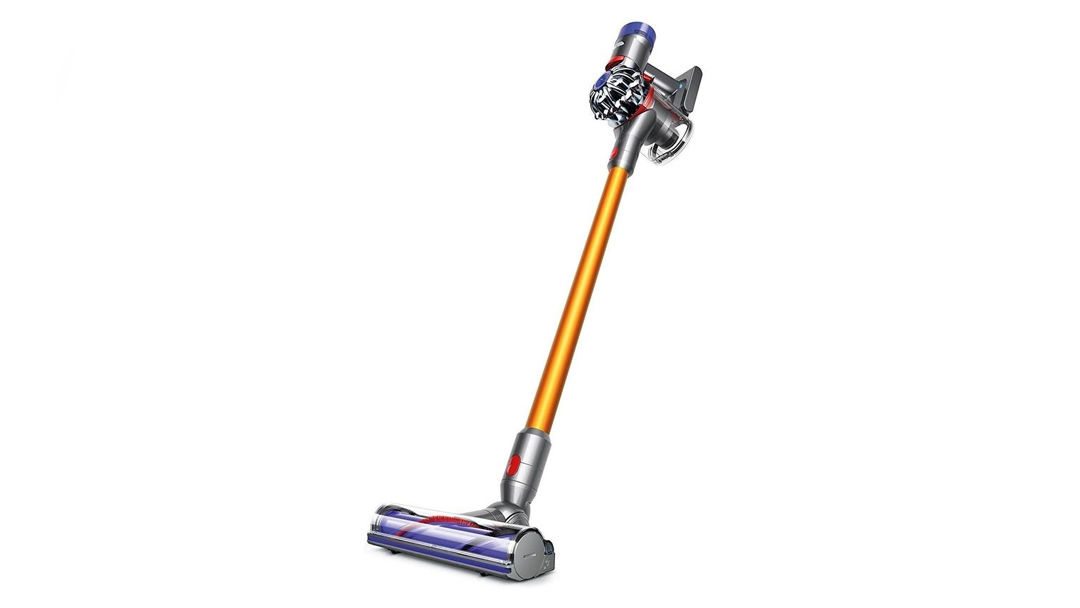
"It used to be just about vacuuming, now it's about mopping as well, which we know is a huge part of the routine in India too," McLean said.
The challenge is that loose dust, hair and dried stains need different cleaning actions. A machine combining vacuuming and mopping must collect debris while also loosening marks and absorbing liquid. Dyson's new W1 PencilWash puts much of that responsibility on its roller.
McLean described it as the company's most absorbent roller yet, with more than 84,000 filaments, including nylon bristles. It is 16% denser than its predecessor, a change intended to improve both agitation and capillary action: the roller's ability to loosen dirt and draw in liquid.
Dyson says this helps it tackle stains, wet debris and hair in one pass. The engineering focus is relevant because a wet cleaner's usefulness depends on how effectively it handles the mess on the floor, rather than simply leaving the surface wet.
Maintenance Is Part of the Product Experience
A wet cleaner can save time on the floor and still leave its owner with a messy cleanup afterwards. McLean said Dyson has addressed this in the W1 PencilWash through a redesigned waste system that separates dry and wet debris at the cleaner head for easier disposal.
Returning the machine to charge also automatically starts a self-cleaning cycle to remove residue from the roller.
"People are really looking for a more hygienic and thorough clean," he said. "That's exactly what we're trying to do with the brand-new wave of technologies, not only when it comes to cleaning the floors, but also when it comes to maintaining the machine itself."
For a device used every day, this deserves as much attention as cleaning performance. Emptying waste and washing a roller are recurring tasks, and the effort involved can determine whether a machine becomes part of the routine or stays in a corner. Automatic roller cleaning addresses part of that workload, although McLean's responses do not suggest that it eliminates manual maintenance altogether.
Stain Detection Needs to Change How a Robot Cleans
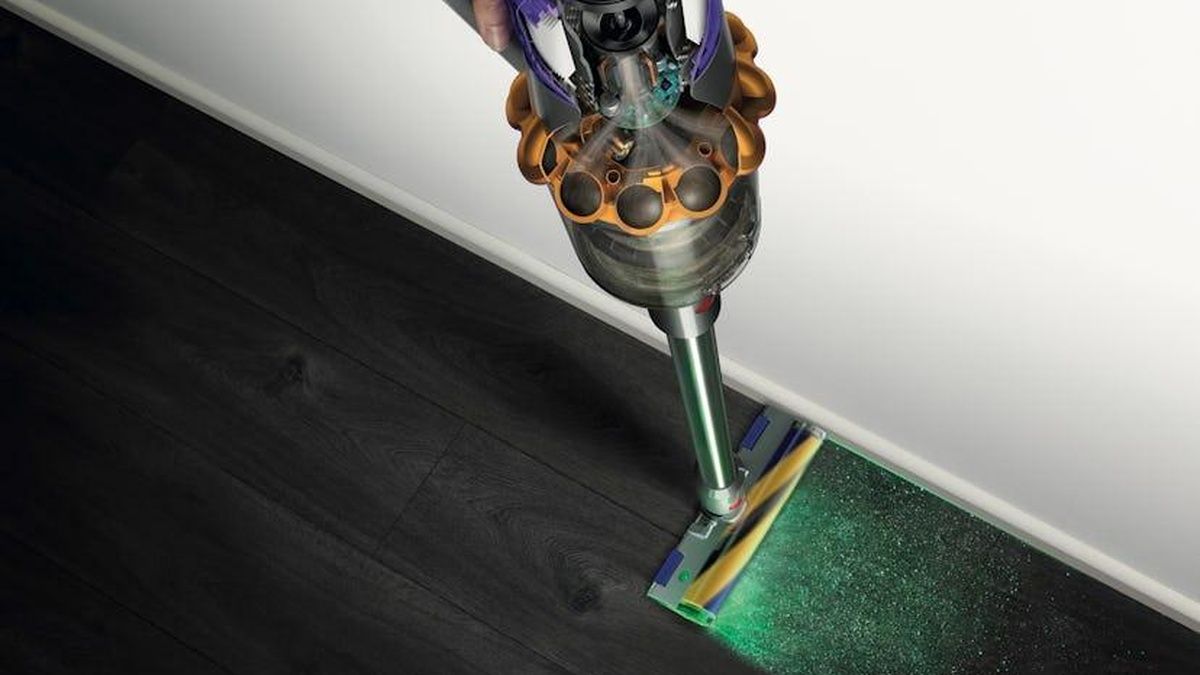
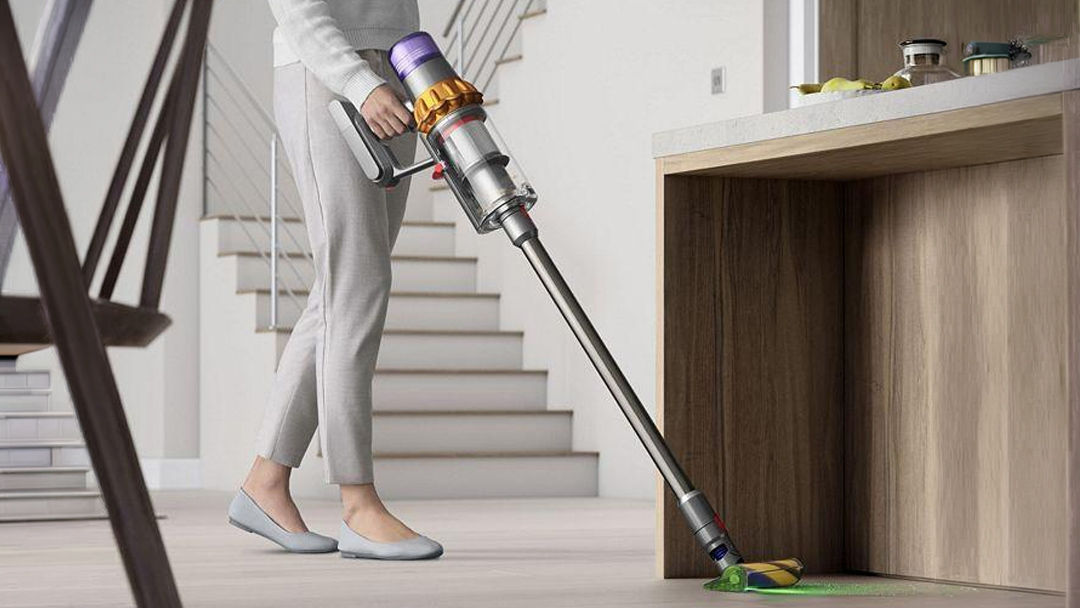
With the R3 Nurovi Spot+Scrub UV, Dyson is using detection to determine how the robot approaches a stain. McLean said the system combines an AI detection algorithm with green LED illumination and an HD camera. UV light, he added, helps reveal particles and stains that are invisible to the naked eye.
Detection is the starting point. Depending on the stain, the robot can increase hydration, slow down, lower its roller or lift its brush bar. These adjustments allow it to spend more effort on a marked area instead of treating the entire floor in the same way.
"It goes over the area repeatedly, checking each time, until the stain is fully removed," McLean said.
The significance is in that feedback process: identify the stain, adjust the cleaning action and inspect the area again. It gives the camera and algorithm a specific purpose, with the aim of reducing the patches a user has to clean manually after the robot finishes.
How consistently it can recognise and remove different stains will need testing. McLean's explanation does, however, move the discussion beyond the presence of AI to the cleaning decisions it is meant to enable.
Indian Homes Contribute to Training and Testing
McLean said Dyson trains its stain-detection algorithms across homes worldwide, including Indian homes. Cleaning frequency also informs the company's development process.
"We also know Indian homes tend to vacuum as well as mop every single day, which means they need incredibly reliable and robust machines," he said. "We build that knowledge into our test methods to make sure our wet and dry cleaners are fit to meet the demands of Indian consumers."
Daily use places a different demand on a machine from occasional spill cleaning. The roller, waste system and other components must withstand repeated cleaning cycles, while maintenance needs to remain manageable.
His answer establishes that Indian homes contribute to algorithm training and that their cleaning habits influence testing. It does not specify the local stains, floor types or test conditions involved. Still, the emphasis on frequency is pertinent: a product intended to replace part of a daily household task needs to be designed for that workload.
More Intelligence, but No Promise of a Range-Wide Rollout
Asked whether intelligent cleaning features would remain premium or become standard, McLean said falling technology costs were creating more opportunities to address user needs.
"As engineers and designers, we love to see the cost of technology come down so we can use it to solve user problems," he said.
He pointed to the camera on the R3 Nurovi Spot+Scrub UV, explaining that it serves a defined function by helping the robot see hidden stains. Whether similar technology would extend across Dyson's entire range was less certain. "I hope so, you'll have to wait and see," he said.
For buyers, the useful measure of this technology will be the amount of work it takes off their hands. A robot that identifies a stain but leaves it behind still needs supervision; a wet cleaner that handles a spill but is cumbersome to wash creates another chore. Dyson's approach addresses both sides of that equation. Its success will depend on how well the machines manage the full routine, day after day.