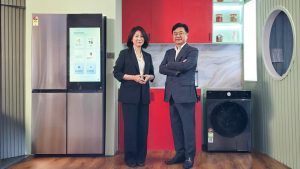
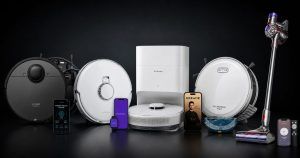
Xiaomi is shifting its gaze from the palm of your hand to the heart of your home. After a record-breaking first half of 2026, the company is set to launch an aggressive H2 strategy that aims to disrupt the dominance of traditional giants like Samsung and LG in the Indian household.
In a conversation with MySmartPrice, Sandeep Sarma, Associate Director – Marketing & PR, Xiaomi India, said the company’s focus is shifting from chasing volumes alone to building higher-value categories and deeper ecosystem experiences. That strategy is now extending beyond phones and TVs, with Xiaomi preparing its play in categories such as refrigerators and air conditioners, while also strengthening its smart home portfolio with Made-in-India air purifiers, tablets, and connected accessories.
The Big Plan: Challenging the Titans of Large Appliances
The most ambitious pillar of Xiaomi’s upcoming second half is its high-stakes entry into the large appliances market. The company is no longer just “evaluating” timing; it is actively preparing to challenge established leaders in the refrigerator and air conditioner (AC) segments.
Xiaomi feels uniquely prepared for this logistics-heavy category. As leadership noted during our recent interaction, the company already successfully manages the transport and warehousing of fragile 75-inch QLED and Mini LED TVs, which are arguably more difficult to handle than a standard refrigerator. This infrastructure gives them a significant head start. To lead this charge, Xiaomi has brought in Alex Tang as the new GM for South Asia, specifically for his expertise in localization and the large appliances segment.
While Xiaomi has already seen strong momentum for large home appliances in overseas markets, the Indian expansion is about bringing the “Xiaomi way” to the kitchen and bedroom. The brand’s ambition is best summed up by the Sarma’s vision for the product range: “We want to do it Xiaomi way, where people see it, and they are like ‘I want it,’ and that’s actually worked out wonderfully for us in the other categories. We just need to ensure that we have the right inputs to ensure that the output is also good”.
Air Purifiers: A “Made in India” Moment of Glory
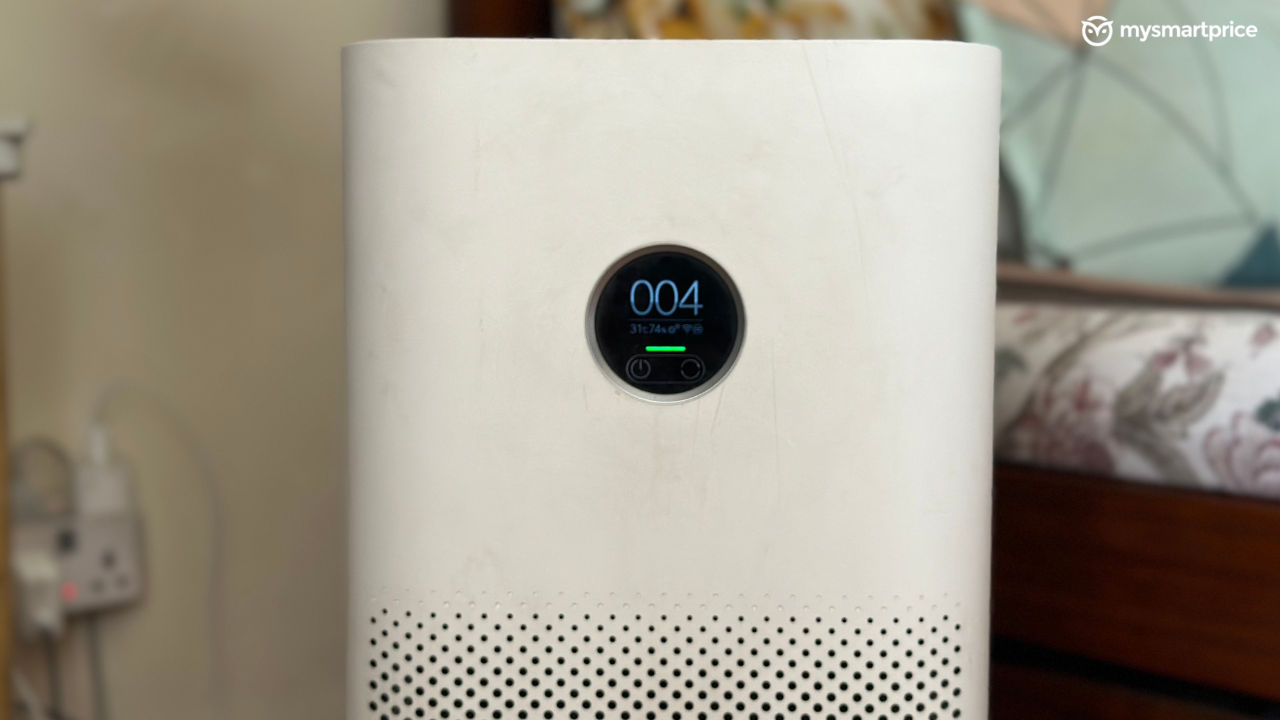
Air Purifiers will play a starring role in the H2 roadmap, with Xiaomi transitioning to local manufacturing in India. This move is a strategic shift designed to solve supply chain inefficiencies and directly address the “pain points” Indian consumers face. By localizing production, Xiaomi aims to offer the same performance leadership that has made its smartphones a household name.
At the MSP lab, our internal testing has consistently shown Xiaomi’s air purifying bagging top-tier results in performance. So we had been waiting for the company to get the latest global range to Indian shores, and the move to local manufacturing suggests H2 2026 will finally deliver a portfolio tailored specifically for the Indian environment. So look forward to more detailed, insightful reviews that are backed by our testing data.
The Deepening Ecosystem: From Power Banks to Tablets
Beyond the major appliances, Xiaomi is simultaneously deepening its existing ecosystem. Power banks are set for a “Max” upgrade, shifting from basic reliability to advanced, feature-rich hardware previously reserved for flagship global markets.
The momentum is also visible in portable computing. The recently launched Xiaomi Pad 8 has ushered in a new era for the brand, featuring a thinner design and workstation-level performance powered by the Snapdragon® 8s Gen 4. Our lab results reflect this upward trajectory, showing that Xiaomi’s “Human × Car × Home” strategy is no longer a concept but a tangible reality for Indian users.
H1 2026 Retrospective: A Foundation of “Value over Volume”
Xiaomi also took time to sahre with us that this aggressive expansion is fueled by a stellar H1 performance that proved Indian consumers are ready for a more premium Xiaomi. The company shared that it has recorded a staggering 35.6% year-on-year growth in smartphone Average Selling Price (ASP) during Q1 2026.
This growth was a deliberate strategic shift. Sarma articulates this as, “Everything we are doing goes back to the goal we have set, which is that we are working towards value and not just volume. Volume can be a byproduct, and that’s fine, but we want to concentrate on value because that is where you build a user base that is more loyal to the brand, sticks with you, and helps build the larger ecosystem”.
With the premium Xiaomi-branded segment growing by 45% and the “mid-premium” (INR 35K–50K) segment exploding by 212%, the foundation for a premium home ecosystem has never been stronger. The company is also betting big on its recently launched REDMI Turbo 5, which was launched just this week.