The Samsung Galaxy S25 Ultra is essentially ‘excellence on repeat’. Why do I say that? For starters, it’s still the ultimate boss of the Android family tree — so it remains ‘excellent’ in almost all regards. As for the ‘repeat’ label, instead of a complete hardware overhaul, Samsung has focused on subtle refinements this year.
Samsung Galaxy S25 Ultra
Rs 1,29,999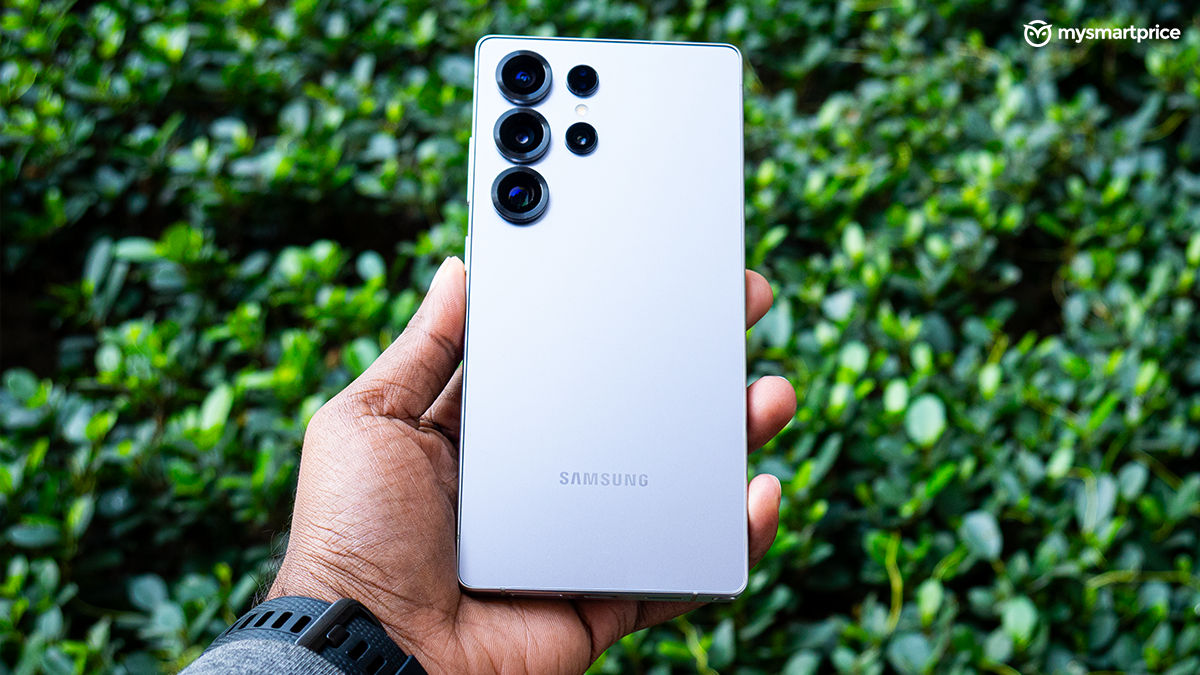
What Is Good?
- Excellent, smooth, and huge display
- Anti-reflective coating on the display is very useful
- Shaved off a few weight, better ergonomics
- Fluid and snappy UI, 7 years of software support
- Some AI features are handy
- Great camera setup in general, upgraded ultra-wide sensor
- Reliable battery life
What Is Bad?
- Expensive
- Iffy haptic feedback
- Slow charging speeds
- S Pen functionality reduced
This approach is more apparent in the design language of the S25 Ultra. The last remnants of the Galaxy Note series can no longer be found in the newer model. It embraces a more angular form, with its boxy edges softened by rounded corners. So, why are there no significant hardware changes? Samsung’s shift is intentional, giving Galaxy AI and its software integrations a louder voice. Let’s find out in this review how this shift pans out for the end user.
Design and S-Pen
The S25 Ultra looks more like an ‘S’ series smartphone rather than an amalgamation of Note and S-series. The design language is more in touch with the Galaxy S25 and S25 Plus (Review), with sharp edges that make way for rounded ones. I feel that all this makes the phone ergonomically sane and allows for an easier grip.

| Design | Specifications |
| Build Material | Titanium |
| Colours | Titanium Gray, Titanium Black, Titanium Whitesilver, Titanium Silverblue,
Exclusive colours: Titanium Jetblack, Titanium Jadegreen, Titanium Pinkgold |
| Weight | 218 grams |
| Dimensions (HxWxD, mm) | 162.8 x 77.6 x 8.2 |
| IP Rating | IP68 |
The side frames are flatter, further helping with the grip. That said, this remains a two-handed phone because of the phablet-like form factor. The port and button placements remain the same, including the S-Pen slot. Samsung still opts for the Titanium build for the S25 Ultra, but this time around, it shaved a few grams off. In comparison to the Galaxy S24 Ultra (Review), the newer model weighs 14 grams lighter. Besides this, the front and rear are both layered by Gorilla Glass Armor 2, so you should be safe from scratches.
The colour options available for the S25 Ultra continue to be boring, except for the few online exclusive options. Just like last year, you’ll get an IP68 rating for protection against water and dust.
Samsung has taken a questionable path with the S-Pen on the S25 Ultra. Aesthetic-wise, it looks and feels the same. But, Bluetooth support has been removed, so remote functionality has gone for a toss. This includes air gestures on the camera app or taking photos using the S-Pen button. Besides this, the rest of the functionality remains the same.
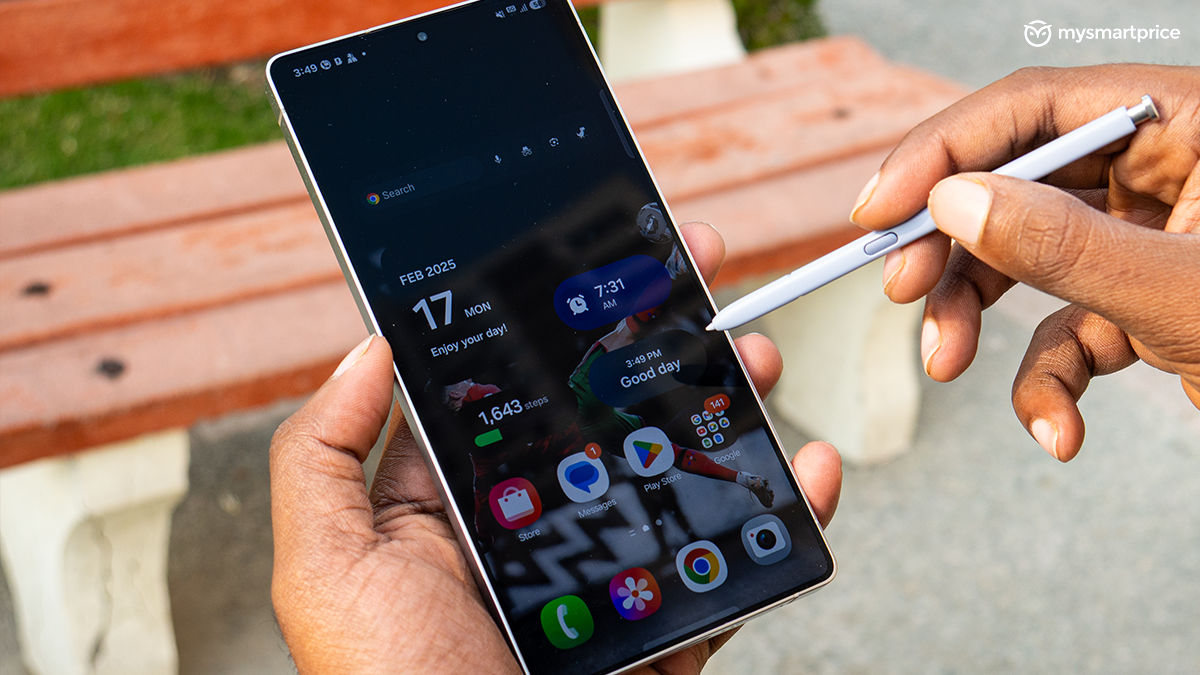
Also, if you were curious, no, the S24 Ultra’s S-Pen does not work on the S25 Ultra.
Display
The display on Samsung’s ‘Ultra’ line of smartphones continues to be unmatched. It comes with a 6.9-inch display, up from 6.8 inches from the outgoing model.

| Display | Specifications |
| Type | Dynamic LTPO AMOLED 2X |
| Resolution | 1440 x 3120 pixels, 498ppi density |
| Size | 6.9-inch |
| Refresh Rate | 120Hz |
| Protection | Corning Gorilla Armor 2 |
| Peak brightness | Claimed: 2600nits, Tested: 1906nits (HDR) |
| Minimum brightness | 01 nits |
From a hardware point of view, the display remains mostly the same. And I don’t blame Samsung. The ‘if it ain’t broke, don’t fix it’ philosophy works well here.

The anti-reflective coating is a godsend, especially if you are usually around bright lights. The screen is bright enough for outdoors, achieving 1906 nits in our tests, up from 1573 nits on the S24 Ultra. The 120Hz refresh rate continues to keep things buttery smooth. The display supports HDR 10 and HDR10+ content but skips on Dolby Vision certification, just like last year. The ultrasonic fingerprint reader is quick to unlock the phone and works reliably.
The stereo speaker setup on the S25 Ultra remains outstanding, perfect for watching movies or listening to music.
Performance, Software and Galaxy AI
With Snapdragon 8 Elite for Galaxy at its heart, the S25 Ultra faces fierce competition from the iQOO 13 (Review), Realme GT 7 Pro (Review), and the OnePlus 13 (Review) in terms of performance.
| Hardware | Specifications |
| Processor | Qualcomm Snapdragon 8 Elite for Galaxy |
| RAM | Up to 12GB LPDDR5X |
| Storage | Up to 1TB UFS 4.0 |
| Storage Test | 163649 |
| Geekbench score | Single core – 2932
Multi-core – 9930 |
| Software version | One UI 7 based on Android 15 |
| Connectivity details | Bluetooth 5.4, NFC, USB 3.2 Gen 1 port |
The S25 Ultra is a productivity powerhouse. Daily usage remains a piece of cake for the phone. Be it switching between multiple apps for documents work, or multi-tasking, the phone breezes through them all. These practical usages translate into benchmark scores also. The Snapdragon 8 Elite scores 9930 in Geekbench 6’s multi-core test. The same test on the Snapdragon 8 Gen 3 returned 6835 points with the S24 Ultra. That’s almost a 37% difference in performance.

While that’s great, the S25 Ultra is still left behind in AnTuTu benchmarks by its close competitors. The phone returned a 2.3 million score. This is lower than the iQOO 13, the OnePlus 13, and the Realme GT 7 Pro. So, by the looks of it, the exclusive tie-up with Qualcomm doesn’t translate much into hardcore performance but is leveraged more for optimisation and efficiency.
While 120fps support on BGMI is available on the rest of the Snapdragon 8 Elite phones, the S25 Ultra weirdly sits this one out. With the graphics preset set to Smooth + Extreme, the S25 Ultra consistently provided smooth 90fps gameplay. During my gaming session, the back panel did get warm to the touch, but not to an alarming degree.
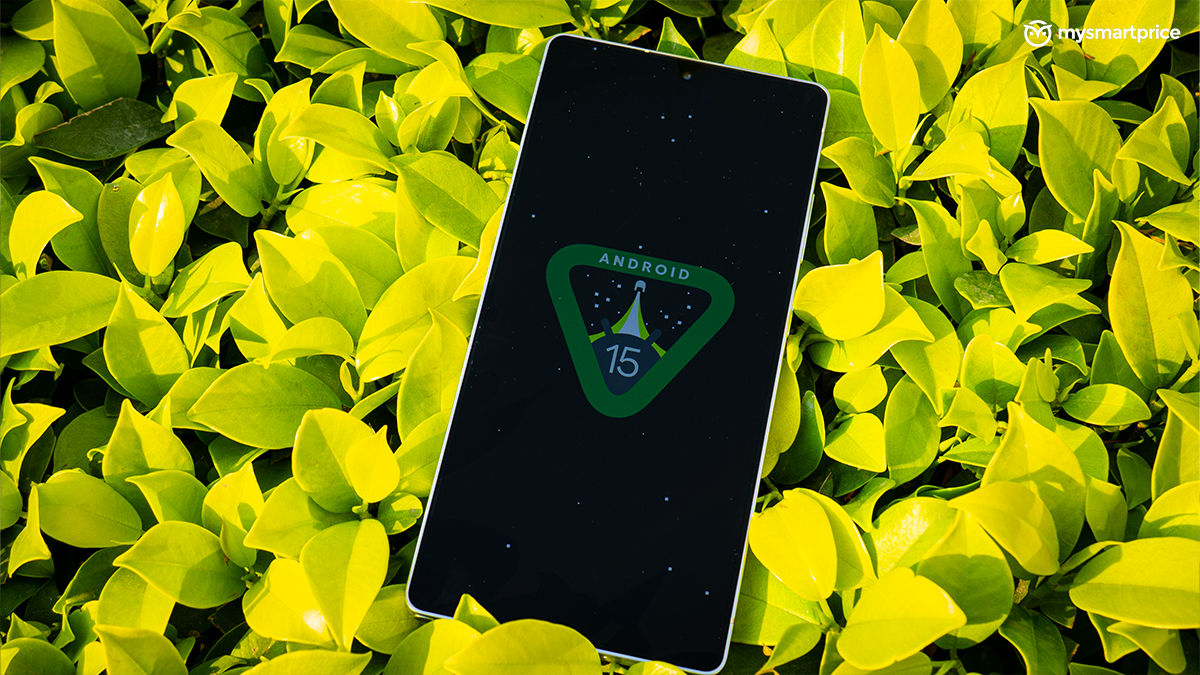
The S25 Ultra runs on One UI 7 based on Android 15. As is customary, Samsung provides a seven-year update cycle for the entire S25 series too, which is a great way of showing confidence in their phones.
The notification drawer now has iPhone-like functionality; swipe left for notifications, and right for quick toggles. One UI 7 also introduces Now Bar, which is essentially the iPhone’s Dynamic Island, but a reversed version of the same. You can switch between your music player, timer, and any live sports activities. But, as of now, it doesn’t show tracking details from apps like Uber, Swiggy, and Zomato.
Galaxy AI
Last year, Samsung introduced Galaxy AI. This year, it’s doubling down and refining them. While there are multiple features available, here are a few I personally found useful:
Now Brief: The S25 Ultra understands your daily usage pattern and routine to give you weather data, calendar invites, news, and more. This appears in the Now Bar every morning, afternoon, and evening. For example: if you have set a meeting on your calendar for the next day, Now Brief will give you a heads-up at night with the location, time, and date. Similarly, if you have a missed call, it will give you a reminder for the same before you hit the bed.

Drawing Assist: This tool brings your rough sketches to life. You can add an image or just type in a text. The feature gives you different types of options like Sketch, Watercolour, Pop art, and more. This is especially useful if you are in the creative field. It can churn out images within seconds for your video or image editing purposes.
Audio Eraser: This tool removes unwanted noise from your clip, be it wind, chatter, or even music.
Object Eraser: The object eraser on the S25 Ultra is scarily amazing in most situations. It can rebuild certain sections of your face or even your hand despite an object covering it. The accuracy can be creepy at times. But, it’s without a doubt the most useful and my favourite one so far.

Gemini’s cross-integration with apps: Using Gemini, the S25 Ultra can multi-task for you. Gemini can search for flights based on specific dates, times, and destinations, and then send the results to a friend via Messages or WhatsApp all in one prompt. Similarly, it can search a certain topic on Google and feed the summarisation of the same on your Notes app. I used this feature for looking up upcoming Real Madrid matches and asked Gemini to feed those into my Google Calendar. But, this is not exclusive to the S25 Ultra, you can do this on the OnePlus 13, Vivo X200 Pro (Review), and more.

Contextual search in Gallery app: You can search for a single term in your gallery and get images related to that in a matter of seconds. It’s essentially Google Photos’ feature now built right into your device. What’s different between the two is that on the S25 Ultra, you do not need an internet connection.
AI Select: This feature is not new, but more of a refinement. You can still make a gif out of a video with a single click, but this time around the quick actions also give you the option to use drawing assist or generative edit straight from the prompt — essentially, saving you another click and a swipe.
I think we are way past the ‘AI is a buzzword’ period. But, despite that, some of the above-mentioned features still lack consistency. Now Brief surely has potential, but in its current stage, it’s just another ‘at a glance’ widget with nothing more to add. Gemini’s cross-integration with apps is an excellent idea, but it still lacks the finesse for me to be reliable on it. Moreover, the Galaxy S25 series shares the same AI features, it would have been good to see some exclusive ones on the Ultra, considering the major price gap between the phones.
Cameras
The cameras on the S25 Ultra remain largely the same, except for the ultra-wide angle which has been bumped up to 50-megapixels. Besides that, this time around you can record videos in LOG format.

| Cameras | Specifications |
| Primary camera | 200-megapixel, f/1.7, 24mm, OIS |
| Secondary camera | 50-megapixel, f/1.9, 120-degree, ultra-wide angle camera, |
| Telephoto camera | 10-megapixel, f/2.4, 67mm, 3x optical zoom, OIS |
| Periscope telephoto camera | 50-megapixel, f/3.4, 111mm, 5x optical zoom, OIS |
| Selfie camera | 12-megapixel, f/2.2, 26mm |
| Video recording capabilities | Up to 8K 30fps for the rear cameras, 4K 60fps for the front camera, support for LOG format |
The higher-resolution ultra-wide camera shoots photos with greater detail than last year. This also means that low-light photos come out better without inviting unnecessary grains. This lens also doubles up as a macro shooter, so you can get detailed close-up shots of insects, flowers, and more.
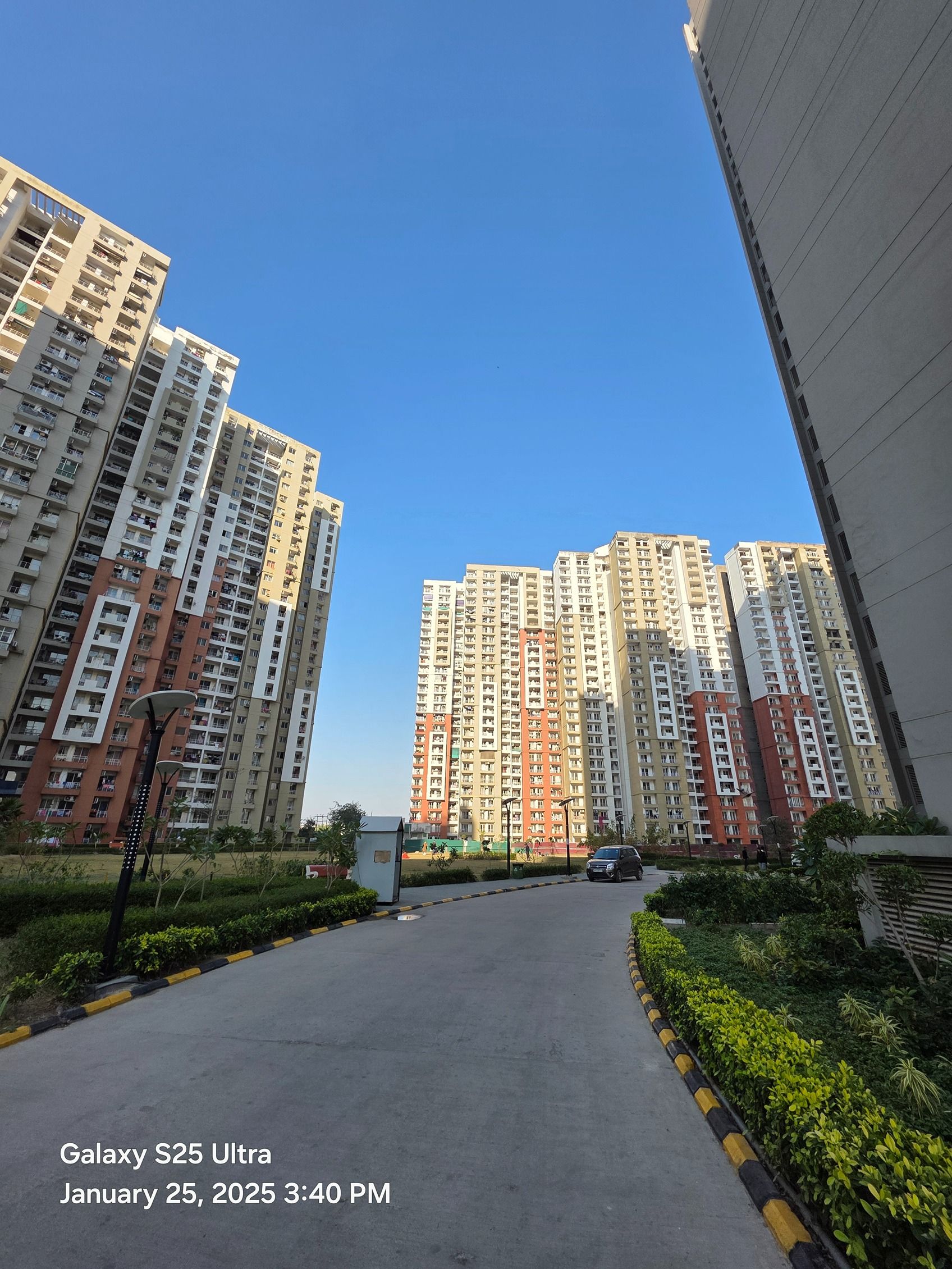

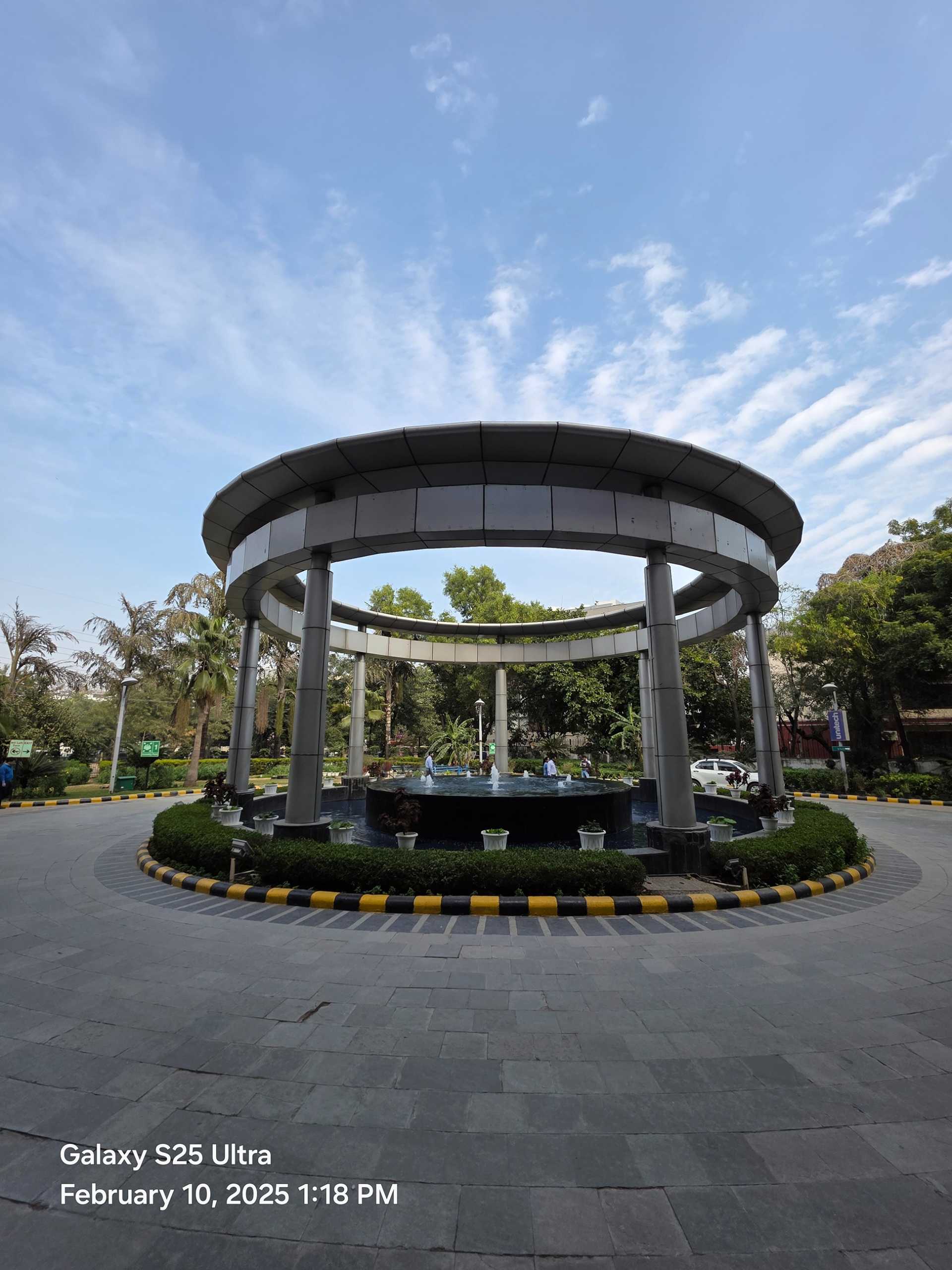
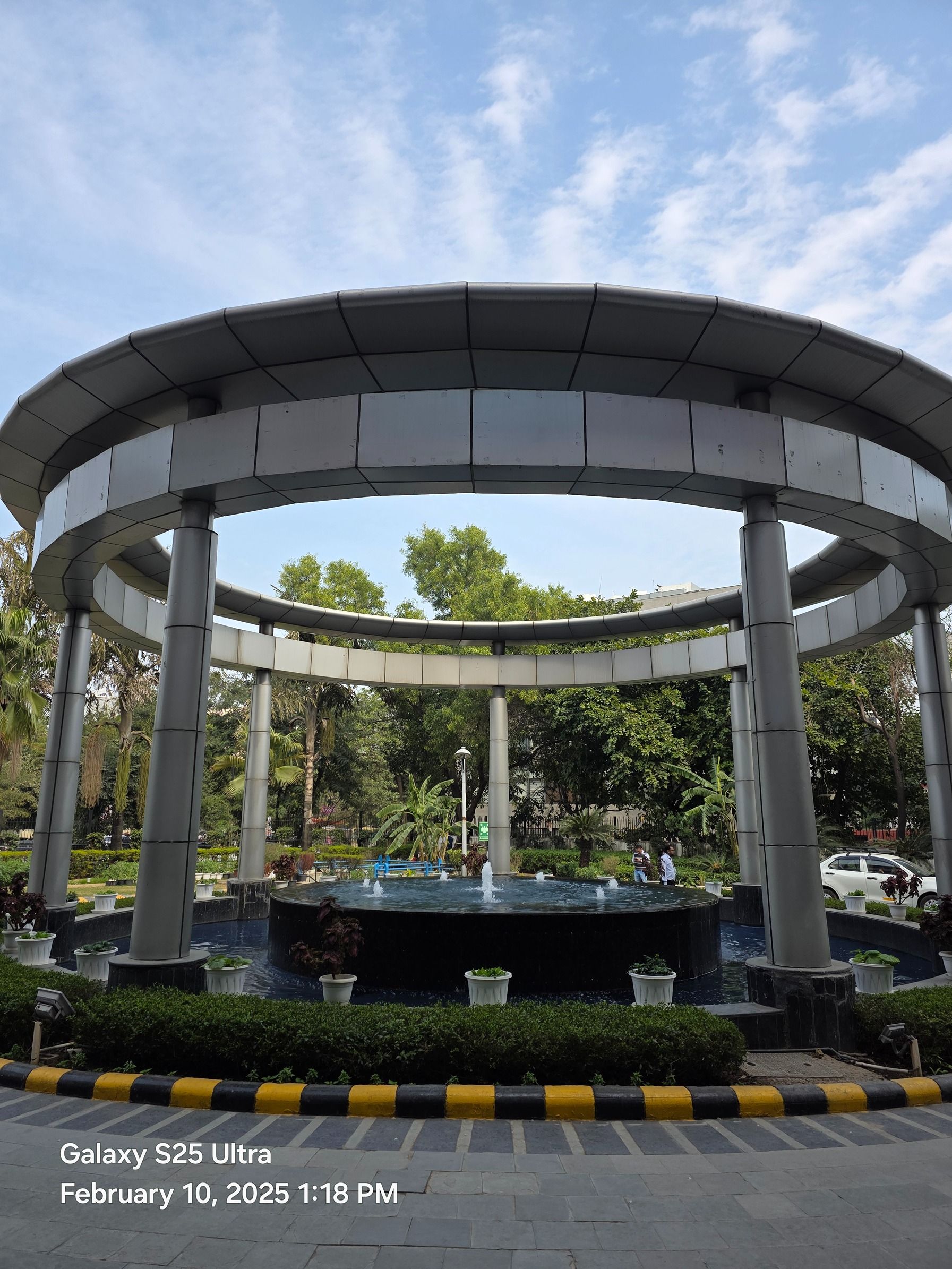
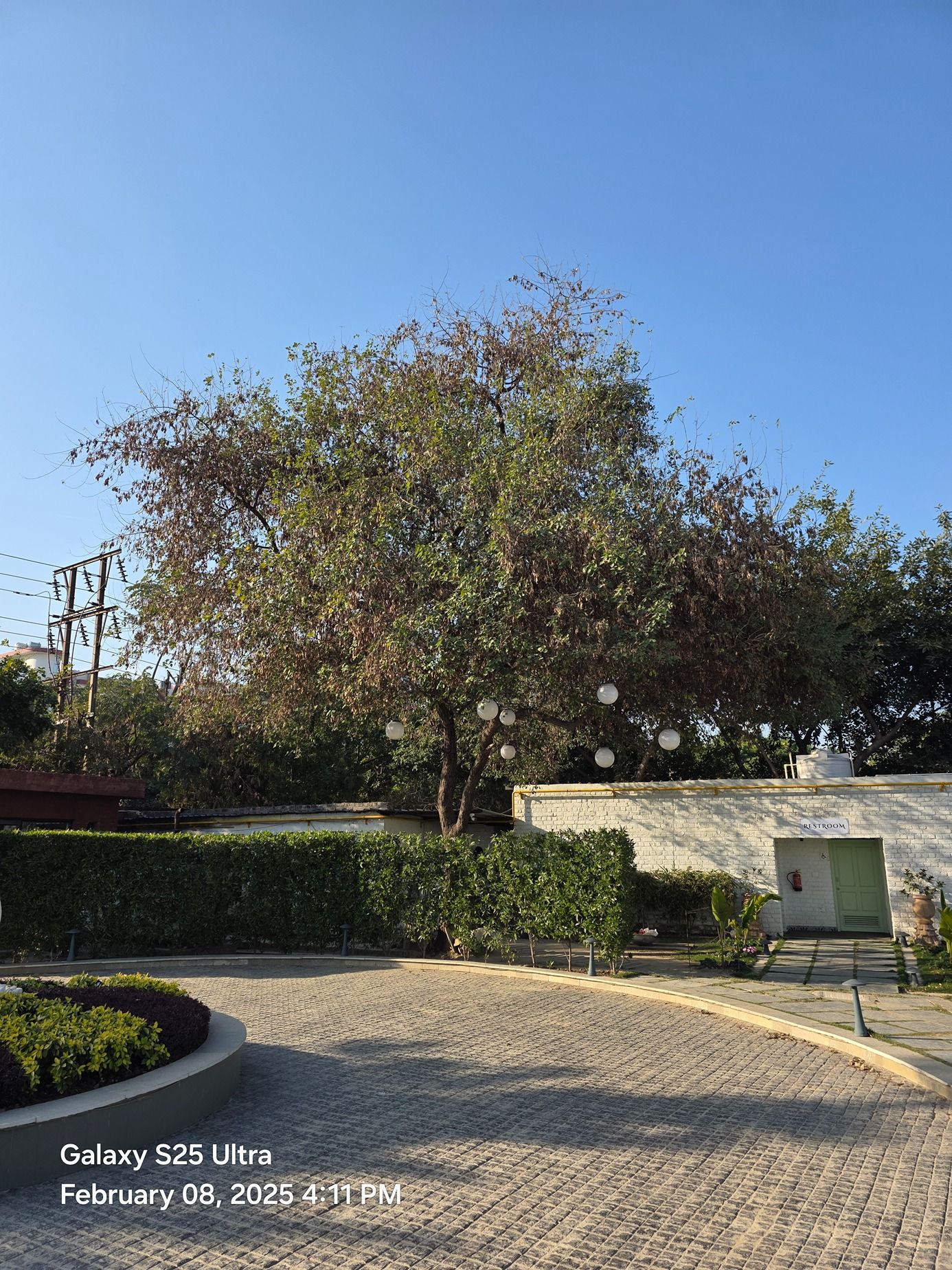
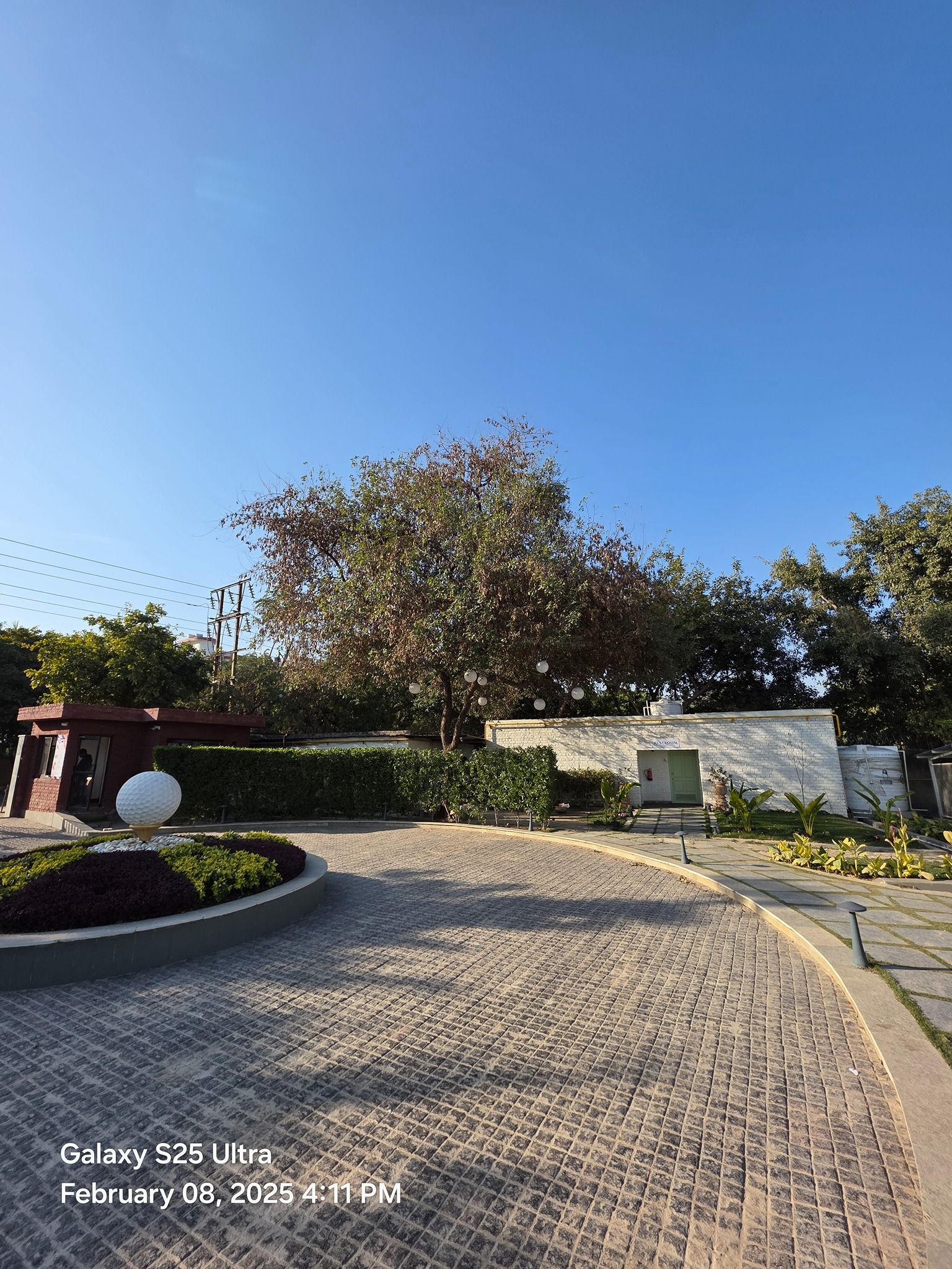
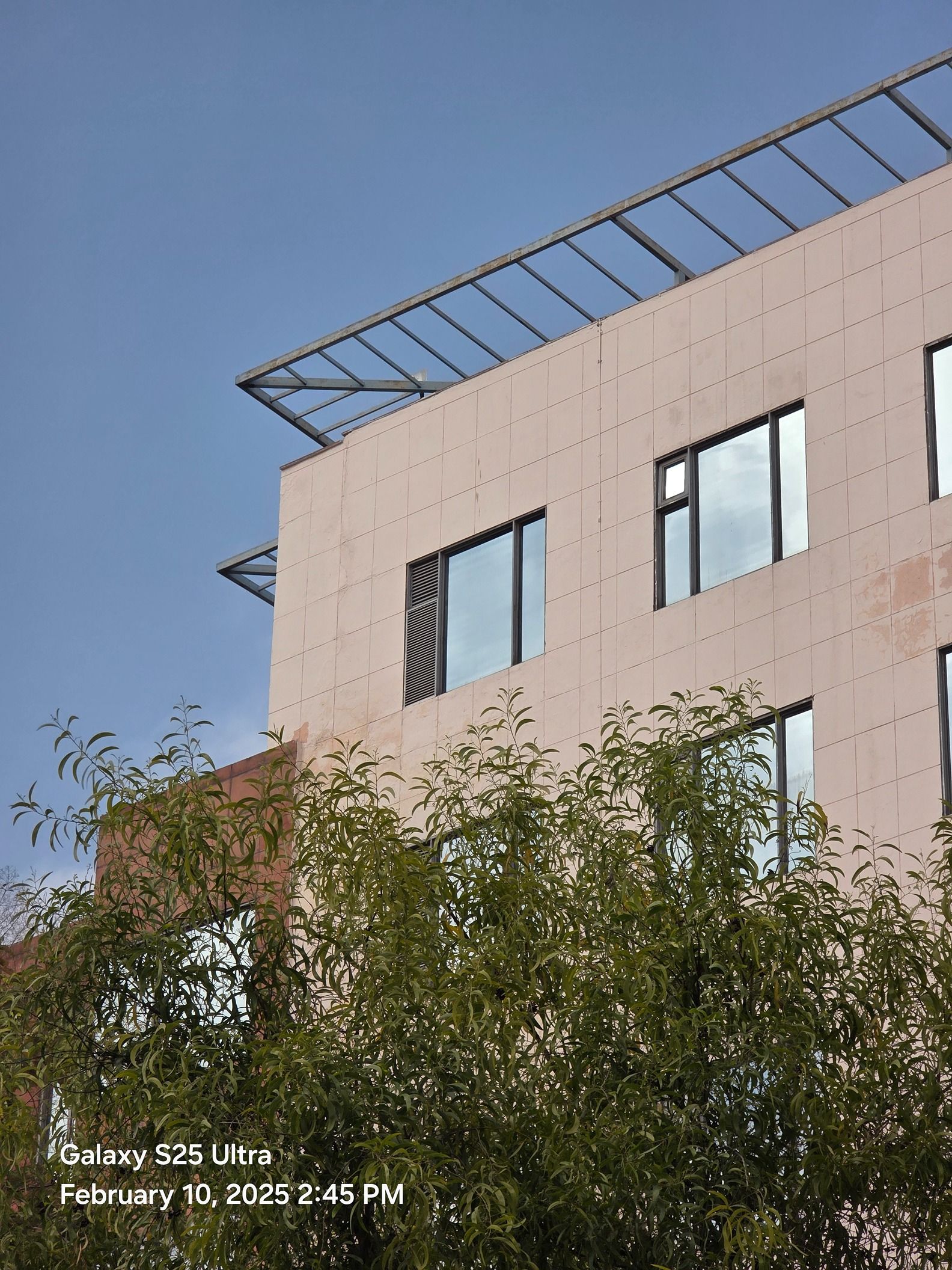




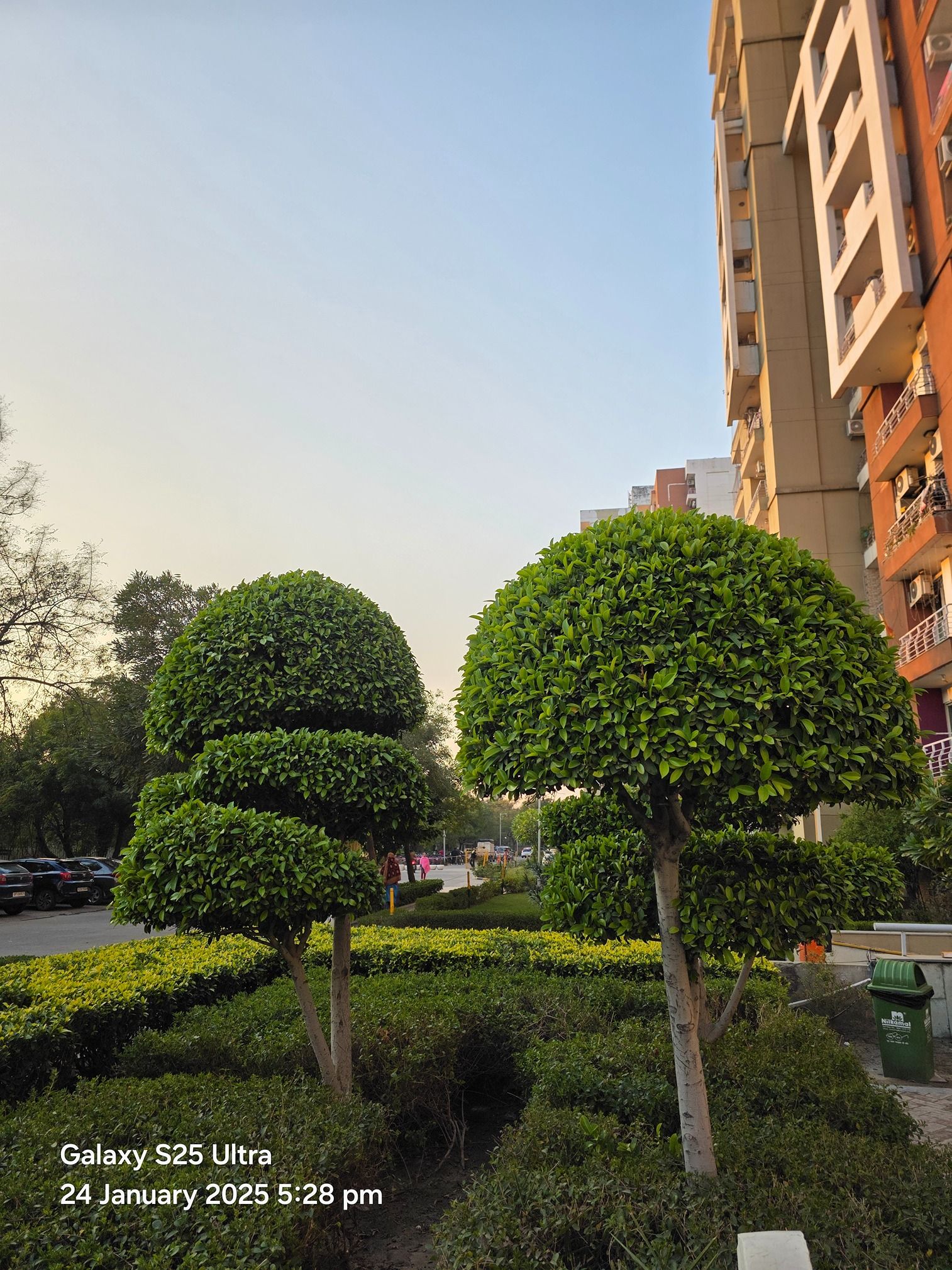
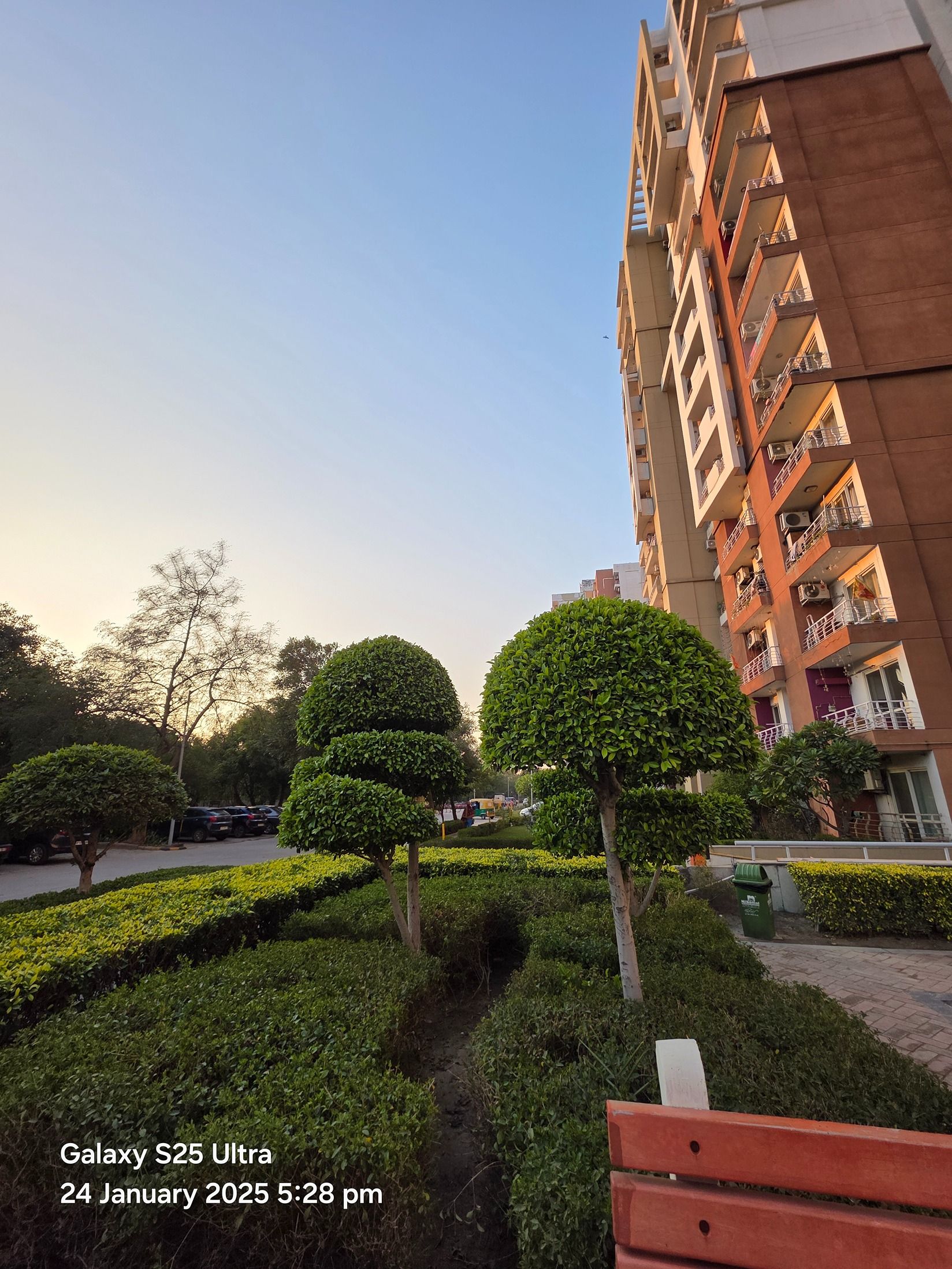
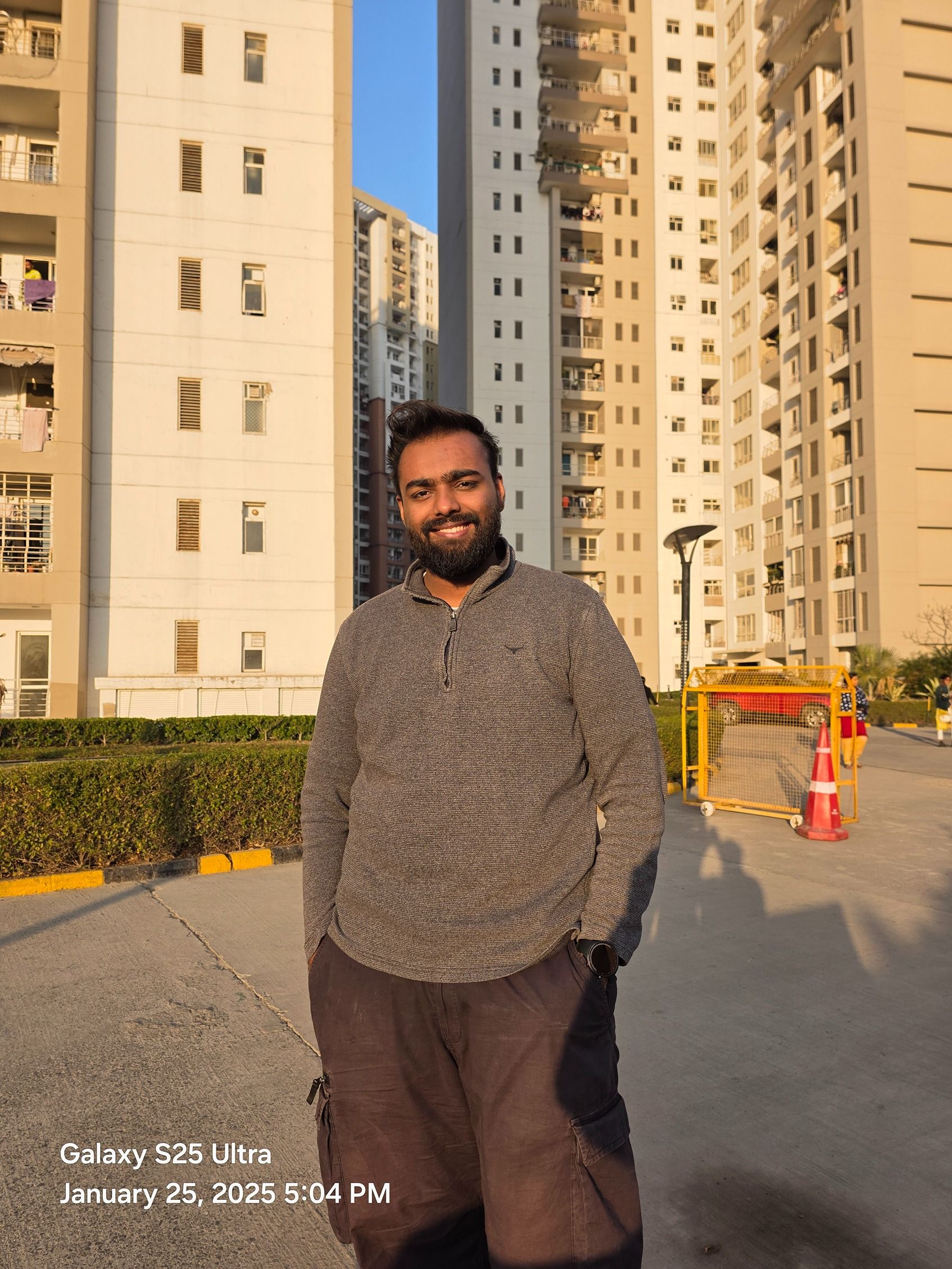
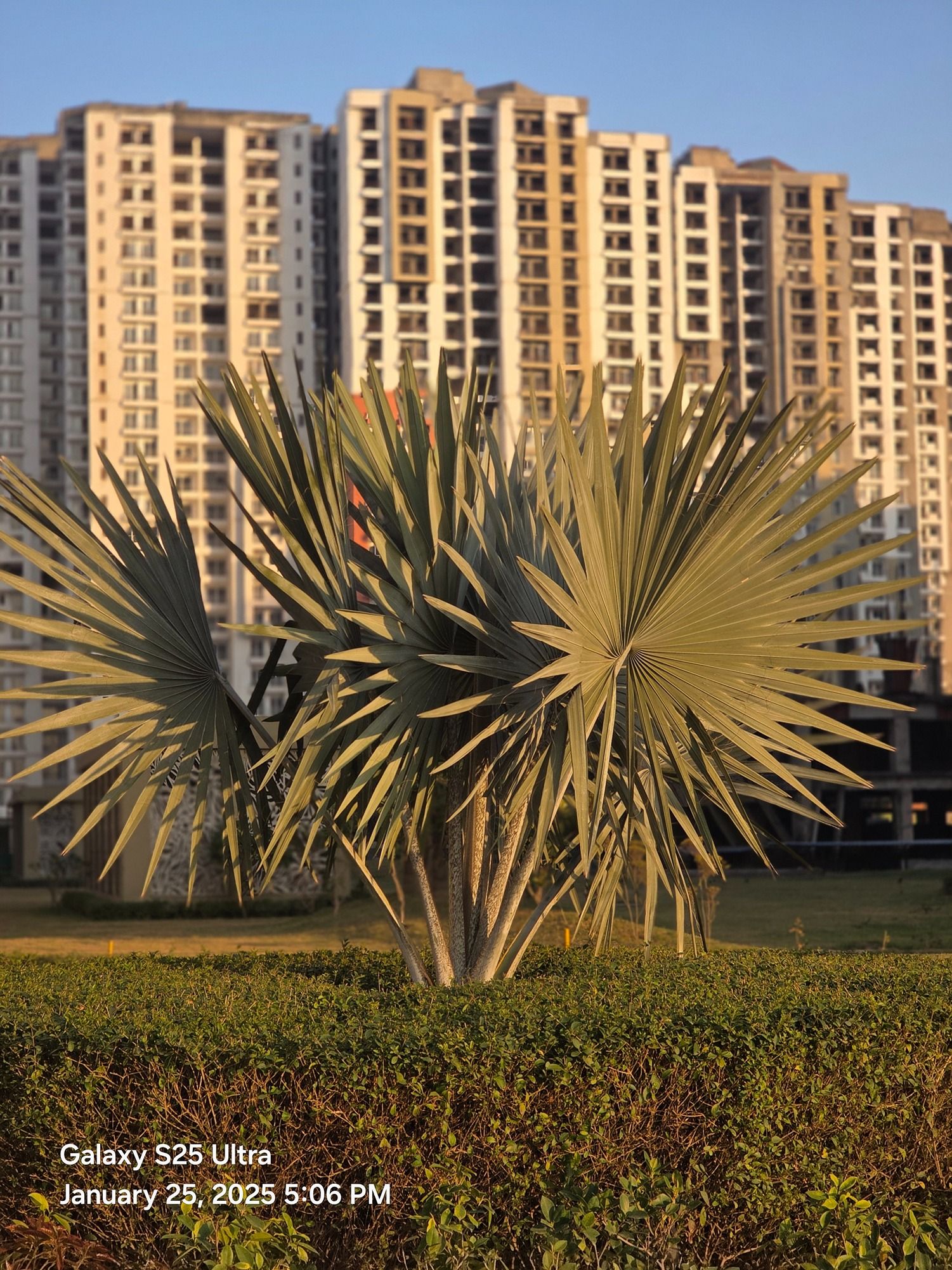
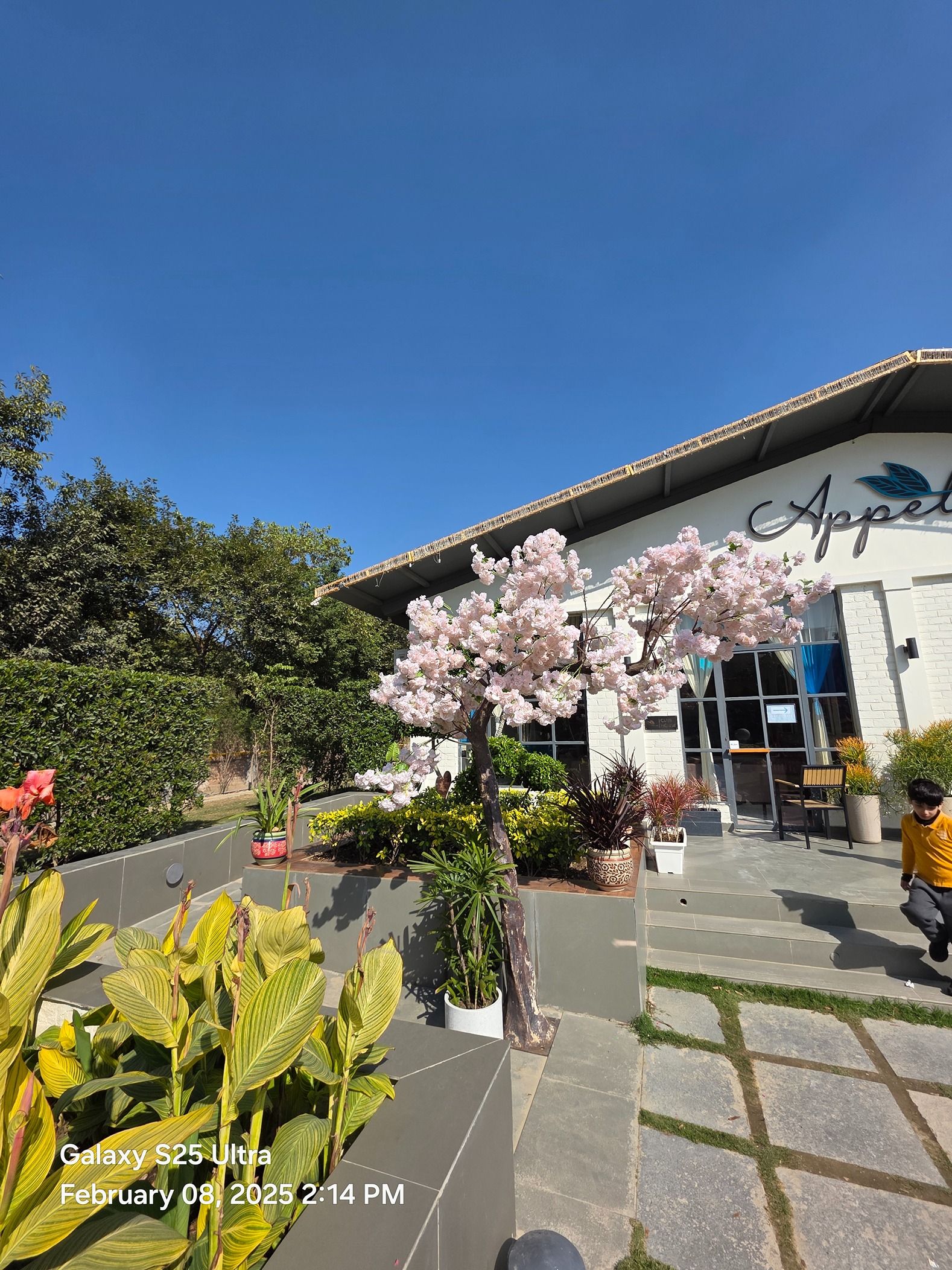
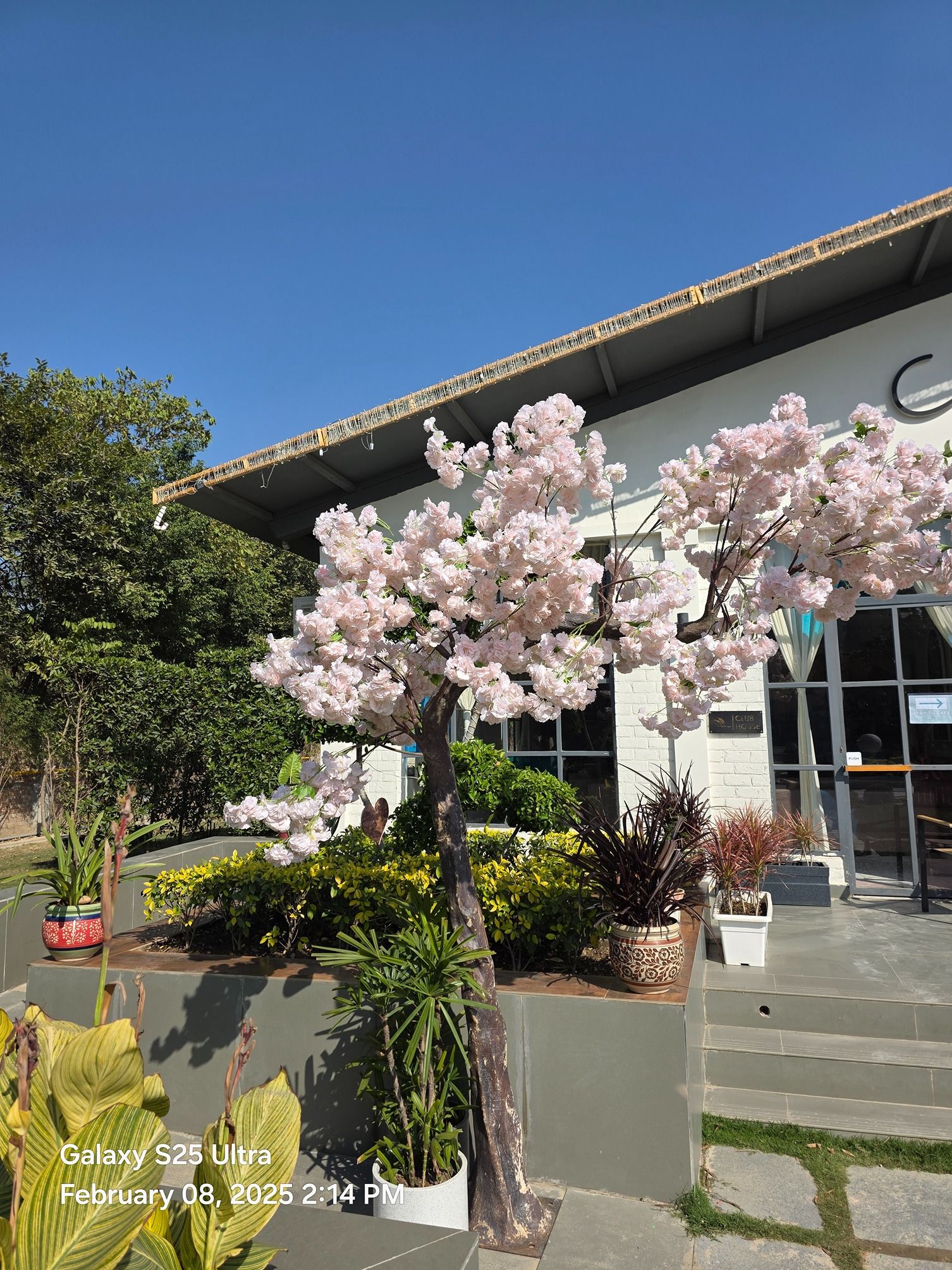
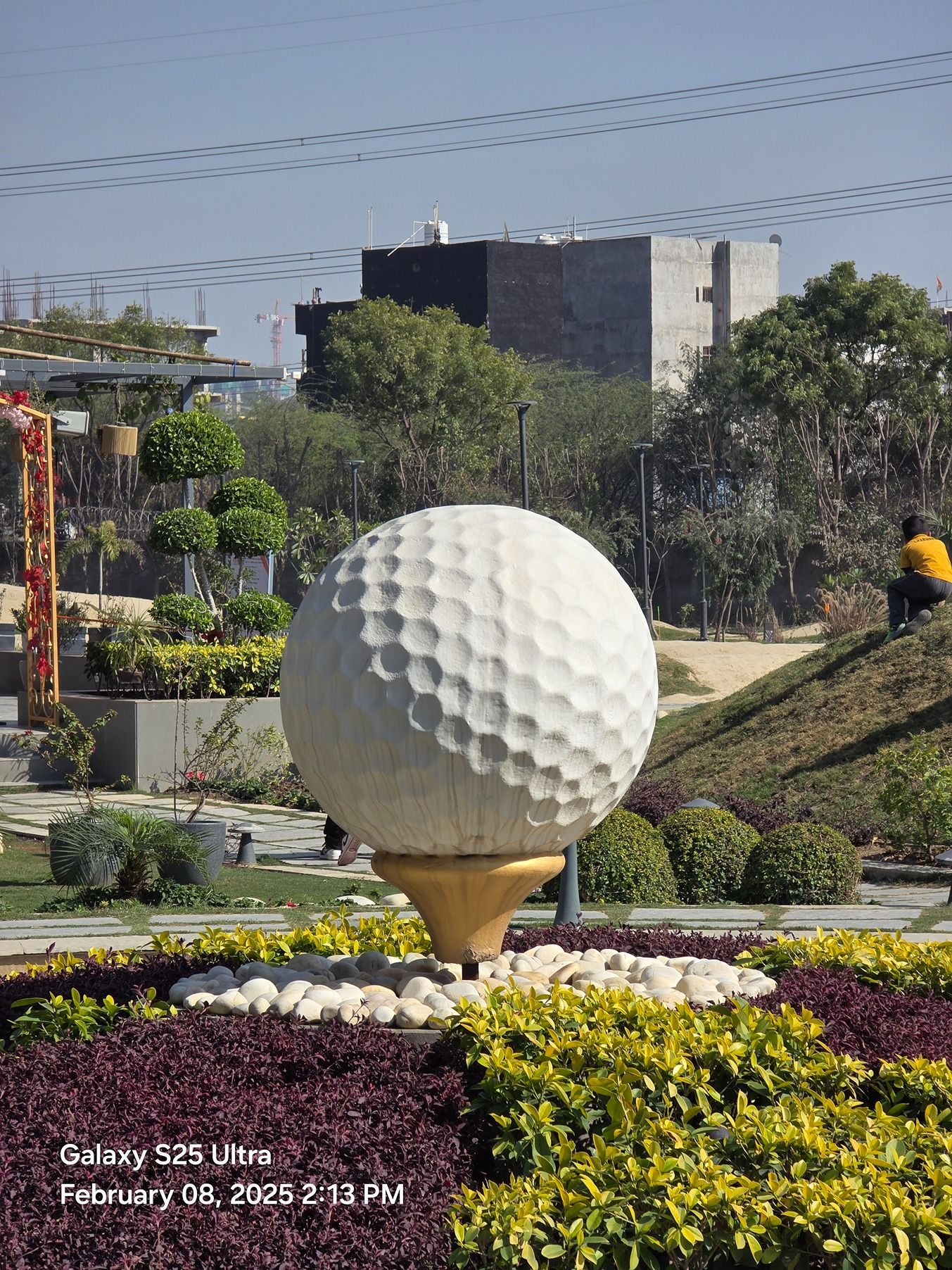




Rest, the primary camera takes similar photos as the S24 Ultra. The S25 Ultra sometimes takes brighter and more vibrant photos, but details, shadows, and dynamic range are the same as the older model. What’s also similar to the S24 Ultra is the slow shutter speeds, despite ample lighting.
The Ultra series is majorly known for its zoom capabilities, and the S25 Ultra continues that legacy. It still sticks to the 5x optical zoom, and not the 10x optical zoom that we last saw on the S23 Ultra. The S25 Ultra lets you zoom up to 100x and retains a bit more detail compared to its predecessor.

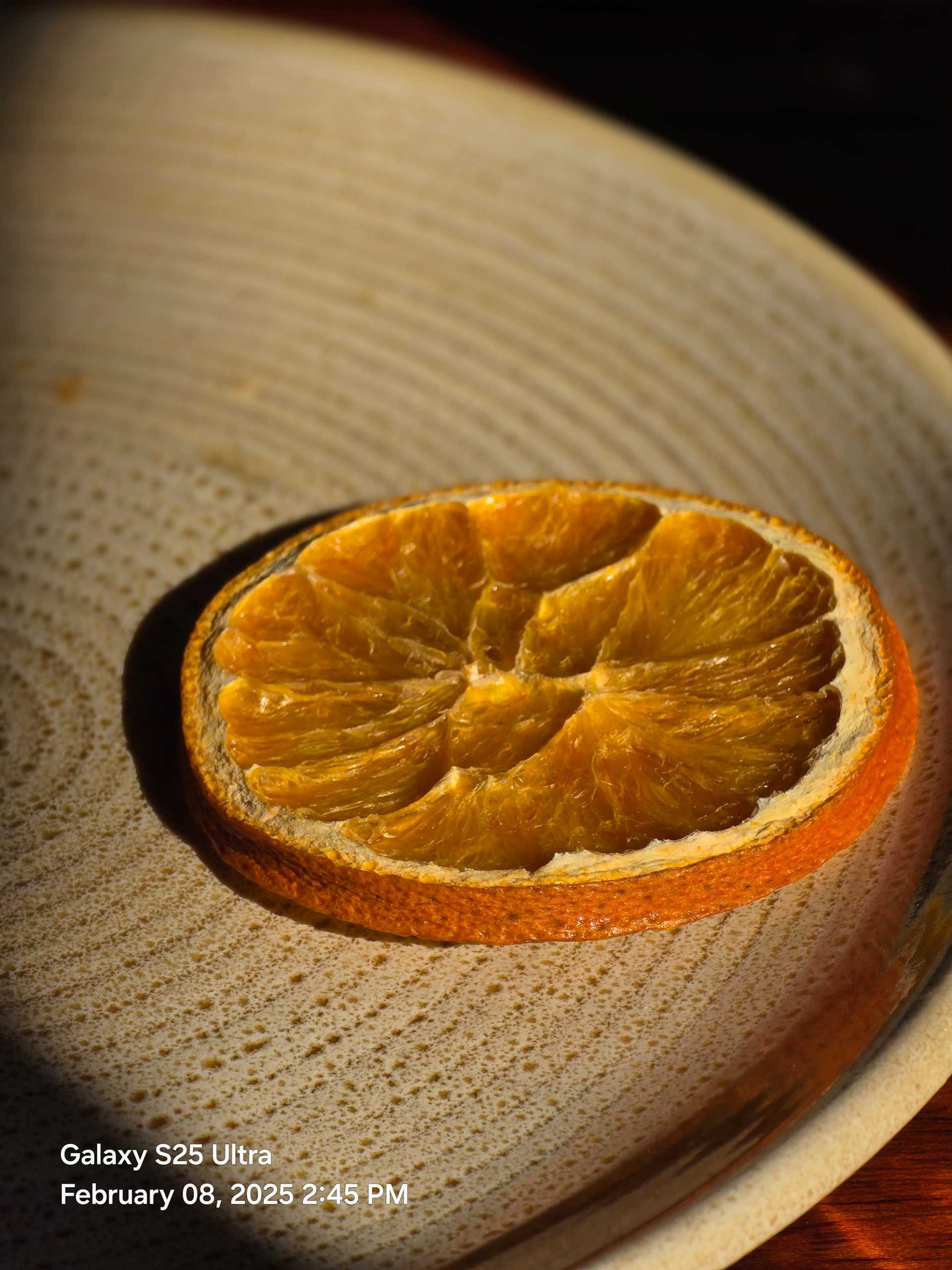


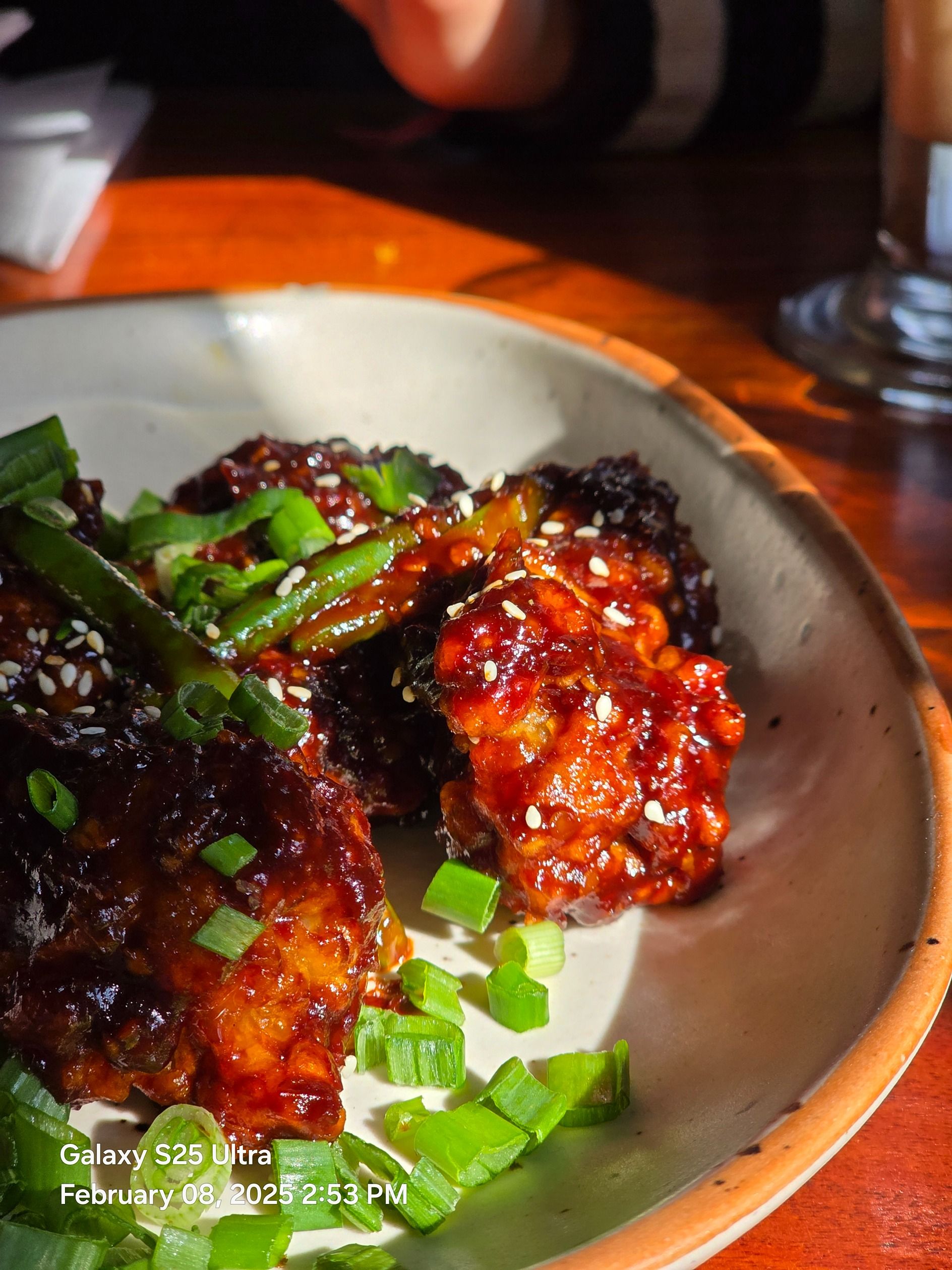


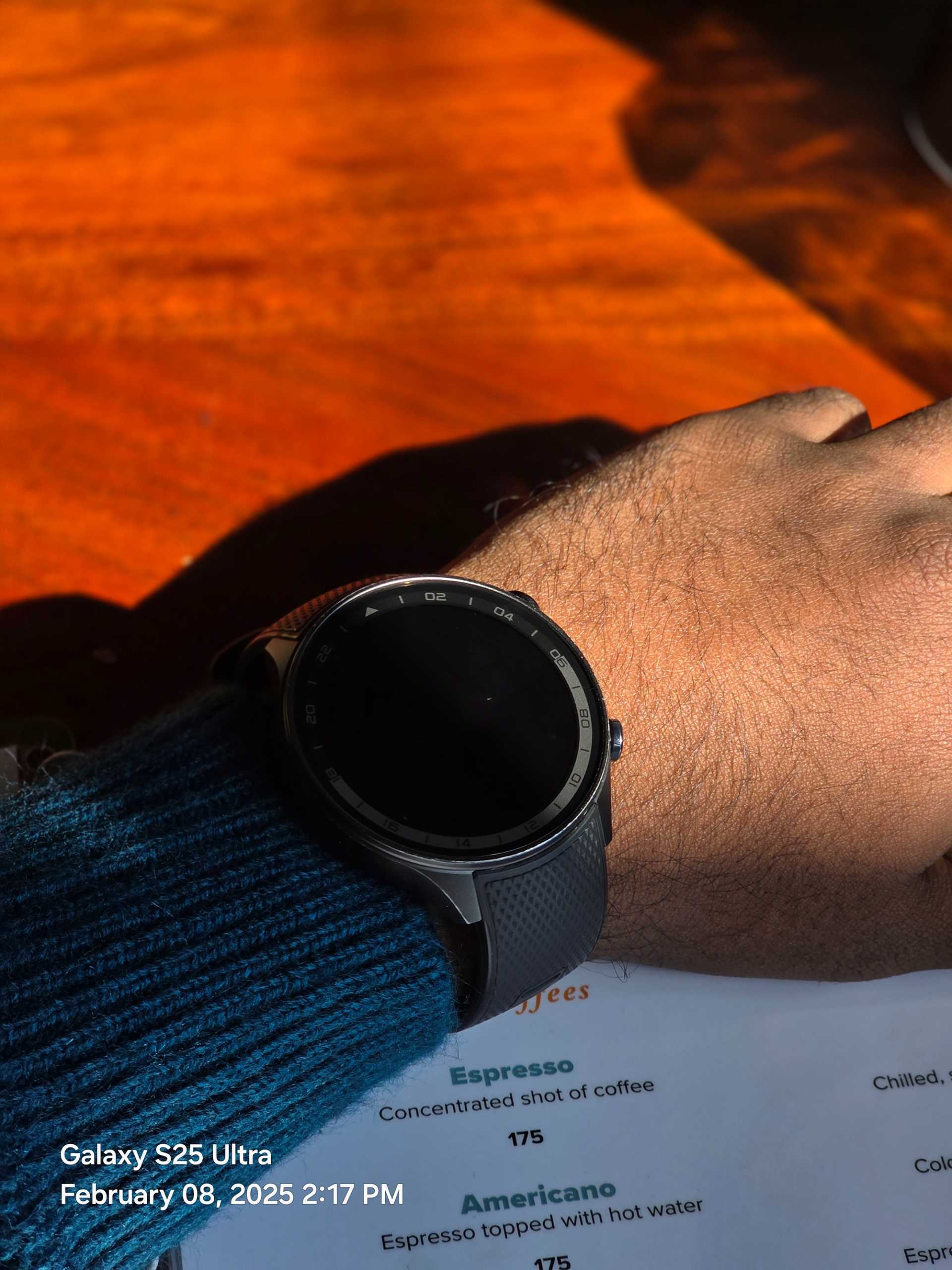
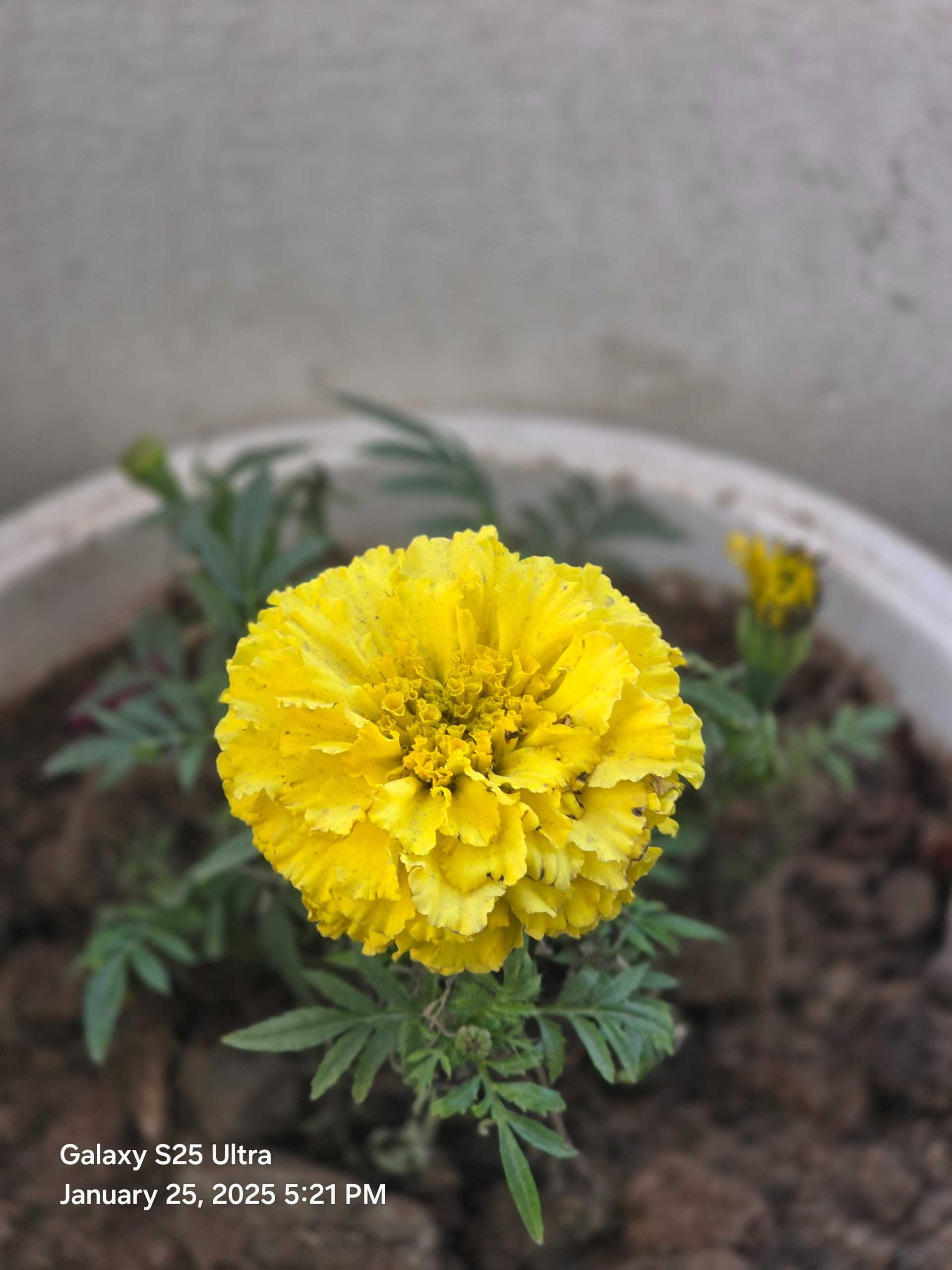
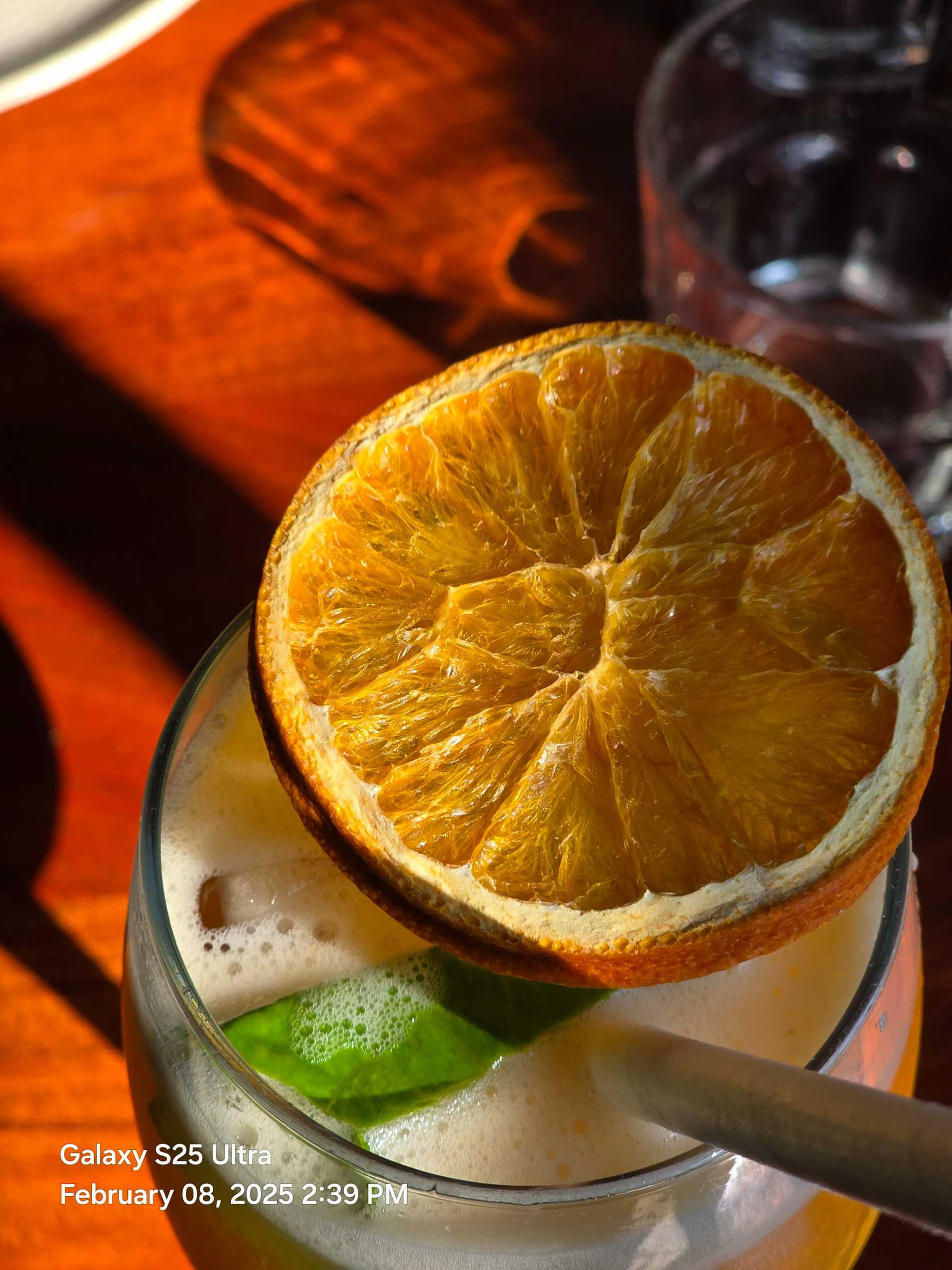
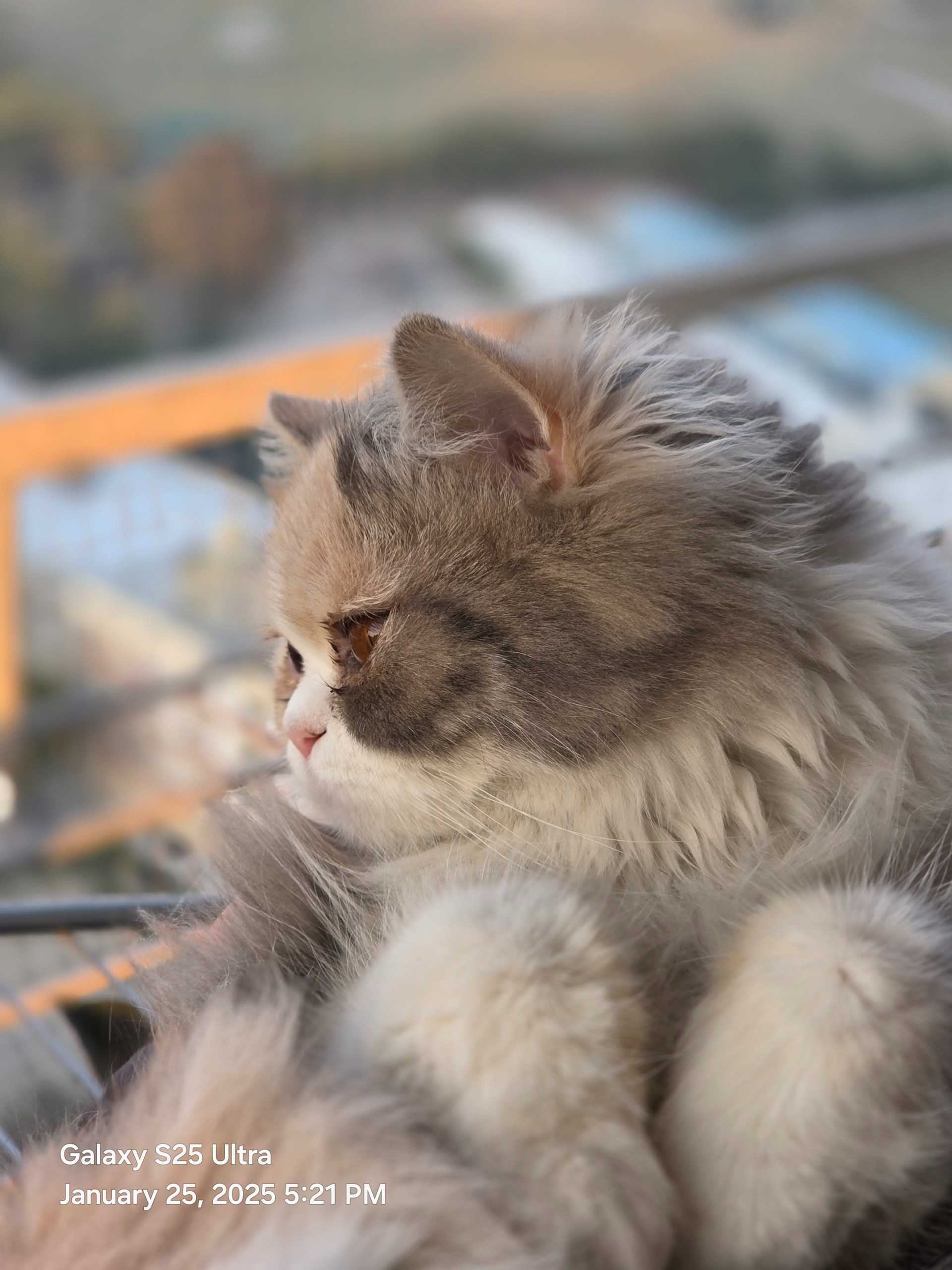

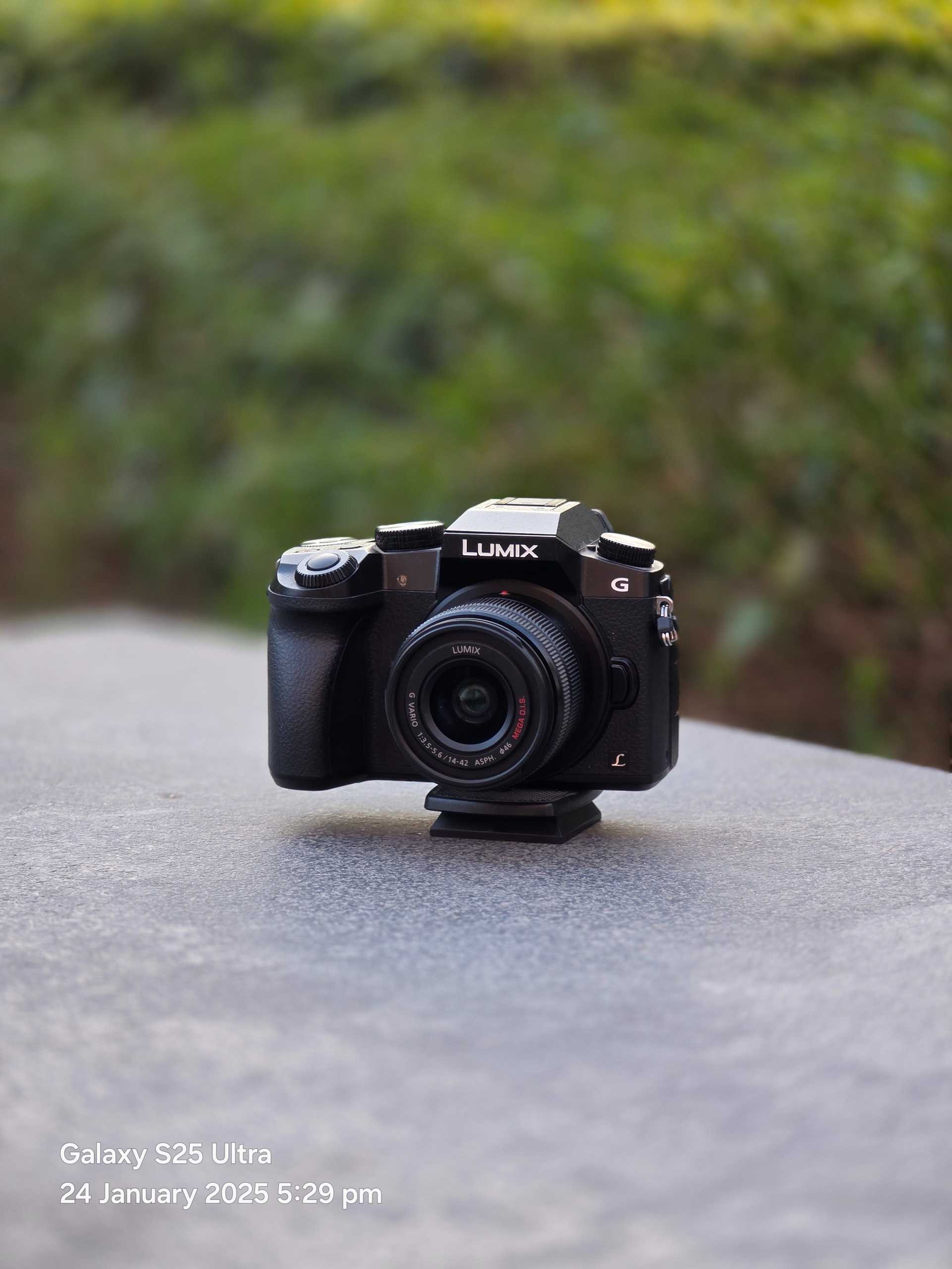
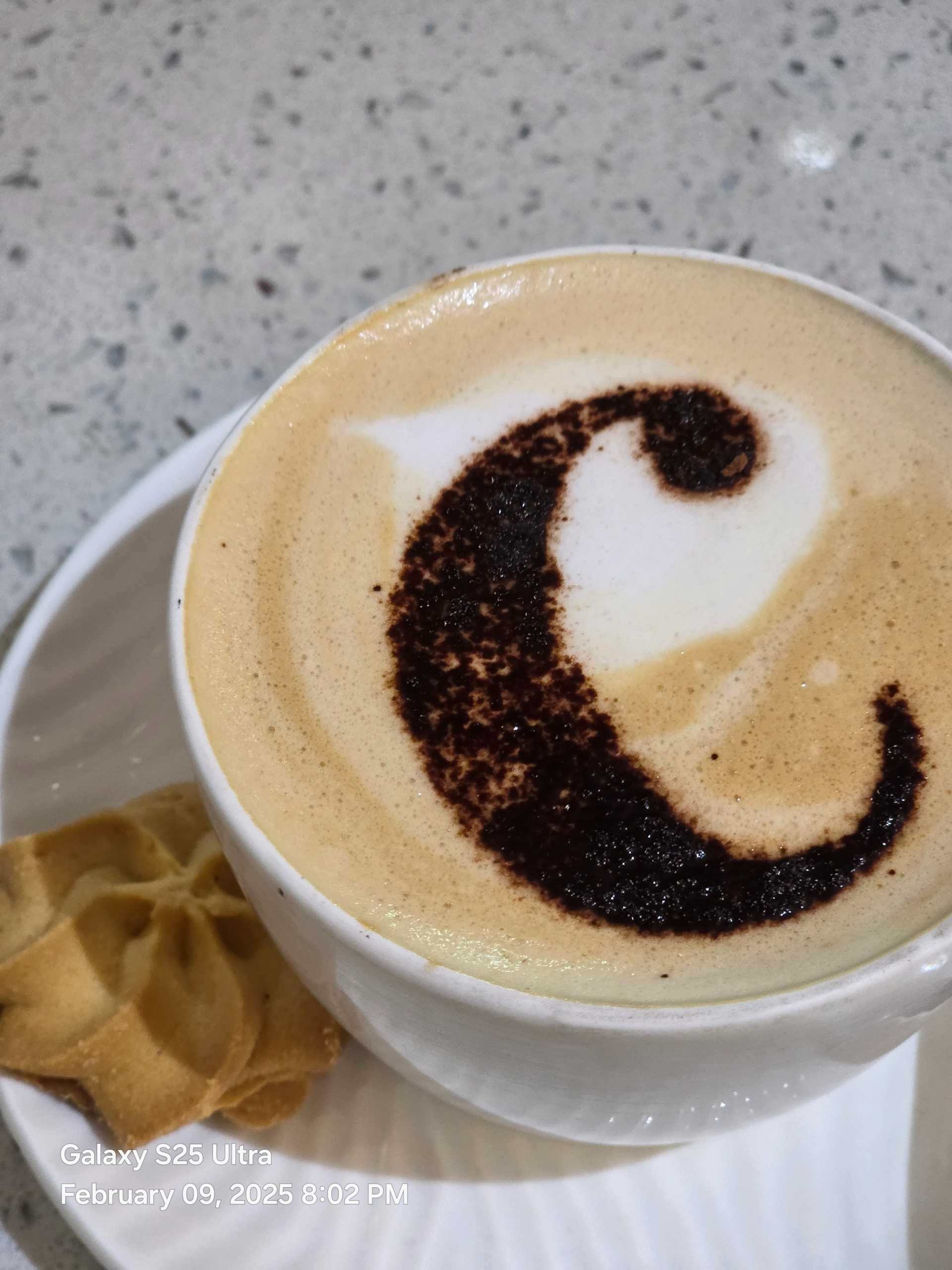

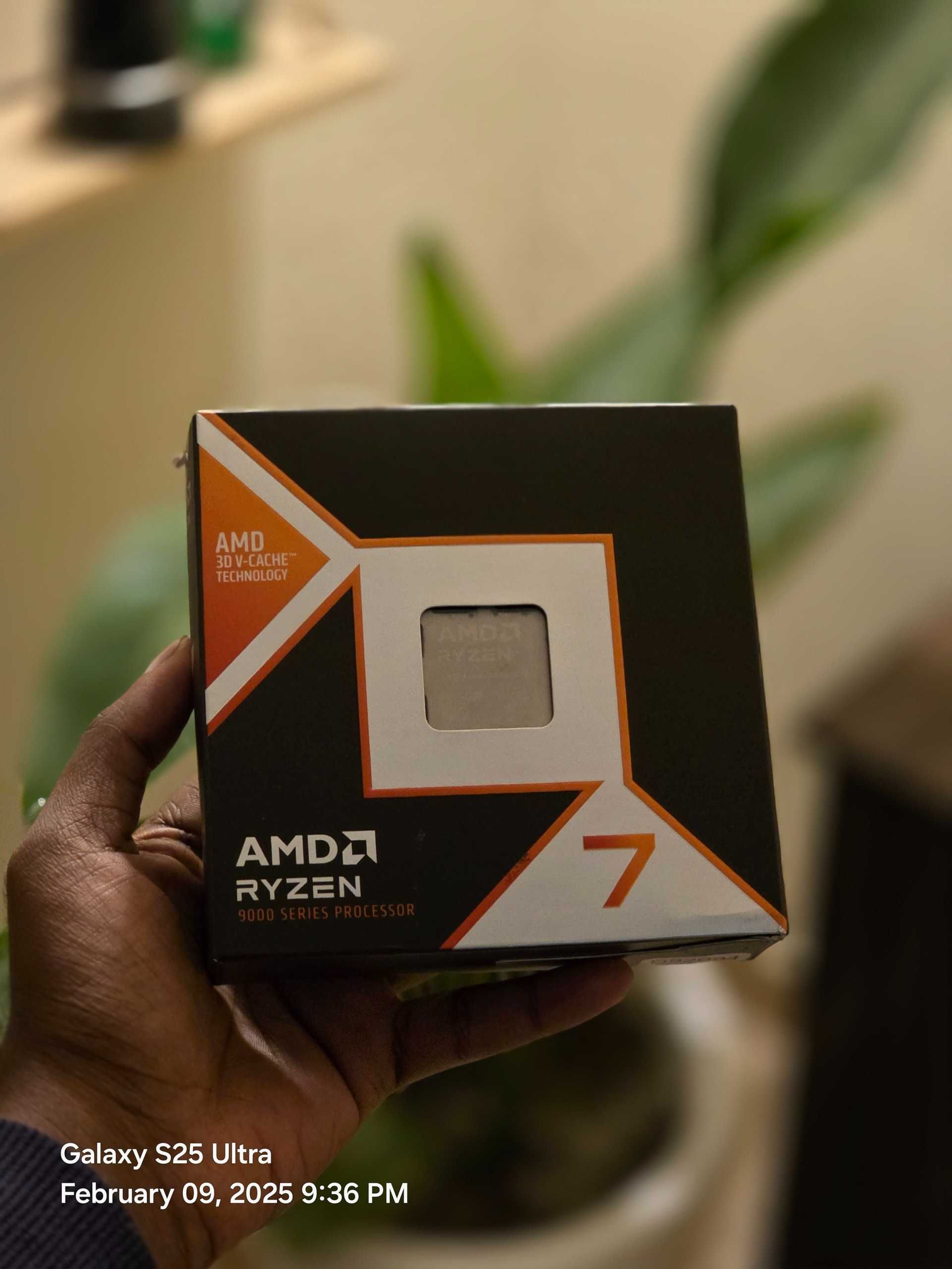
Portrait mode photos continue to be excellent with flawless edge detection. I usually stuck to 3x zoom for human subjects and 5x when I wanted to frame the images in a certain way. It’s without a doubt a reliable shooter. That said, if you want a phone that can offer you some more versatility, the Vivo X200 Pro, OPPO Find X8 Pro (Review), and the Xiaomi 14 Ultra (Review) can be better options because of different colour modes and portrait lens kits.




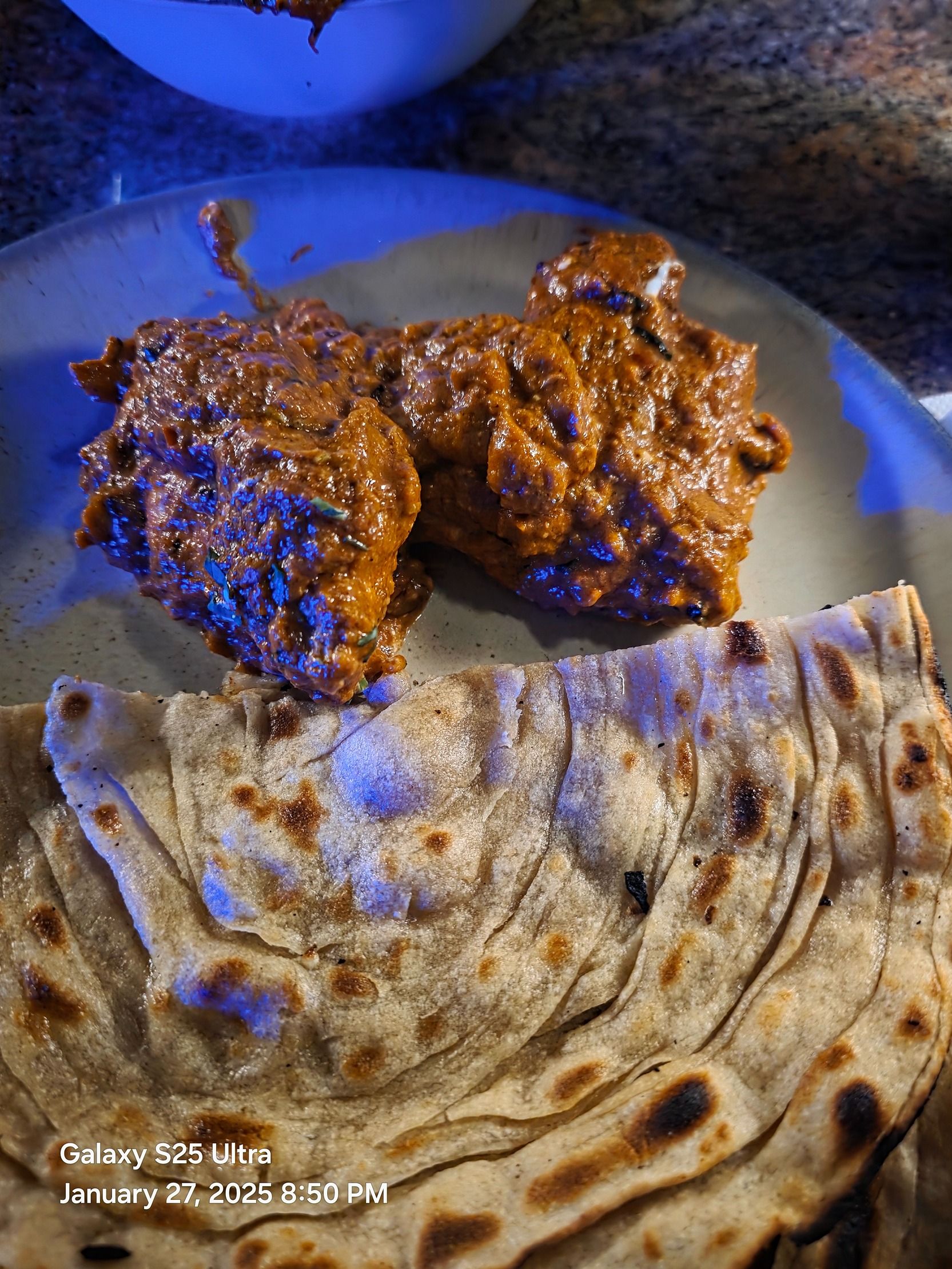


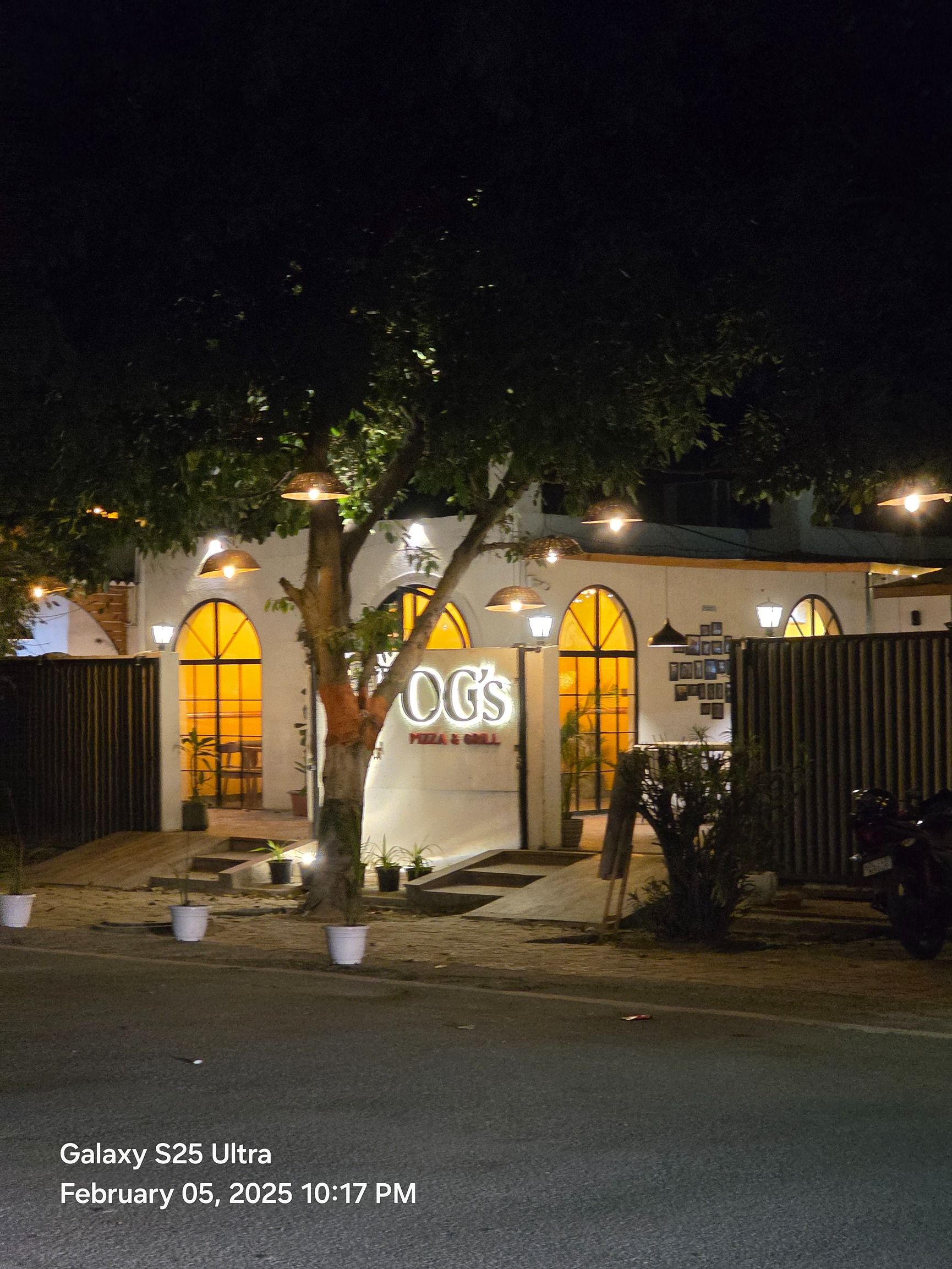

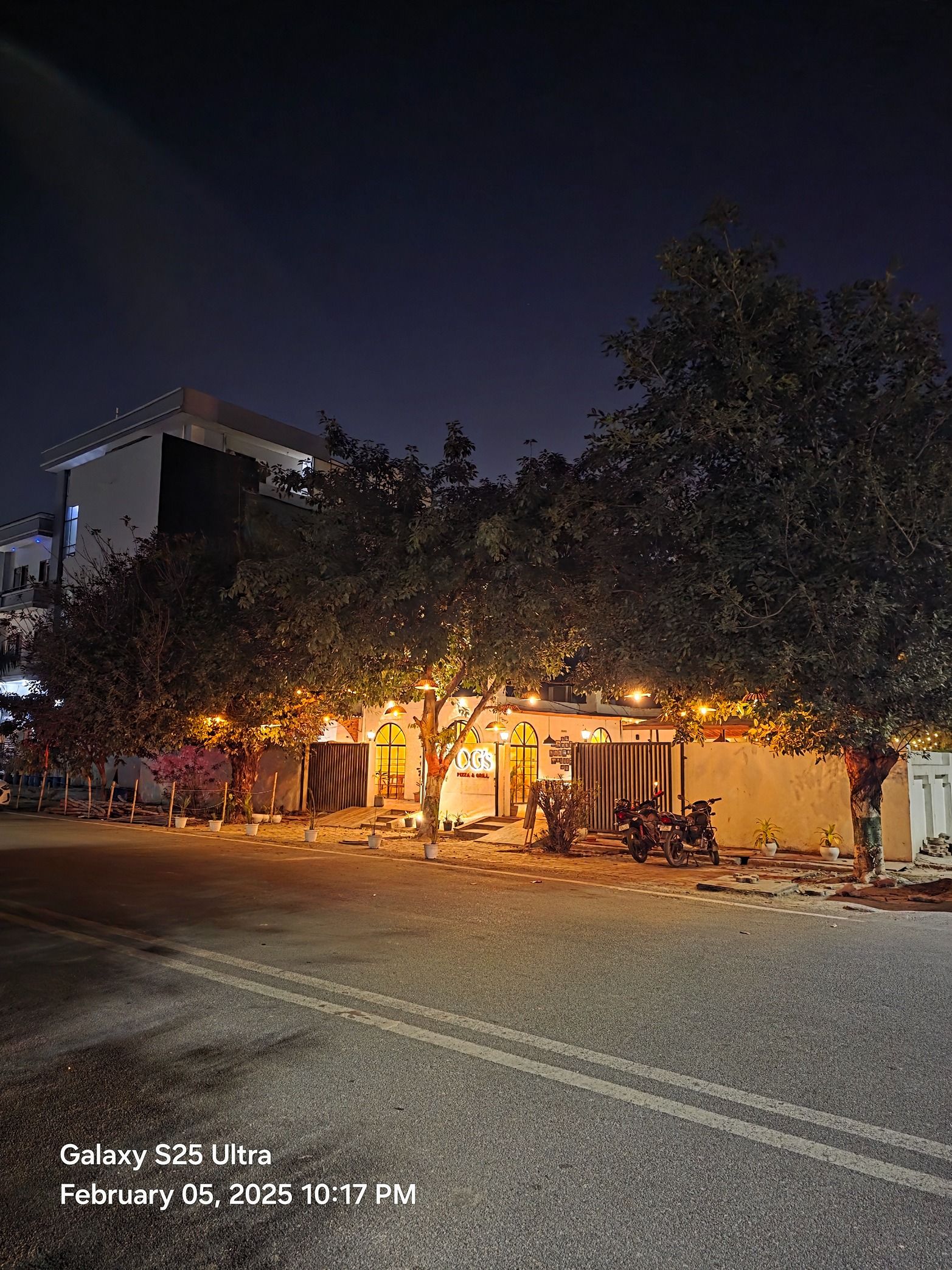
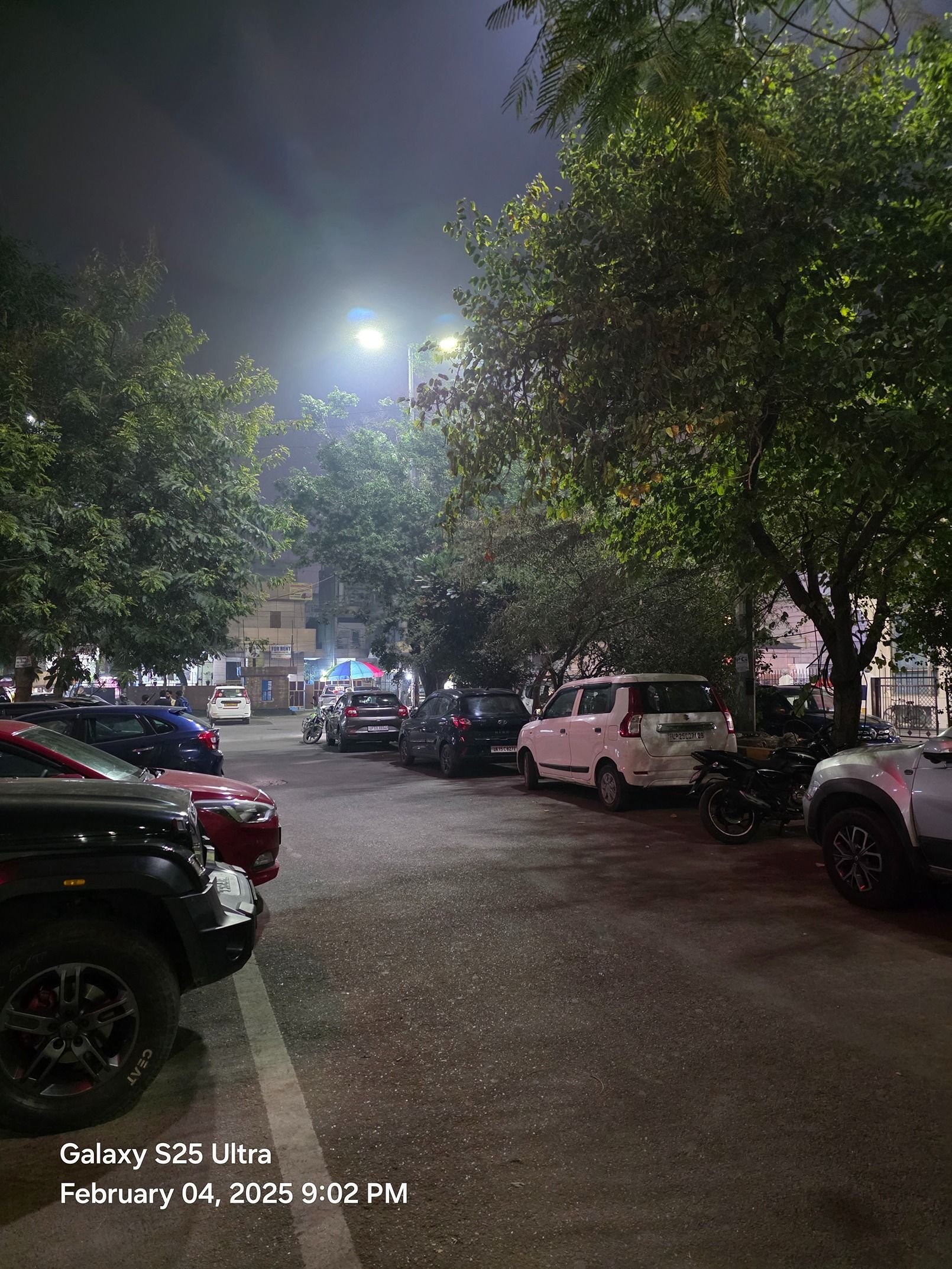
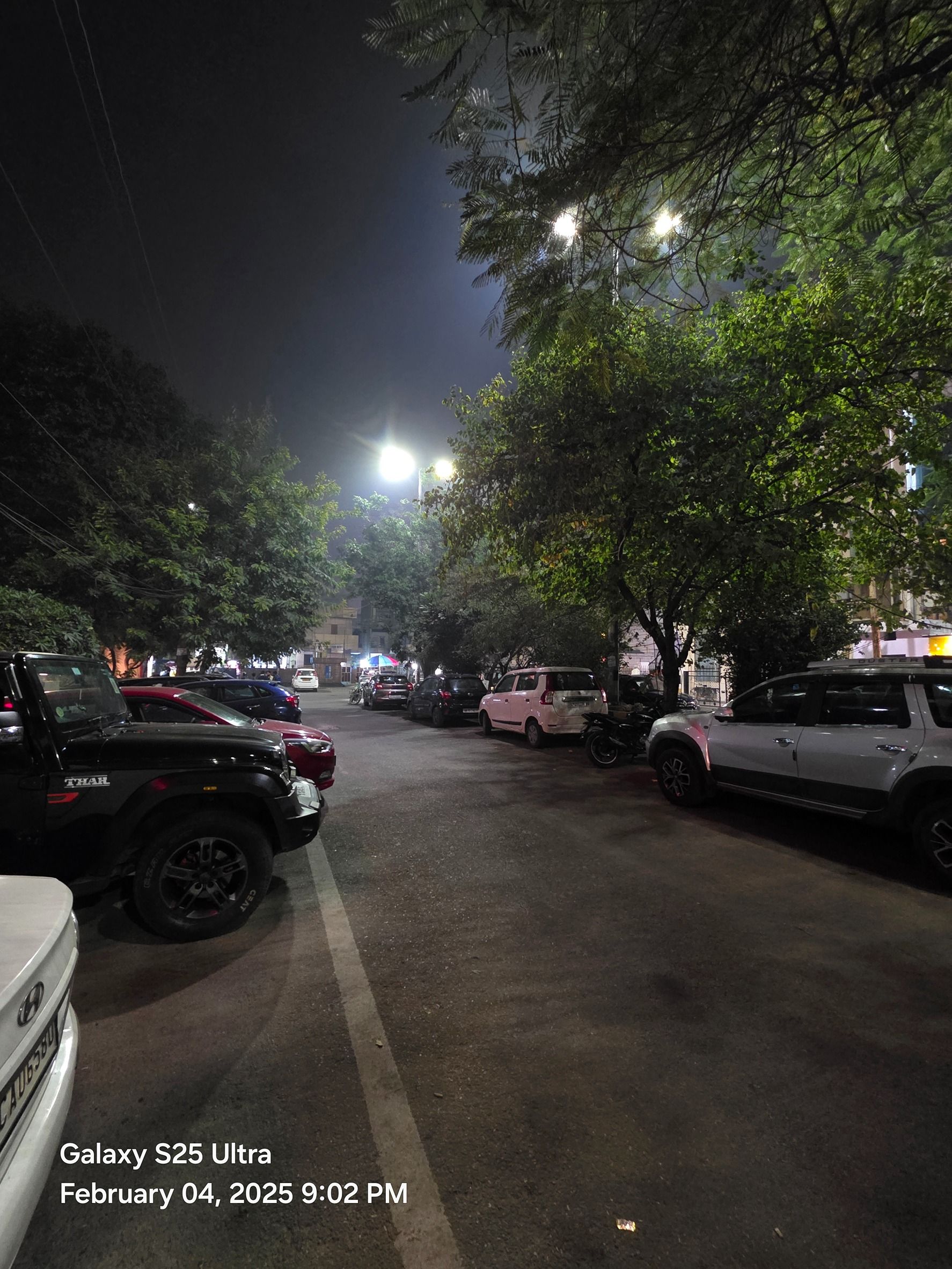

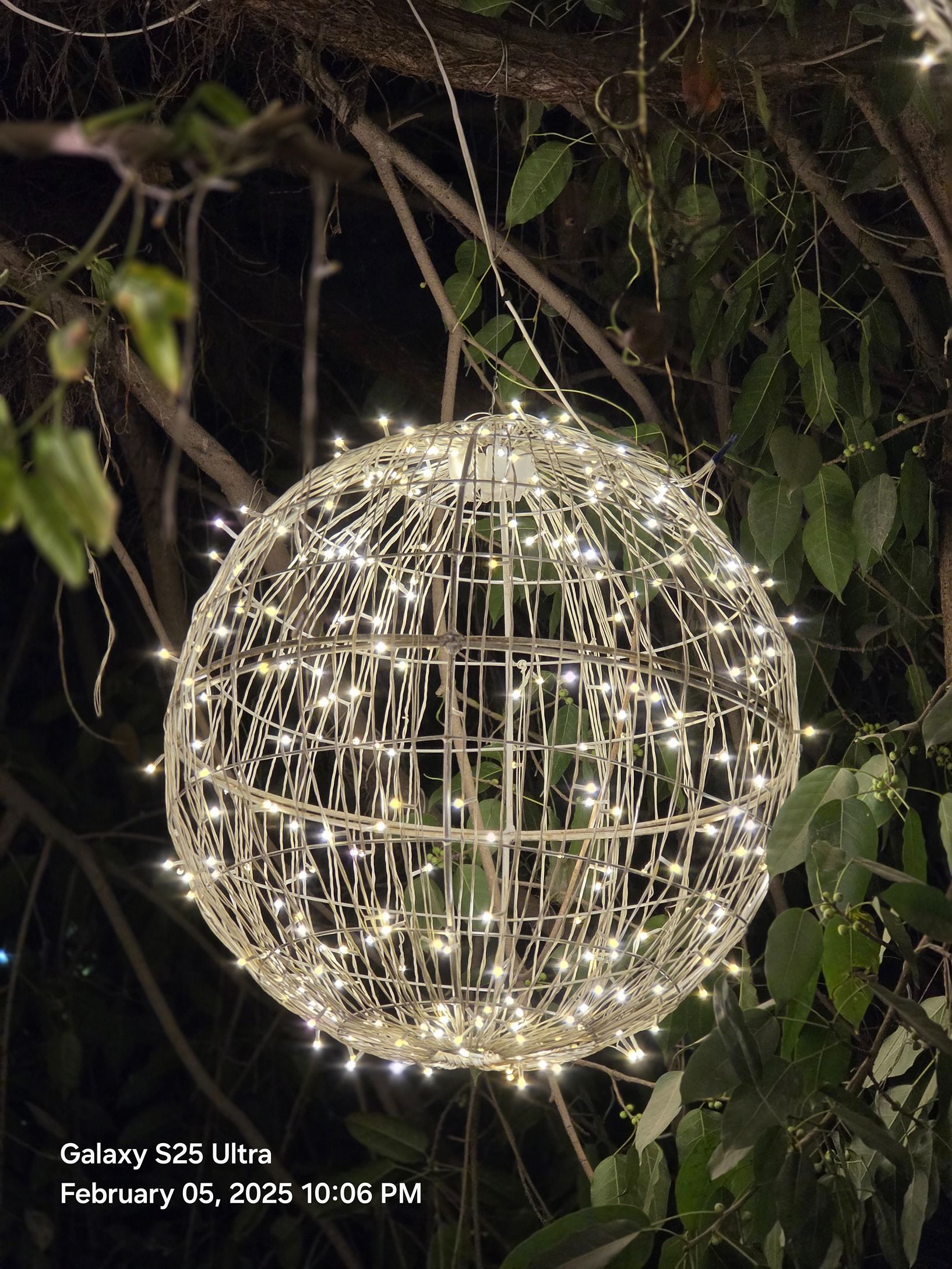
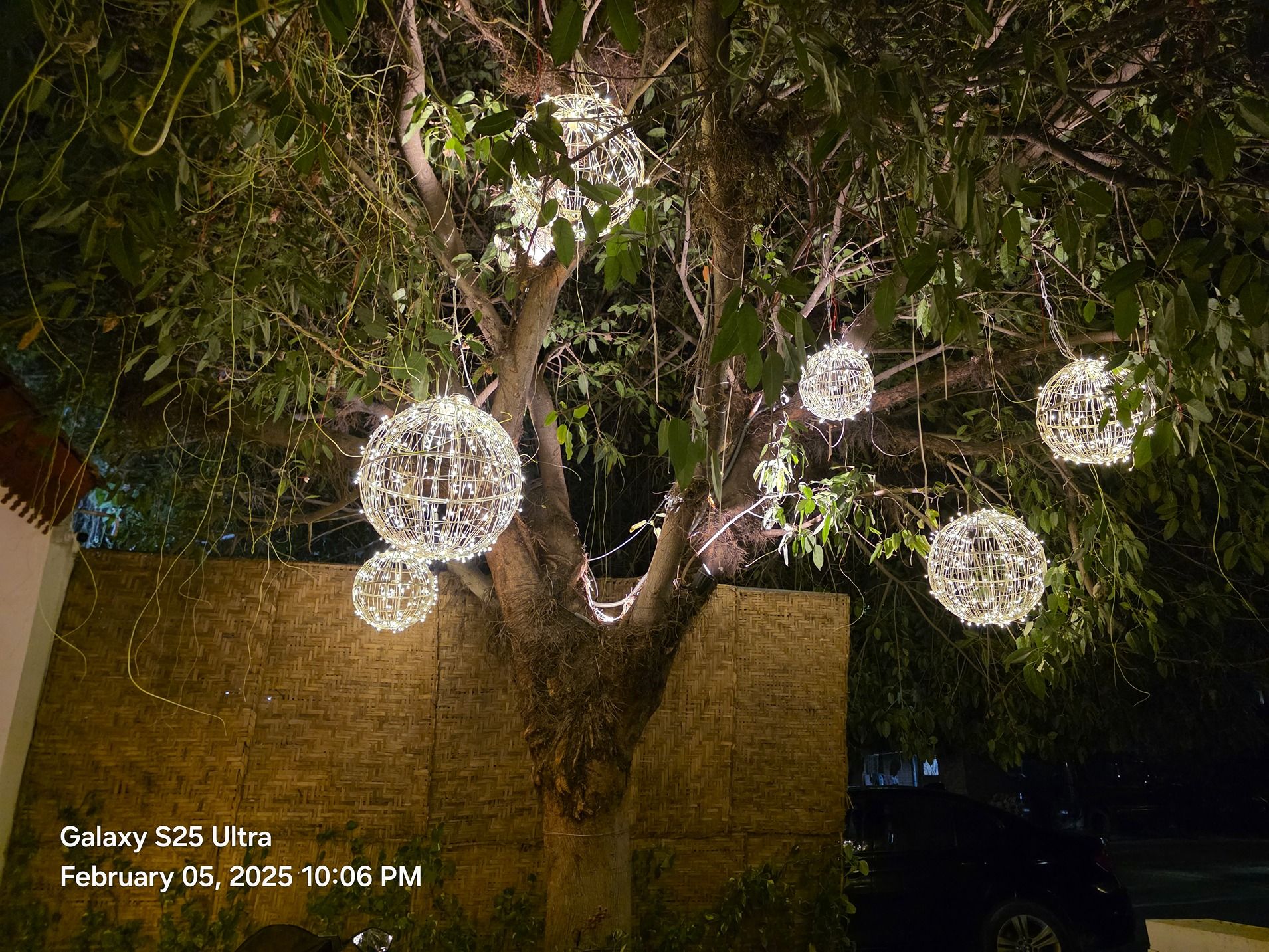

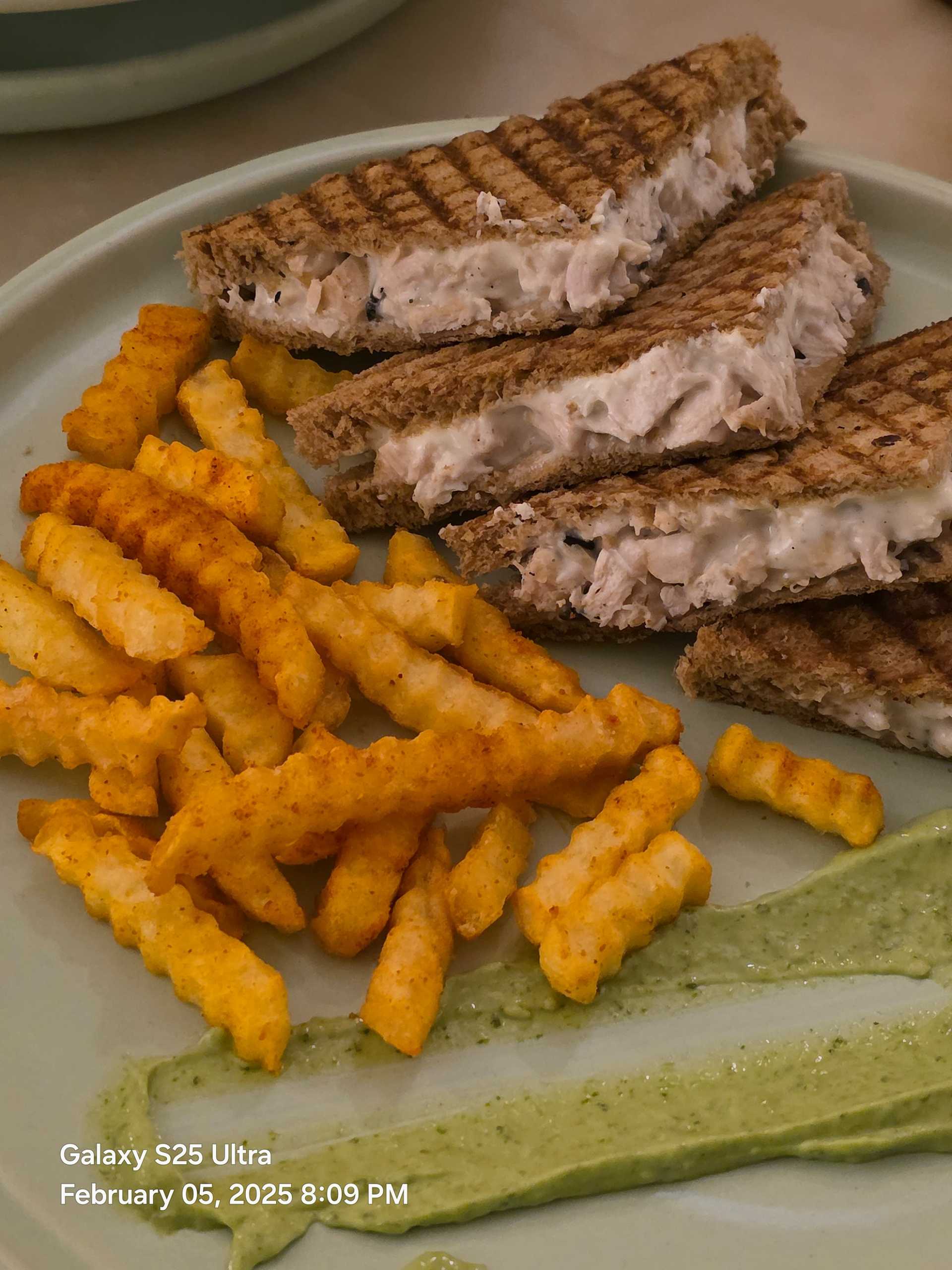

Low-light images also continue to be good when using the primary camera. It manages sharp light objects and keeps the grains away. However, the same cannot be said for the 3x telephoto camera, which performed underwhelmingly even under ample light. The 12-megapixel selfie camera is also carried forward from the S24 Ultra. It produces sharp images with accurate skin tones.
Battery and charging
The battery life on the S25 Ultra remains excellent and reliable. Despite shaving off 14 grams from the scale, the phone still comes with a 5,000mAh battery pack.
In our PCMark Battery test, the phone lasted 14 hours and 47 minutes, which falls behind the Vivo X200 Pro, the OPPO Find X8 Pro, and even its younger sibling, the Galaxy S25 Plus by a minute.
| Battery | Specifications |
| Battery capacity | 5,000mAh |
| Charger in the box? | No |
| PCMark Battery Test (FHD+) | 14 hours and 47 minutes |
| Charging wattage | 45W PD, 15W wireless |
But, my practical usage tells a slightly different story. The S25 Ultra easily lasts an entire day with a SIM installed. I could easily get seven to eight hours of screen time despite prolonged camera usage. This was tested with FHD+ resolution, so you can expect fewer numbers in QHD+ resolution.

Charging speeds remain archaic with a 45W output and no charger included in the box. It takes the phone about an hour and 10 minutes to fully charge from the dead.
Verdict
Every year, a new Galaxy ‘Ultra’ arrives with the challenge of living up to high expectations. But with the S25 Ultra, the narrative feels different—and Samsung isn’t hiding it. This time, the S25 Ultra isn’t aiming to dazzle with hardware alone. Instead, it puts software and AI experiences front and center, letting them take the spotlight.
That doesn’t mean the S25 Ultra falls short—in fact, it’s undeniably an overachiever. While the design only sees subtle changes from the S24 Ultra, the phone still boasts one of the finest smartphone displays you’ll ever see. Despite its powerhouse performance, the S25 Ultra maintains efficiency and delivers impressive battery life.
The cameras remain amazing, producing eye-pleasing and consistent results. One UI 7 brings extensive customisation options, while Samsung’s seven-year software commitment adds long-term peace of mind. Meanwhile, Galaxy AI, though not perfect, proves highly useful in many everyday scenarios.
Having said that, the S25 Ultra is still not a no-compromise device. The missing Bluetooth functionality from the S-Pen is a major downgrade. The charging speeds still remain archaic, and the delayed shutter speed can still cause you to miss important moments.
The S24 Ultra is available at Rs 9,000 less than the S25 Ultra. If you don’t need the Elite chip, 0.1-inch extra display or the new ultra-wide angle camera, it’s still an excellent phone to have.